
Maintaining Ocean Prosperity-Protect Fishing through Ocean Protect
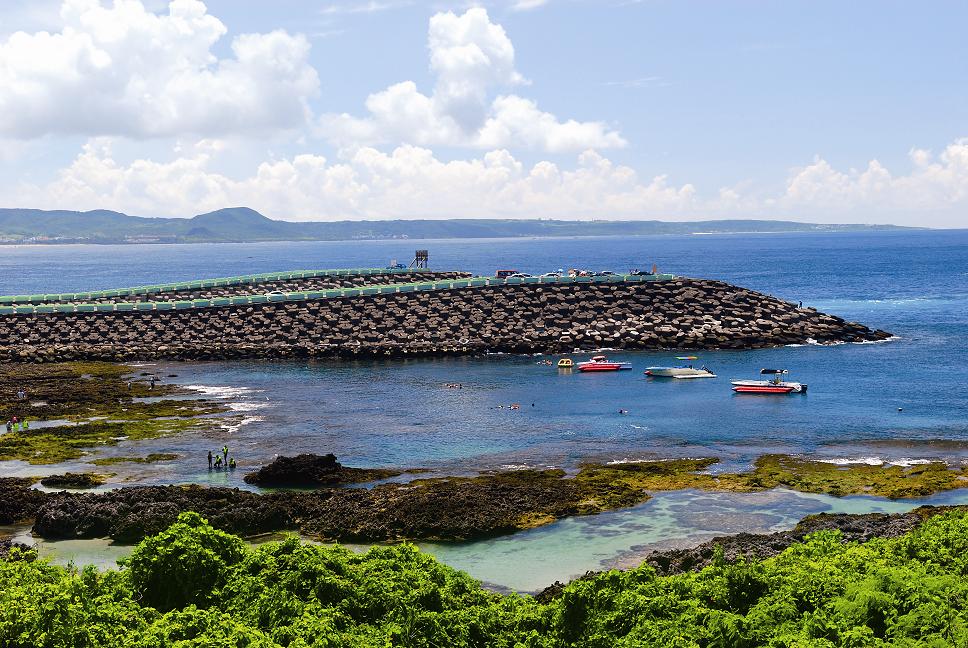
The ocean
Is a door-less realm,
Open to those living off the sea.
- “Living Off the Sea” by Hung-Ju Liao
Countless lives are supported by this vast expanse of water and space. These lives are closely dependent on each other for growth - perhaps in a predator-prey relationship between larger and smaller fish, perhaps in a symbiotic relationship between anemone and clownfish, or perhaps in a one-way profitable relationship between the sucker fish and large marine creatures. These interactions connect lives so that the species are not in lone existence, but are in a constantly overlapping community.
In these relationships, hunting is perhaps the most direct exchange of life and death. The end of one life is the continuation and growth of another. Humans are also closely drawn into such a relationship where the vital fertility of the ocean offers a livelihood to those who depend on it. Yet what do we humans have to offer the ocean that nourishes us living on the island?
The Dining Table, Portrayal of an Ocean in Crisis
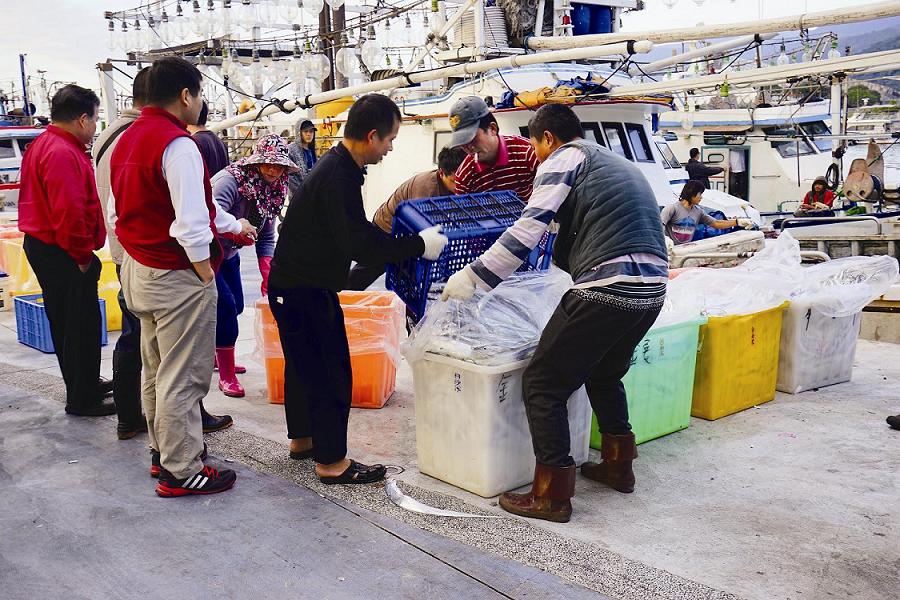
n recent years, advertising has fueled a global passion for seafood, making seafood a consumption trend that is catastrophic to marine life. Due to high market demand, fishing vessels from different countries are competing for aquatic products, and blinded by profits, are attempting to make a clean sweep of the fish by continually boosting their fishing gears. The impact of such competition is evident in fish markets where traditional “freshly caught fish” has decreased, and are replaced by farmed fish. Moreover, fish that were commonly seen are now rare; likewise, fish that grew to arm's length before being sold are now sold when no larger than palm size. These are warning signs from the ocean, and it is now somewhat ironic that the fish is traditionally symbolic of abundance in Chinese New Year feasts.
In the 2006 Science Journal, the World Wildlife Fund (WWF) published a study reporting that if the warning signals sent out by the ocean is ignored, the world will have no edible fish by the 2048. Shao Kuang-chao, an Academia Sinica researcher who has devoted his life to studying the ocean, found that in the last 30 years, the number of species of fish in the northern shores have dropped from 120 to 30 species, and the source of fish is being exhausted faster than expected. The day when no wild ocean fish is available is arriving sooner than feared, and Taiwan is becoming a “fishless island.” The situation might seems overly disturbing, but if we fail to start taking actions, the nightmare will eventually come true. Collapse of the marine ecosystem will lead to drastic changes in global sea and land environment. As a major fishing country, Taiwan should be more aware of the importance of protecting the fish and become actively involved in conservation. Managing the oceanic national parks and implementing marine conservation areas to protect fish are not mere slogans, but are matters of urgency.
Traditional Fishery, Sustainable Wisdom
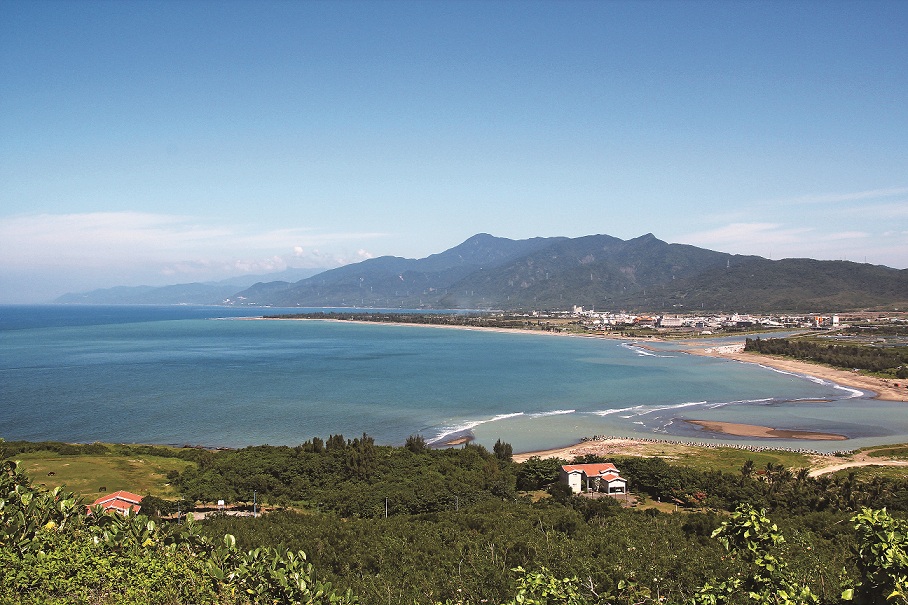
When a people has lived in an area for a long time, they will naturally find a lifestyle that is consistent with the environment. The Yami tribe has lived in Lanyu for thousands of years, and has developed norms for living off the island and marine life. The norms for living off flying fish is particularly rigorous, including the time and method for catching flying fish and the method of cooking. The concept underlying this seemingly complex and traditional behavior is in fact very advanced. It is not merely a use but also an effective management of a resource so that despite years of hunting, the flying fish is continuing to multiply, and hence the preservation of the fishing method.
In the Penghu area, the traditional stacked stones method of fishing used tidal range to capture the fish trapped in the stacked stones. When the tide rises, the fish swim into the stacked stones to forage, and when the tide ebbs, the fish are trapped in the wall of stones that are piled higher than the water level. This passive fishing method does not make a clean sweep of the fish, but allows for selective fishing and prevents the waste of resource. Hence it is regarded as a friendly and clever method of fishing.
In the “ Mencius Meets King Hui of Liang ", there is a verse that says, “If close nets are not allowed to enter the pools and ponds, the fishes and turtles will be more than can be consumed.” In other words, if fine meshed nets are not used in fishing so that small fish are allowed to survive, then the supply of fish for consumption will be limitless. Every race responds to the laws of nature in its own way , which is ancient human wisdom. However, in the wake of industrialization, humans began using new methods to explore and exploit the environment, and broke old rules. When catches of fish became small, they increased their effort to maintain the original volume by catching smaller fish. Fewer fish escape, and naturally fewer fish are born, and the vicious cycle is accelerated to the point of species extinction. In today's precarious fishery resources, promising the ocean enough “fish to slip through the net” is perhaps more in line with the wisdom of sustainable management.
Marine Ecological Protected Area
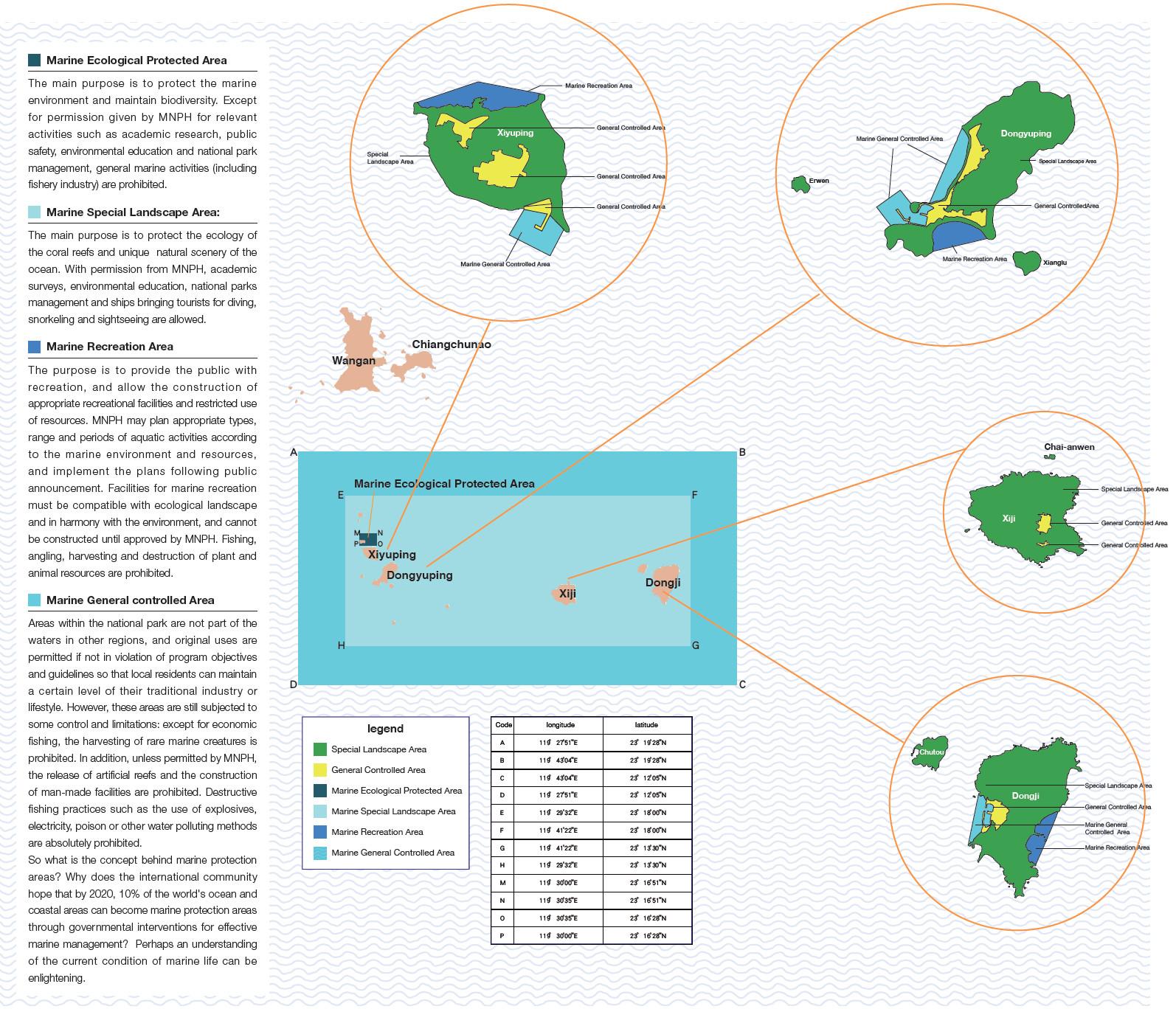
The main purpose is to protect the marine environment and maintain biodiversity. Except for permission given by MNPH for relevant activities such as academic research, public safety, environmental education and national park management, general marine activities (including fishery industry) are prohibited.
Marine Special Landscape Area
The main purpose is to protect the ecology of the coral reefs and unique natural scenery of the ocean. With permission from MNPH, academic surveys, environmental education, national parks management and ships bringing tourists for diving, snorkeling and sightseeing are allowed.
Marine Recreation Area
The purpose is to provide the public with recreation, and allow the construction of appropriate recreational facilities and restricted use of resources. MNPH may plan appropriate types, range and periods of aquatic activities according to the marine environment and resources, and implement the plans following public announcement. Facilities for marine recreation must be compatible with ecological landscape and in harmony with the environment, and cannot be constructed until approved by MNPH. Fishing, angling, harvesting and destruction of plant and animal resources are prohibited.
Marine General controlled Area
Areas within the national park are not part of the waters in other regions, and original uses are permitted if not in violation of program objectives and guidelines so that local residents can maintain a certain level of their traditional industry or lifestyle. However, these areas are still subjected to some control and limitations: except for economic fishing, the harvesting of rare marine creatures is prohibited. In addition, unless permitted by MNPH, the release of artificial reefs and the construction of man-made facilities are prohibited. Destructive fishing practices such as the use of explosives, electricity, poison or other water polluting methods are absolutely prohibited.
So what is the concept behind marine protection areas? Why does the international community hope that by 2020, 10% of the world's ocean and coastal areas can become marine protection areas through governmental interventions for effective marine management? Perhaps an understanding of the current condition of marine life can be enlightening.
Protect the fish for the future
For sustainable fishery industry, it is necessary to protect the fish, such as by designating marine protection areas. By incorporating major fish habitats into protected areas, important ecological functions can be properly protected from destruction and pollution, thereby enabling these regions to ensure birthing in marine life. Those living off the sea may be concerned that their fishing would be restricted; however, the purpose of these areas is not to ban fishing, but to protect and give marine life an area of respite. Fishery resource can slowly recover, and ultimately, the first element of sustainable fishery is the propagation of ocean fish throughout the generations.
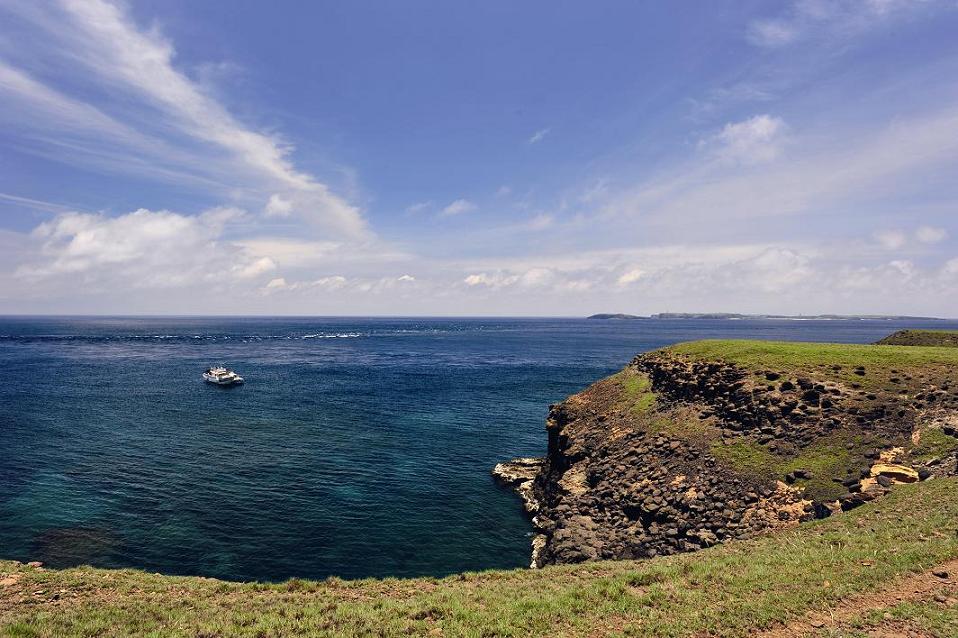
Taiwan's first marine national park was established in 2007. In that same year, Marine National Park Headquarters dedicated to marine management was formed (hereafter referred to as MNPH), and mechanisms for ocean management were gradually formulated. Before the newest marine type national park, South Penghu Four Islands National Park, was established in 2014, the waters in this area have always been an important fishing ground. From the perspective of marine conservation, it is an important source of species for Penghu and even Taiwan. Integrating the former Fisheries Act of the Penghu County Government for restricting fishing areas, fishing gears and fishing methods, MNPH designated areas in the surrounding waters for marine conservation. In addition, based on their ecological environment and functions, the waters are divided into four areas, namely the marine ecology protected area, the marine special landscape area, the marine recreation area and the marine general controlled area. The marine ecology protected area is an important habitat and is not opened to the public to prevent human impact and destruction. The marine special landscape, recreation and general controlled areas are open for multi-purpose uses with permission of MNPH.
Discern the fish and ocean
The ocean is like an expanse of field covered with water. It's simple construction gives the impression of invariability, yet further experience proves otherwise. Sometimes the ocean surges with waves, but at times it remains calm and smooth; some of its places attract schools of fish, but others remain lifeless. In the ecological environment, these variations provide for different habitats, feeding grounds or breeding grounds. Drastic environmental changes in these areas will impact the survival of the biological communities, and therefore a firm understanding, diligent monitoring and management of these areas are important.
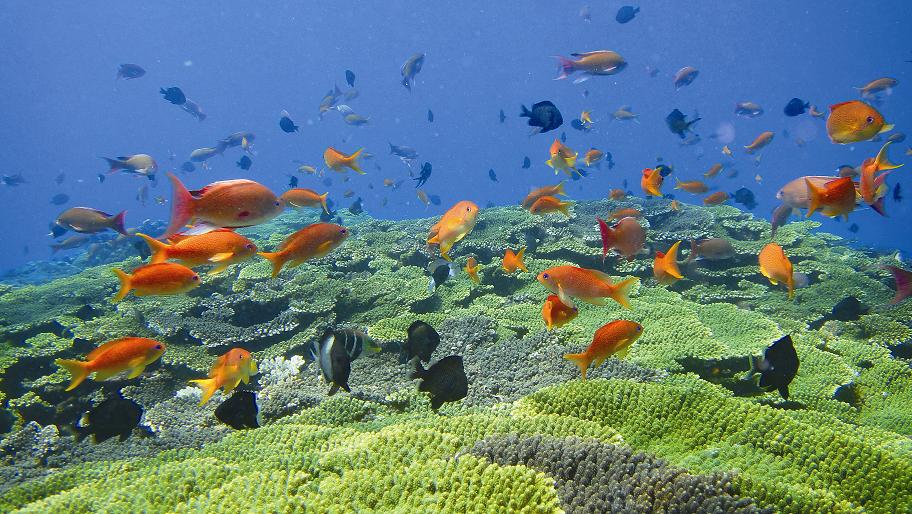
Although the ocean is a huge body of water, areas that can provide of the needs of its organisms is limited. Most organisms are concentrated in the coastal areas because of more abundant nutrients and shallower water where light can penetrate so that seaweed and algae can thrive, thereby not only providing a source of food, but also provides a good, diverse hiding places. In the marine ecosystem, important areas of energy storehouses and breeding grounds are like homes. If a good home is available to these marine organisms, they will grow and prosper, thereby making propagation possible.
In addition to maintaining the habitats, marine biological communities must also be monitored to understand their changes. A clear understanding of changes in the age structure and population in the biological communities is necessary for proper management. Aquatic catch is the most direct ocean resource, and is a source of livelihood for families living off the sea and a feast for diners. They are also raw materials for all kinds of health food, and as can be imagined, such a resource is invaluable to those living on an island. Hence to sustain the ocean, finding reasonable ways to use its resource is a matter of priority.
Protect the seas, mutual support
Many people might think that fishery and conservation are mutually exclusive and that the establishment of national parks will impact fishery. However, from a long term perspective, they have the same goal. Development in fishery is not unlimited, but must ultimately reach an ecological balance for a sustainable industry while the three major goals of national parks are conservation, recreation and research. Conservation enables ecological balance; recreation facilitates proper education and concern for the environment, and in addition to obtaining survey data, academic research often requires accurate data on fishery catch to determine the actual landscape of marine resource. Moreover, the analysis results can be used as the basis for determining the range of reasonable catch in fishery. Therefore, as long as they have a common goal, both parties in fact complement each other and are a positive force toward a sustainable ocean.
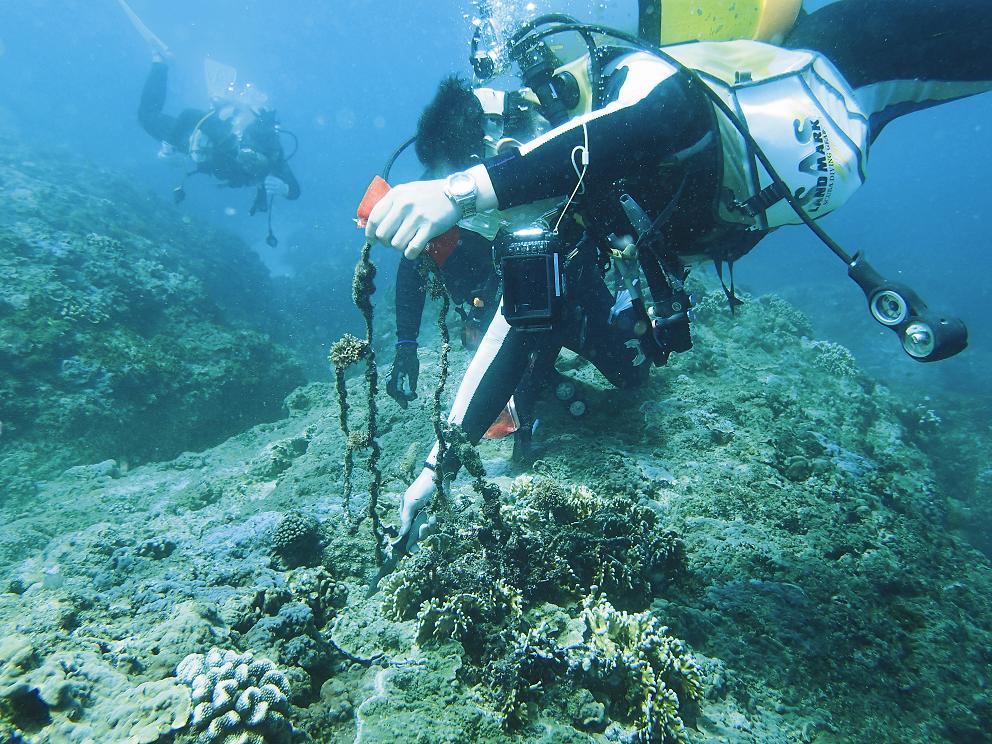
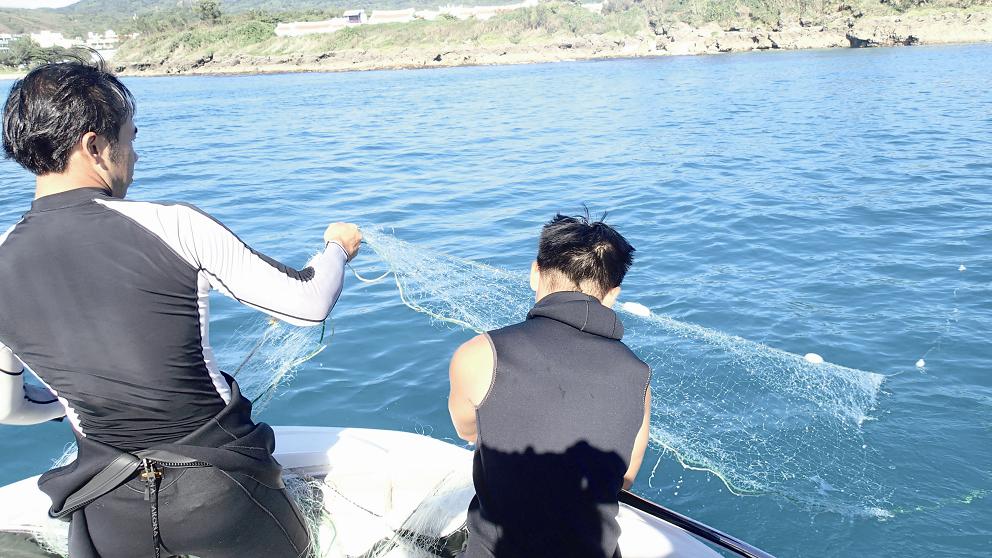
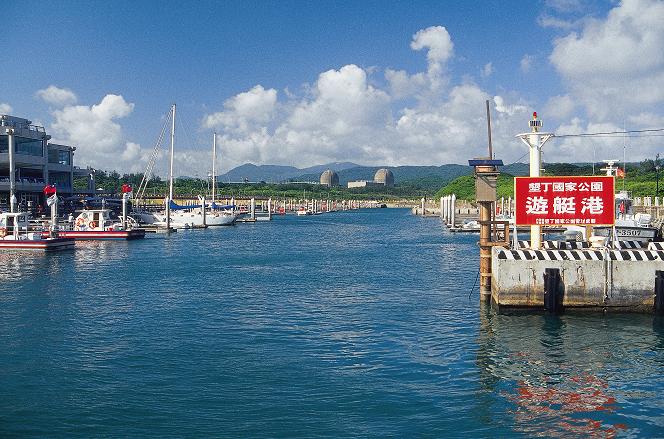
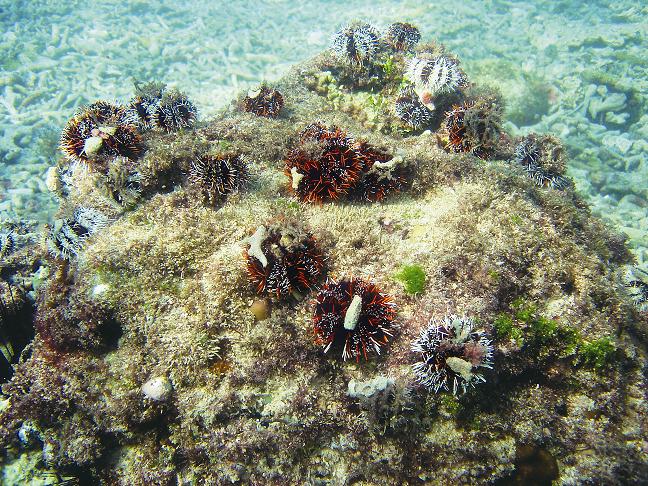
In practice, the promotion and management of marine protected areas cannot merely rely on their invisible boundaries, but must include the actual management of fishery and recreational uses in order to fulfill the function of protected areas. Kenting National Park Houbihu Marine Protection Area demonstrates the power of cooperation between Kenting National Park Headquarters (hereinafter referred to as KNPH) and the public to protect the ocean. In a preliminary assessment, experts and scholars have determined that the ecosystem be stabilized with key biological species in the sea urchin repopulation plan for the Houbihu protected area, followed by recreational industries jointly forming the Hengchun marine volunteer teams. With the support of the mayor, the original team of volunteers formed the Hengchun Marine Protection Society to gather local residents for marine conservation actions. Maintenance depends not only on the national park police, but together with the Coast Guard and Marine Protection Association, a joint patrol team is formed to more effectively and promptly stop illegal acts of destruction.
As can be seen, promoting marine protected areas is not merely a top-down policy making. It must include the power of local residents so that they can truly understand the value of their local environmental resources and arrive at a management consensus with governmental agencies. By integrating the cohesive power of private organizations, the public, local police and coast guard become front line guardians. Through the bottom-up joint efforts of the community and KNPH, marine protected areas can truly begin to fulfill their expected function of sustaining the ocean.
Extended knowledge
Further Reading
International and Taiwan's definition of marine protected areasInternational Union for Conservation of Nature (IUCN), 1994
The waters, animals and plants, historical and cultural characteristics in sub-tidal or intertidal areas must be protected by law or other effective means to partially or completely conserve relevant environments.”
Convention on Biological Diversity (CBD), 2004
“In the ocean or surrounding environment, including its overlying waters, plants, animals, historical and cultural characteristics, legal or other effective means (including customs) must be used to provide the marine or coastal biodiversity with better protection that is comparable to that in the surrounding areas.”
Food and Agriculture Organization of the United Nations (FAO), 2011
“For biodiversity conservation or fishery management of any geographical marine area, stronger protective measures must be adopted for adjacent waters ”
Taiwan
“ The regions between the average high tide line and the ocean is characterized by a unique landscape, important cultural heritage and sustainable ecological resources, and must be protected and managed by legal or other effective means ”
About the Author
Wei-Hung Chen
Graduated from the National Taiwan Ocean University, Department of Environmental Biology and Fisheries Science. Former editor of science textbooks and environmental education teaching materials. Currently employed in science books, environmental education and text compilation and editing.


