
Harmony between Humans and Nature-Adamello Brenta Nature Park in Italy
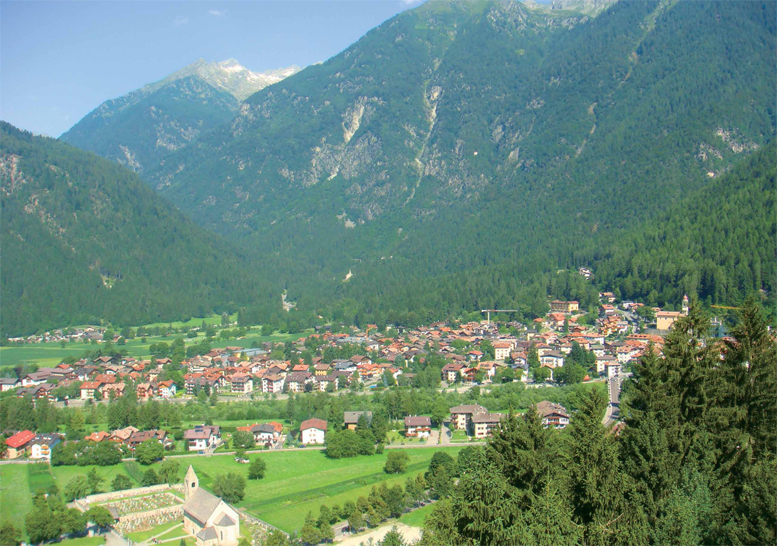
On August 9, 2010, Yushan National Park (YSNP) Headquarters and Adamello Brenta Nature Park officially
signed a cooperation memorandum. "This is a remarkable starting point for Taiwan's national parks to be a friend to the Alps," said Lung-sheng Chen, the then-director of YSNP Headquarters, referring to a historical moment from which on the national flag of Italy can be seen in Yushan while that of Taiwan, R.O.C. can do the same in the Alps for about half billion of people in 27 European countries to see.
Splendor with Extreme Geostructures
Adamello Brenta Nature Park got its name out of the fact that it was formed by two geological blocks of different
formations: Brenta Dolomite Group on its east and Adamello-Presanella Massif on its west.
The former, composed of sedimentary rocks and giant trachyte, was reported to have once existed underseas in
ancient times, a scientific fact proven by its thousands-year old seabed sediment. On the contrary, the latter was a complex of hard quartz diorite and granite formed by the cooled magma that was yet erupted. Belonging to the Alps system, the park is a blend of fieriness and coolness, and was declared a Geopark, joining the UNESCO European and Global Geopark Network in 2008.
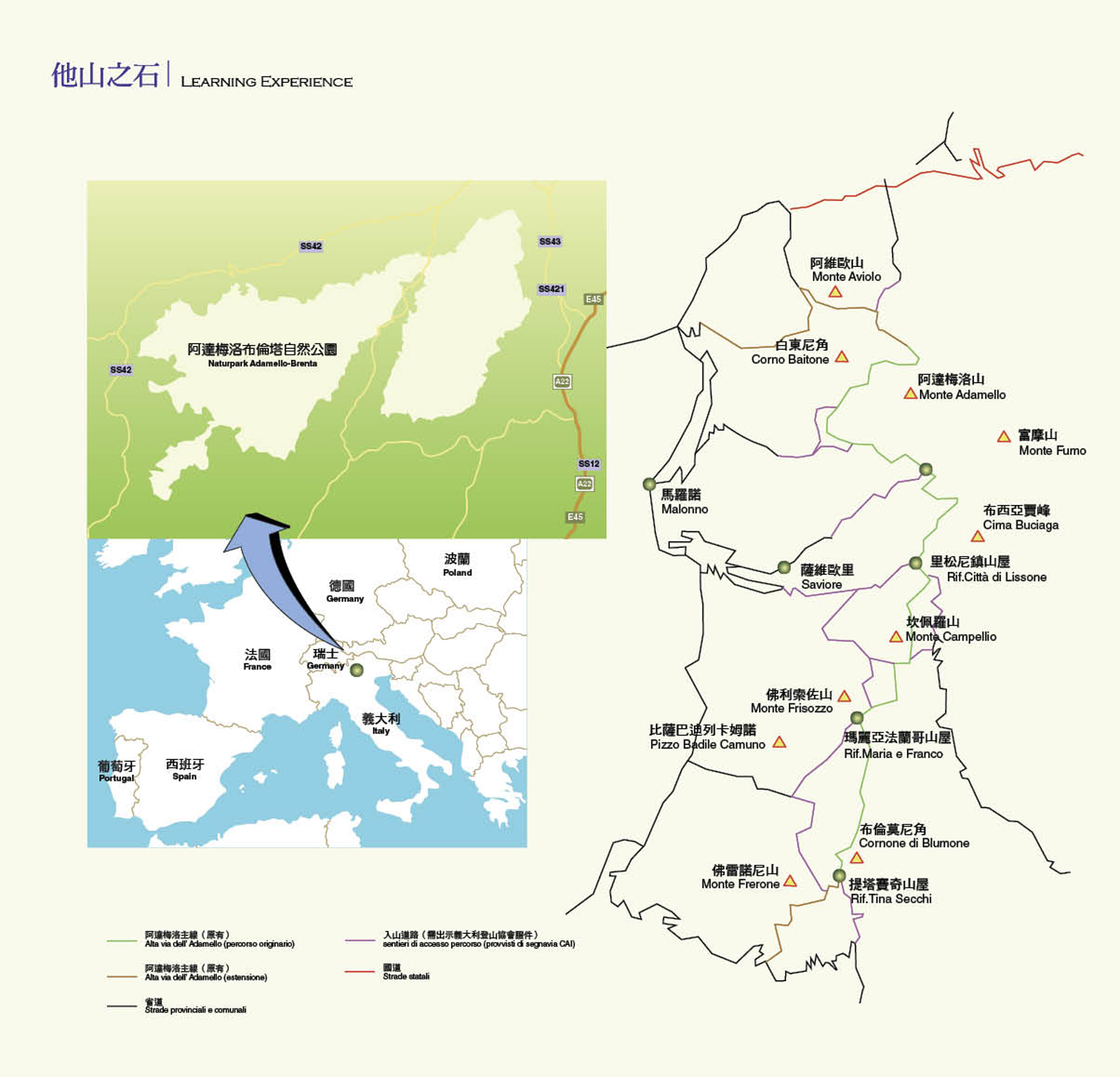
Adamello Brenta Nature Park is the first regional park
in Italy, with an area of 620 km² in which lay 48 lakes and ponds and a total of over 700 km-long trails. The park, Chen pointed out, boasts diverse landforms and vegetation with 1,200 plant species, such as conifers on hills below 1,800 m in altitude, and alpine grassland and lithophytes in mountains between 1,800 to 2,500 m. Large and small wildlife also abound here, including 5 species of amphibians, 11 species of reptiles, 51 species of mammals and 96 species of weaver birds, among which brown bears, chamois, Red Deer (Cervus elaphus), roe deer, martens, Black Grouse (Tetrao tetrix) are the most celebrated.
An alpine park similar to YSNP, Adamello Brenta Nature Park has been protected by Italy's natural protection
laws since 1988, and in 2001 became the first park in Europe with the certification of ISO14001. Qualified with this environmental management standard, the park embarked on
a quality park project by working with local enterprises and
administrative authorities in an attempt to promote tourism,
environmental protection and sustainable development.
The ultimate end of the project is to minimize the impact of
businesses and individuals on the local environment, and, on
a more positive note, to instill the concepts of environmental
protection into the public.
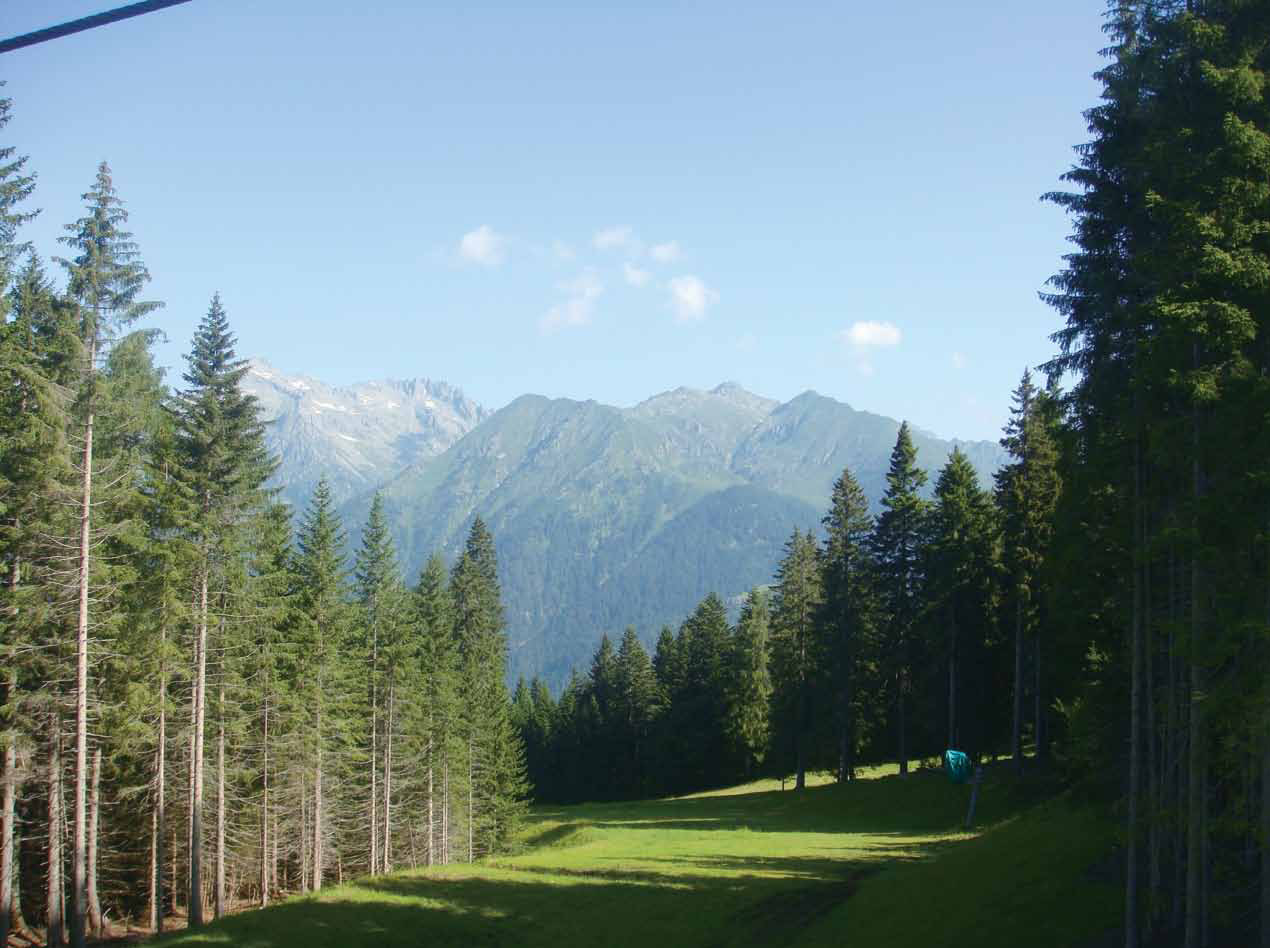
- upper:Adamello Brenta Nature Park is the first regional park in Italy. /Provided by Homer C. Wu
- lower left:Adamello Brenta Nature Park
- lower right:Adamello Brenta Nature Park has been striving to promote sustainable tourism, in the hope of striking a balance among all stakeholders such as the environment, tourists, businesses and local residents. /Provided by Homer C. Wu
Interview & Text/ Jane Chiu
Park to Park Arm in Arm
Taiwan's national parks have actively initiated exchanges with their counterparts in the U.S., Japan, Mainland China and South Africa, with Europe as the sole exception until recently when YSNP signed the cooperation agreement with Adamello Brenta Nature Park, thanks to the assistance of Professor Homer C. Wu of National Taichung University of Education
Different from a coalition formed with Japan's national parks on a non-government basis, Chen pointed out, the exchange between YSNP and Adamello Brenta Nature Park works through a nation-to-nation framework, bearing remarkable historical significance.
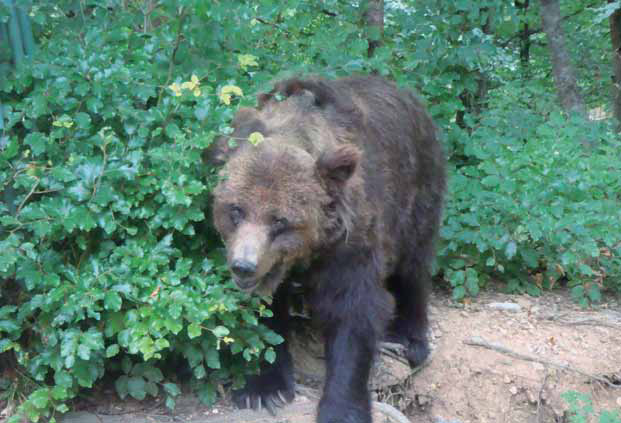
But why Adamello Brenta Nature Park? Chen answered that YSNP was looking for a national park in the Alps to make possible an intended "mountain-to-mountain" and "parkto- park" exchange. Adamello Brenta Nature Park came in as a perfect choice since it's both a Geopark recognized by UNESCO and a World Heritage known for the conservation of brown bears (Ursus). "Such unique qualities and great similarities with YSNP have made the brown bear in the Alps and the Formosan Black Bear in Yushan become friends."
Unlike the Formosan Black Bears whose original habitat
is located right inside YSNP, the brown bears in the Alps are
introduced into Adamello Brenta Nature Park, where they are
studied and restored before being released back to the wild.
In 1996, The park, along with Trentino Province and Italian
National Wildlife Institute, initiated the Life Ursus Project to
restore the endangered brown bears.
During 1999 to 2002, 10 bears (seven females and three males) had been released to the wild in Trentino region. These bears, originally from Slovenia, proved capable of adapting to their new habitat, indicating an initial success of the restoration plan. From 2002 to 2009, the brown bears had reproduced 18 times and gave birth to a total of 38 cubs. In general, the brown bears in the central Alps have not yet fully restored, but are expected to increase in number to a stable state, just as the Formosan Black Bears did.
With a broad range of activity, the brown bears released
to the wild would often affect humans or even ruin the crops.
In view of this, Adamello Brenta Nature Park has set up
regulations for compensation to local citizens." This can be
instructive to Taiwan's national parks in making related policies," said Chen.

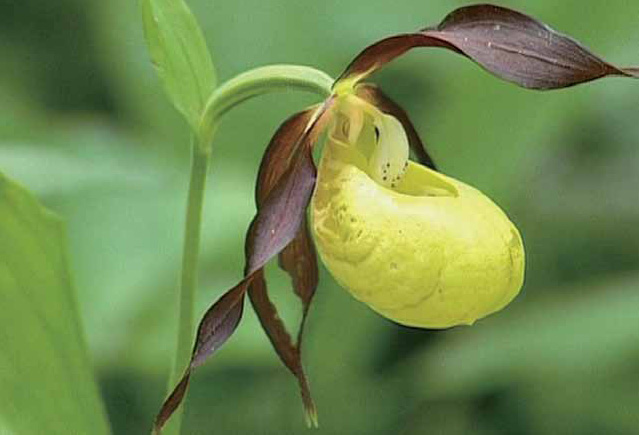
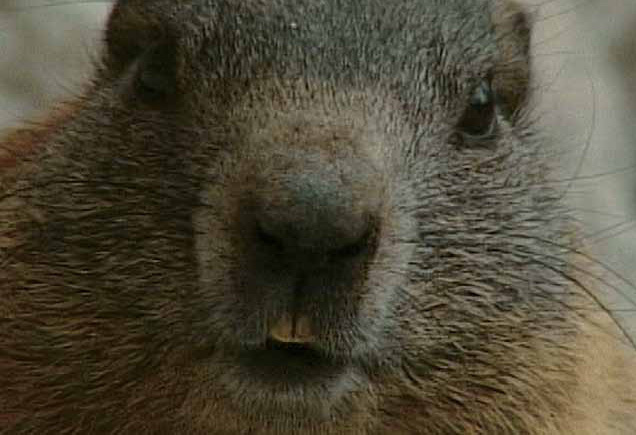
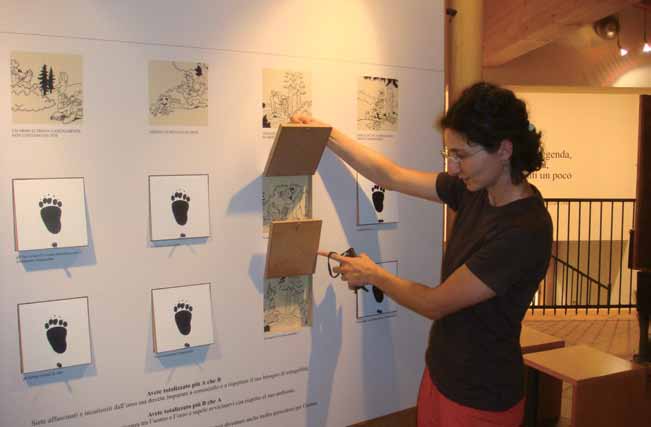
- upper left、upper right:Adamello Brenta Nature Park boasts a variety of geological scenery, as well as an abundance of wildlife resources./ Provided by Adamello Brenta Nature Park
- lower:Director Dr. Claudio Ferrari (left) and Director Dr. Antonello Zulberti(middle) of Adamello Brenta Nature Park met with Director-general of CPAMI Shih-wen Yeh(right).
Harmonious Human-Nature Coexistence
To preserve its geological features and develop tourism
sustainably, from 2000 to 2005 the park had strived to
proposed to the legislature a project of such ideals, and
joined the European Charter for Sustainable Tourism (ECST),
a network of European nature parks and national parks that
prioritizes the tourism policies, including the management and development for protected areas in EU countries. The aims are to minimize the impact of tourism on local environment, society and economy, and to strike a balance among all stakeholders such as the environment, tourists, businesses and local residents.
After joining the Charter, the park has broadened its
exchanges from those with individual tourists to those with tourism industry, an essential step toward making the park better known to tourists and local population and facilitating the law-making of related regulations. This type of responsible management helps protect the precious resources in the park in the face of the threat of high density of environmental pressures .
"In the park, all businesses including hotels, lodges, restaurants, etc. can only operate under the certification by the park. In Taiwan, however, national parks could just 'urge' or 'advise' tourists and businesses to discipline themselves. Adamello Brenta Nature Park may well serve as a good model for us to regulate the responsibilities of ecological and environmental protection," added Chen.

The cooperation with Adamello Brenta Nature Park is indeed a great learning opportunity for Taiwan to emulate Italy on the management, regulation, promotion and protection of national parks and nature parks. With gorgeous natural scenery second to none, Taiwan's national parks could definitely become world-class ones someday by learning from the strengths of their foreign counterparts.

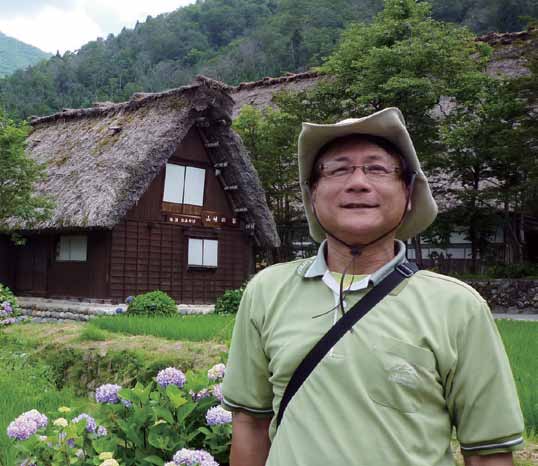
Lung-sheng Chen
Lung - sheng Chen had served in YSNP Headquarters since 1986 as technical specialist, chief, secretary, deputy director, and director for a total of 25 years before retiring in May 2011. He had visited dozens of national parks around the world and in the U.S. to observe and study their operation and management. He editeded An Appreciation of the Geology of Yushan and produced many awardwinning ecological documentaries, including King of the Mist —Mikado Pheasant, Fireflies, Rare Bird of Taiwan —Swinhoe's Blue Pheasant , etc.
- upper left、upper right:Adamello Brenta Nature Park initiated the Life Ursus Project in 1996 with a thorough restoration plan and compensation ordinance. /Provided by Homer C.
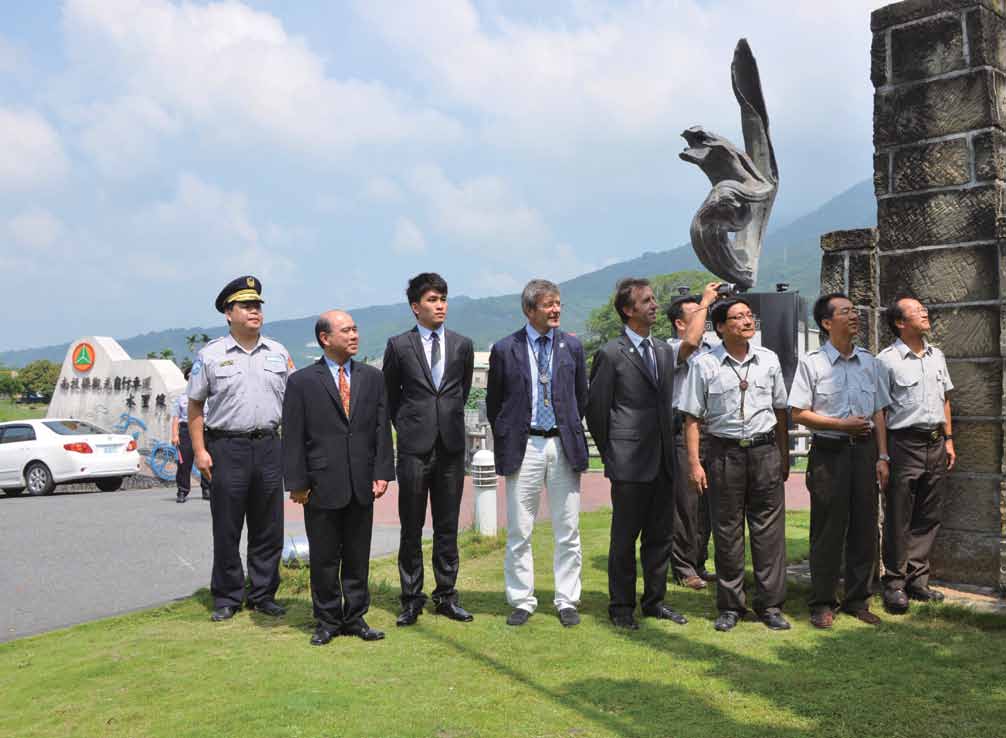
- center:The cooperation between Yushan National Park and Adamello Brenta Nature Park allows the national flag of Taiwan, R.O.C. to be seen in the Alps by people from 27 European countries. /by Xiu-qi Fu
- lower:Following the official signing of the cooperation agreement, the two parks held a flag-raising ceremony, marking the beginning of exchanges between both parties in turning into world-class national parks./ Provided by YSNP Headquarters


