A Youthful Summer for Eco-fun-Youth Camps at Taiwan's National Parks
-
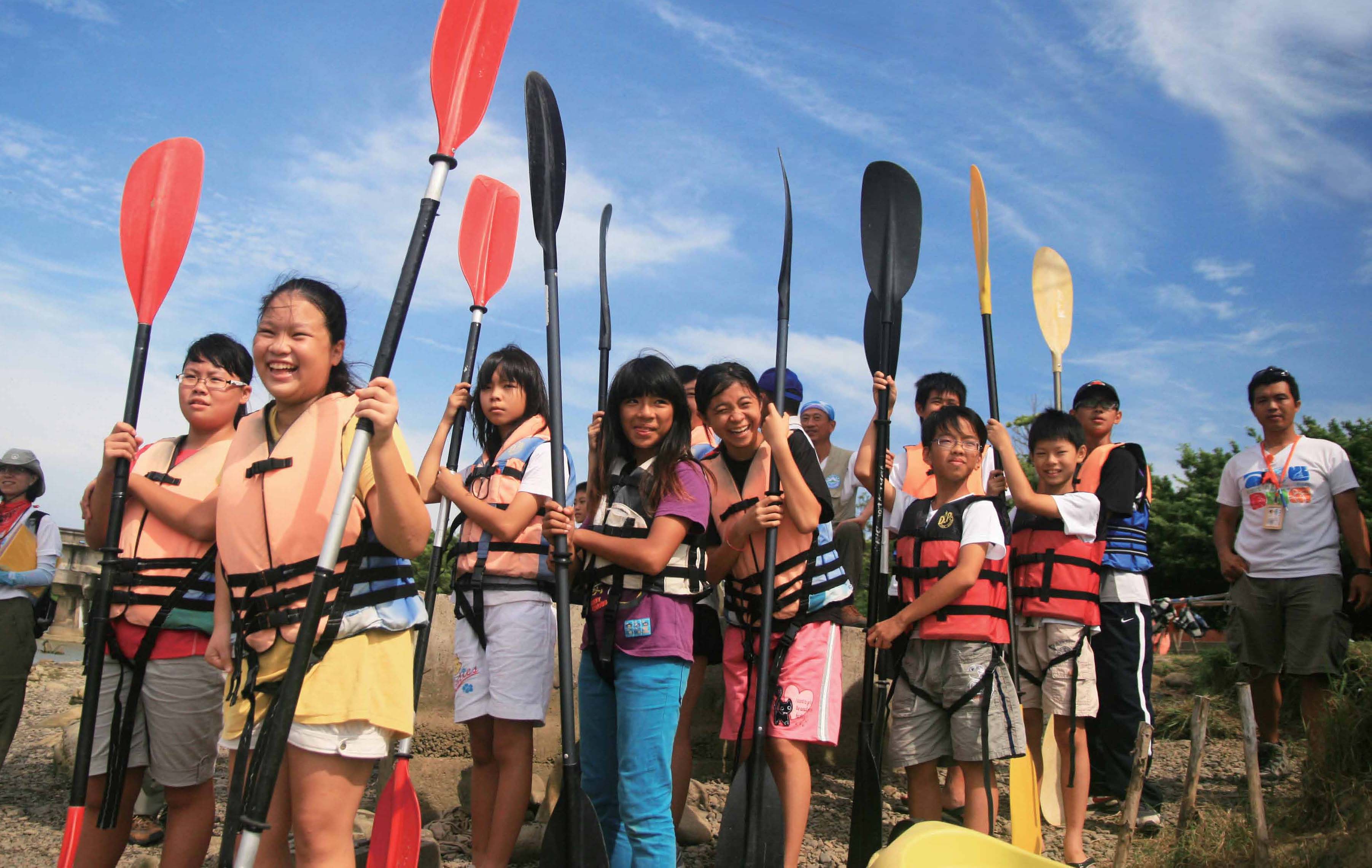
upper:Children were going oudiv>
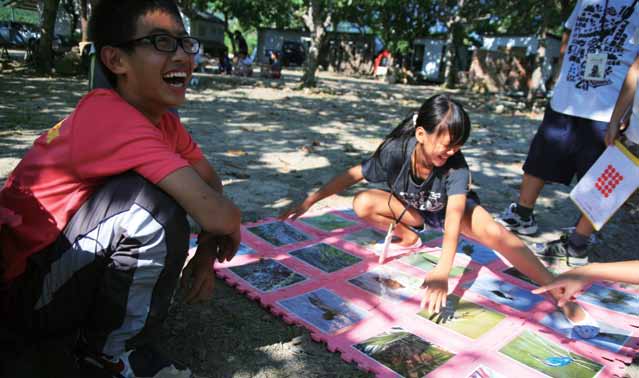
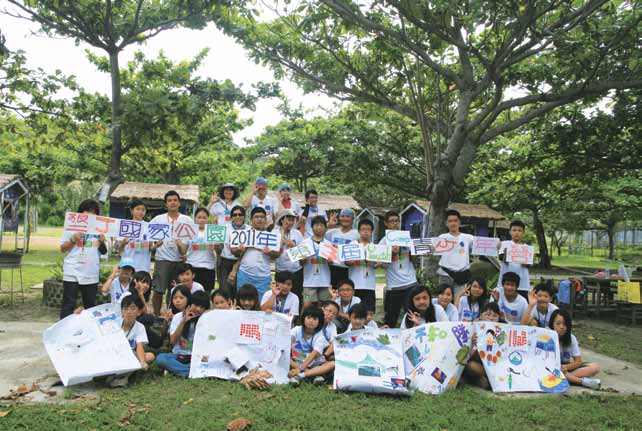
- lower left、lower right :In planning the activities, it is of the utmost importance to allow children to learn while having fun./Provided by KTNP Headquarters
Summer vacation is a perfect time for students to enjoy
a break away from the rigors of schoolwork and get close to the Nature. In order for young children to have fun while learning in the summer time, and to instill the idea of ecological and environmental protection, the national parks in Taiwan have been organizing such meaningful events as Youth Camps. It is hoped that through their close encounter
with mountains, waters and the ocean, children can develop passion for the Nature and have a lasting memory for such meaningful events.
Kenting National Park (KTNP):Combined Experience of Ecology and Culture
As a perfect summer getaway, KTNP featured its beautiful ocean, dazzling scenery and rich history in its Youth Camp. On the first day participants were put in the waters and were guided by the LNT(Leave No Trace)-certified
In such process, children got to appreciate the spectacular ocean view, but what's more important was that from the planning of the routes to the implementaion of all activities, everything was done in such a way as to minimize the impact to the environment.
When the night came, kids went for an observation of
land crabs at the Gangkou River, where the species of the land crabs were the most diverse in the world.
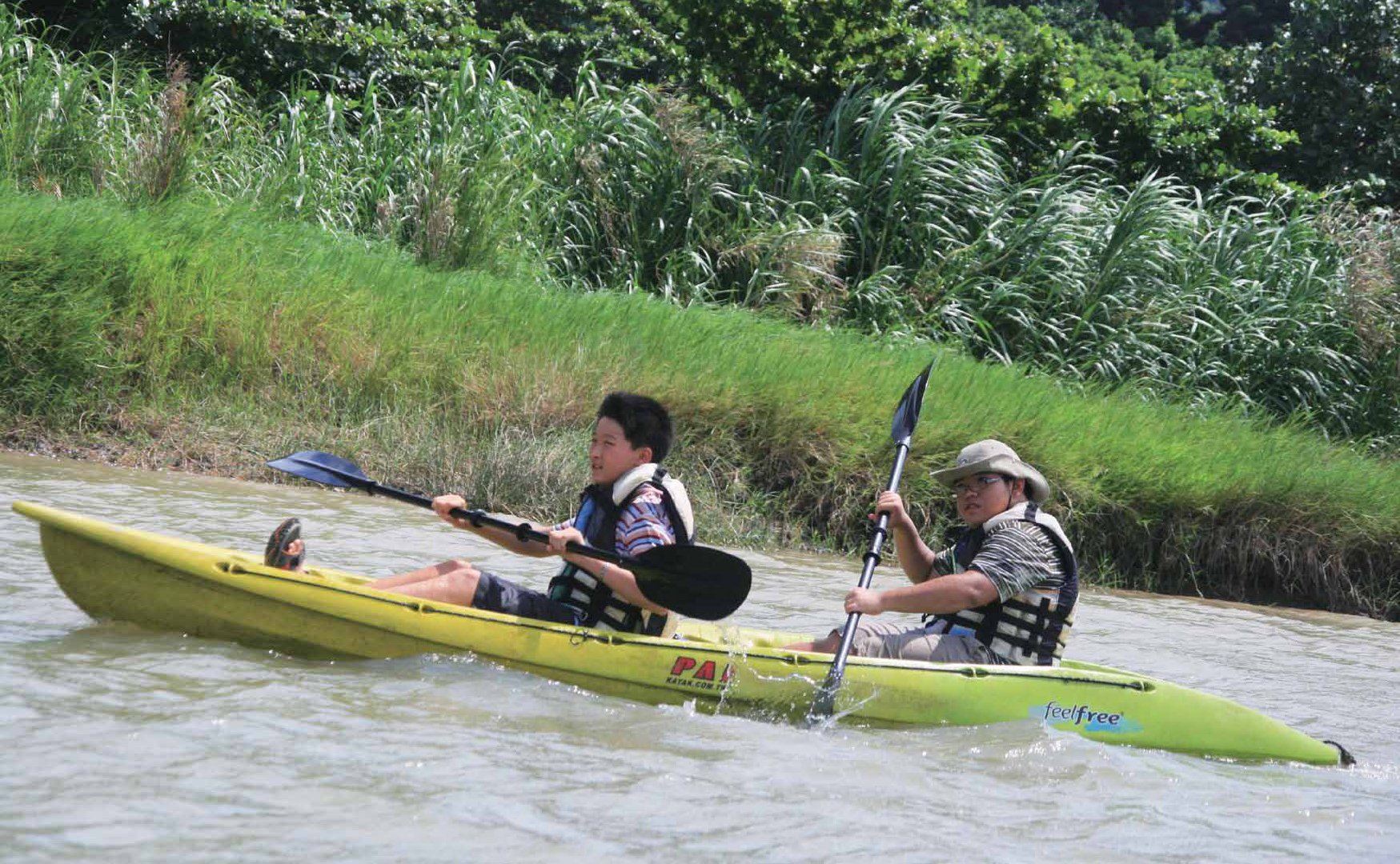
- upper:The canoe skill training brought children closer to the ocean. /Provided by KTNP Headquarters
On the second day, children got to experience the culture aspect of KTNP, with a focus on the tea garden of Gangkou, the Southernmost of its kind in Taiwan. The history of the garden dates back to Qing Dynasty, when the then-governor, a tea lover, sent his servants all over in search of great tea and eventually found the sweet and refreshing "Gangkou Tea." The low-latitude of Kenting, high temperatures and long hours of sunlight there made the tea really distinctive.
So the next time you're here, don't forget to savor a cup
of the Gangkou tea. Just sit back, relax, and let the tea take you back to the old times.
Yushan National Park (YSNP):Guiding the Juvenile Birds to Explore Tataka
Juvenile birds do not need to be looked after by their
parents at all times and have developed the ability to actively explore the world. In organizing its Youth Camp, YSNP referred to this idea and took its Youth Camp participants to explore the popular destination of Tataka.
YSNP placed an emphasis on Wilderness Education in its Youth Camp, hoping that all participants come to share, learn, and form a community that exhibits positive energy. Together, the participants expected and experienced the many wonders of the Nature.
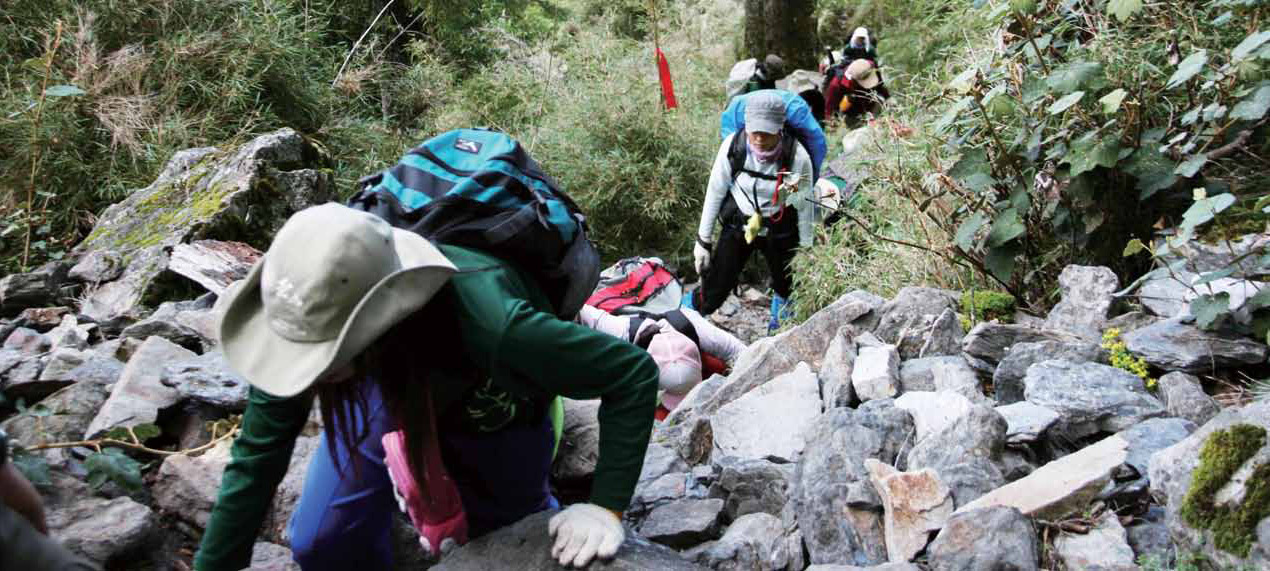
Given the well-planned trails in Tataka and the area's close proximity to the Jade Mountains, children, regardless of their previous experience in mountaineering,could fully enjoy themselves in the mountains here. At first, children were taught about mountaineering equipment and safety, followed by activities that gradually took them closer to the Tataka area.
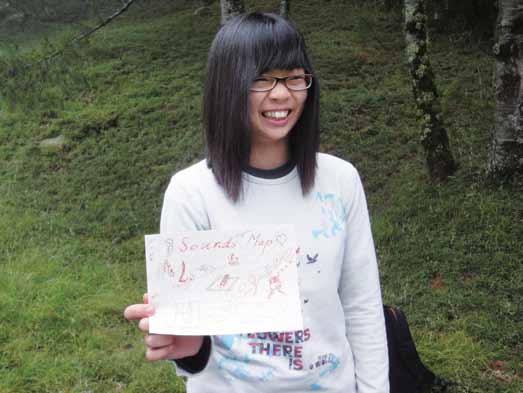
Another activity called "The Sound Map" took place
around Lulin Lodge. All participants closed their eyes and
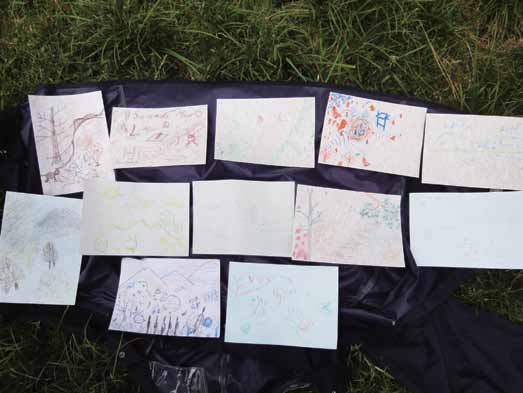
listened for every sound they heard. They had to identify the distance, location and the source of the sound and record the information on a map, which then became the sound maps of their own.
Participants were also taken to the hot destinations in Tataka, including Lulin Mountain Trail, which is less than 10 km in length, and the highest peak of Alishan Mountains, the 2881-meter Lulin Mountain. From there one could clearly see Alishan Mountains, Jade Mountains and the southern part of Central Mountains. Participants then enjoyed the pleasure of climbing Jade Mountains, which marked a perfect ending to this wilderness education.
- upper:YSNP placed a focus on wilderness education, so they took the kids into the heart of Tataka area. /Provided by YSNP Headquarters
- lower left、lower right :Kids completed their own" sound maps" through listening to the sounds around them. /Provided by YSNP Headquarters
Yangmingshan National Park (YMSNP): Natural Paradise within the City
Located at the northern edge of the Taipei Basin as the
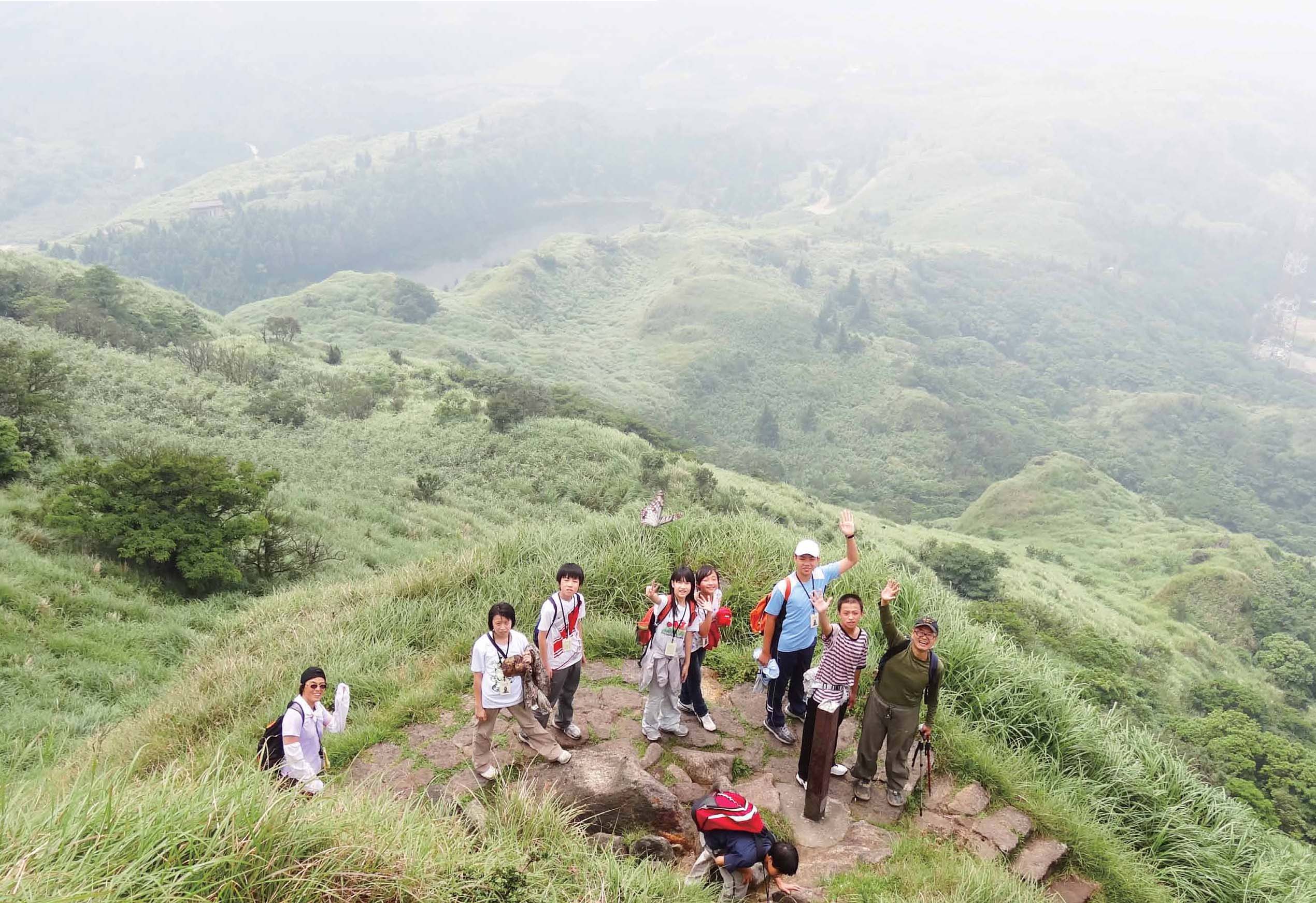
national park closest to the city, YMSNP also launched a Youth Camp to cater to the youth and invited them to go outdoors and embrace the Nature. In 2011, YMSNP Youth Camp presented various activities ranging from ecological explorations at Mt. Qixing, nighttime insect observations, stargazing, DIY art-making, and video watching, all of which offered the participants with an intellectually and emotionally fulfilling summer.
In the DIY art-making course, the instructor taught how to make prints and use recyclable materials such as flyers to create art works, so that participants not only had fun, but also learned to cherish, reuse and recycle different types of resources.
The nighttime observations and stargazing were among
children's favorite activities. With the lingering bug buzz and the interpreter's guidance, children probed into the secrets ofdifferent insects as the night fell. Then as the night got later and the sky was dotted with stars, the stargazing kicked off.
interpreter created songs with catchy melody and lyrics for
children to learn about astronomy in a relaxed and yet playful
manner.
The ecological explorations at Mt Qixing was the most
challenging and yet most fulfilling activity. As children always
stay in air-conditioned rooms, it can be difficult to make them
walk long distance. But with the interpreter leading the way,
kids still managed to conquer the peak despite the heat and
the tiredness. They also watched a film titled "The Stories of Datun Volcano Group," which enabled them to gain a deeper understanding for the volcano after the field trip. The experience of setting up a tent was also a memorable one for the children, for they had to put up from scratch "a home away from home" on their own in the wild.
When children were put in the Nature, they first learned to appreciate and cherish natural resources, then their sense
of conservation was enhanced, and that is exactly what ecological activities are all about. At the end of the camp, the interpreters of YNPH were pleased to see the children grow more mature in their concepts of environmental protection.
- upper:The ecological observations at Mt. Qixing gave the children a lasting memory. /Provided by YMSNP Headquarters
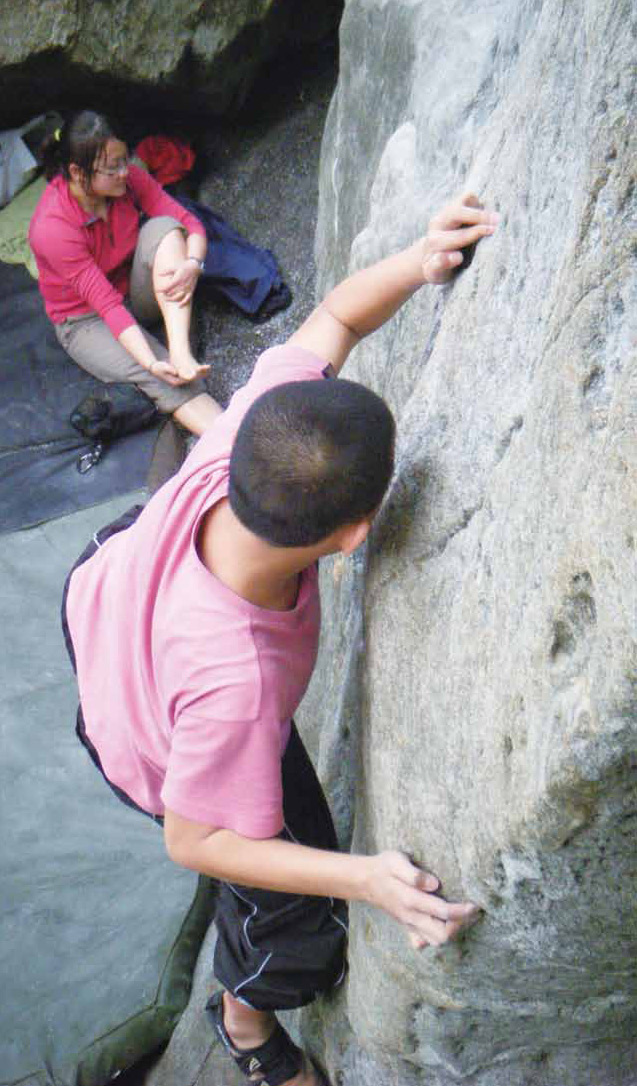
- lower left:Through the bouldering activities, training staff of TNP Headquarters had built mutual trust and rapport with the participating kids./ Provided by Shu-bao Chen
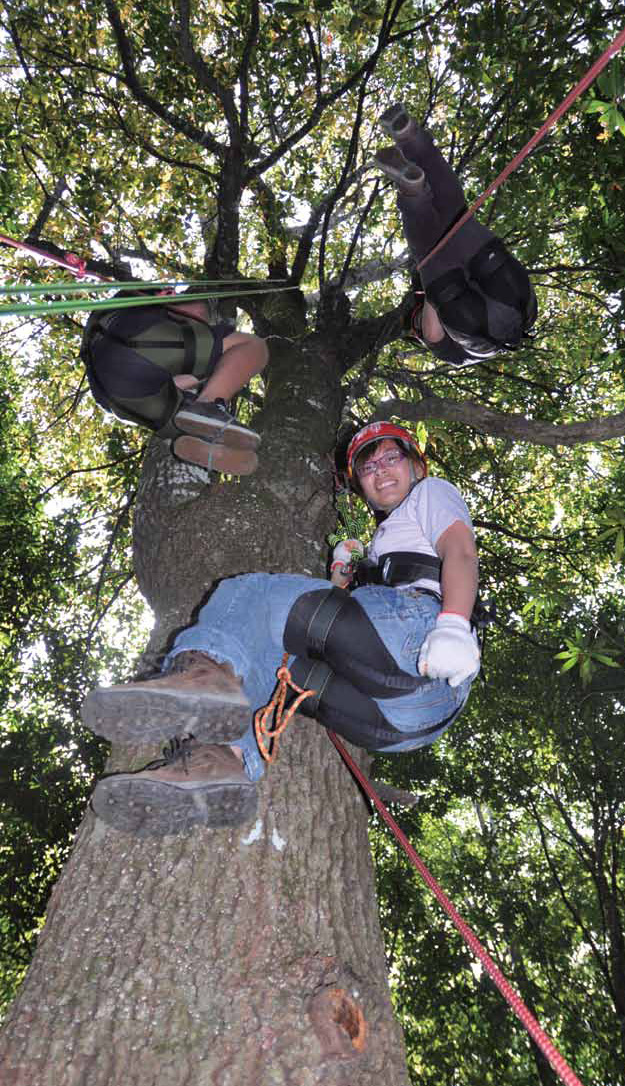
- lower right:Tree climbing skill trainings and canopy observations were the new activities just added to the SPNP Youth Camp this year. /Provided by SPNP Headquarters
Taroko Nat ional Park (TNP) :Frui t ful Mountain- eering Camp
TNP boasts the first mountaineering school in Taiwan
that offers teaching ranging from techniques, ethics and food plan for mountaineering, overseas expeditions and LNT education. In the TNP Youth Camp, the spirit of mountaineering education is instilled into the participants, so as to inspire children to care for and adore the Nature.
"Food purchasing" was the prep course for the subsequent mountaineering. It covers different aspects including food plan, general knowledge of food and ways to carry wastes downhill. These are issues that people have to pay close attention to when they are up in the mountains.
Participants will first learn to climb trees to get used to
the surroundings. They'll also learn to use hoses between the trees and the ropes when climbing to avoid causing damage to the trees. As participants move their way up, they'll be delighted by the sceneries they see at different heights.
Bouldering, a style of traditional rock climbing, is what
children eagerly await during the two-day camp. Withoutropes or any other gears, children have to maintain the "three point balance" when climbing up the rock. The coaches will give children guidance patiently based on each individual's performance, and build up mutual trust and rapport with kids in the process.
While most other nighttime activities are about insect observations or stargazing, the one organized by TNP features an event called "Alone at Night." In this activity, the TNP would first inspect a trail off the beaten path to ensure safety, then place a child every 2 meters along the trail. The children have to spend some time alone at night either clearing their thoughts or listening tothe bug buzzing. Either way, children will all enjoy such precious moments alone.
At the end of the camp, children will be led to clean the beach. As children spend two days at Heren Shingle Beach, they'll become more aware of the importance of beach protection. This is what TNP aims to achieve through the activities in this Youth Camp.
Shei-Pa National Park (SPNP): Discovering the Beauty of the Mist
SPNP stretches across Hsinchu County, Miaoli County
and Taichung City, covering an area of 76,850 hectares. With Xue Mountain Range as its major part, the alpine national park consists of 51 mountains above 3,000 m. In addition to the imposing natural spectacle, plentiful flora and fauna, the Atayals and the Saisiyats have been longtime residents in the area. Hence the park also has rich cultural resources to offer.
The SPNP Youth Camp took place at two sites: Wuling
area and Smangus area. The courses included camping and hiking safety, LNT lectures, tent pitching, oudiv>taste of the tribal life of the aborigines, took part in the Atayal welcoming ceremony, coming-of-age rituals as well as other traditional cultural events.
This year SPNP also added one more activity to the list ---tree climbing skills and canopy observation. Participants were able to take pleasure in the widely differing species and see for themselves the rare ones they don't normally get to see, such as the epiphytic plants, ferns and orchids.
The camp successfully enlightened the participants on aspects such as ecology, culture, environmental education and leisure. At the end all participants felt that they couldn't have enough, and that they would love to come back again to the misty Smangus.
Kinmen National Park (KMNP): Roaming through History and Nature
KMNP is Taiwan's first national park established to preserve battlefield relics and historic sites and to conserve natural resources. On this 3-km-long small island, however, well-preserved ecological and cultural resources and landscape are inviting people's visit and exploration.
The KMNP Youth Camp was held at the Sun Yat-sen
Memorial Forest Recreation Area. Covering an extensive100 hectares, the place is home to lush forests and a wide variety of species including resident birds such as Zosterops japonicus , Pycnonotus sinensis and Pica pica . In spring and summer, different species of butterflies make up a feast for the eye. The park also comes with comprehensive facilities such as an outdoor theater, a tennis court, barbecue areas and camping sites. The activities of the camp covered camping skills, trailblazing expeditions in the Sun Yat-sen Memorial Forest, and outdoor cooking skills. At night, Section Chief Fuhe Wu of the Taipei Astronomical Museum gave a guided tour of the park and led the participants to stargazing.
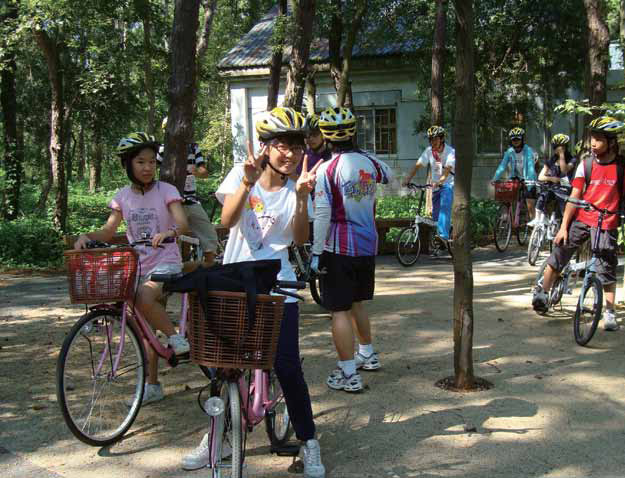
In 2010, the construction of the bike lanes at the forest was
completed. The 7.2 km long lanes come in different pavements
across different terrains, offering varied cycling experiences. Therefore, a biking course was provided on the second day of
the camp, where the coaches taught the participants the right way to ride a bike and roam in the forests.
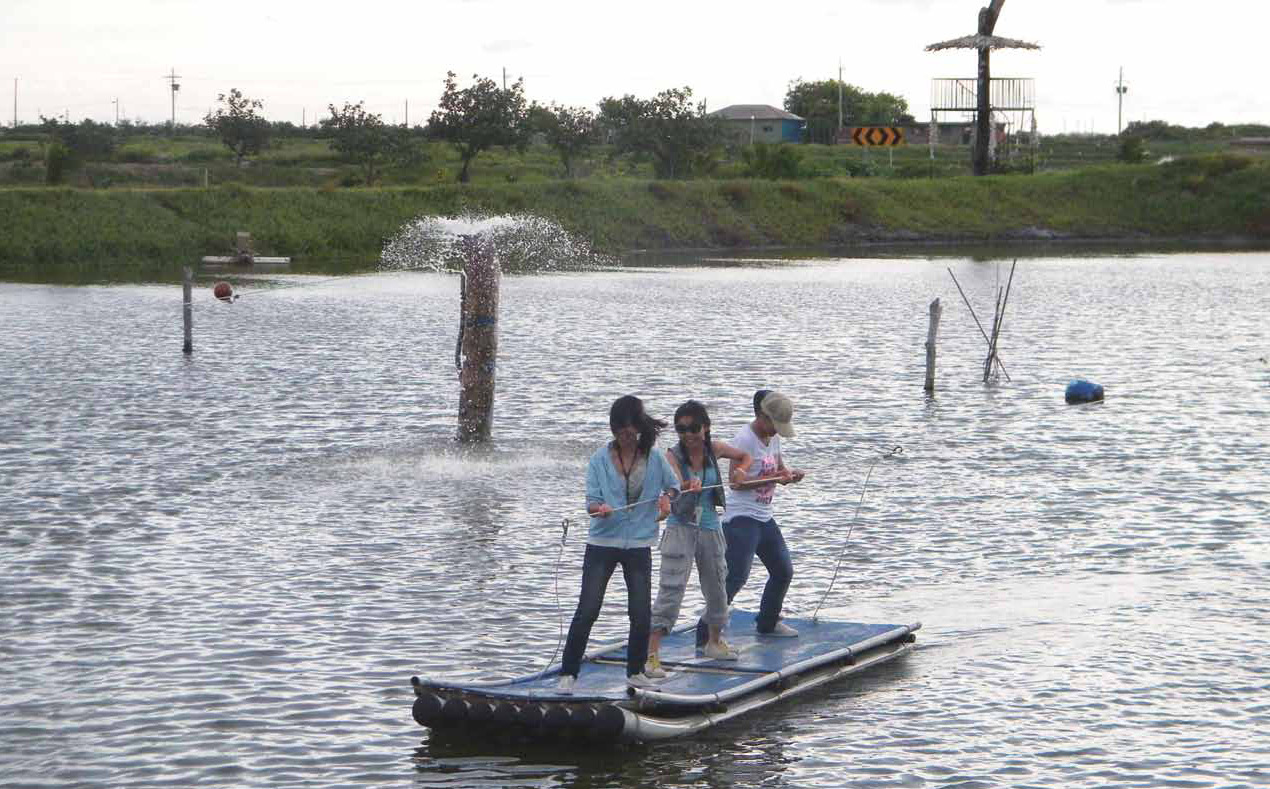
- upper:The diverse activities allowed the children to better understand the geography of Kinmen./Provided by KMNP Headquarters
- lower:At TJNP, children were learning about the ecological features of wetlands. /Provided by TJNP Headquarters
Taijiang National Park (TJNP) : Beauty of Wetlands
Established in December 2009, TJNP is recognized for
its wetlands. Though the park is rather young, its distinctive
mangrove waterways at Sihcao, the lagoons at Cigu where
visitors enjoy a boat ride, and the beautiful scenery that also
tells stories of the past have made it a much sought-after destination among all national parks.
In addition to wetlands, the park also bears important
cultural values in its aquaculture and salt industry passed down
from the old days. The TJNP Youth Camp intended to make
these known to the participants and offered activities such milkfish farming, rafting, cast net throwing and fish feeding.The interpreters also talked about the flora ecosystem along the so-called Salt/Salty Zone.
The participants conducted ecological observations at the wetlands around the Tsengwen River estuary. This world-class wetland covers an area of 3,218 hectares and attracts for many endangered bird species such as Platalea minor , Tringa guttifer , and Falco peregrinus , making it a major spot for ecological
observation.
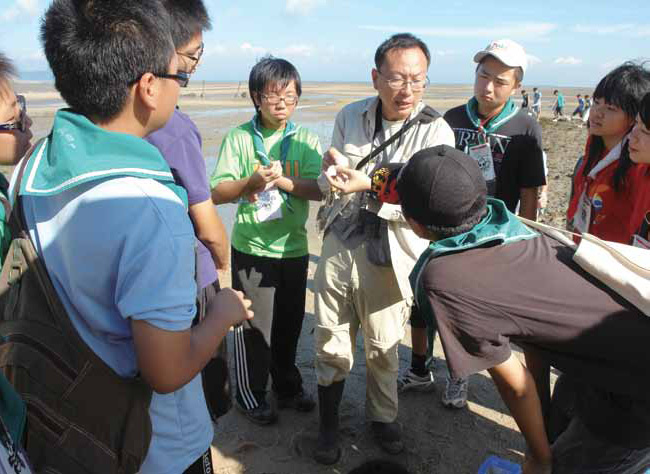
The highlight of the TJNP Youth Camp was, without a doubt, the Qigu lagoon, which is currently the largest in Taiwan. When water recedes in the area, people can walk directly on the sandbank and see the adorable fiddler crabs, oyster racks, fish ponds, salt pans and other primitive yet charming things in a fishing village.
Marine National Park (MNP):Eco-fun at the South of Penghu
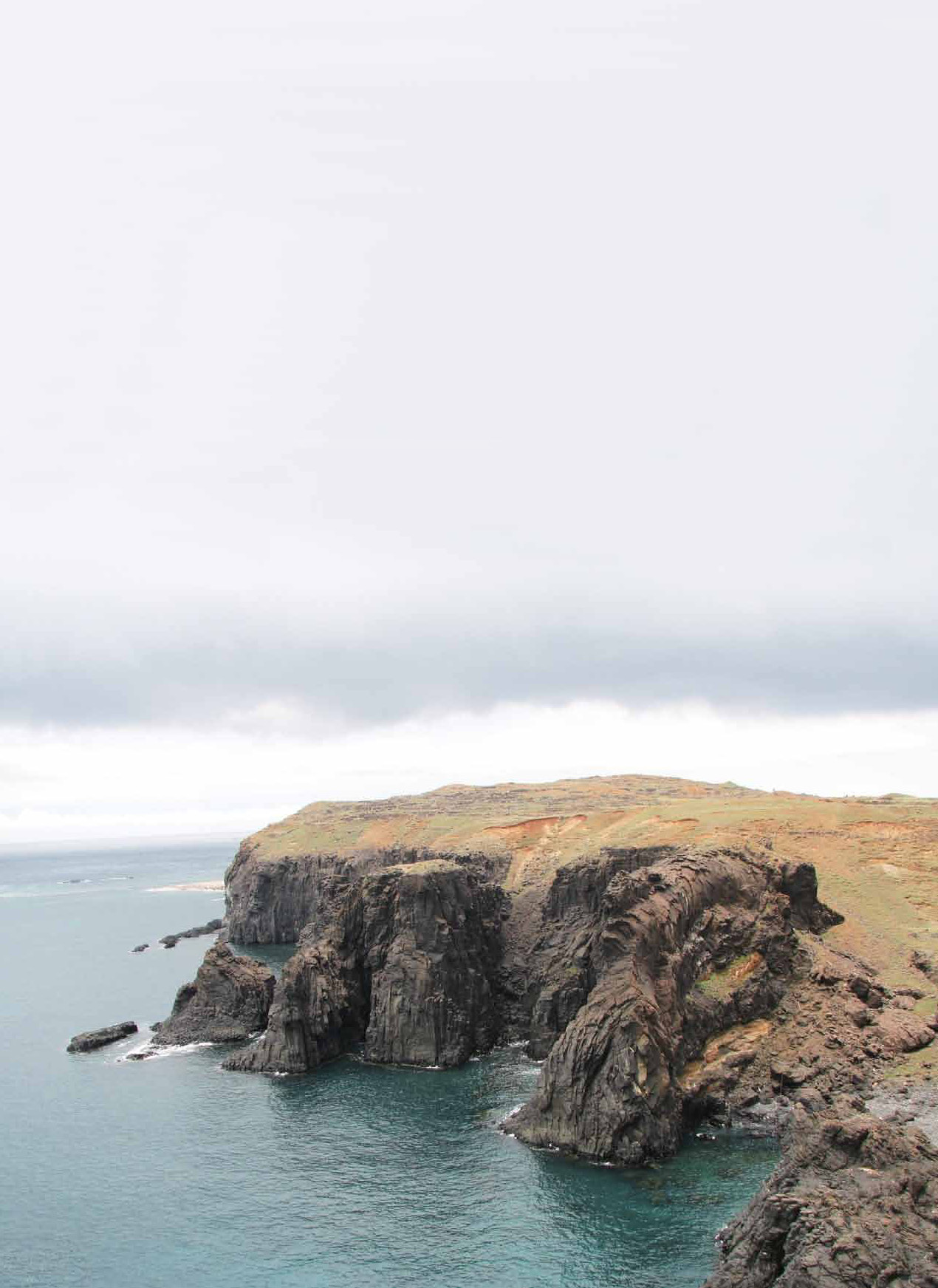
The four islands in Southern Penghu and the surrounding waters and reefs exhibit magnificent basalt landscape and distinctive cultural characteristics, and more importantly, they are regarded as a major marine biological germplasm bank. Based on these qualities, MNP has been planning to establish the Four Island of Southern Penghu National Park and has been soliciting support from the general public for that cause.
The 2011 MNP Youth Camp took place at the Dongyuping Islet. The activities included getting to know the basalt landscape and the intertidal zone, visiting the vegetable houses and cruising the islets. A special activity was to experience marine life and ecotourism. Ecotourism has become one of the most popular forms of tourism in recent years, and it is also a business model of selfsufficiency and sustainable development. For Penghu, which has rich and varied natural landscape and sparse population, this form of tourism is truly worth promoting.
These activities encouraged local residents to actively
promote ecotourism to enhance the tourists' awareness of environmental protection and led the participants to identify with their hometowns. As a result, Penghu residents and children from disadvantaged families were invited to take part in the camp for a rewarding and special summer vacation.
Someday future generations will share and shoulder the responsibility of protecting and preserving the natural environment. The meaningful series of Youth Camps organized by the national parks aimed to give young kids an unforgettable summer and plant the seeds of ecological and environmental conservation in these youthful minds.