
It's Been a Long Wait-The Wetland Conservation Act
According to Chapter 1—General Principles of the Wetland Conservation Act, which was passed by the Legislative Yuan on June 18, 2013 states that the "Act was drafted in order to preserve wetlands' flood detention role and other functions, maintain biodiversity, and promote wetlands ecological conservation and wise use."
The fact that Taiwan is surrounded by the sea on all sides, and has abundant wetlands, and the destruction of wetlands is an irretrievable loss to humanity led to the establishment of a consensus among all political factions that the Conservation Act is necessary and the area of Taiwan's protected zones should be increased. When wetlands are well-protected, the country's natural resources environment may improve. The passage of the Act was no accidental achievement; it took 18 years of hard work by many unsung promoters, and continuous proposal by supporters inspired by missionary fervor, before the Act actually came into being.
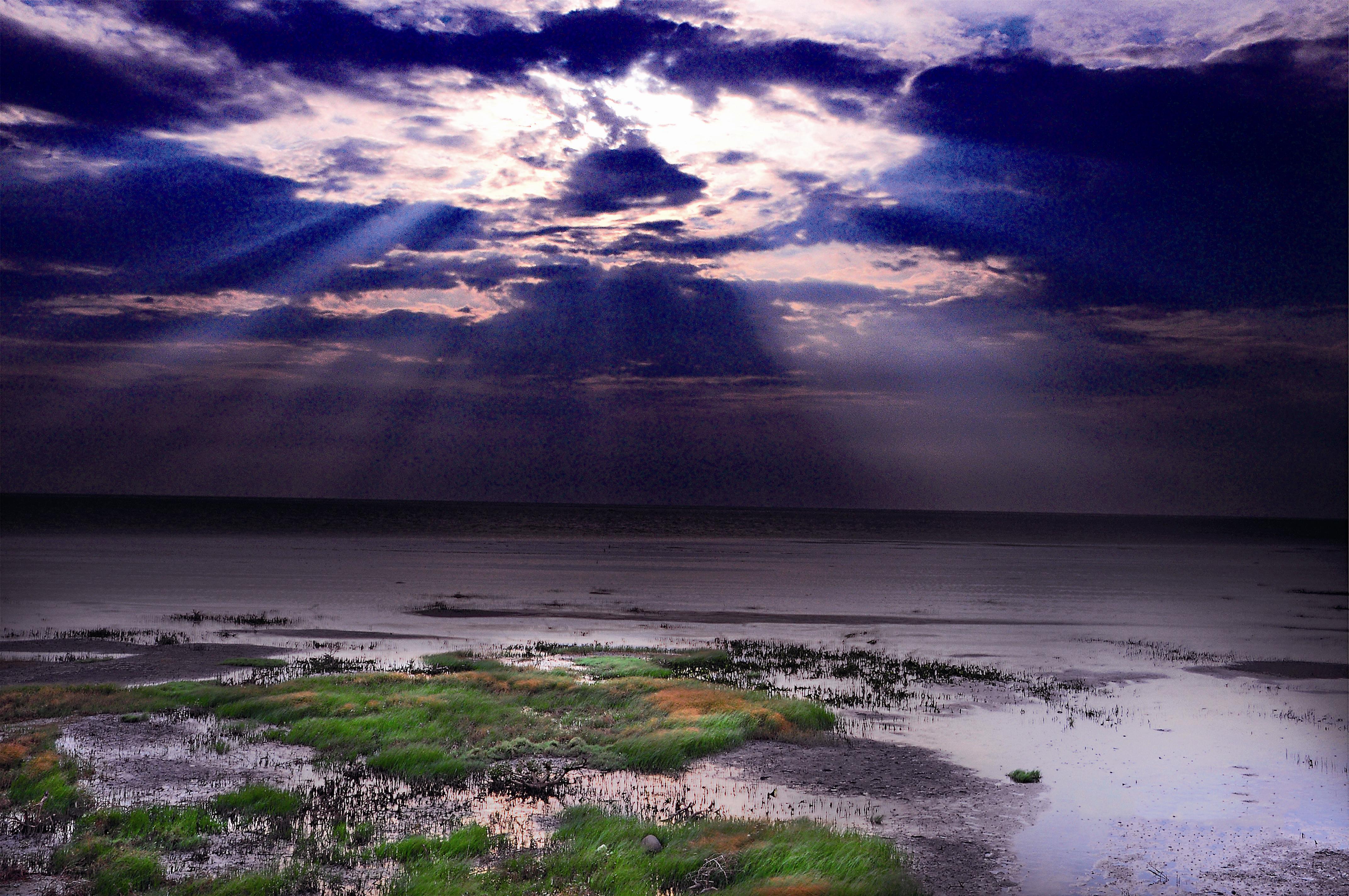
- Xiangshan Wetlands, Hsinchu. Photograph by Allen J
The "Convention on Wetlands of International Importance, especially as Waterfowl Habitat," was signed in 1971 in the Ramsar, Iran, and took effect in 1975. According to the international practice of naming treaties and conventions after the place where they are signed, it is commonly known as the Ramsar Convention.
Around 20 years ago, Wang Chun-hsiu, Chen Chang-po, Chiu Wen-yen, Liang Ming-huang, and Chi Chun-chieh partnered with the private organization Wetlands Taiwan to draft the Wetlands White Paper , which proposed the conservation of five major wetlands—Guandu in Taipei, the Xiangshan Wetlands, the estuary of the Dadu River, the Aogu Wetlands, and Qigu/Zengwen Estuary. This work gradually made society conscious of the importance of wetlands, and—18 years later— brought about the recent passage of the Wetland Conservation Act .
The success of this legislation made Taiwanese society finally understand the importance of wetlands, which had long been ignored, or even felt to be barren wasteland. Private conservation groups long sought to propose this environmental legislation. Thanks to the integrative efforts of environmental lawyer Chan Shun-kuei and director Lin Tzu-ling of the Wild at Heart Legal Defense Association, a private version was produced, and a Legislative Yuan later introduced by legislators. Subsequently, results were finally achieved through the cooperative efforts of legislators concerned about the environment in all major parties, among the most notable of whom were Chiu Wen-yen,Chang Hsiao-feng, and Lin Shu-fen.
The vigorous promotional efforts of ruling and opposition party legislators and party caucuses, as well as the teamwork shown by government agencies in completing the legislation, have demonstrated that wetlands conservation in Taiwan is aligned with international trends and the country has the determination to promote sutainable environmental policies. According to Legislator Lin Shu-fen, "The private version was first revised as into the Legislative Yuan version, which was how the Executive Yuan version was produced." This is the first example of ecological conservation legislation in Taiwan being initiated from the nongovernmental, and today's completer legislation is "a small step forward for wetlands conservation, but a major advance for environmental conservation in Taiwan's culture."
Building on the spirit of the Ram sar Convention, the Wetland Conservation Act calls for the determination of international wetlands, national wetlands, and supranational regional wetlands, while breaking with the strict legal prohibitions and restrictions of the past by promoting a core spirit of "wise use." The Act seeks to respect the public's existing rights with regard to wetlands with different characteristics, determine optimal management strategies reflecting local conditions for the handling of conservation and utilization plans, and emphasize permissible, customary use of important wetlands. In addition, the Act puts forward mechanisms for the avoidance of development, mitigation of impacts, and remediation of ecosystems, while seeking to bring about an optimal balance between the public's rights and interests, local development, and environmental conservation.
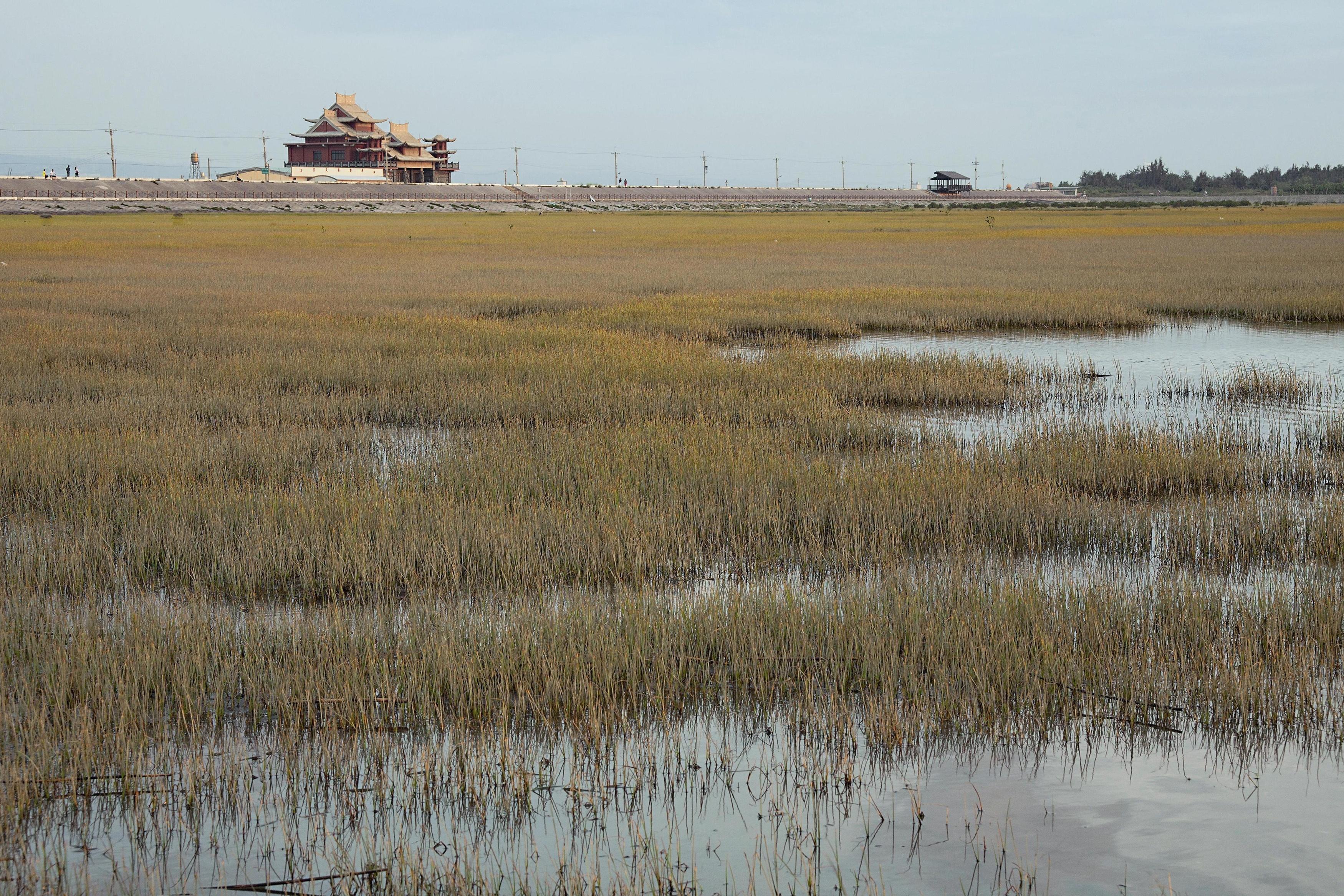
- Taichung County Gaomei Wetlands Wildlife Refuge. Photograph by Liu Si-yi
Some of the largest disputes occurring during the legislative process involved fishing, particularly cases where fishermen worried that the Act would prevent them from catching fish or harvesting shellfish. As a result, the Executive Yuan version only dealt with terrestrial wetlands, and avoided incorporating aquatic wetlands for fear of opposition from fishermen. However, in order to maintain consistency with global norms, Taiwan has also adopted the standard international definition of wetlands.
As a consequence, Legislator Chiu Wen-yen personally met with fishermen's association representatives anddiscussed their concerns. Chiu explained that the Act would not affect the current utilization of wetlands by fishermen, would also protects the interests of oyster-raisers, and would allow fishermen to "go out on the water and catch fish as usual" in so far as this did not harm wetlands. According to Legislator Chang Hsiao-feng, wetlands conservation will have little effect on traditional industries, but will provide a basis for blocking the development of wetlands by major economic projects.
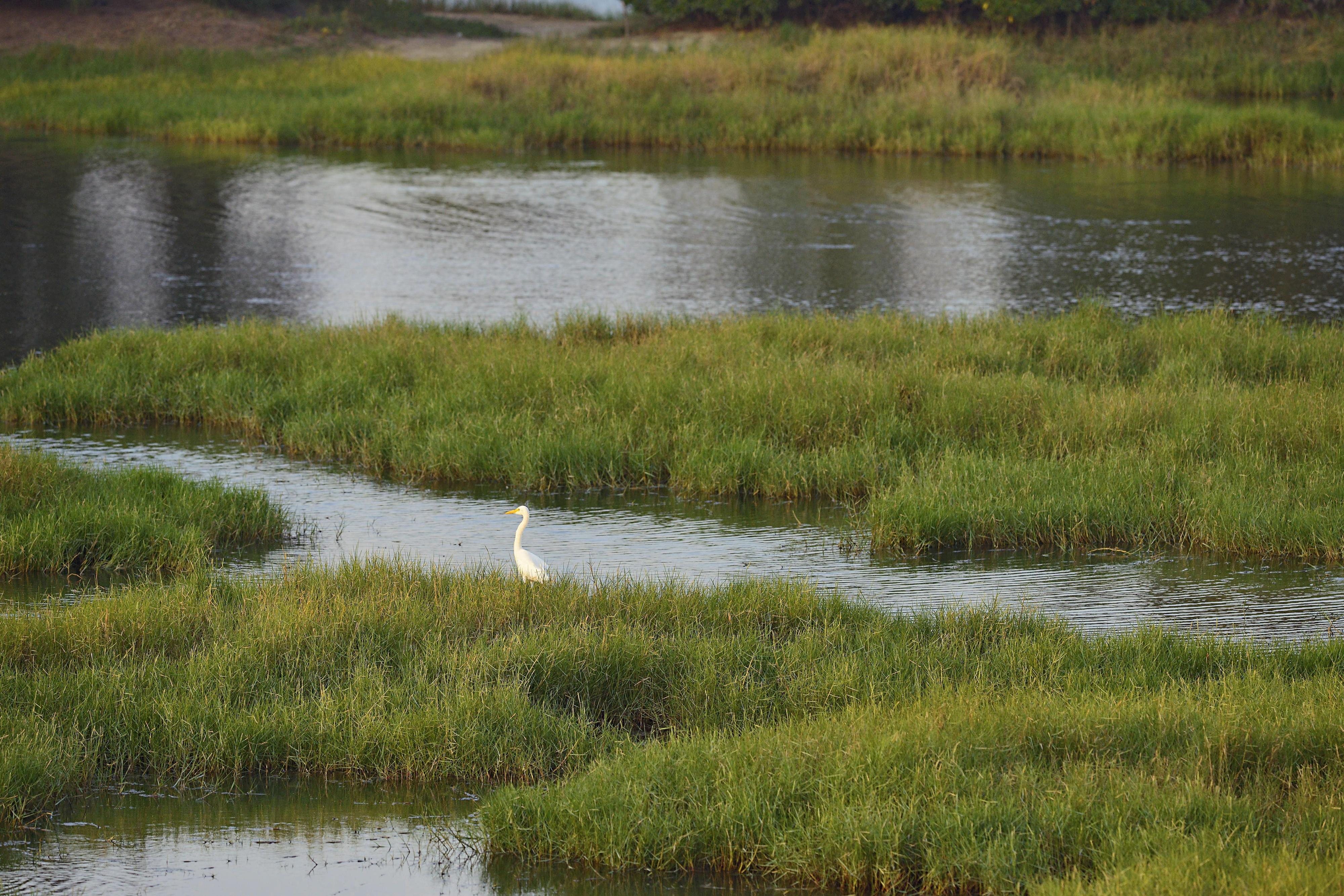
- Aogu Wetland, Chiayi. Photograph by Liu Si-yi
Article 21 of the Act specifically states that, "farmers, fishermen, foresters, and salt-makers may maintain the original use actions," and, the land, in accordance with Article 1 of the Land Act , which states "The term ‘land’ referred to in this Act shall denote dry land, bodies of water, and natural sources of wealth," the "land" mentioned in the Wetland Conservation Act also includes areas with a water depth of up to 6 meters; administrative agencies actively incorporated this concept of land, which they publicized by issuing executive orders.
But although it was emphasized that existing uses of wetlands could continue, some chemical substances used in routine agricultural practices can affect the ecological chains in wetlands, and the residues of chemicals used in fish ponds may also affect water quality. Because of this, while seeking to safeguard existing uses, the spirit of the Wetland Conservation Act also calls for "no detrimental influence or degradation of the functions of wetlands" at the level of actual operations.
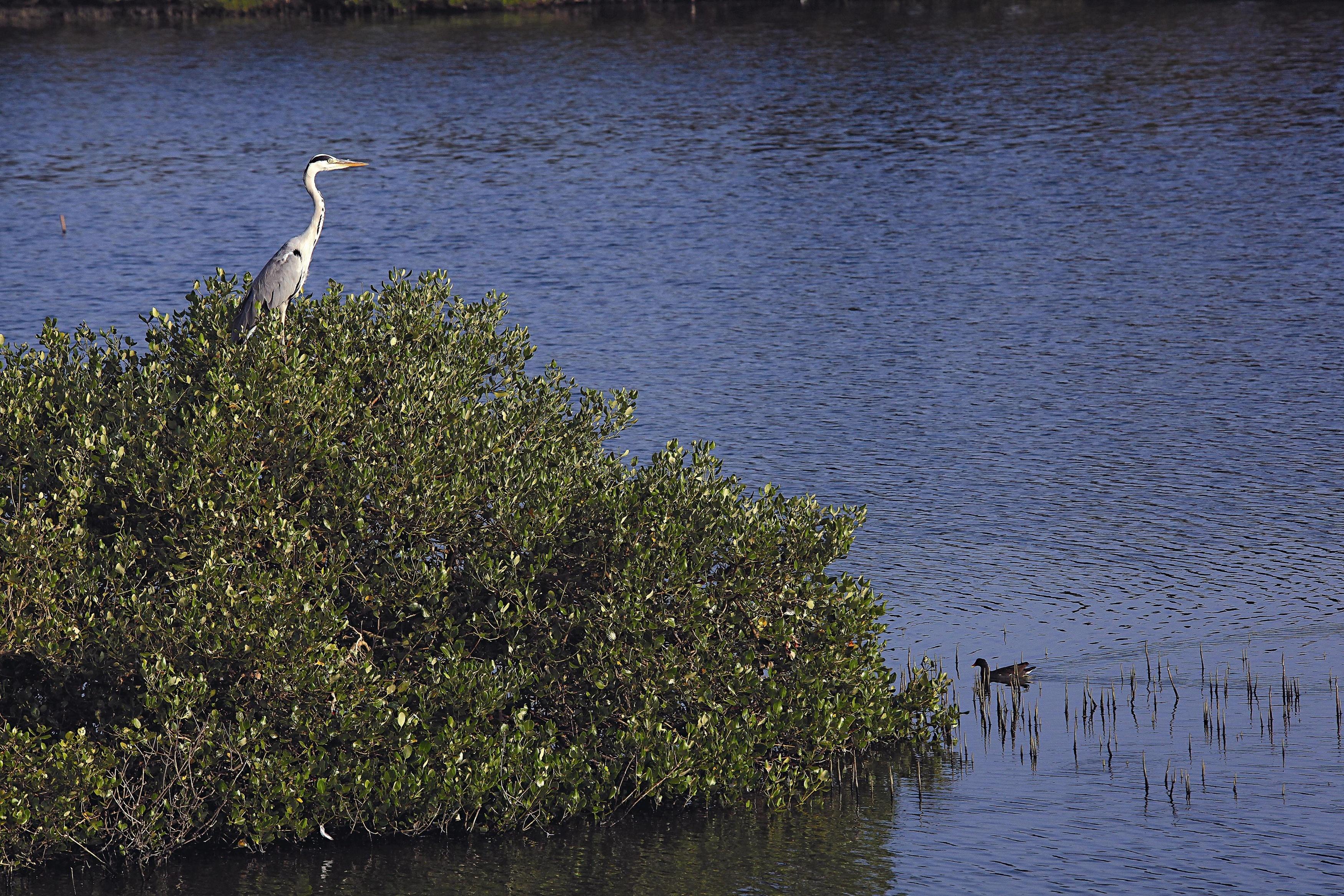
- Grey heron resting in mangrove. Photograph by Chen Ji-peng
Wetlands possess many functions and sources of value; they can purify water, protect the shoreline, control flooding, prevent the salinization of groundwater and deterioration of soil in coastal areas, and moderate the climate.
Wetlands ecosystems' mudflats and mangroves areas provide habitats for many organisms, and teeming fish, crustaceans, and mollusks attract flocks of foraging birds. Wetlands thus provide important habitat for migratory birds, and are highly productive, yet sensitive, areas that are very vulnerable to disturbance and ruin. According to traditional thinking, most people regarded wetlands as barren, useless swamps or breeding places for mosquitoes. This erroneous view helped drive the accelerating disappearance of wetlands over the most recent century.
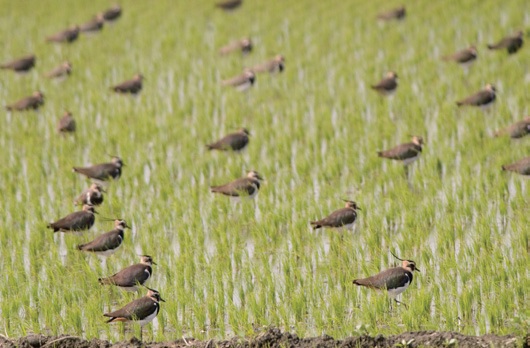
- Northern Lapwing (Vanellus vanellus ). Photograph by Hong Guan-jie
In recent years, however, thanks to appropriate planning, not only have wetlands beenused to improve the local scenery and regulate microclimates, they have also been developed as tourist, recreational, and educational sites, and have spawned small-scale local ecotourism industries. Wetlands ecosystems feature high productivity.
Mud flats and mangrove areas provide habitat for numerous species, and the wealth of fish, crustaceans, and mollusks attract large numbers of foraging birds. Wetlands thus provide an important habitat for migrating birds. Apart from filtering and purifying water, wetlands can also prevent salinization and deterioration of coastal soil, inhibit wave erosion, and maintain a relatively constant supply of water. In recent years, many wetlandshave been developed to serve recreational and interpretive education function sthrough appropriate planning measures.
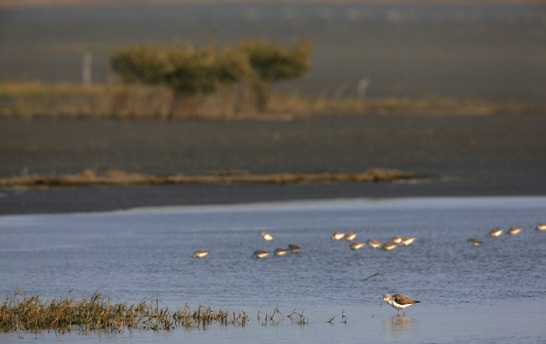
- Wood Sandpipers (Tringa glareola ) in wetland. Photograph by Chen Ji-peng
Human activities have always been closely connected with wetlands. The 2002 Ramsar Convention held in Spain had a topic of "Wetlands: water, life, and culture," which emphasized the relationship between wetlands and people's lives and the people's dependence on wetlands. For instance, many wetlands areas such as lagoons andintertidal zones have long been used for the raising of clams, oysters, shrimp, and crabs. However, the use of antibiotics in aquaculture to ensure that fish, shrimp, and mollusks grow rapidly and remain free of disease is also a major cause of water pollution.
A wetlands water purification experiment conducted by Prof. Ching Shu-jen of Chia NanUniversity of Pharmacy; Science has verified that artificial wetlands are a highly efficient means of treating water, and can ensure that the concentrations of various water pollutants in recirculating aquaculture systems meet aquacultural water quality standards, enabling the attainment of an excellent aquaculture environment.
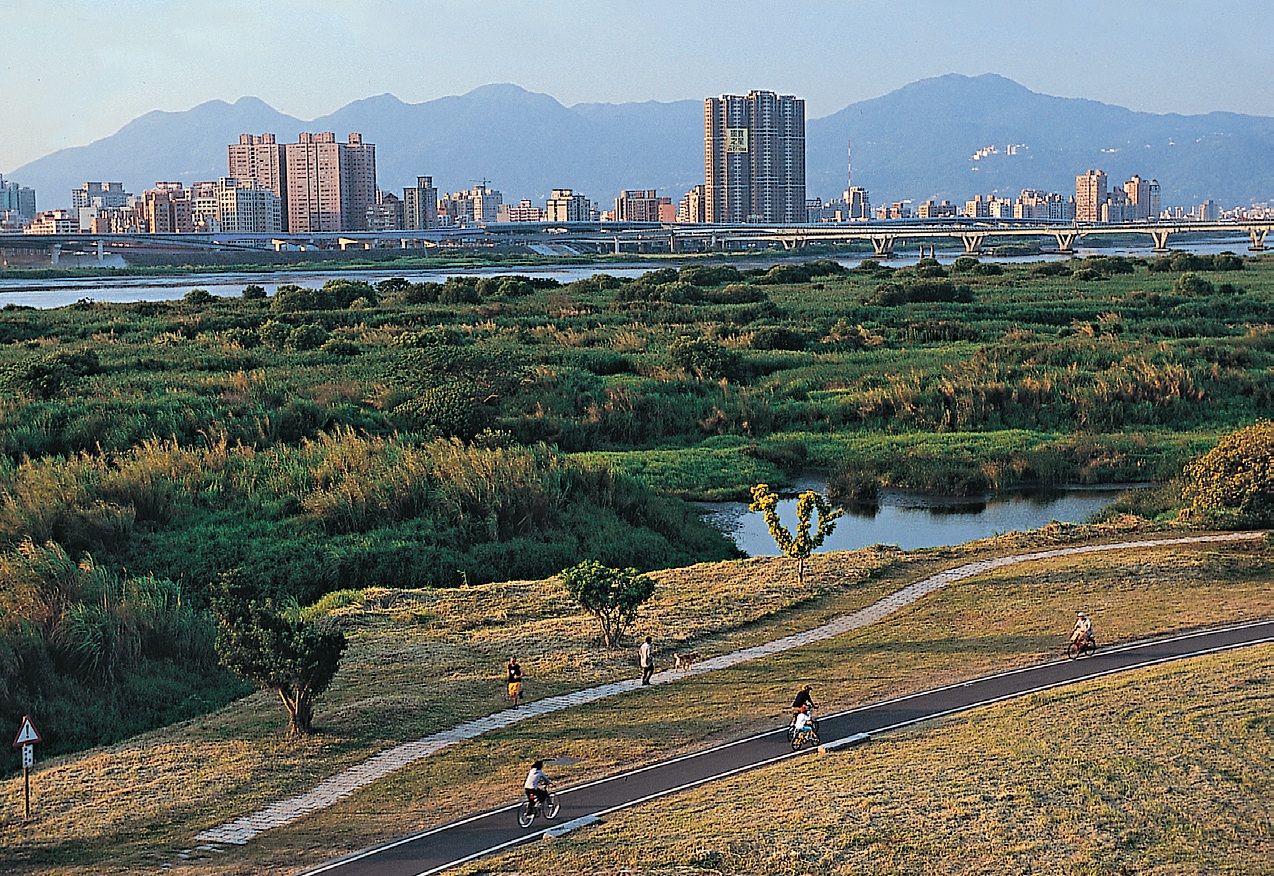
- Huajiang Waterfowl Nature Park possesses expansive sandbar wetlands, and attracts tens of thousands of overwintering ducks, geese, sandpipers, and other shorebirds every year.
Wetlands maintain biodiversity, and have a scenic function. But when wetlands are drained and filled to meet the needs of development, they gradually lose their functions. Mankind's welfare is intimately connected with wetlands; when wetlands can no longer function, society will also suffer.
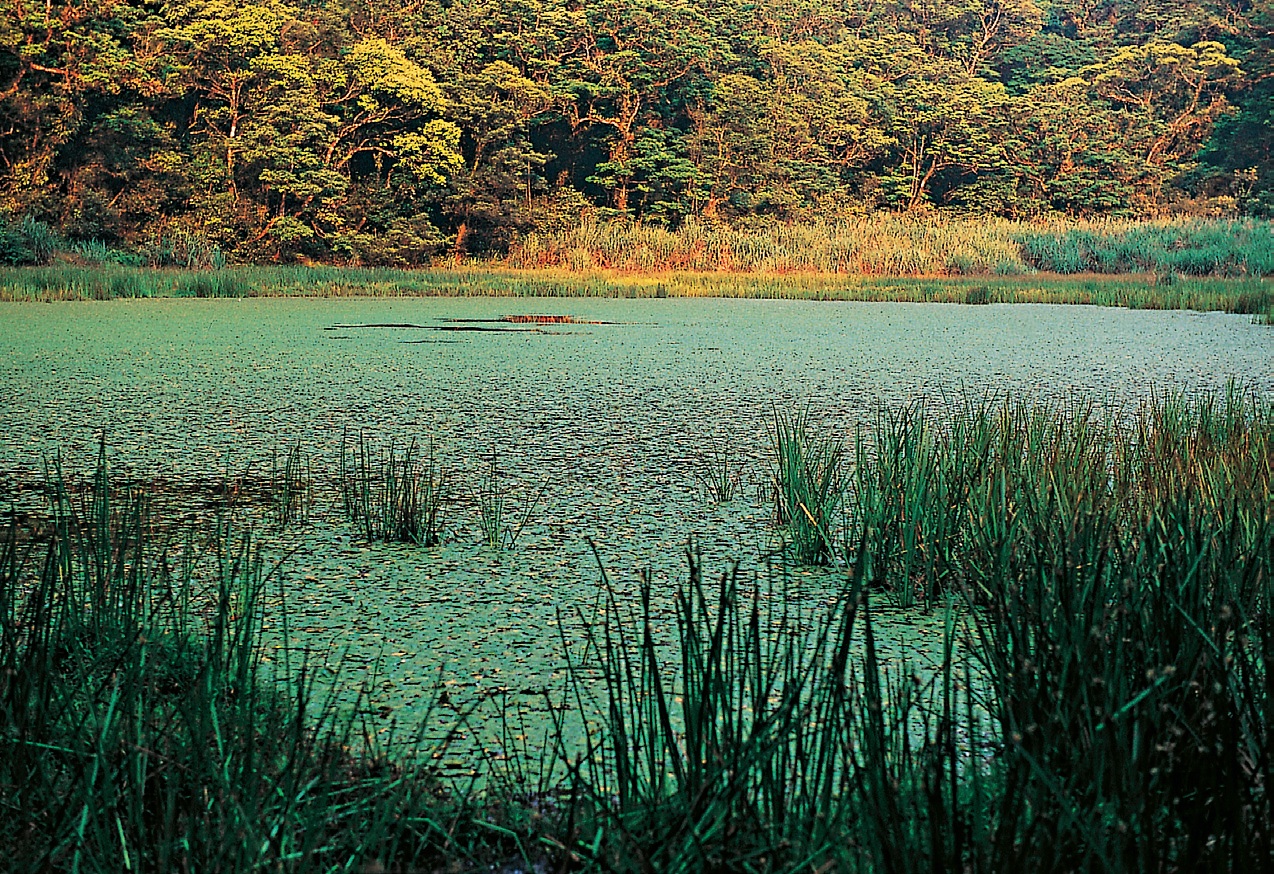
- Lunpi Wetlands is one of Taiwan's typical inland marsh wetlands, and nearing the final stage of lake succession. It is a key habitat for the endemic plant Water Shield (brasenia schreberi ). Photograph by Liu Si-yi
Looking back in time, why must we protect wetlands if we wish to protect waterfowl? In the past, Americans ate ducks, but seldom raised ducks. As far as they were concerned, ducks were wild creatures, and were common in the oudiv>
In 1934, the American government and public discovered that there had been severe loss of waterfowl habit, and the number of North Americanwaterfowl had reached a historic low. It was realized at that point that nature simply could not meet mankind's insatiable demand. This situation brought about the Migratory Bird Hunting and Conservation Stamp Act , which stipulated that each hunter over 16 years of age must purchase at least one US duck stamp each year. This stamp is affixed to the hunter's hunting license, and income generated from the sale of stamps is used to purchase or lease places inhabited by waterfowl,namely wetlands.
Other countries, including Australia, Canada, the former Soviet Union, Britain, and Iceland, followed suit and adopted identical or similar methods. The duck stamps are chiefly used as hunting certificates, and the income generated by their sale is used to strengthen conservation or replenish ecological maintenance funds. Apart from their artistic value, like collectible postage stamps, many of these stampshave appreciated in value with the passage of time. So apart from a fund-raising method, the stamps also constitute a form of investment. The mostimportant thing, however, is that this investment protects valuable wetlands, and safeguards the waterfowl and myriad other organisms that dependon those wetlands.
- The Fubao wetlands possesses unusual ecological resources, and more than one hundred birds have been sighted here. Photograph by Alex Pro
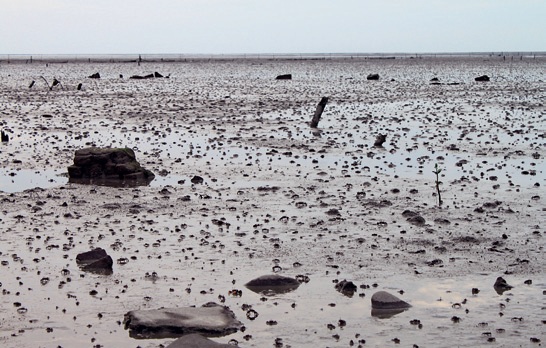
Wetlands include many important wildlife habitats. Within Taijiang National Park, the wetlands comprising the Zengwen Estuary provide the Black-faced Spoonbill with their chief habitat while wintering in Taiwan. The Gaomei wetlands in Taichung County is one of the small number of major wintering areas for ducks and geese in Taiwan, and is also home to the highly endangered sedge (Bolbos choenus ). Menghuan Lake in Yangmingshan National Park consists of a marshy lake with no outlet, and is home to such distinctive aquatic plant s as the quillwort (Isoetes taiwanensis) and the pipewort Eriocaulon chishingsanensis ). Yilan County's Shuanglian Pond harbors rich flora and fauna, and its species are the rarest and most divergent among any ponds or marshes in Yilan County.
The natural upland wetlands along Chichiawan Creek in Shei-Pa National Park comprise the home of the rareFormosan Land-locked Salmon (Oncorhynchus masou formosanus ). Guantian wetlands in Tainan County have provided a second home for thePheasant-tailed Jacana (Hydrophasianus chirurgus ) —the first time an endangered species has been successfully introduced in a second location.Longluan Lake in Kenting National Park is a semiartificial marsh wetlands, and the Longluan Lake Nature Center is Taiwan's first display center designed specifically for bird-watching and research. The international wetlands Sicao wetlands, is where the type specimens of Lyonsia taiwanica , Fronsella taiwanica , Aphantaulax tainanica , and Berosus tayouanus were collected.
In these wetlands of national importance, theConstruction and Planning Agency, Ministry of the Interior will rely on effective management of wetlands resources to achieve the goal of sustainable use, while protecting the wetlands' ecological environment and resources, and maintaining biodiversity. After a protected area has been designated, the government will encourage the development of ecotourism and well-managed travel activities featuring the protected area. This approach provides the public with good places for ecological conservation and education.
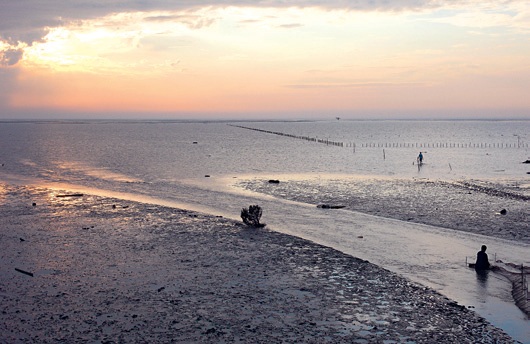
- The Fangyuan wetlands are Taiwan's largest intertidal zone wetlands, and up to 4-5 kilometers of mudflats can be exposed at low tide. Photograph by mo sr
The passage of the Wetland Conservation Act is important in two ways. First, it enhances protection for natural wetlands with ecologicalvalue, and second, it establishes several principles for preventing the destruction of wetlands through development . These include avoiding the development of wetlands under priority protection, mitigating impacts (such as by minimizing the area affected by development ) , and off-site compensation (re-establishing wetlands on other sites). If a wetland cannot be re-established on another site, other methods can be used, if possible,to restore the ecology.
Furthermore, when any development may have a destructive impact, or may degrade the environmental or ecological functions of an important wetlands area, the first step should be taken, i.e. ensuring that development activities avoid important wetlands under priority protection. While some development projects cannot be avoided entirely, the second step can be taken by mitigating their impact on wetlands as much as possible or adopting the alternative proposal with the least impact.
If the goals of avoidance or mitigation cannot be achieved, and destruction of a wetlands area is unavoidable, then the third step of off-site compensation (re-establishing wetlands on other sites) must be considered. Developers must think of some way to compensate for their destruction of wetlands. Methods of re-establishment include wetlands restoration, enhancement of wetlands functions, and creation of a new wetlands, along with wetlands conservation.
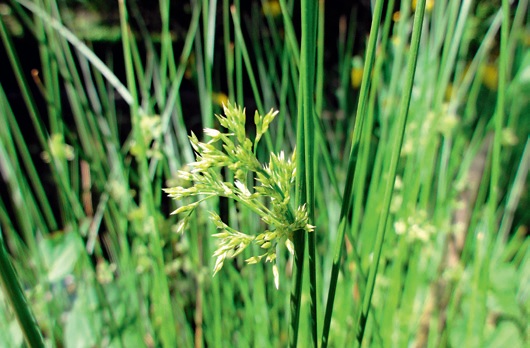
- Hygrophytes – Rush (Cyperus malaccensis ). Photograph by yamatsu
Off-site compensation refers to reconstruction of habitat on another site and restoring wetlands ecology. While re-establishment on another site and compensatory restoration of ecological functions involve different methods, they in fact have different levels of priority; re-establishment on another site should be considered as a first priority, followed by restoration of ecological functions, where the latter includes payment of monetary compensation. But even if the area of wetlands remains unchanged, lost and added wetlands may provide quite different ecological functions.
For instance, if damage to the Menghuan Lake wetlands causes a reduction in the number of Taiwan Quillwort (Isoetes taiwanensis ) individuals, the damage cannot be compensated through the addition of an identical area of coastal wetlands or artificial wetlands. This type of forest wetlands would be the most difficult wetlands to reconstruct.
Ecological compensation refers to compensatory measures taken to improve the ecological environment after development or utilization causes loss of wetlands area or wetlands functions. Wetlands compensation may involve having the developer hire experts affiliated with an environmental group to perform wetlands restoration or wetlands compensation. A bank specializing in compensation may also be commissioned to perform wetlands restoration; here the developer will make monetary payments to the bank or a trust fund, until funds are sufficient for restoration.
A wetlands fund may be established when implementing wetlands conservation; the fund concept is derived from the Environmental Education Act . These methods will give the Wetland Conservation Act greater flexibility, and will enable environmental authorities to provide incentives or purchase wetlands without depending on national funding.
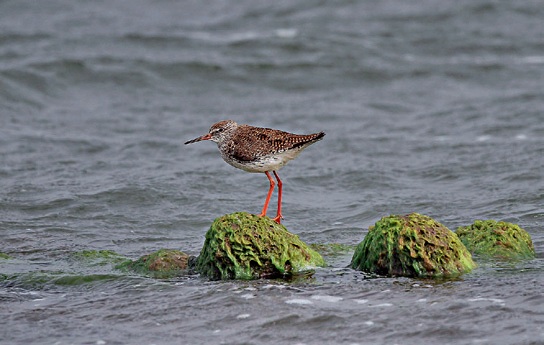
- The Common Redshank (Tringa totanus ) likes to run through shallow water as it forages for food. Photograph by Hiyashi Haka
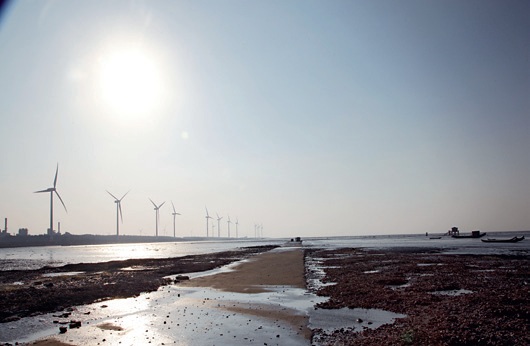
A supplementary provision in the Wetland Conservation Act makes the requirements of the Act immediately applicable to major national wetlands already designated international wetlands and national wetlands. The legislature now cannot try to erase work that has already been performed, and the size and importance of supranational regional wetlands are secondary matters, and are subject to reassessment.
As for the question of whether wetlands located in protected zones require additional designation as nationally-important wetlands, Chiu Wen-yen believes that this is indeed necessary: "The Wetland Conservation Act has specific targets of protection, and these are not in conflict with protection zones." In terms of law, special laws takeprecedence over ordinary laws. Under ordinary circumstances, wetland shall be subject to the Wetland Conservation Act , and wetlands within protected zones, such as national parks, shall be subject to the National Park Law as a first priority in so far as this does not affect the wetlands' original use and protects their specified functions.
However, if the Wetland Conservation Act is employed for some specific purpose, no conflict should result. For instance, as soon as the Bayan wetlands within Yangmingshan National Park become a nationally-important wetlands, subzone controls will be implemented, which may affect ecological protection areas or special scenic areas.
- Changhua Mud Shrimp Protection Area. Photograph by Chen Ji-peng
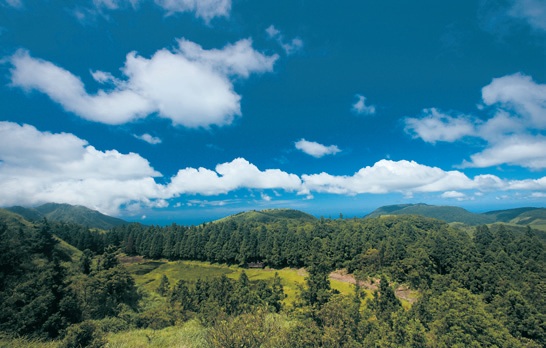
Wetlands with a rich natural ecology should be protected as a first priority, and should not be subject to arbitrary human disturbances involving various methods. This refers to a tolerant approach to the use of wetlands resources within the scope of the wetlands' ecological bearing capacity, maintaining the sustainable use of biological resources, water resources, and land at suitable times and places, and in suitable amounts, while preserving stable quality and quantity—This is termed wise use. Wise use refers to employment of the most enlightened methods to preserve wetlands and ensure their continued functioning.
Kaohsiung County's Yongan wetlands were included in The Internatinal Awards of Liveable Communities in August 2013. The Yongan wetlands were originally called the Wushulin salt fields, and are noted for their preserved Baroque style Wushulin Salt Company premises. As times changed, the Yongan salt fields were no longer used to make solar salt, and ownership was transferred to the Taiwan Power Company.
The Taiwan Power Company originally planned to build ash pools to store fly ash from its Xingda Power Plant, but because the issue of compensating former salt workers remained unresolved, the low-lying salt fields remained unused, and were colonized by mangrove and waterfowl. In 1999, the international organization Birdlife selected the area as an important wild bird habitat, and the National Construction & Planning Agency, Ministry of the Interior designated it a nationally-important wetlands in 2007.
- Menghuan Pond Ecological Conservation Area is located halfway up Mt. Chihsing in the Yangmingshan area, and harbors the the quillwort Isoetes taiwanensis. Photograph by Kenny Chen
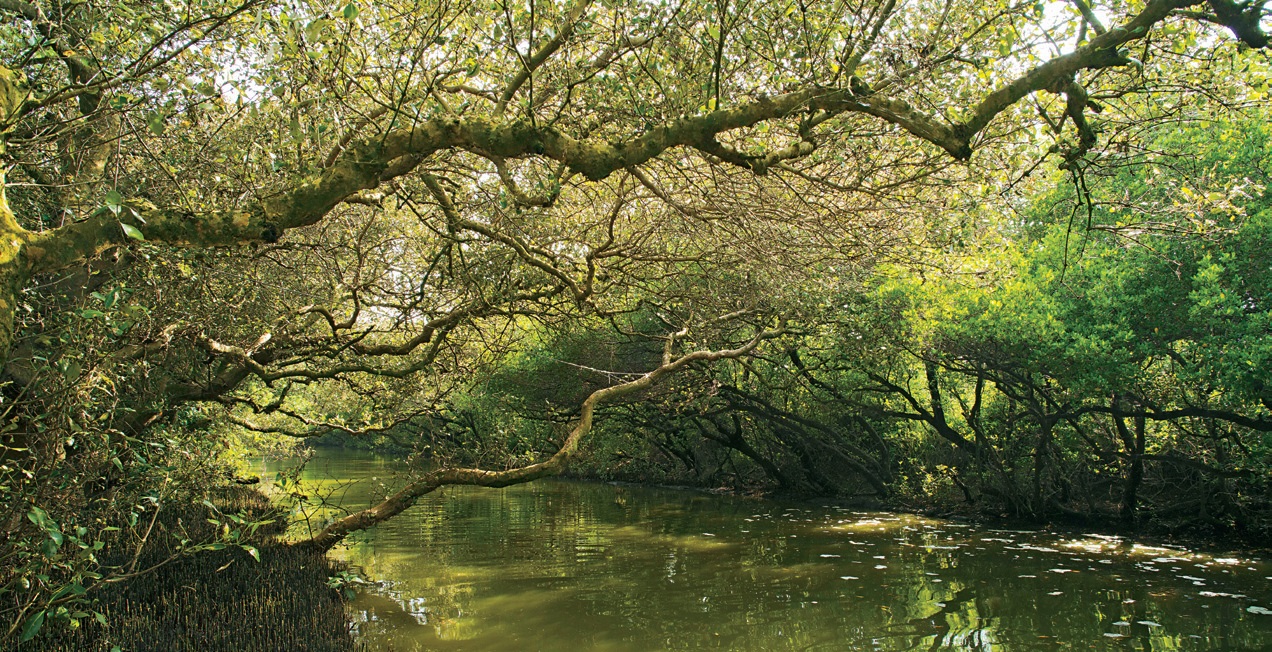
Surrounded by water, the island of Taiwan is highly dependent its a symbiotic relationship with wetlands. We hope that this new legislation will make the public even more aware of the need to coexist with wetlands, and will enable wetlands to speak for their continued existence. Qiuhong Lake in Keelung is one of Taiwan's lakes with the greatest number of dragonflies and dragonfly species. Birders have recently discovered three dragonfly species previously unknown in the area, which underscores the importance of this site; these rare dragonflies can only be found in coastal northern Taiwan. After the passage of the Wetland Conservation Act , the Wild Bird Society of Keelung has planned to apply to the Ministry of the Interior for "international Wetlands migratory species habitat" status for the lake, which will make the site an important wetlands and better preserve its ecological treasures.
The Toushe wetlands possess the largest "living basin" in Taiwan; this area occupies approximately 245 hectares, of which 170 hectares features peat geology. The whole area possessesabundant flora and fauna, as well as outstanding cultural features. National Chi-Nan University has performed an environmental survey of the Toushe wetland environment and compiled a preliminary planning report. This report emphasizes that the Toushe wetlands possesses the criteria to become a wetlands of national importance. Following the promulgation of the Wetland Conservation Act , while the Toushe living basin has already been listed as a local-great important wetlands, it will still require assessment of its grade in accordance with the Act. The Yuchi Township Office performed wetlands conservation work at an early date, and harnessed capabilities of the public sector to promote wetlands ecotourism showcasing both local industry and wetlands conservation. As a result, the township was able to secure funding from the Construction and Planning Agency, Ministry of the Interior for a nationally-important wetlands conservation action plan, and has already begun an environmental survey project.
Since wetlands and species dependent on wetlands have continued to disappear at a rapid pace since the signing of the Ramsar Convention 40 years ago, this convention is often thought to have been ineffective. But if people and organizations fail to make the effort to fulfill the convention's aspirations, wetlands will suffer an even worse fate. Although the Wetland Conservation Act will not be a panacea for the country's wetlands, it does represent the first step in the protection of wetlands, and is well worth the long wait for such legallyenshrined protection.
- Sicao Wetlands, Old Taijiang Inner Sea. Photograph by Liu Si-yi
Taiwan Environmental Information center contracted correspondent
Living basins contain peat soil, which is sometimes deposited in mountain valleys and in low-lying areas near Creek and lakes. Peat soils are formed from the accumulation of the remains of incompletely-decomposed plant material, and form in places that are water-saturated, contain dense aquatic vegetation, and have anoxic conditions.
The Toushe living basin contains new vegetation growing in soil that covers the remains of aquatic plants, and represents the results of deposition over the course of a millennium. Because the soil is saturated with water like a sponge, it is loose and can flow. A person standing in the basin can sometimes clearly feel the ground shaking.


