
There’s always something new here-The Charm of National Park in Our Eyes
into the sky during celebrations. / provided by Hsin-Drow Huang
There’s always something new here - The Charm of National Park in Our Eyes
Interviewee /Chang-Sheng Dai, Head Coach, XHZ Adventure School 、
Hsin-Drow Huang, Director General, Underwater Photography Association Taiwan、
Chi-Ching Kuo, Executive Secretary, Kaohsiung Old City Cultural Association
Article/Wei-Han Li
“Yushan is my home,” this is the most sincere confession from Chang-Sheng Dai, Head Coach of XHZ Adventure School, to Yushan National Park. “We like to say let’s drive to Kenting for an exotic dive,” when talking about the underwater scenery of Kenting National Park, Director General of the Underwater Photography Association Taiwan Hsin-Drow Huang’s voice is always cheerful. “Everyone is retired, but when we think of so many stories waiting for us to discover and publish, we are reluctant to stop,” when listening to Chi-Ching Kuo, Executive Secretary of the Kaohsiung Old City Cultural Association talking about the past, our curiosity about history can always be provoked by him. From their enthusiastic sharing, we can truly feel their deep affection for mountain, sea, and old city.
Taiwan has many mountains, and the high altitude brings forth all the four seasons that tropical countries usually cannot experience. This small island surrounded by the ocean has rich and colorful underwater scenery. Although this island country is relatively young, it endured and preserved a diverse spatiotemporal sphere. These charming landscapes protected by organizations such as the national park have a unique appeal. It not only makes these groups of self-organized societies wanted to share and promote, but also willing to give their expertise, time, and money to make this precious asset shared by the Taiwanese people better.In this exclusive interview, we would introduce the XHZ Adventure School, the Underwater Photography Association Taiwan, and the Kaohsiung Old City Cultural Association from different angles of mountain, sea, and old city by sharing their stories about their beloved national parks, and their dedication to Taiwan’s land and ocean.
Know the risk, then take adventures
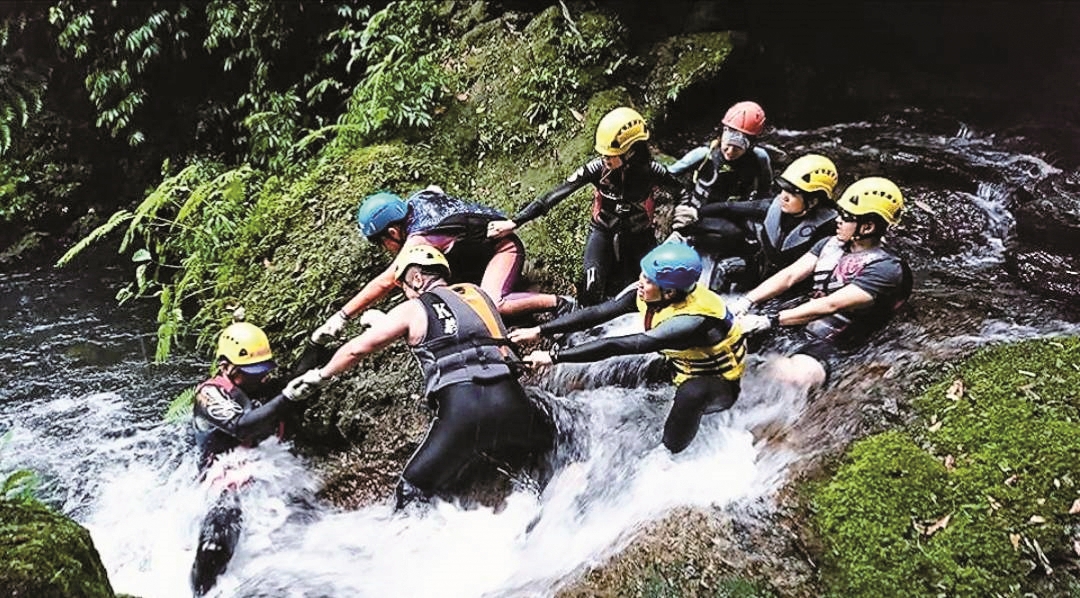
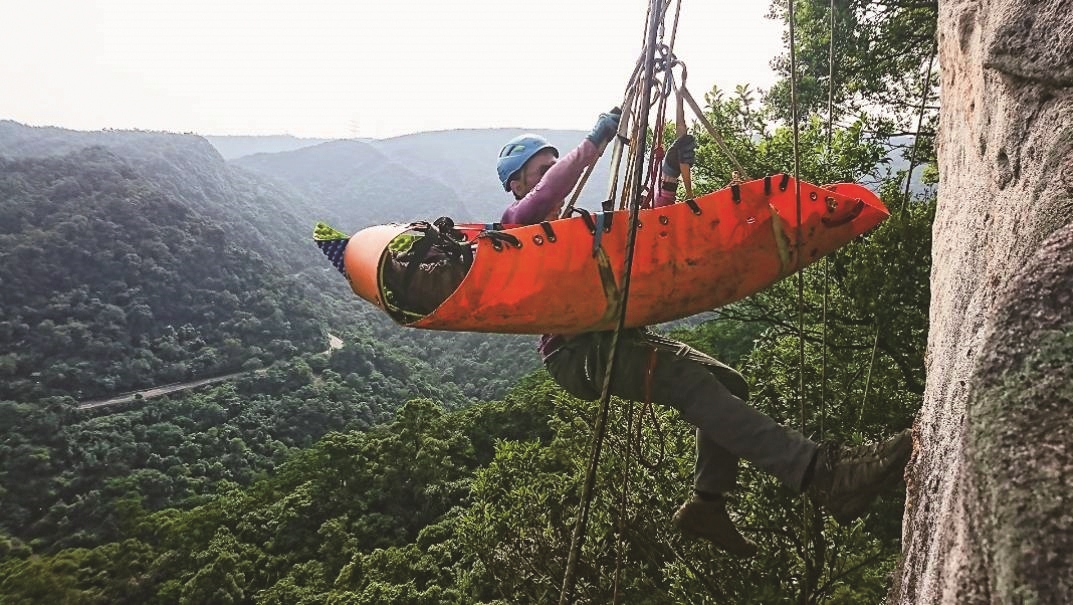
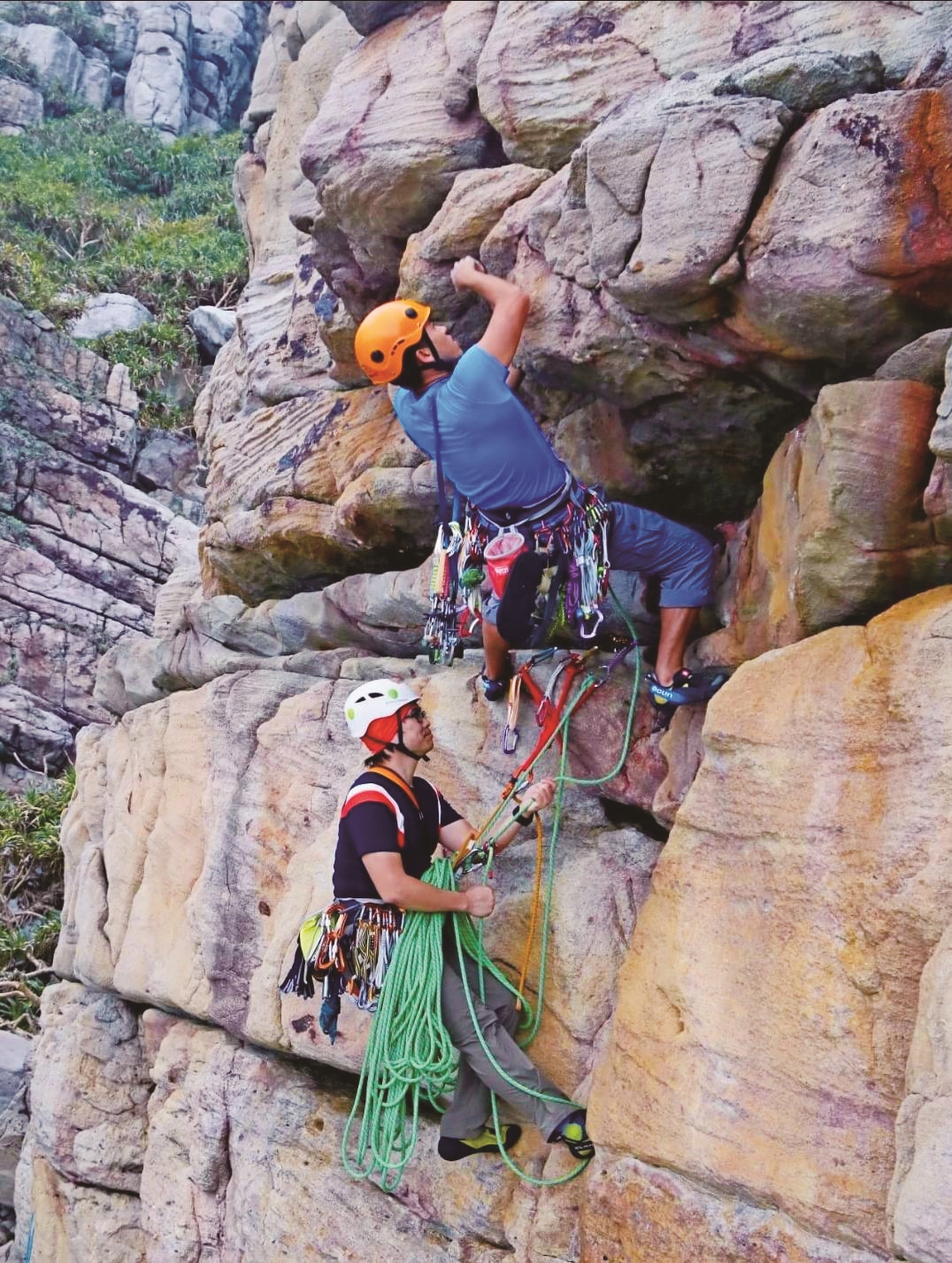
to experience the charm of nature through river tracing and
mountain climbing,and accurate training and understanding is
the only way to get close to nature.Besides, the beauty of nature
is interdependent with risk, so rescue training can never be sloppy.
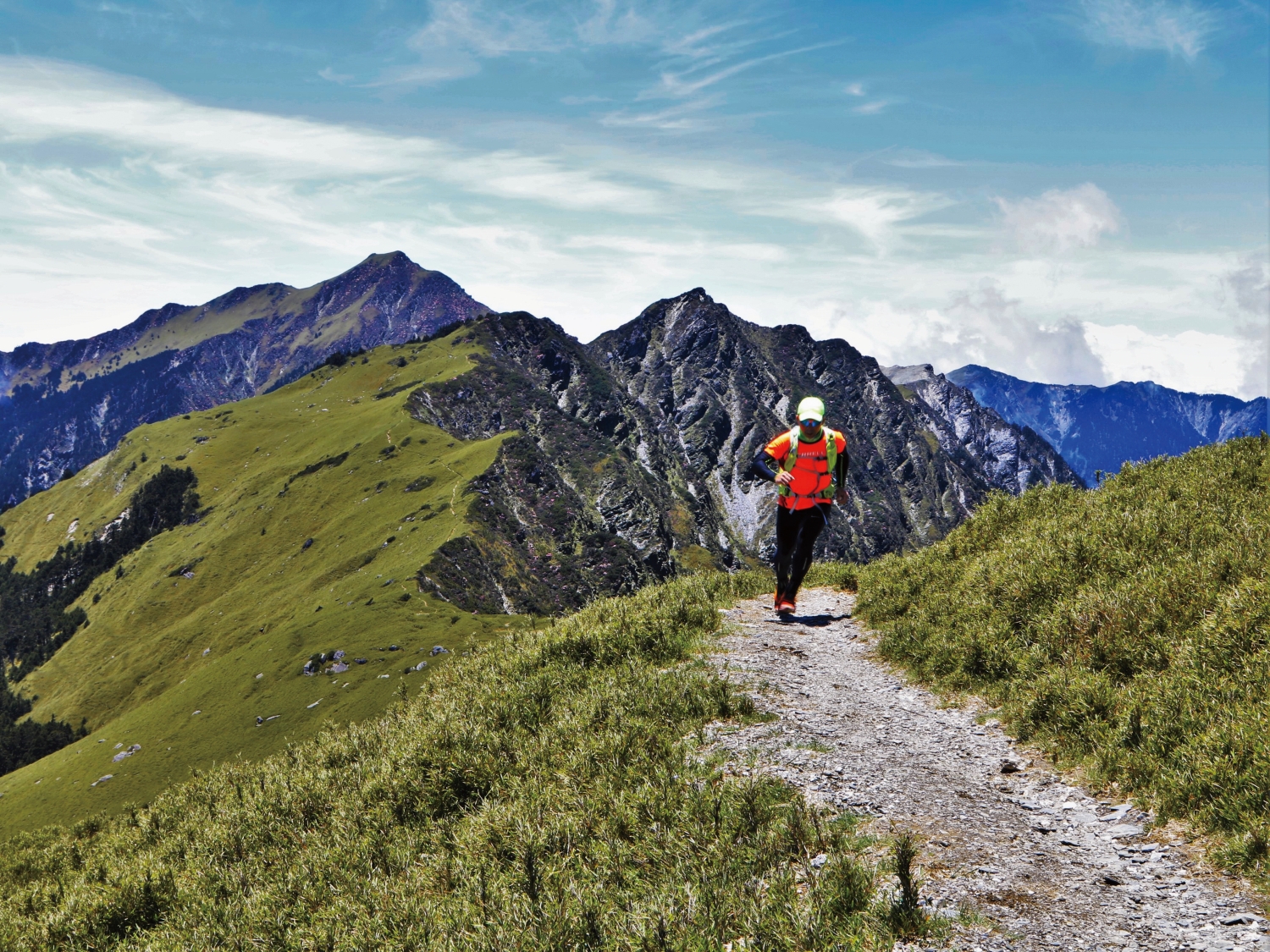
the premise of taking adventures. / provided by Chang-Sheng Dai
"Trained as a cook, but I have instead been engaged in the adventure business for more than 20 years. I am a person who has derelict in duty. It is because I love climbing mountains too much." Chang-Sheng Dai is a coach with a neat and handsome mustache, who smiled like a piece of sun-drenched grassland that makes people happy. “I had to rely on guides when climbing mountains before as well, but there was one time I was startled by the guide being lost and found that I cannot put all the risk on others, so I began strengthening my mountain climbing skills and caught up with a lot of related knowledge.”
When talking about the XHZ Adventure School, many people focused on the “adventure” part so there were mixed reviews. Chang-Sheng Dai has his own views, “Many people look at an adventure and intuitively think that it is risking their lives but in fact, it is completely the opposite. Instead, the reason why I open an adventure school is to want to teach the public knowing where their ‘stop’ is. Many risks are known only after personally experiencing it, rather than repeating what people say or following exactly whatever is in the textbook and with no idea of their own. After all, you are responsible for the consequences of life.” Therefore, relying on his professional attitude and through word-of-mouth, Dai has not only trained mountaineering clubs from schools, people who love to be close to the mountains, search and rescue personnel and mountain patrols of government units, but also actually devoted himself to the scene of many mountain search and rescue tasks. Even after seeing so many destructive power of nature, when he talks about Taiwan’s mountains, Dai still says affectionately, “Mountain is my home, especially Yushan.”
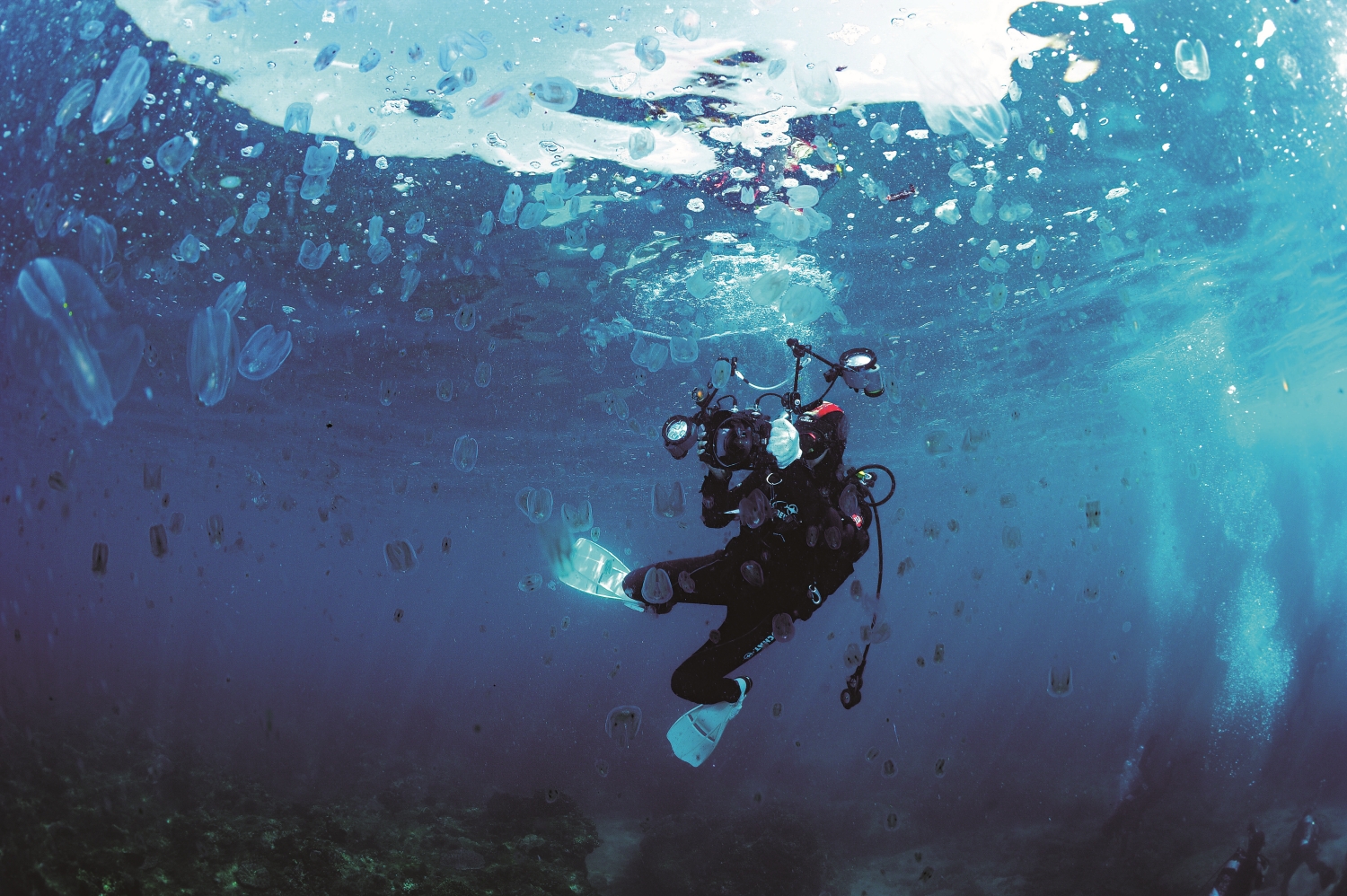
Chang-Sheng Dai’s love for the mountains can also be found on Hsin-Drow Huang and his fellows – their “lover” is Taiwan’s ocean. “The ocean is beautiful, don’t stay away from it because of fear; moreover, don’t destroy it because of ignorance. Without the ocean, there would be no Taiwan.” In order to let more people see the colorful and beautiful scenery under the ocean, Huang and a group of partners put on diving gears and brought professional underwater photographic equipment into the sea with them. However, it is not as simple as people would think to bring back underwater photos that would resonant with people.

is required. / provided by Hsin-Drow Huang
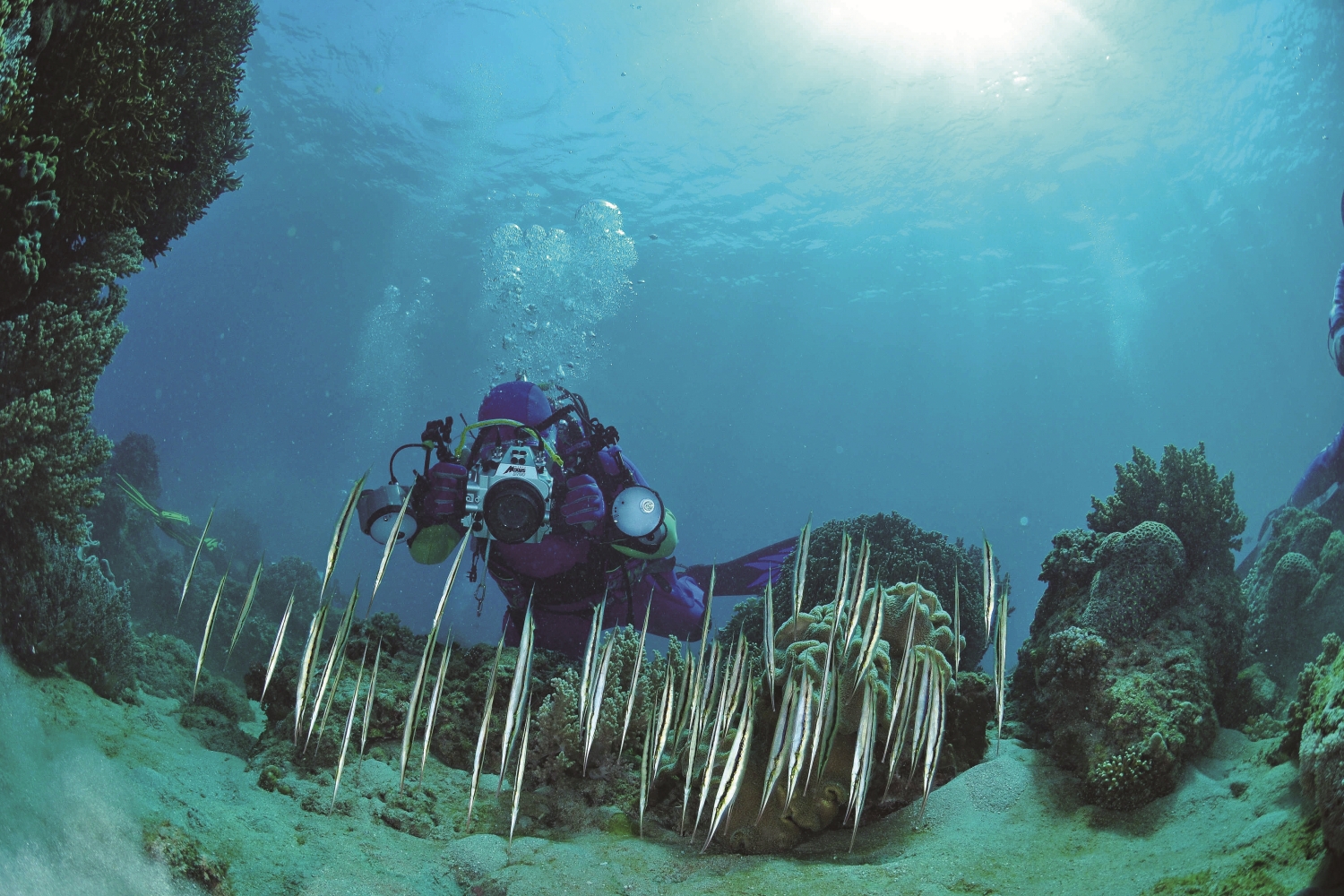
is high, the accomplishment of obtaining good photos
is also unparalleled. /provided by Hsin-Drow Huang
“Underwater shooting has its threshold. You have to know diving and photography, as well as understand the physical limitations of the underwater world. The brightness and chromaticity under the sea are very low. If the supplementary light is insufficient, the photos taken would only look black, blue and green. Also, awareness of environmental conservation is very important. Some people would interfere with the creature’s activity and deliberately “pose” the objects to take lively pictures. We do not agree with such behaviors. We hope to respect the natural ecology first, and then talk about the pursuit of artistic expression.” The wait is worth it. Thanks to digital technology, they have accumulated a large number of marine images over the years, and not only for the appreciation of art, but also contributed to ecological research. “The Underwater Photography Association Taiwan and Taiwanese Coral Reef Society are partner organizations. The first-hand images we have taken can often help the research of academics or other domestic scholars without having to rely too much on foreign materials. Taiwan’s marine ecology is very rich, especially in Kenting, so we often joke that we are ‘driving to Kenting to go diving aboard’, which in fact is not an exaggeration at all.”
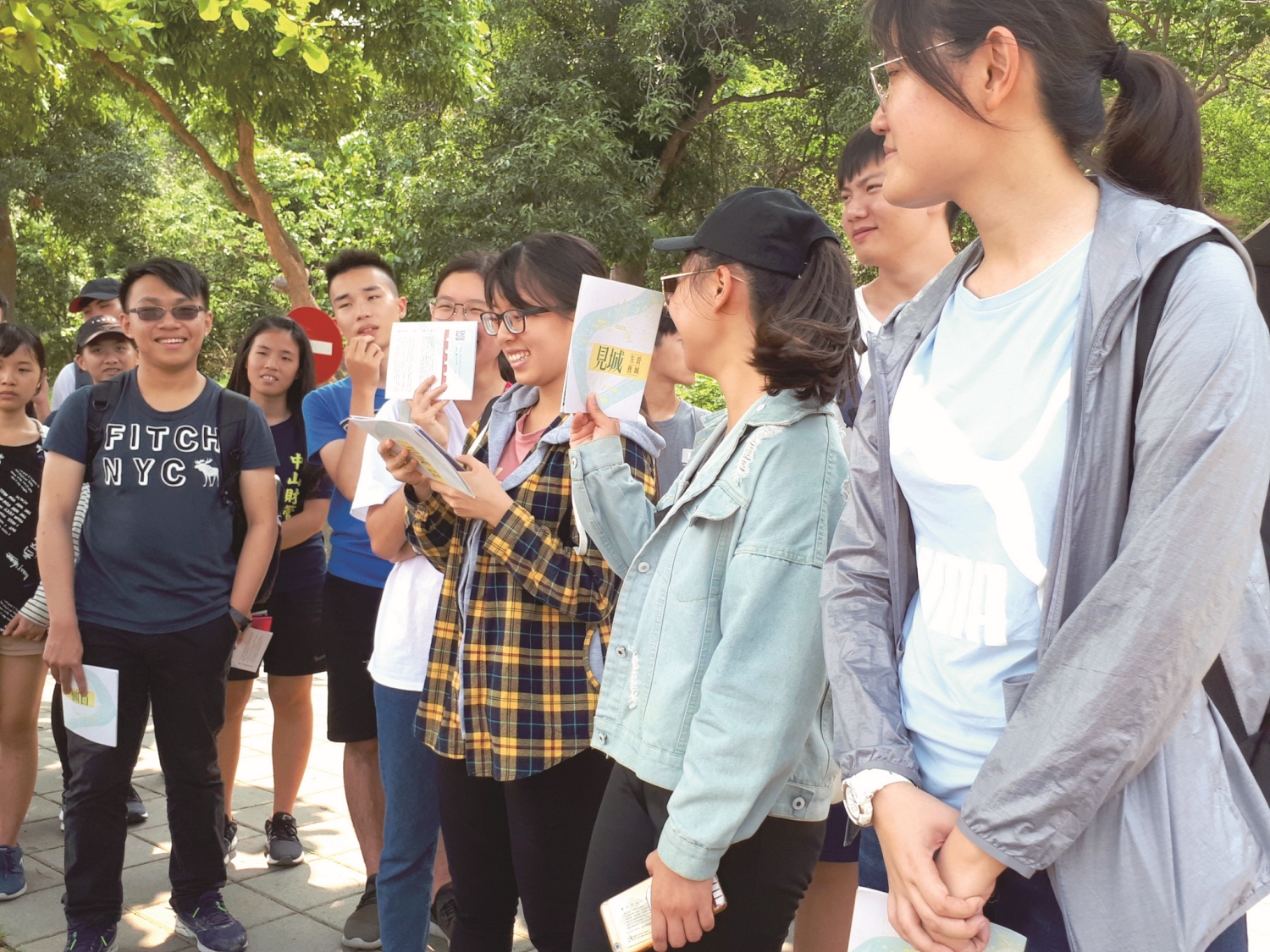
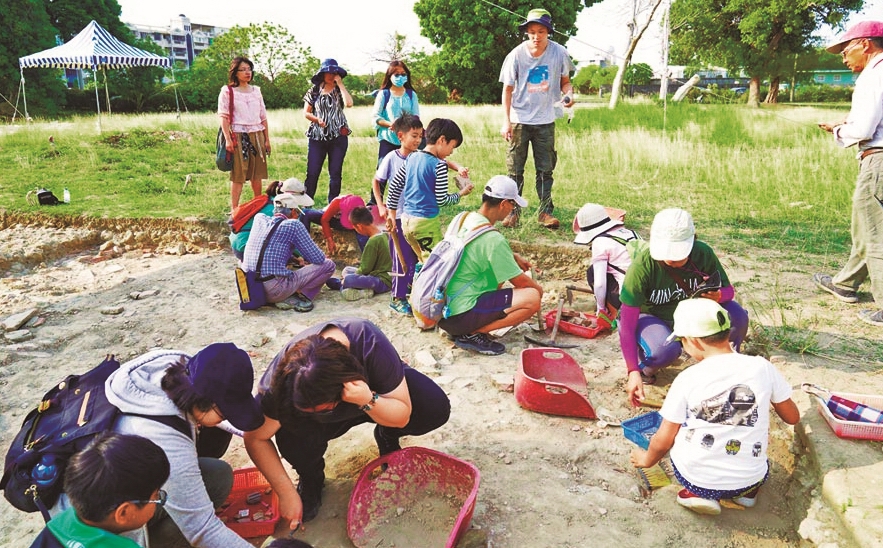
(the picture shows college students participating in activity provided
by Kaohsiung Old City Association). / provided by Chi-Ching Kuo
Hsin-Drow Huang dives into the ocean and sees the beauty of the deep-sea, but Chi-Ching Kuo stays on the land and digs through mounds and historical materials, watching the memories of the ancient city slowly resurface. “History has a personality and different faces. A story of one place is never the same as another place. This uniqueness of locality is very fascinating, that is why it attracts us people who are retired from the military, civil services, and schools to start a second career in this old city.” When speaking of the Old Zuoying City that is now included in the National Nature Park, Chi-Ching Kuo is like a happy farmer who is cultivating an abundant field, all pride and honor in his speech to stand with the Old Zuoying City.
“In the beginning , it was because the Yong-Ching Elementary School was going to be rebuilt; the new tall building would disturb the landscape of the old city, so we organized an association and protested to the school, hoping the government could pay attention to the issue of cultural assets. After all these years, the association not only survived but is operating in a more meaningful way. Over the years, we have dedicated ourselves in search for documents, do first-hand field investigations, and publish results through just media. In addition, sixty to seventy guided tours are held every year to help tourists from home and abroad to understand the story of Zuoying's old city. There are still young people joining the association, which shows that we are not outdated at all. Thinking that there are still so many stories to discover and protect in the Old Zuoying City, that motivation keeps driving us forward.”
Some adore the mountains, some love the sea, and some admire the old city that is full of stories. Regardless of what they hold dear, we all can feel their love for the land of Taiwan.
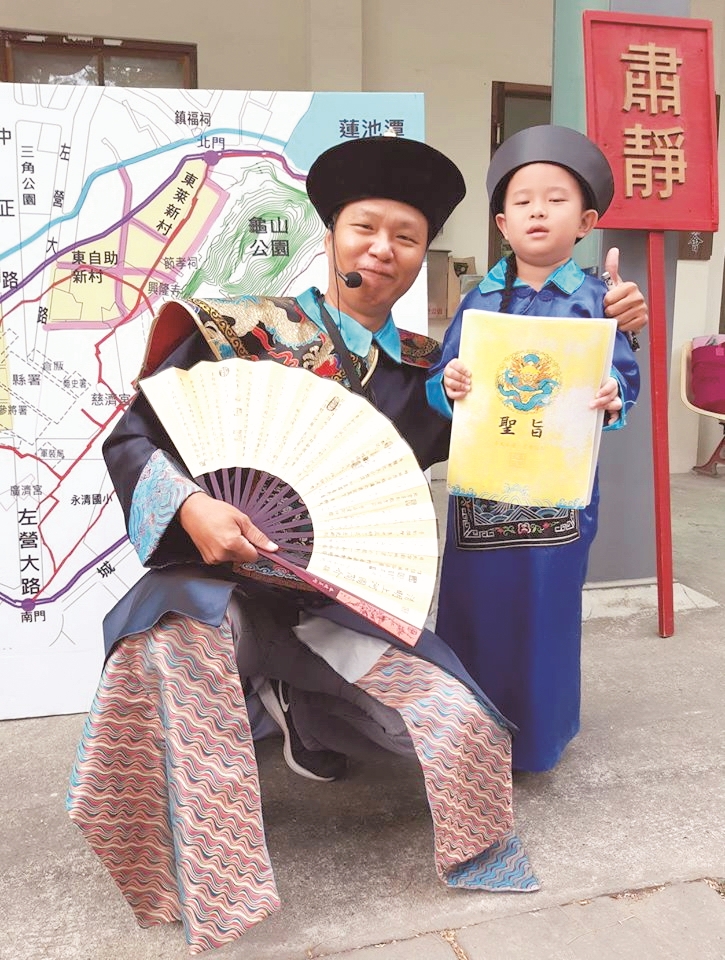
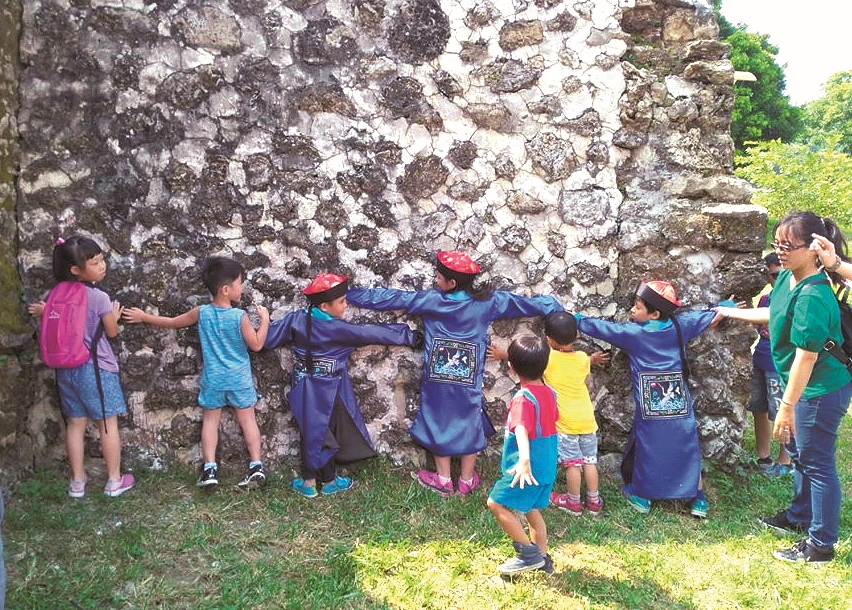
to the beauty of the old city. /provided by Chi-Ching Kuo
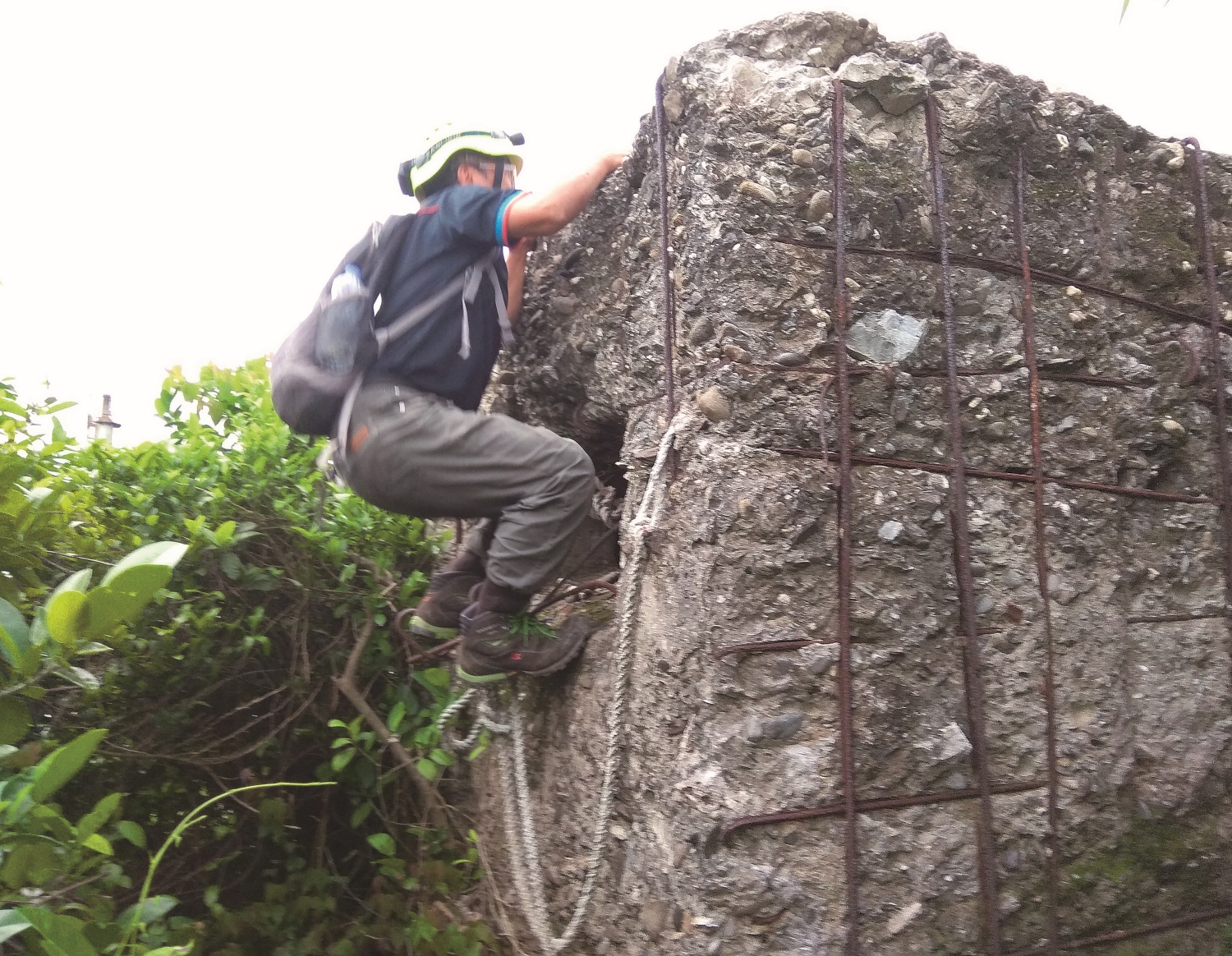
fortress of Banping Mountain / provided by Chi-Ching Kuo
needs protective actions from all people./ provided by Chang-Sheng Dai
Because of their passion, they also realize that it is not enough to just rely on the National Park or partner organizations to protect these assets. The most important thing is to start with the daily behavior of the general public.
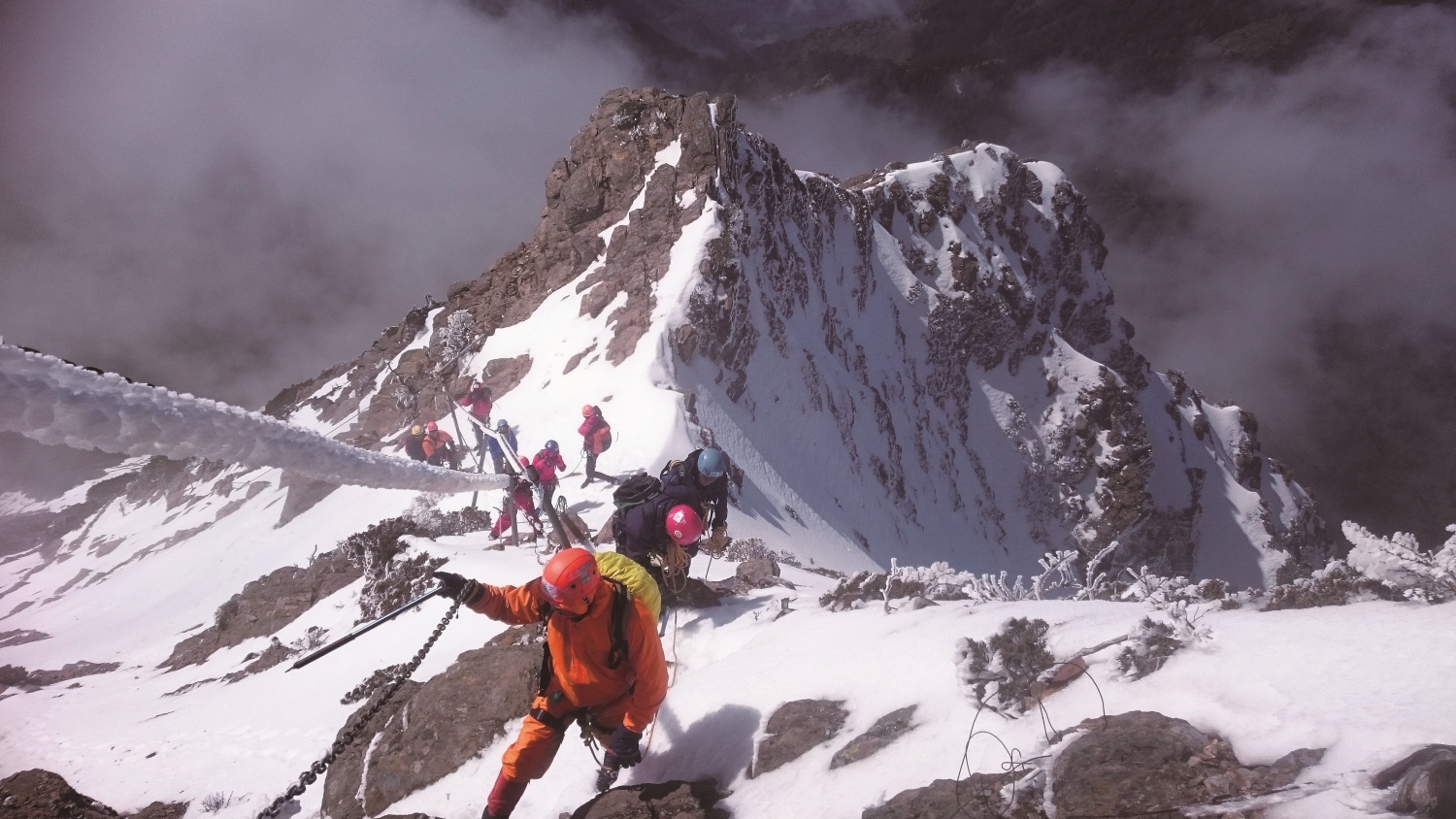
Chang-Sheng Dai, who regards Yushan as his home, tells why he fell in love with Yushan. “There are grasslands, hills, streams, and cliffs on Yushan and can be used for various training such as mountaineering, rock climbing, river tracing, and trail running. It is one of the few tall mountains that completely integrate environment with ice, snow, and rock. After climbing the mountain round trip, I have experienced a full round of the four seasons. Most of the purpose of my frequent visit to Yushan is to carry out winter snow hike training. I have once received an assignment to escort the director of the meteorological station to ‘work’ because it was snowing in the mountains and it was just too dangerous to have no ‘bodyguards’. The most important thing is that Yushan has very good logistic and medical support, which gives the mountain climbers peace of mind.”
Of course, coach Dai is not the only one who has fallen for Yushan’s charm. As the ban on mountains is lifted, more independent associations have scaled this highest mountain in Taiwan. It is a good thing that people are willing to be close to the mountains, but the chaos Dai cannot stand, “For convenience sake, people may rush into forming groups and are not familiar with each other, which totally ignored the intention of partnering and neglect the safety rules of mountain climbing. Also, internet celebrities would post their photos and with the rapid spread of information online often leads to confusion of information, which can easily cause the public to miscalculate the risk of mountain climbing. The most common thing we see is ignoring the danger of acute mountain sickness and taking photos at places that are not OK. Not to mention everyone needs to enhance their conservation concept towards the mountains – you can still find trash or feces on Yushan.”
For this kind of selfish behavior, Chang-Sheng Dai speaks bluntly and describes them as “the rotten apple that spoils the whole barrel”, which forces the national park to make a stricter framework to contain the behavior of the mountain climbers. However, he also tried to make suggestions for management: “Currently, the seven LNT (Leave No Trace) principles are the principles the National Park is following. However, since LNT is a model adopted from foreign countries, and these countries usually have vast territory and abundant resources, so some detail may not be suitable for the small and exquisite Taiwan. If we can make some rolling adjustments according to Taiwan’s current situation, maybe it will make the rules easier to comply with. Although random urinating and defecating is about personal ethics if we can solve the problem of pipe freezing in the mountains, or attempt to arrange dry ecological toilet, maybe we can indirectly reduce the pollution in the mountains.” Yushan belongs to everyone, but there is only one. Chang-Sheng Dai’s hope that the public can cooperate with the national park to cherish Yushan is beyond words.
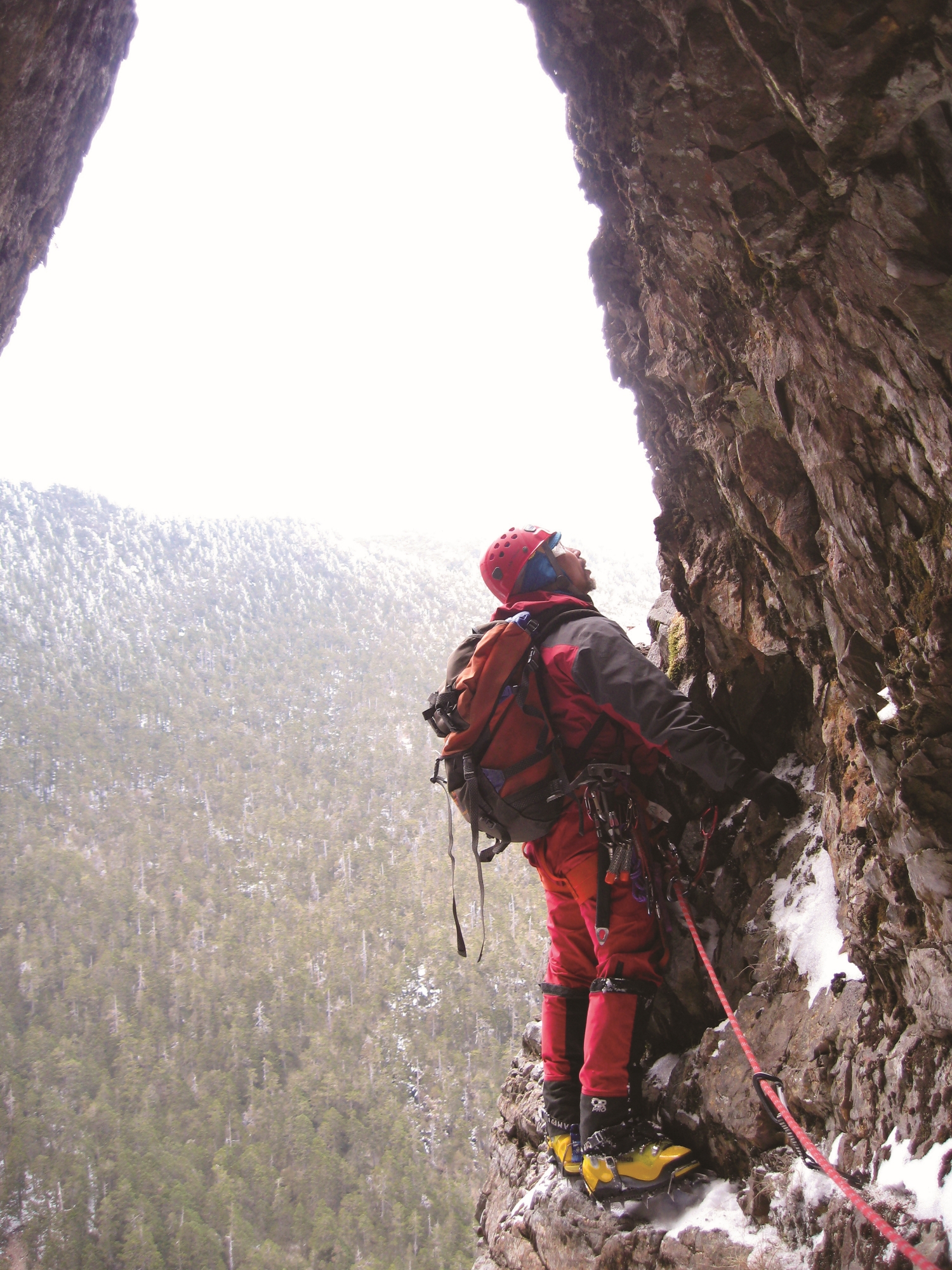
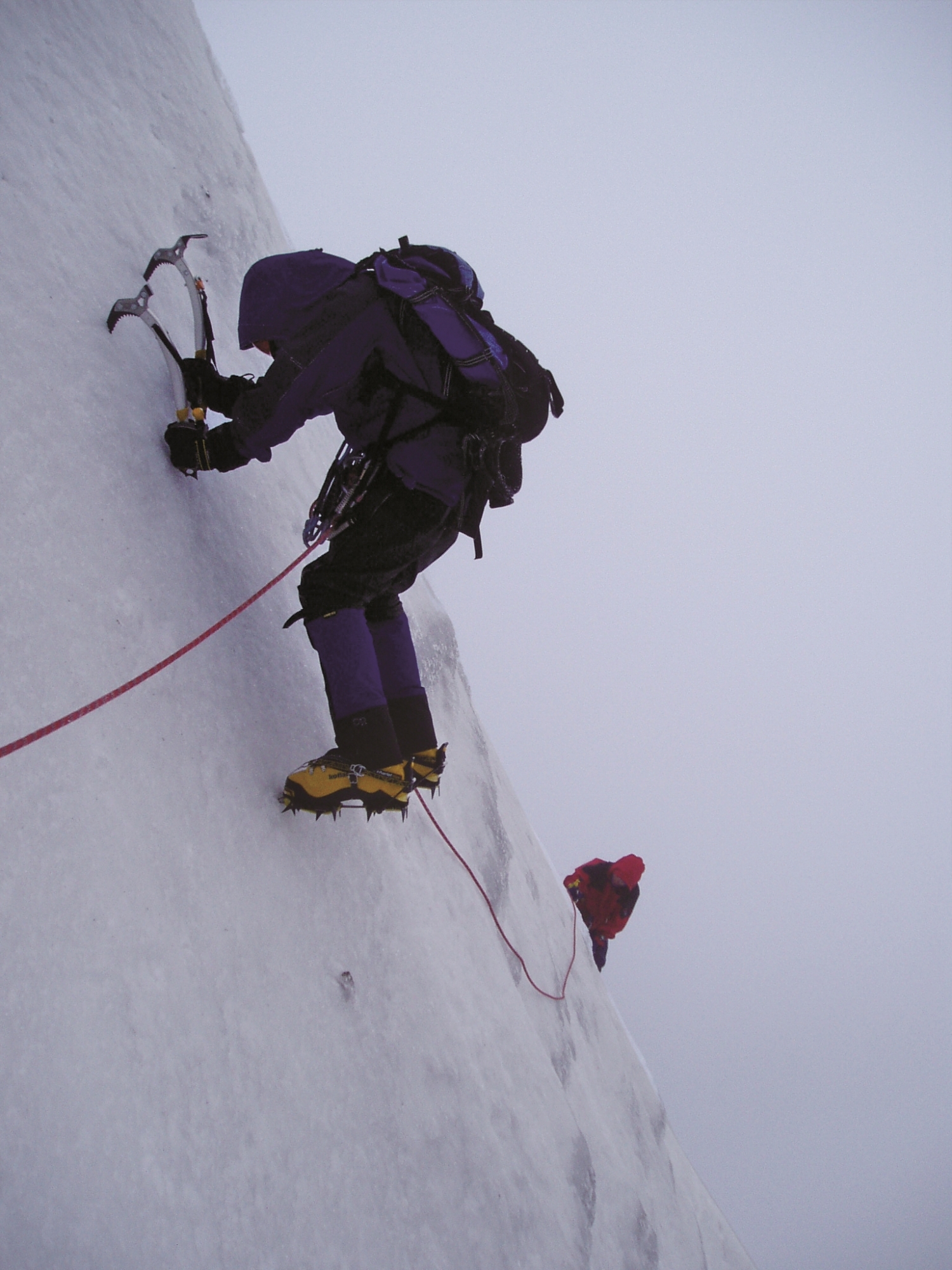
are completely different, so related training
must be carried out solidly. / provided by Chang-Sheng Dai
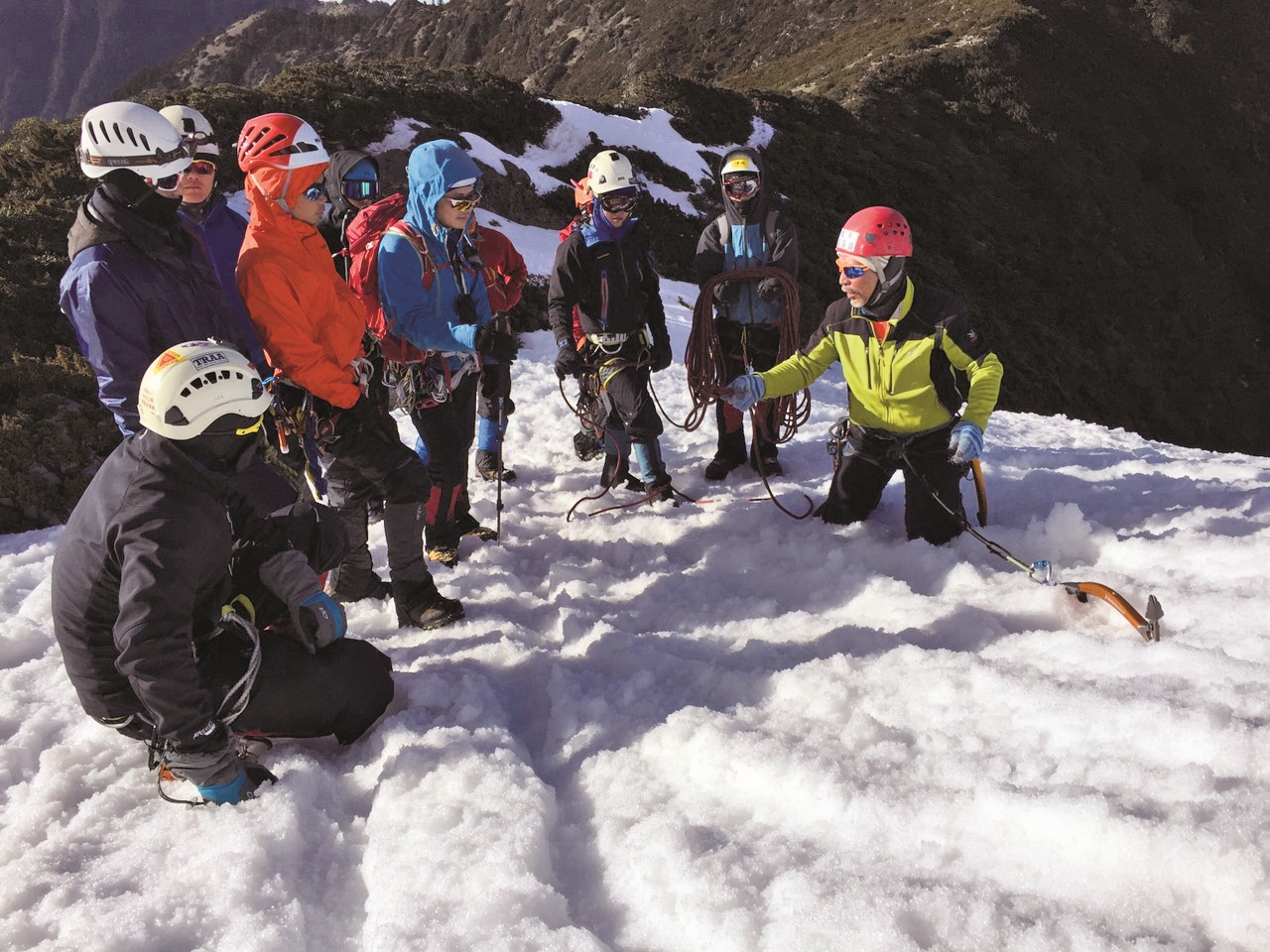
mountaineer for snow training. / provided by Chang-Sheng Dai
That is, “Leave No Trace Movement”. It aims to take into account the dual purpose of conservation and recreation, so as to minimize the impact of humans’ proximity to nature. The seven LNT principles include: plan ahead and prepare, travel and camp on durable surfaces, dispose of waste properly, leave what you find, minimize campfire impacts, respect wildlife, and be considerate of other visitors.
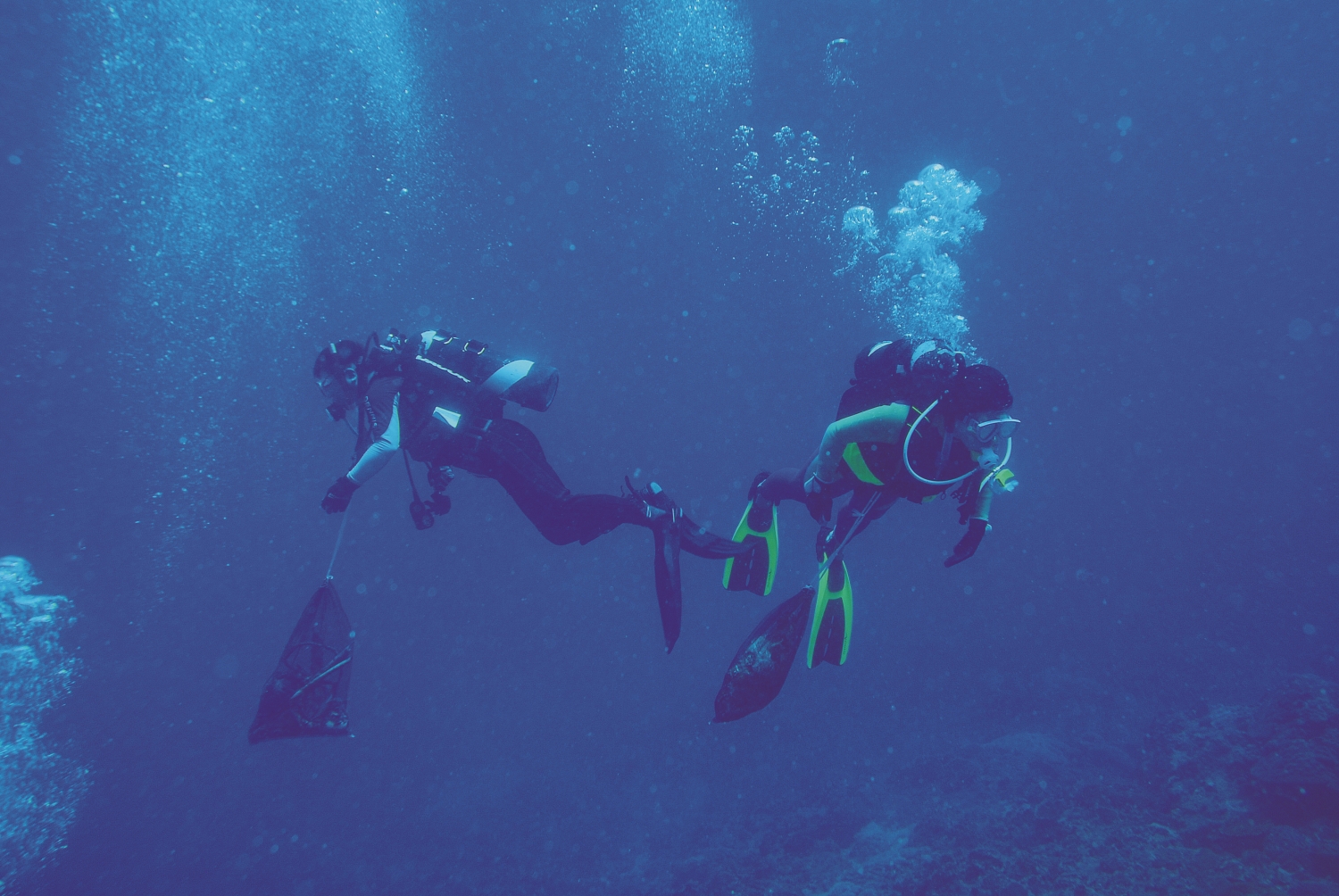
sea cleanup activities to practice the spirit of love and
protection for marine. / provided by Hsin-Drow Huang
Hsin-Drow Huang also wants to protect the sea, especially he believes that every encounter with marine life is likely to be a precious “only there, only then” moment. “In the summer of 2015, a large group of Silversides migrated to the outlet of the No. 3 Nuclear Power Plant. At that time, my Facebook page was flooded by the photos of the fish every day, until finally, I couldn’t take it anymore. So I took a day off and drove down to Kenting at five in the morning and photographed them for a whole day. It was so satisfying, and then I drove back north in the evening. My fellow partners of the association decided to stay overnight and continued photographing the next day, but when they return to shore, they texted me and said, ‘the fish are all gone.’ I quickly backed these files up in several copies with the highest specifications. I was afraid that these files would be damaged and these precious images would disappear, just like the Silversides I encountered only there, only then.”
The ecology of coral reefs is attractive and sensitive, fragile but full of resilience. Hsin-Drow Huang, who is always capturing beautiful wonders in the sea and is also a researcher at the National Museum of Natural Science, couldn’t understand more, so he leads the members of the Underwater Photography Association to actively invests in promoting conservation.
“We have been working with the Taiwanese Coral Reef Society and the Kenting National Park Headquarters all these years, holding Coral Reef Conservation Week activities during the spawning period of coral reefs. There are a series of popular science lectures, ocean concerts, underwater photography competitions, special conservation-themed exhibitions, as well as ocean cleanup and beach cleanup activities. In fact, the original intention of the event was to make people care more about marine ecology through the occasion of coral spawning. Later we discovered that there were too many divers going into the water to watch coral spawning and instead interfered with the natural ecology, so we changed the activity to ocean cleanup. We are very pleased that Coral Reef Conservation Week has become a national event in recent years. The Pingtung County Mayor, the Director of Ocean Conservation Administration, and even the Minister of the Interior have personally participated. The Coast Guard has also supported us with practical actions, and this event finally encouraged ocean cleanup actions in other counties. The issue of ecological conservation is not just a local matter. Only when the whole nation is in it can we see significant results.”
Coral Reef Ecology Conservation Week
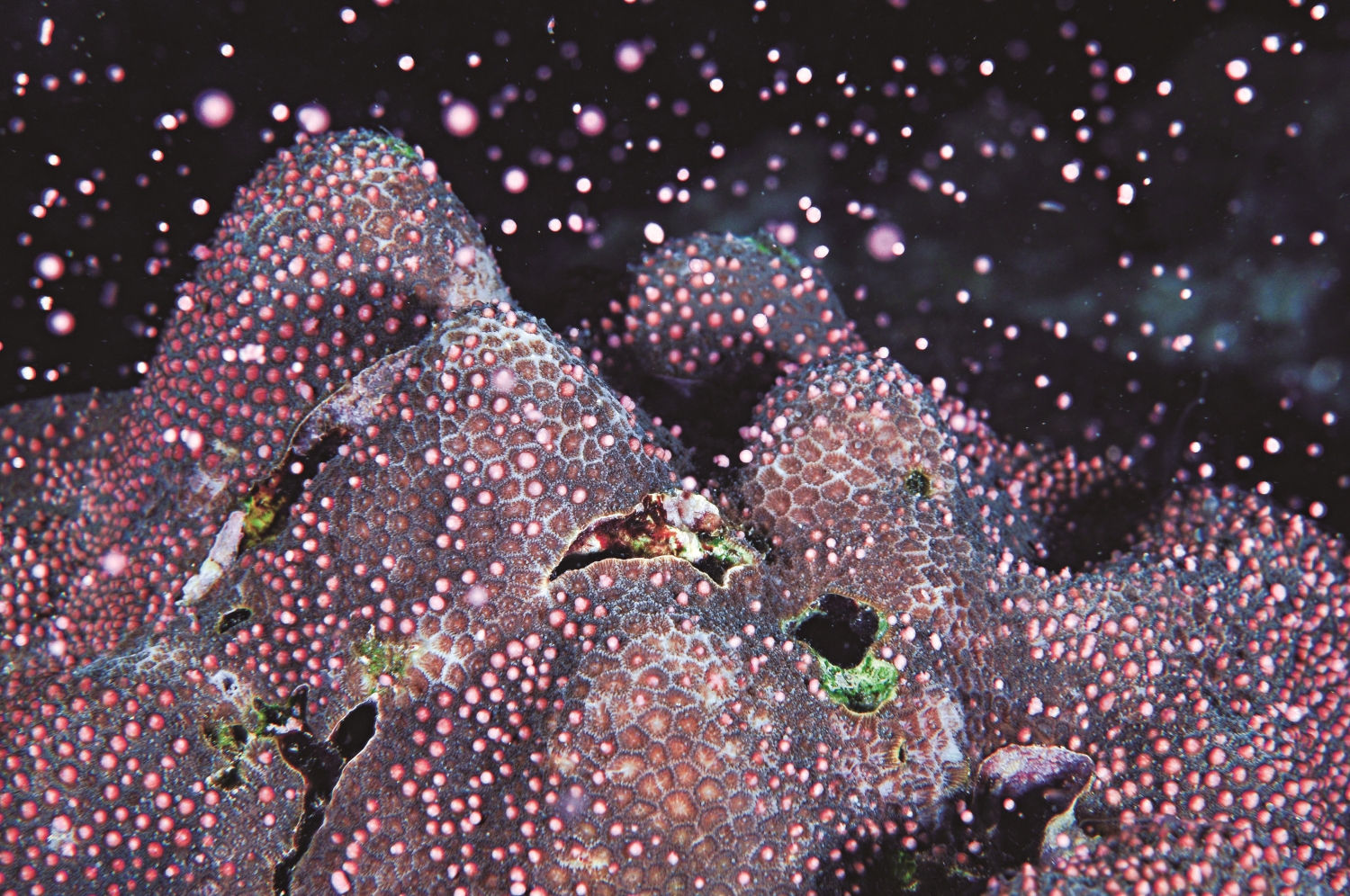
get a glimpse of the precious coral spawning pictures
without diving. /provided by Hsin-Drow Huang
Corals at Kenting would lay eggs around Mazu’s birthday on March 23rd every year. In the past 20 years, in addition to organizing the “Coral Reef Ecology Conservation Week” activities, Kenting National Park Headquarters and other organizations would also invite professional divers to observe and film the spawning, and even broadcast it live on its official website.
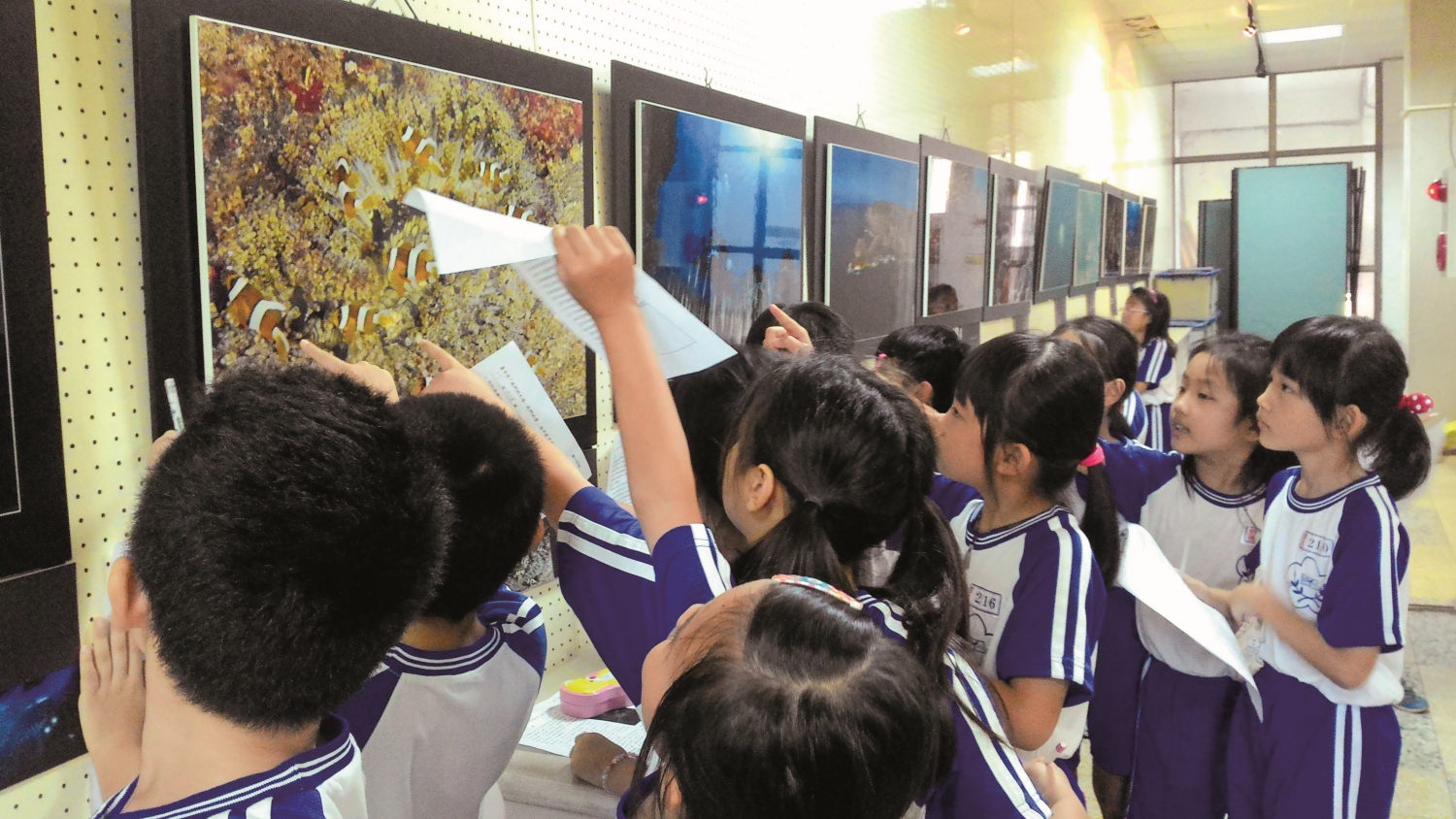
in Undersea Photography Tour Exhibition, and discussed for
completing the study form. /provided by Hsin-Drow Huang
Besides working with the Kenting National Park Headquarters in conservation activities, the Underwater Photography Association also actively uses photos from the underwater shootings to sprinkle seeds of conservation in children’s hearts. “The association has held many photo exhibitions, but I think the joint exhibition held in Taichung’s elementary and middle schools has the best results. We once donated 30 underwater photographs to the Taichung City Education Bureau for touring among the schools in Taichung City, each school would exhibit them for a week, and we also supported lectures for training seed interpreters. Over the course of a year, these photos have passed around more than 30 to 40 schools. If an average of 500 people per school has seen these photos, you can imagine how powerful this propagation can be. As long as a child in one school is touched by one of the photos and changed his view to the ocean, then we have succeeded.”
Although currently there are laws regulating Taiwan’s national parks, there are no admission fees. It can be said to be a benefit, but Hsin-Drow Huang takes the management of the marine national parks in other countries as examples and makes some perspectives, “To go diving at other internationally renowned dive sites is not cheap. The admission fee can easily start at a hundred US dollars, and this does not include all kinds of ecological fees. However, foreign tourists still line up for admission. It is because the marine ecology in the park is very well maintained, and the tourists think the money is worth it. Therefore, my thought is the management units should not be too concern about charging fees. The purpose of collecting fees is not to make a profit, but to improve the facilities in the park, increase recreation safety, or allow more financial support for conservation measures.”
Hsin-Drow Huang thinks natural ecology is like a hen; if you take care of it and treat it kindly, it will give you many eggs; if you press it for short-term profit, the hen dies and there will be no more eggs. In the future, he hopes that both the government and the people should rationally weigh the gains and losses and think more about the longer future.
Common fish species in Kenting waters/provided by Hsin-Drow Huang
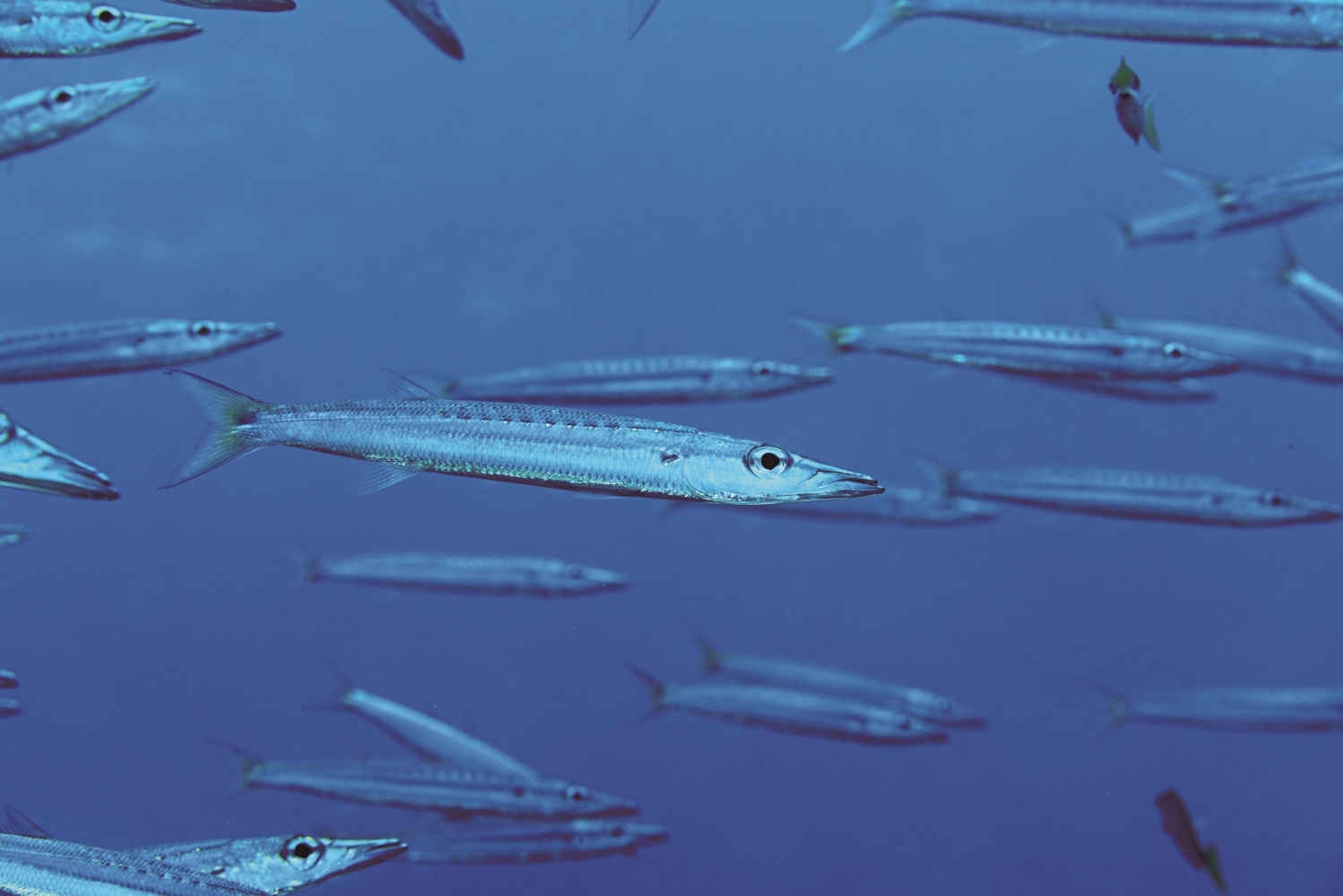
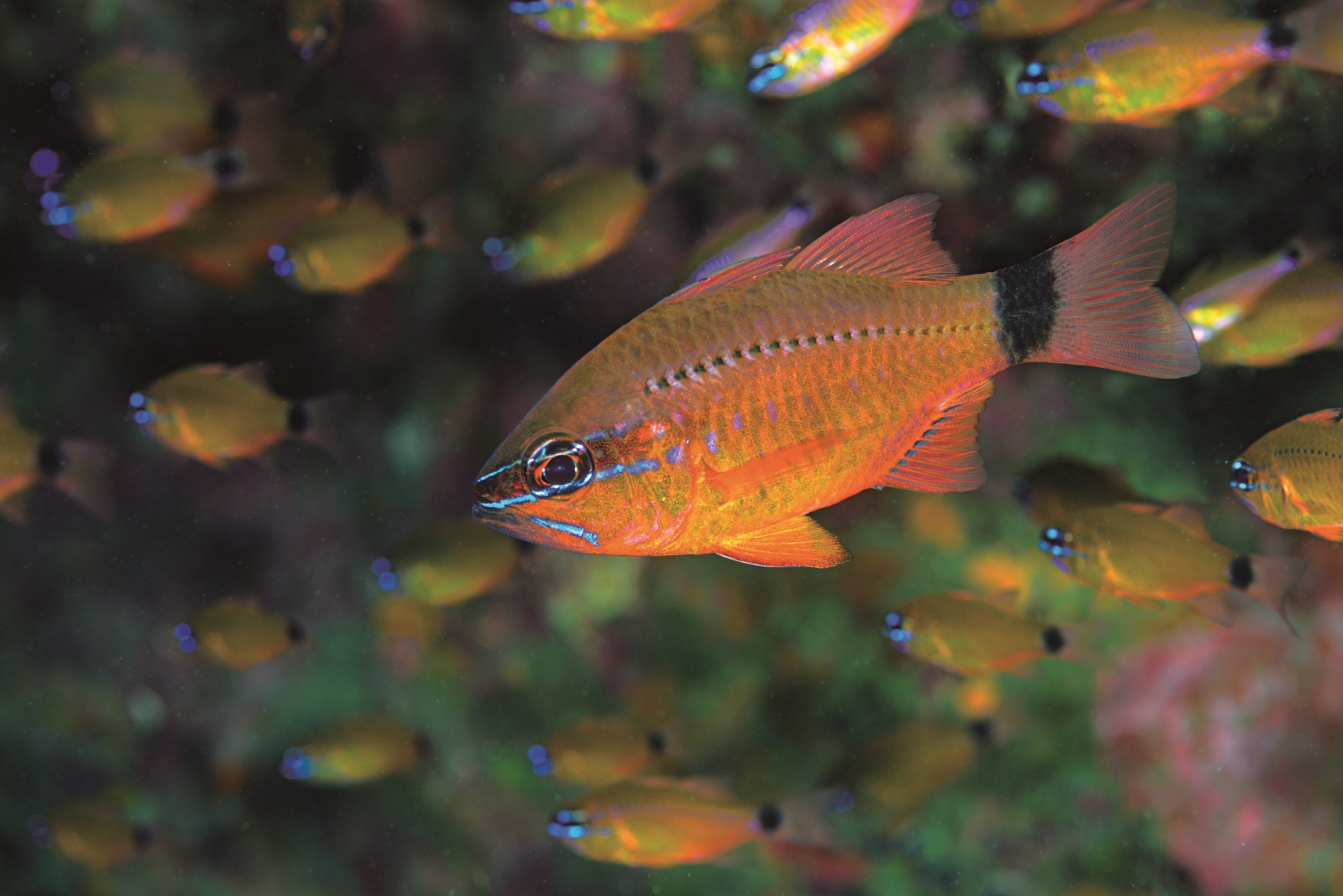
aureus look very fashionable.
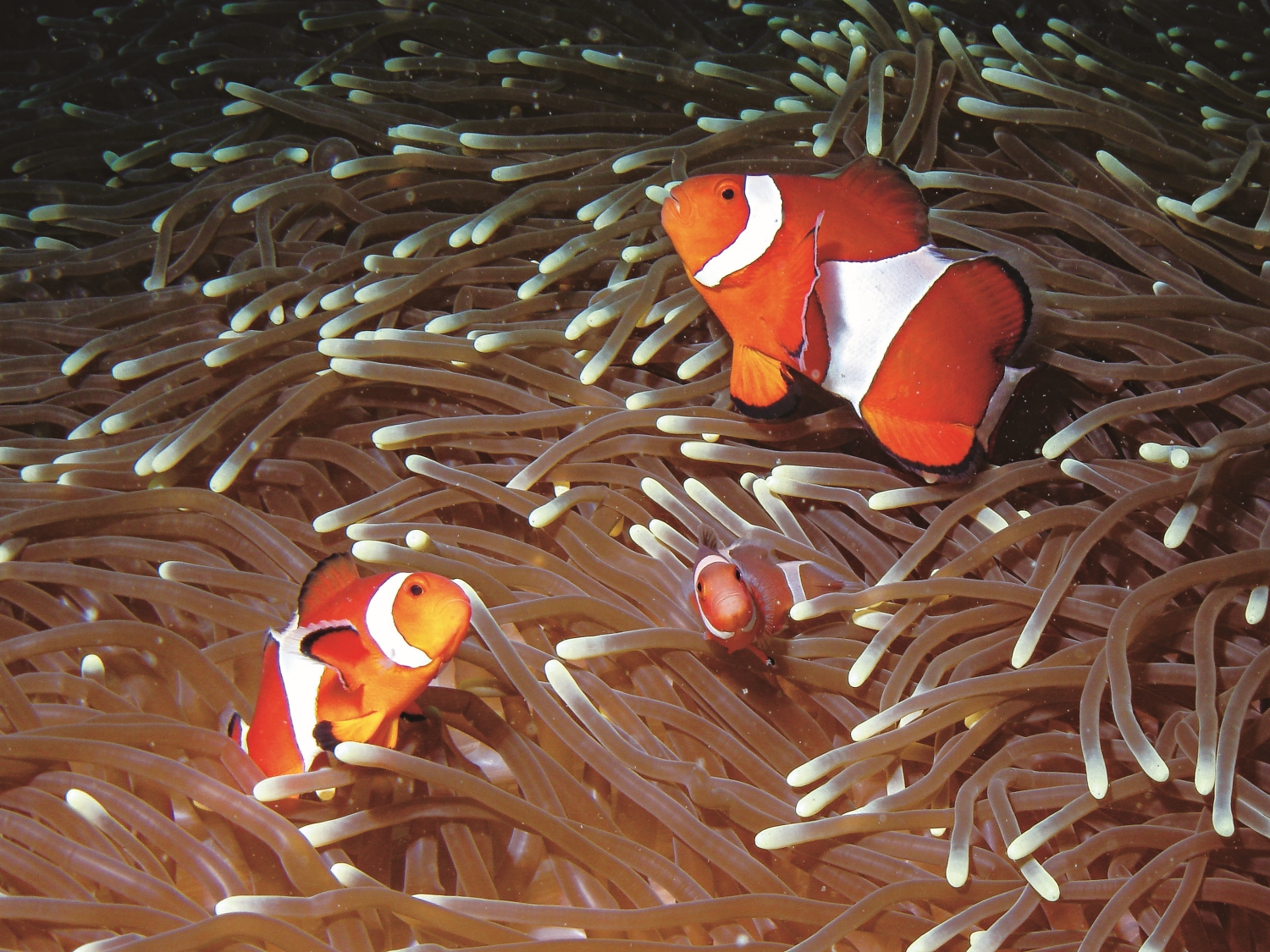
the big star in the animation, the clownfish.
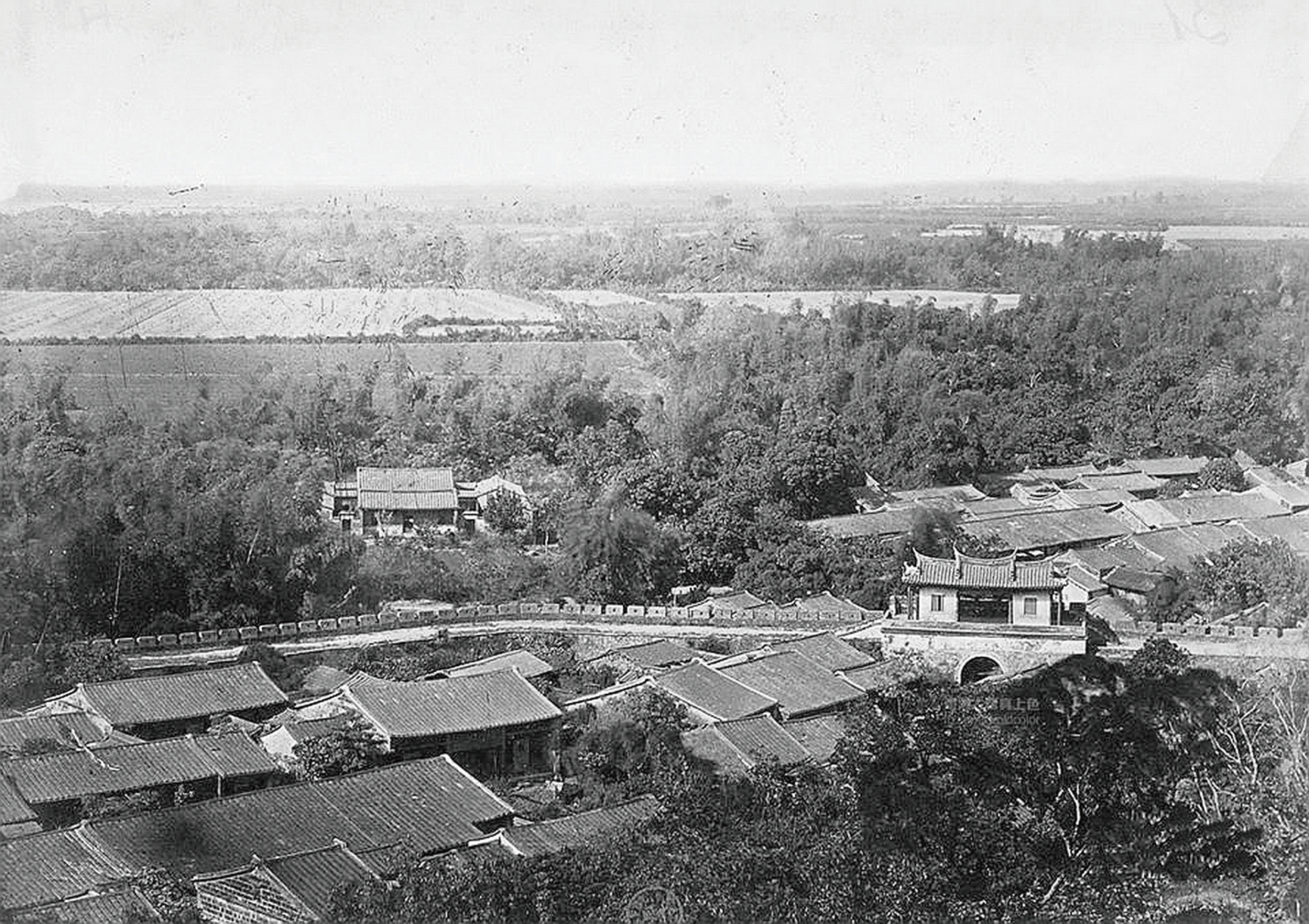
/ provided by Chi-Ching Kuo
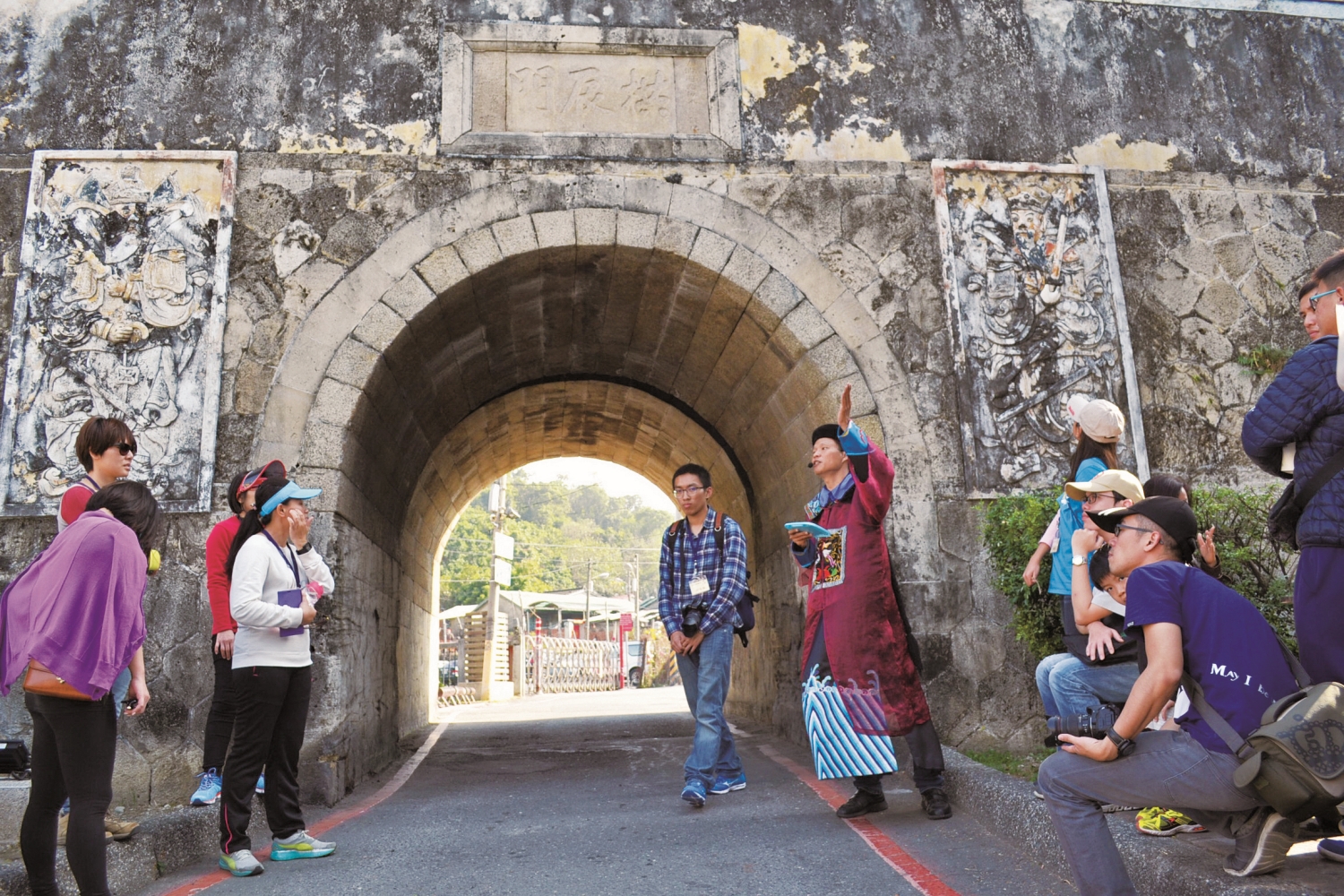
let The Chi-Ching Kuo interpretation of the Old Zuoying City
more vivid. /provided by Chi-Ching Kuo
When it comes to the conservation of the mountains and the sea, people always speak in all earnestness. But when sharing the results of the cooperation between Kaohsiung Old City Cultural Association and National Nature Park in recent years, Chi-Ching Kuo speaks in a positive tone. “In the past, people really didn't pay much attention to cultural assets. They felt that when things got old, just take it down. They never thought of keeping their own story.” In fact, cultural assets are very similar to ecology. Once they are destroyed, they can never go back. We are fortunate that the association had a pleasant relationship with the National Nature Park back when it was still the Shoushan National Nature Park Preparatory Office. Our friendship is always accumulating. The Preparatory Office respected the association’s suggestions, and when the association needs help, the Preparatory Office always gives timely assistance.
What impressed me the most is that one year, with the help of Director Chiu-Fang Li, we successfully entered the highest triangle point of Shoushan – Shou Peak to investigate. That is military controlled area, and there are still missiles deployed here. You can imagine how much effort they must have put in to negotiate for the military to agree to let us go in.”
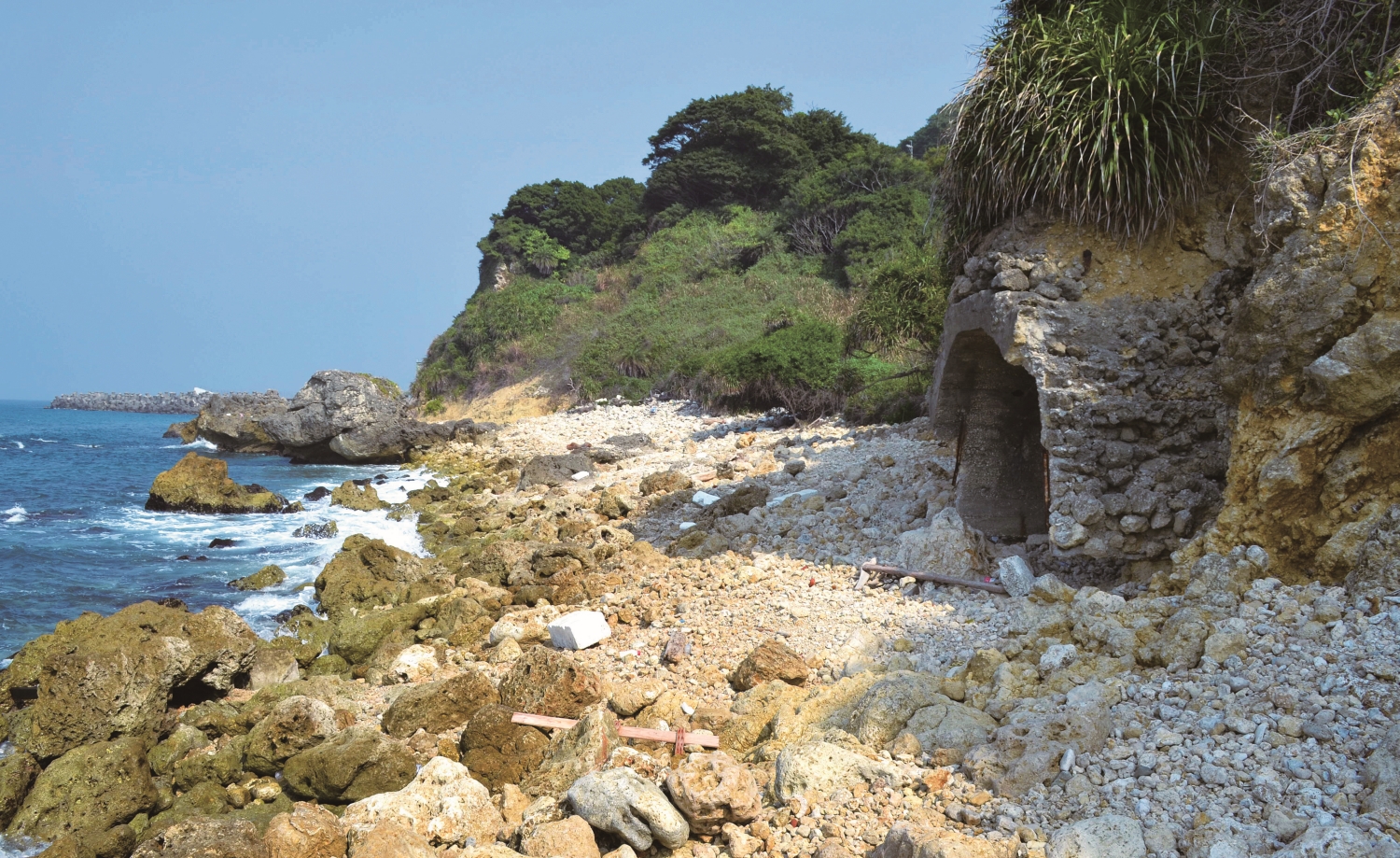
for Shinyo Suicide Team garrison /provided by Chi-Ching Kuo
The result of this promotion has also silently affected the local people in Zuoying, “Everyone loves listening to stories; children love listening to stories, adults love listening to stories as well. Therefore, the association’s effort of conducting sixty to seventy guided tours every year paid off. Now the Zuoying people are willing to spend money to maintain their old houses, or rent it out and vitalize it so that the history can be preserved. The “Old Zuoying City Archaeological Project” that the association assisted between years 2016 and 2018 also exemplifies their years of hard work, “The team led by National Cheng Kung University’s Institute of Archaeology is very special. They believe that archaeology should no longer be the same as before, completely isolating the site from anyone else; they chose to open the site and interact with local people, allowing everyone to participate in this archaeological project, and even use the experience of the elderlies to help identify ancient artifacts. This is a very successful community interaction, allowing people to take the initiative to care about this matter, to better understand the history of the community, and to revive the local economy.”
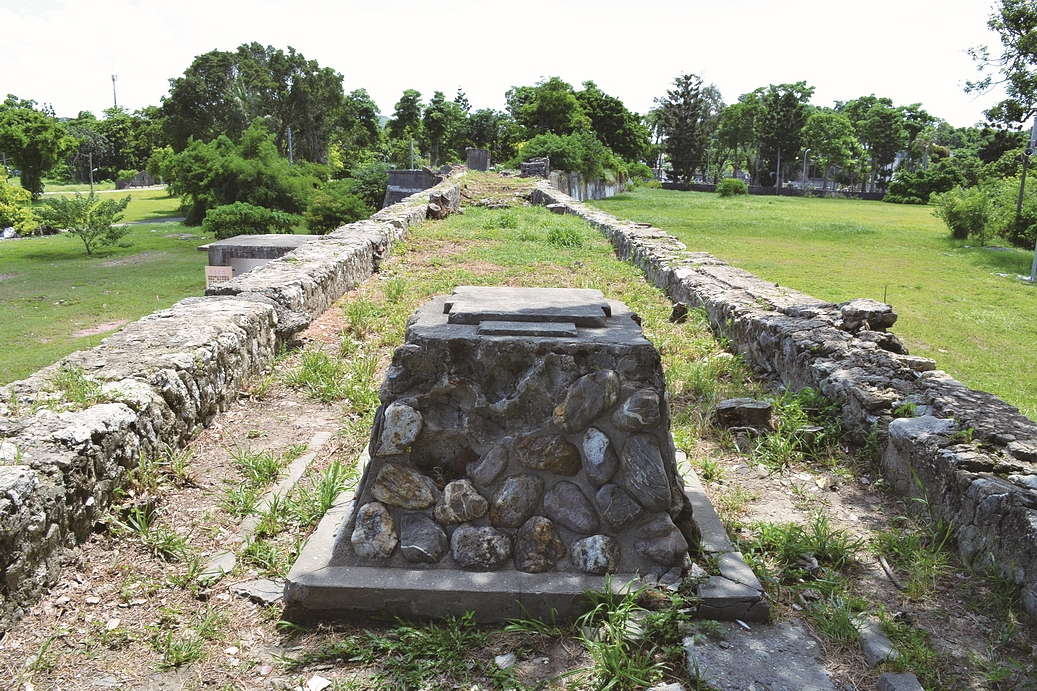
of Old Zuoying City /provided by Chi-Ching Kuo
The association has been established for more than 20 years, from the beginning of fighting for the maintenance of the old city through protesting measures to now actively participating in the restoration of the Old Zuoying City through active investigation. Why does this matter make retirees like Chi-Ching Kuo enjoying doing so much and never get tired of it? Kuo answers, “This process of discovering historical secrets, searching for clues, and collecting evidence one by one to make proof, doesn’t this feel like reading a detective mystery novel? The association has always been proud that we discovered the original site of the Old Zuoying City’s west gate, the stationed camp of the Shinyo Suicide Team, and the Japanese underground water reservoir under Banping Mountain through field and literature investigations. Take the Shinyo Suicide Team as an example; this unit using motorboats to attack is very mysterious. We do not even know that they have been stationed here. It so happened that at that time, the West Zizhu New Village was being demolished, and a large number of air‐raid shelters have surfaced under the houses. In addition, suspected Japanese shrine bases were discovered at the horse road of the old city’s west gate fort wall. We later contacted related Japanese researchers and finally reveal the mystery of this force.”
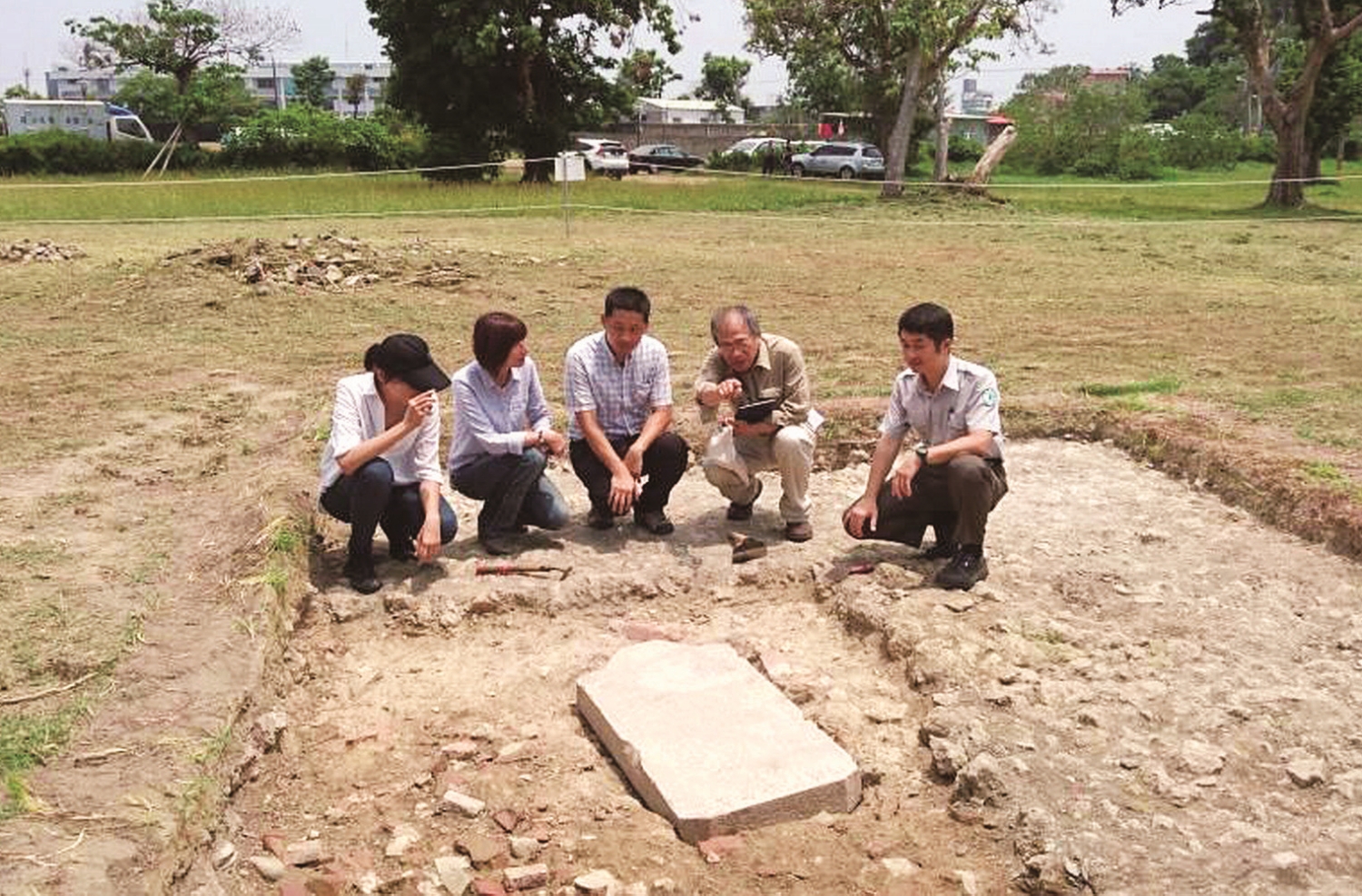
benevolent rules was found by the Old Zouying City
archaeology program. /provided by Chi-Ching Kuo
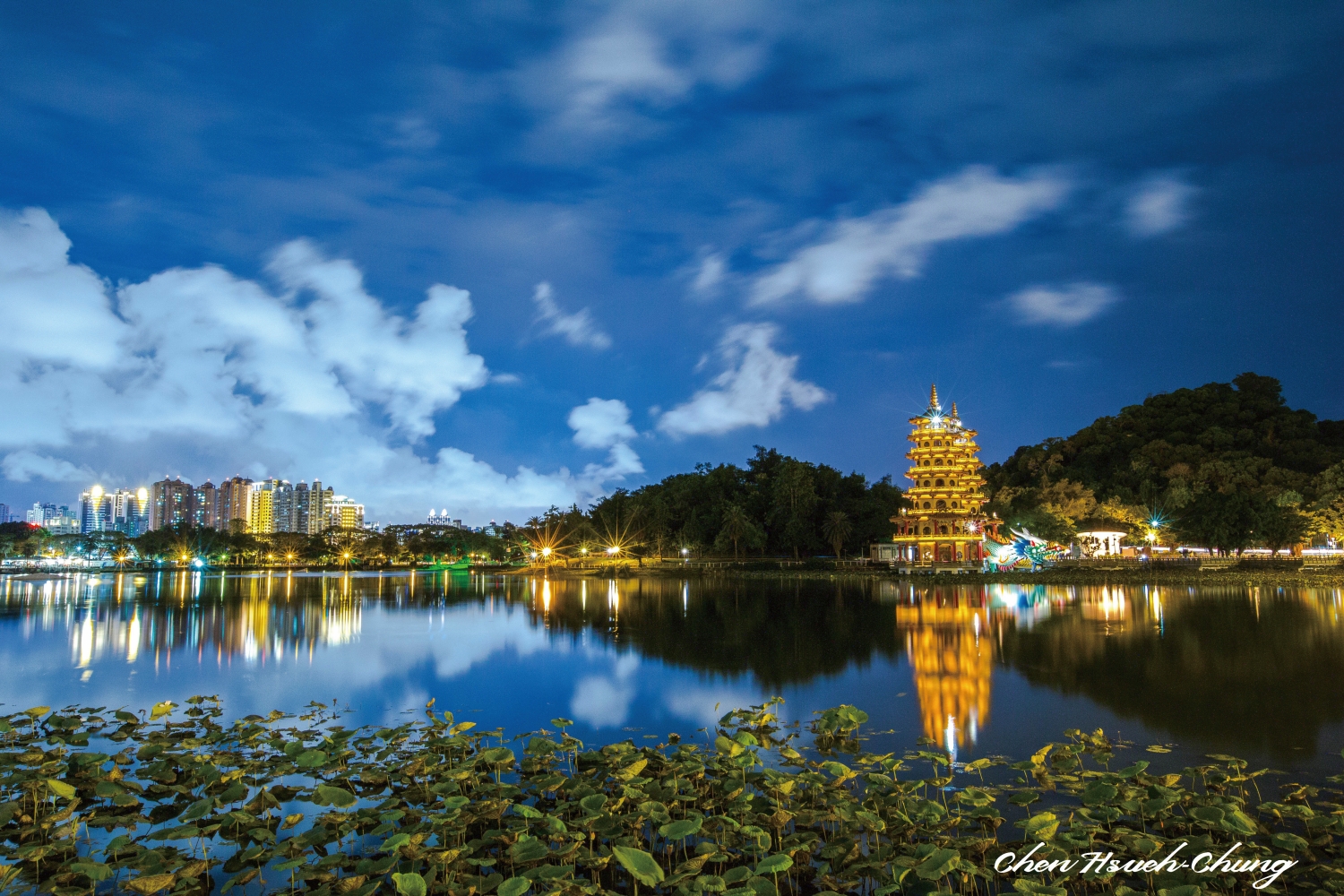
Among the relatively well-preserved old cities in Taiwan, Old Zuoying City is dated the earliest (1825), and it is also the largest preserved Qing Dynasty old city in Taiwan. Its time field spans over prehistoric, Ming, Qing, Japanese rule, and post-war national government periods. Presently, the Ministry of Culture and the Kaohsiung City Government are pushing forward the Old City Renovation Program, and is expected to achieve the five goals of “rebuild Taiwan’s first stone city”, “join Turtle Mountain and connect Lotus Pond”, “city history archaeology”, “ reconstruct old city gates”, and “connecting the old and new”.
The mountains, sea, and city of Taiwan’s national parks are fascinating, which makes these groups of people in the society willing to devote their lives to be with them. However, they are also more concerned about the hidden worries than ordinary people, but they never give up improving the current situation with actual actions. You and I may not be adventurous and researchers who are brave enough to take on challenges, but we are all people who call Taiwan home. To maintain natural ecology and cultural assets is not only the responsibility of the national parks, but also the common practice of the whole nation.
provided by Chi-Ching Kuo all
provided by Chi-Ching Kuo
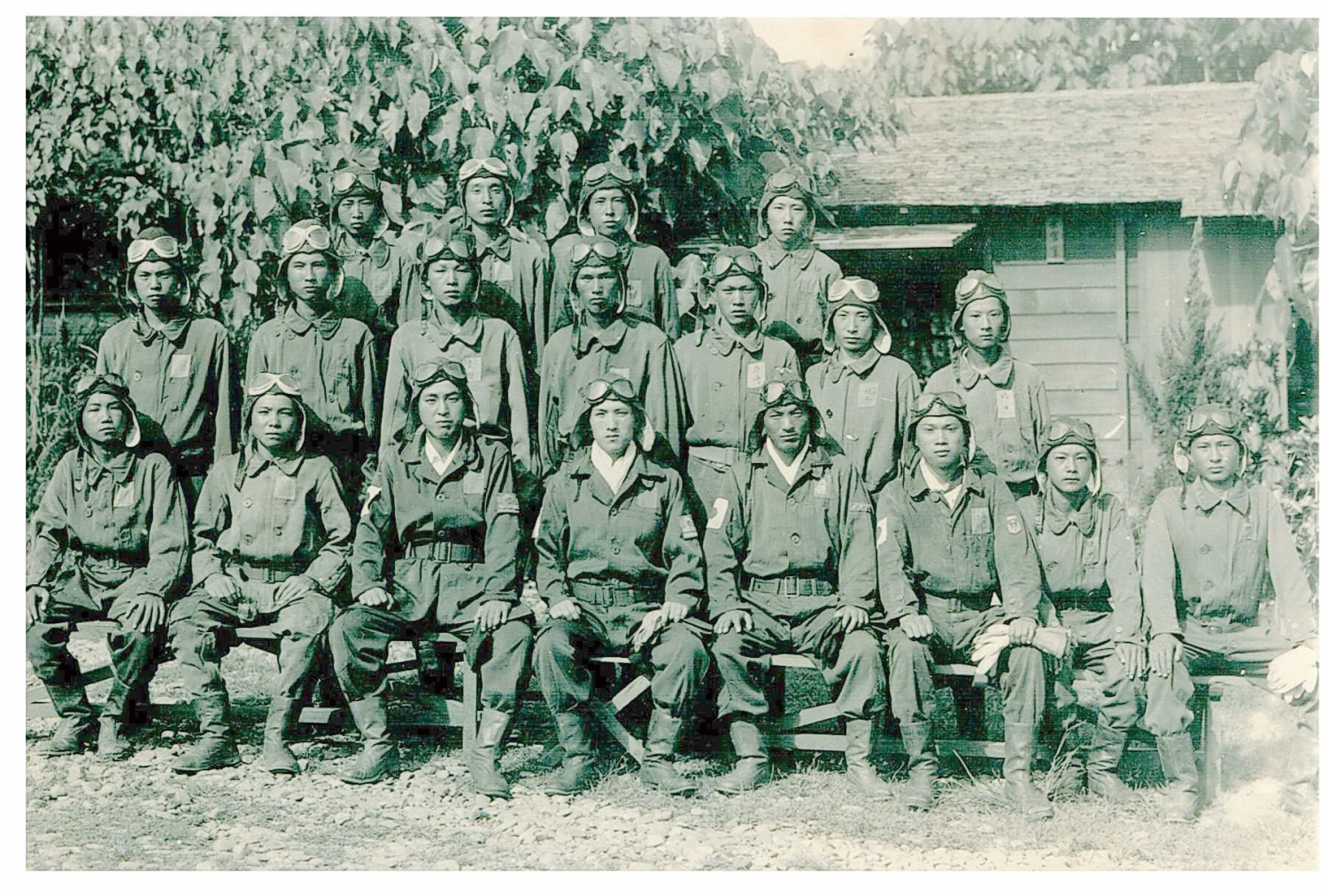
during World War II. /provided by Chi-Ching Kuo
Many stories are waiting to be dug out in and around the Old Zuoying City. Chi-Ching Kuo not only hopes to continue “reading” this mystery novel but also anticipates the results can be properly protected.
About the Auther︱Wei-Han Li
Born in 1985, graduated from Department of Chinese Literature, Soochow University. Professional editor, part-time novelist, loves to read, and always make writers and instructors to identify her by hat in the crowd. Li currently is a signed writer of Mirror Fiction.


