
Turn Enthusiasm into Assist-A Story of Collaboration between National Parks and Interest Groups
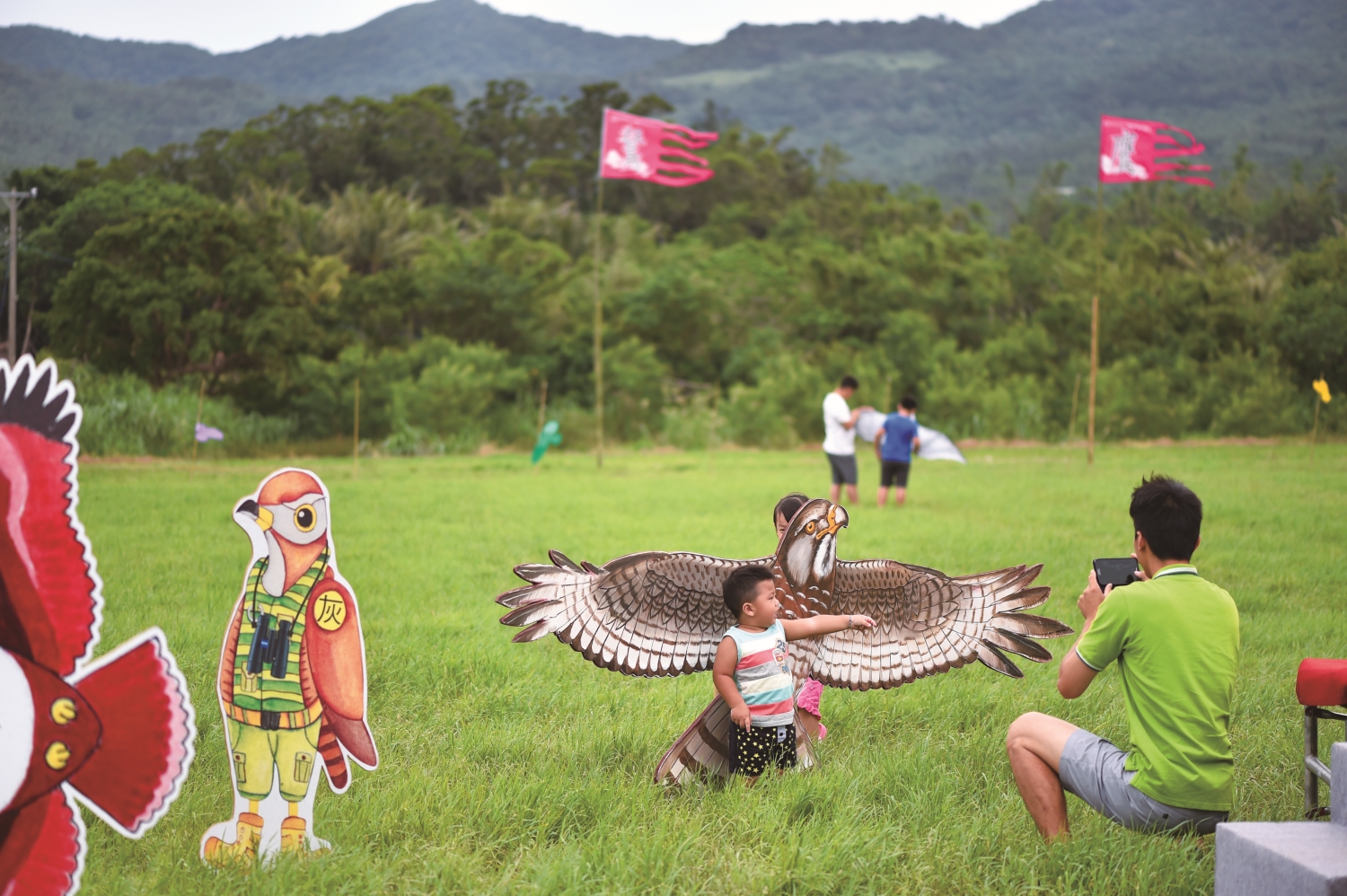
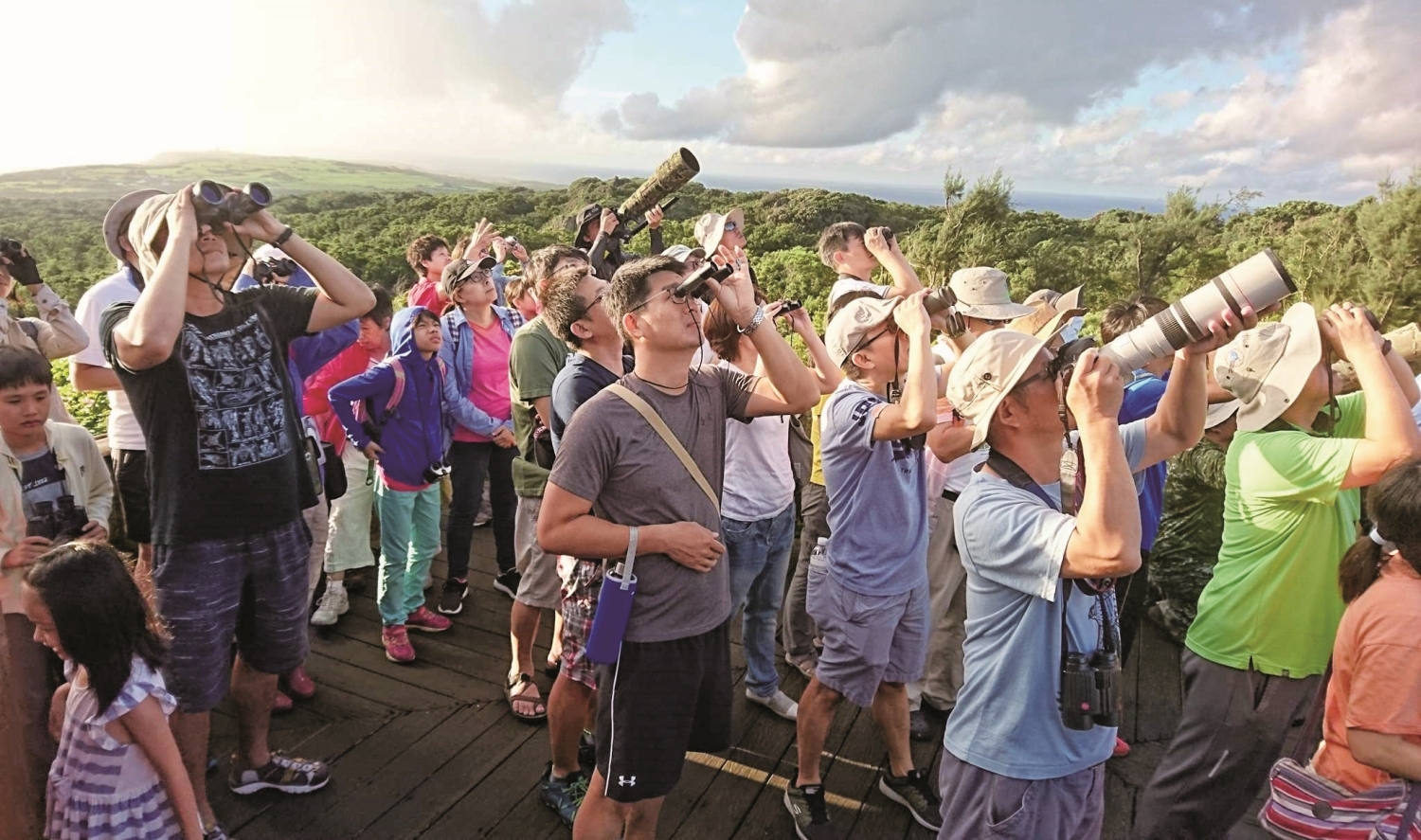
has become a special event in Kenting for family groups.
/ provided by Kenting National Park Headquarters
Turn Enthusiasm into Assist - A Story of Collaboration between National Parks and Interest Groups
Interviewee /Chiong-Yao Lin, Interpreter, Kenting National Park Interpretation and Education Section、
Cheng-Feng Yang, Associate Technical Specialist, Kenting National Park Recreation Service Section、
Chen-Chang Pan, Senior Technical Specialist, Shei-Pa National Park Recreation Service Section
Article/Yueh-Han Yang
The word "park" reminds many people of that place in the neighborhood, where children play on slides and elderlies chatting away on benches. It is a place where you can casually pass by or stay. But if you put the word “national” before the park, it seems to be so far away. In people’s minds, national parks are more like “attractions” rather than “parks”.
But for the interest groups that are familiar with the precious resources of national parks, these places that are like their backyard are places they eager to share with more people to experience. Whether they are just tourists passing by a bird-watching group, or people who have been enthusiastically invited to join in the mountain cleanup activity, they can use these interest groups as a bridge or medium to get closer to this “big park” through the interest group’s example and precept. Also, working with these interest groups gives the national park fuller energy to carry on operating.
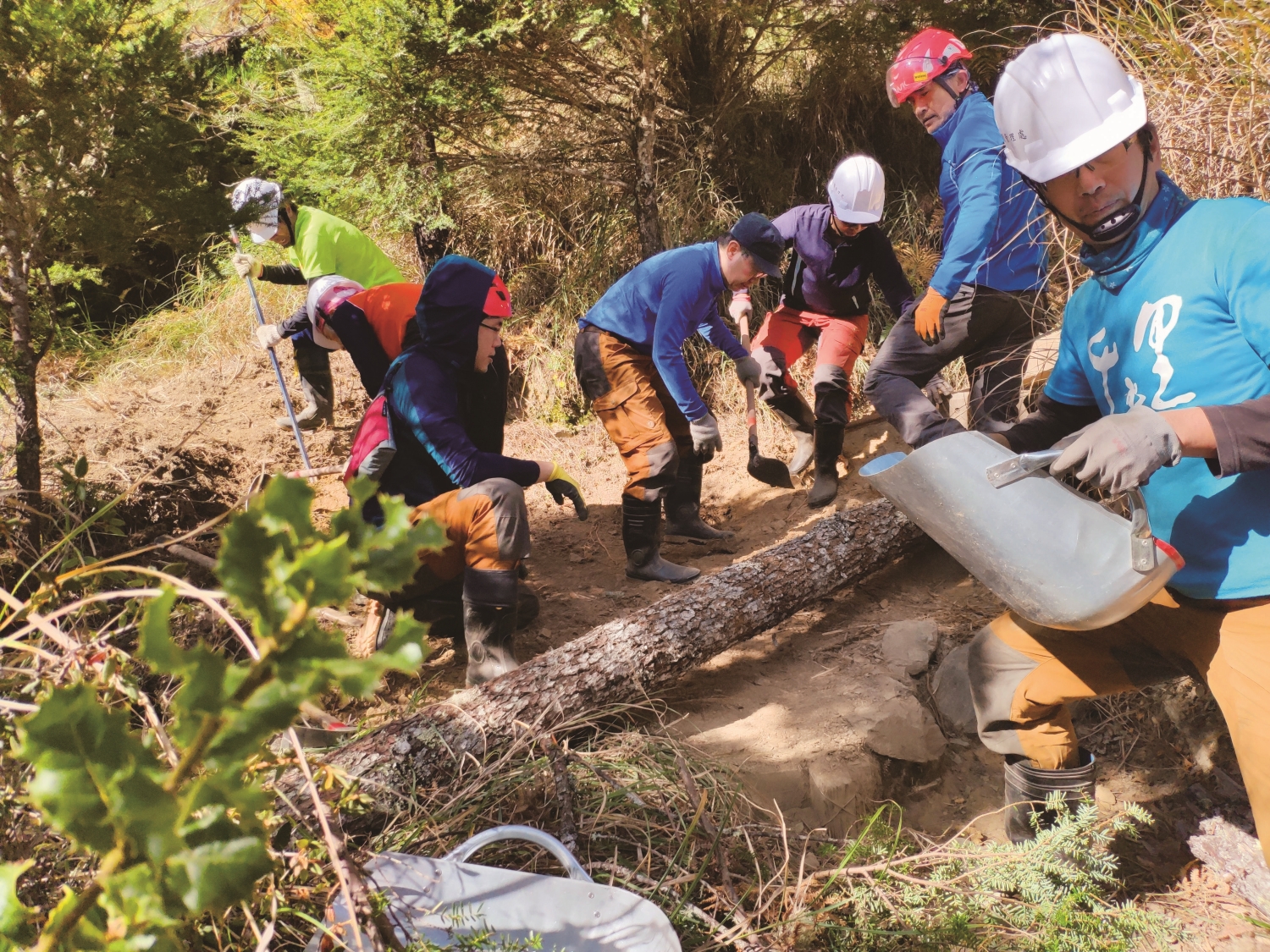
national parks, but also an important force
to support the operation of national parks.
/ provided by Shei-Pa National Park Headquarters
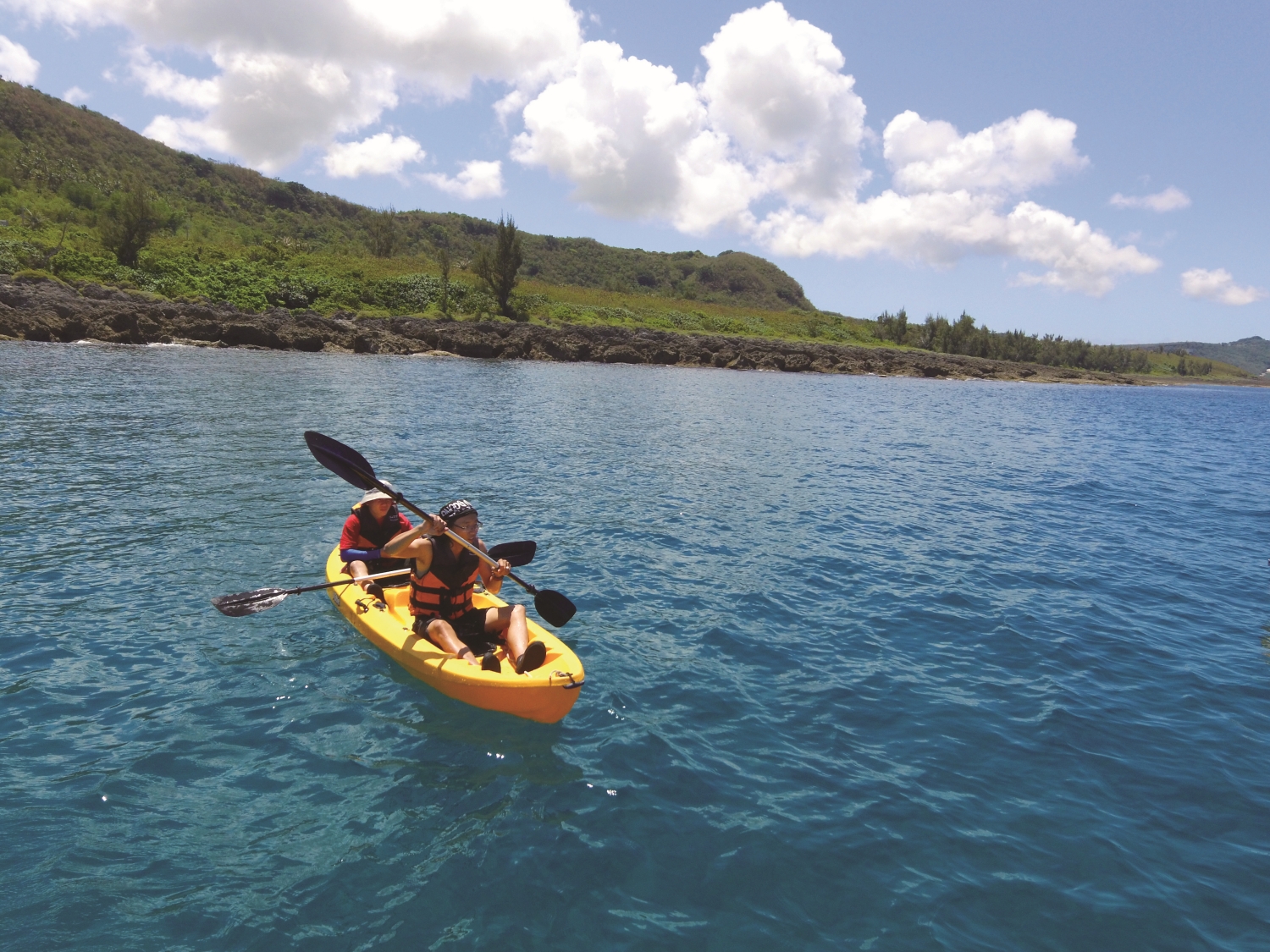
and sometimes even instructors. / provided by
https://tour-operator-108.business.site/
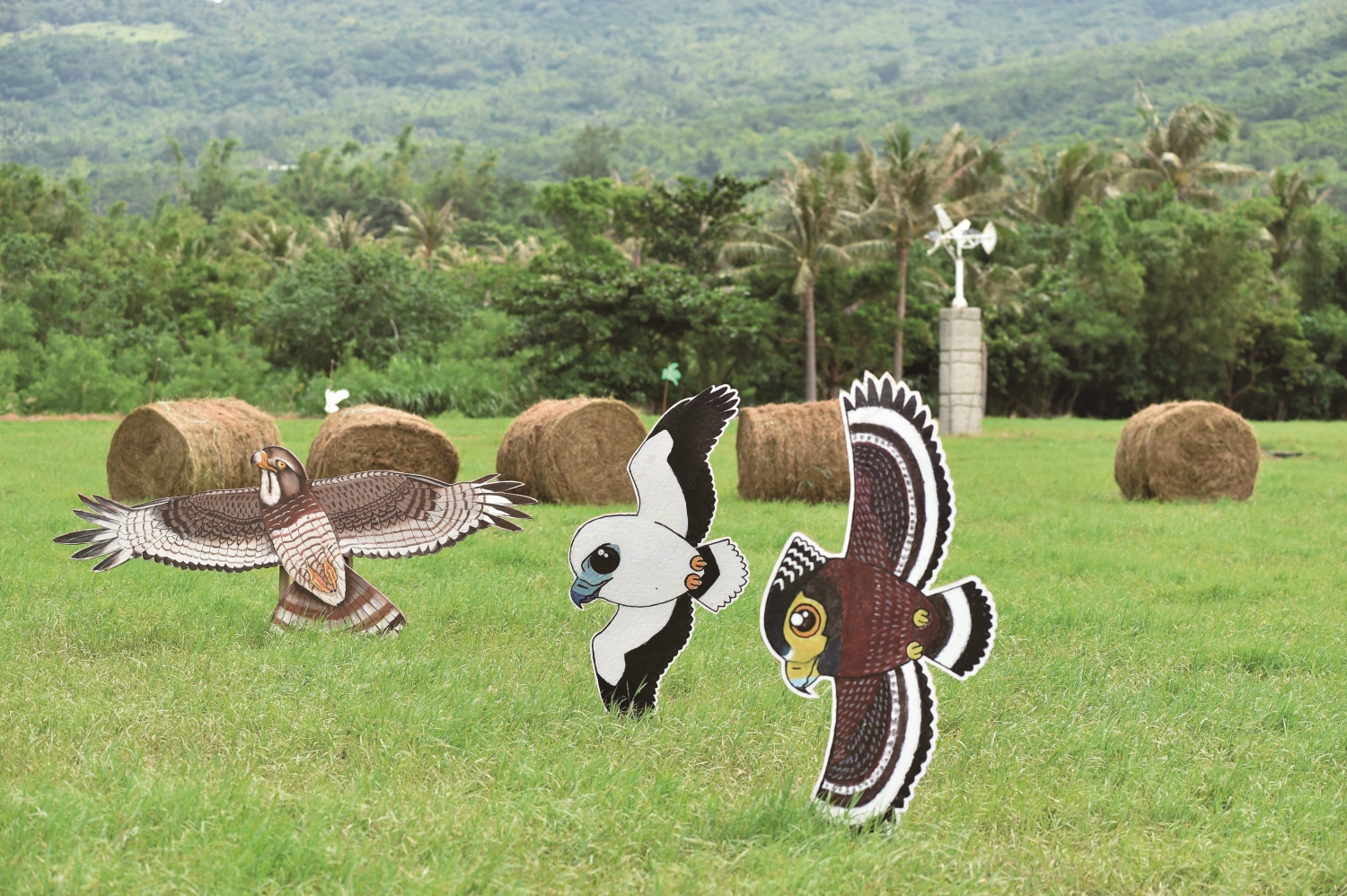
the event venue for Langqiao Eagle Season.
/ provided by Kenting National Park Headquarters
Kenting National Park Interpretation
Chiong-Yao Lin/Interpreter, Kenting National Park Interpretation and Education Section
Q Langqiao Eagle Season has become one of the golden attractions of Kenting National Park. Could you please share with us what role do interest groups play in hosting the Eagle Season?
We have been working closely with the Wild Bird Society of Pingtung in the Langqiao Eagle Season for many years. The preparation for this occasion would start about six months before the event. It is not an easy task. Besides providing valuable volunteering assistance on-site, they are also in charge of providing Eagle Watch shuttles for folks in the Pingtung area to ride. On the shuttle bus, there are lively introductions to eagle watching, and the response is very good.
In addition, there is a lso the Eagle Season drawing competition, and the prize is provided by the National Park Headquarters. In order to let children better understand the resources and features of their hometown, special places will be reserved for children from the local area. Winners can take the free shuttle bus tour with their family, which makes children more willing to participate.
The stal ls, as wel l a s the design of tournament games at the Langqiao Eagle Season site, are also arranged by the Wild Bird Society. With the participation of numerous college student volunteers, there are always many fresh and interesting ideas to attract tourists of different ages to participate. Especially many families will come again and again, which we believe is the greatest affirmation to these people who give out all their best.
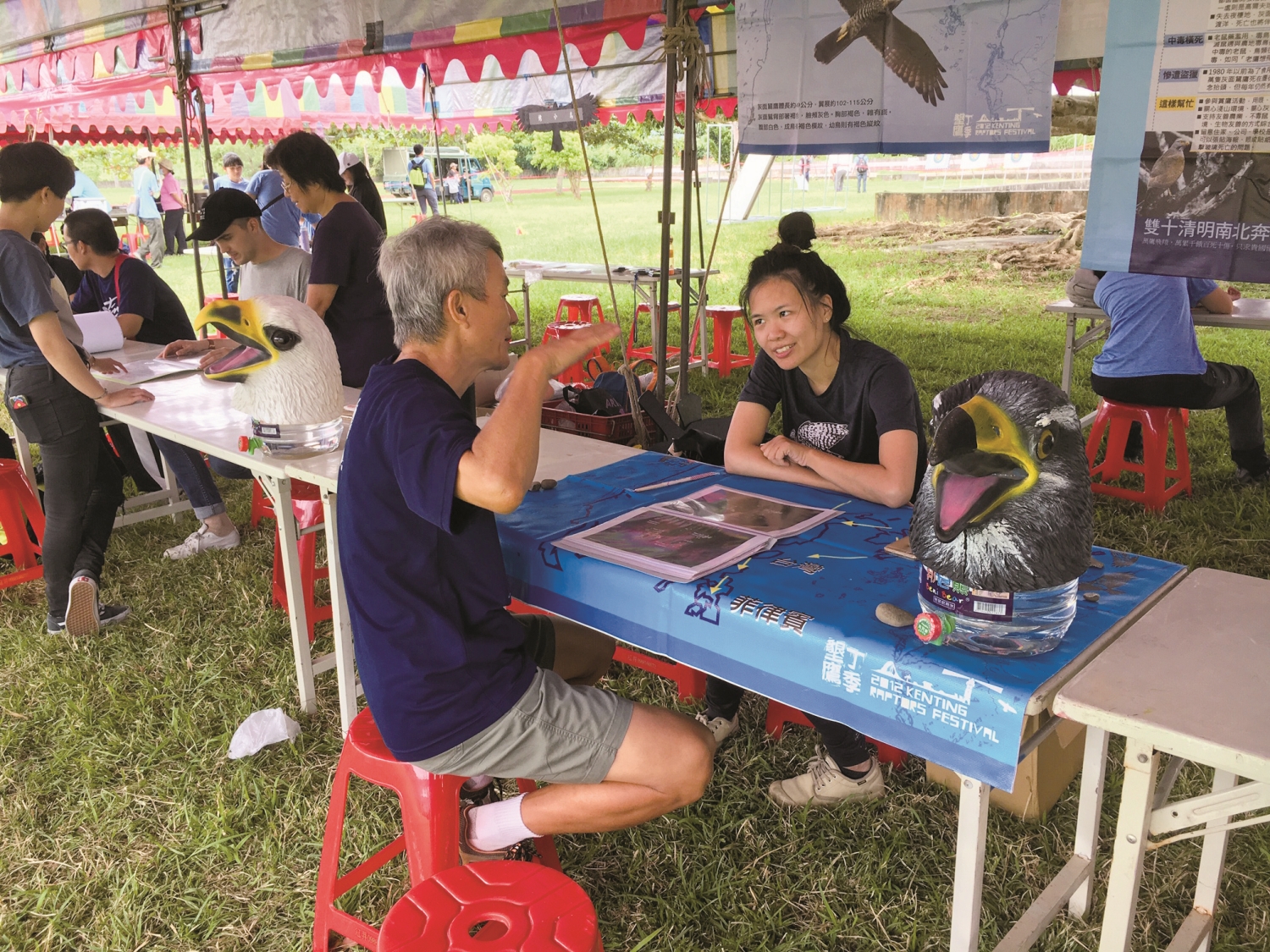
of Wild Bird Society of Ping Tung for observation tips.
/ provided by Kenting National Park Headquarters
Q Interest groups would assist the National Park in coordinating manpower and material resources to organize a smooth event. What positive feedback can interest groups receive from the National Park?
Actually, whether it is the Wild Bird Society of Kaohsiung, the Wild Bird Society of Pingtung, or the Raptor Research Group of Taiwan, they would always visit Kenting during a certain season. When the National Park Headquarters maintaining such a good environment, it not only would attract the interest groups but also would attract tourists. When tourists see the interest groups watching eagles or doing research, they often would ask questions out of curiosity. Some people then will start to develop an interest in eagle watching during this process.
Eagle watching is, in fact, a nature observation activity with a higher threshold, and young adults were the main participants in the past. But because Kenting National Park is a place suitable for the young and the old, family visitors can have a better chance to understand the fun of eagle watching through the interest groups, making eagle watching more popular. Also, because of the unique environmental conditions of the Kenting National Park, novice bird watchers can easily spot the sky full of flying eagles, which can easily give them a sense of accomplishment. Therefore, after growing their own interest, some people will not only bring in their family, but also take their children with them after they are born for “cultivation”. This also gives interest groups more opportunities to recruit new blood and maintain good operation of the organization.
gave interpretation to visitors. / provided by En-Pei Hsiao
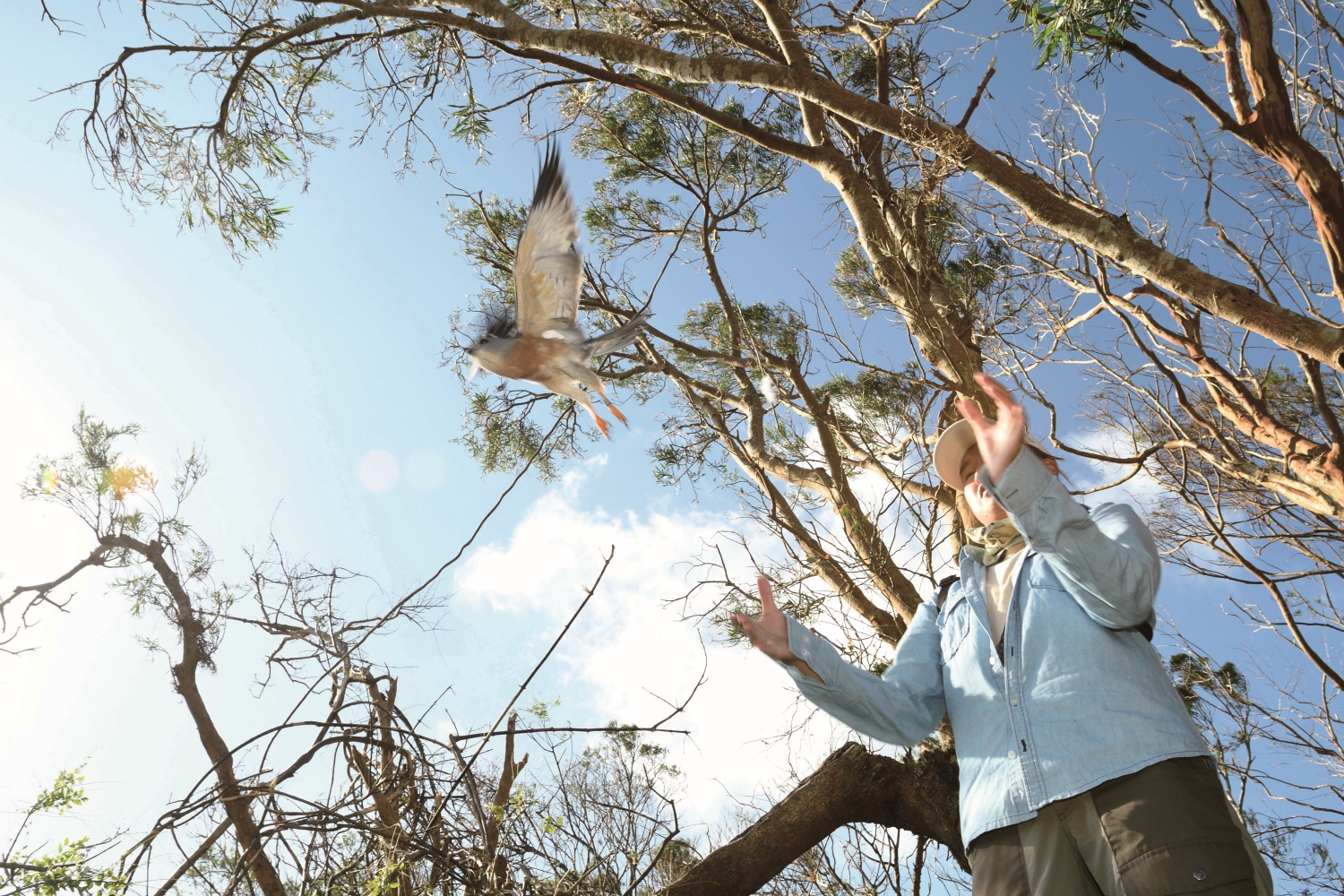
satellite transmitter installed. It’s was an important
part of migration trace research. / provided by
Kenting National Park Headquarters
Q Interest groups often assist the National Park in conducting researches. How can the National Park transform these data into use?
Because these interest groups continue to invest in their favorite field, the raptor research commissioned by Kenting can continue for more than 30 years without interruption. In terms of raptor research at a single location, our result does not lose to Japan. We not only put these abundant research materials on the website but also use weather radar, satellite tracking and other technologies to accurately predict bird conditions, so that tourists will have less chance to miss the birds when they come. In this way, the sense of accomplishment gained from easy observation will become the motivation for the visitor’s next visit. On the other hand, we will also invite interested groups to convert these research reports into the form of series and picture books, so that relevant knowledge can further enter people's lives.
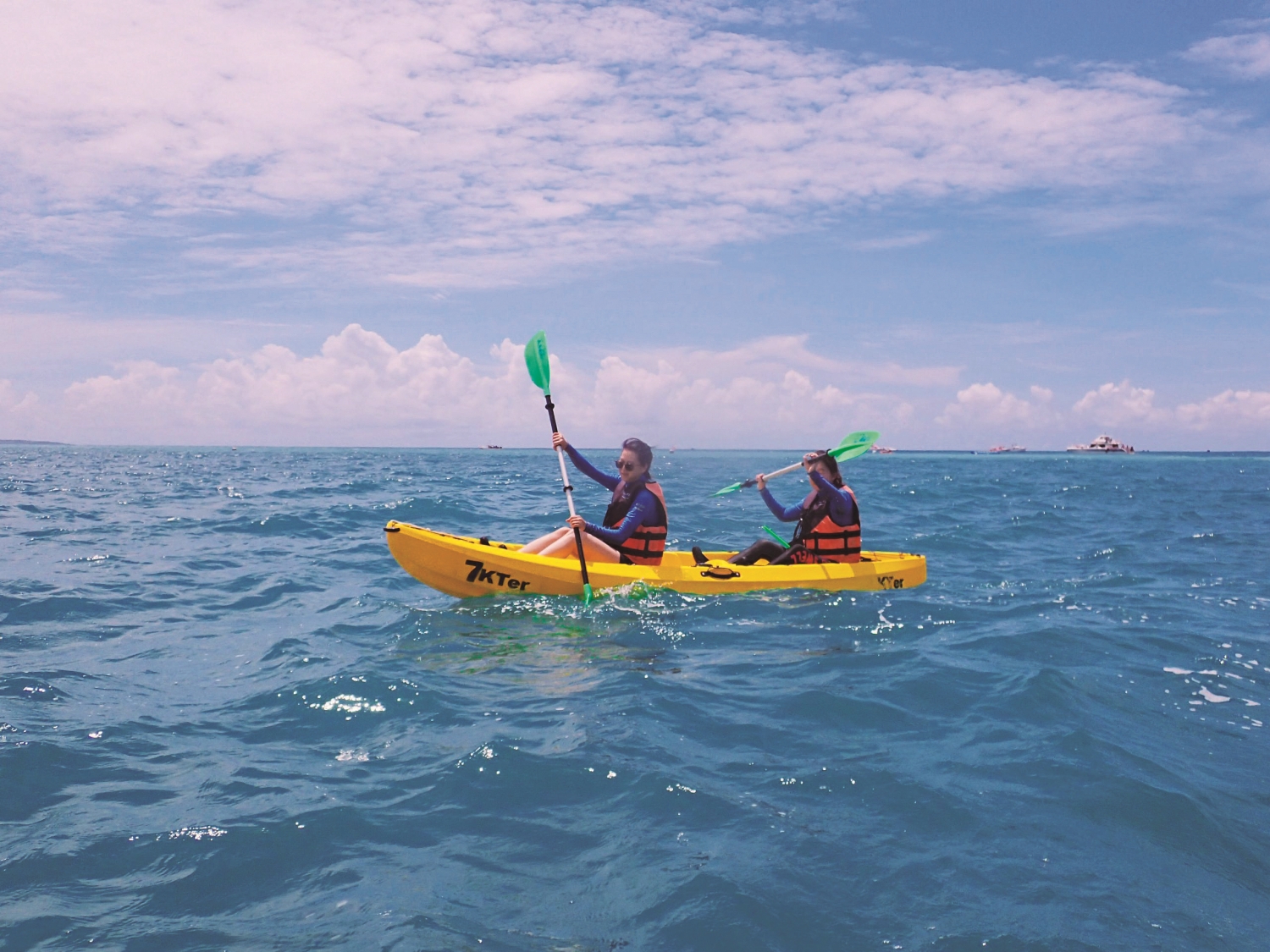
/provided by https://tour-operator-108.business.site/
Kenting National Park Interpretation
Cheng-Feng Yang, Associate Technical Specialist, Kenting National Park Recreation Service Section
Q The scope of water sports includes canoeing, jet skiing, SUP vertical paddling, etc. In the general public’s mind, it is more like entertainment or recreation activities. Why does the National Park would want to work and exchange with these interest groups?
Many people would think canoeing, jet skiing, and SUP vertical paddling are for fun, but in fact, they are also water rescue methods. They all have the characteristics of high mobility and can access tight environments. I think many people are like me in the past, think people on jet skis look dashing. But they do not know that before getting a jet ski license, they must qualify as an open water lifeguard, and the lifeguard qualifications are retested once every three years, so the requirements are quite strict. For that reason, I got the idea of working with the Chinese Taipei Underwater Federation.
We not only should look from the perspective of learning rescue applications, but also because the National Park Headquarters often needs to work with related businesses. If we do not understand the equipment and activities, it will be difficult to communicate with and manage them. Since the Chinese Taipei Underwater Federation can provide teaching exercises for a variety of activities, we have invited them to provide lifesaving, diving, jet-skiing, and other related courses for colleagues in the National Park Headquarters starting from 2014, and our colleagues participated very actively. During this time, we also found out that many colleagues don’t even know how to swim, so we have also added basic swimming and advanced swimming classes.
I would also share my experience and encourage everyone to get close to rivers and oceans. When I was still not so good at changing breaths, I went ahead and participated in swimming across the Sun Moon Lake twice regardless and slowly got the hang of it; once I also experienced someone having an accident at sea, but was too afraid to go in and rescue and regretted greatly. These positive and negative moods have driven me to continue to learn relevant skills, and feel that they will come in handy someday. And because I love to play and know how to play, I know the best time to go into Kenting’s every water, and also learned how to read the wind direction and weather. When local residents and businesses want to develop tours or activities in these places, I would be able to give appropriate advice. I think that experiencing and learning are all preparation made to communicate with others more personally.
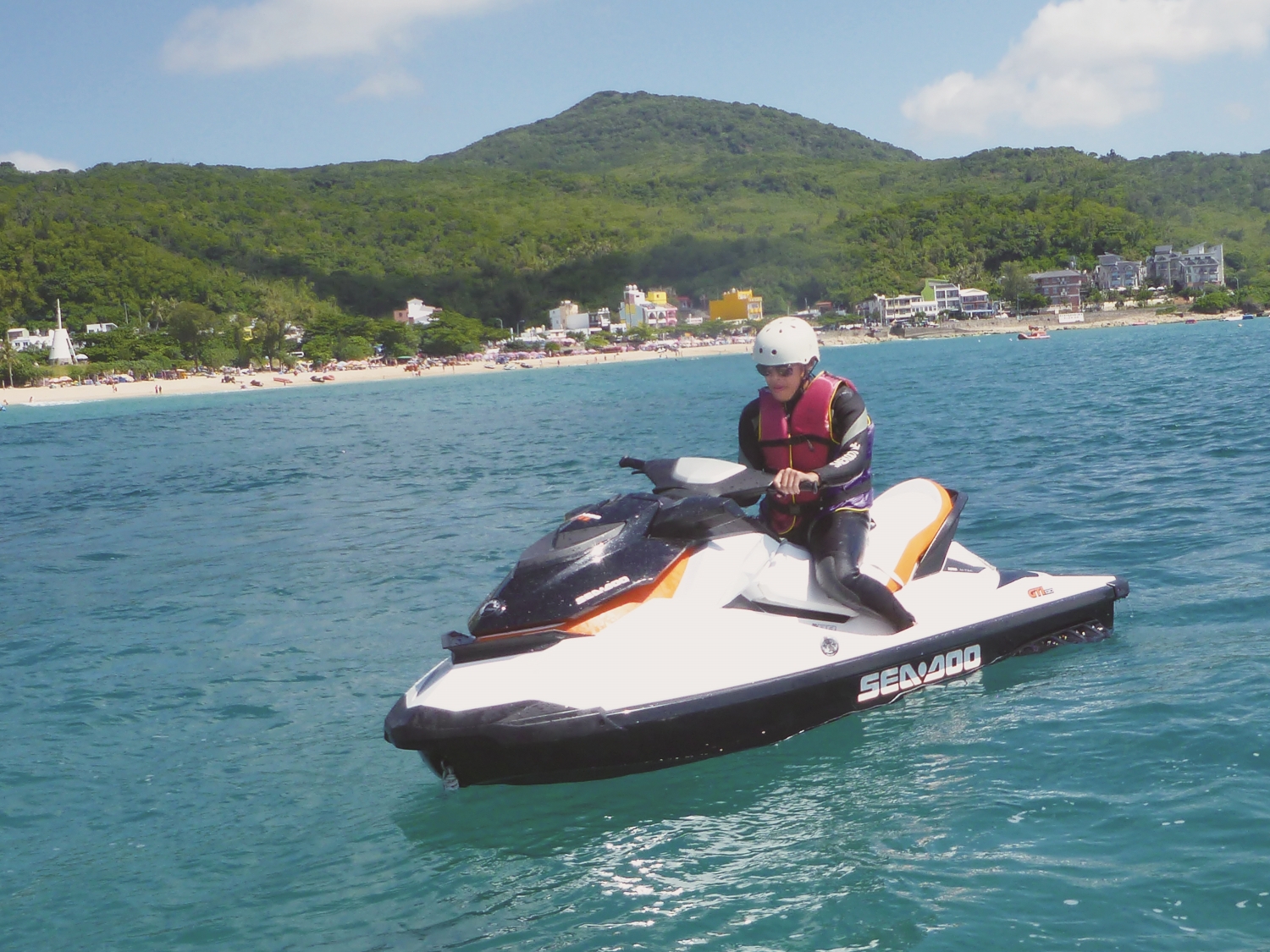
qualification is required. / provided by Cheng-Feng Yang
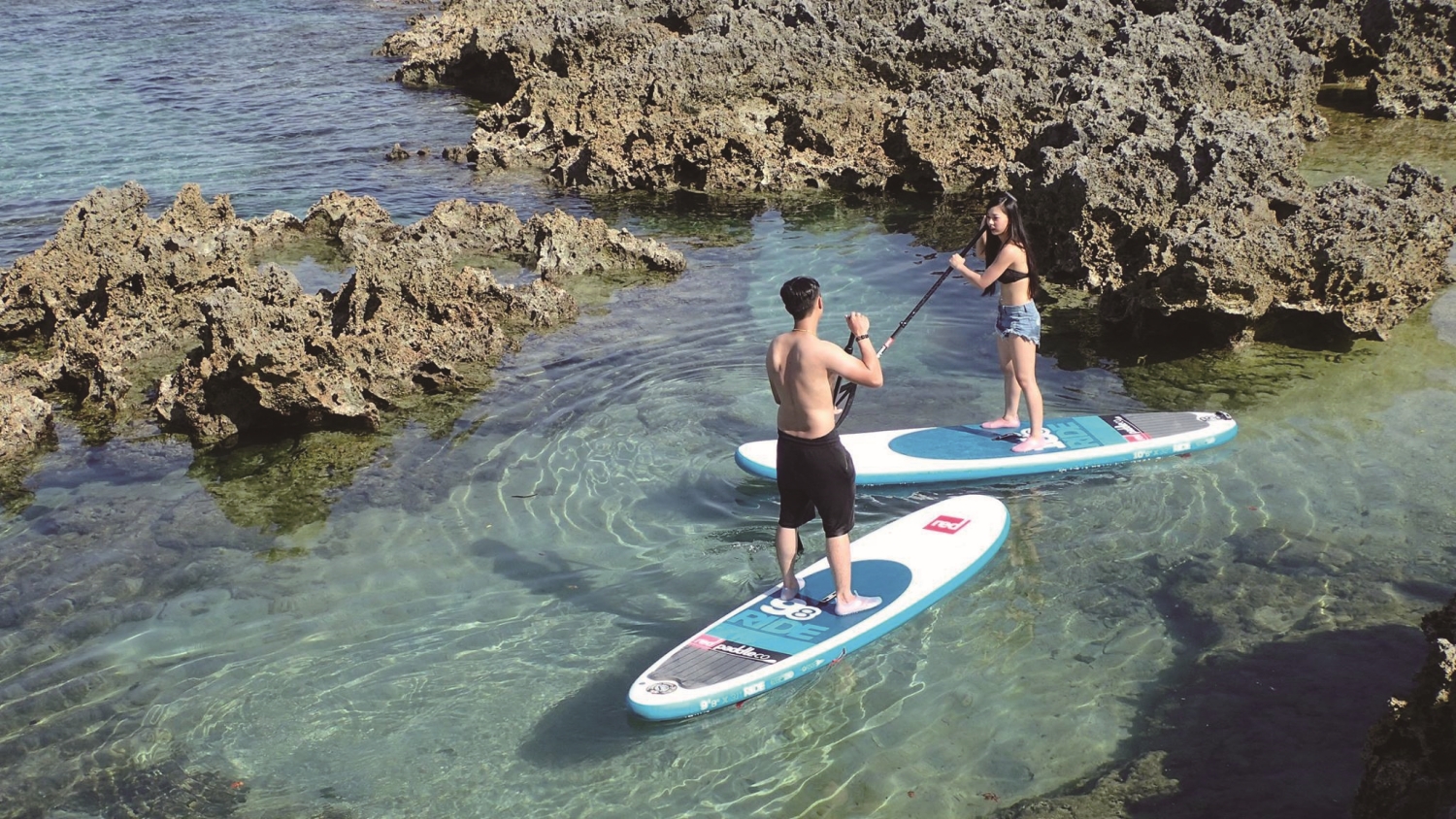
is in trend in Taiwan and suitable for all ages.
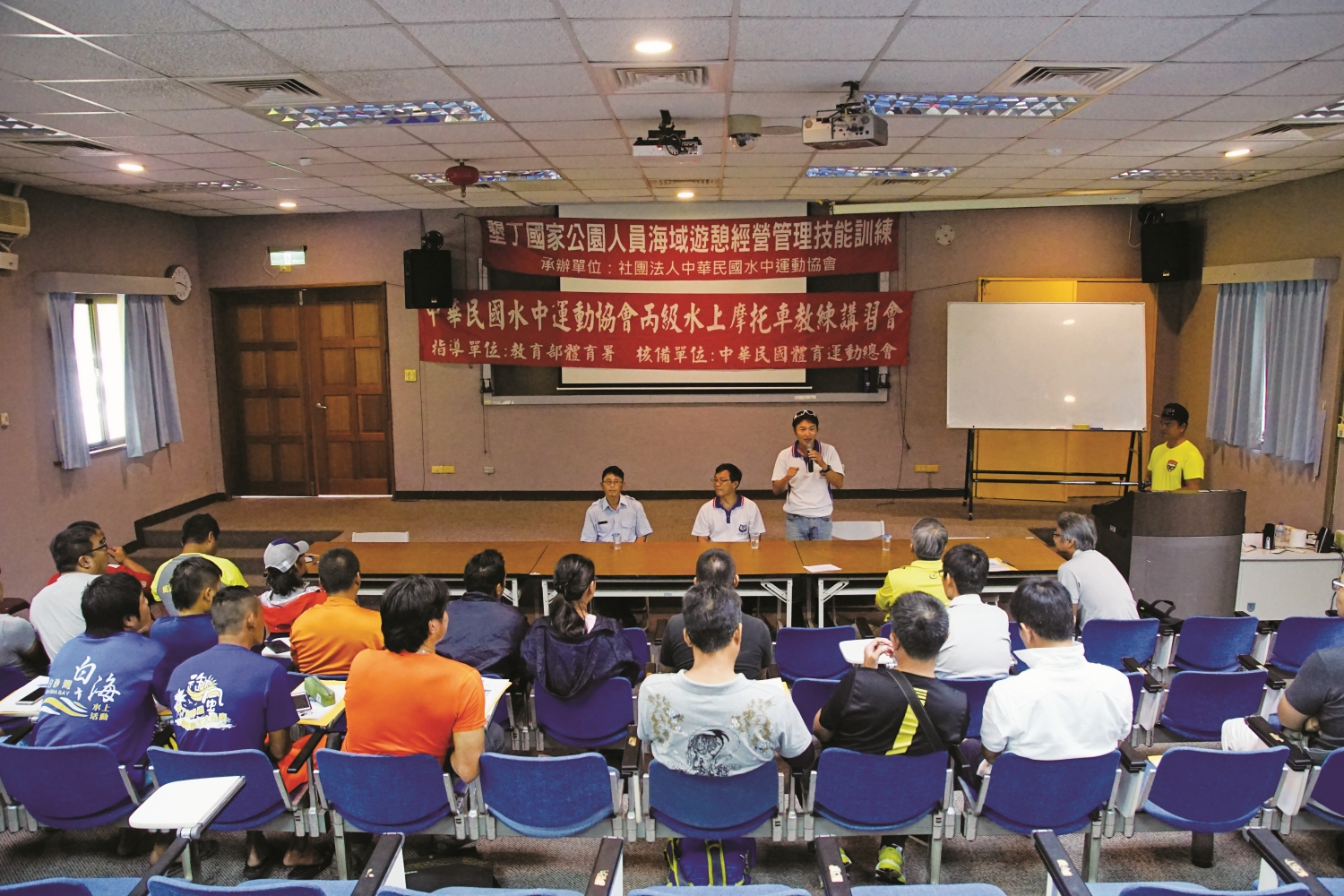
Underwater Federation at Kenting National Park Headquarters
are very popular among colleagues. / provided by Cheng-Feng Yang
Q Some people may think that interest groups and the participants of their activities may cause damage to the national park’s environment for their own purposes. In your observation, is this really the case?
Take diving as an example. Diving itself won’t damage the environment, but “bad diving skills” will. Therefore, it is very important to have professionals assist in teaching and training. Interest groups can pass on correct skills, knowledge, and attitude every time they are in contact with the tourists. For example, diving is not just jumping into the water every time you want to dive. You have to find an instructor to accompany you. It is absolutely prohibited to dive alone.
For another example, in recent years, freediving has become more and more popular in Taiwan. We also invited the Mermaid Girl Dive and other units to start classes for the National Park Headquarters. Through the interaction, we learned that their awareness of the environment and ecological protection is no less to the National Park, because they know that the purpose of diving is to watch the fish and the corals. If this beautiful scenery disappears, the reason for diving also disappears, so they will take the initiative to go into the water and collect garbage.
I think it is really important to understand each other with these interest groups. If we don’t, it is easy to be suspicious of each other, and this is no good for anyone in the long run. If the interaction is good, interest groups are very willing to contribute to the National Park. For example, the Chinese Taipei Underwater Federation donated rescue throw bags to the National Park Headquarters so we can protect the safety of the tourists together.
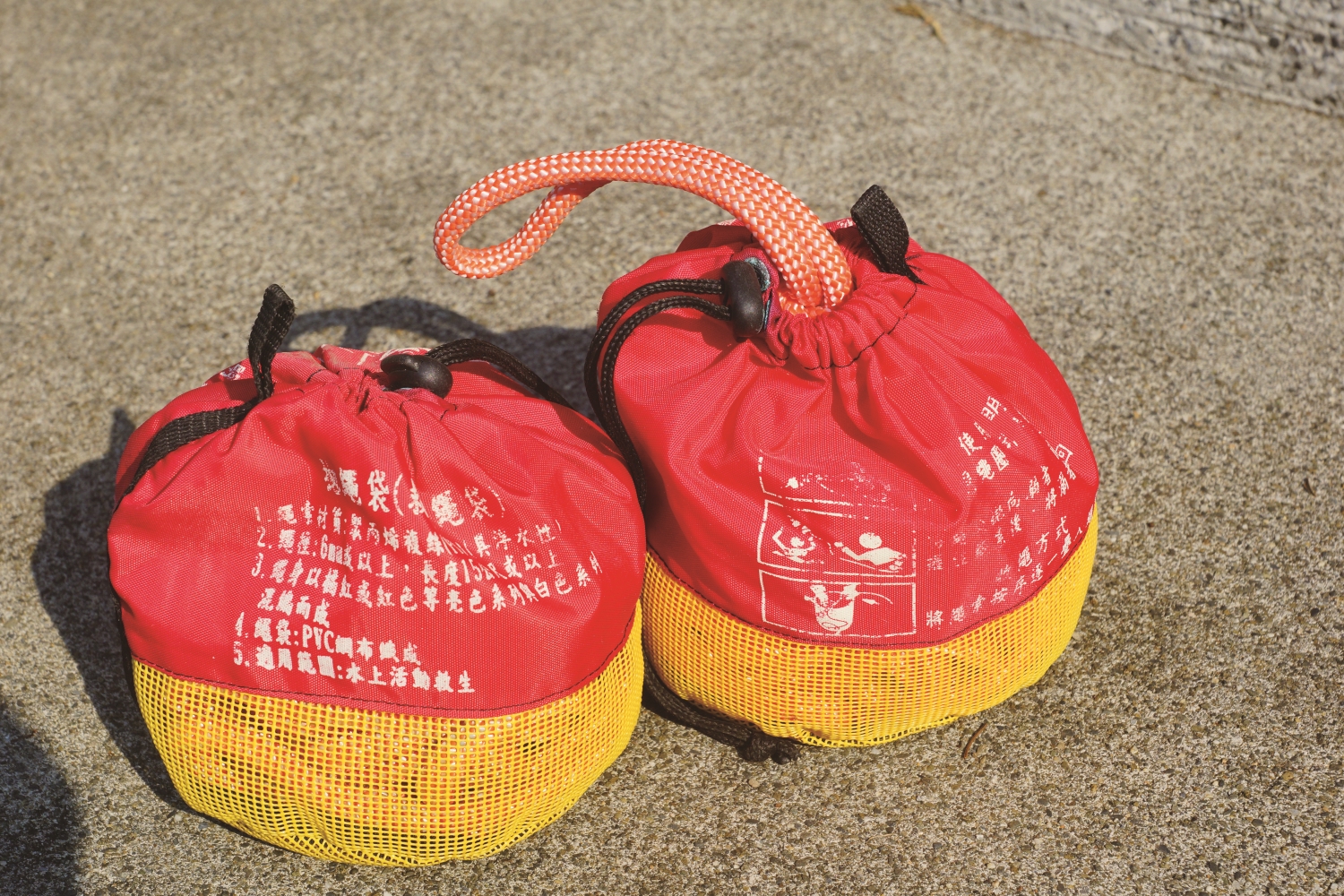
will continue to protect the safety of tourists
in Kenting National Park. / provided by Cheng-Feng Yang
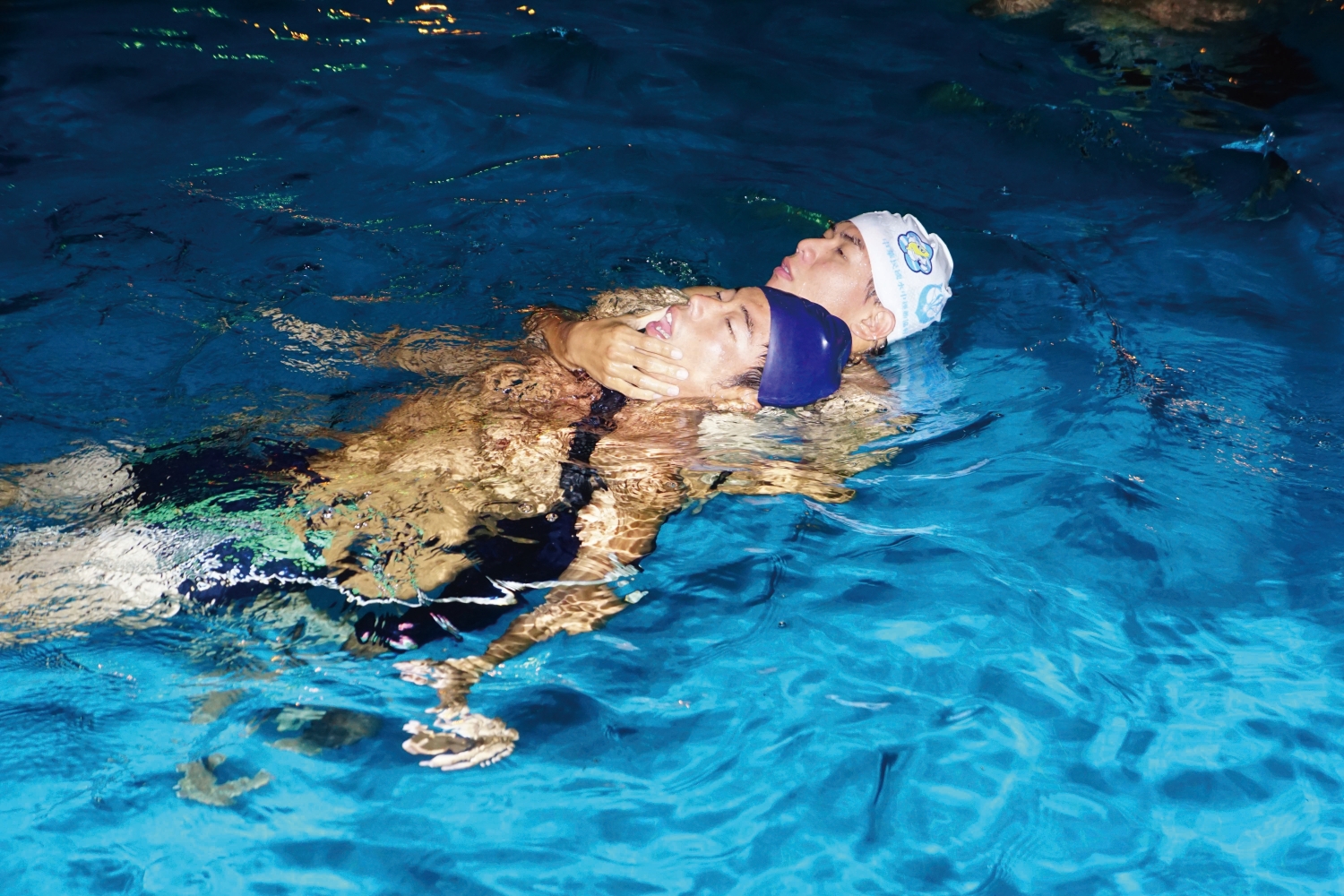
have the opportunity to use, but it is a hope for
saving life in accident. / provided by Cheng-Feng Yang
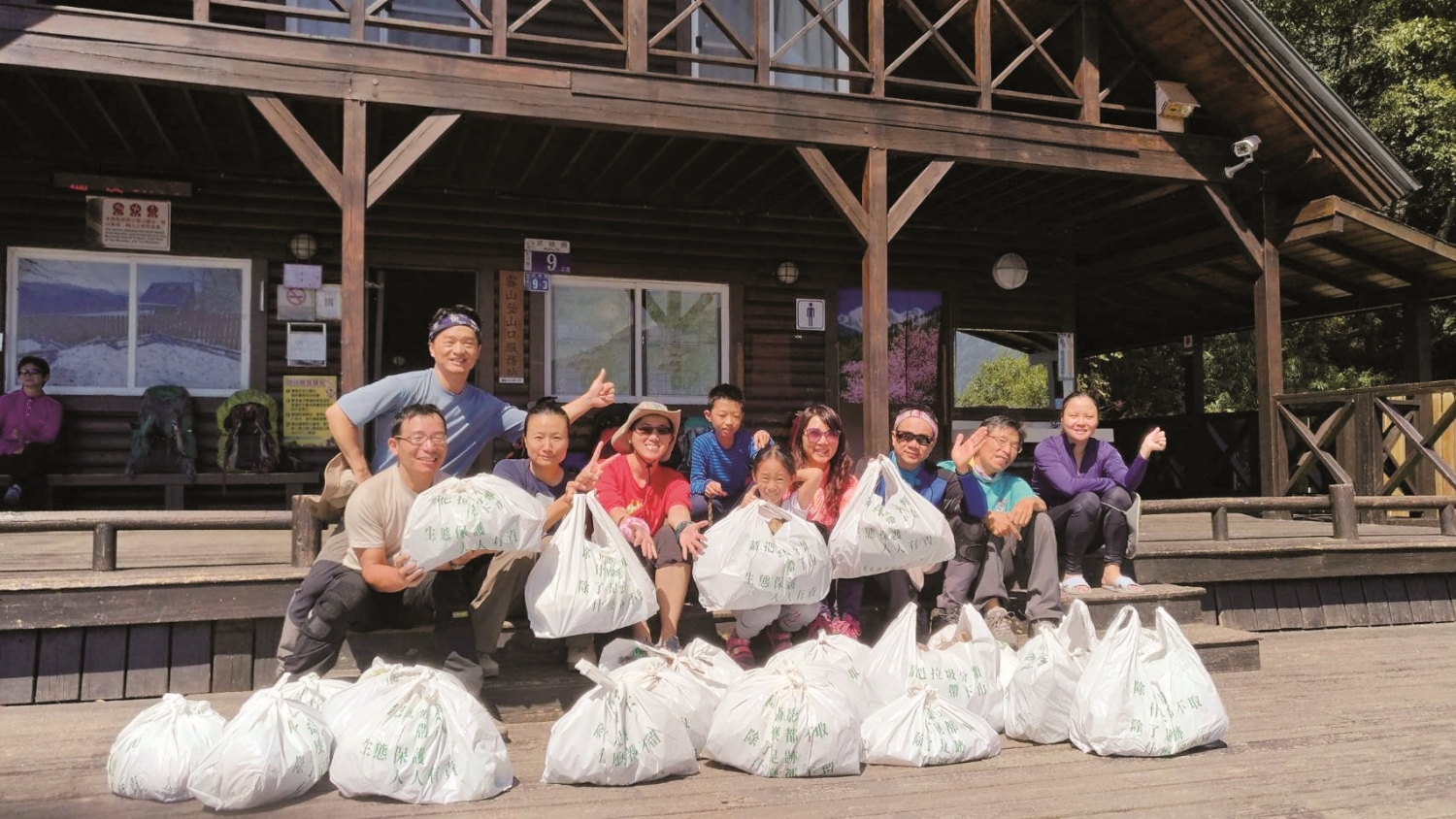
and the gathered rubbish makes mountaineers more alert to
their actions. / provided by Shei-Pa National Park Headquarters
Shei-Pa National Park Recreation Service Section
Chen-Chang Pan/Senior Technical Specialist, Shei- Pa National Park Recreation Service Section
Q In addition to actively utilizing the resources of the National Park, some interest groups will also participate in trail adoption, environmental education, or other volunteer activities in the National Park. Could you please share their stories?
The Taipei Outdoors Fun Association has participated in the mountain cleanup and environmental education adoption at Shei- Pa National Park since 2012. It has been eight years, and many people’s first national park experience has dedicated to Shei-Pa. The advantage of conducting mountain cleanup and environmental education through interest groups is that they have their own contacts and mobilization methods, and have the opportunity to radiate greater power and allow the national park to reach more general public.
For example, the Society of Wilderness Hsinchu Chapter which has participated in the adopting program a few years ago, and they not only has lead children to do mountain cleanups but also did this with friends from foreign countries. When people hiking passing by and saw the children walking down the side slope picking up garbage, they would reflect and remind themselves. Sometimes these hikers would also applause the children or cheer up the mountain cleanup participants, so everyone would feel a sense of accomplishment, forming a positive cycle.
On the other hand, through talking with the hikers or volunteer’s active promotion, people will understand more about the seriousness of the waste problem in the mountains. The Taipei Outdoors Fun Association has dug out old sports drink cans and other plastic wastes in many places; although they would make fun of themselves saying they are an “archaeological group”, we still hope that through every interaction, we can let everyone who enters the mountains know that although sometimes we did not actively discard any garbage, we still might unintentionally leave the garbage on the mountain, so we must pay attention and remind each other. Taiwan Thousand Miles Trail Association has also help trained our handcraft trail volunteers, so that volunteers can use local materials to improve the trail problems with mobility and flexibility.
What’s special about the Taipei Outdoors Fun Association is that the chairman and many other members of the association are also our volunteers. They will go up to the mountain cabins and provide services to the mountain climbers and do simple maintenance of the facilities such as water and electricity repairs or drainage pipe dredging during the holidays. Volunteers would even station in the mountain cabin during the snow season helping mountain climbers to check their equipment such as crampons and helmets and assist in recording the snowfall. They are vital partners of the National Park.
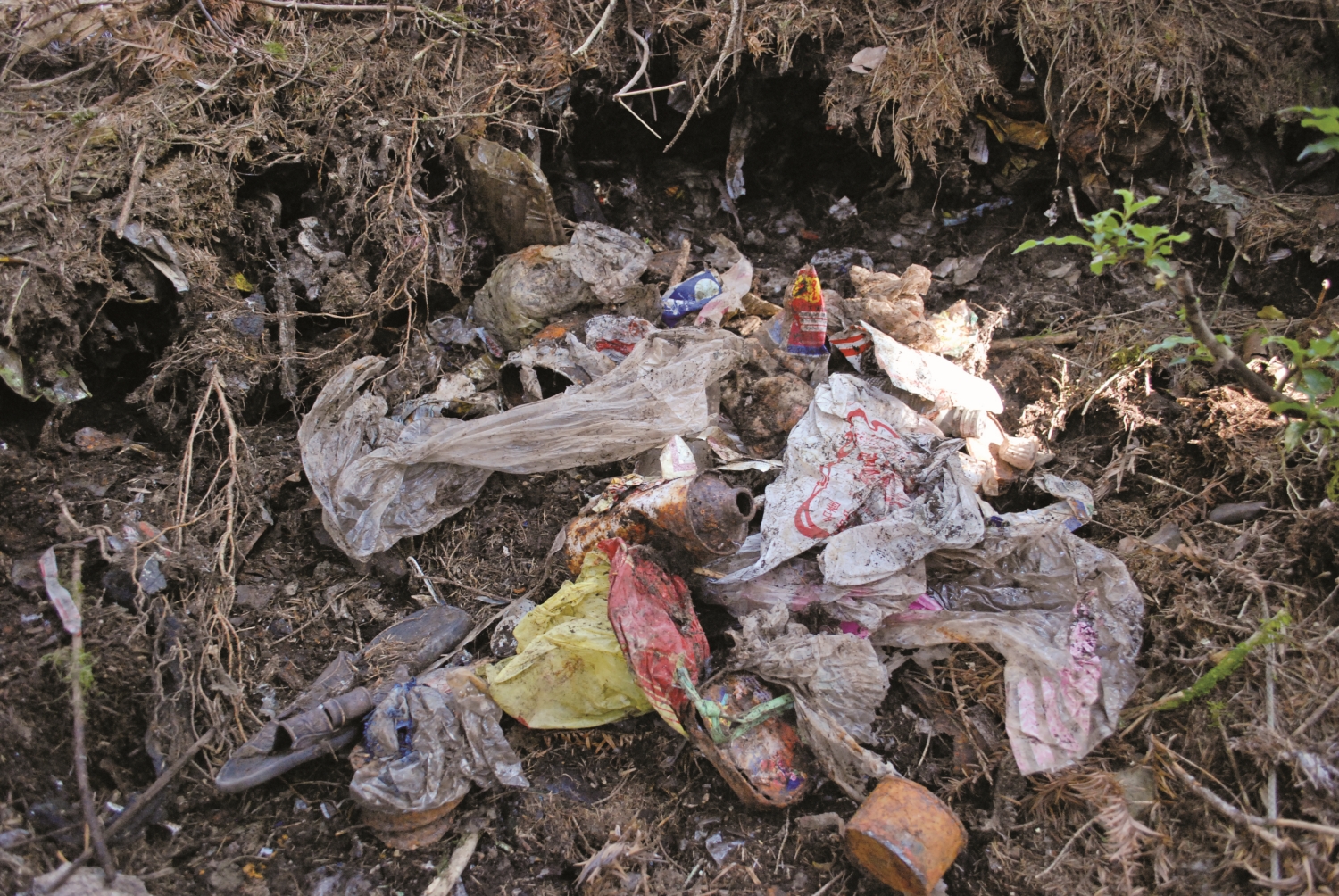
always joked themselves as 「archaeological groups 」.
/ provided by Shei-Pa National Park Headquarters
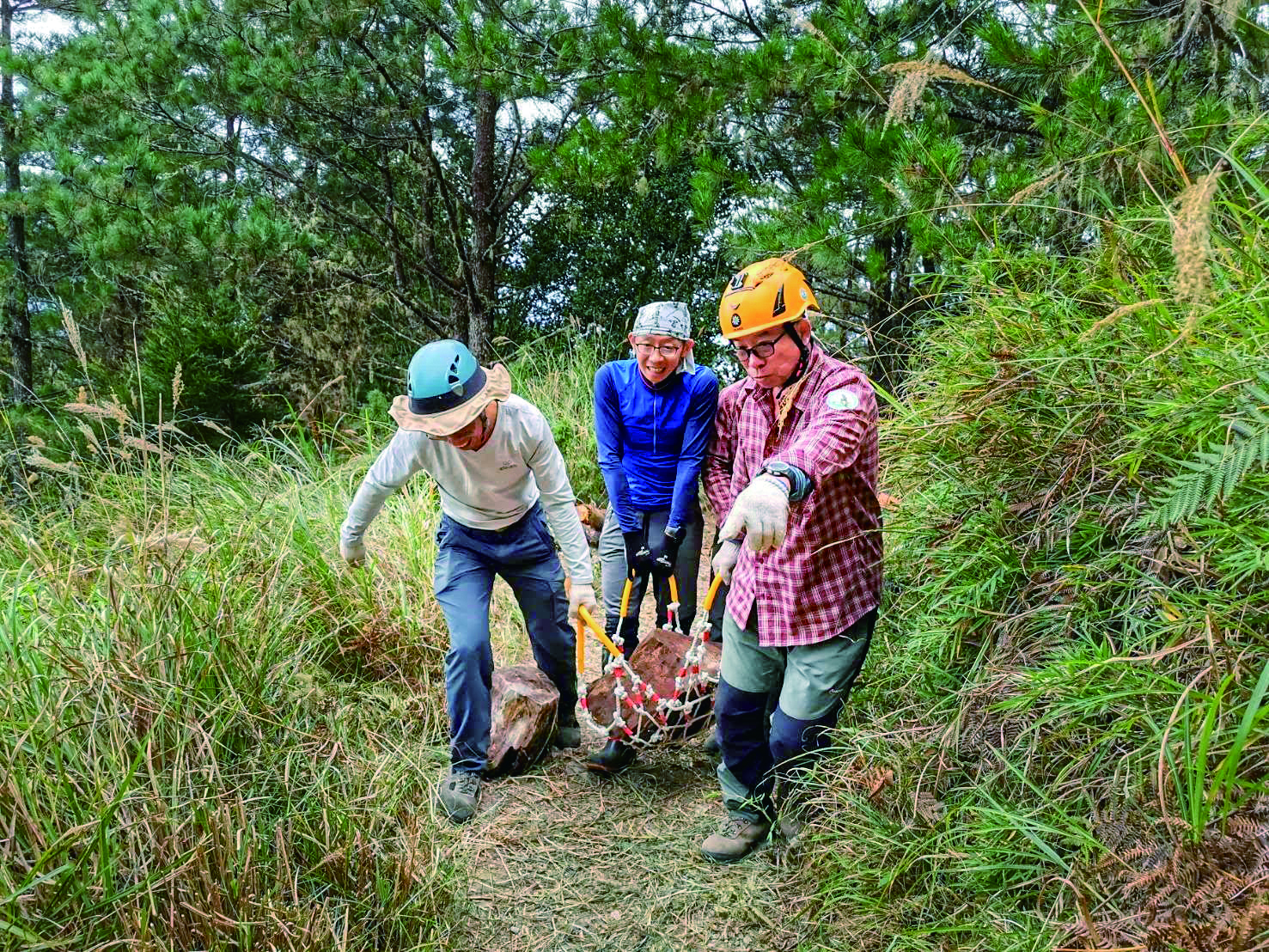
volunteers to help the national park to maintain trails.
/ provided by Shei-Pa National Park Headquarters
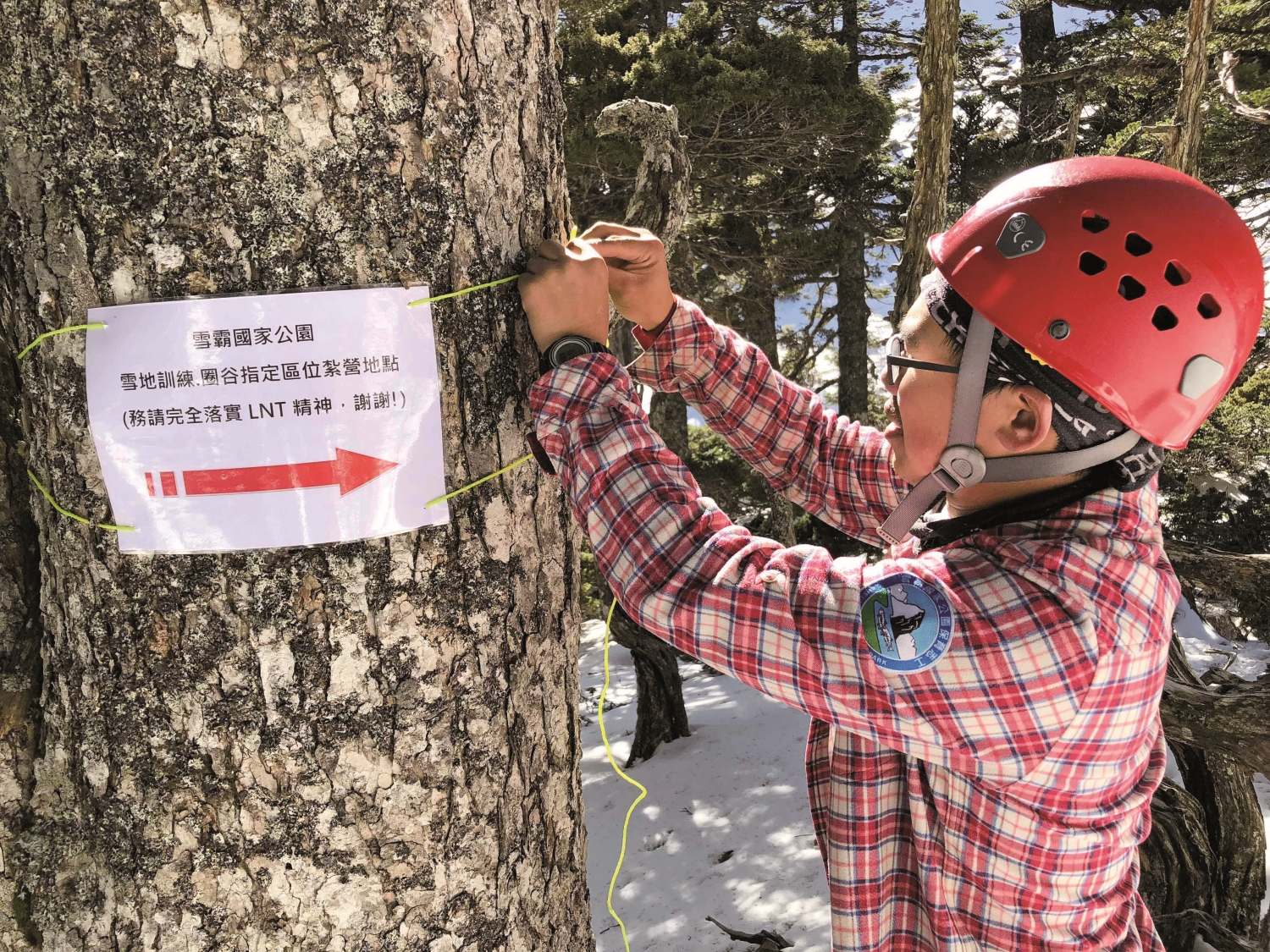
the role as snow season instructors to guard the environment
and visitors. / provided by Shei-Pa National Park Headquarters
Q If interested groups want to participate in the National Park’s adoption program, how should they proceed?
First of all, we hope that it is applied through an association or a company rather than just simply a group of like-minded people to avoid the adoption being terminated because of personal factors or other reasons causing the team to dissolve. If interest groups truely have the willingness to participate in the adoption, they can check the website for regulations first, select the adoption program they are interested in, and then discuss with the National Park. After the two parties have reached a consensus, they can then submit a proposal.
The reason why having a discussion before handing in the proposal is that we want to make sure there is no gap between the goal and execution abilities of the two parties. Of course, we won’t set excessively high standards. Encouraging participation is the main spirit of our adoption program. In the proposal, we also hope to see relevant experience the group had in the past in executing activities, what kind of method they plan to use to respond to the spirit of public welfare and conservation after adopting, and provide an annual report at the end of each year to explain the results of the implementation. We will also let the adoption group understand that adoption is not a shortcut to mountaineering. We hope they can choose to go up to the mountains on weekdays and ensure that the activities are mainly based on environmental education.
Interest groups are an important platform between the National Parks and the general public. No matter what kind of cooperation it is, we hope environmental education can be popularized and continue to advance, and enter the hearts of more people.

Education Adoption and Sponsor Program Information
About the Author ︱Yueh-Han Yang
A writer who loves museums, Yang was an editor of an architectural magazine and has been carrying out publication planning/editing, copywriting works in recent years. Her dream is to have a farm of her own, so she can cultivate on paper as well as on land.


