
Bring your Curiosity to Meet the Water Bird Paradise-Xucuogang National Important Wetland
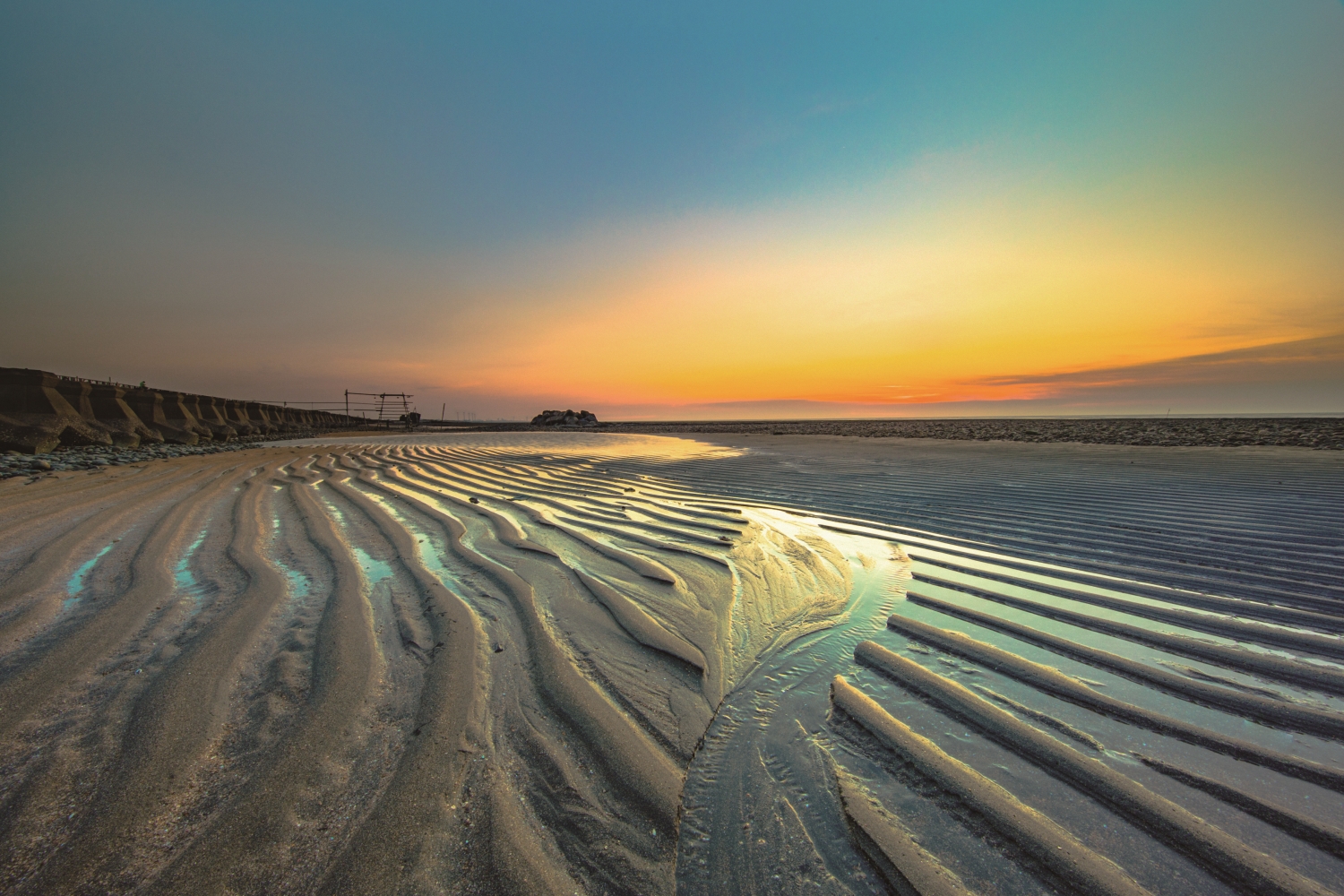
Important Wetland/ provided by TPG
Bring your Curiosity to Meet the Water Bird Paradise - Xucuogang National Important Wetland
Interviewee/
Li-Chang Lin, Director, Office of Coastal Administration Construction, Environmental Protection Agency, Taoyuan City Government、
Yu-Chou Wu, Honorary Chairman, Wild Bird Society of Taoyuan、
Dr. Mu-Kuan Tsai, Wild Bird Society of Taoyuan
Article /Hui-Ying Lui
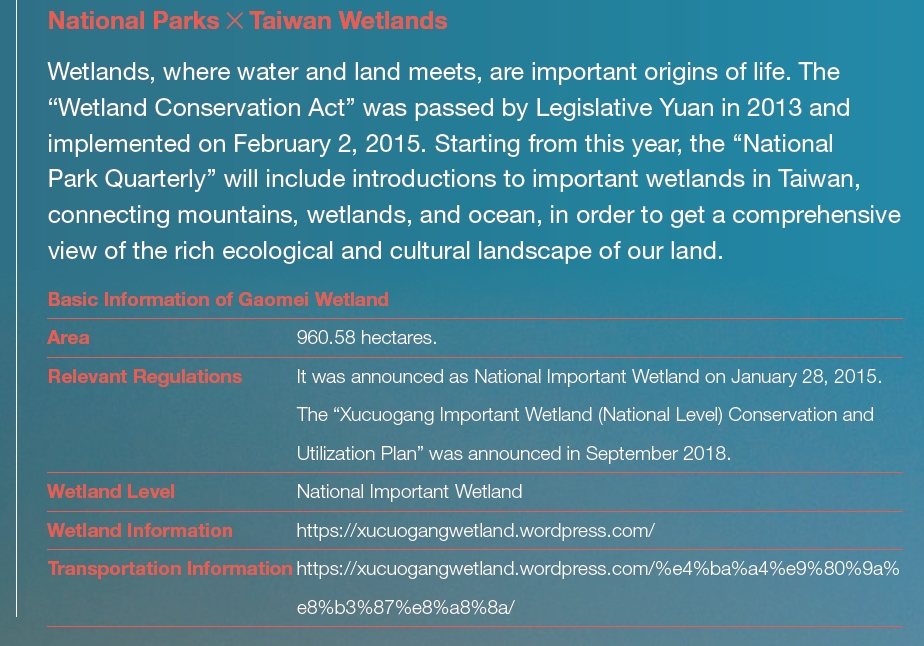
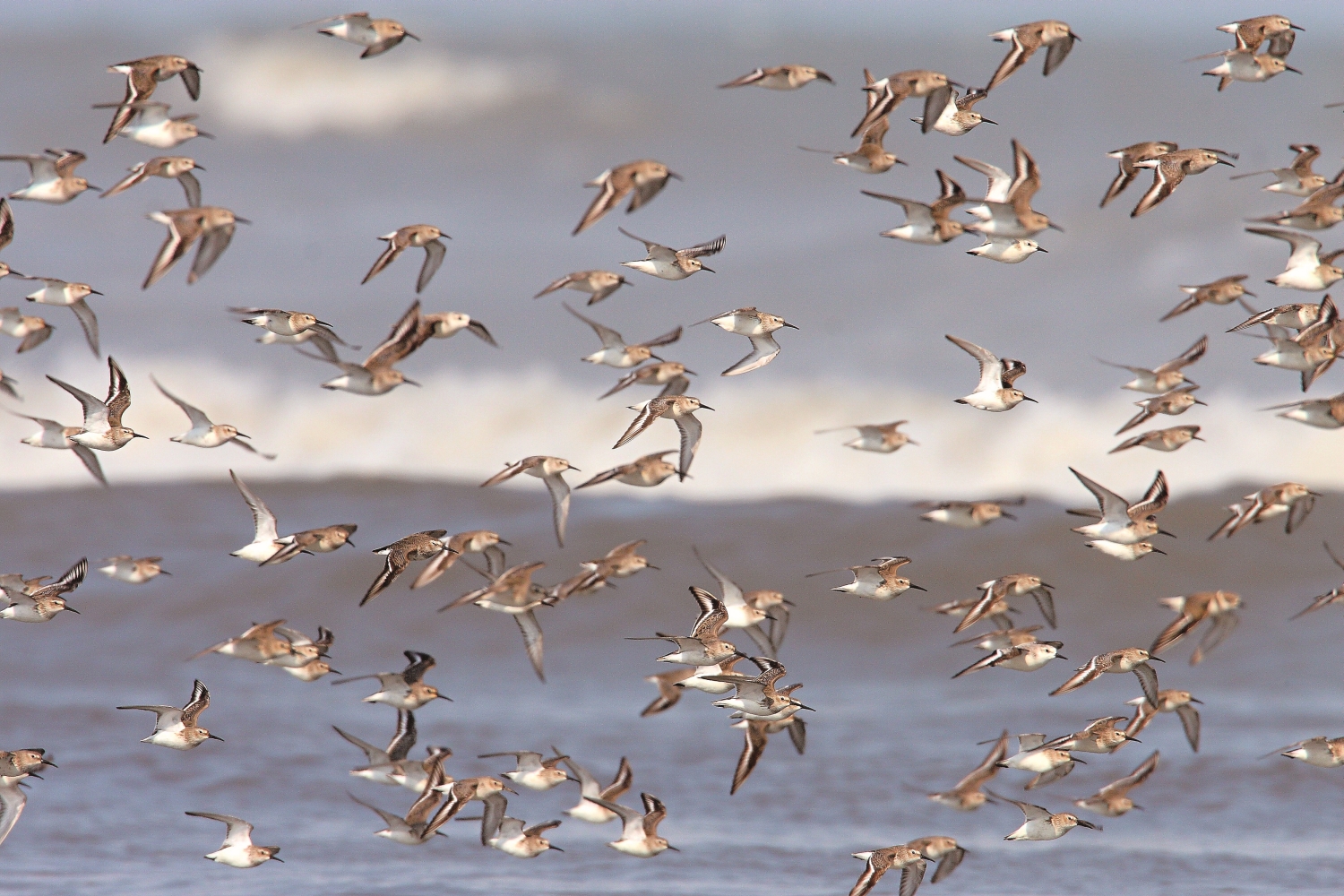
Hundreds of Dunlin (Calidris alpina) fluttering their wings under the blue sky. The tremendous momentum brings forth visual shock, making our hearts seem to resonate with the countless flying feathers cutting through the wind. Various water birds flock for food on the beach and in the water, traveling between the coast and its nighttime habitat following the tide. This is the glorious memory of Xucuogang wetland. However, due to the diversion of Xinjie River, the large wetlands at the estuary of Laojie River have gradually silted up and become land over the past 50 years, and the area where water birds can forage for food has also shrunk. An opportunity for making a change in such situation has emerged after Xucuogang was designated as a national important wetland and entrusted to the Taoyuan City Government for management. This is a story about the government as a leader and with the help of NGO groups, gradually building consensus locally, and joining hands to recreate the glory of the water bird paradise.
Lovely guests passing by Certified by the BirdLife International
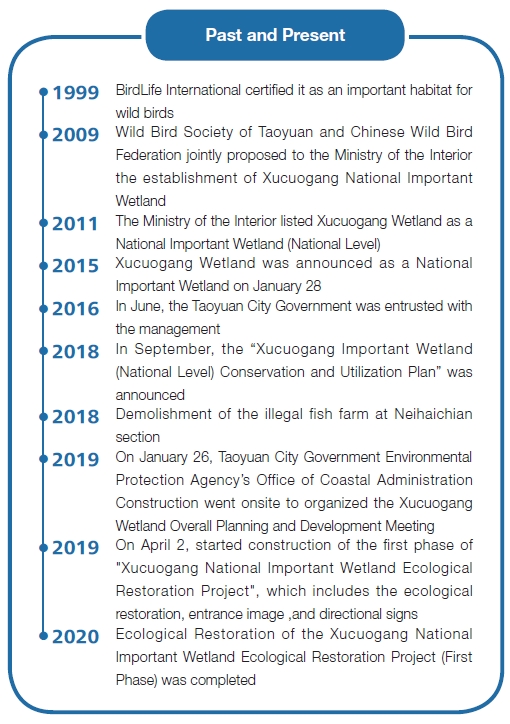
Taiwan is blessed with a unique geographical location. It is the midpoint of the migration route of "East Asia-Australia" migratory birds, an important relay station for transit birds, and an important habitat for many migratory birds to spend the winter and breed. Xucuogang Wetland is a rare large coastal wetland between Taipei and Hsinchu, and it goes without saying that its existence is very important for the traveling migratory birds. Xucuogang Wetland is certified as an “Important Bird Area” by BirdLife International because it is the transit habitat for Chinese Egret (Egretta eulophotes), which is recorded as an IUCN Red List of Threatened Species. NGO organizations such as the Wild Bird Society of Taoyuan proposed to the Ministry of the Interior in 2009 to designate Xucuogang as an important national wetland and was officially announced in 2015.
Important Bird Area (IBA)
There are 56 Important Bird Area (IBA) certified by BirdLife International in Taiwan, and Xucuogang Wetland is one of them, labeled No.TW006. The assessment criteria for IBA of BirdLife International are as follows. Xucuogang Wetland is listed as A1 base on the assessment criterion, and is the transit habitat for Chinese Egret which is recorded as an IUCN Red List of Threatened Species.
A1 The object of protection is Globally Threatened Species, including species categorized by the IUCN Red List as Critically Endangered (CR), Endangered (EN) or Vulnerable (VU), such as Black-faced Spoonbill (EN).
A2 The object of protection is Restricted-range Species, such as endemic bird species in Taiwan.
A3 The object of protection is Biome-restricted Assemblages
A4 The object of protection is Congregations, such as massive migratory birds crossing or wintering.
Xucuogang in the coastal blueprint
Li-Chang Lin, Director of the Taoyuan City Government Environmental Protection Agency Office of Coastal Administration Construction, said, “Taoyuan has a rich and diverse coastal ecological landscape; the total coastline from Luzhu to Xinwu is 46 kilometers. We hope to build a coastal eco-tourism corridor from Xucuogang wetland, Caota sand dunes (located within the Xucuogang Wetland Important Wetland), Guanxin algal reef, to Xinwu stone weirs.” Xucuogang is the northernmost echo-highlight and the first step in implementing Taoyuan’s magnificent coastal eco-blueprint.
“In the year 2000, the entire Xucuogang area was a wetland. The beach between Laojie River and Xinjie River is rich in sedimentary diversity, including mudflats, sandy beaches, and gravel beaches. The rivers bring rich organic matter, attracting countless water birds to inhabit every year.” Yu- Chou Wu of the Wild Bird Society of Taoyuan recalled the ecological grandeur that year. “However, the wetland of Laojie River estuary has gradually turned into land due to siltation caused by drift sand brought from the northeast monsoon, and the old river beaches between Laojie River and Xinjie River were illegally occupied, resulting in deterioration of the quality of the Xucuogang wetland habitat and reduction in space available for water birds to inhabit and forage.” After Xucuogang Wetland was officially announced as a nationally important wetland, the Wild Bird Society of Taoyuan and other NGO organizations have all hoped that the introduction of public power can bring a new perspective to Xucuogang Wetland.
“Habitat rehabilitation is a concept, but which time point should be used as the benchmark often leads to debate. From the ecological profession standpoint of the Wild Bird Society of Taoyuan, we hope that the degradation of the Laojie River estuary could be actively dealt with to maintain its wetland function; the illegally occupied artificial facilities such as fish farms and fishing ponds should be restored to near natural beaches and return the habitat to water birds.” Whether it is land reclamation or expropriation, or the planning, design, and implementation of ecological constructions, we must rely on the power of the government. “Director Lin knows best the sweetness and bitterness in the process of land reclamation!” In dealing with the problem of illegal land occupation, Yu-Chou Wu also did not hesitate to give the Taoyuan City Government positive affirmation.
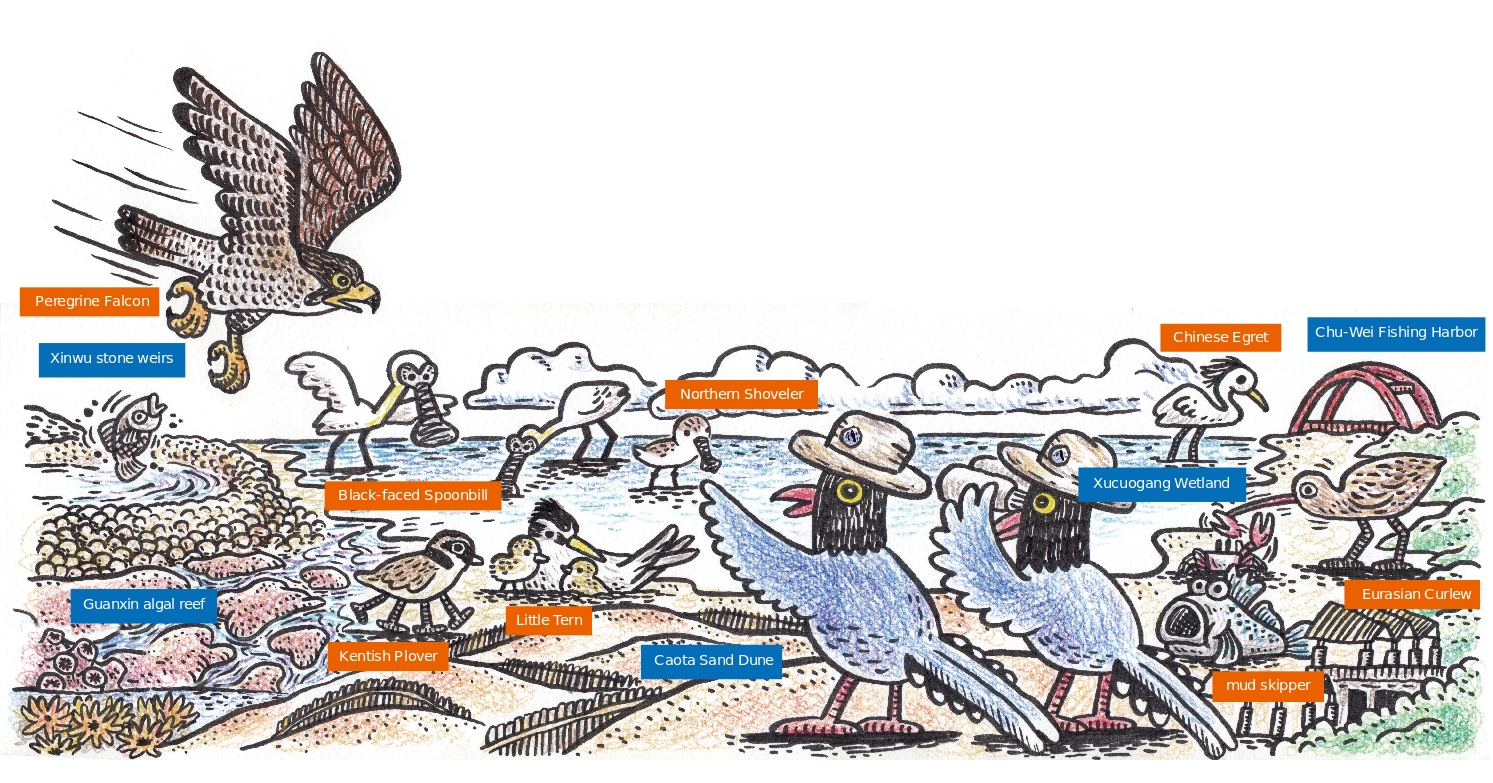
Wild Bird Society of Taoyuan (drawn by En-Min Shen)
Laojie River estuary / provided by Taoyuan City Government Office of Coastal Administration Construction
Through aerial photographs of Laojie River estuary in 2002 and 2017, we can see the situation of wetland siltation.
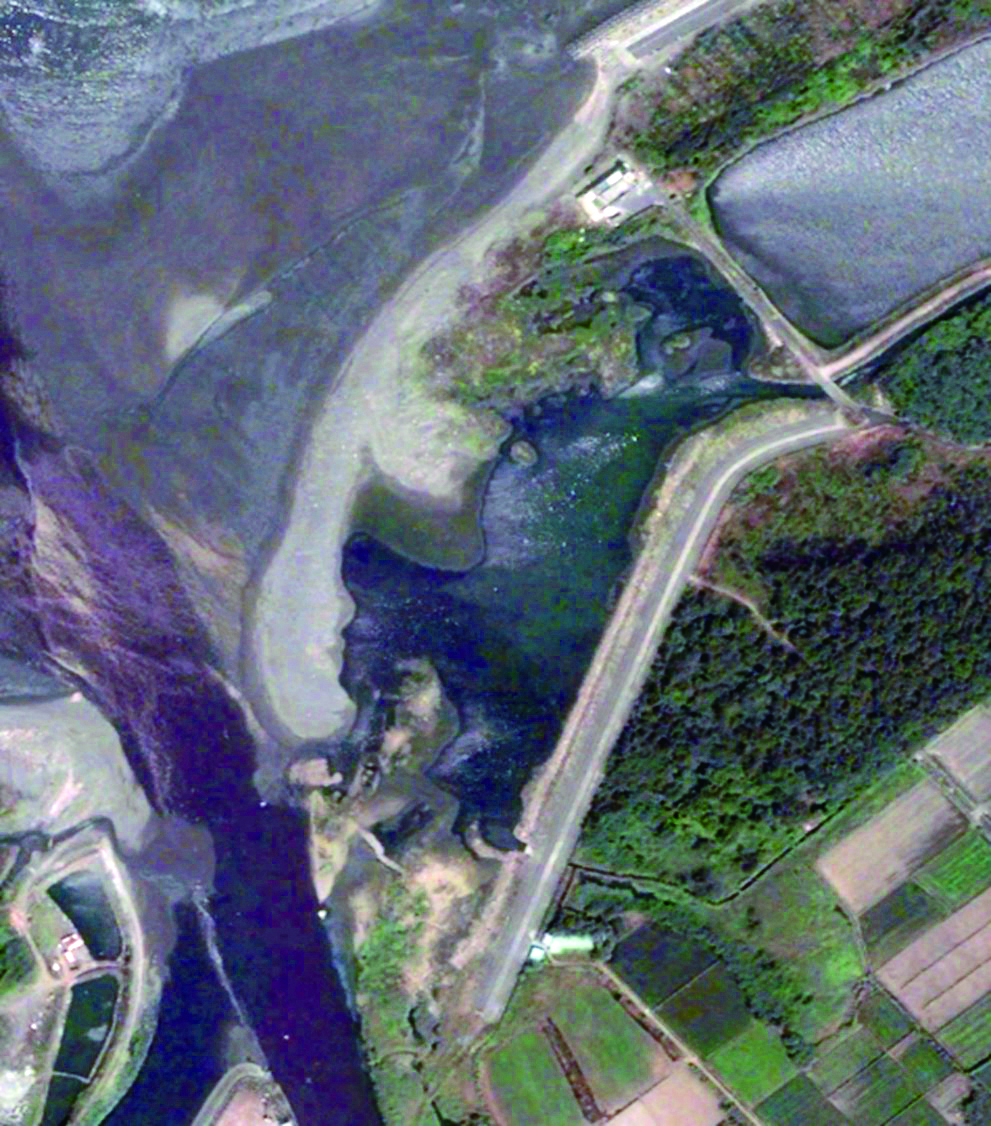
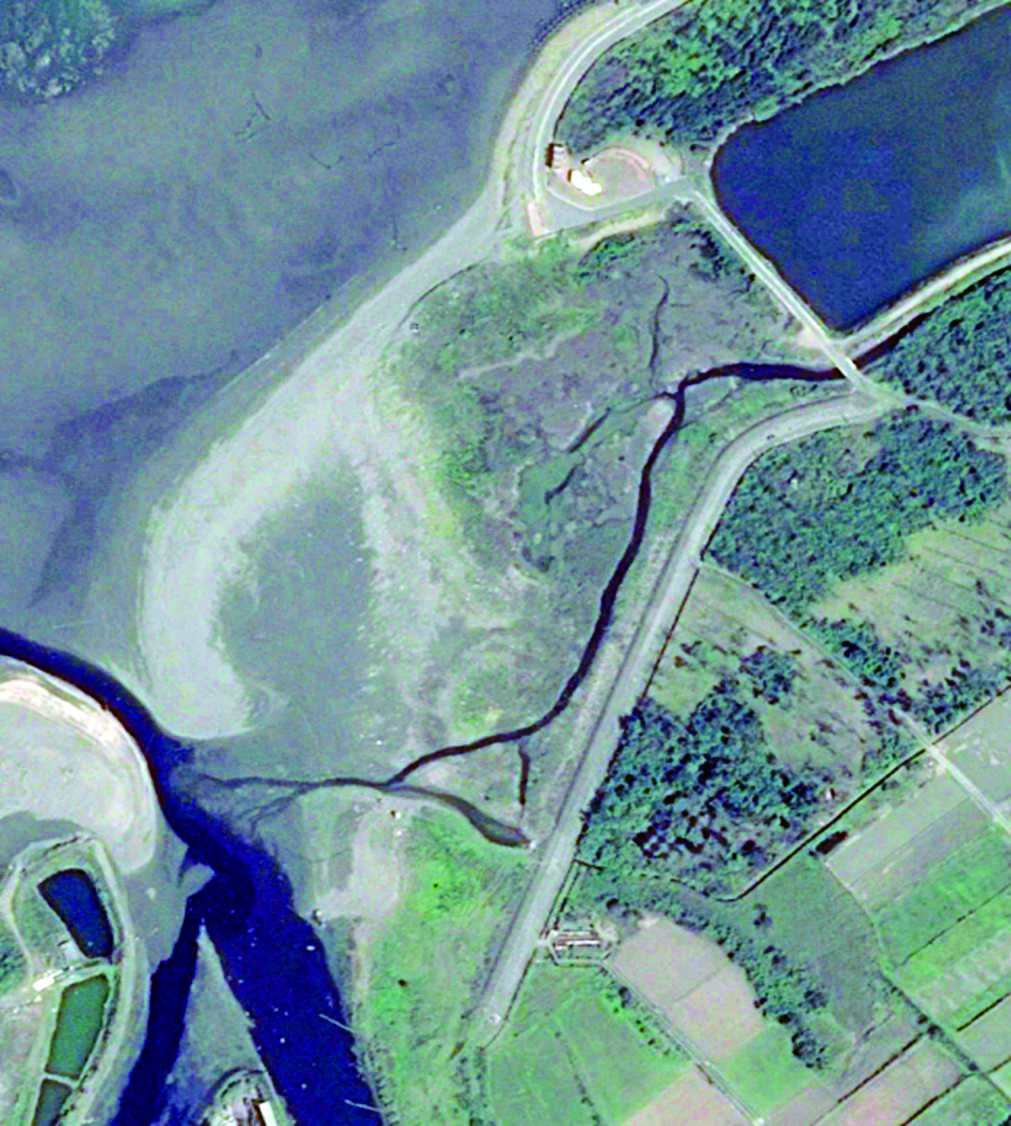
The first step activated by the two “spirits”
“Many people would ask why is it called the Office of Coastal ‘Administration Construction’? The administration is put before the construction is because construction is the means of administration, and administration is to maintain the best condition of the coastal ecology!” Director Lin emphasized that “bird-oriented is the highest principle when it comes to managing Xucuogang Wetland.”
After the establishment of the Taoyuan City Government Office of Coastal Administration Construction on March 15, 2018, the work on the rehabilitation of wetland ecological was started immediately. The first task was to reclaim the illegally occupied land. “We took the initiative to propose to the National Property Administration Taoyuan Branch that we are willing to assist in reclaiming the land. At that time, the court ruled that the occupier must backfill the land before returning it, but when thinking about the possibility of it being backfilled with waste soil, all the ecological restoration work followed would not be possible. Therefore, we wrote to the National Property Administration to ask the court to let the occupants returning the land as is without backfilling.” This finally kept the site as it was.
After that, the Office of Coastal Administration Construction reacted swiftly and decisively and vowed to reclaim all the land before the end of December 2018. People who occupied the land illegally leased these lands to local fishermen, and most of these fishermen rented it without knowing. If we reclaimed the land and forcibly demolish the facilities, they will suffer tremendous loss. Therefore, since April 2018, we have communicated with the occupants many times, giving them buffer time to allow them to dismantle structures such as working shelters after the harvest to minimize their loss.” With the Taoyuan City Office of Coastal Administration Construction and the Construction Management Office working together, they achieved the self-defined “mission impossible”within the deadline.
“In order to get local support, we also held a habitat rehabilitation briefing session at the local belief center – Neihaichian Guiwen Temple to win everyone’s approval.”When recalling, Director Lin’s eyes are full of warmth, “I think the biggest reason why all the work can be carried out smoothly is we gave our most‘sincerity’ to communicate with everyone, and used‘empathy’ to coordinate the difficulties people have encountered.”
Bird-oriented habitat restoration
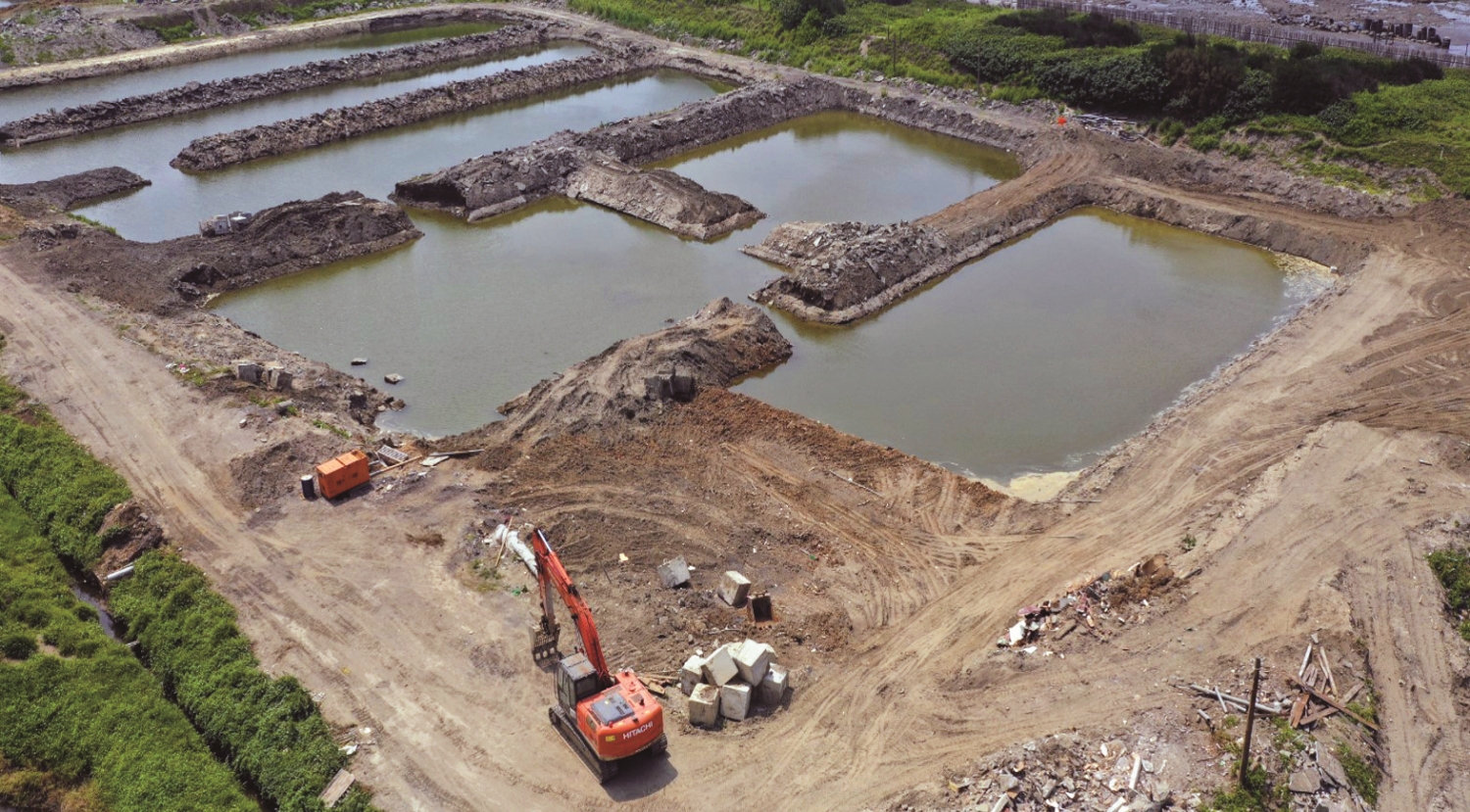
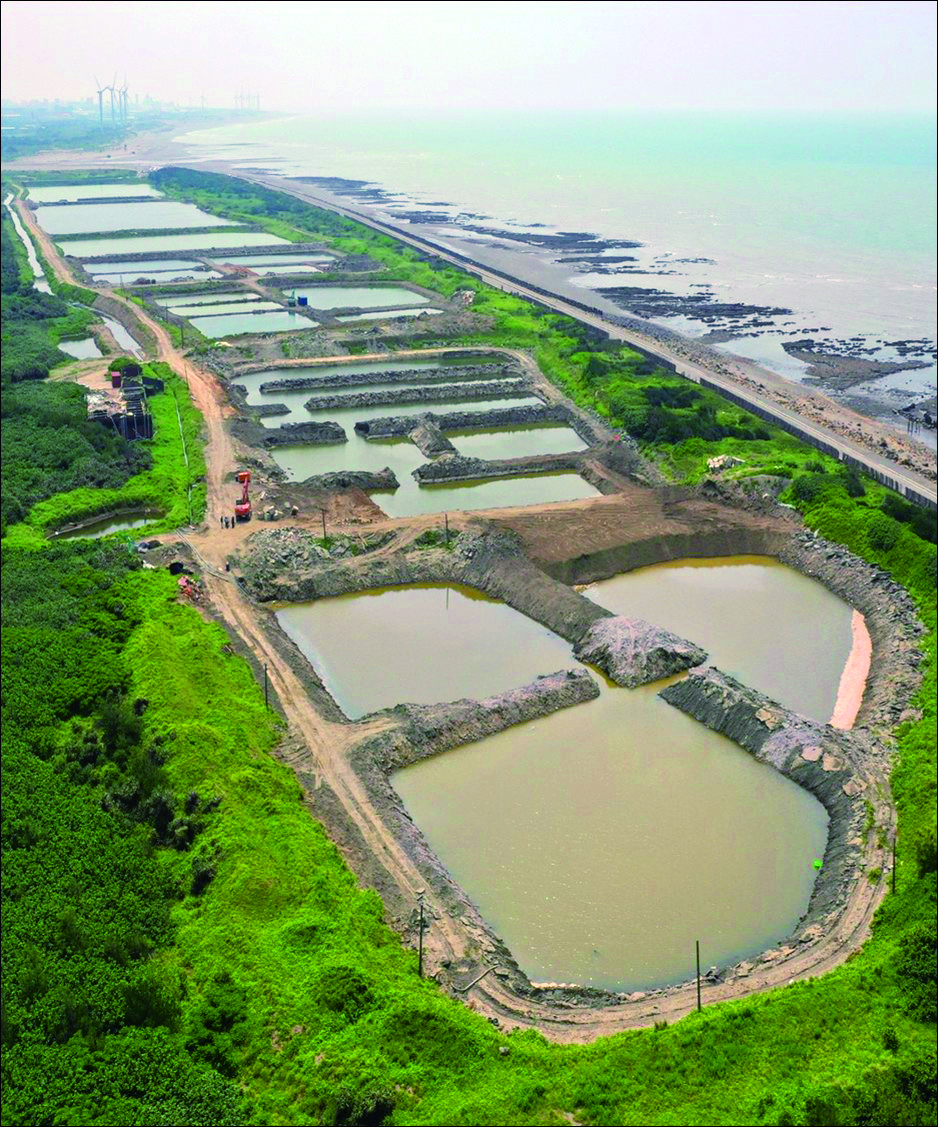
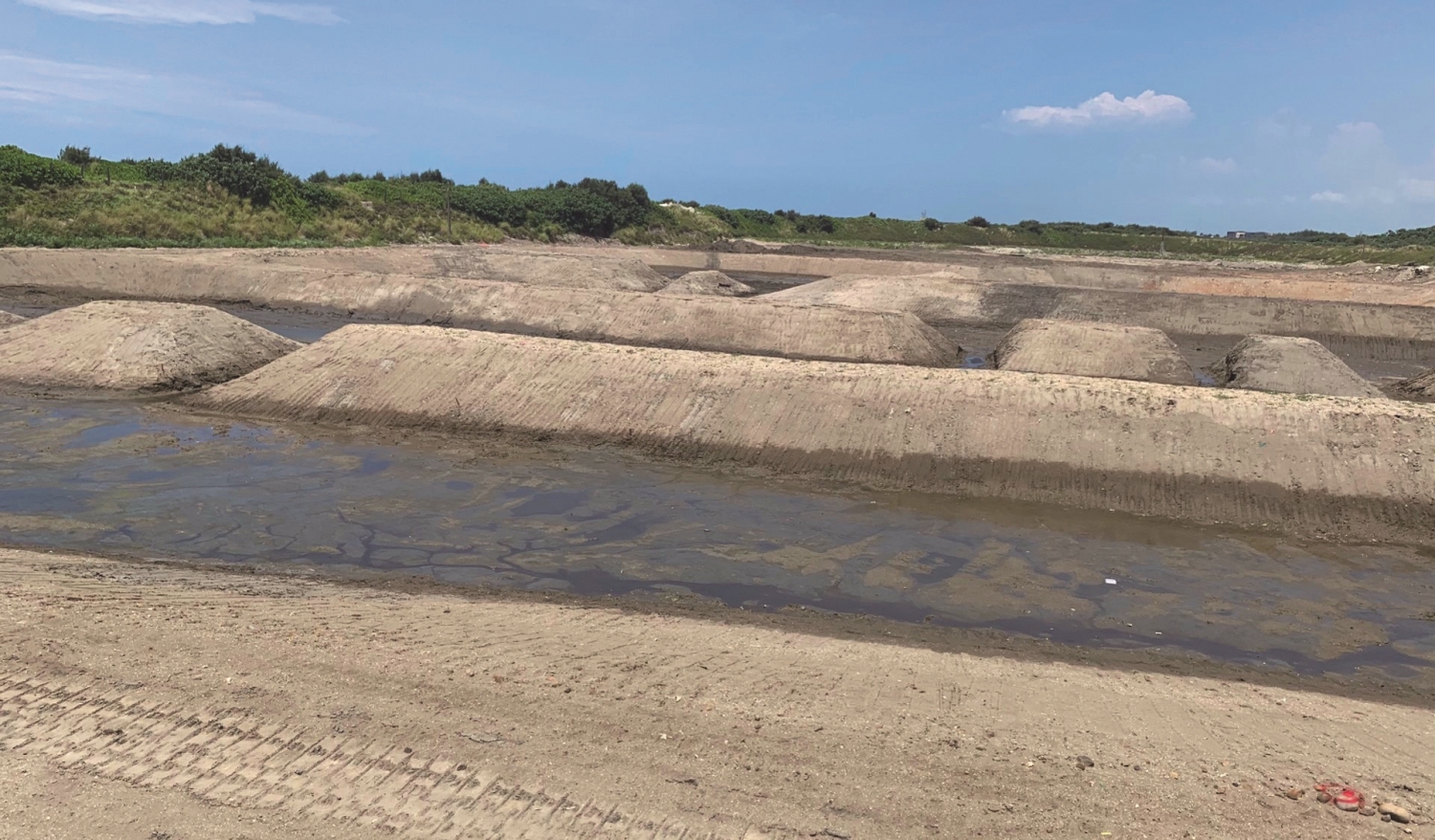
The ecological restoration construction project was put out to contract at the end of December of 2018, but to deliberately avoid the migration period of winter migratory birds, the construction did not begin until April the following year. The best water level for foraging activities of wading birds is within 30 cm, and the water depth of a fish farm is usually more than one meter, so backfilling operation is necessary. Director Li-Chang Lin said, “The silt at the Laojie River estuary can be used for backfilling the fish farms to achieve the balance of excavation and filling. A total of 99,000 cubic meters of earth was excavated to adjust the depth of the fish farms, and a total of 22 hectares of wetland was created.” After removing the concrete structure at the fish farm, under the precise backfilling control, the wetland can naturally fluctuate with the tide without applying any power.
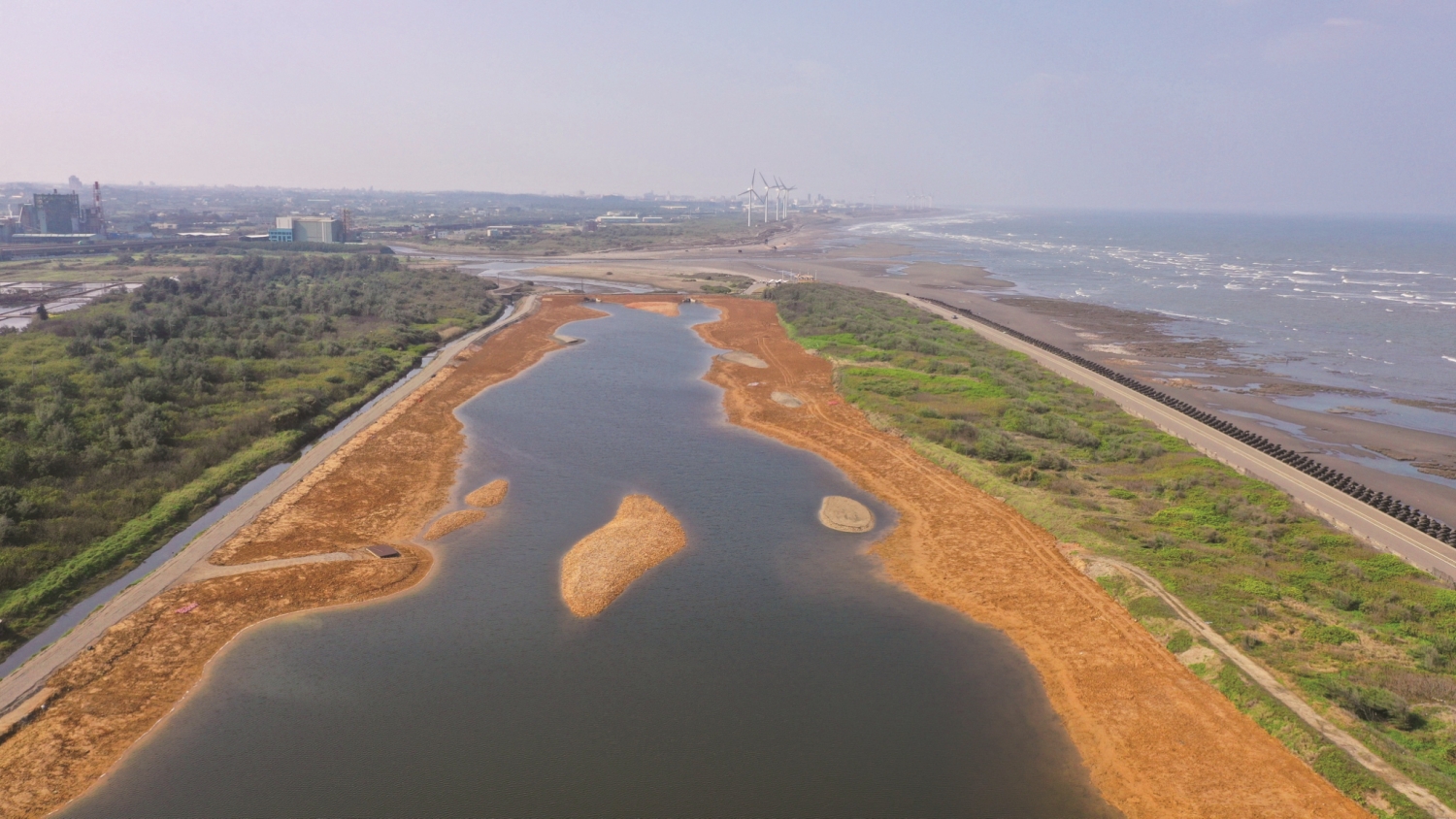
Through the soil crystallization treatment, the water retention capacity of the wetland is increased, and the water depth is maintained at 0~30 cm. To reduce the interference of human activities on the water bird habitat, ecological islands have also been set up in the wetlands; coastal plants are also used to increase the aesthetics of landscape, create habitat diversity, as well as acting as a buffer between humans and birds. In addition, a bar screen is added at the diversion culvert to prevent garbage from washing into the wetland with the tide. “We use ecological engineering methods to do only necessary works that are beneficial to the maintenance of wetland ecology; buffer zones are set up between the landscape and service ancillary facilities and the core wetland restoration area, and construction principles of low interference and low intensity were implemented.”
Before and after demolition
Reclaim the illegally occupied land and demolition of concrete structures such as farmed fish ponds / provided by Taoyuan City Government Office of Coastal Administration Construction
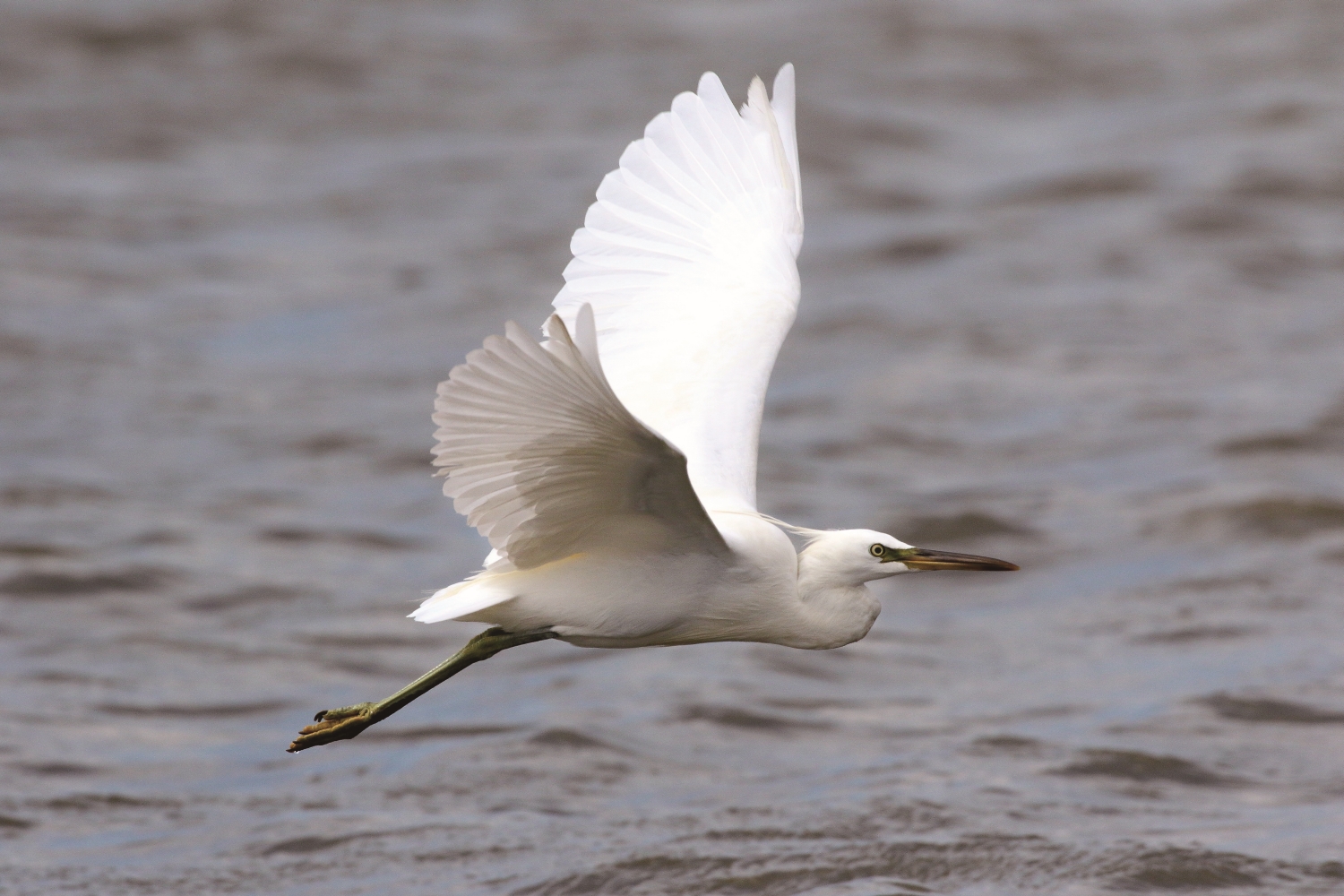
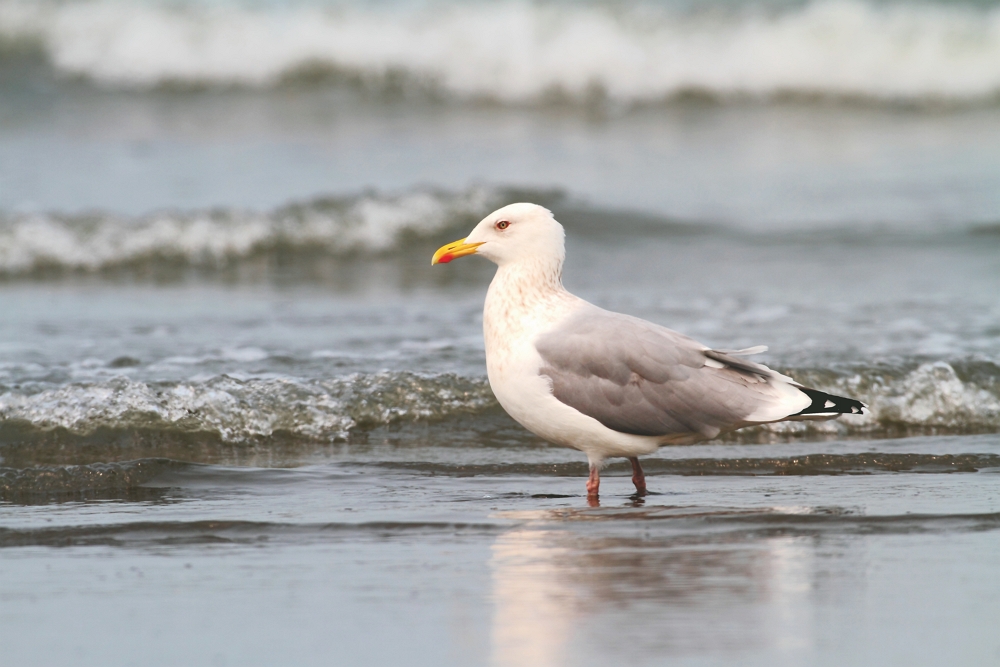
Wild birds in wetlands-photo by Dr. Mu-Kuan Tsai
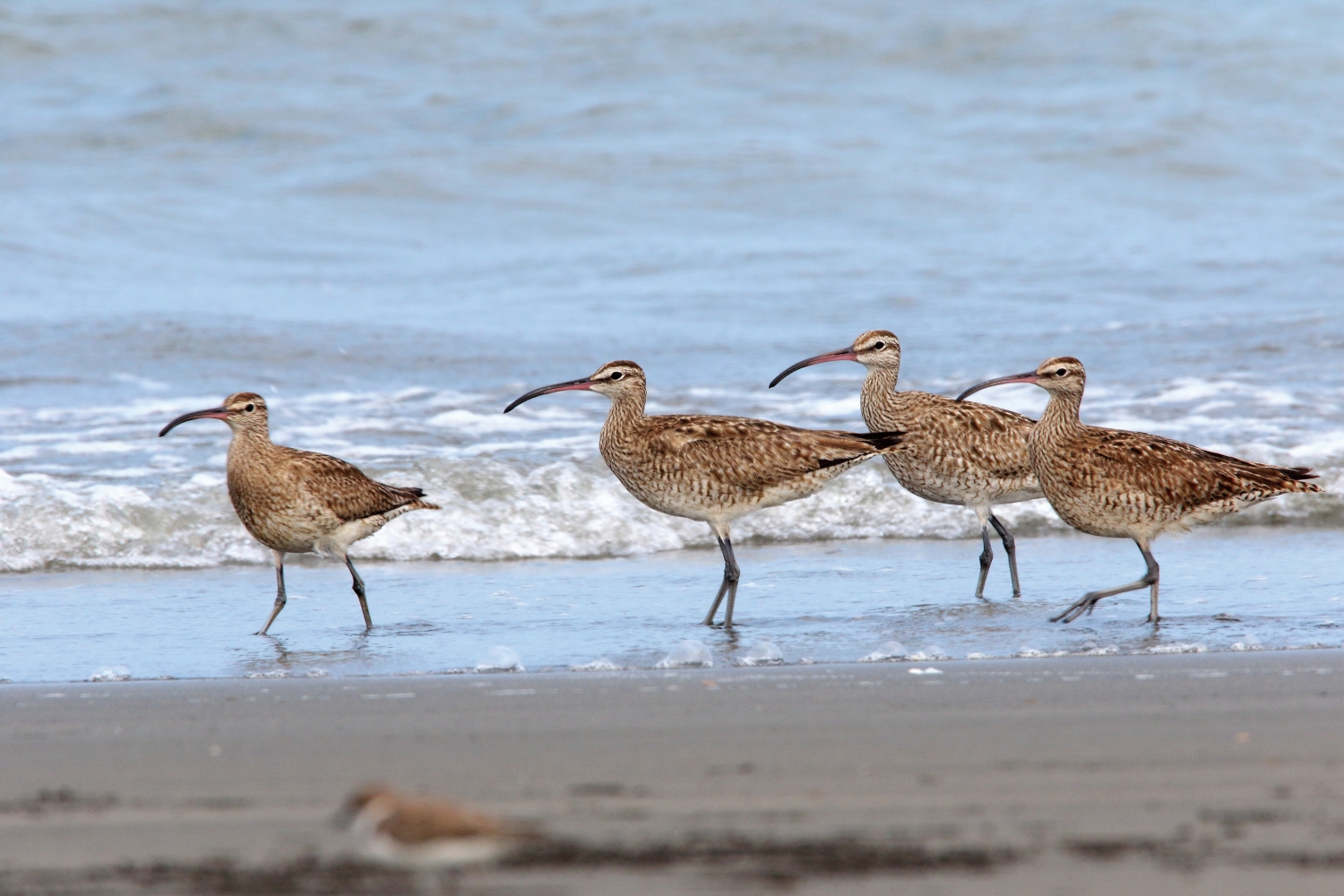
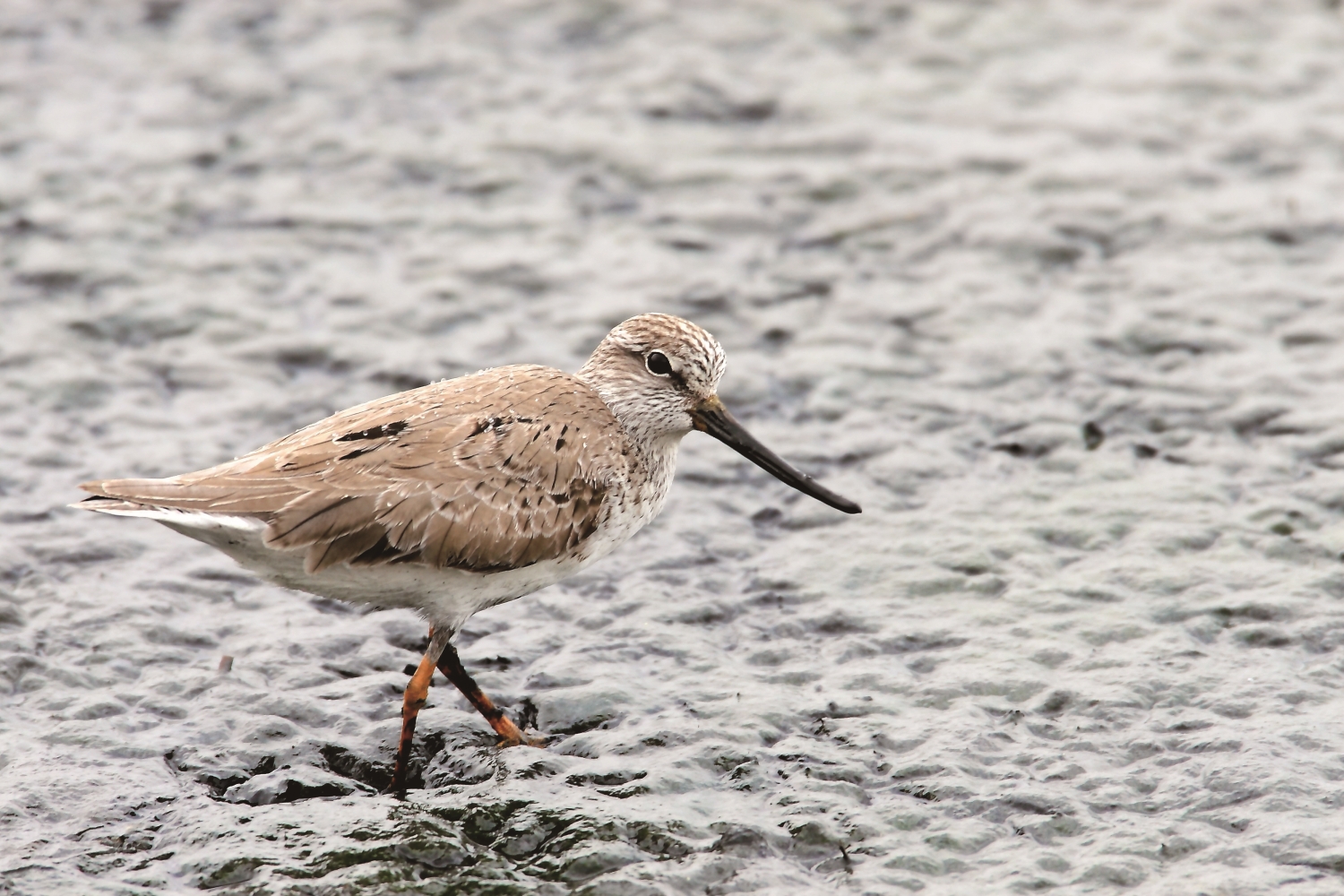
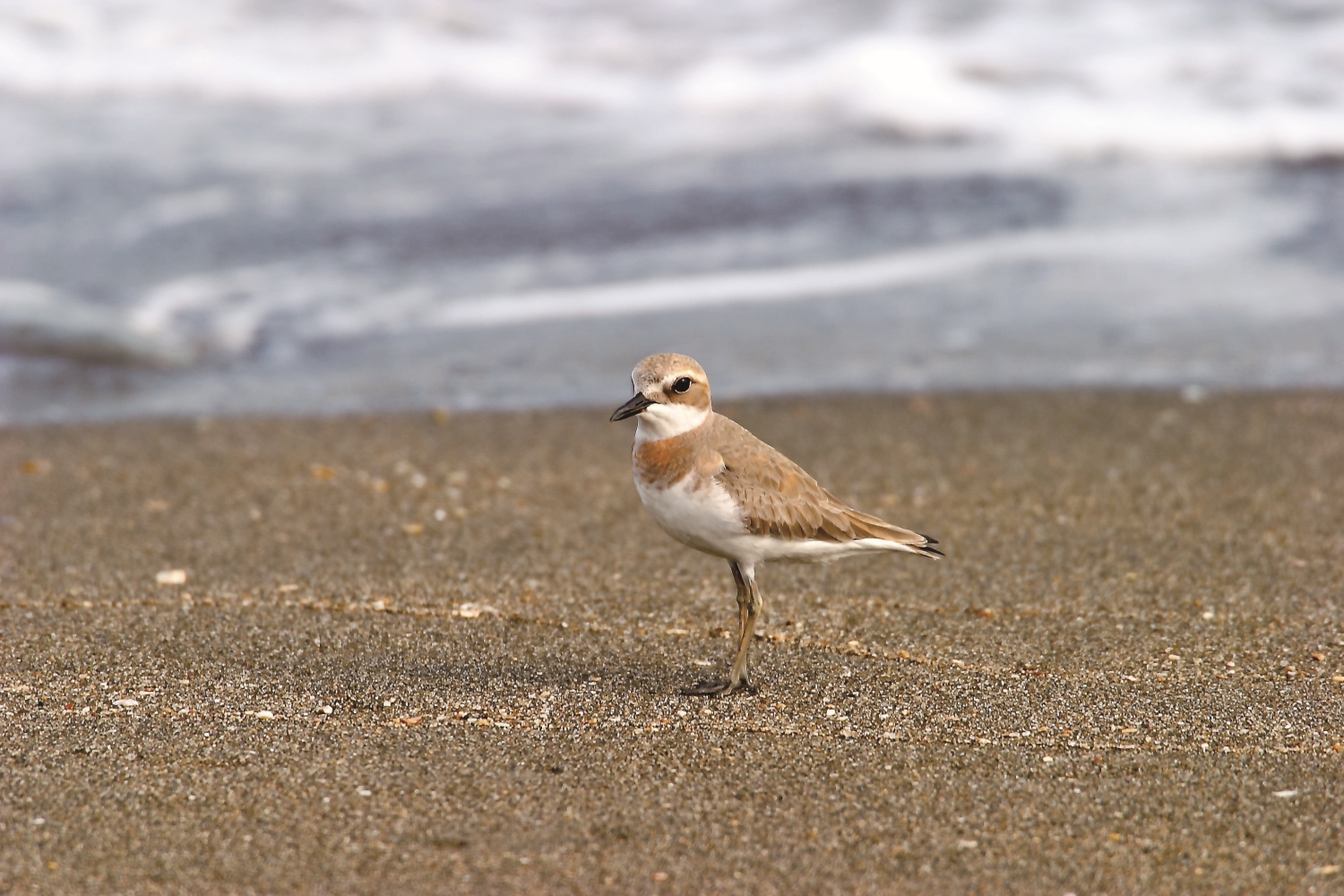
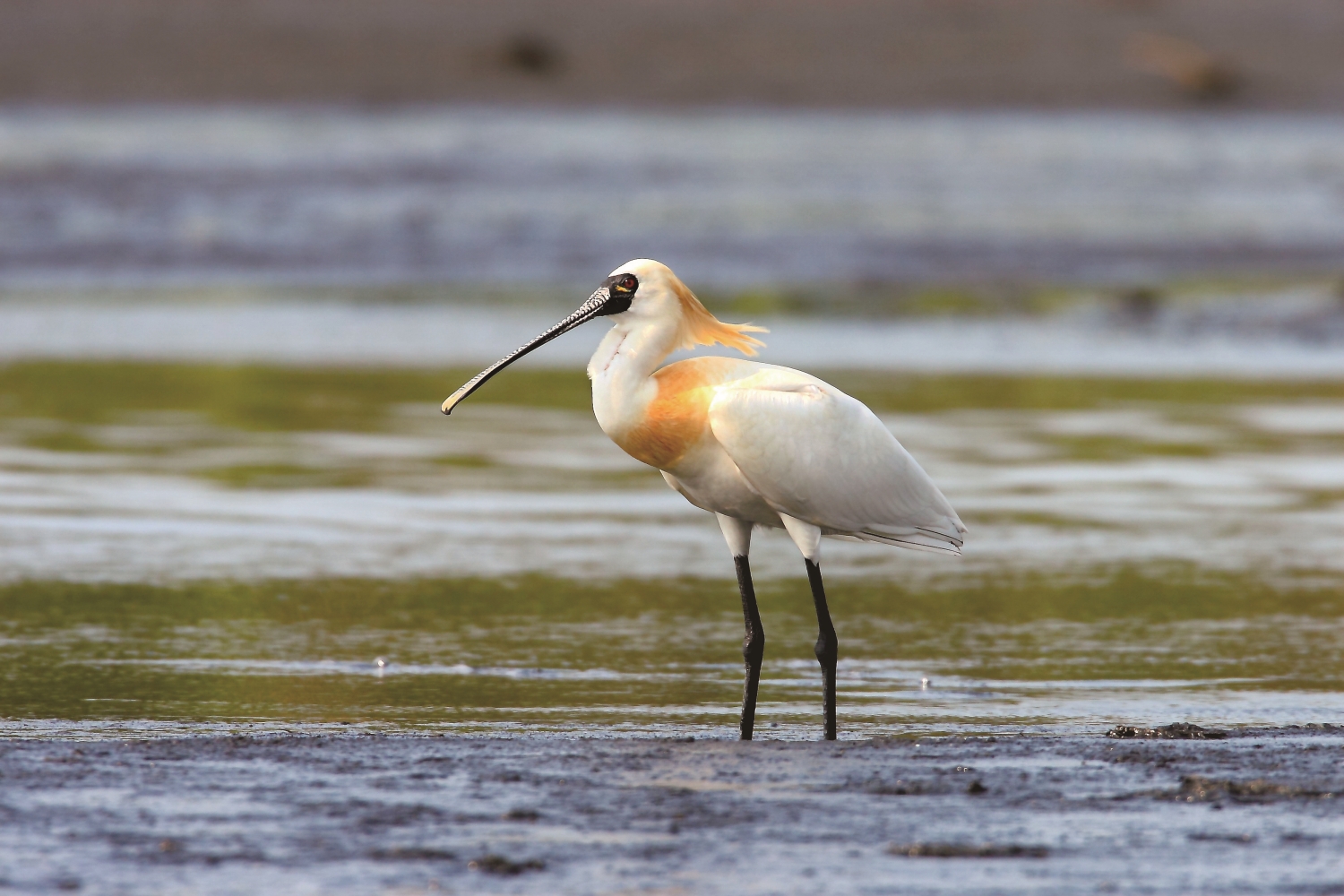
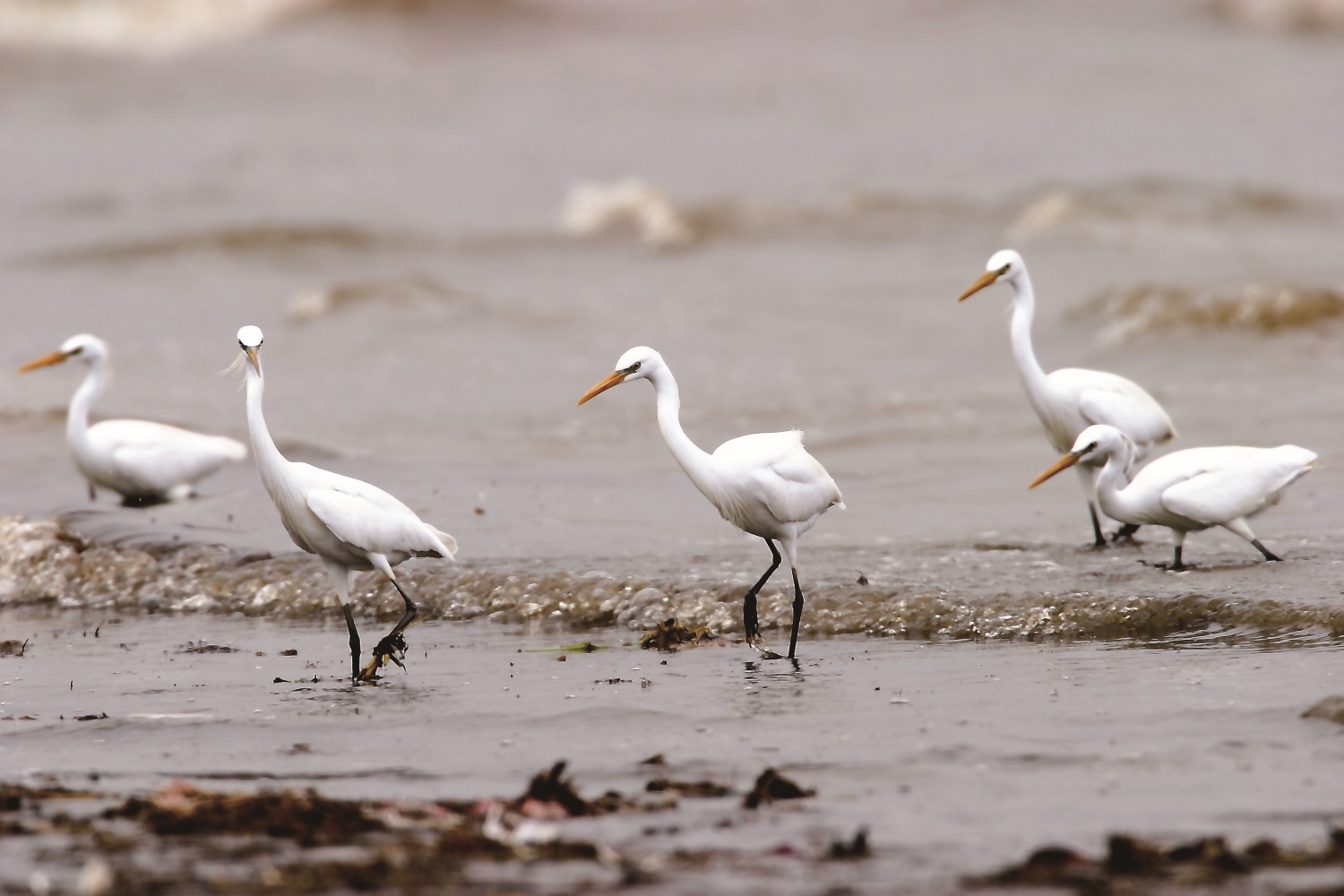
were foraging on the beach
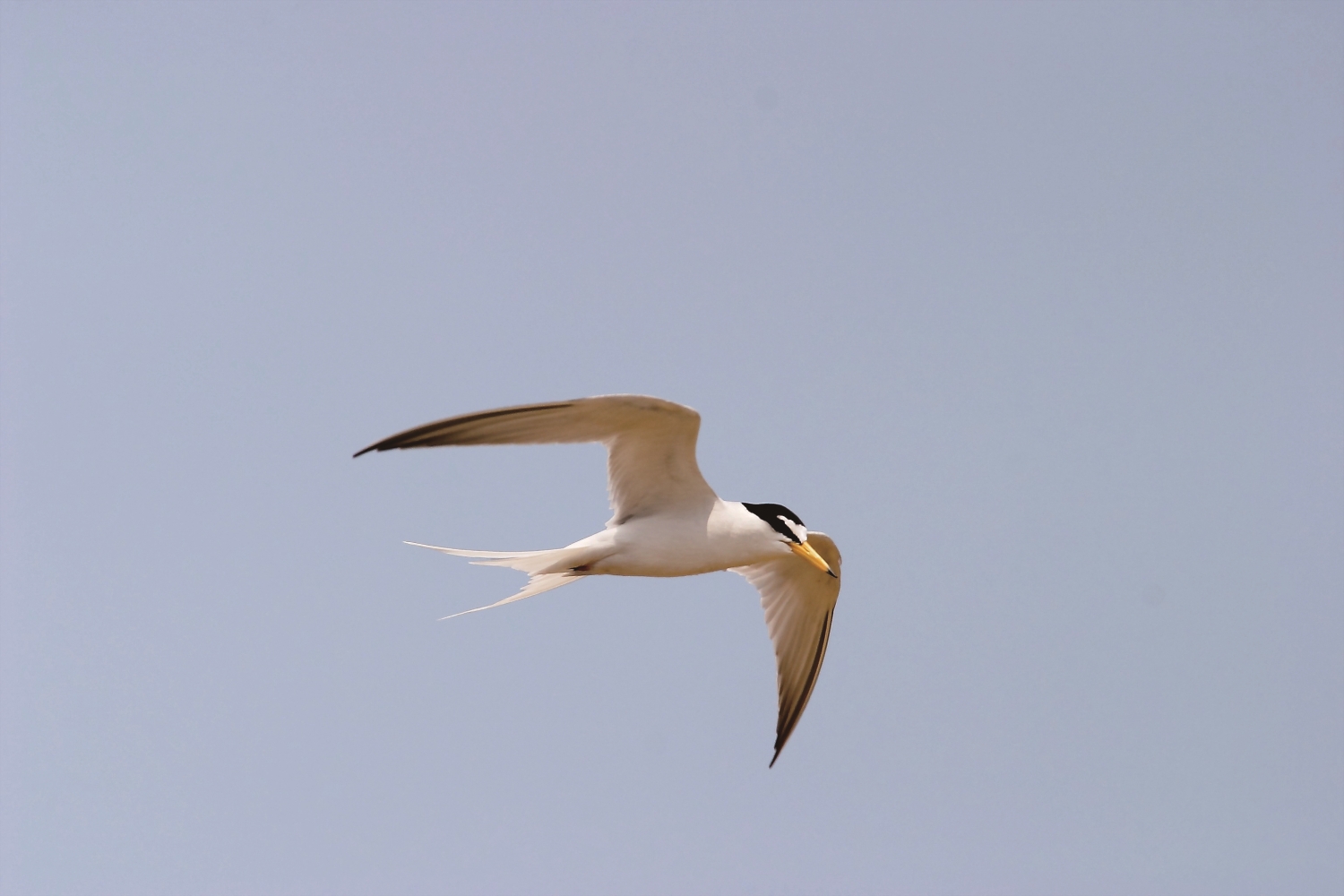
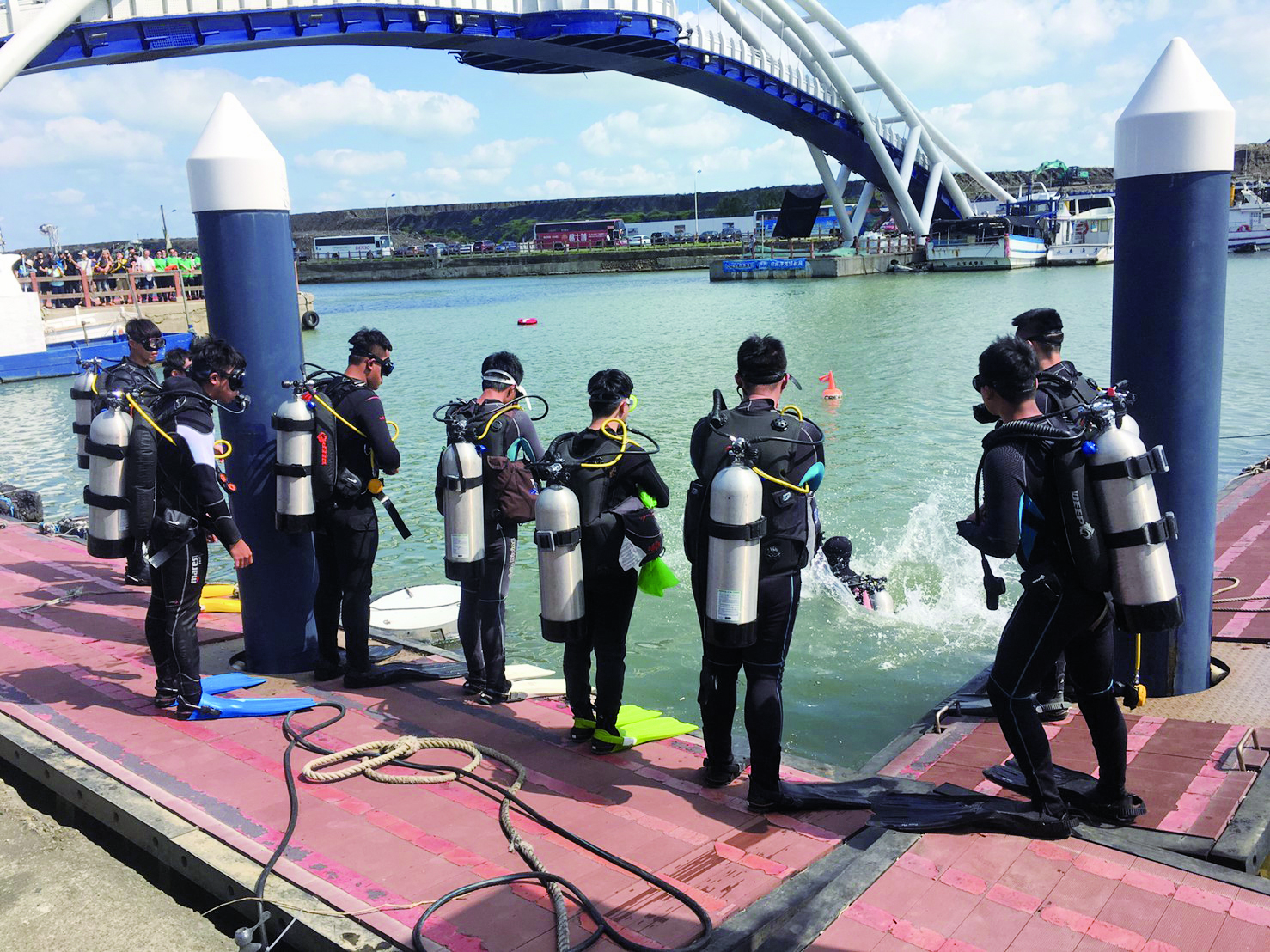
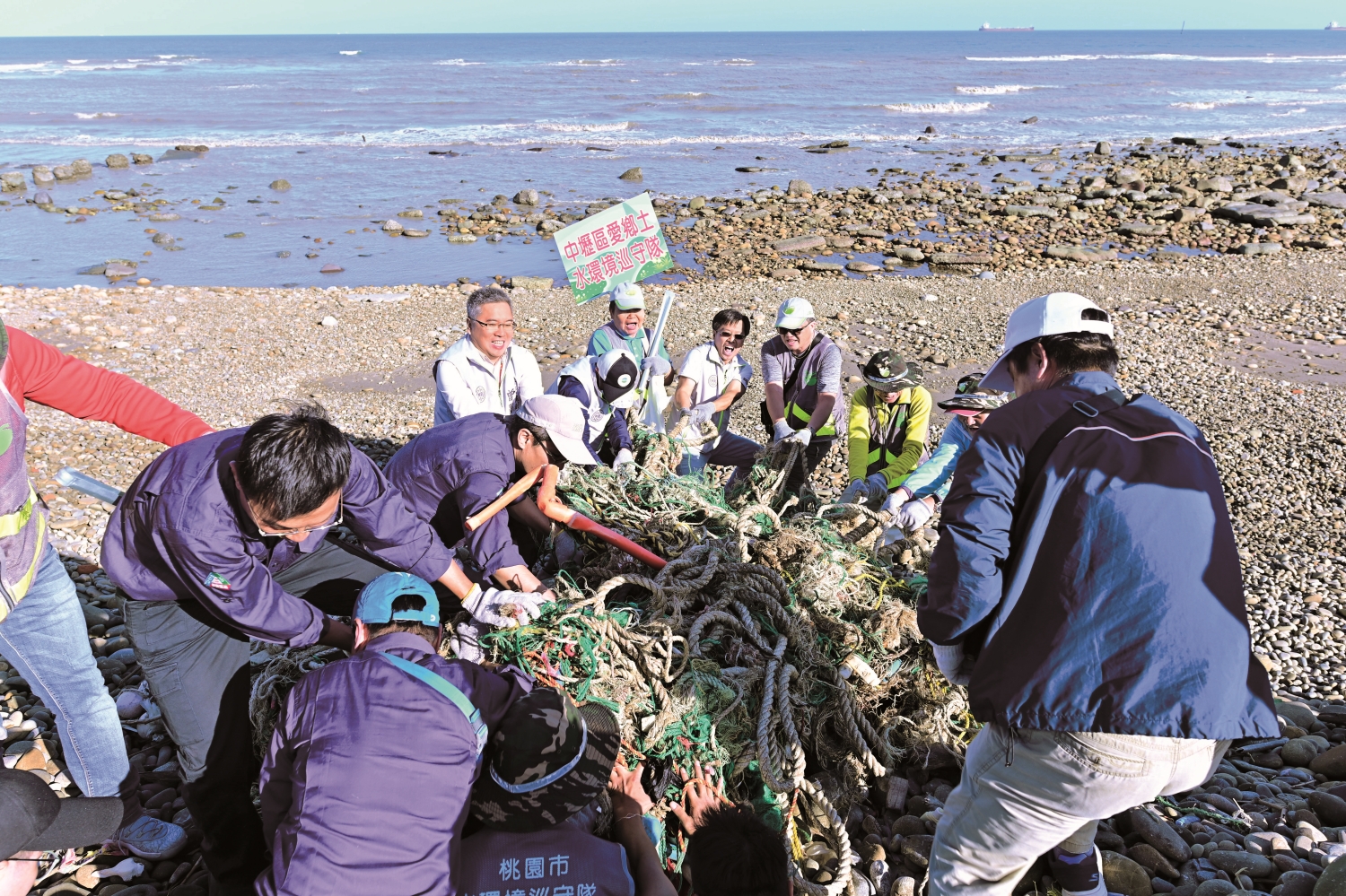
in the sea cleanup. / provided by Taoyuan City
Government Office of Coastal Administration Construction
Technology + Volunteer Jointly prevent the pollution crisis
"Garbage and river pollution" are the biggest challenges wetlands are facing. Director Li-Chang Lin analyzed the sources of beached marine debris and found that they are mostly debris washed up from rivers and sea and abandoned items by tourists. To solve this garbage problem, the Office of Coastal Administration Construction has begun planning to install debris interceptors at the upstream of Pushin River, Xinjie River, and Laojie River; a coast patrol team was also set up, a total of 457 volunteers in 15 teams, picking up garbage at least once a week in their responsible area, and on weekdays educate and advise tourists not to litter. For the garbage under the sea, 127 volunteers from the Environmental Diving Team would assist in the cleanup.
“Of the seafloor marine debris and floating marine debris, discarded fishing gears accounts for a large proportion, so we especially work with the Fisherman’s Association, giving out rewards to purchase discarded fishing gears (fishnets, floats) for reuse. Also, an ‘Environmental Protection Fleet’ composed of local fishing vessels has been organized to encourage fishing vessels to take the initiative to assist in clearing and transporting floating marine debris if they find any. Currently, 92 fishing vessels have joined.” The name “Environmental Protection Fleet” not only sounds good but also represents a sense of mission to protect the hometown sea region. The Office of Coastal Administration Construction even went further and signed a memorandum of cooperation with the Oriental Green Materials Limited Company to recycle and reuse the PET bottles collected from the beach, “Every 5 PET bottle can make a green-design garment, and then been given back to our hard-working volunteers!”
Taoyuan City Government Office of Coastal Administration Construction
The water quality of the river directly affects the health of wetland’s ecology, “While wetland can self-purify, it will trigger a domino effect once it exceeds its carrying capacity. Therefore, we planned to set up a real-time monitoring system for the water quality under the bridges across the streams along the Provincial Highway No. 61 to know better the concentration of various pollution sources and the basic flow of rivers to understand the total pollution volume.” The monitoring system is fully automated and connected to the "Coastal Environment Monitoring Center", and can receive messages synchronously through the mobile phone APP. Once there is any abnormal activity, an immediate warning will be issued. Director Lin also emphasized the importance of long-term data accumulation for coastal and wetland management. Through the GIS system, water quality data, ecological resources, species distribution, etc., spatial information analysis can be used to feedback to the actual environmental management aspect in the future.
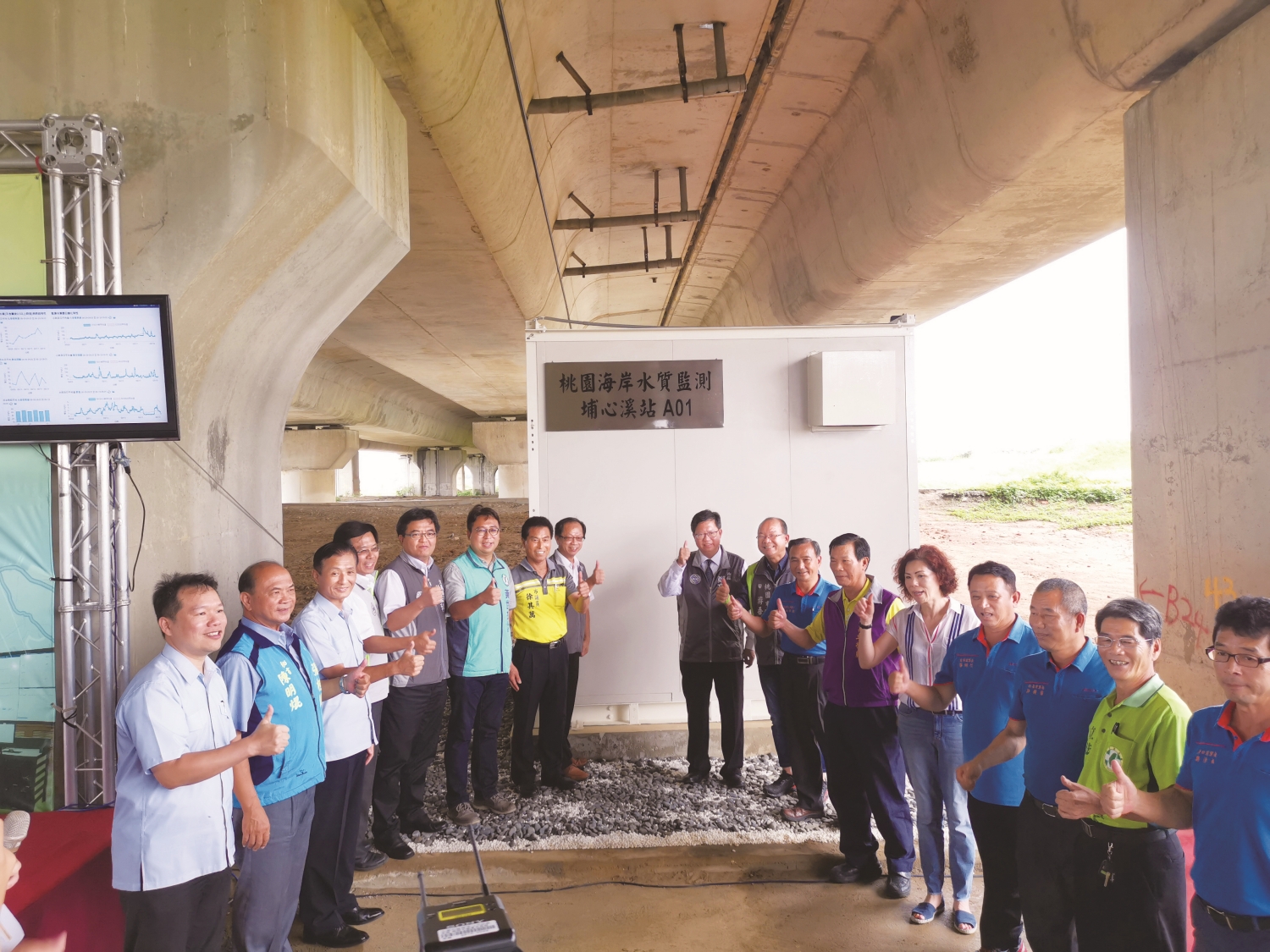
of the Pusin River has been completed and the project
will continue to be carried out to 11 rivers in Taoyuan City.
/ provided by Taoyuan City Government Office of
Coastal Administration Construction
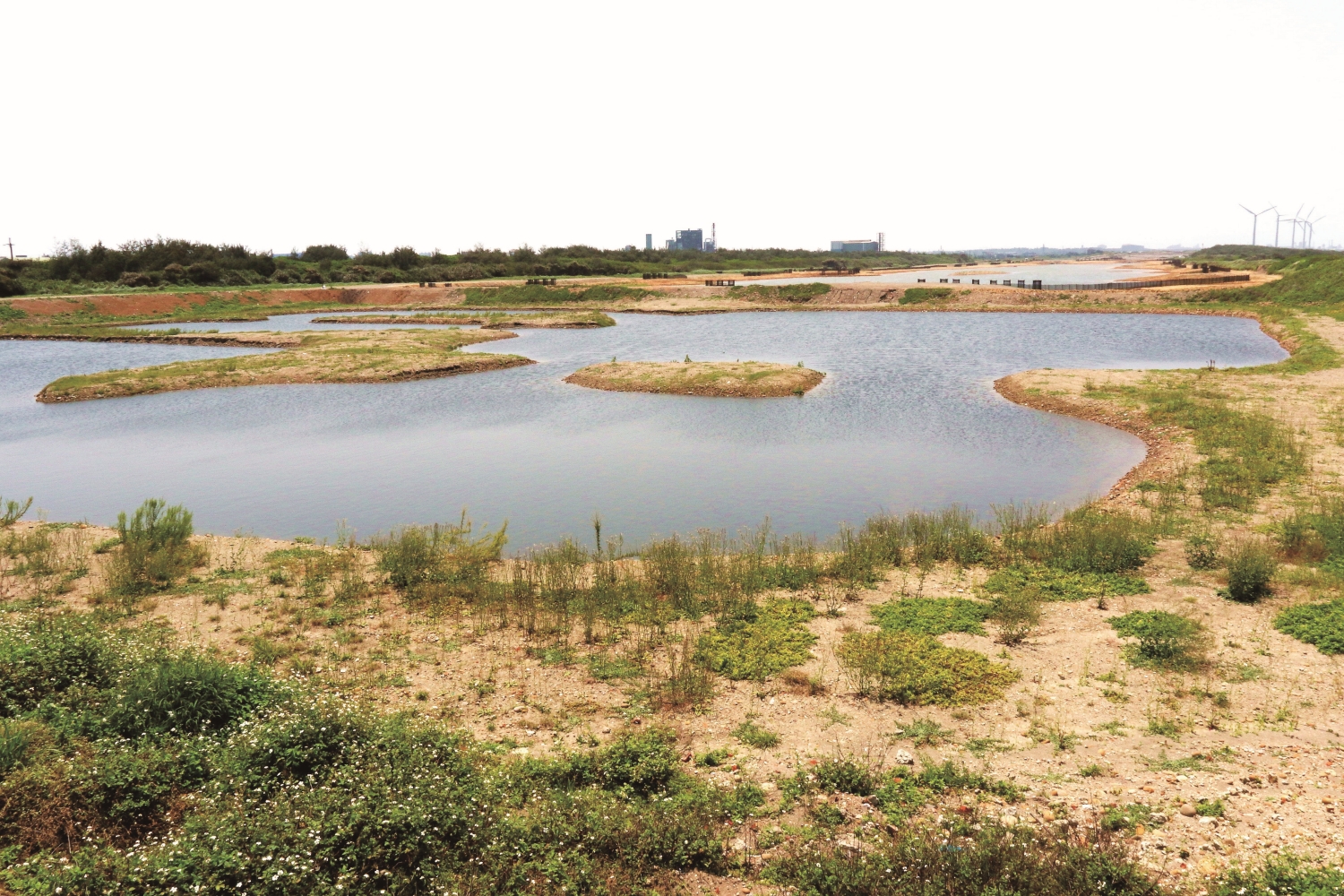
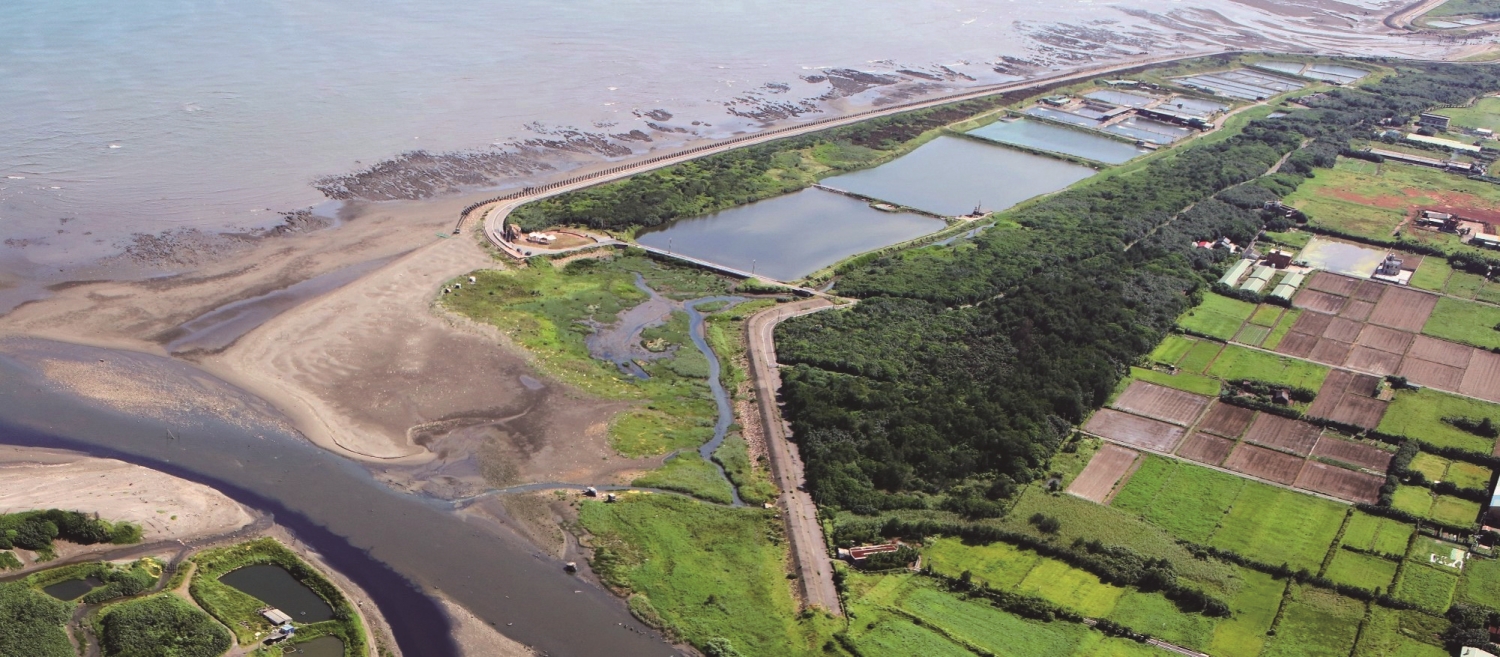
and Laojie River after first phase of rehabilitation
construction project (photo in 2020). / photo by Dr. Mu-Kuan Tsai
“The wetland area proposed by us and other NGO groups in 2009 included inland habitats such as paddy fields between Provincial Highway No. 61 and Provincial Highway No. 15, but the scope of the final announcement only included the public land area west of Provincial Highway No. 61”, Yu-Chou Wu and Mu-Kuan Tsai stated. After all, local people had great doubts about the delineation of important wetlands, and they worried that the use of private lands would be strictly controlled, so they did not want to be included. The two of them can fully understand the difficulties of the public sector, but they also felt it was unfortunate. “The range of Xucuogang important wetland is very long and narrow, 60% is sea and only 40% is land. Habitat for water birds needs depth. They need to move inland when the tide is high or stay overnight.” Therefore, they are worried that the current habitat has already been cut by Provincial Highway No. 61. If the agricultural land continues to be under the pressure from land development, it may have a negative impact on the water bird’s ecology.
“For the soundness of the water bird’s ecology, we hope that the paddy field landscape can be maintained. But before communicating with the community, we have to make some achievement first so we can be more convincing when talking about collaboration.” Director Lin hopes that by developing exclusive industries and ecotourism, environmental ecology can be transformed into the actual income for the local residents, and the community will be willing to actively protect the environment and form a virtuous circle of sustainable management.
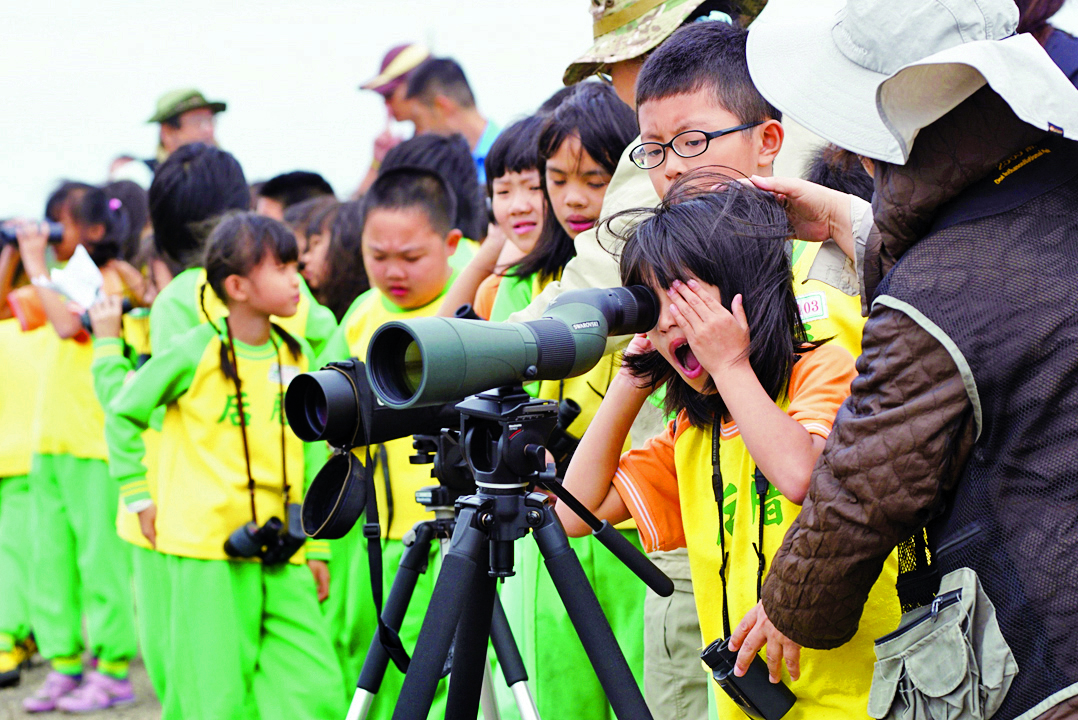
/ provided by Wild Bird Society of Taoyuan
“The government should play the role of a leader. We have already started community empowerment training. At present, 68 eco-interpreters have completed the ecological training courses held by the Office of Coastal Administration Construction. After the completion of the Xucuogang ecological restoration project at the beginning of this year, we also have actively assisted in the application for certifying environmental education facilities. In the future, I hope that we can gradually transform the traditional fishery model of environmental consumption into an ecological experience model, so that the community can be a driving force in promoting the environmentally sustainable management.” The Wild Bird Society of Taoyuan has also continued to invest in the cultivation of ecotourism and interpreters in Xucuogang through Taoyuan City Government’s award subsidy programs and its own raised funds.
The four elementary schools of Jentou, Houtsuo, Neihai, and Shalun are the closest schools to Xucuogang wetland and are undoubtedly the key for eco-concept to take root. Yu-Chou Wu recalled that during an ecological guided tour for the Houtsuo Elementary School, a little girl exclaimed, "What the heck!" when watching birds through a high-powered telescope, which startled everyone. She said excitedly that she never knew there were so many kinds of birds inhabiting her hometown, and that the black clouds of birds turned out to be so cute. This also tells us how important and urgent it is for the next generation to understand their living environment. Therefore, with the support of the Taoyuan City Government, the Xucuogang Wetland Ecological Classroom was established in the Neihai Elementary School of Dayuan, and the Wild Bird Society of Taoyuan was entrusted with its operation and management. It is to integrate the functions of environmental education courses such as training seed interpreters, promote coastal ecological surveys, and wetland bird watching activities without having to go far.
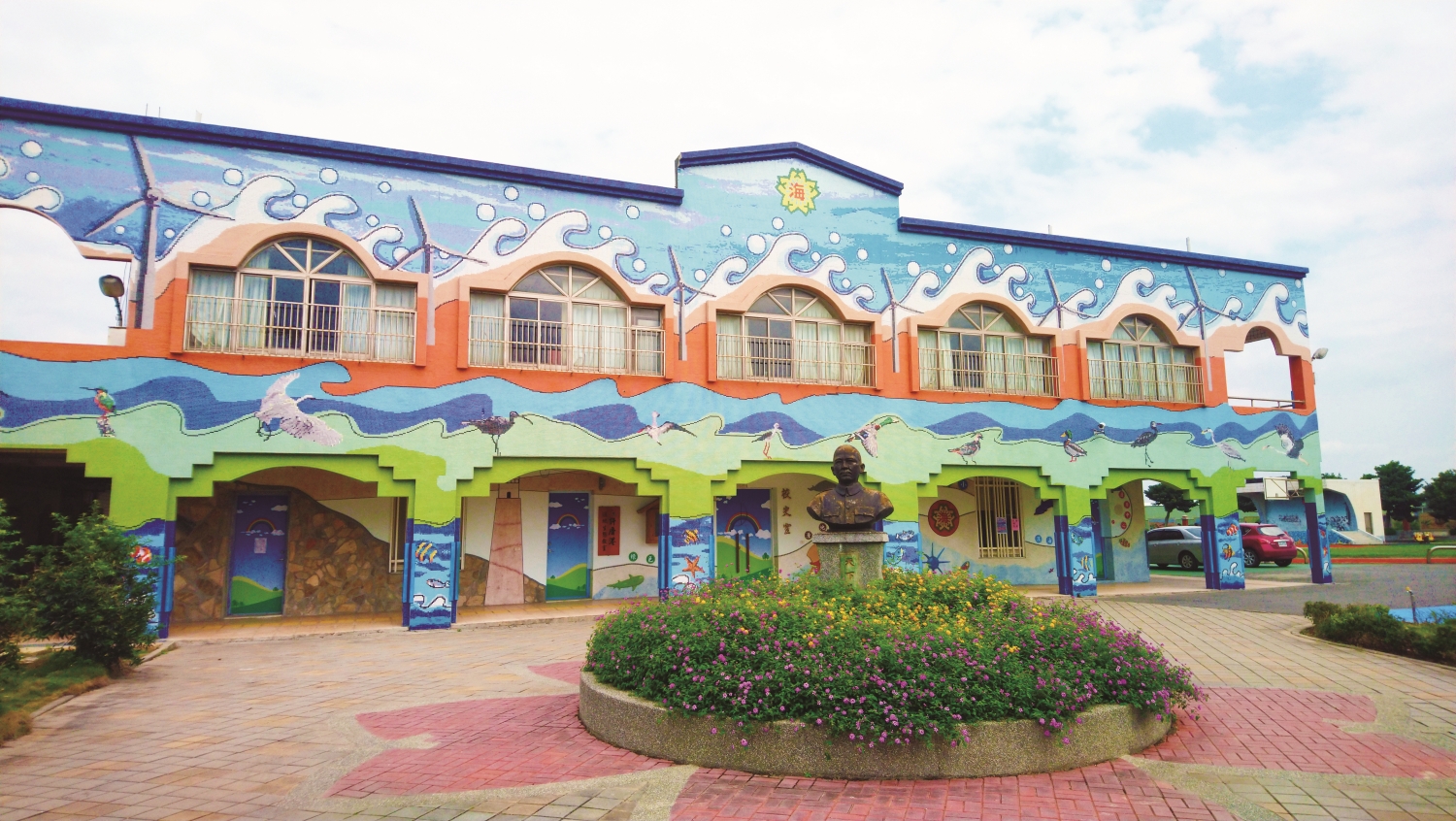
the Xucuogang Wetland Ecological Classroom was established
in the Neihai Elementary School / photo by Hui-Ying Lui
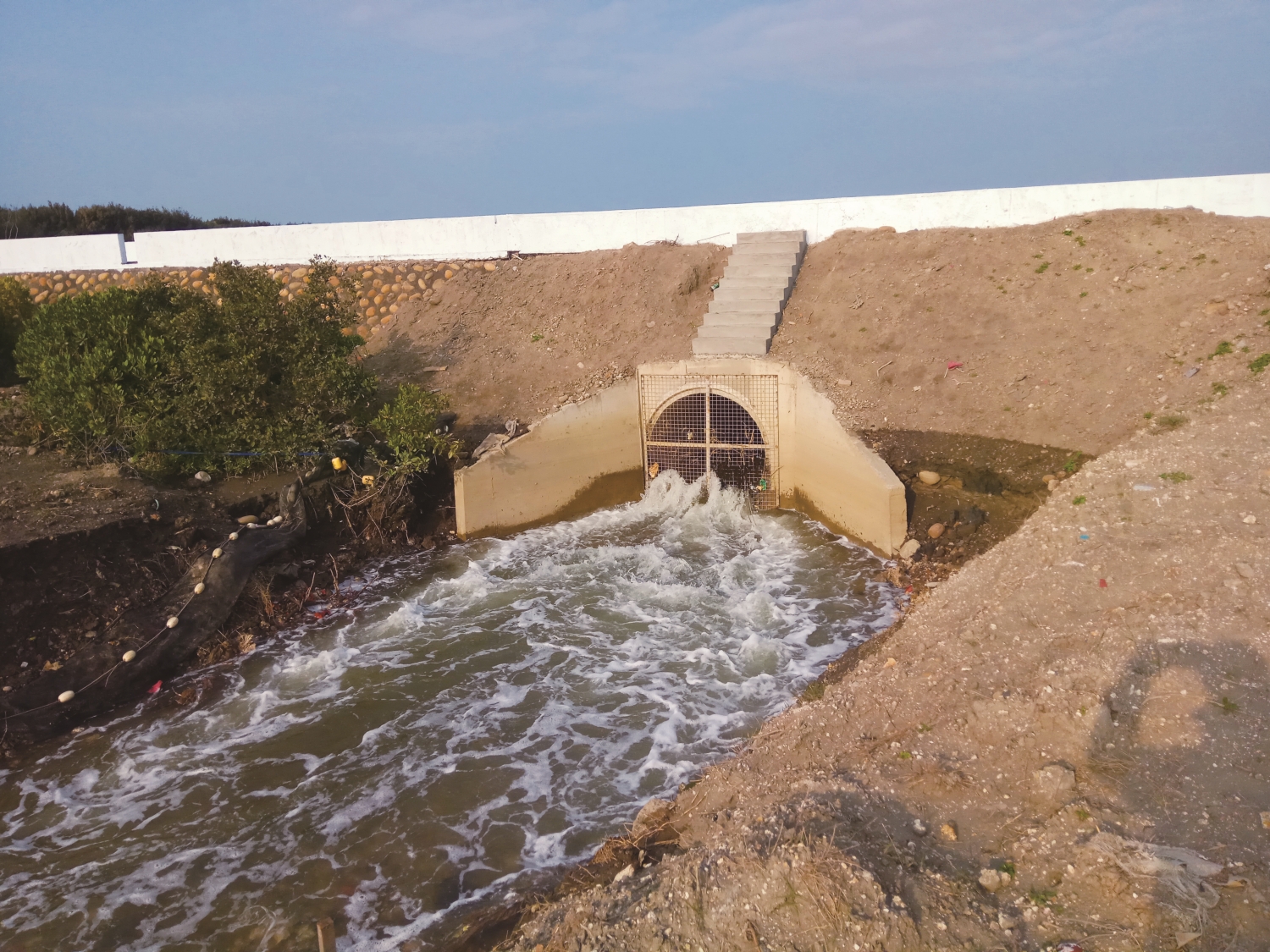
to prevent garbage into the wetland with the tide.
on the water bird habitat, ecological islands
have been set up in the wetland.
can naturally fluctuate with the tide without applying any power.
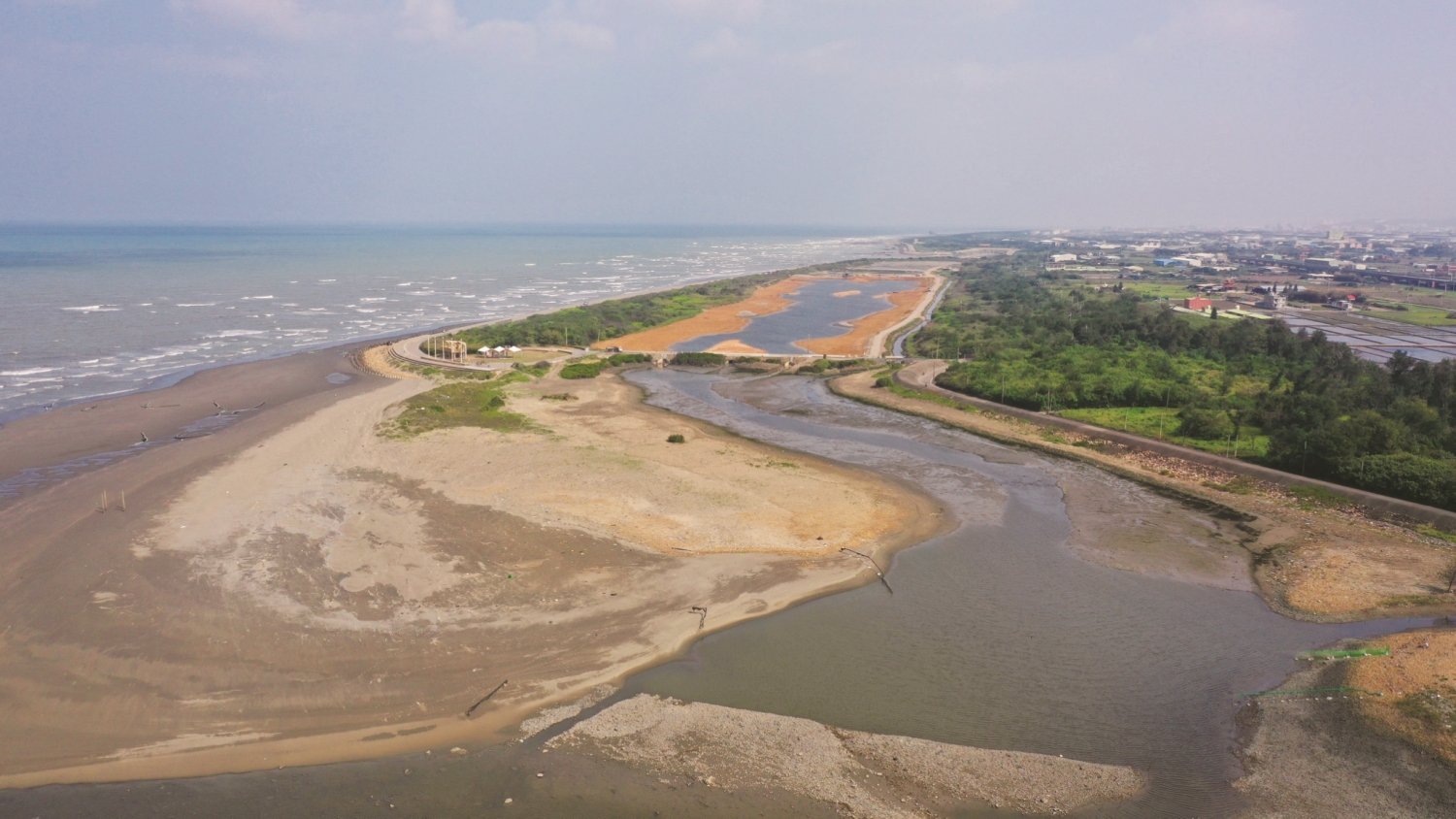
Especially the exposed gravel beach is an excellent
breeding ground for Little Terns.
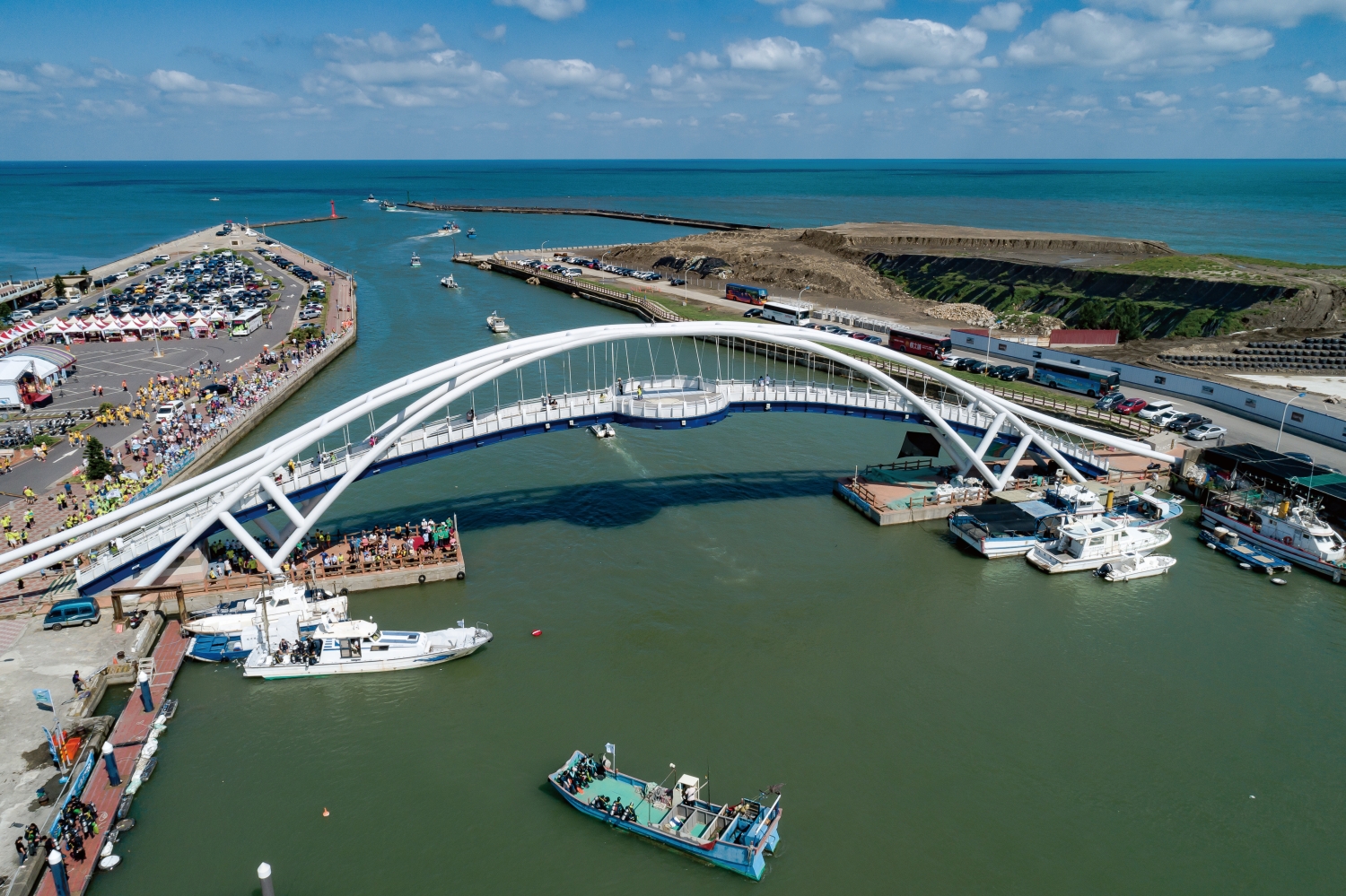
International Airport Access MRT System, and the north end
is Chu-Wei Fishing Harbo. / provided by Taoyuan City
Government Office of Coastal Administration Construction
Connect the future of the eco-coastline
Every year from September to April is the peak season for winter migratory birds to pass through and winter. “After the habitat rehabilitation project at Laojie River estuary has completed, the diversity of sediments was restored, especially the exposed gravel beach is an excellent breeding ground for Little Terns (Sternula albifrons). This summer we will closely monitor the ecological condition of the habitat”, said Yu-Chou Wu. Wild Bird Society of Taoyuan even prepared a contingency plan and will patrol the habitat together with the community residents to avoid human activities interfering with the breeding of Little Terns and other birds. “We hope that people who come to Xucuogang will cooperate with the advisory and do not enter the beach area where birds breed.”
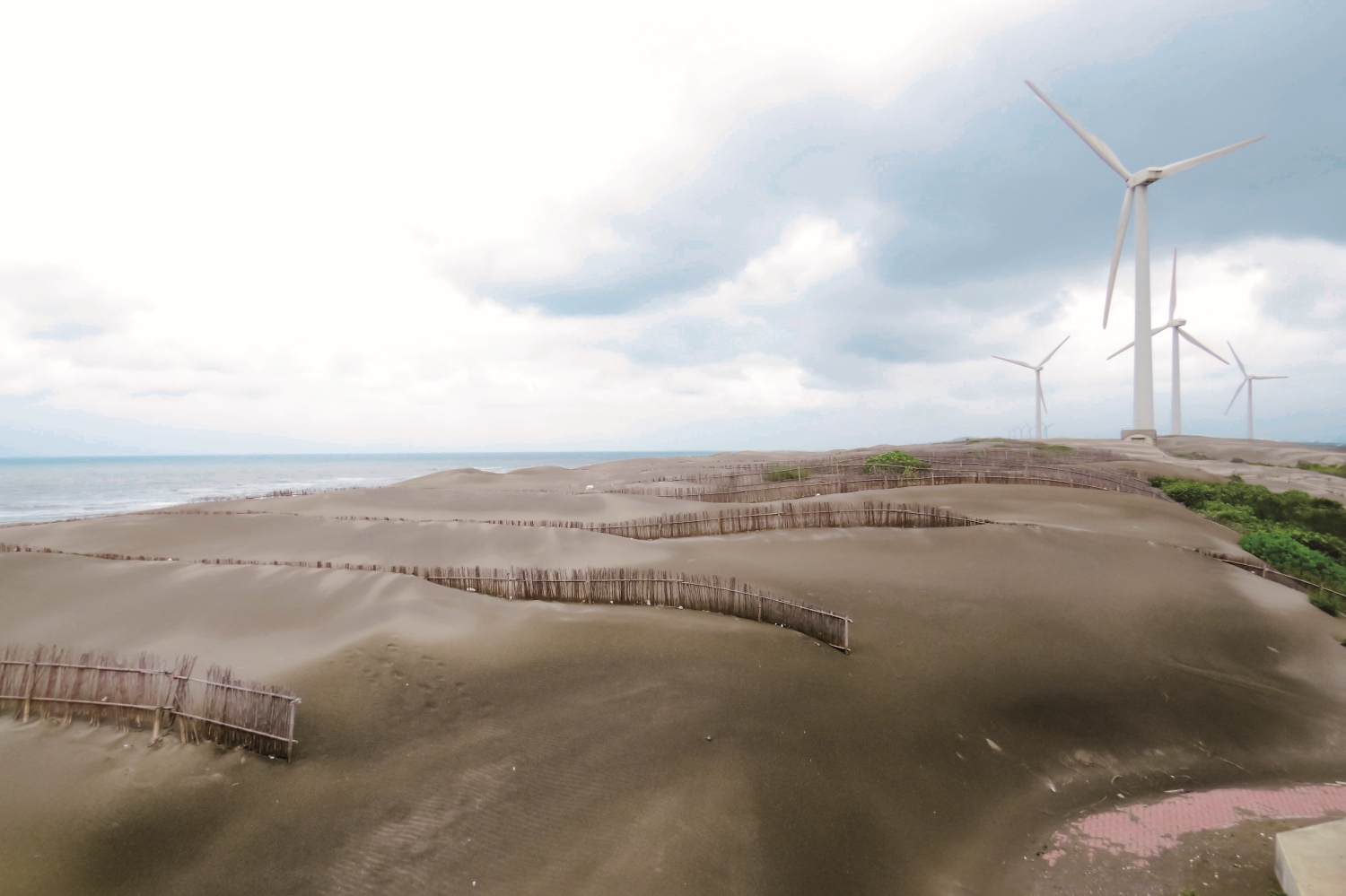
Across from the Laojie River and the Xucuogang ecological habitat restoration area is the famous "Caota Sand Dune ", which is the widest and most complete active sand dune along Taiwan's coastline, and is also a hot spot for watching the sunset. Under the driving of the northeast monsoon, beautiful sand grains are traced onto the dunes, no wonder it is called the "Taiwan version of the Sahara Desert". In May 2020, it will soon become the first geological park in Taoyuan City, ranging from Laojie river mouth to Daku river mouth, with a coastline of 8.1 kilometers and a total area of 284 hectares.
Great Crested Grebe (Podiceps cristatus) and Black-faced Spoonbill (Platalea minor) have come to visit, and 231 species of birds have been recorded. Xucuogang Wetland has returned to its glorious past. The footsteps of sustainable management still have to continue by using scientific analysis to accumulate background information on long-term management, adhere to the principle of co-prosperity with nature, and follow the bird-oriented strategy. After reading the story of the tripartite cooperation, I look forward to meeting the Water Bird Paradise.
Related conservation sites QR Code
Author profile︱Hui-Ying Lui
Chief Editor of National Park Quarterly. Love writing, reading, immersed herself in nature, and also like to listen to others sharing the feelings in daily life and travel.


