
My Heart Stays with Palakaw-Fata’an Important Wetland (National Level)
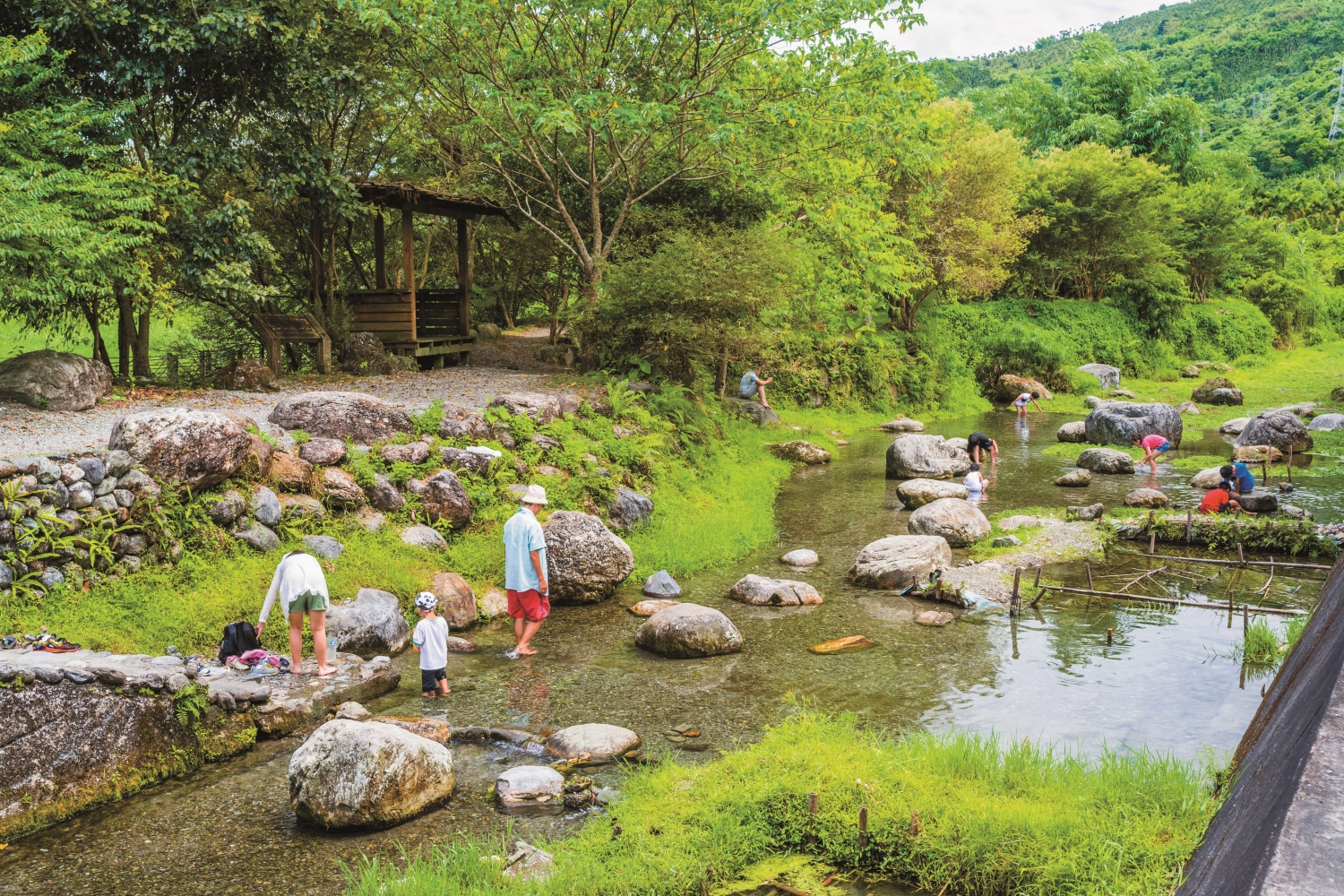
serves as an interpretation and experience media of Palakaw. /
Photo by Hsin-Hsien Chuang
My Heart Stays with Palakaw -Fata’an Important Wetland (National Level)
Interviewee / Yi-Chang Tsai Chairman of Fata’an Council and Head of Fata’an Culture and History Studio
Kuo-Cheng Yang, Xian-Feng Feng Owner of Tianxiang Siji
Chang-Hong Wu CEO of Huilanfeng Ecological Co., Ltd
Yong-Bin Wu The Society of Wilderness Hualien Branch
Article / Hui-Ying Lui
Maxi Mountain, standing 1,193 meters above sea level, rises from the fertile fields with its stalwart foothill faces the Coastal Mountain Range. The mist is blocked by the towering ridges and turns into rippling water, which slowly penetrates the gravel layer and flows under the ground; then it becomes a spring that trickles out, spilling and gathering into the beautiful winding Fudeng River, nourishing the rich wetlands between the two riverbeds of Matai’an River and South Cingshuei River, and becomes what the Amis Fata’an tribe depends on for survival. The unique Fata’an fishing culture bred from living springs confirms the inseparable relationship between ethnic culture and wetland. Culture is not just a static display that is laid aside and neglected in a museum, but the reality embodied in life. Only when the wetland ecology is sustainable can culture continue to live on.
National Parks X Taiwan Wetlands
Wetlands, where water and land meets, are important origins of life. The “Wetland Conservation Act” was passed by Legislative Yuan in 2013 and implemented on February 2, 2015. Starting from this year, the “National Park Quarterly” will include introductions to important wetlands in Taiwan, connecting mountains, wetlands, and ocean, in order to get a comprehensive view of the rich ecological and cultural landscape of our land.
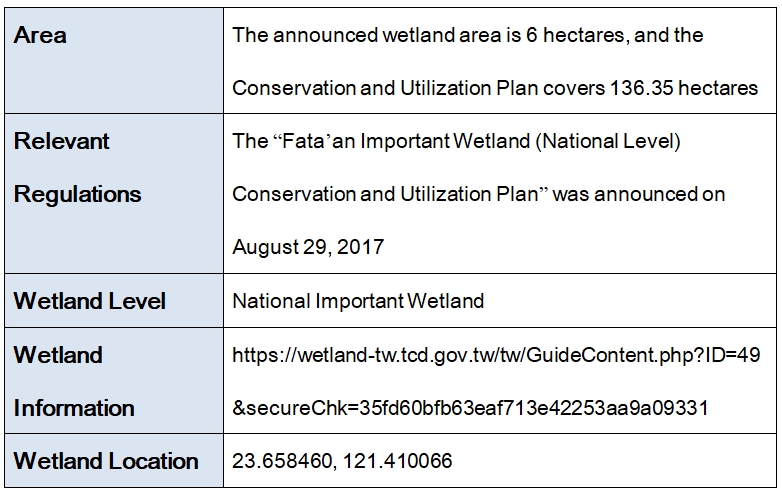
(Also known as the Matai’an Important Wetland)
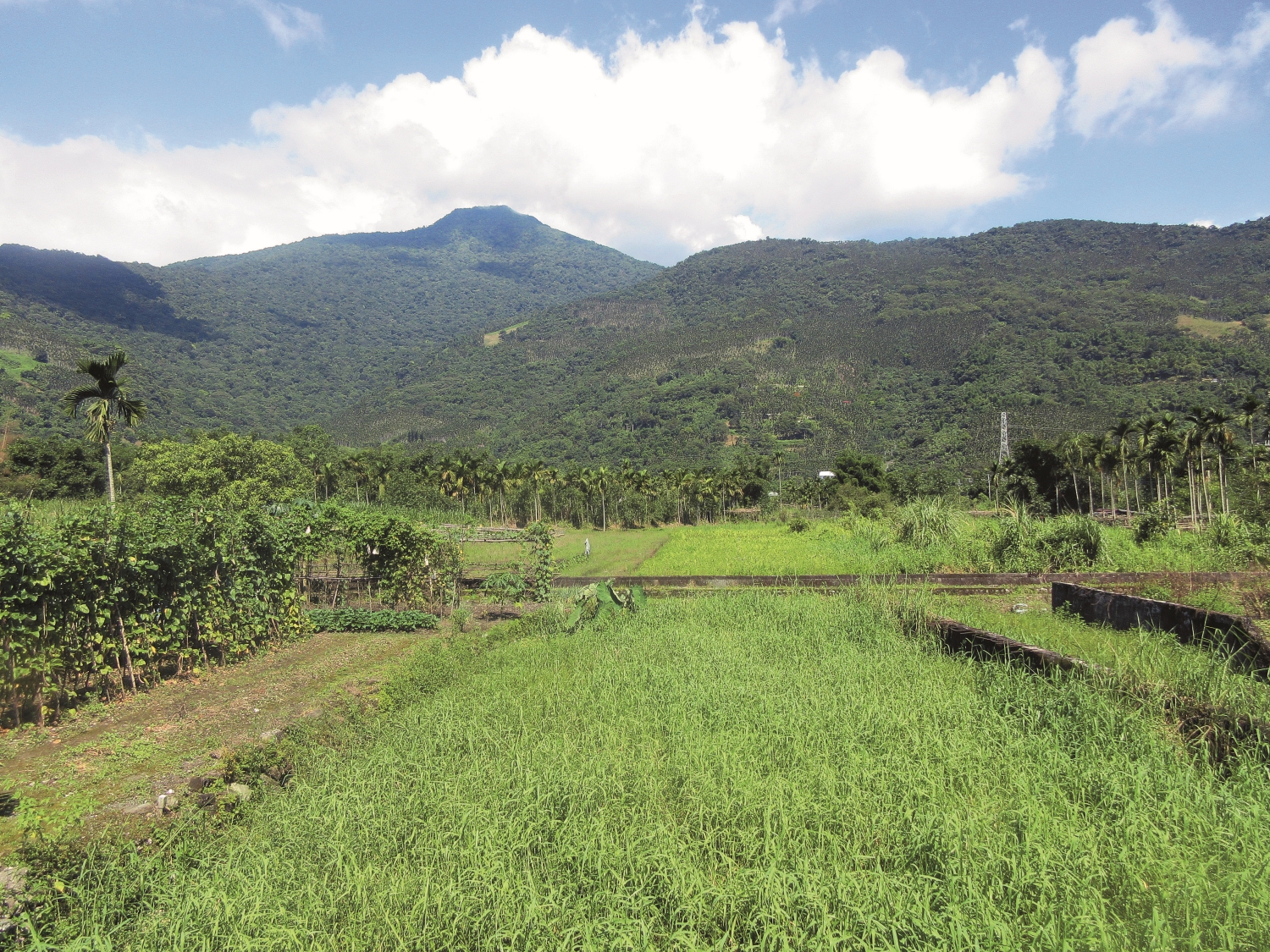
Provided by Huilanfeng Ecological Co., Ltd
The land of fertility and wisdom
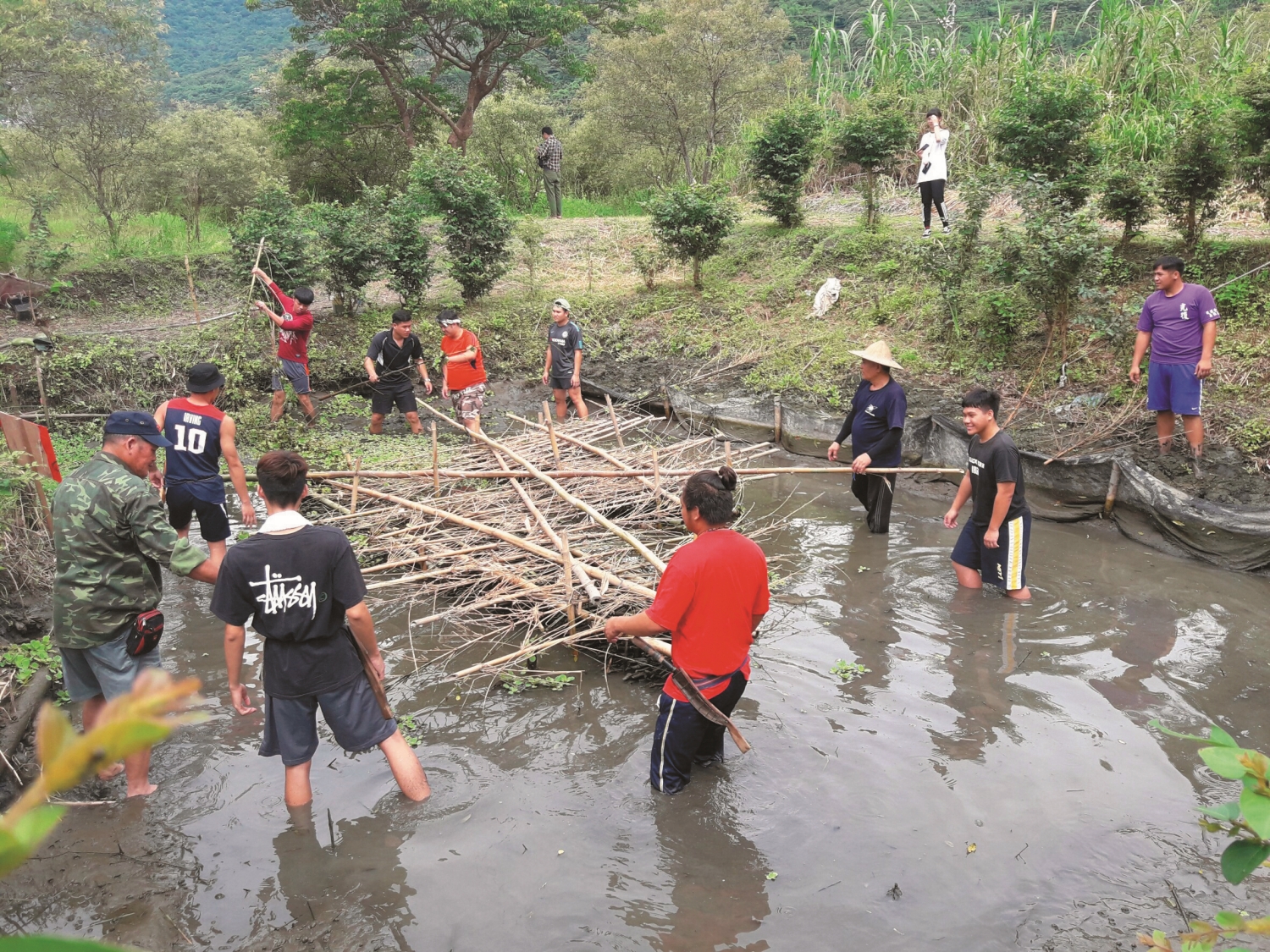
When the Amis ancestors first arrived at the foot of Maxi Mountain, they saw that the banks of the Matai’an River were covered with “Fata’ an”, which was the staple food of the Amis, so they named this fertile land after it. The Fata’an tribe developed the Palakaw traditional fishing method following the ecological environment on the wetlands in the southern part of their settlement, meaning they use Lakaw (fish house) to fish. “In the past, Lakaw stretched from Fudeng River all the way to Hualien River. The Lakaw we see now is probably less than half a person tall. Lakaw in the past would adapt to different water depths thus they have a more diverse structure than it is now.” The grand occasion Yi-Chang Tsai, Chairman of Fata’an Council, described has greatly reduced due to the water quality of Hualien River gotten worsen by the establishment of the Hualien Sugar Factory and other industrial plants, as well as the vigorous development of the swine industry later on. The scope of the tribe’s Palakaw gradually shrank to the upper reaches of the river, and the Matai’an Spring and Fudeng River area became the bases for guarding this traditional wisdom.
The setup of Lakaw makes good use of the Fata’an tribe’s knowledge of the stream and wetland ecology to simulate the relationship between the food chain and create a symbiosis hotel for aquatic creatures. Fish and shrimp can choose the floors which fit them the best to stay and breed, and people get what they need to live. “Amis is a matriarchal society. Men need good performances to win favor for themselves. Lakaw is built in the open water where everyone can see. Whether the structure is well set up and the management is well-organized all reflect a family's working style and the abilities of its members. This will be included in the evaluation when picking a son-in-law!”
“The bamboo tubes in the lower layer of Lakaw is where catfish, swamp eels, and giant mottled eels like to hide. In order to educate the children who are usually mischievous and troublesome, the elders of the tribe would first drive the fish in the bamboo tube away, making these children think it was their improper daily behavior that leads to nothing. After they work together to complete the services such as fetching spring water for everyone, the elders would lead them to harvest the bamboo tubes that they have selected in advance, and let them know that good behavior will have good returns!” In every vivid story Yi-Chang Tsai told all say that Palakaw is not only an ecologically sustainable fishing method but also a process of life education and character building of the tribe’s people.
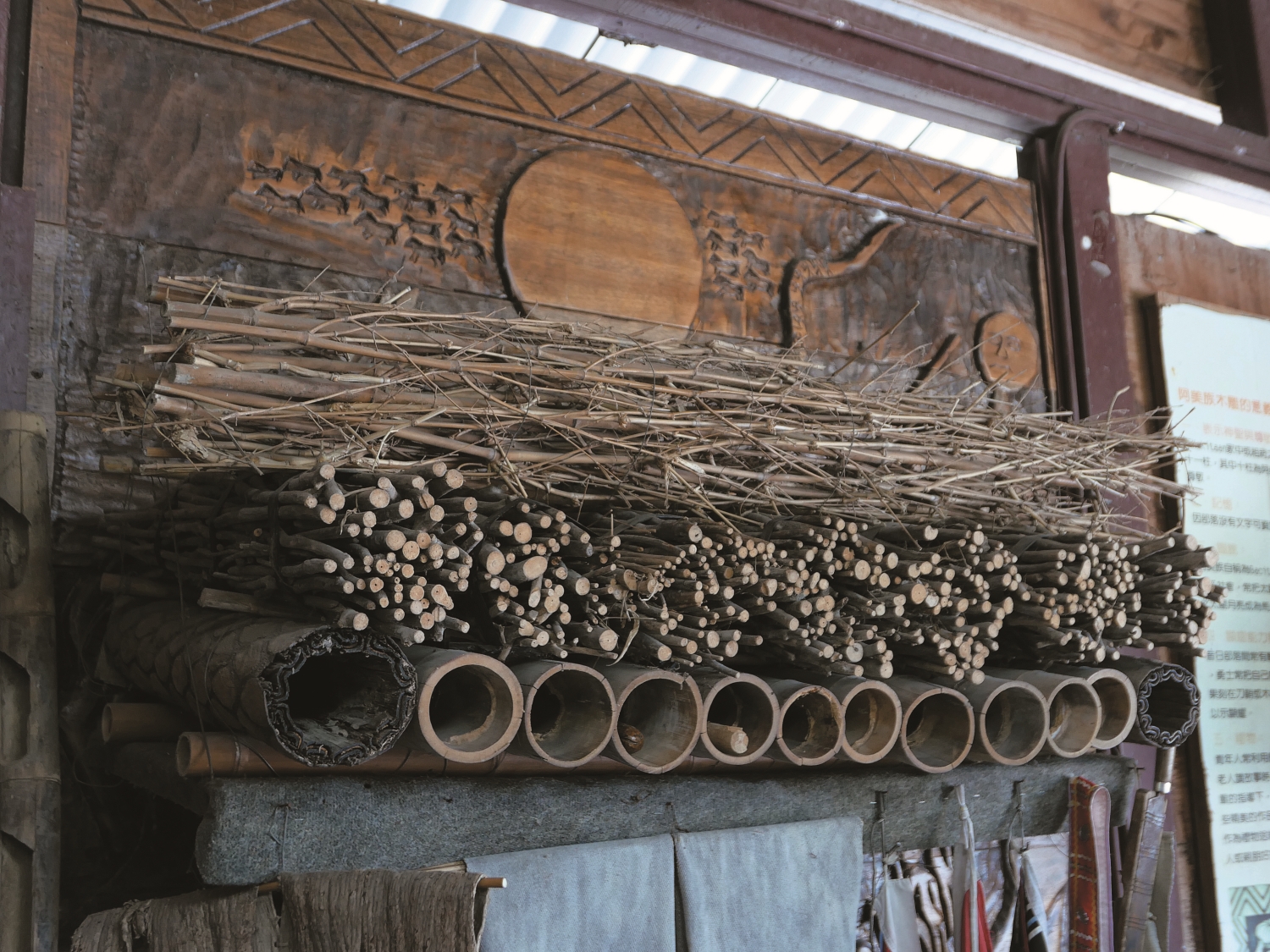
Structure of Lakaw
The upper layer mainly provides the aquatic plants to attach and grow, and can provide larger fish to hide freely. Generally, it is built by staggering thin bamboo branches.
The middle layer provides habitat for smaller fish and shrimps. Generally, the twigs of Subcostate Crape Myrtle which are rot resistant in water are bundled into bunches. Small fish and shrimps become the food source for other creatures in the Lakaw.
The lower layer is made of bigger bamboo tubes, which mainly provide habitat for benthic species such as catfish, swamp eels, and giant mottled eels. The entire Lakaw then is secured in the water with bamboo.
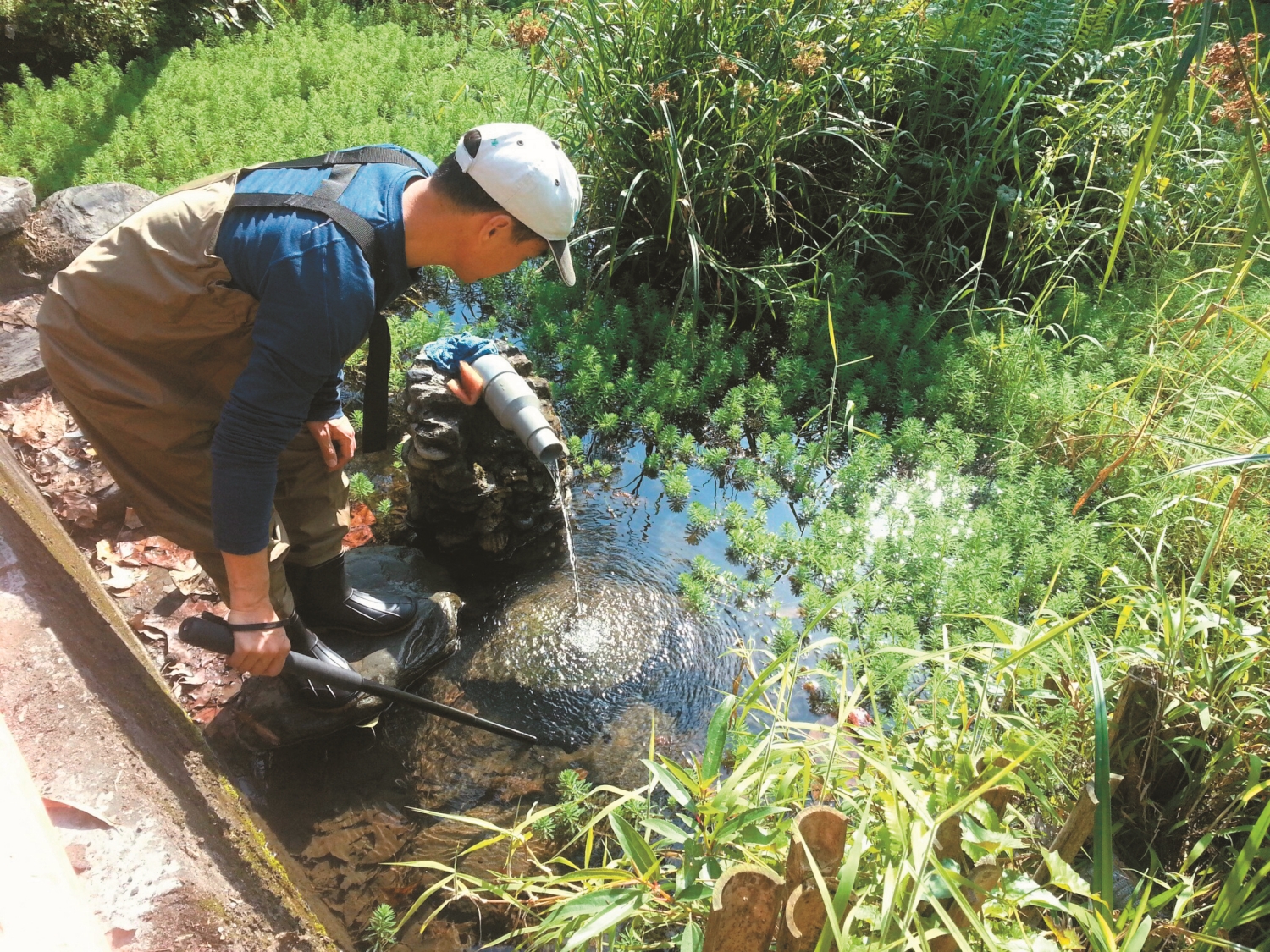
The foundation of “interpreting the tribe with ecology”
“Children's education” is also the initial motivation of Amis veterinarian Kuo- Cheng Yang and his wife Feng-Xian Feng to return to their hometown and devote themselves to wetland ecological conservation, and it has been over 20 years since they came back. Kuo-Cheng Yang used to serve in the Hualien County Government and was the first batch of personnel in the public sector to receive aquatic products industry-related training. This opportunity made him think about what is a good living environment for aquatic organisms. The answer is no other than "healthy and comprehensive water ecology". Therefore, the couple took their cameras and visited almost all the streams in Hualien, but they were shocked to realize that what people originally called the Pure Land in the East is also threatened by exotic species, cementation projects, and conventional farming methods. The water habitats were damaged to varying degrees. After exploring the habitats of native aquatic plants everywhere, they turned around and thought, “Why not look for them in our hometown (Fata’an)?” That was around 1991, and they no longer seek far and wide for what lies close at hand. Step by step, they began to build ecological data that belonged to their hometown.
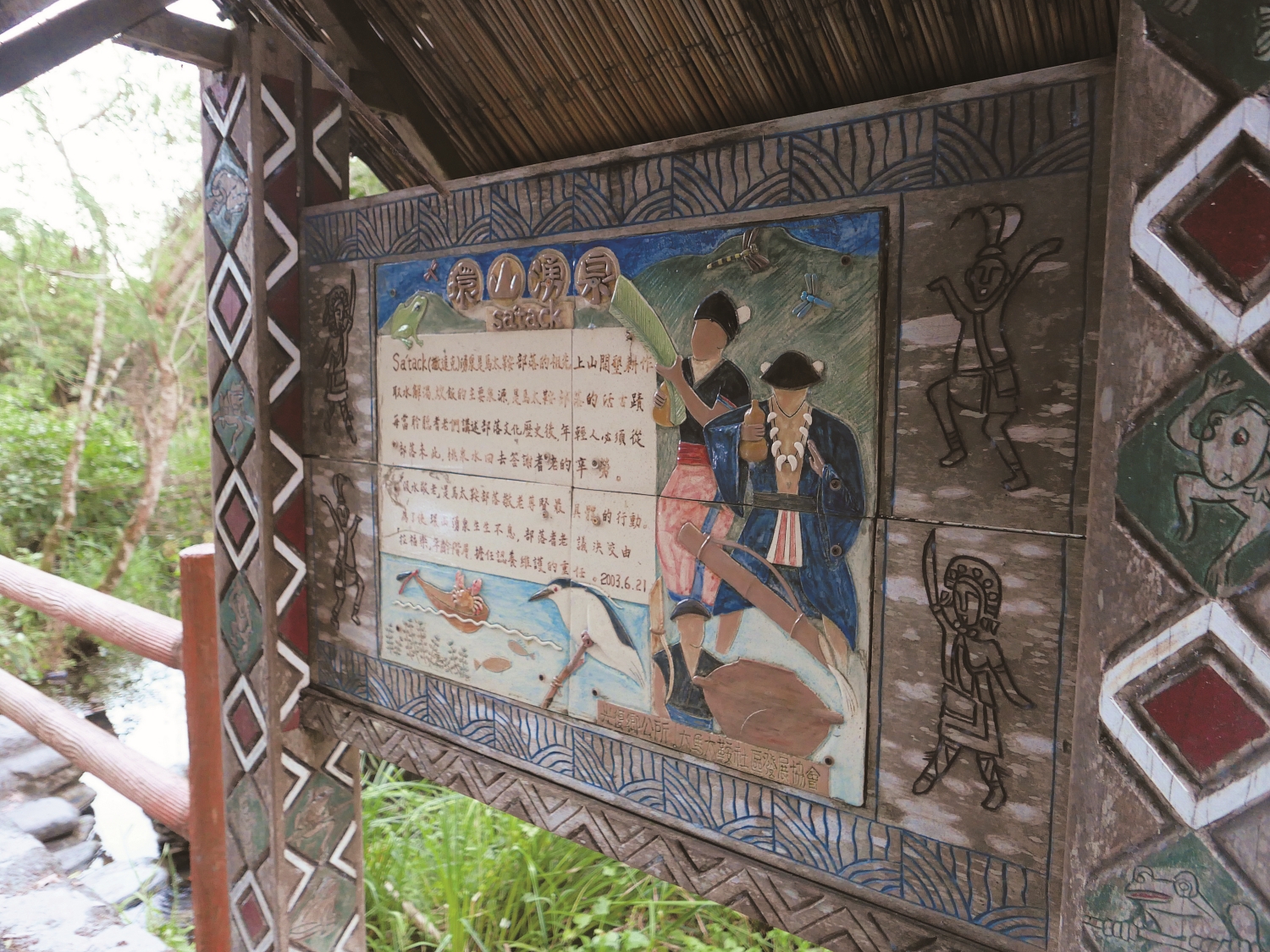
Feng-Xian Feng and co-produced by local artists. / Photo by Hui-Ying Lui
operate eco-tours and specialty restaurants. / Photo by Hui-Ying Lui
Feng-Xian Feng was an elementary school teacher at that time. What made the two of them feel particularly profound is that the content taught in school is so far away for students. All it talks about are the wonderful things about the outside world, but everything about their hometown is so unfamiliar. Through native education, several like-minded young teachers in the school compiled the data collected from field surveys into teaching plans, leading children to recognize, think about, and relish the place where they grew up. “Wow! Where is this beautiful place?!” The beauty of their hometown is definitely something to be proud of.
Fata’an published the very first ecological interpretation manual in 1997. At that time, Yi-Chang Tsai enlisted Yang and Feng's assistance to compile the book using the native teaching materials accumulated over the years, and at the same time started an important step toward wetland environmental education. Kuo-Cheng Yang has set Fudeng River as a “Natural and Cultural Ecological River Park” then, which is compatible with ecological conservation, Palakaw culture, and water-based recreation. He also laid the foundation for “interpreting the tribe with ecology”. Culture and environment are inseparable, Palakaw and even food culture are closely related to the wetland environment. In 2001, the “Fata’an Ecological Guidebook” published by the Guangfeng District Farmers’ Association in Hualien County made the cooperation with Mei-Chu Liao of the Society of Wilderness happen. This book also made the name of Fata’an permanently equals with wetland ecology.
Both of them felt very fortunate that they got to participate in the compilation of these two ecological manuals so that the development of the Fata’an Wetland was set in the right direction. And their attitude of giving everything to contribute knowledge about their hometown and outlining the blueprint of the general environment, in fact, has also had a subtle influence on the tribe’s people over the years. What worries them is that the concept of the environment must be cultivated from an early age, but the schools in the Mata’an area have gone from the former native teaching to the current school-based curriculum. But now because of various realistic conditions, there has been a gap between the link to cultural and environmental education. Once thought about “retiring” from ecological conservation, they continue to work in what they jokingly called the enhanced Daluan (work shed) in cultivating the fields of ecological environment education, and bring the children back to the embrace of their hometown.
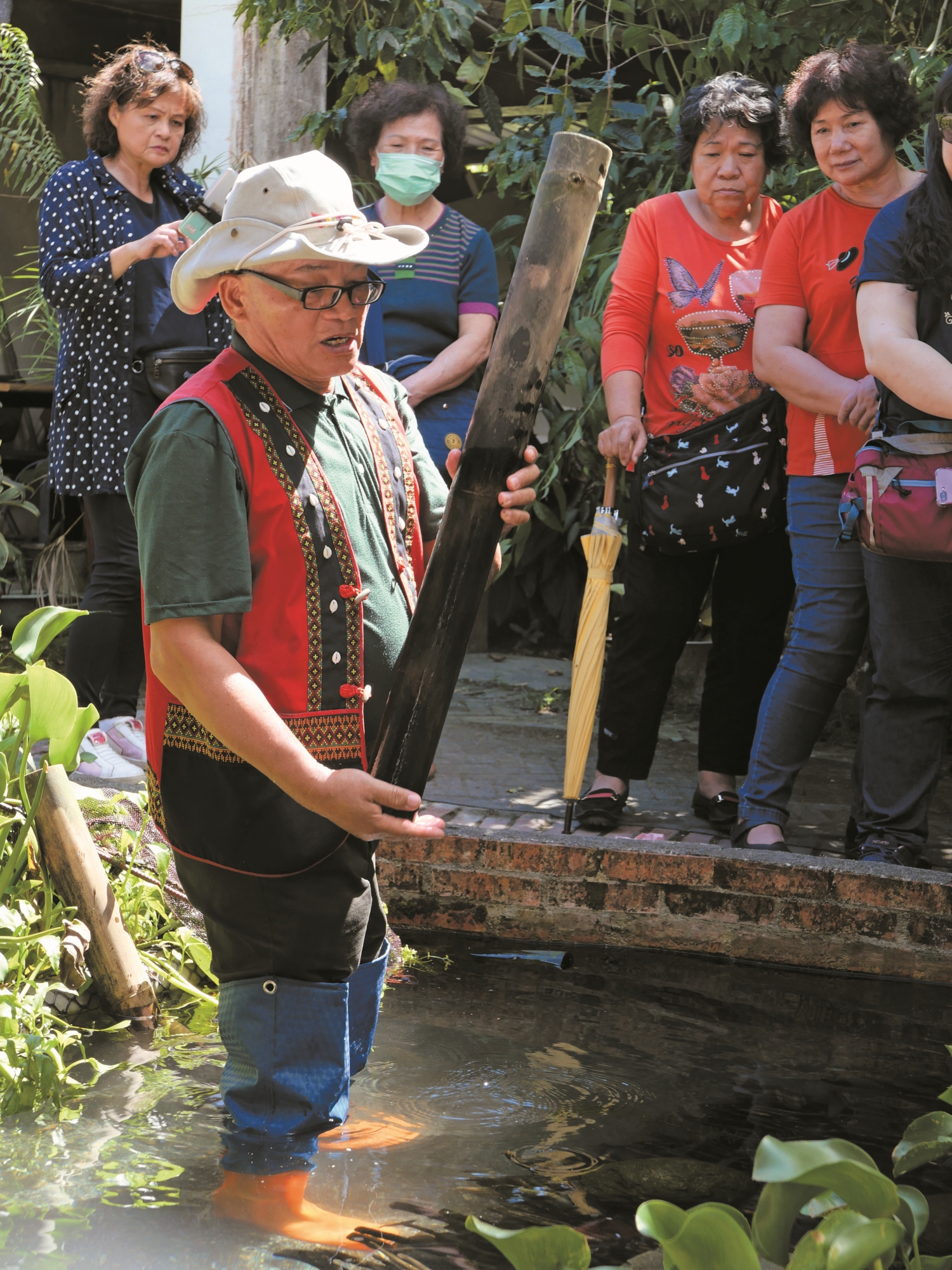
Yi-Chang Tsai, who pays attention to their tribal heritage, established the Fata’an Culture and History Studio and began to promote eco-tourism in 1998. He works with the National Guangfu Commercial and Industrial Vocational High School for ecological interpretation training and provided work-study opportunities and scholarships. What makes him most proud is that not only the recipients of the County Executive Award and the Speaker Award are among the work-study students, but also many children have developed self-confidence through the interpretation training, have a deeper passion for ethnic culture, and their attitude toward life is also more positive.
Provided by Huilanfeng Ecological Co., Ltd
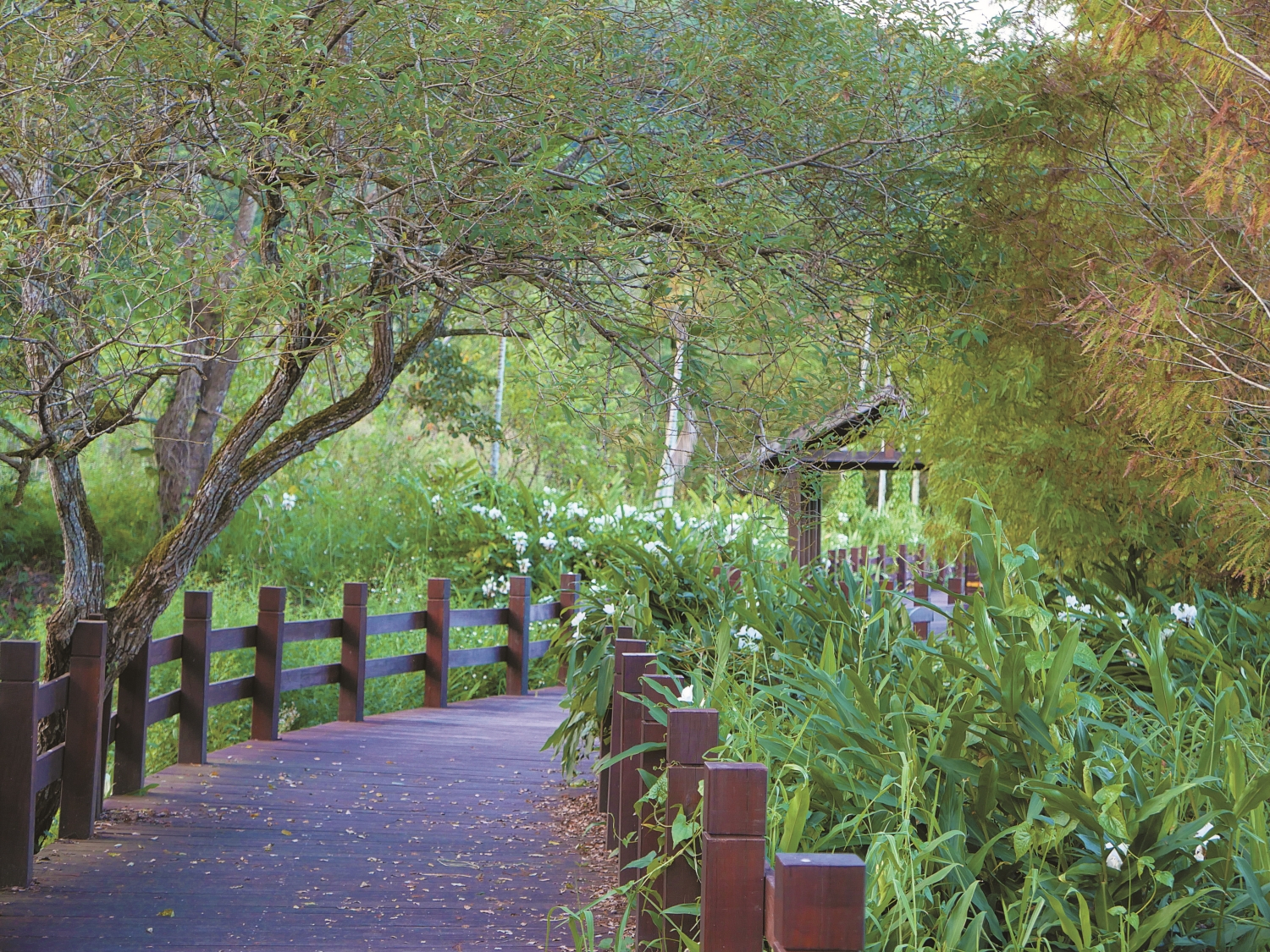
recreational interpretation facilities such as wooded boardwalks were put in. /
Photo by Hui-Ying Lui
Provided by Huilanfeng Ecological Co., Ltd
Realizing environmental potentials
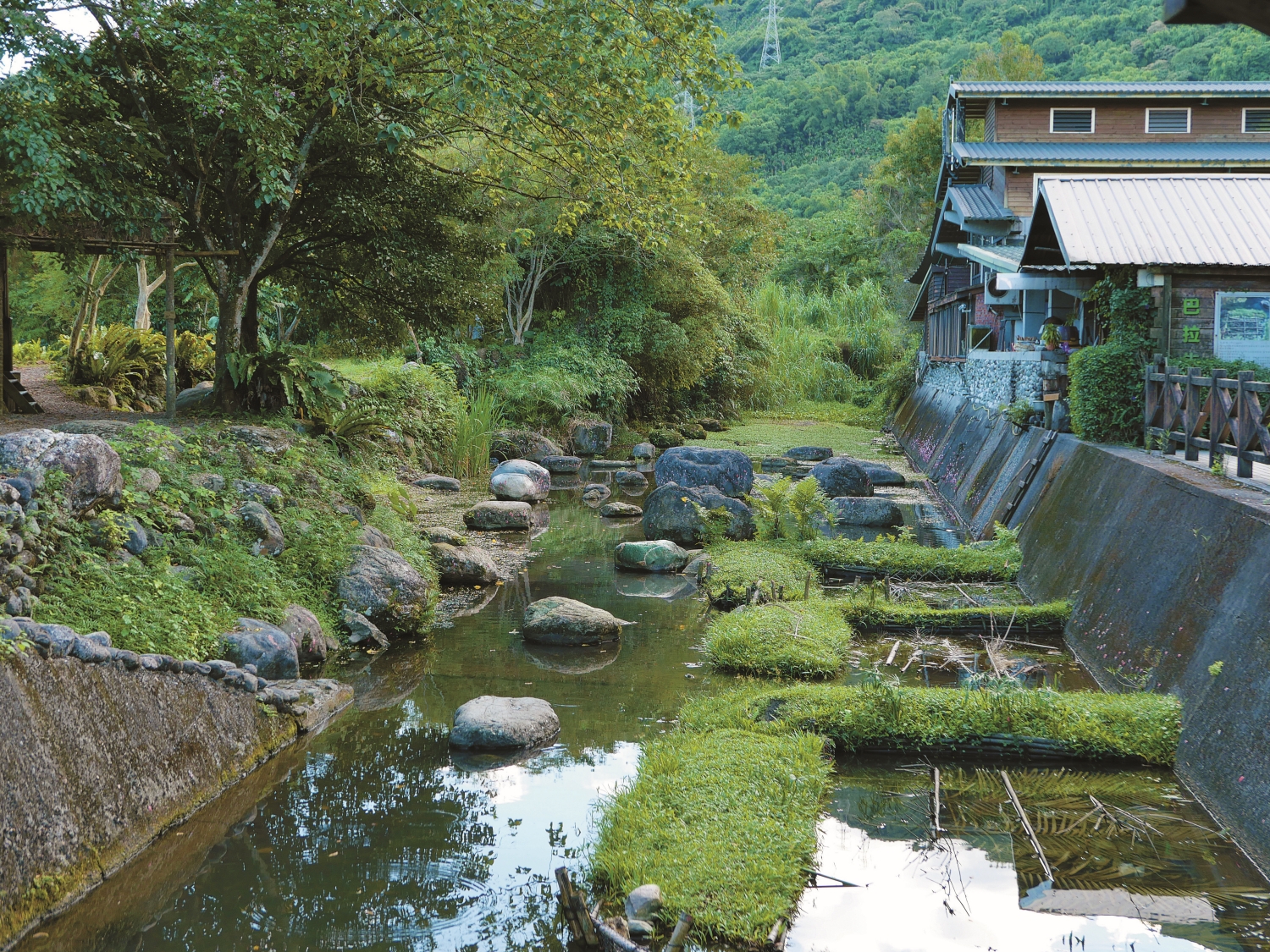
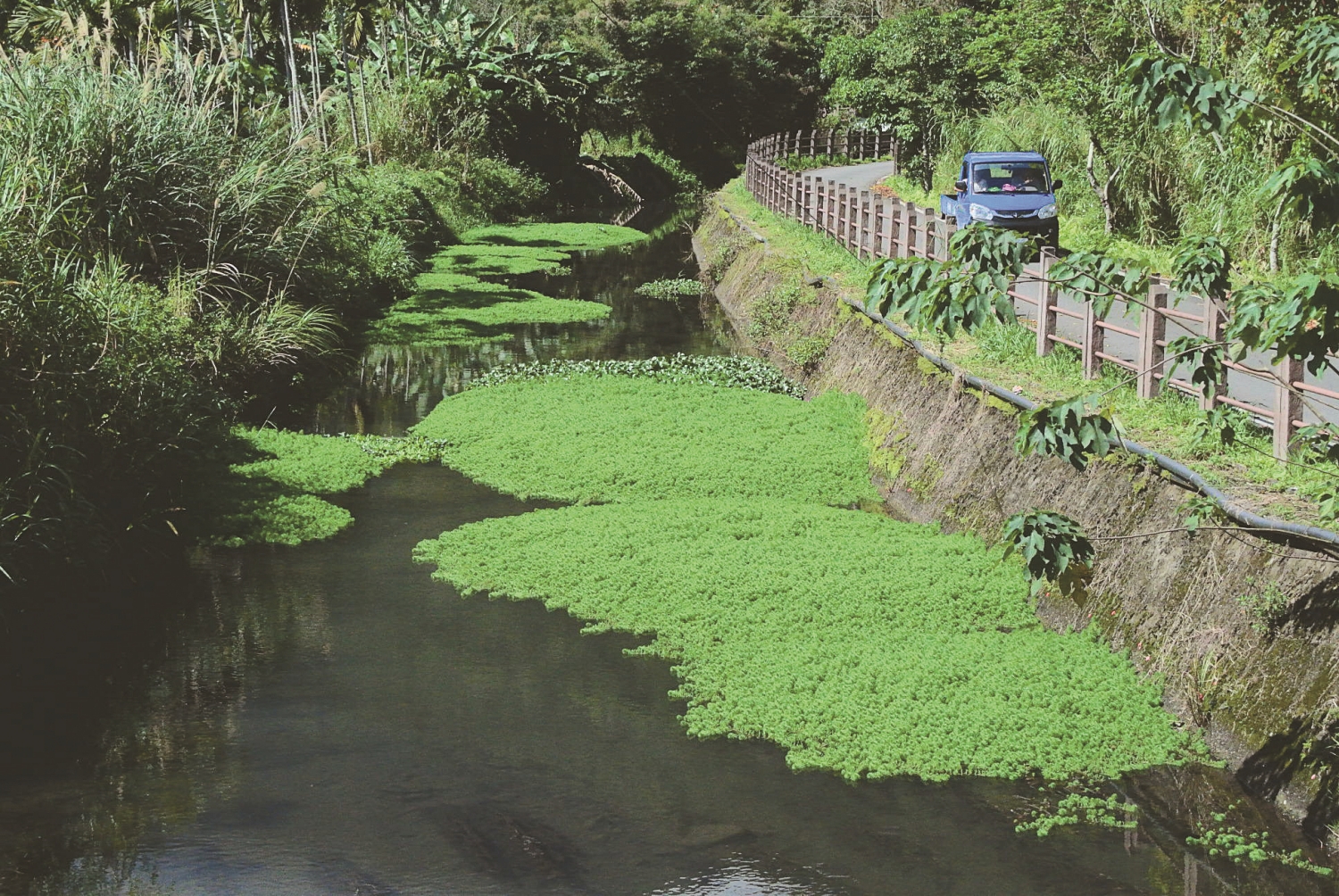
The scenery along the banks of Fudeng River where lush green grass extends for miles and water winding freely all the way to the surrounding spring areas in the past has changed drastically around 1980 when the embankment of Fudeng River was cemented in. The embankment is higher than the farmland on both sides and blocks the normal water exchange between the stream and the farmland wetland. Once the stream overflows, it will cause water to sit in the farmland for a long time; the original ecology of Fudeng River, which was dominated by Curled Pondweed in the past, has also quickly disappeared, replaced by a strong invasion of the exotic species Parrot Feather Watermilfoil.
Because Fudeng River “shoulders” the role of regional drainage, the Hualien County Government is responsible for keeping it flowing. However, for the creatures, every time they finally settled down and readied to propagate, the next wave of dredging work would shake everything up and turn the place upside down. Kuo-Cheng Yang said, “We propose that the dredging work should be implemented in stages every year, so as to at least allow aquatic organisms to retain some living space.” The section that Palakaw has been carrying out is spared because the Hualien County Government knows that this section of the river is regularly managed and is a very important resource for local tourism.
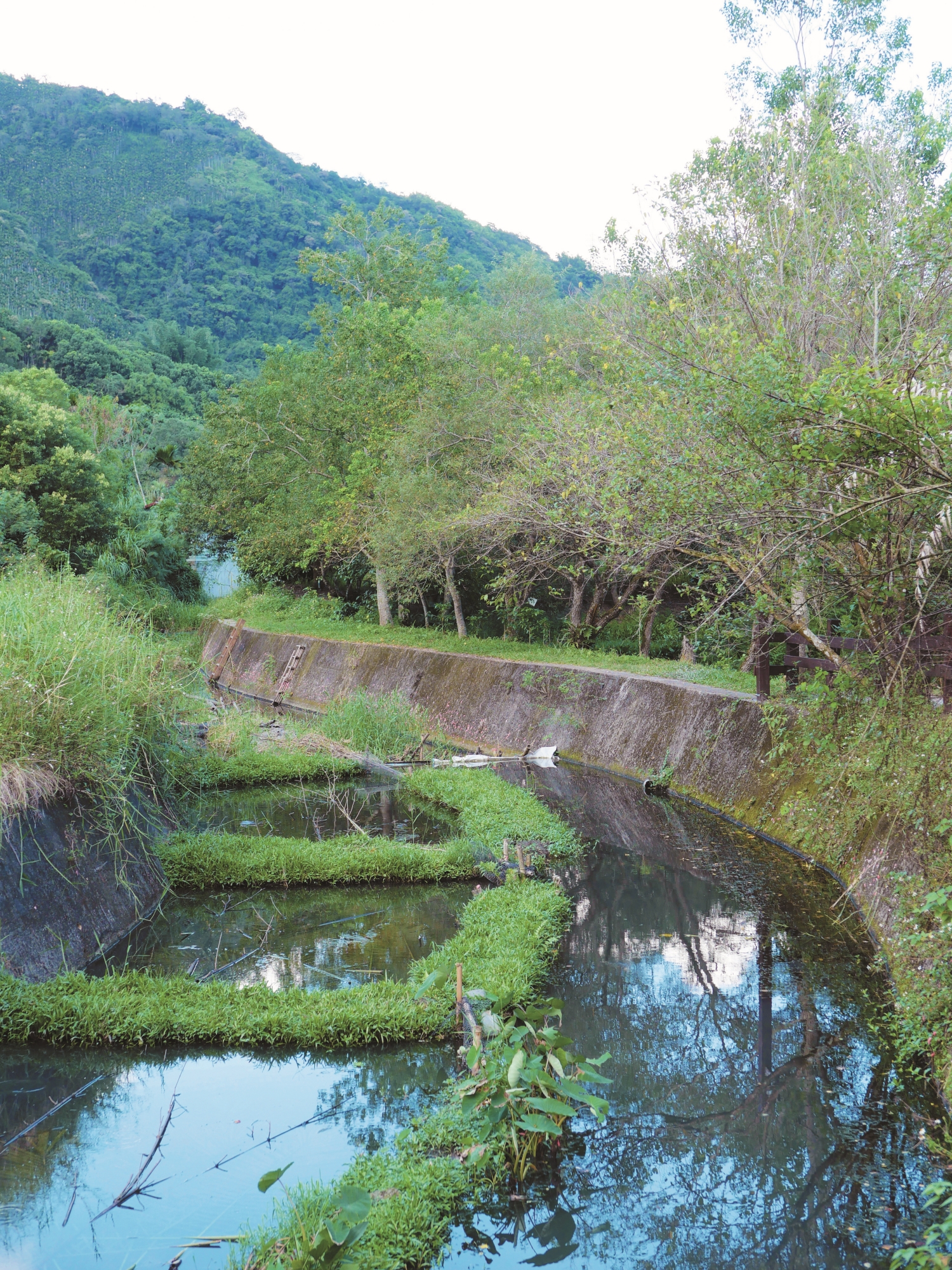
the disturbance of dredging. / Photo by Hui-Ying Lui
Feng-Xian Feng also mentioned that due to the loss of manpower and the aging population, many of the farmland in Fata’an is in a fallow or abandoned state. Some of the farmland still under cultivation also uses the conventional farming method. Pesticides and fertilizers continue to accumulate in the low-lying stagnant spots and the water body loses its exchange function, which makes the land condition deteriorating. Many landlords even misunderstood that “my farmland is turned into wetland because dikes are built along the Fudeng River!” The truth is that the farmland here is actually a part of the Fata’an Wetland. Only a healthy productive wetland can support a healthy wetland ecology, and the water cycle is the greatest key.
Facing the deteriorating farming conditions, the Hualien County Government and Guangfeng District Farmers’ Association have also made various attempts. For example, a lotus industry zone was planned around 1990, but because of the lack of long-term industrial planning and planting guidance, as well as there is no connection between lotus and aboriginal culture, the primary industry of planting lotus did not achieve the long-term goal of supporting the local economy. In 2001, when wetland became a prominent subject, the Wetland Ecological Park was promoted and Farmers’ Association interpretation classes were established. Kuo-Cheng Yang , who was working at the Guangfu Township Office at that time, also provided a lot of assistance in training members. Yong-Bin Wu believes that a good organization would have generational alternation, knowledge renewal, and creative exchanges. However, the current interpretation income is in fact difficult to support young people to make this as a regular job, and the environmental management feedback mechanism has not yet been formed. “The interpreter must care about the environment in which he would conduct the education and interpretation, he needs to spend time to manage and understand the changes in the environment in order to convey correct and positive information.”
Some local residents also saw the possibility of developing tourism and recreation, so the catering industry began to develop. The traditional Amis “stone hot pot” has therefore gained a reputation, and it has indeed brought more people in. Kuo-Cheng Yang said, “Amis is a tribe that is closely connected to water. Whether it is weddings or funerals, they will end with ‘eating fish’ as a complete process. Therefore, it is no fault to promote traditional food culture in Fata’an. But no matter which way you choose to make a living on this wetland, it is actually a gift from the environment. Only with a good environment can you have the capital to attract tourists. We hope that the catering industry can do a good job in waste treatment, especially the issue of sewage discharge. If they can allocate a portion of the profit to take care of the environment, they can truly operate sustainably.”
Feng-Xian Feng believes that education can allow the next generation to know their hometown, and only then will they love and care about it. But for children to settle home with peace of mind, they must have sufficient economic momentum. Therefore, in addition to maintaining production functions and farming in an environmentally friendly way, productive wetlands must also be integrated with ecology and culture to create unique values that belong to Fata’an. “Only when people prosper will they think about having a better environment.” By using the right way to develop the potential environmental wealth of Fata’an wetland can we promote wetland conservation through a virtuous circle..
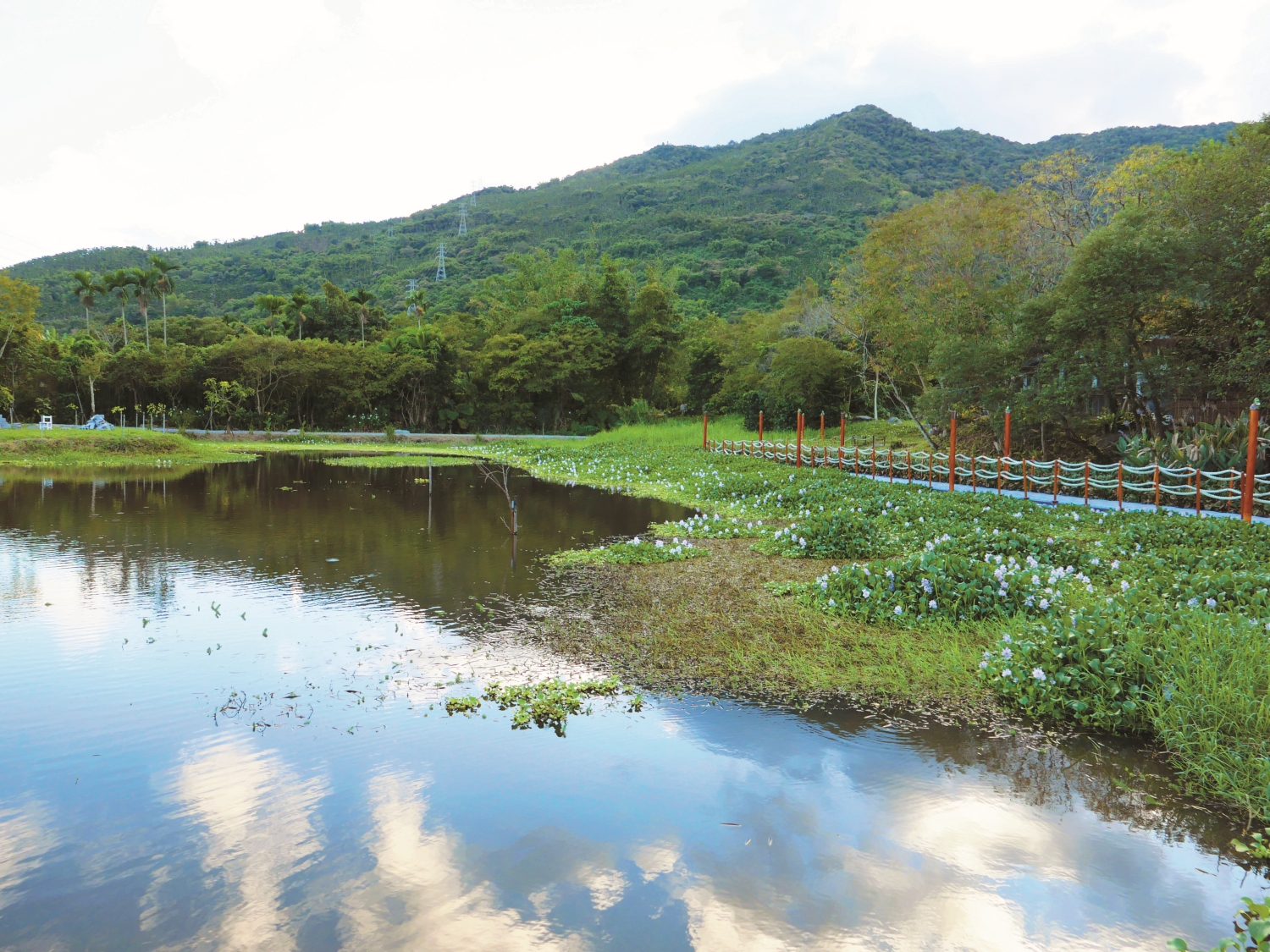
Creating the future of wetlands with the support from professionals
The “Fata’an Important Wetland (National Level ) Conservation and Utilization Plan” was officially announced in 2017. The Construction and Planning Agency Urban and Rural Development Branch entrusted the Hualien County Government to manage it, and the County Government entrusted Huilanfeng Ecological Co., Ltd to implement the investigation and management plan. In order to make the best allocation and utilization of resources, Huilanfeng acts as a communication platform among farmers, landlords, tribes, industry operators, and government agencies, focusing on the inventory and management of water and ecological resources. The short-term goal is to set up a tribal ecological patrol team to start the removal of dominant foreign species such as the Thai snakehead (striped snakehead) and monitoring the water quality of Fudeng River. Once an illegal discharge is discovered, it will be reported to the relevant government unit. In addition, environmentally friendly agriculture and fishery workshops are also held. Besides assisting the tribes in passing down traditional fishing methods and traditional ecological wisdom of the water and land, they also provide guidance and matching on various technical and practical aspects of friendly farming.
Chang-Hong Wu, CEO of Huilanfeng Ecological Co., Ltd. mentioned that in the medium and long-term plan, it is hoped that water resources management can be implemented to ensure the water source and quality of the Fata’an wetland. “In terms of the ecology of aquatic species, after using human forces to control dominant foreign species, we hope by restoring native species in a way we can enhance the competitive advantage of the native species, and achieve natural balance suppression in the future. After reducing the use of pesticides such as herbicides on agricultural land, native aquatic plants such as Eriocaulon cinereum and Ludwigia adscendens can gradually move back to the wetlands and spread naturally, allowing the water habitats to slowly recover.” As for the cemented Fudeng River embankment mentioned above which caused poor wetland water body exchanges, local residents have gradually reached a consensus that “restoring the natural riverbank” has almost become a common expectation. Therefore, Huilanfeng also assists local residents to pay close attention to relevant government plans. Yi-Chang Tsai said, “We have been pushing for new rural landscapes for a long time. Can we pursue ‘old’ rural landscapes for a change?” In the hearts of Fata’an people, maybe the scene of row upon row of Lakaws in the past is the best representation of their hometown’s landscape.
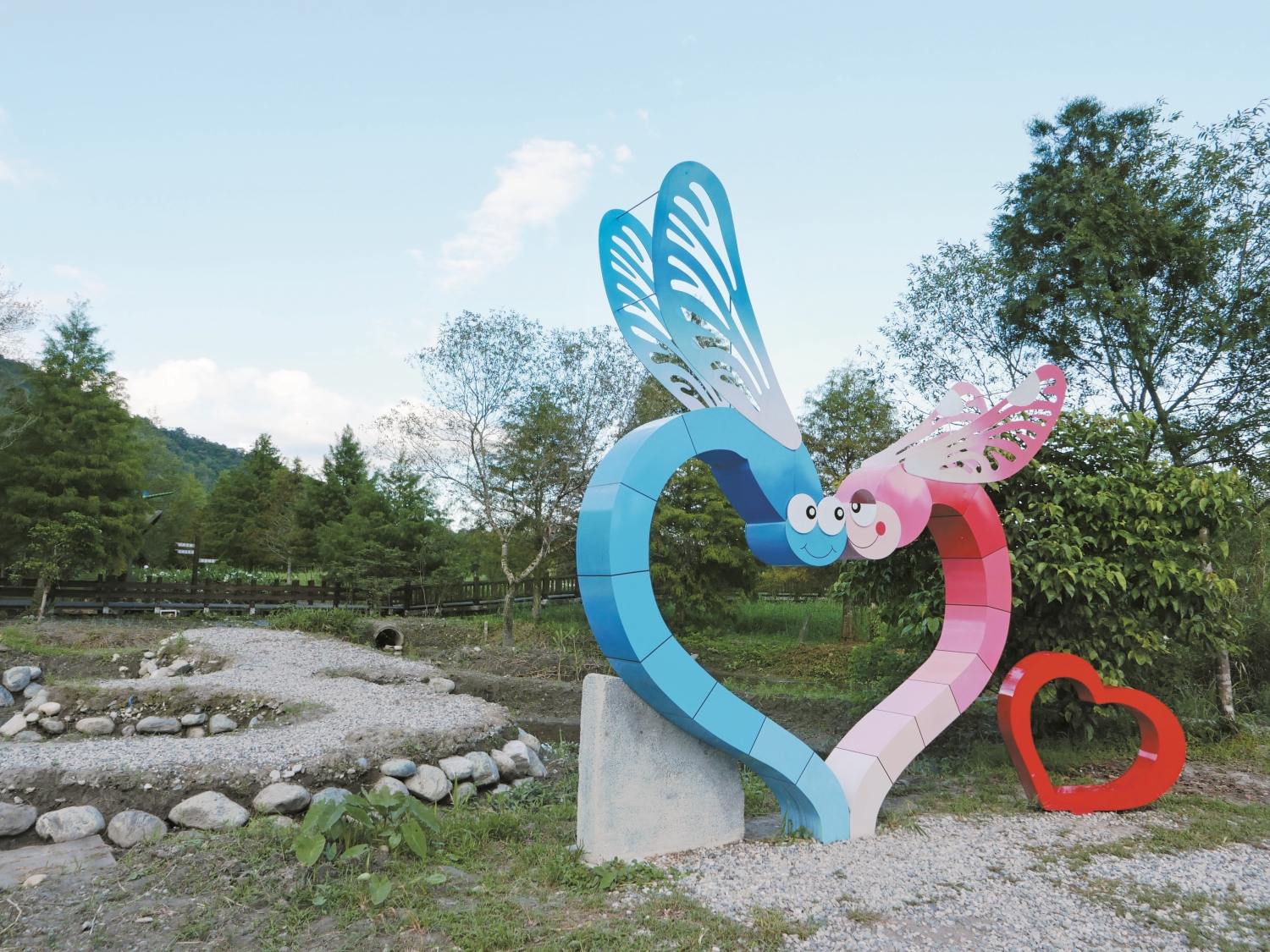
without carefully consider the context of the Fata’an wetland environment
is not necessary a bonus for the wetland landscape. / Photo by Hui-Ying Lui
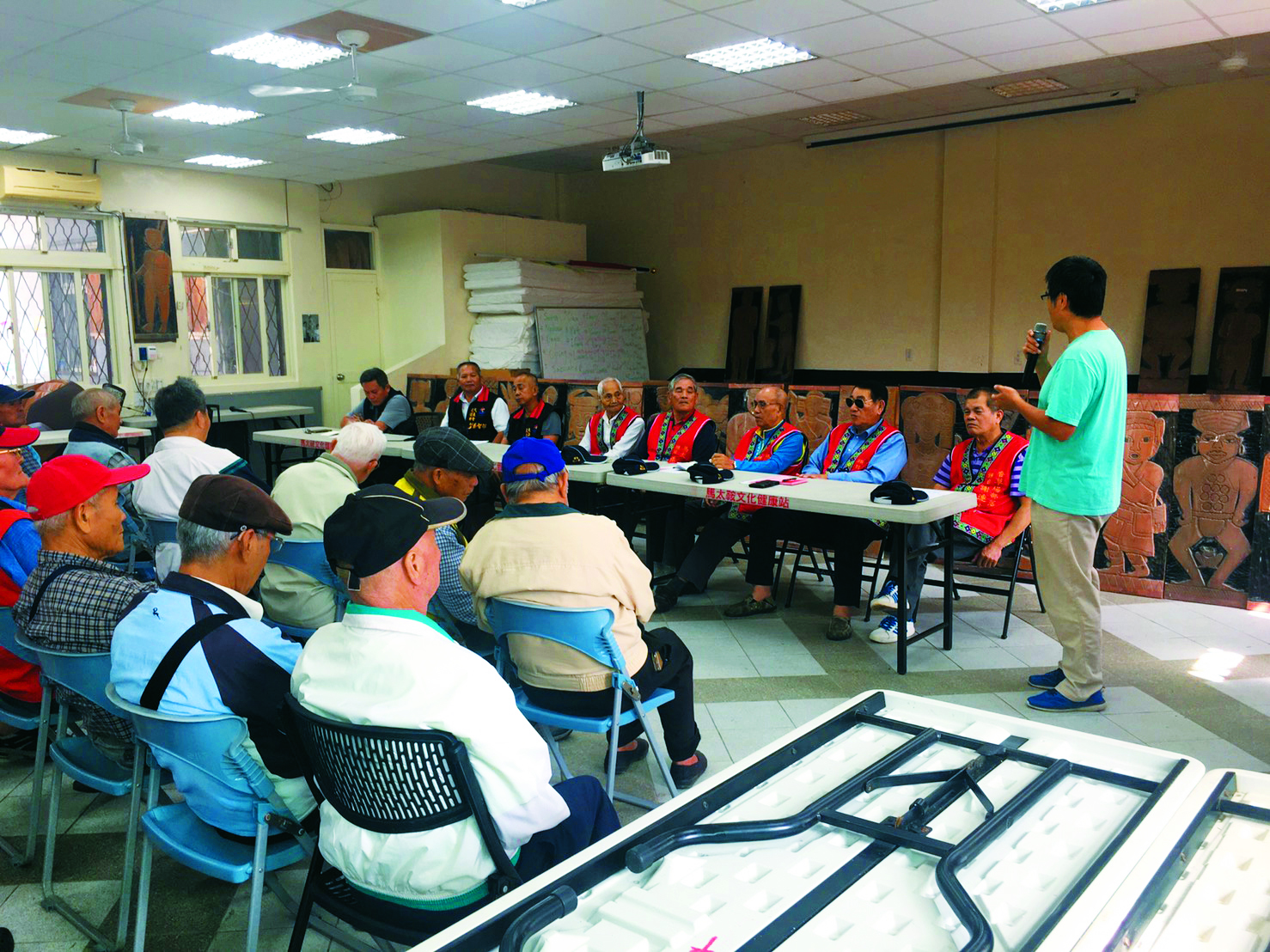
Provided by Huilanfeng Ecological Co.,Ltd
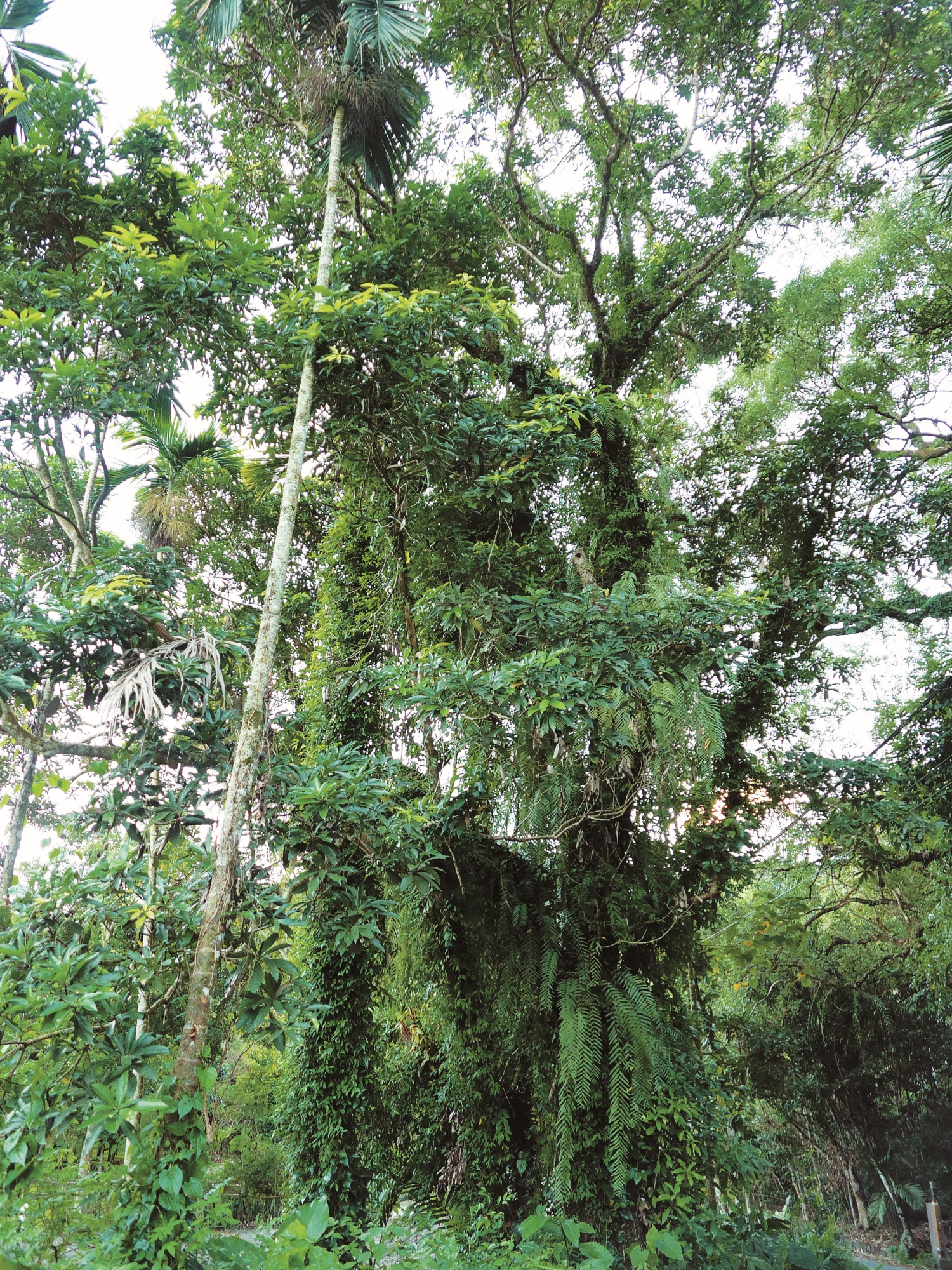
Photo by Hui-Ying Lui
Starting from 6 hectares to drive wetland restoration
Since the launch of the Wetland Ecological Park, Fata’an can be said to have made its name, and resources from all parties have also begun to come in, but it lacks integrated thinking and a comprehensive plan. Therefore, Feng-Xian Feng describes that these various constructions entering the Fata’an Wetland without careful evaluation of the environmental context are like an already beautiful girl being painted with vulgar makeup. “There are too many places that need innovation in subtractive design and management concepts, rather than just adding new facilities to attract tourists.”
Yi-Chang Tsai mentioned that “The Fengyu Project which has been put in discussion for 8 years has also been officially approved by the Council of Indigenous People. Nearly 200 million will be invested in the construction of the Amis culture in Fata’an, including a festival plaza and cultural venues. There are two important development directions in the future, including industry management and wetland rehabilitation. Industry management will combine the establishment of cultural tours, museums, and media information centers to systematically preserve and promote Fata’an’s unique culture. As for wetland rehabilitation, we focus more on the basic surveys from the perspective of the tribe, including land changes, living traces, and nature sentimentalities. These are not only the basis for rebuilding the wetland ecology, but also the key to rebuilding the bonds between people and the wetland.”
Yi-Chang Tsai and others all stated that since Fata’an Wetland is a Important Wetland (National level), they hope that there will be a division responsible for it. In addition to having a more professional insight at the aspect of wetland operation and management, it would also have a higher degree of authority to integrate various plans. Tsai said, “I hope that the government can have more discussions with the tribal residents about the development of the Fata’an Wetland and imagine and build the wetland vision together.” The planning of these blueprints requires a more detailed explanation to the Fata’an people, including implementation guidelines supporting measures for the surrounding lands and other planning details, because these are related to the livelihood of the tribal residents.
Perhaps the change can start with the 6 hectares of public land around Fudeng River where it was declared as “Fata’an Important Wetland (National level)”. Fata’an currently maintains a well-functioning mechanism of Council of Elders and Tribal Council. If the decision-making process of these important issues and coordination of various professional levels can be used to form an internal discussion and consensus cohesion model, we believe Fata’an has the opportunity to make out its own way.
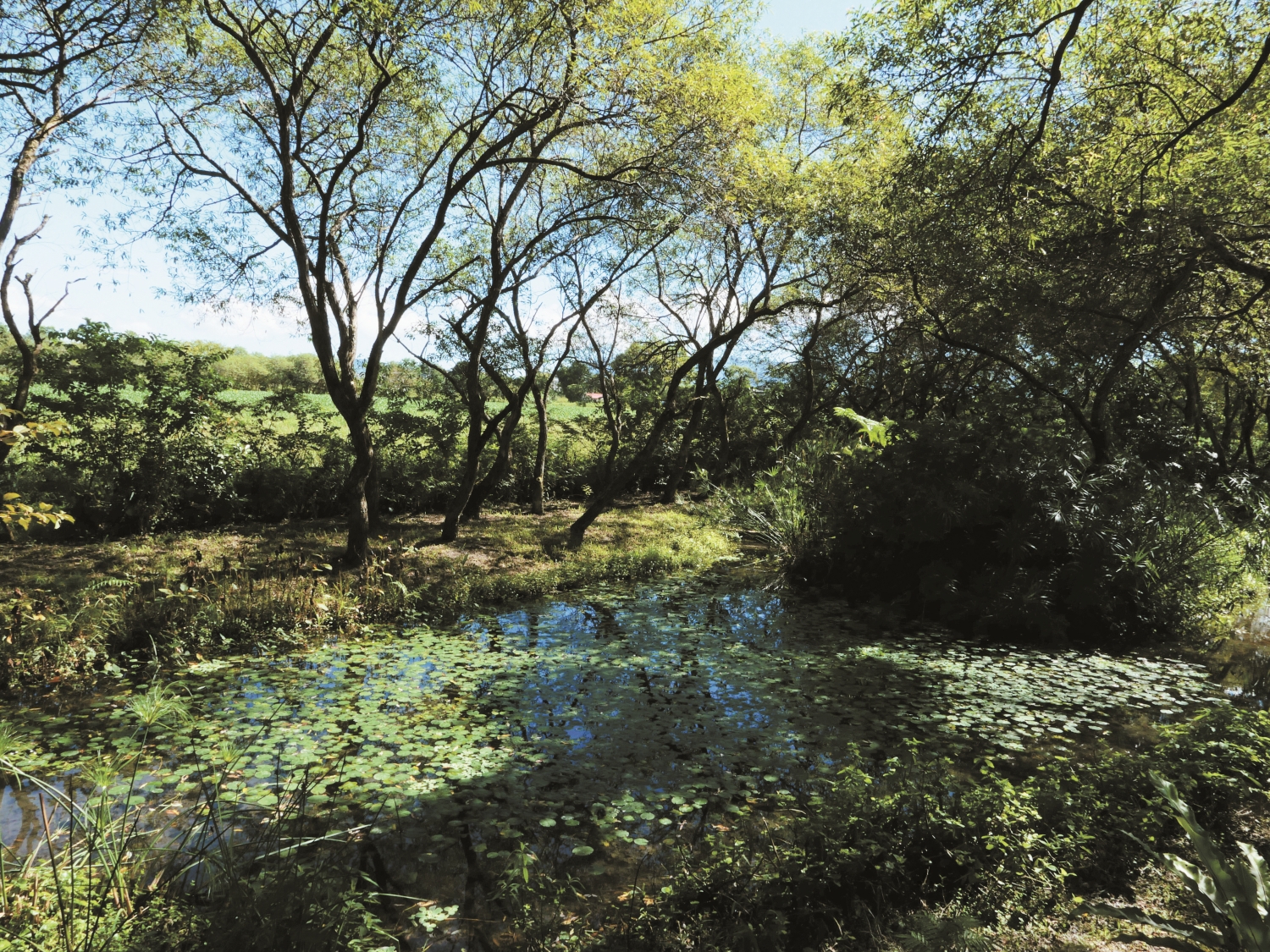
is his vision for the Fata’an Wetland / Photo by Hui-Ying Lui
Inspired by the Devil Tree
There is a hundred-year-old Machilus thunbergii Tree near the Sa’tack spring. It was faced with the crisis of being cut down when the Maxi Mountain Huanshan Raod was being widened. But it survived because of its name “Kawas (Devil Tree)” which made the construction unit uncomfortable to cut it down. Yi-Chang Tsai said, In the Amis language, Kawas not only means the devil but also refers to all gods in general. In the past when Palakaw thrived around the spring, Huansan Road was just a small trail. After the harvest, the families would often cook and dine under this tree, and the tribal people coming and going would greet each other, talk about the harvest, and be invited to dine together.” Living, production, and ecology, the three in one lifestyle is presented in this short story of the devil tree.
Yang Kuo-Chang carefully created a habitat around his Daluan. This space presents his beautiful vision for the Fata’an Wetland. He also hopes that with Daluan this inherent life and cultural element of the Amis tribe, people can return to the little sheds in the fields, spend time to look at the land they farm, and have a dialogue with nature. And the beauty of this human and nature co-existing in a wetland can be spread out like ripples through each Daluan.
The meaning of environmental sustainability may just be like the ancient Amis song “Mother’s Child” translated by Feng- Xian Feng, so that the people in Fata’an can always praise and bless with every true beauty in the living environment, and be the child whose mother is proud of:
~Mama says, the morning dew here sparkles like your headpiece,
The clear stream is like your soul,
Reed flowers flutter like the feather ornaments when singing and dancing,
The eagle’s call echoes among the blue sky just like the brave and fierce you.~
Author profile ︱Hui-Ying Lui
Chief Editor of National Park Quarterly. Love writing, reading, immersed herself in nature, and also like to listen to others sharing the feelings in daily life and travel.


