
The Secret Behind The Starry Sky-Decrypting the Astronomy of the Blue Planet
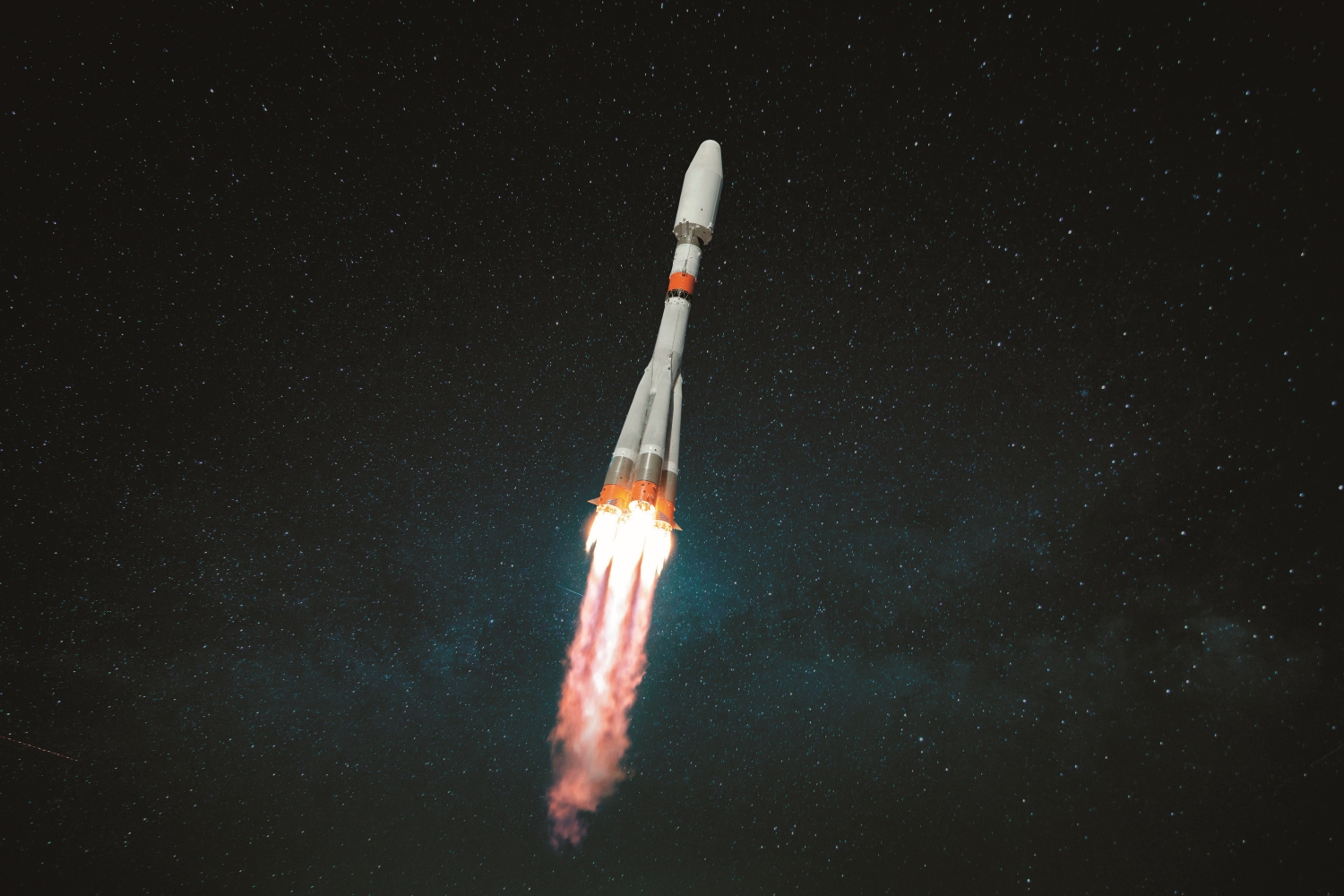
The Secret Behind The Starry Sky
Decrypting the Astronomy of the Blue Planet
Article / Ming-Rung Chang
"Twinkle and twinkle little stars, How I wonder what you are.” This catchy strain is the first song that many parents sing lovingly to their newborns as if implying that the bright starry sky is the origin of life. Since ancient times, human beings have been full of infinite curiosity about the vast Milky Way. Looking up at the stars, they are not only awed by the beauty of nature but also think about the relationship between the stars and the earth and all creations. They observe the changes of the sun, moon, and stars, and accord them meanings based on their imagination. They have even explored mysterious planets long distance away by developing cutting-edge technology.
The starry sky has not only profoundly affected the lives of human beings in ancient and modern times. In the following, we have invited well-experienced volunteers who have been observing astronomy for a long time and studied the history and culture of astrology for many years to share with us the secrets behind the starry sky.

Taroko National Park
Senior Volunteer Docent, Taroko National Park Headquarters Ying-Tsun g Wang
Q. Since ancient times, human development has been inseparable from astrology. What are the similarities and differences between the history and application of astrology in Eastern and Western cultures?
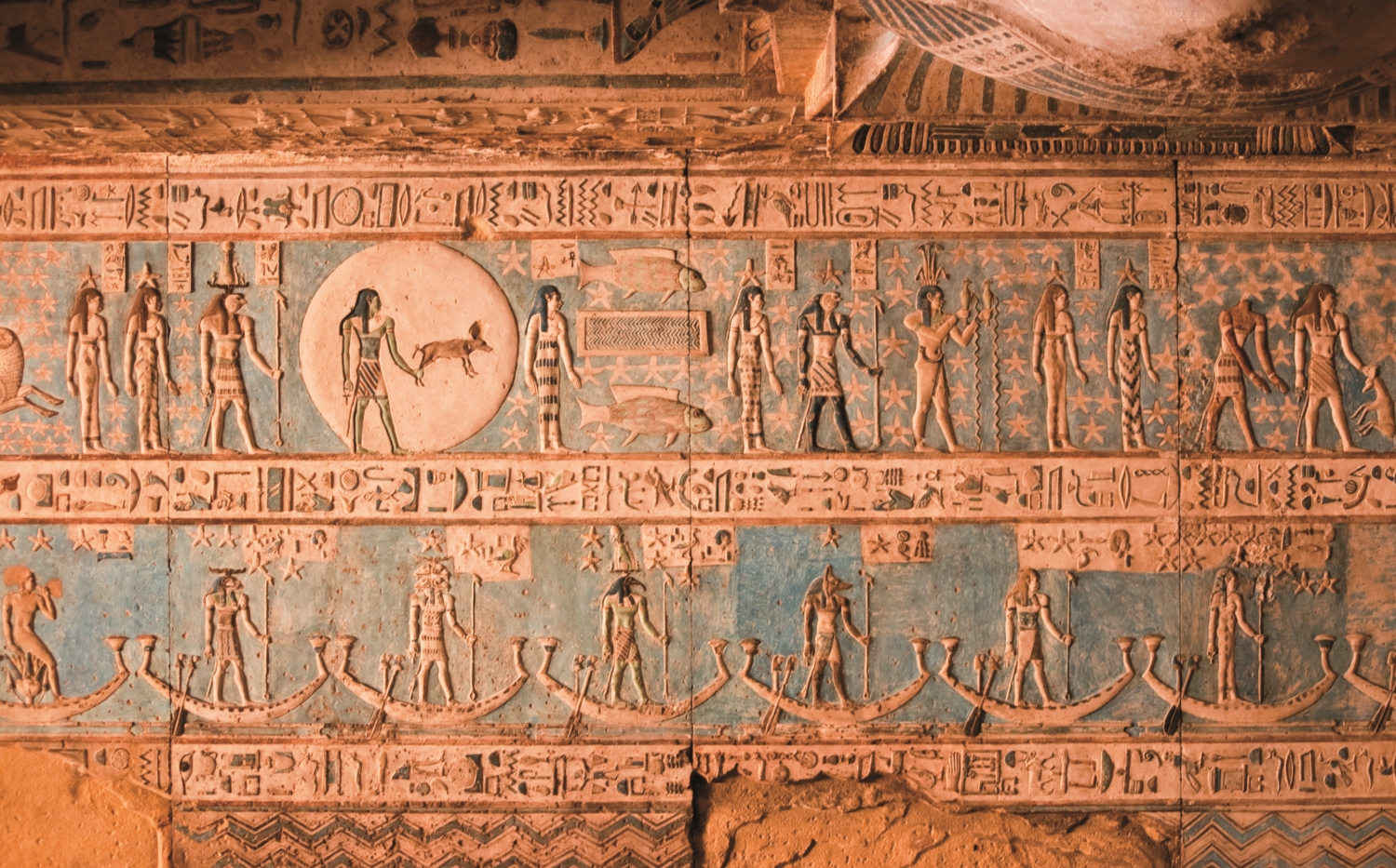
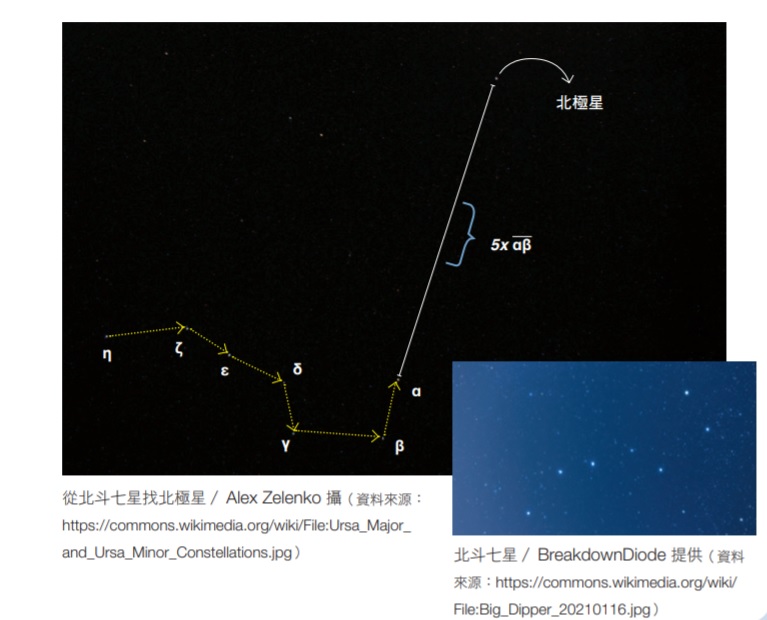
The history of Western astrology can be traced back to ancient Egypt. At that time, animal husbandry in Mesopotamia was well developed. Herders gazing into the skies while tending their flocks discovered astrological cycles and began to record their observations. For example, they found Sirius rises from the east before sunrise in the morning would be the flooding season of the Nile. Then when the time came for the water to recede, fertile soil would cover the dry desert, turning it into an oasis for farming. During that contemporary time, many of the constellation names were tied to animal husbandry, such as Ursa Major and Orion. Then during the great nautical era, the brilliant Big Dipper became the most important constellation. Based on its elevation from the sea level, sailors calculated the coordinates of their ship’s location and other constellations such as the Stern, Vela, and Pyxis, which are all constellations named during the nautical age.
Western constellations are called "asterisms" in China. China has been influenced by the feudal system since ancient times, and its class system is also reflected in the naming of the asterism systems. Stars that are closer to the north where the emperor lived were named after official title, the carriages and daily necessities used by the emperor, and stars that are closer to the south are named after the daily pots and pans used by the people, giving rise to remarkably interesting names. The naming of stars in ancient China is mostly related to the necessities and basic systems of daily living. Taking Vega as an example, it is the brightest star in summer. Its appearance in the orient at sunset in the evening means that the mulberry leaves were at the most luxuriant and well-fed silkworms would begin to spin silk and women would begin to weave.
Another good example involves the ancient imperial examinations that were held in WINTER. Because during the summer, men had to stay home and work the farms when rice was being harvested. They could only hurry off to the capital city once the harvest was over. To avoid missing the exams, candidates would observe the eastern sky after sunset, and once the Kuixing (Great Bear) appears, they would worship it, pray that they would pass the exam, and start packing for their journey to the capital city.

Q. Humans today are studying astronomical and astrological changes from a more scientific perspective. In modern society, how can astrology be applied to academics and daily life?
In terms of the application of astrology in daily life, most people are very familiar with constellations and astrology. For example, "mercury retrograde" has become a popular trend in recent years. In fact, planets do retrograde. However, they are so far away from us that it is difficult to have any real impact on the earth. So, it is best to use it as a reference and just take it with a grain of salt.
International academic research on astronomy and astrology comprises three areas: the development of untapped resources, the search for new habitats, and the exploration of the origin of life. In recent years, because the moon is close and is rich in rare minerals, it has once again become a focus of exploration by various countries. Mars is one of the planets that humans hope to be able to emigrate to in the future. It is not only being actively researched by the governments of various countries. Many private enterprises have also shown great interest in traveling to Mars. In fact, many countries have successfully landed survey instruments on Mars, but so far, no humans have yet to land on Mars. The main reason is that it takes at least an entire year for a round trip to Mars. During this period, just the oxygen and food needed by one astronaut would add up to 23 tons, which is equivalent to two buses. It is a burning problem that must be first overcome.
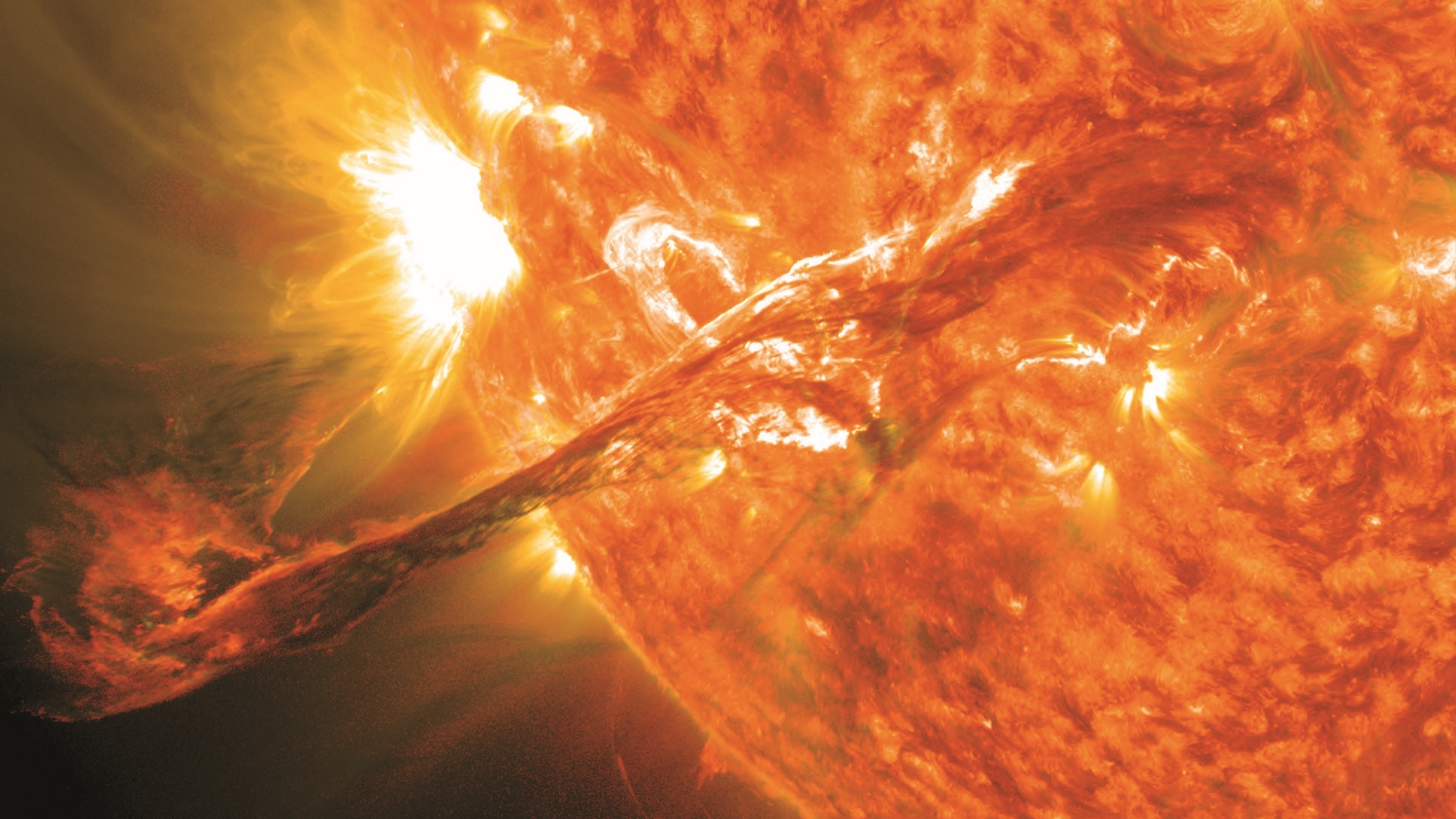
Comets and the sun are also the focus of astronomical observations. The probability of comets hitting the earth must be monitored. Solar activity affects human life. When solar activities are frequent, they affect the earth’s communications and power. For example, the huge power outage in Quebec, Canada in 1989 was due to a power plant failure caused by a solar storm. So if we can accurately observe solar Solar activities we can respond to such a crisis in advance.

Q. In modern history, the indigenous peoples have many legends and myths in astrology. Please share your most special stories. Do ethnic groups such as the Minnan and Hakka have similar legends or beliefs?
The Minnan and Hakka originated in China, so their legends in astrology mostly come from Eastern culture. Modern indigenous myths can be traced back to the Japanese occupation period. During that time, the Japanese recorded the indigenous legends using the Japanese language. These were later re-translated into Chinese by the Taiwanese, and in the process, it is inevitable that some content was lost, or the plot became fragmented. Among these stories, the most complete is the Atayal legend of the "two suns".
According to this legend, there were two suns in the sky at that time, and they rose in alternate every day. The hot weather prevented crops from growing, so the Atayal people decided to shoot down one of the suns. Three Atayal warriors set off with three newborn babies on their backs. The distance to the suns was too great, and along the way, the warriors died of old age. However, the babies they carried on their backs had grown up and continued with the journey toward the suns. Eventually, their arrows shot one of the suns, and its blood spattered across the sky and turned into stars. The injured sun gradually dimmed and turned into what is the moon today.
For the indigenous peoples, astrology is not only about legends. It is only closely related to their daily lives. In the starry summer sky, the Scorpio looks like a hook. It also looks like a ship. When Scorpio rises from the southeast horizon, it looks like a ship sailing on the surface of the sea. This symbolizes the flying fish season for the Tao people, and they can start fishing.

Q. As a volunteer docent for Taroko National Park, do you have an unforgettable stargazing experience in the national park? In your volunteering experience over the years, have you seen any changes in Taiwan’s stargazing environment?
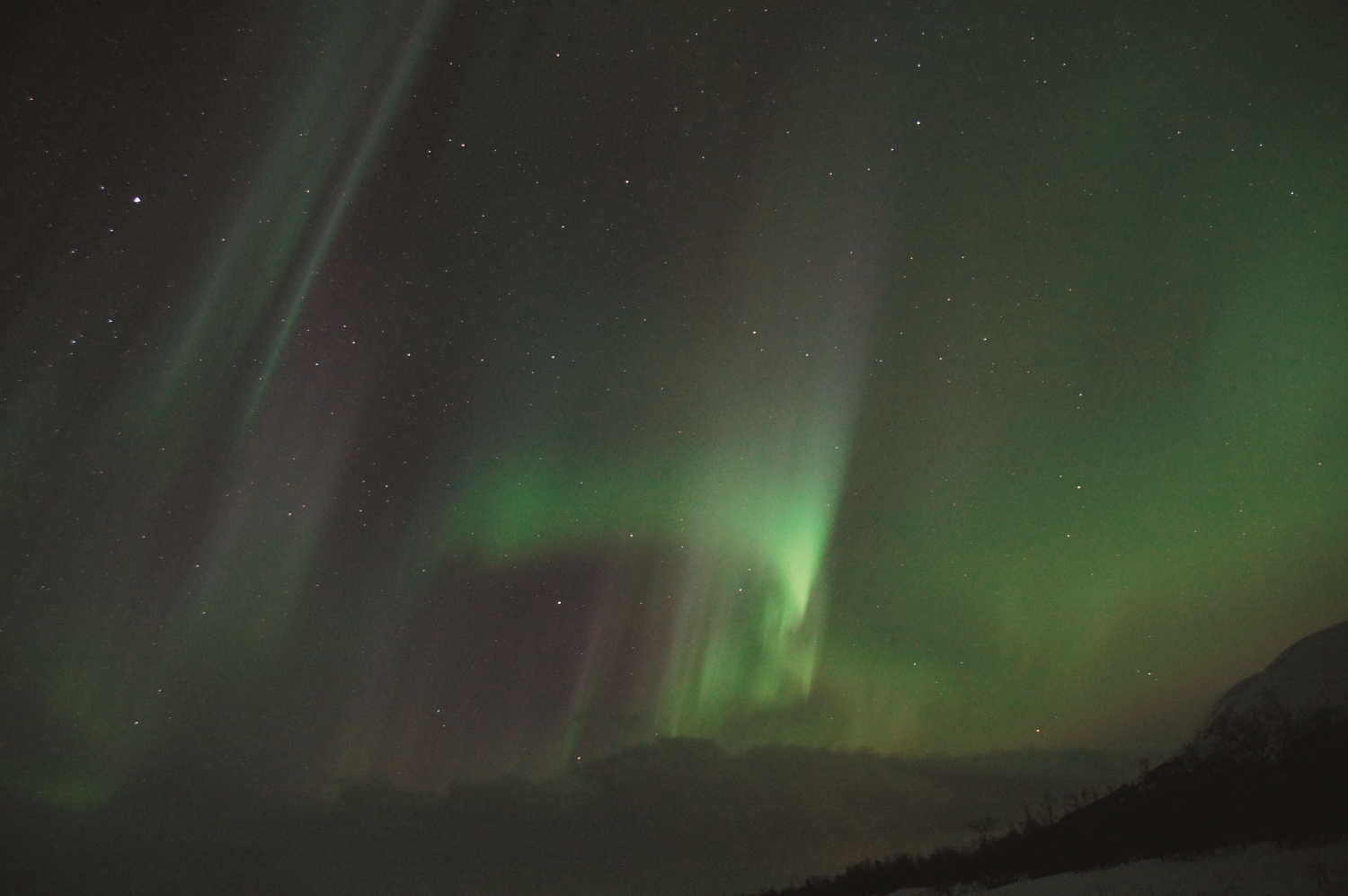
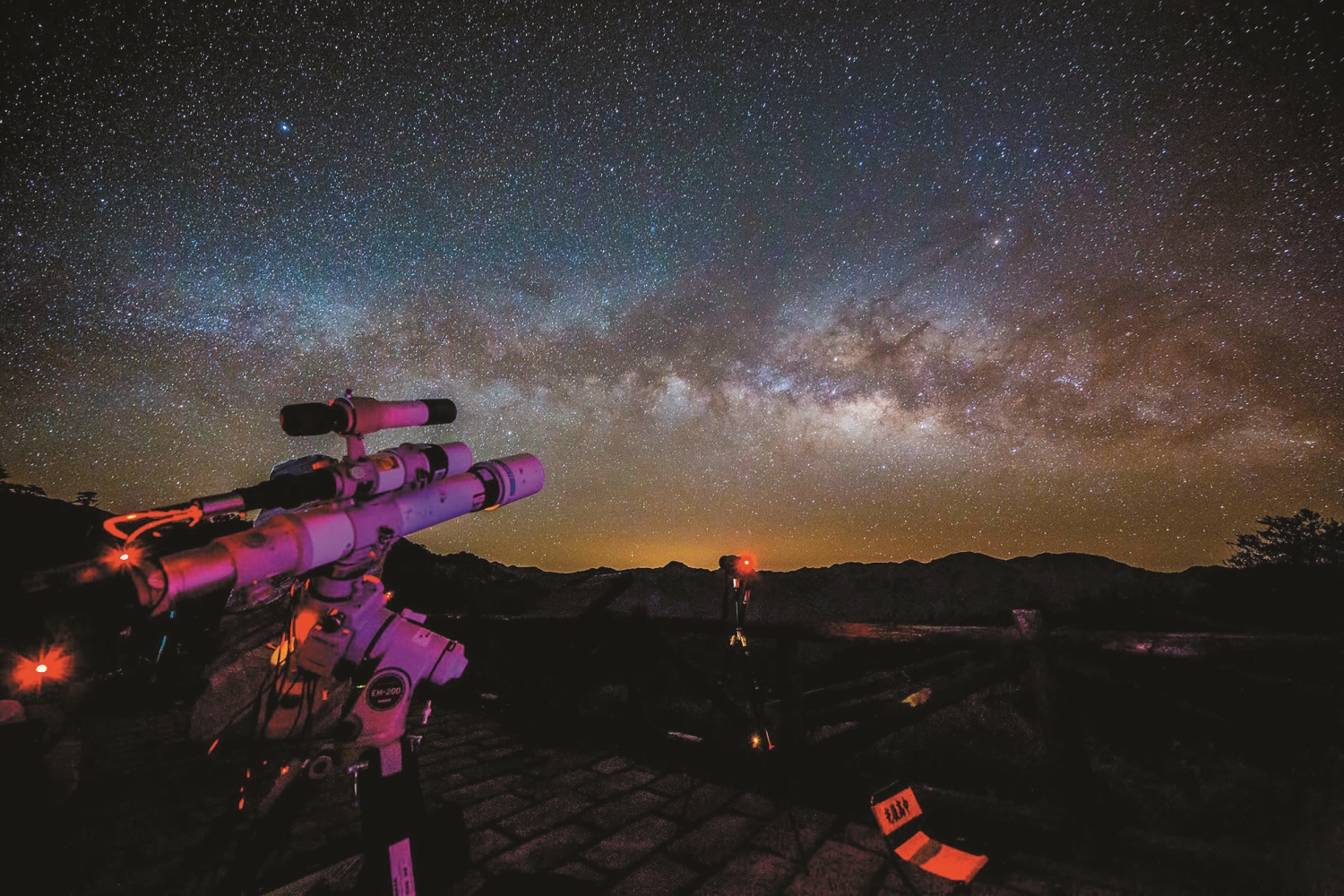
Compared to cities, which are facing increasing light pollution, national parks have naturally become the best places for stargazing. I once brought a group to an astronomy camp in Hehuan Mountain to watch the stars. Before setting out, I gave a lecture in the Kuan Yun Youth Hostel. Unfortunately, it was raining heavily outside, and the students could not hide their disappointment. To my surprise, the rain stopped after I finished my lecture. The moisture in the sky had dissipated, the sky was cloudless for miles and full of stars. It was the clearest, most beautiful, and impressive starry sky I have ever seen.
As a volunteer with the Taroko National Park and the Taipei Astronomical Museum, I have felt that people are becoming more interested in astronomy education in recent years, and related agencies have also begun to pay more attention to this field. For example, because transportation is convenient and accessible in Hehuan Mountain, it is one of the favorite stargazing areas for astronomers. To achieve a better stargazing experience, they have proposed to the management unit to reduce the height of streetlights and refrain from using high luminance LED lights. All their recommendations have gained the support of the Nantou County Government.
With the concerted efforts of the local government and related parties, Hehuan Mountain applied to the International Dark-Sky Association (IDA) in 2019 to become the first "International Dark-Sky Park" in Taiwan and the third in Asia. It is a place where visitors can enjoy the most primitive and vast starry sky that is free of light pollution, and an attraction worth recommending to everyone. In addition, Cimei Island, which has the lowest light pollution in Penghu County, has also begun planning a dark sky park recently. It hopes to attract tourists with its boundless natural beauty and further promote the tourism industry of Penghu.
About the Author︱Hsiao-Chun Chen
Served as a reporter for newspapers, TV stations, and non-profit organizations. Because of her longing for the flexibility of life, she decided to become a freelance writer.


