
Harmony between Body and Nature-Promote Circulatory and Metabolism in National Park
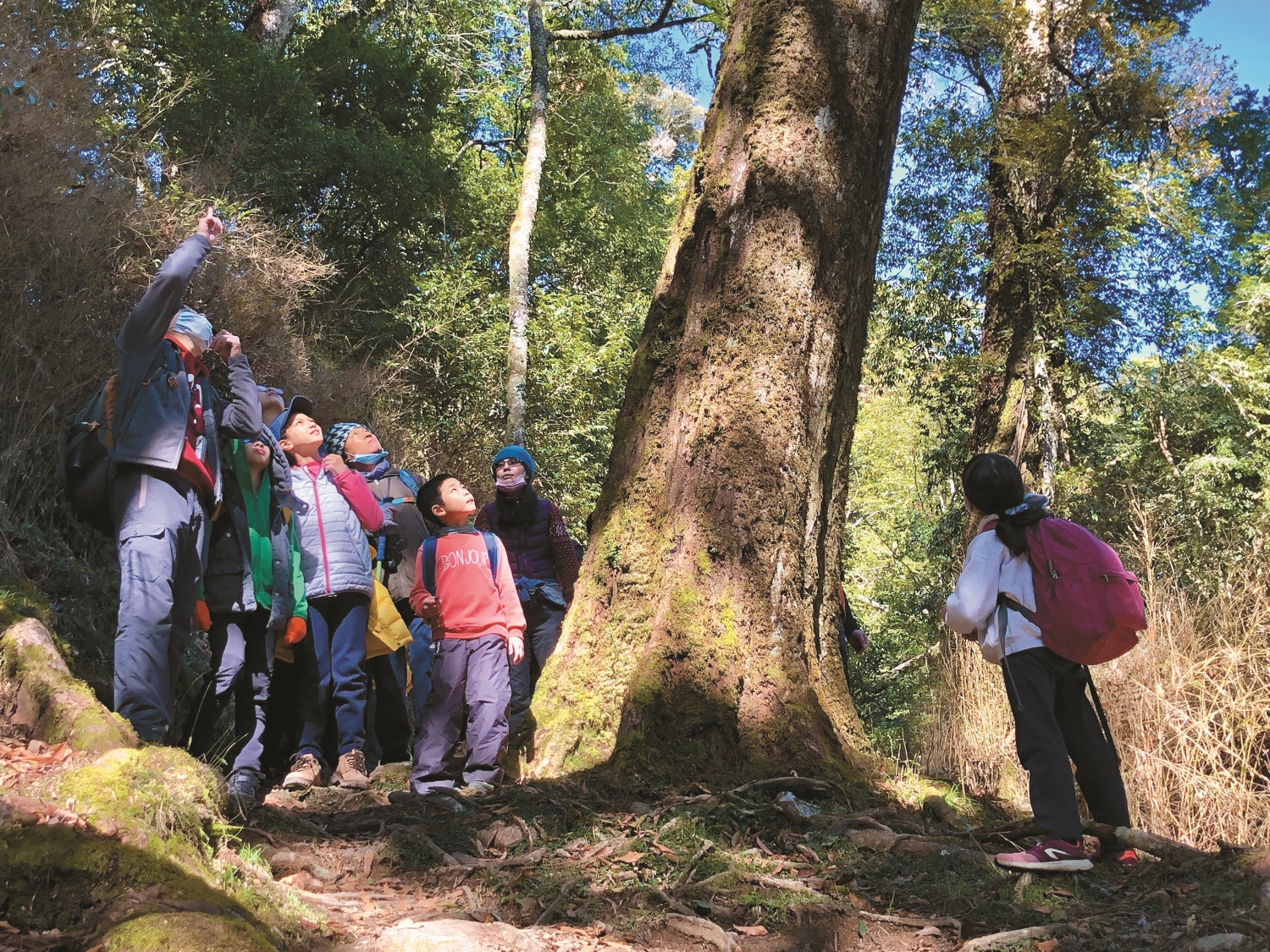
Harmony between Body and Nature -Promote Circulatory and Metabolism in National Park
Article / Mei-Yun Tso
A fifty-year-old man walked into the examination room with a chubby belly. The nurse asked him to sit down. The doctor took a look at his report and there is red all over it. The doctor frowned, raised his head, and said, “Blood pressure, blood sugar, and cholesterol all exceed the standard range. Besides taking medications, you should change your lifestyle. Also, exercise is very important. You should go outdoors more frequently when you have time. Exposure to nature is good for your health.”

Living in ease and comfort leads to the diseases of civilization
Dr. Min-Rong Hong, who has served in primary medical institutes for more than two decades has met all kinds of patients every day and is accustomed to this kind of disease nurtured by a civilized lifestyle. “Due to advancement in medical technology, the extension of human life span does not always mean that the quality of life will improve. In particular, chronic diseases of civilization are like invisible killers.” Dr. Hong pointed out the medical concerns behind an aging society.
Taking the statistics of the top ten death causes in Taiwan for 2019 as an example, cancer is still the leading cause of death, followed by heart disease, pneumonia, cerebrovascular disease, diabetes, accidental injury, hypertensive disease , chronic respiratory disease, nephropathy, and liver diseases, a considerable proportion of which is related to diseases of circulatory and metabolism system. Medical research has confirmed that metabolic syndrome can increase the risk of myocardial infarction and stroke. At the same time, patients’ chances of getting diabetes also increase, which terrorizes modern people who sit long, eat more and move less.
The main cause of the metabolic syndrome is a poor lifestyle which accounts for over 50%. Genetic factors account for about 20%; if someone has a history of hypertension, diabetes, or hyperlipidemia in the family, the chance of him getting metabolic syndrome is higher than that of other people. In addition, poor eating habits, such as low-fiber, high-sugar, high-fat, excessive drinking, lack of regular exercise, and constant stress would cause endocrine disorders. These daily routines impact the body and mind, and the body would finally give out warning signs.
Dr. Min-Rong Hong who stands at the front line of the medical field felt that chronic diseases not only affect the quality of life but also cause a heavy burden on health insurance expenditures. It is a lose-lose situation for individuals and society. However, although this problem is complicated, it is not incurable. The key lies in after one changes his lifestyle, 80% of sudden death caused by heart disease and stroke can be prevented.
Faced with the health problems of modern people, Dr. Min-Rong Hong combined the health awareness he developed from being in nature and professional medical knowledge in Chinese and Western fields, he encourages people to walk into nature and win back their health by being outdoors.

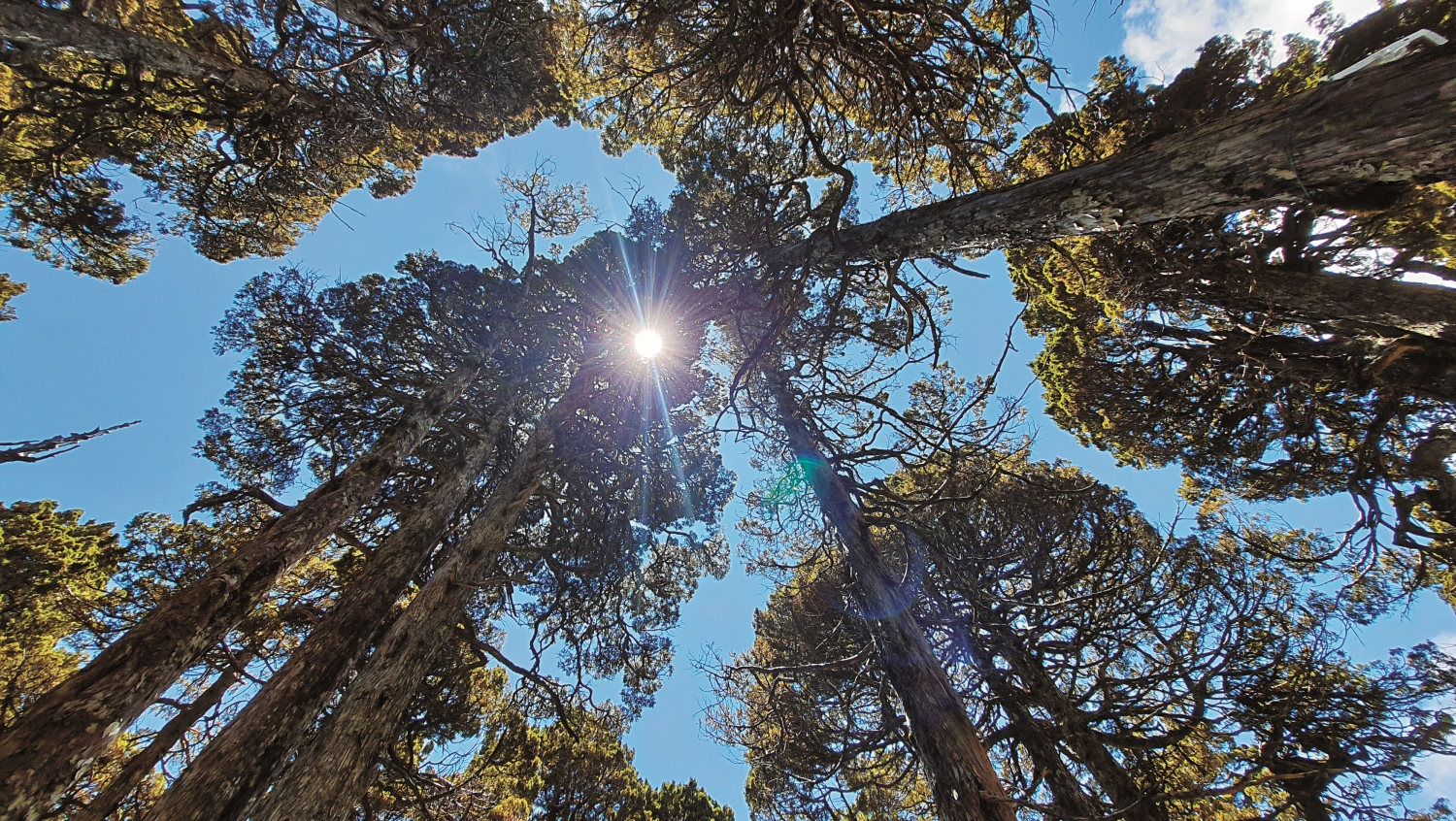
Recover health from being in the forest
Recover health from being in the forest
| Author | Country | Subject | Therapy Indicator | Activity | Major Findings |
|---|---|---|---|---|---|
| Park et al.(2010) | Japan | 280 (Male college students: 21.7+-1.5 years old) | Effects of different forest types on human physiology | A full day of activities in 24 different forests | Forest environment increases the parasympathetic nerve activity and reduces the sympathetic nerve activity. |
| Kim et al.(2015) | South Korea | 11 (Stage III breast cancer patients: 20-66 years old) | Forest therapy as cancer treatment | Go through 14 days of healing activities in an urban forest | Increased number in killer cells, perforin, and granzyme B |
| Song et al.(2015) | Japan | 20 (58+-10.6 years old) | Heart rate measurement of hypertension patients after a walk in the forest | 17-minute walk | Lower heart rate |
| Sonntag-Ostrom,et al.(2015) | Switzerland | 19 (16 women aged 29- 60, 3 men aged 34-58) | The effect of forest therapy on patients with severe depression | Be in the forest 22 times, 2 times a week | The patients feel peace of mind. |
| Bielinis et al.(2018) | Poland | 62 (college students, 21.45+-0.18 years old) | Forest therapy in winter relaxes young adult women psychologically | Stay in urban forest for 15 minutes. | Restoration in mood and vitality, forest therapy in winter can promote psychological relaxation. |
| Rajoo et al.(2019) | Malaysia | 29 (age between 21-23 years old) | Academic stress | A day of forest therapy in the tropical rainforest | Systolic and diastolic blood pressure decreased for five continuous days |
Source: Rajoo, Karam & Abdullah (2020); researched and organized by Pei-Hsin Hsu; “Who did the Forest Heal? – The Participation of Lishan Communities”, Taiwan Forestry Research Institute Council of Agriculture Executive Yuan
Pei-Hsin Hsu, a post-doctoral researcher of the Forestry Research Institute Council of Agriculture, pointed out that the effects of forest therapy on human physical and psychological health can be roughly divided into two aspects: physiological benefits and psychological benefits. Related academic researches mainly focus on the four aspects of cardiovascular, immune system, neuroendocrine and mental health benefits, and the data all show very exciting results.
In terms of cardiovascular health, people did a day of forest therapy activities in the tropical rainforest in Malaysia in 2019, and the subjects' systolic blood pressure and diastolic blood pressure continued to drop for up to five days; in 2015, 20 patients with high blood pressure were selected as test subjects in Japan, and a 17-minute walk in the forest had the effect of slowing down the heart rate.
As for the immune system, six studies pointed out that forest therapy can promote the health of patients with heart failure and chronic obstructive pulmonary disease. Among them, South Korea targeted 11 patients with stage III breast cancer. After 14 days of healing activities in an urban forest, the number of killer cells, perforin, and granzyme B of the subjects has increased. For the neuroendocrine system, a 2010 study in Japan took 280 male college students as subjects. After a whole day of forest activities, their parasympathetic nerve activity increased and sympathetic nerve activity decreased.
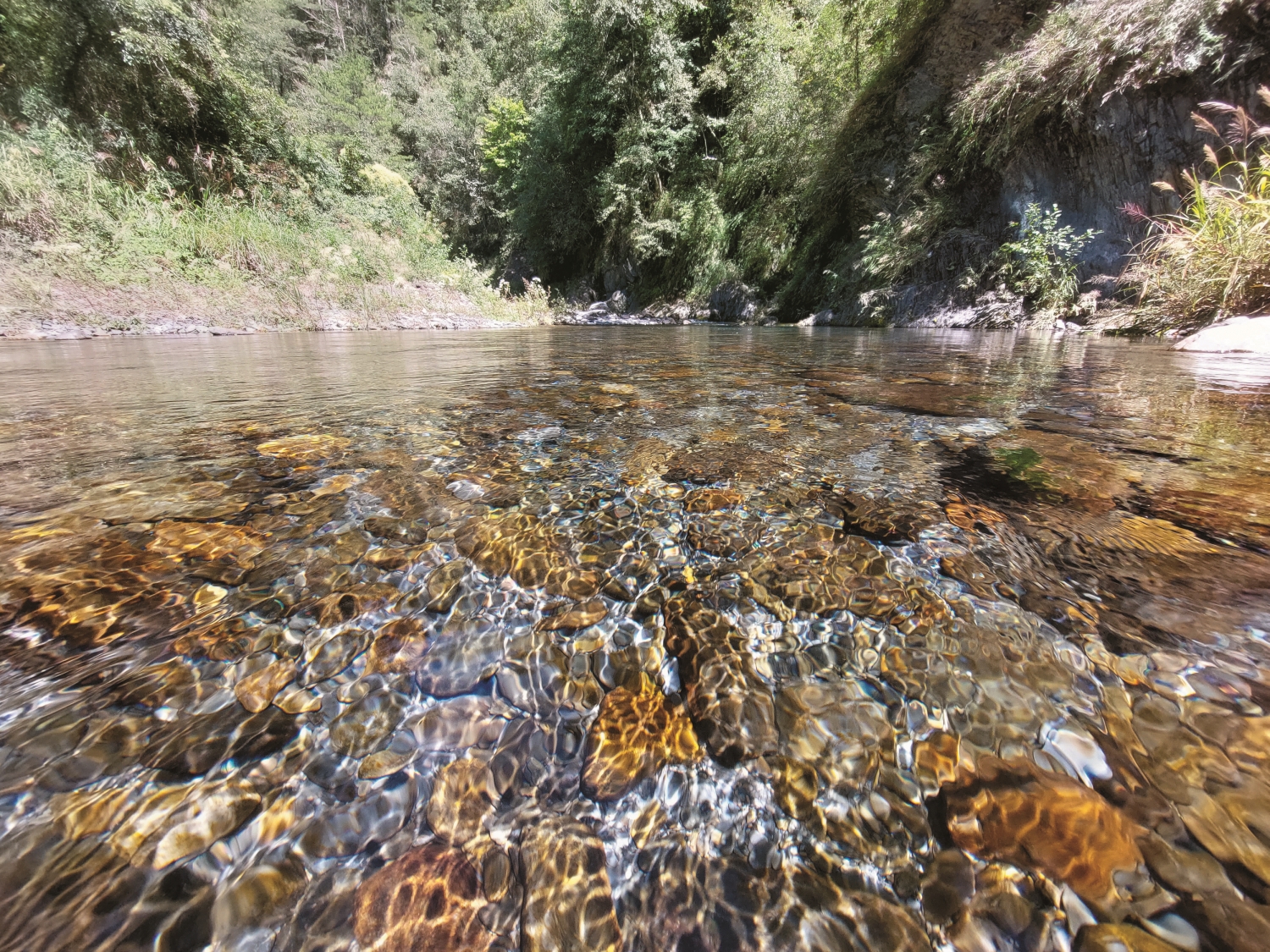
If you are willing to get close, nature can become a school
Min-Rong Hong is an atypical physician. He has been volunteering at Shei-Pa National Park as an interpreter since he was a college student. After graduation, he obtained several professional medical licenses and devoted himself to practicing medicine. However, unlike the general doctors who were stationed in the clinic all day, when reading the itinerary he posted on his social media, it was filled with schedules like volunteering in rural area medical consultation, supporting vaccination stations, and daily outpatient services.
Sensing the benefits of being in nature in the mountains, Dr. Hong combines his medical profession with the natural resources of the national park and provides patients prescriptions of nature, which not only treats the body but also brings a whole other level of feeling to life. “In nature, people do not have to do anything special to be healed.” In addition to regular medical treatment, he personally promotes the wellness program of the “nature school”, taking patients up the mountains and down the sea.
The practice of nature school is not a special case. Min-Rong Hong follows the example of the “TOYOTA Shirakawa-Go Eco-Institute” in Japan, which has a successful natural ecological experience program. This nature school is an environmental protection institute that emphasizes the symbiosis of nature and local experience through the cooperation of three units: Shirakawa-Go Village, Environmental NGOs, and Toyota Motor Corporation. In addition to providing accommodation and local dining, they also provide different activities according to the four seasons, such as a walk in the snow in winter and rafting and picnicking in summer, to experience the harmonious beauty of being fully integrated into nature, bringing people back to nature from the city.
The abundance of Taiwan's natural resources is no less than that of Japan, especially national parks. Min-Rong Hong has traveled back and forth among many national parks over the years. He said that each national park has different characteristics and has its own beauty. Many activities can be engaged in. If you combine your visit with local agricultural products and food, you can be comforted both physically and mentally. All your troubles will be relieved and health will come naturally.
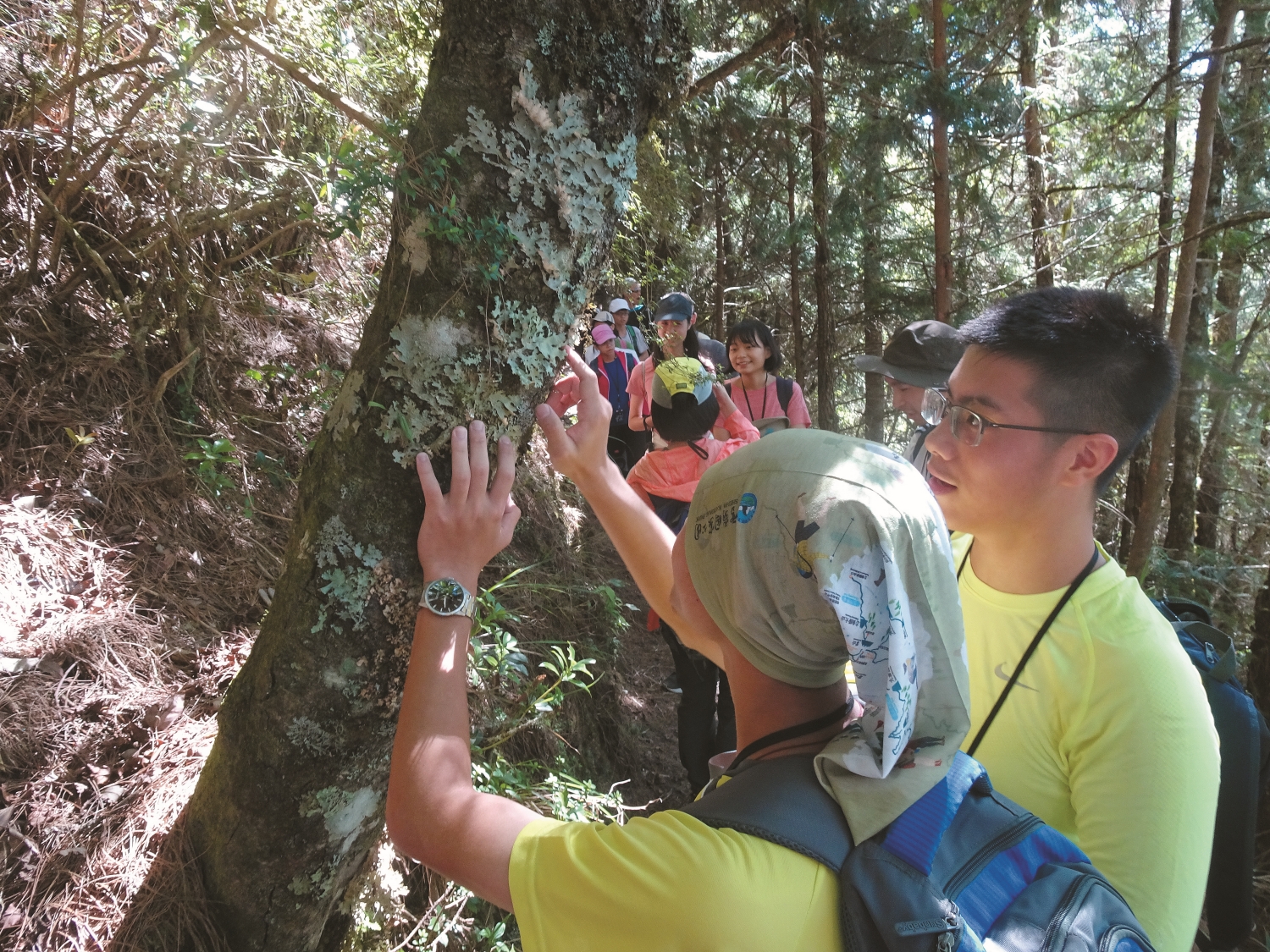
New prescriptions for health in national parks
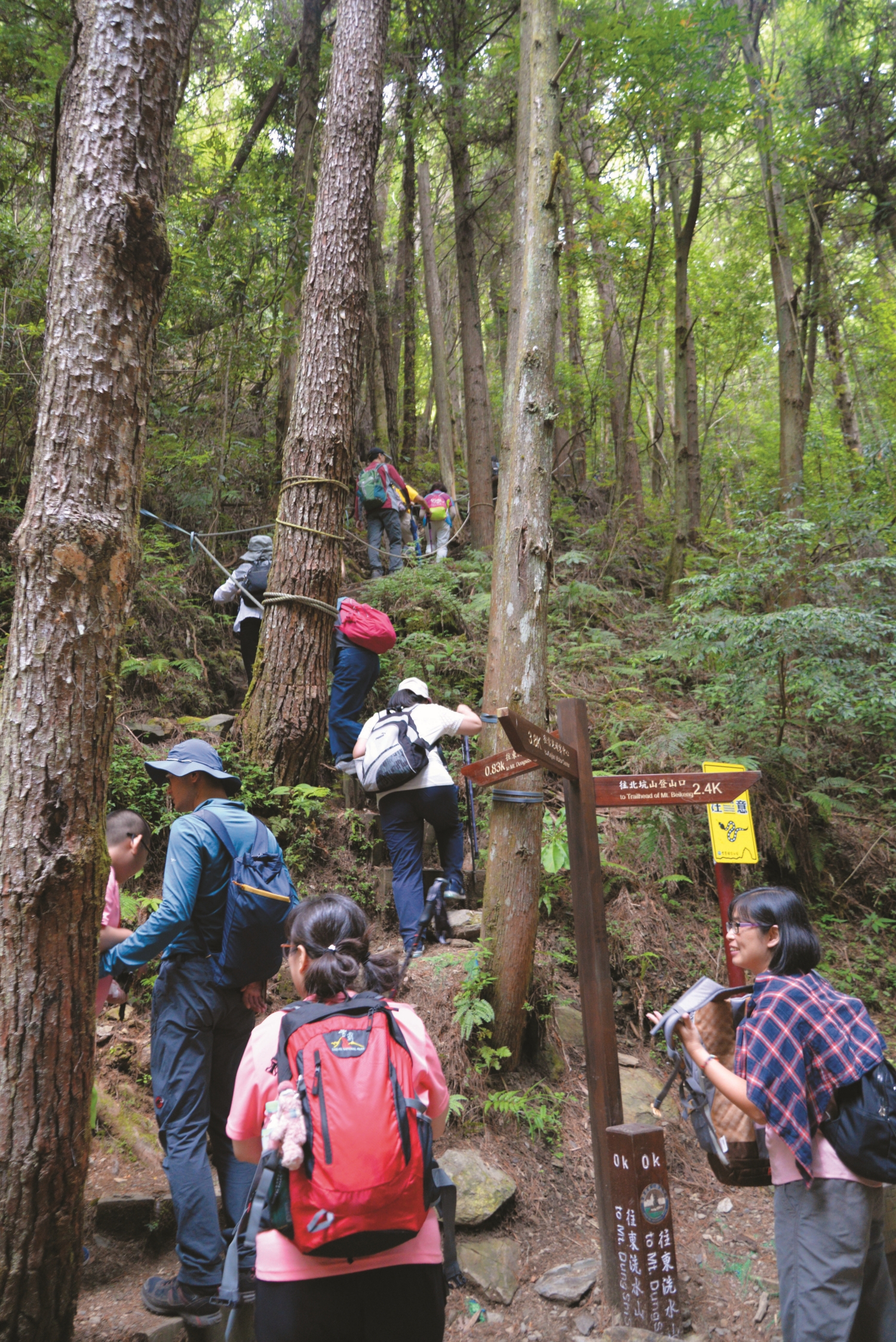
Guanwu Recreation Area of Shei- Pa National Park is located at the junction of Wufeng Township and Tai’an County in Miaoli. It is 2,000 to 2,500 meters above sea level. The Park has abundant forest resources and is surrounded by mists and clouds all year round. It has beautiful scenery and many trails and is also the best place to observe all kinds of ecology. “Such as the Guanwu Salamander Eco. Center which introduces this national treasure of relict species from the ancient ice age that is totally worth seeing.”
What else can you do in Shei-Pa besides hiking, mountain climbing, and overlooking the scenery? Min- Rong Hong, who has served as a volunteer interpreter here for many years, has extensive experience in activities such as orienteering, tree climbing, tree-hugging, forest night walk, moth observation, etc., and leaves the event participants with a lasting impression every time.
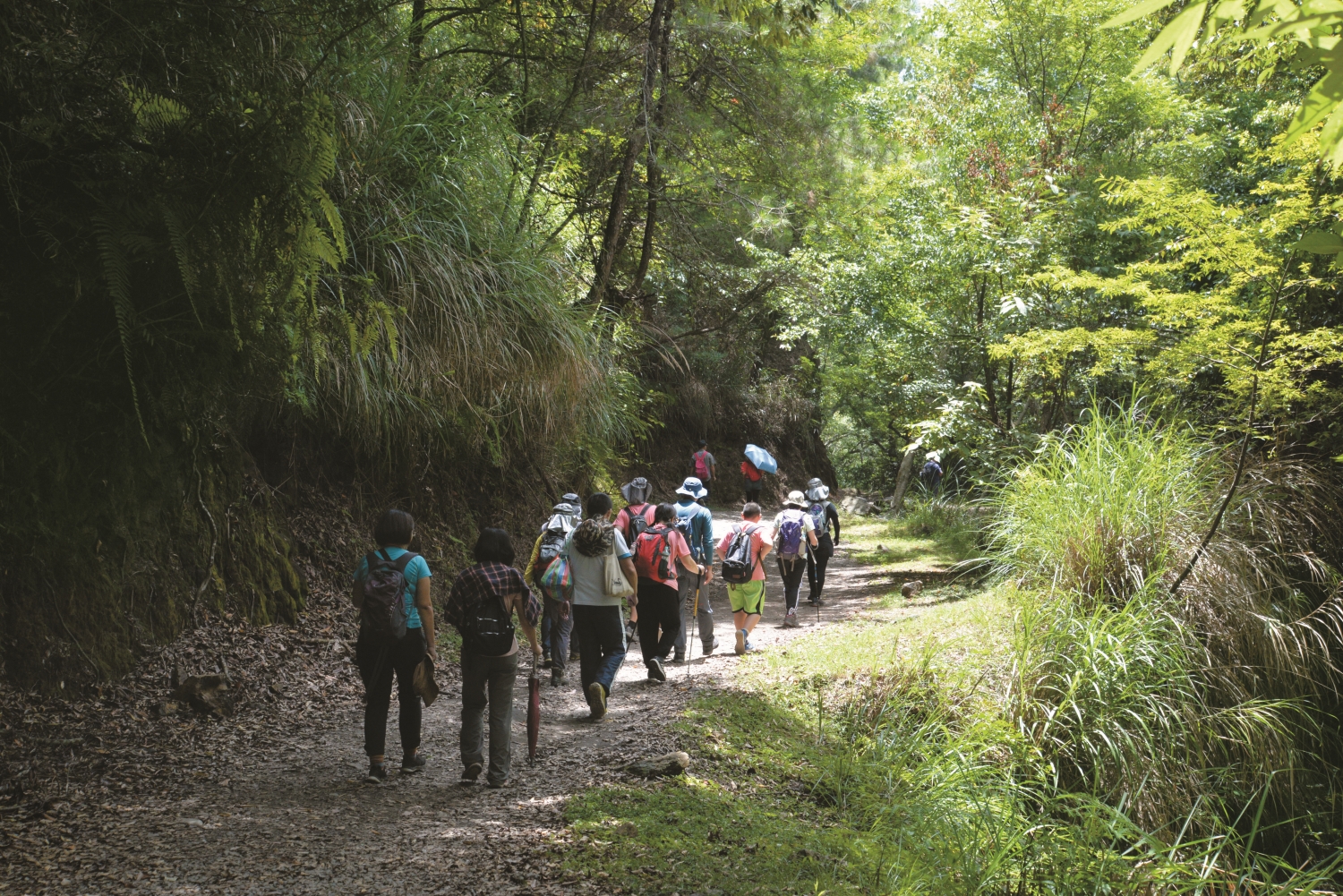
Part sections of Dalu Forest Road are full of straight and towering cedars, and it is very pleasant to meander in the forest. But not only that, Min- Rong Hong suggested that everyone take off their socks and shoes and touch the damp and cool ground with their bare feet. Unexpectedly, stepping on the ground covered with fallen leaves is like steeping on a thick carpet, soft and springy, surprisingly comfortable. Barefoot connects us directly to the ground, feeling the pores open up, and feeling extremely refreshing.
However, when people heard that they were about to walk in the forest at night, many people’s immediate reaction seemed to hesitate. “Most people would stay alert when engaging in nature activities, not to mention walking in the pitch-black forest. They would be a little worried and cautious at first. After adapting for a while, the senses become extremely sharp; not only the eyesight improves, people can even hear their own heartbeat.”
After the night walk, someone left a message in the group: “The meaning of this trip is to relieve stress and heal the body, mind, and soul. The night tour is especially amazing. I feel that the team works together perfectly, the life community supports each other, making this night especially warm and beautiful.” The participants were extremely moved. Min-Rong Hong said, this is the infectiousness of nature; it is difficult for people without the experience to appreciate it.
As for how to gain health from leisure activities in national parks, Min-Rong Hong issued a “tree-cause prescription” reminder: “The ‘three causes’ refer to time, place, and person.” He emphasized that these three factors must be considered in any activities carried out in the national park. For example, there may be typhoons and heavy rains during summer in Taiwan. When performing activities, weather factors should be considered and safety must always be placed first.
Secondly, each national park has different climatic and geographical conditions, so different activities should be designed to achieve the effect of promoting physical and psychological health. Finally, people’s physiques are different; men and women, young and old al l have different physical strengths. The activities should consider whether people can adapt to it physically and mentally. For example, female tourists may have particular periods such as menstruation, pregnancy, or postpartum, so fixed location activities may be a better choice; elderly people’s physiological functions have declined and often suffer from deficiency symptoms, so activities with a short distance on a f lat area are more appropriate.
If nature is an endless big universe, the human body is just a tiny dust-like existence. But even if it is so tiny, we still have a small universe that corresponds to it. By getting out of the concrete city jungle and breath with nature, we can expand our mind and vision. Maybe all the various physical and psychological discomforts that trouble modern people would heal without any medication. So respond to the call of nature, walk into nature and regain your health.
GO Healthy in National Park
Recover Circulatory and Metabolic Health
National parks’ resources are treasures of the earth, and they are of great help in promoting physical and psychological health. How to wander in it and achieve physical and mental balance? Dr. Min-Rong Hong put forward a number of activity prescriptions for readers' reference.

1.Breathing
Modern people often suffer from dysautonomia. If practice your breathing well, you will be able to improve the symptoms. The peripheral circulation of the body is contracted when inhaling and expanded when exhaling. Between inhaling and exhaling, blood vessels will contract and expand to help the blood flow more smoothly. Persistent training can help prevent thrombosis and stroke.
Among the towering woods of Shei-Pa National Park, under the trees full of Phytoncide is the best place to practice breathing. Many people are obsessed with whether they should use abdominal breathing or chest breathing method, Min-Rong Hong’s answer is“ either way.”,“ As long as you practice frequently, it will also help to strengthen the autonomic nervous system.”
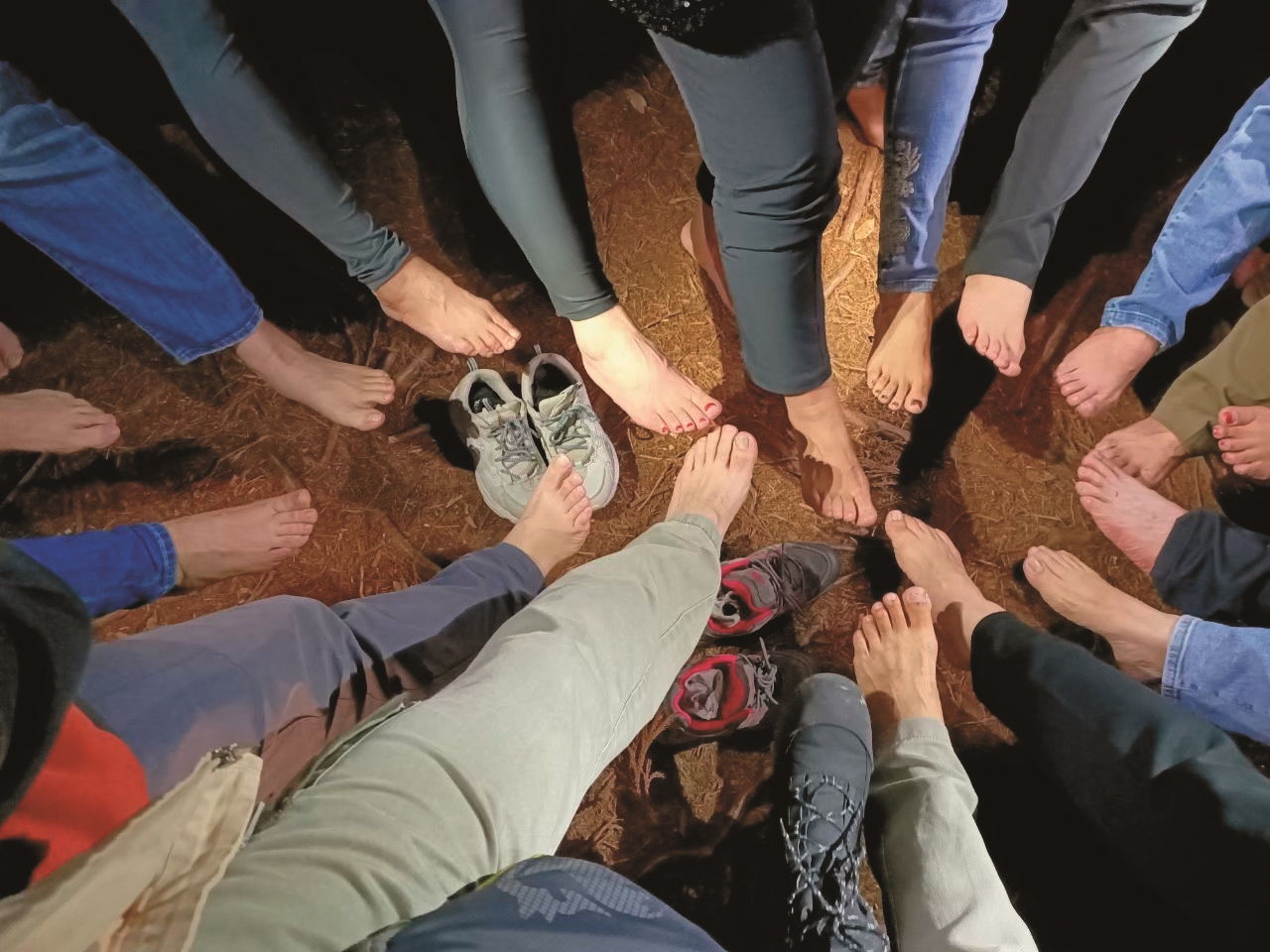
2.Walk barefoot, hug a tree
If you would like to have intimate contact with the mountains and forests, first find a flat place in the forest so that your feet won’t be injured by sharp rocks or tripped by tree roots after you take off your shoes and socks. Once you decide on the location, find a tree you like, stretch out your arms and embrace it with joy; feel the rough and uneven surface of the trunk, and the tiny thorns touching your arm. Sniff deeply with your nose, what did you smell? Close your eyes and listen to the wind and birdsong in the woods, then open your eyes and feel the light beaming among the trees. After calming down, you can talk to the tee, or empty your mind, think of nothing, and just let time pass.
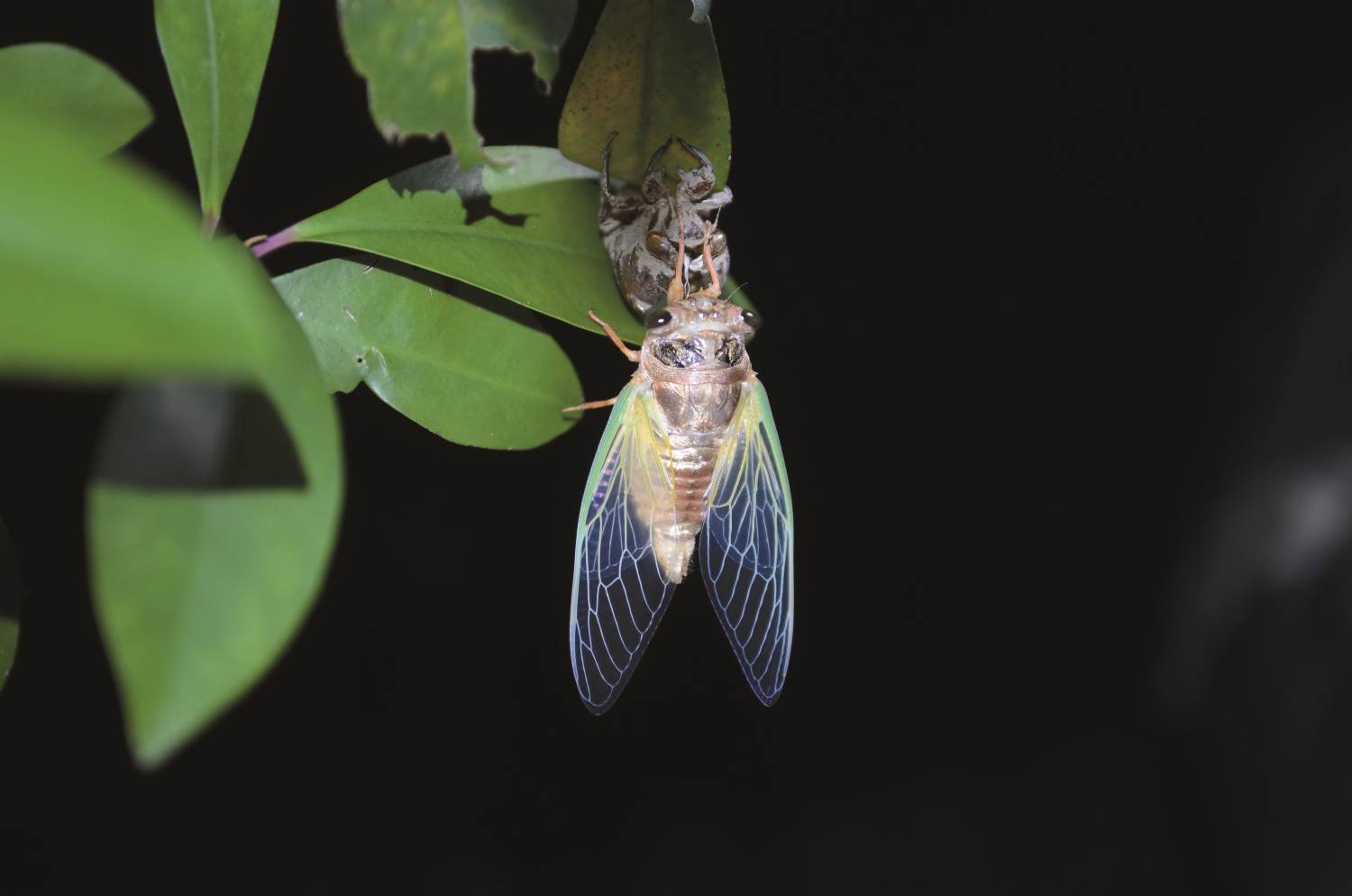
3.Night eco-observation
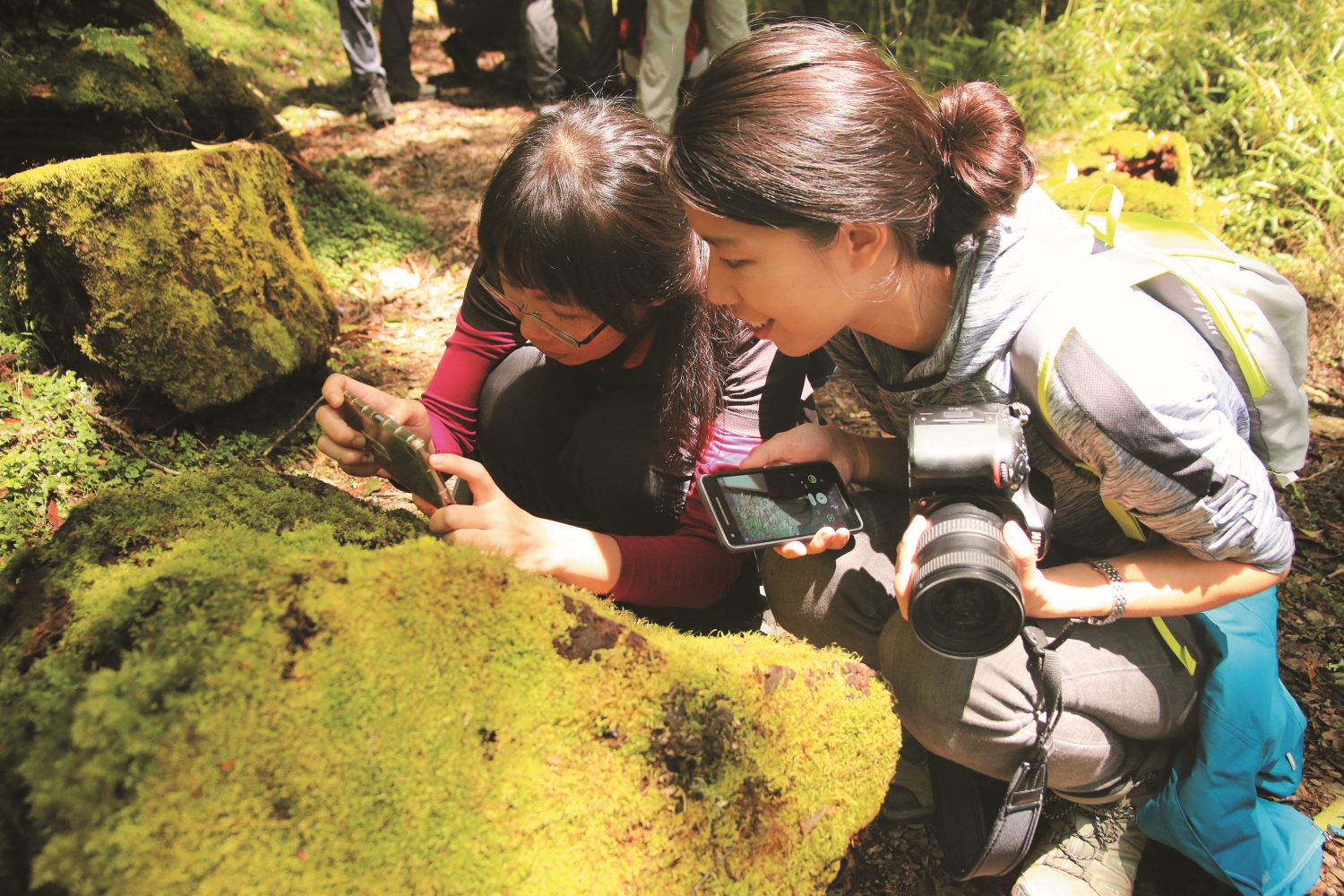
Entering the forest at night often makes people feel uneasy but also with a sense of adventurous excitement. The premise is to be safe. Headlights are essential tools to ensure every step under your feet is steady. Shei-Pa National Park has abundant ecology and is also suitable for night observations. For example, Actias sinensis subaurea and Attacus atlas of the moth family will stay still under the light, which is perfect for you to take a closer look.
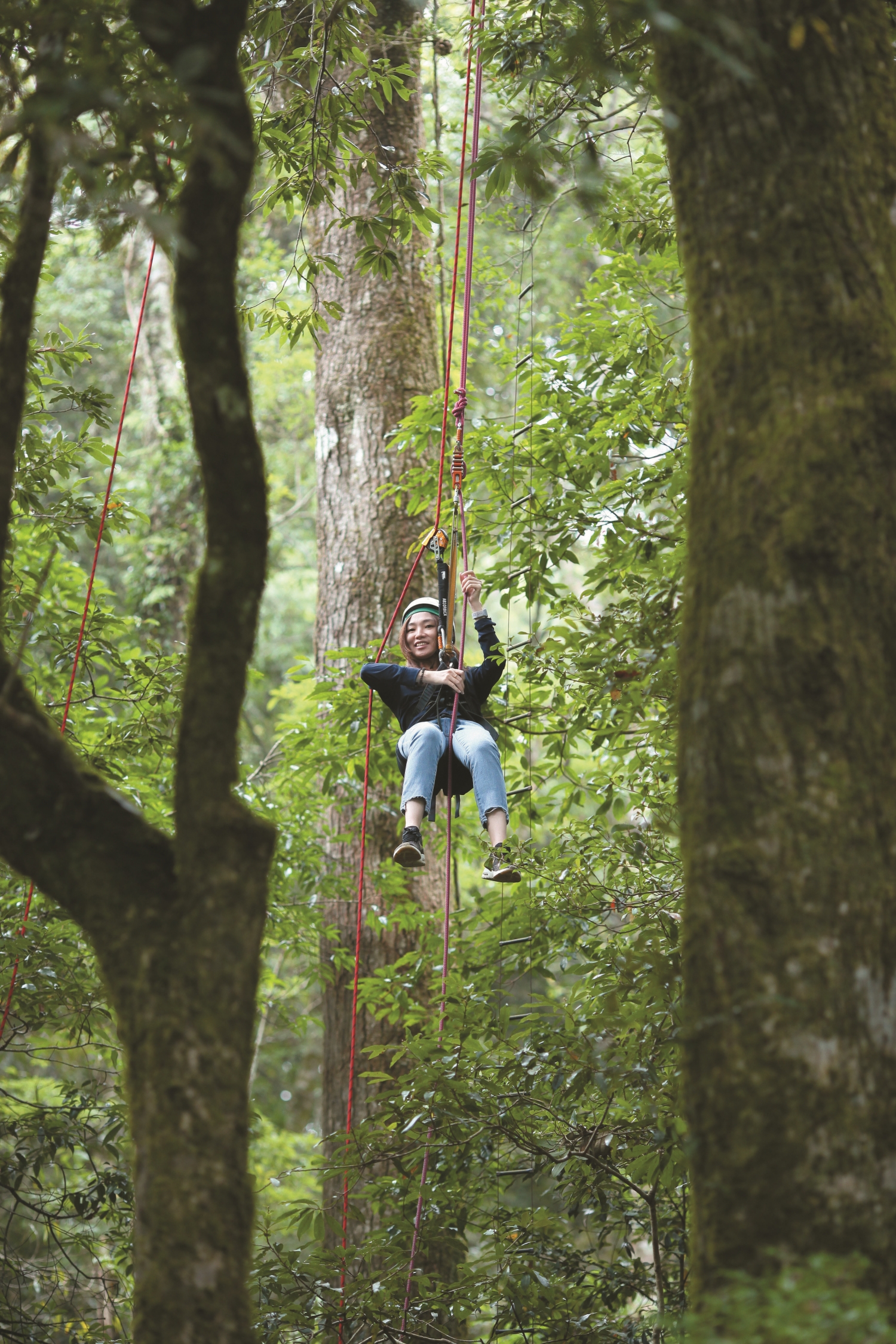
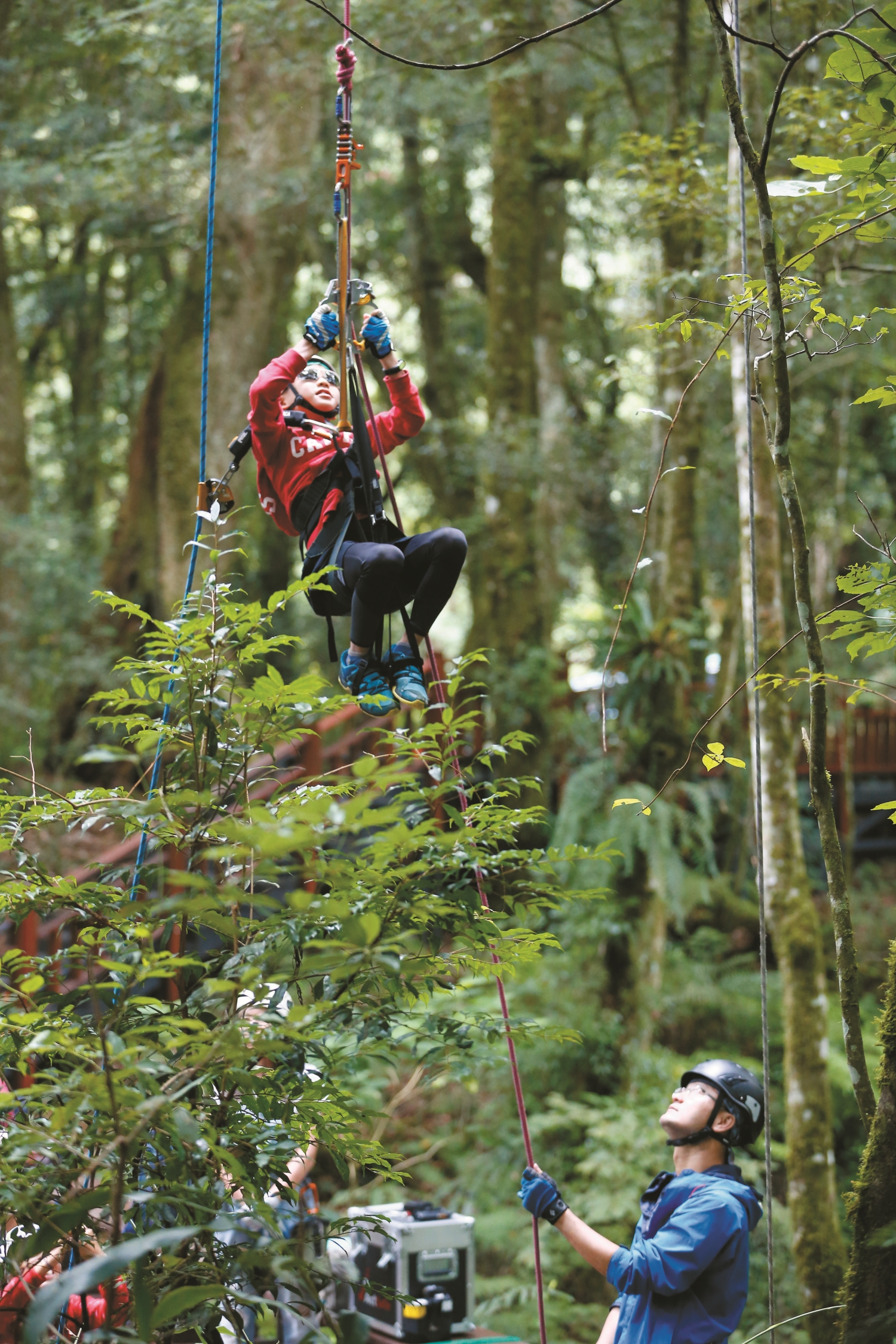
4.Xue-Jian canopy layer tree climbing experience
Through the establishment of the canopy platform, the public can look down on the earth from the 20-meter-high canopy with the assistance of tree-climbing equipment and professionals, and observe the ecological beauty of the canopy from an unusual perspective.
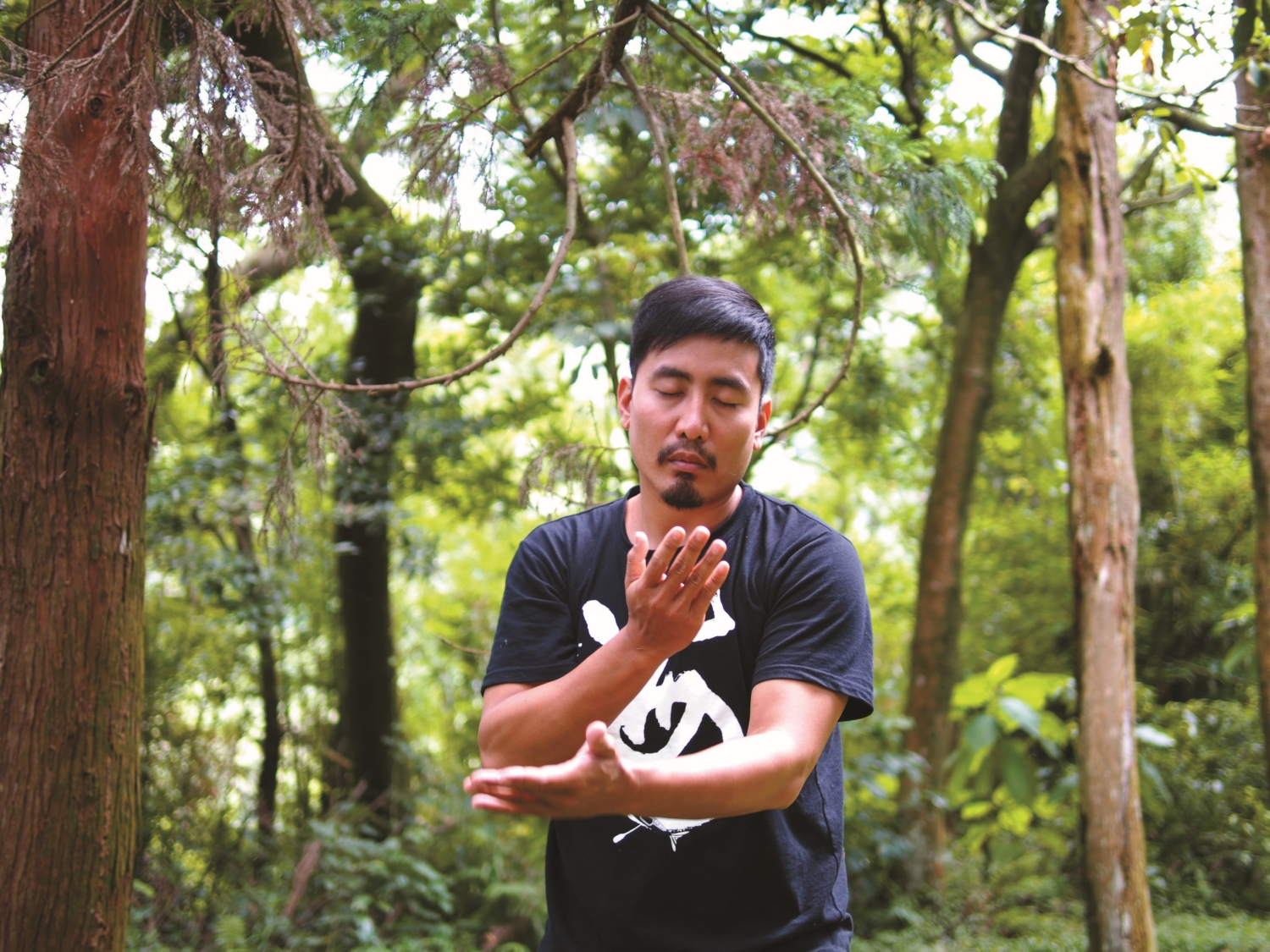
5.Sensory yoga, massage therapy
Clean up negative emotions with the sound of running water, wind, insects, and birds. By doing yoga and stress-relieving massage, you can massage your Shenmen point of the Heart Channel and the Neiguan point of the Pericardium Channel to achieve deep sleep, reduce depression, and replace using drugs. This activity can be performed in any natural environment.
Reference: Jum-Wei Li, Ying-Zong Chou, Pei-Hsin Hsu, Ying-Tzu Liu; “Who did the Forest Heal? – The Participation of Lishan Communities”, Taiwan Forestry Research Institute, Council of Agriculture, Executive Yuan, 2020 Tuning the body and mind with heaven and earth / Photo by Wei-Hung Chen
About the Author︱Mei Yun Tso
Graduated from the Graduate Institute of Conservation of Cultural Relics and Museology, Tainan National University of the Arts, Tso worked as a reporter for the China Daily News and press contact for the National Museum of Taiwan Literature. Now she is a freelance writer and image worker.


