
With Harshness Comes Vibrancy – The Vitality of Vegetation at Yangmingshan National Park-
Author / Tu Yun-Ju
Interviewee / Chinese Culture University Department of Forestry and Nature Conservation, Associate Professor Su Meng-Huai
Yangmingshan National Park Department of Conservation and Research, Technician Chen Hung-Hao
Yangmingshan National Park is an extremely valuable urban vault of natural and ecological treasures with over a thousand type of plants; it’s especially worth noting that the flora nurtured within the harsh environment of high temperatures and strong acid of volcanic geology as well as the northeast monsoon is extremely resilient, vibrant, and brimming with life. It’s hard not to admire the mysterious vitality of nature!
The subtropical climate of Yangmingshan National Park creates special geographical and climate conditions that makes the vegetation within the area different from other regions with the same latitude. The park’s excellent natural environments and conservation efforts allows many endemic or rare and valuable plants to be appreciated.
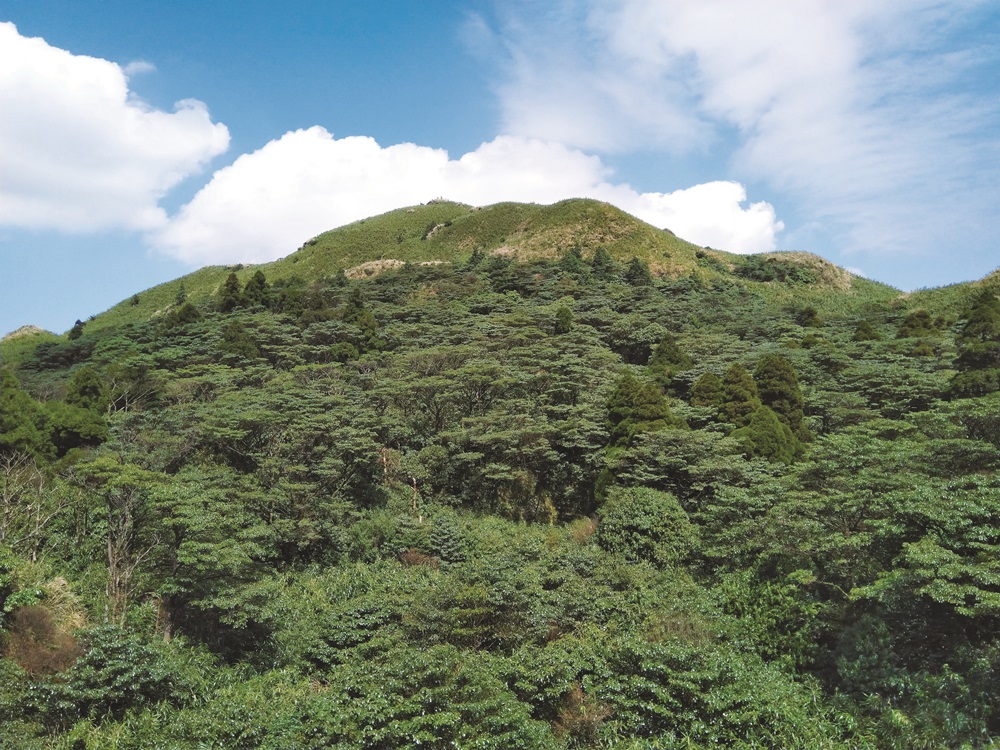
Yangmingshan National Park is located in the Tatun Volcanoes region and between an altitude of 200 to 1,120 meters; the plentiful, diverse species and unique volcanic terrain and landscape have resulted in special vegetation.
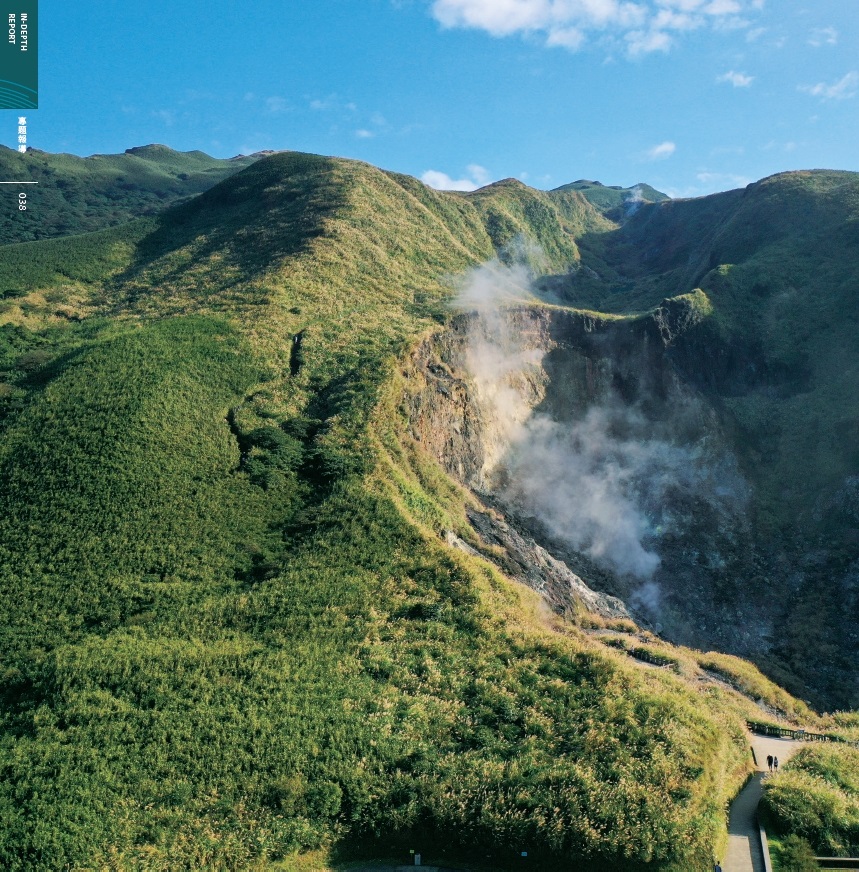
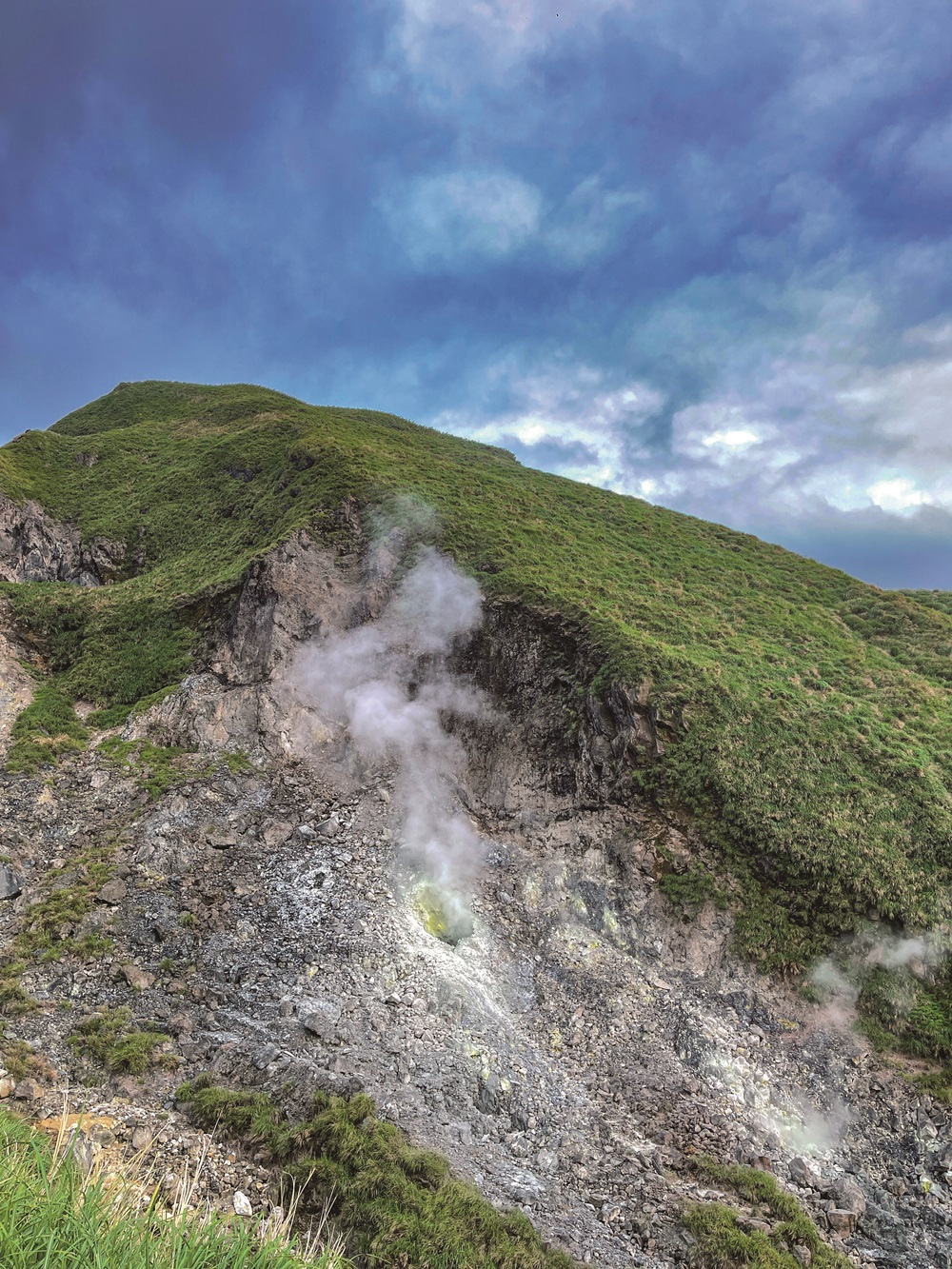
Generally speaking, plants have difficulty growing in volcanic terrain due to corrosion from high heat and strong acids; very few plants resistant to strong acids are able to survive. Growth conditions are even harsher around geologically fractured and collapse prone fumaroles. While some species of broadleaf trees can adapt to acidic soil, their longer growth period and requirement for stable roots makes it difficult for them to “stand tall” around fumaroles. However, plants such as “Miscanthus sinensis Anders” and “water fern” are common around the fumaroles within Yangmingshan.
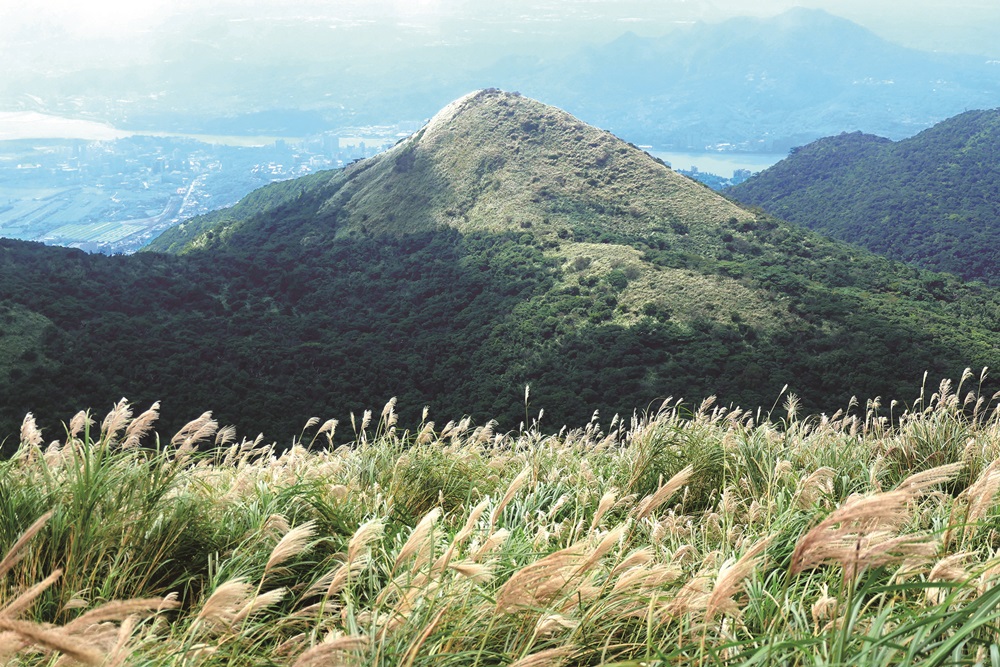
“Miscanthus sinensis Anders” is a variant of Miscanthus sinensis and is a type of Poaceae plant with high resilience. It can adapt to survive in environments that other plants cannot while the short growth period allows it to form spacious fields quickly; even in the face of soil collapse, it’s able to rapidly grow and reproduce. “Water ferns” are commonly found in low altitude regions and like Miscanthus sinensis Anders, are resilient to harsh environments such as drought, high heat, and strong acids. As such, these 2 types of plants thrive within the national park and have become one of the few plants that grow around fumaroles.
Chinese Culture University Department of Forestry and Nature Conservation Associate Professor Su Meng-Huai explains that based on current research, there have been no discoveries of plants that are only distributed in volcanic regions because plants that can grow in such harsh environments usually have an easier time surviving in other places unlike mangroves, which have absolute environmental specificity.
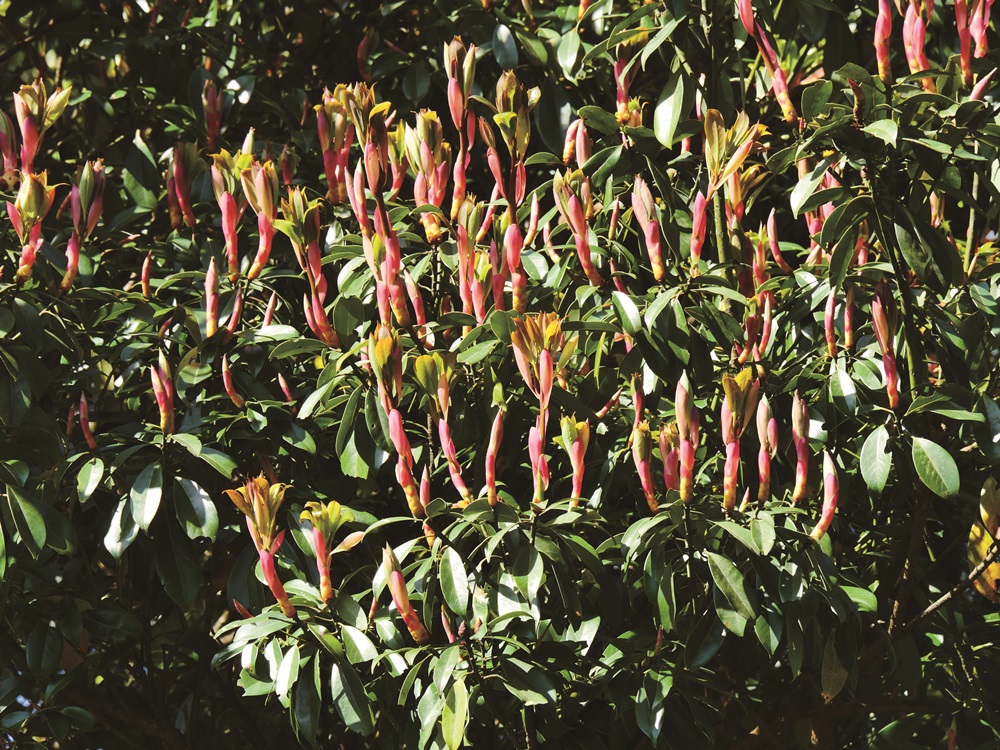
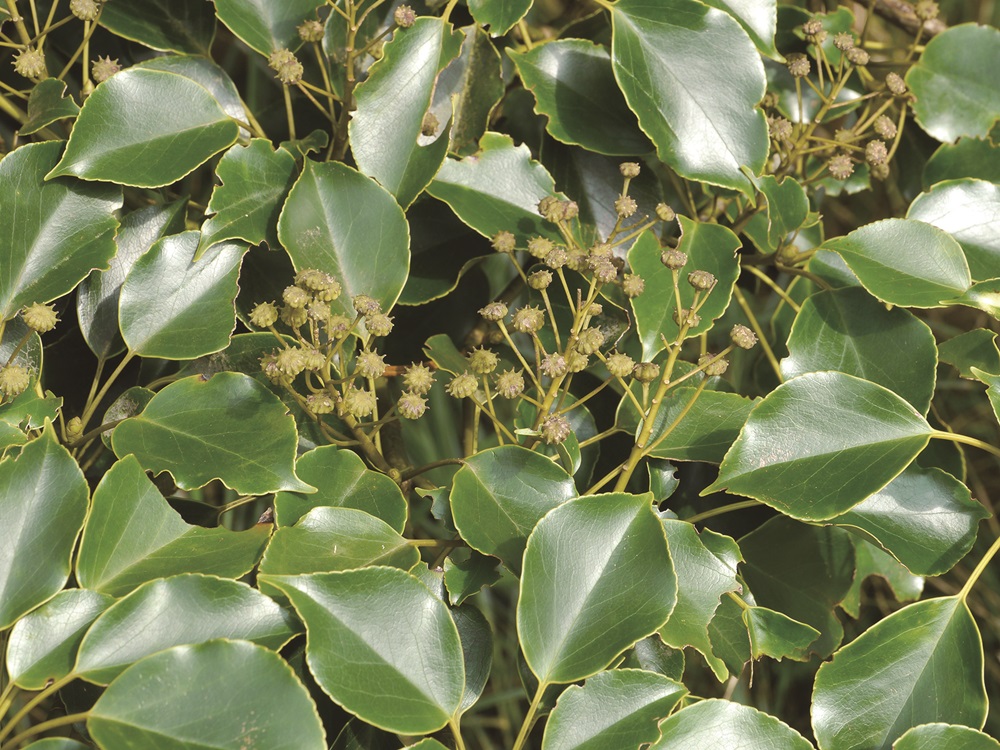
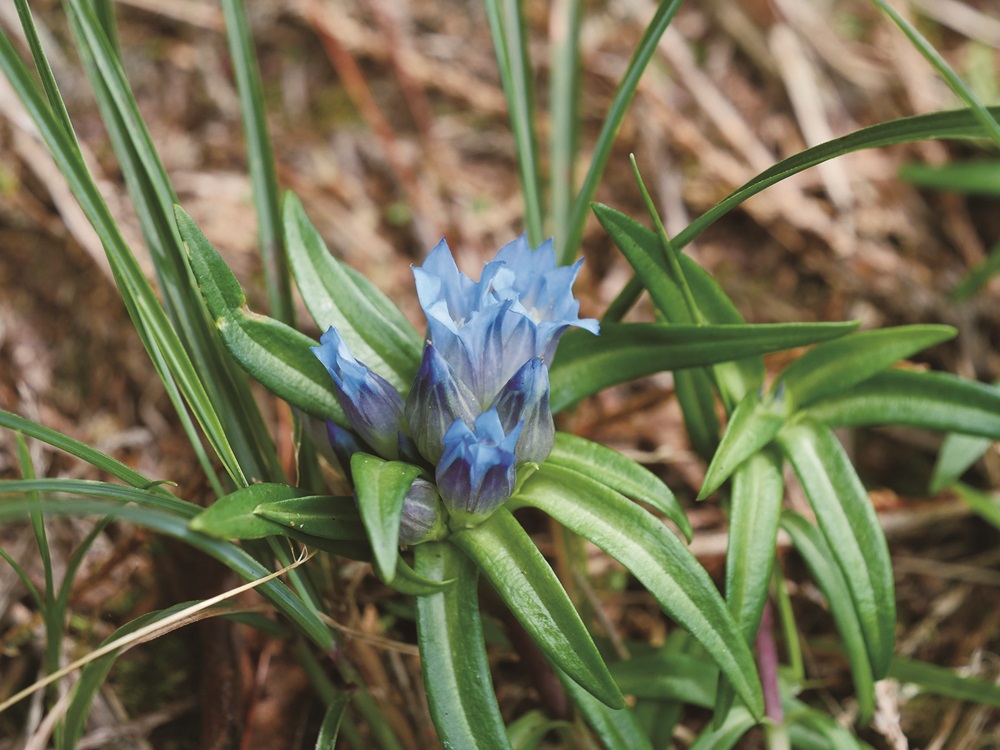
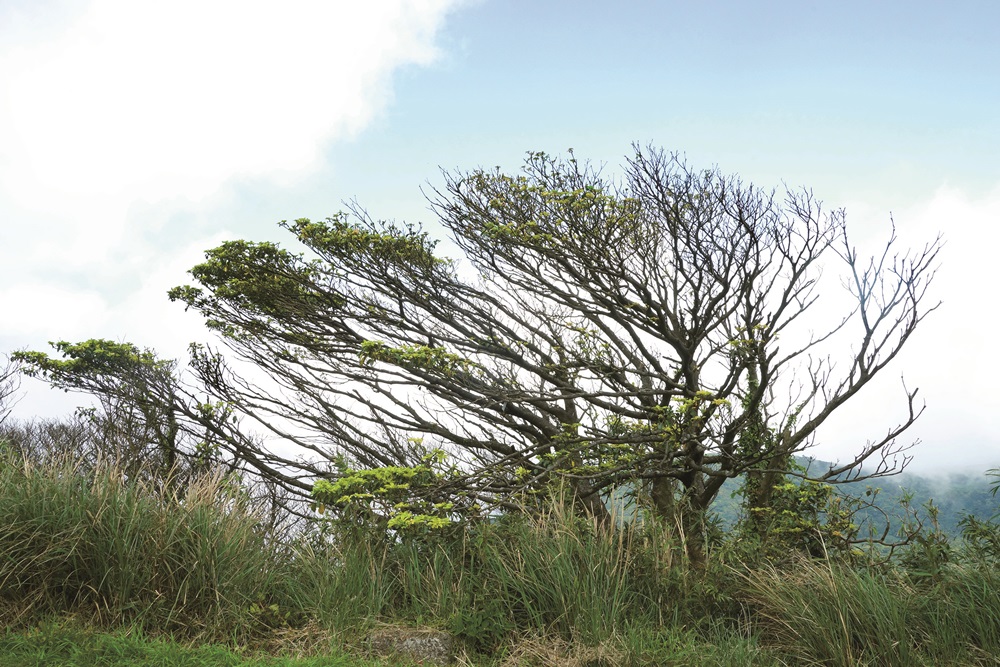
Plant communities are impacted by factors such as terrain, climate, rainfall, and soil, causing their distribution to often change with latitude and height; however, mid and high altitude or high latitude plants have been discovered within the low altitude regions of Yangmingshan National Park; for instance, there are many communities of red nanmu in Yangmingshan, but these trees are primarily distributed above an altitude of 1,000 meters in Taiwan. Additionally, plants such as Formosan gentian and bird-limetrees whose original habitats are at mid-altitudes above 1,800 meters can be found within the park at 300 meters; Japanese false hellebore, which originally grow above 3,000 meters can also be found around 1,000 meters at Tatun Mountain. The appearance of these species whose original habitats are in high latitude or mid and high altitude in low altitude regionsof the north due to factors such as terrain and climate is defined as the “northern descent phenomenon”.
Su Meng-Huai points out: “Temperature is the main influencing factor for plant distribution. While average temperature in the north is lower than central region and there is a latitude difference of 2 degrees, there should be little impact; therefore, the field of academics used to reference the “Massenerhebung effect” to explain the phenomenon of northern descent.” The “Massenerhebung effect” refers to regions with identical altitude and latitude and how mountains with higher volume will result in higher temperatures. This is because larger mountains are better able to absorb and store energy from solar radiation and as such, identical flora zones in identical latitudes can appear at higher altitudes in regions with larger mountains.
From this perspective, the size of a mountain impacts its thermal energy storage capabilities so massive mountains such as the central mountain range dissipate thermal energy much slower while Yangmingshan National Park’s Tatun Volcanoes quickly dissipate stored thermal energy due to their relatively smaller size. During winter, the colder temperatures of the northern region as well as both mountains being at identical altitudes causes a clear temperature difference which was previously thought of as the primary factor for the “Massenerhebung effect” and the northern descent of plants in Yangmingshan.
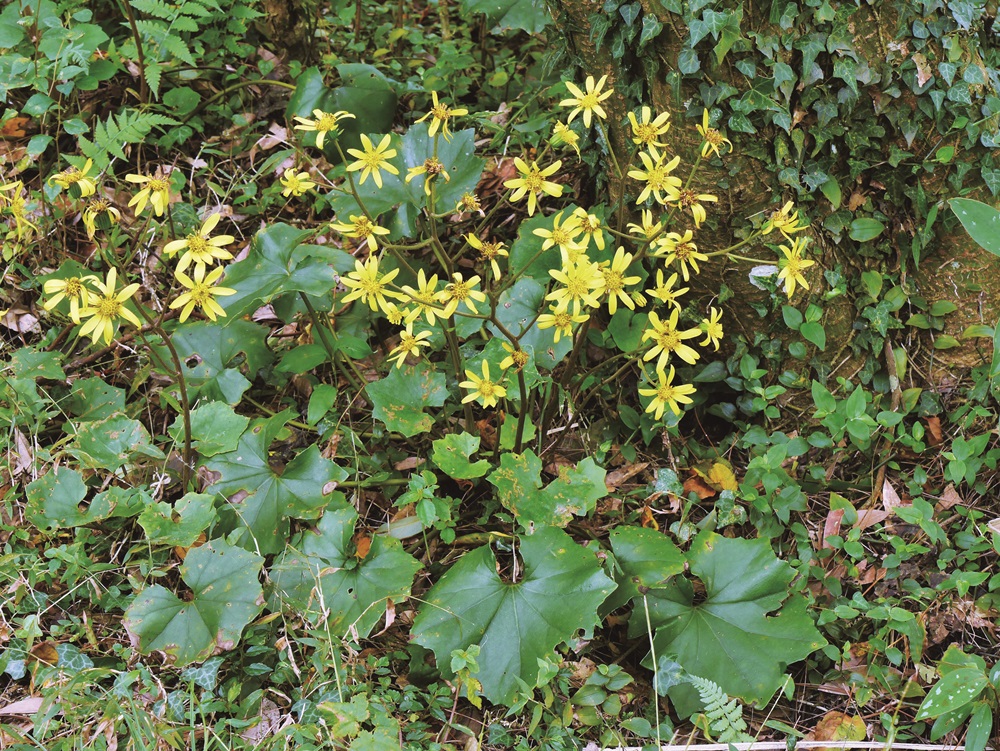
“In recent years, new research data has discovered that the distribution of flora around the northern slope of Yangmingshan in areas such as Jinshan and Yeliou are lower in altitude compared to Taipei City’s southern slope. For example, the bird-limetree can grow on the northern coast at an altitude of 300 meters buton the southern side of Tatun Mountain, you’d have to climb above 600 meters to see this plant.” Su Meng- Huai expressed that if flora distribution on the northern and southern sides of a mountain are different, it is likely not due to factors such as the “Massenerhebung effect”. During the winter and fall, northeast monsoons affect the northern and eastern regions causing increased rainfall, significantly lower temperatures, and high humidity which is beneficial for the growth of mid and high altitude plants. From this, we can see that the northeast monsoons are also a factor that causes the “northern descent” of plants.
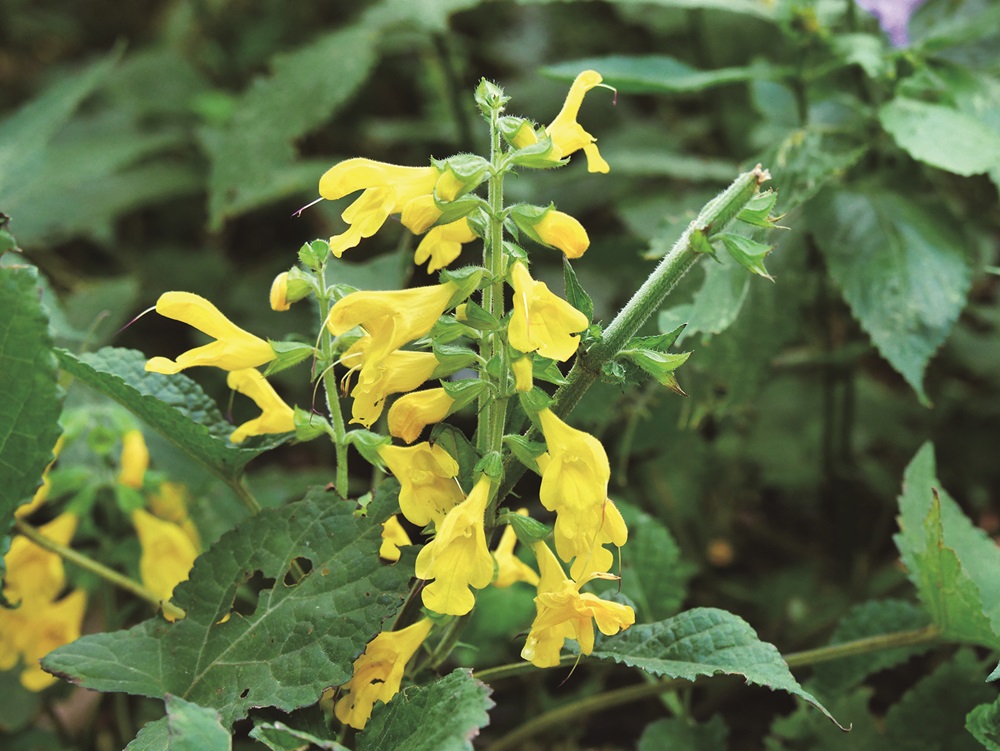
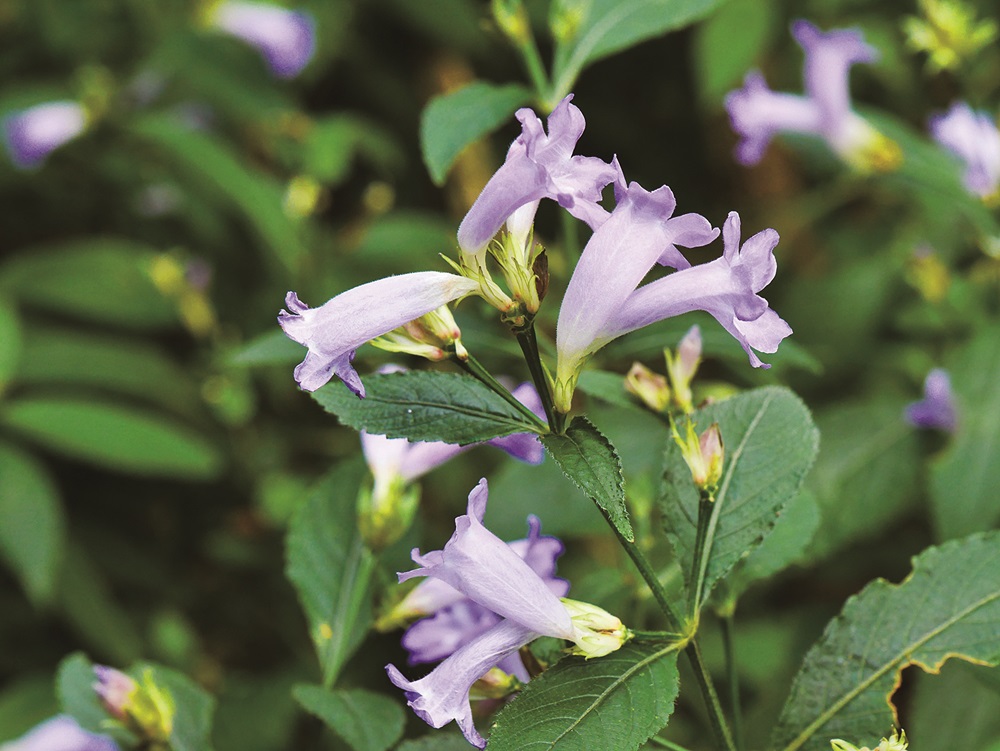
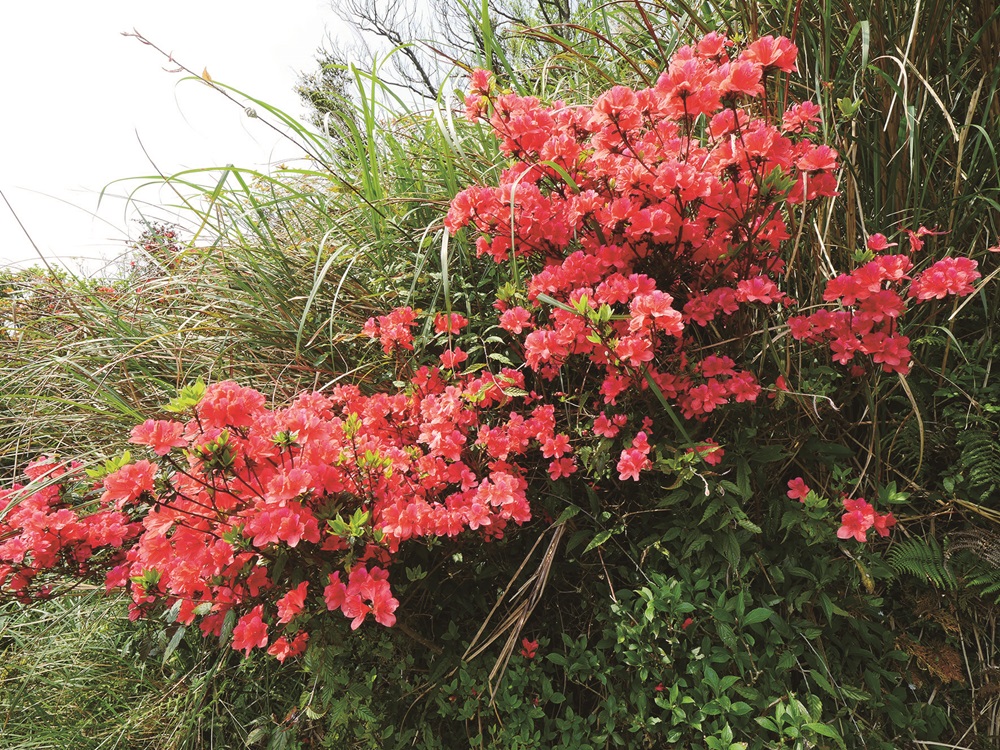
Su Meng-Huai especially mentions that in general when temperate and boreal plants bloom, they are much more vibrant and colorful than tropical plants; mid and high altitude plants are also do this in order to increasing their chances of pollination in environments with poor growth conditions. Spring at Yangmingshan National Park is when flowers such as rhododendron, hydrangeaceae, and lilies bloom and vie for attention; the summer season belongs to Alpinia, Begoniaceae, and angelica gigas; in the fall season, there are plants such as miscanthus sinensis, yellowflower sage, strobilanthes formosanus, and oidham titanotrichum; even during thewinter season when plants seldom bloom, golden fields of farfugium japonicum can be found along Yangjin Road while during the lunar new year period, seasonal Taiwan cherries also bloom. These many plants allow Yangmingshan National Park to present itself in very different styles throughout all seasons
Yangmingshan National Park boasts plentiful vegetation with as many as 1,300 species of vascular plants and as many as 150 endemic plants. This includes rare plants such as Taiwan quillwort, rhododendron longiperulatum hayata, Japanese goldenray, anoectochilus formosanus, East-Chinese many-flowered may-apple, and mahonia japonica.
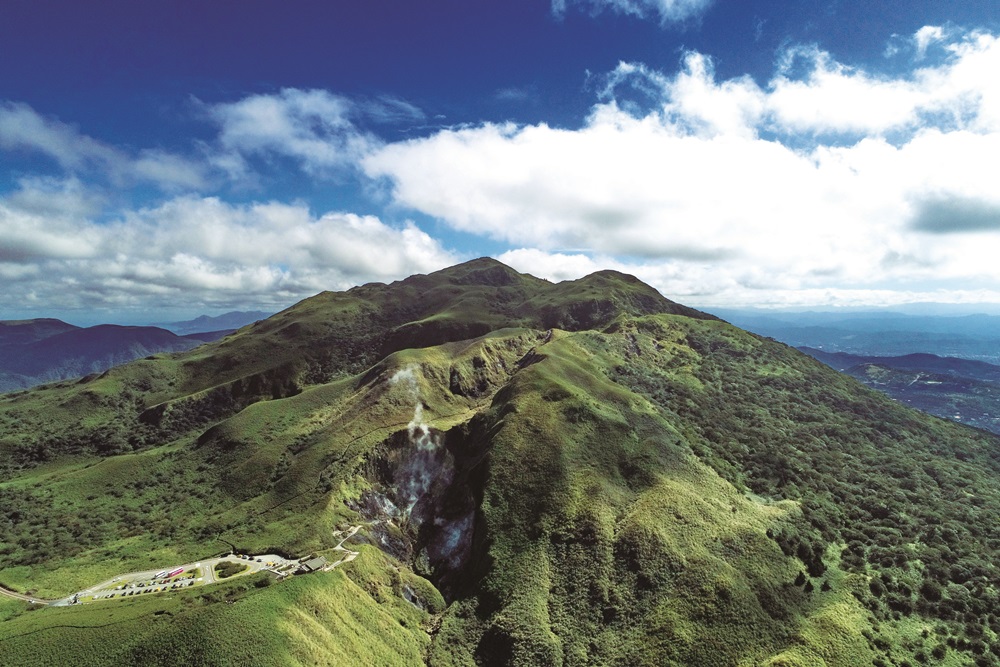
The park’s plant ecology can be divided into aquatic and terrestrial. The terrestrial plants are classified as plains, natural broadleaf forests, and artificial forests; scenery from the plains consists primarily of “Miscanthus sinensis Anders” and “usawa cane” which are commonly found along the park’s ridgeline and are the dominant plants in this area; broadleaf forests consist mostly of lauraceae such as red nanmu, large-leaved nanmu, and lauraceae; there are also other tree species such as bird-limetrees, Taiwan adminandra, and brownpunctate cherry-laurel.
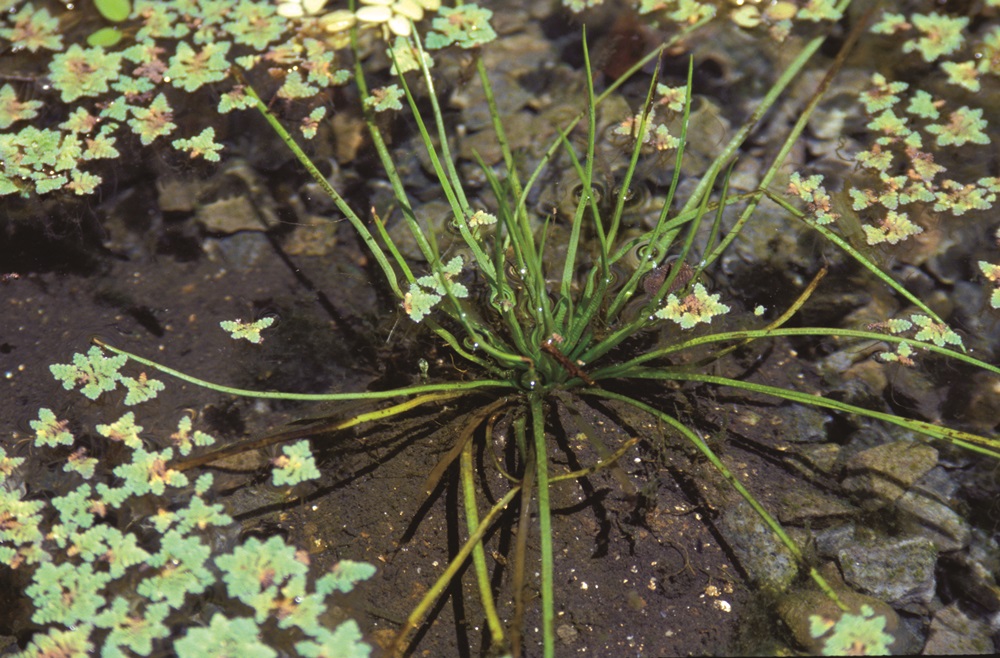
Aquatic plants are mostly found in wetlands such as Erziping, Tatun Lake, and Menghuan Hu. The “Taiwan quillwort” is most special as they look similar to the “leek shoots” we often eat but in addition to being an endemic species, they can only be found at Menghuan hu in Mount Qixing. As a key conservation target, “Taiwan quillwort” has long been under conservation by Yangmingshan National Park and have beenincreasing steadily with success. There are a few tanks in Lengshuikeng that display Taiwan quillwort for tourists to learn about and appreciate.

Recorded by: Fan,Qin-Hui, Soundscape Association of Taiwan
Audio Identi cation: Taiwan Wild Bird Federation, Secretary General Lu Yi-Wei, International Bird Guide, Hung Kuan-Chieh
Species: 00:00 Temple Tree Frog, 00:06 Melodious Laughing Trush, 00:07 Olive Frog, 00:53 Brauer's Tree Frog
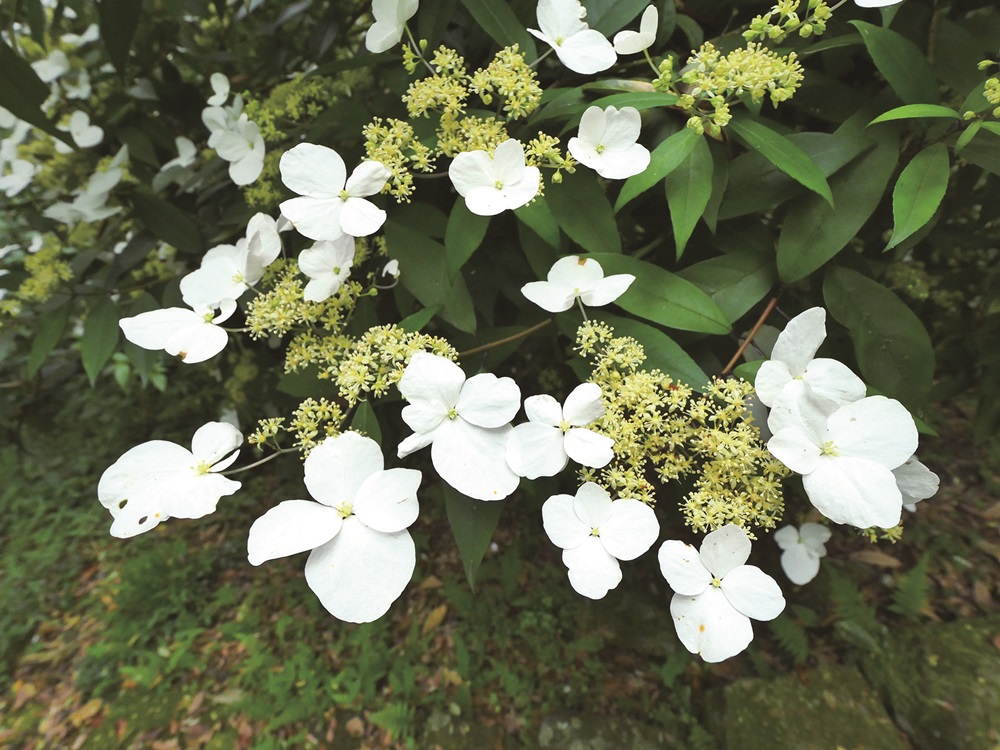
Chinese Hydrangea
Distribution: Across Taiwan in mid to low altitude mountains
Characteristics:Symmetrical leaf growth, long oval shaped, smooth leaves. Inflorescence periphery is surrounded by 4 white petal-like sepals, giving it the moniker Butterfly Flower.
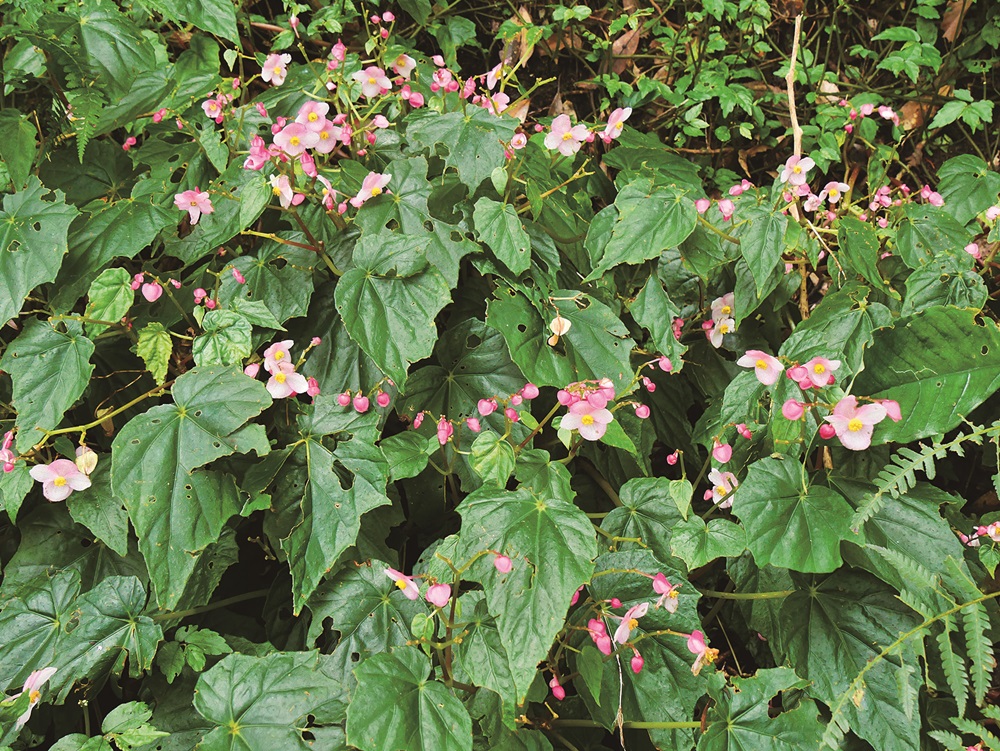
Distribution: Across Taiwan in mid-altitude mountains throughout Taiwan
Characteristics: Formosana Begonia are named after their leaves, which are a warped egg shape with irregular serration on the edges. They look like the feet of ducks, and are also known as Begonia palmata.
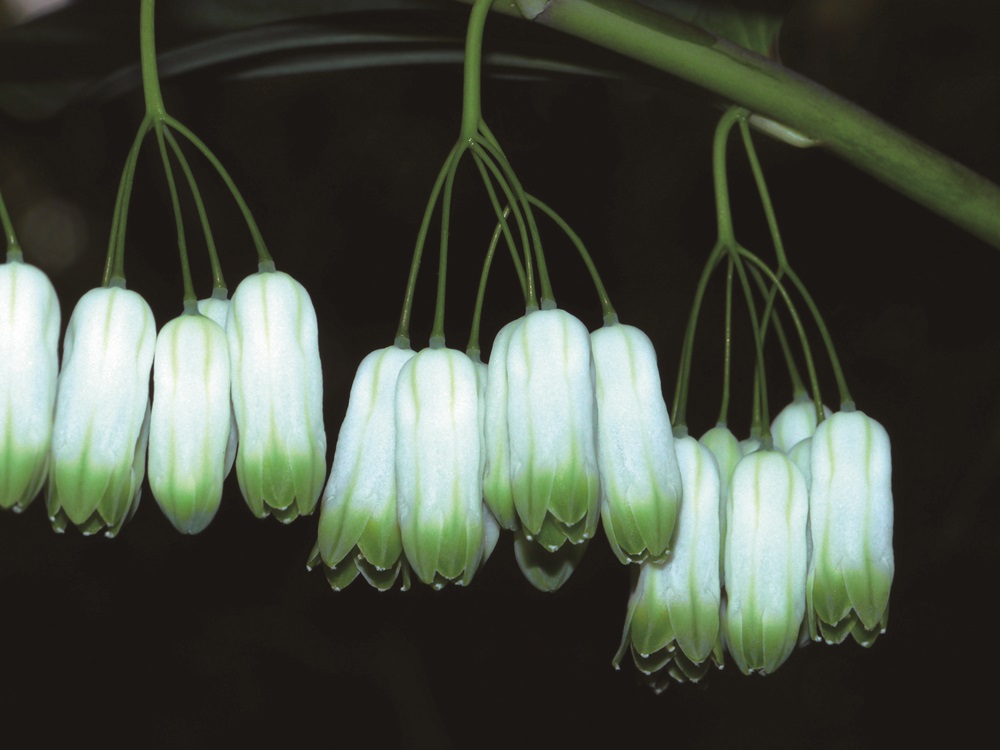
Distribution: Across Taiwan in mid to low altitude understories
Characteristics:Understory plants from the Liliaceae family. During the Tomb-Sweeping Festival, drooping white flowers bloom from leaf axils, common pedicels droop. The white cylindrical flowers are small yet captivating.
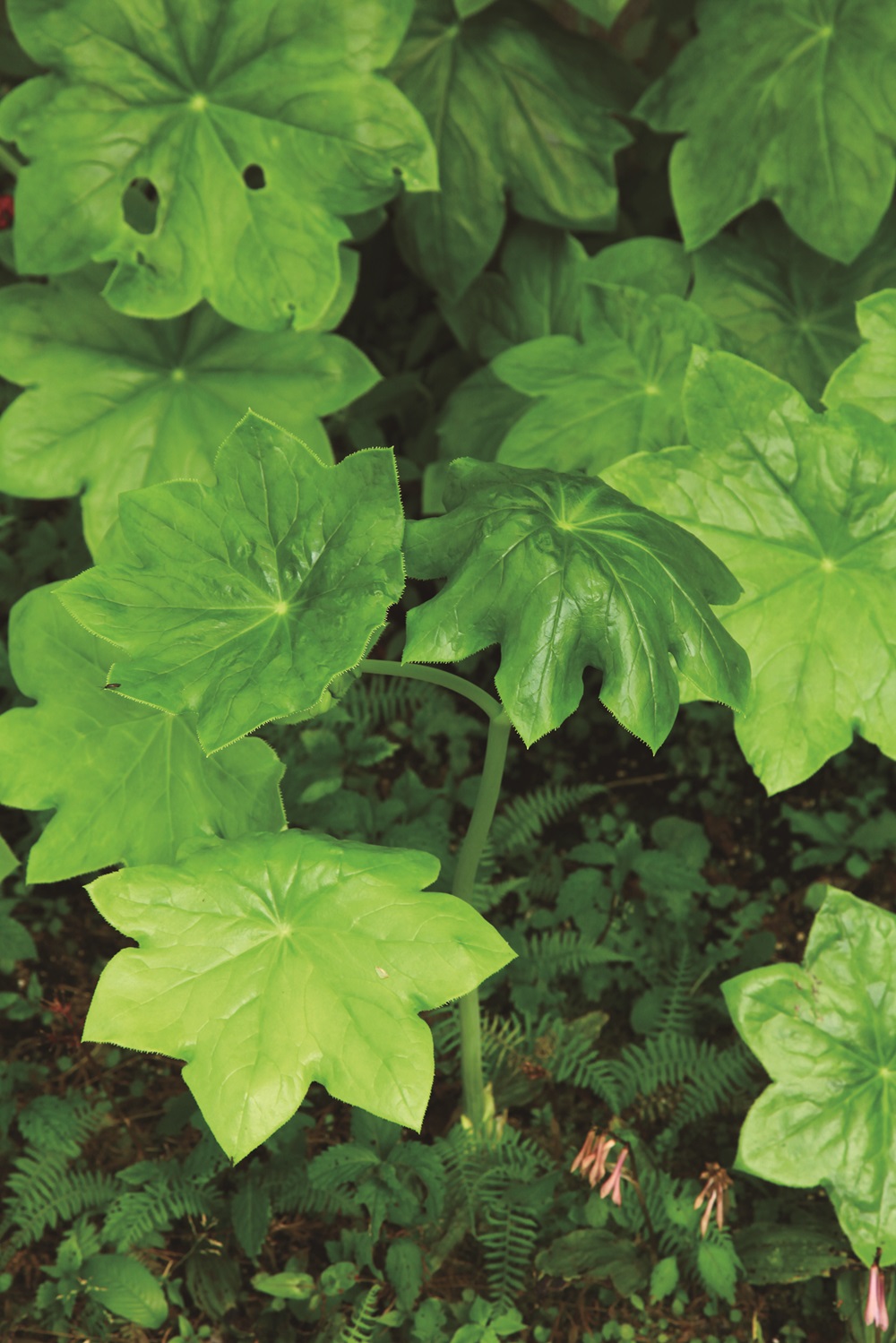
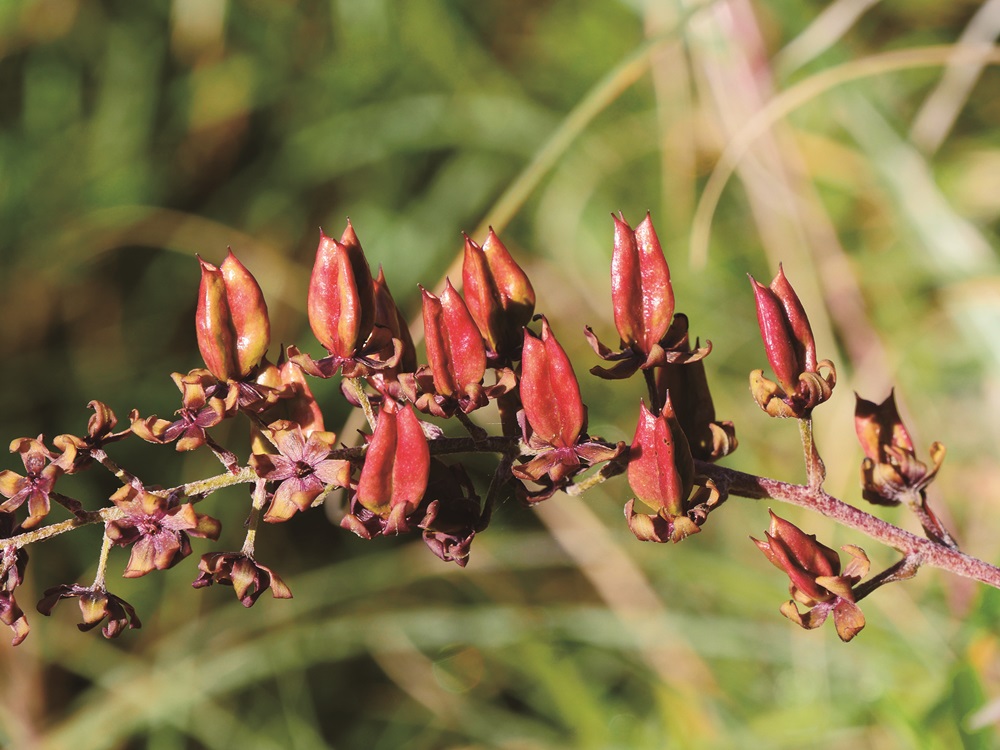 Japanese false hellebore / Provided by Su Meng-Huai
In order to protect the unique ecological and environmental resources of Yangmingshan, the national park’s management office has proactively initiated various acts of conservation since it was founded. Yangmingshan National Park Department ofConservation and Research Technician Chen Hung-Hao expressed that the park’s main task in conservation is the monitoring and recording of changes to vegetation and observe whether there are any special changes into thearea’s ecology; so far, they have accumulated more than 30 years of data. A conservation policy in recent years is to restore species within the park to their pristine natural state whenever possible. Chen Hung-Hao shares: “After many years of efforts, recent monitoring of vegetation has discovered that Japanese cedar and other artificial forests have shown signs of receding while species native to Yangmingshan, such as red nanmu were gradually increasing.”
Aside from enhancing the conservation of rare plants that are known, Su Meng-Huai reminds us that issues such as climate change and global warming may in recent years become a threat to northern descent plants such as Japanese false hellebore and Formosan gentian. Chen Hung-Hao agrees: “For this aspect, Yangmingshan National Park has initiated a simulated research projectfor ‘The Impact of Climate Change on Flora’. The project has selected a few plants that are concentrated with short flowering periods for observation to understand how changes to temperature and humidity over the years has impacted the flowering periods of these plants. By analyzing the relationship between changes in recent temperature and flora, it’s possible to identify the path of ecological conservation we can take against climate change.”
In addition to investigating vegetation changes, another goal of this project is to perform an assessment for the conservation of species, habitats, and utilize the patrol of rare plants to prevent harvesting. Herbs such as east-Chinese many-flowered may-apple and Japanese mahonia or plants that can used for appreciation purposes are often over-harvested; by utilizing theNational Park Law to prohibit harvesting through irregular patrols while also cultivating saplings to increase their amount, ex situ conservation can be conducted to ensure the continued proliferation of rare plants.
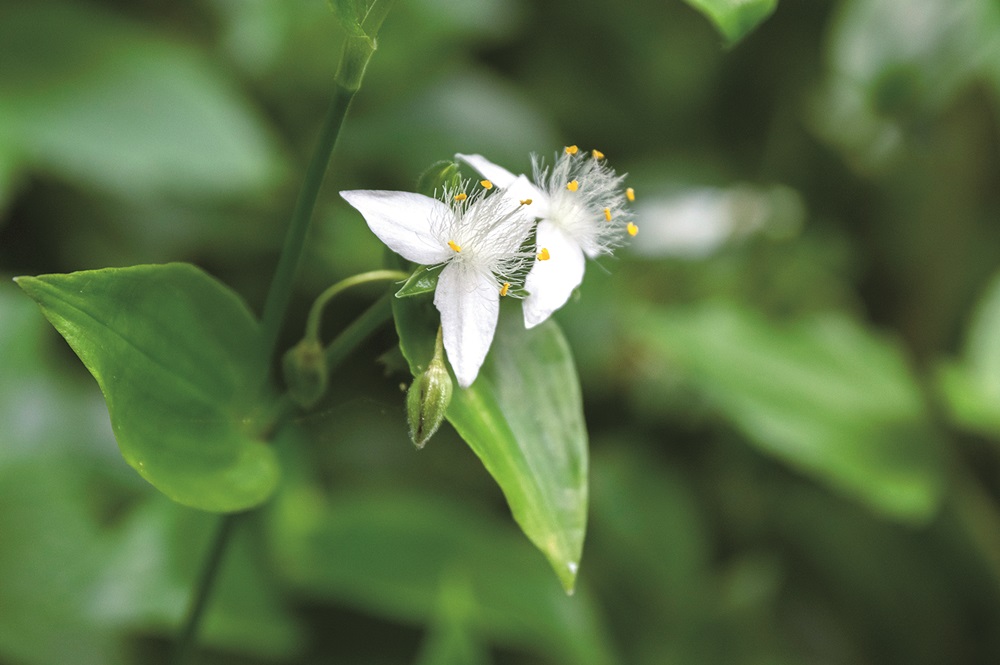
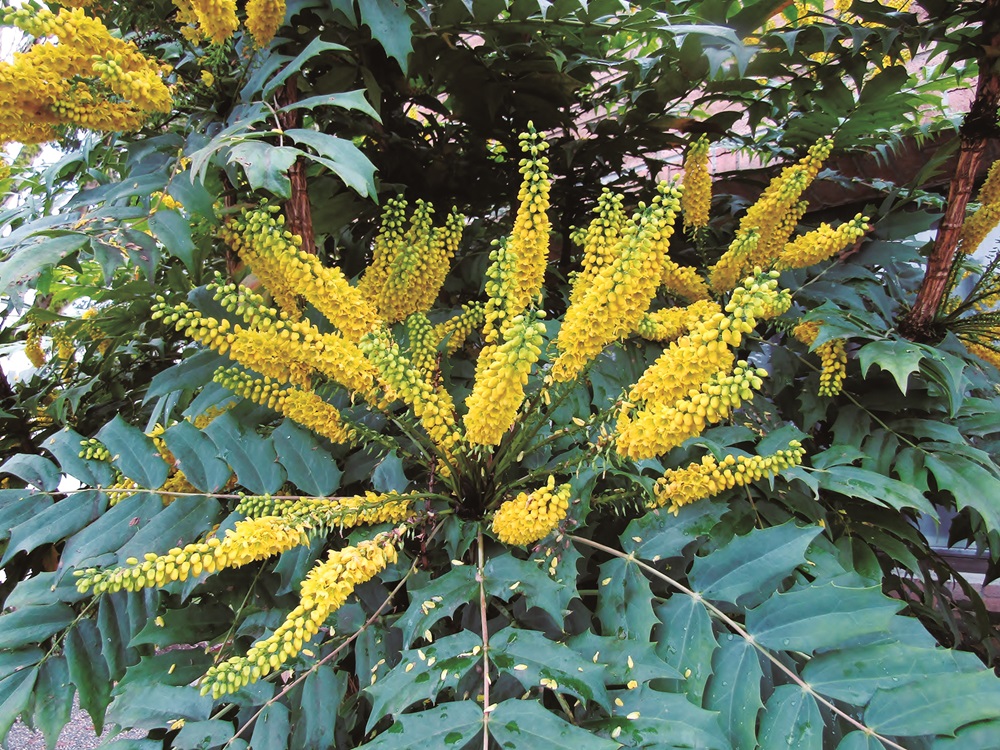
Chen Hung-Hao also mentions that one of the biggest challenges of conservation currently is the immense and spreading impact of human activities towards exotic species. Actions such as gardening, farming, or even civil engineering can bring the seeds of exotic plants into the park and cause the dissemination of plants. Exotic species that are aggressive not only infringe upon the growth space of native plants, but they can also cause severe consequences such as destabilizing the ecological chain. “Spiderwort” is a common exotic species inYangmingshan National Park and is often found near roads or areas with severe human interference. As it is an aggressive species with shade-resistant properties, it’s hard not to worry that they may expand into forests; as such, conservation workers are proactively removing them from their core areas of growth.
Aside from establishing a protected area to protect the ecological environment, the management office also utilized professional tours and other environmental education activities to let the public approach nature and learn the correct knowledge about ecological conservation. This way, the public can truly feel the beauty and preciousness of nature, become aware of the importance of protecting ecosystems, and actively join the ranks of conservation so that the ecology can be maintained sustainably.
About the author: Tu Yun-Ju
Worked previously in editing work at a magazine, publishing company. Currently a freelancer who loves visiting nature and living a carefree life.


