
Be a Responsible Tourist Guidelines in the Mountains and Forests-
Guidelines in the Mountains and Forests
Author / Lee Ying-Ying
Interviewee / Department of Landscape Architecture, Tunghai University, Lecturer Spence Ou
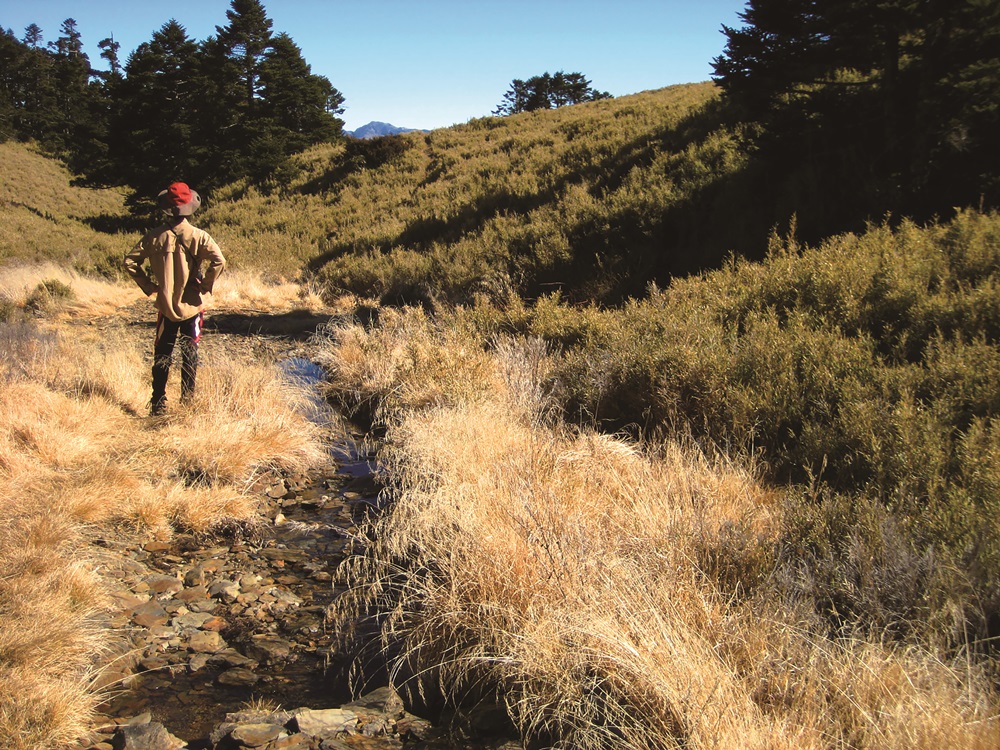
Compared to flatlands and low altitudes regions, mid to high altitude regions have sensitive ecosystem environments and ground cover that recovers more slowly. What are the concepts people should establish when visiting mountains as an outsider? What about the details that need to be considered when eating, living, and traveling through the mountains? This article will focus on the theme of Leave No Trace and the proper mindsets and initiatives when exploring mountains so that the public may work together and safeguard the beauty of mountains.
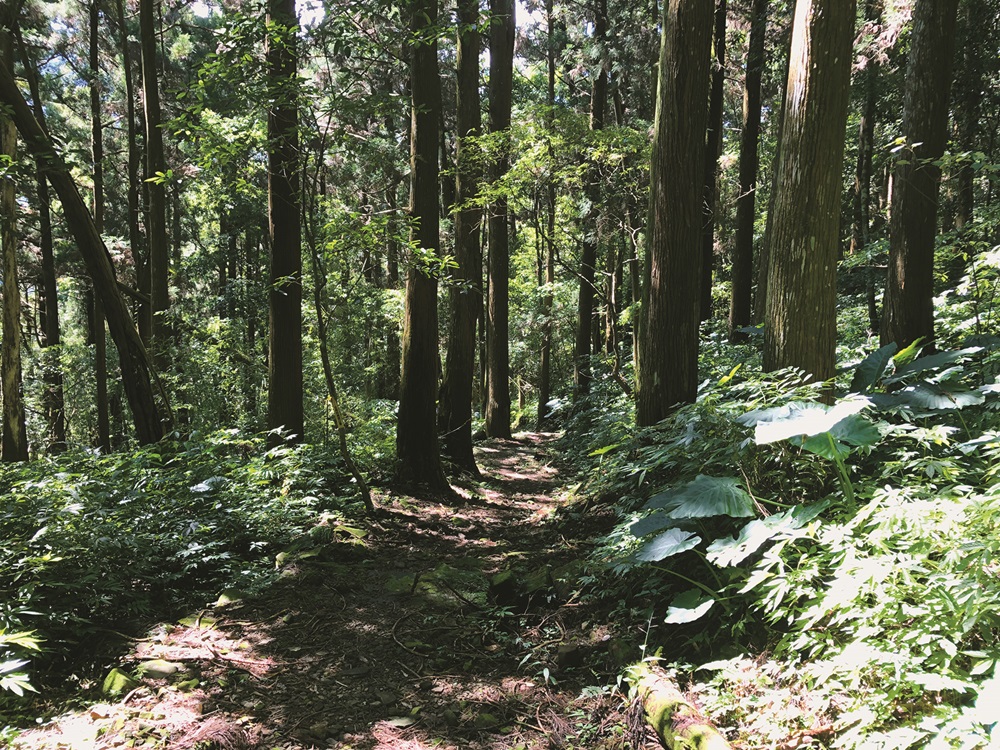
There were approximately 17 million people traveling abroad each year from 2018 to 2019 but impact due to the pandemic’s spread and a lift on the ban of mountains announced in 2019 greatly reduced the number of international travelers. Citizen’s massive demand for recreation and leisure turned towards domestic travel, mountain hikes, and even high mountain regions within our national parks.
Low Temperature and Fewer Bacteria makes Decomposing on High Mountains Difficult!
However, the special ecosystems of mid and high altitude regions are sensitive towards human interference and do not easily recover. Spence Ou, who has long dedicated himself into mountain education, mentions: “the low temperatures of high mountains results in fewer bacteria so any fruit peel, leftover food, and waste generated throughout the process require a longer period to successfully decompose when compared to flatlands or low altitude regions.”
Spence Ou once published the study “The Degree of Specialization and Preferences of Recreational Hikers” in which he observed hikers in mountains and found that regardless of whether they were visits were recreational or academic in nature, a phased growth progression existed: beginners who were shallow and maybe experimenting slowly developed into the beginner hiking phase of carefully studying information before advancing to hardcore hikers who are passionate about participating in mountain activities. Teaching these beginners about mountain education has become a extremely important due to the surge of hikers in recent years. Spence Ou adopted Leave No Trace to prevent the public from accidentally violating the taboos of high mountain ecosystems; details the public may easily overlook in mountain activities are shared through the aspects of “travel”, “camp”, and “cooking”.
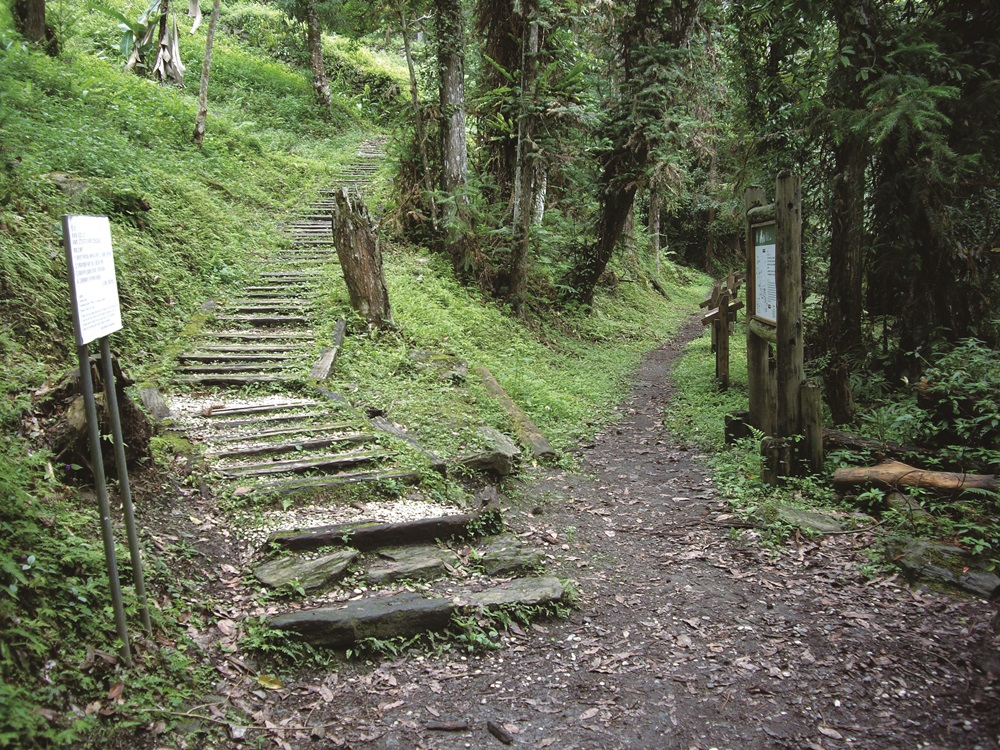
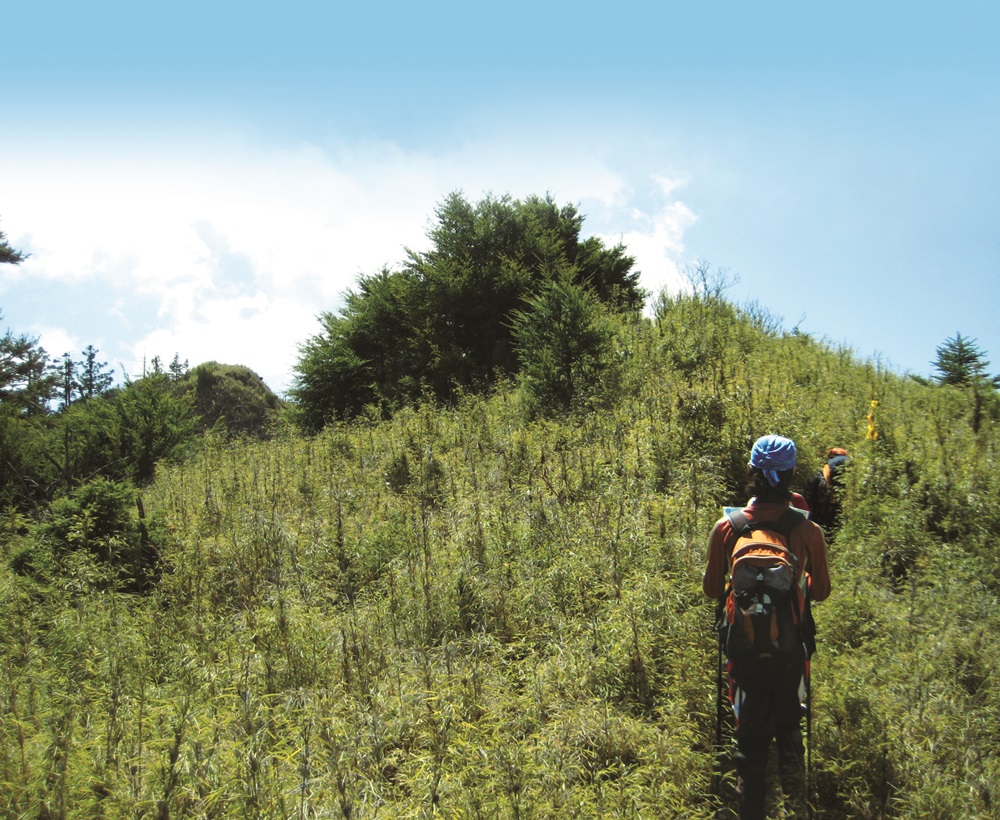
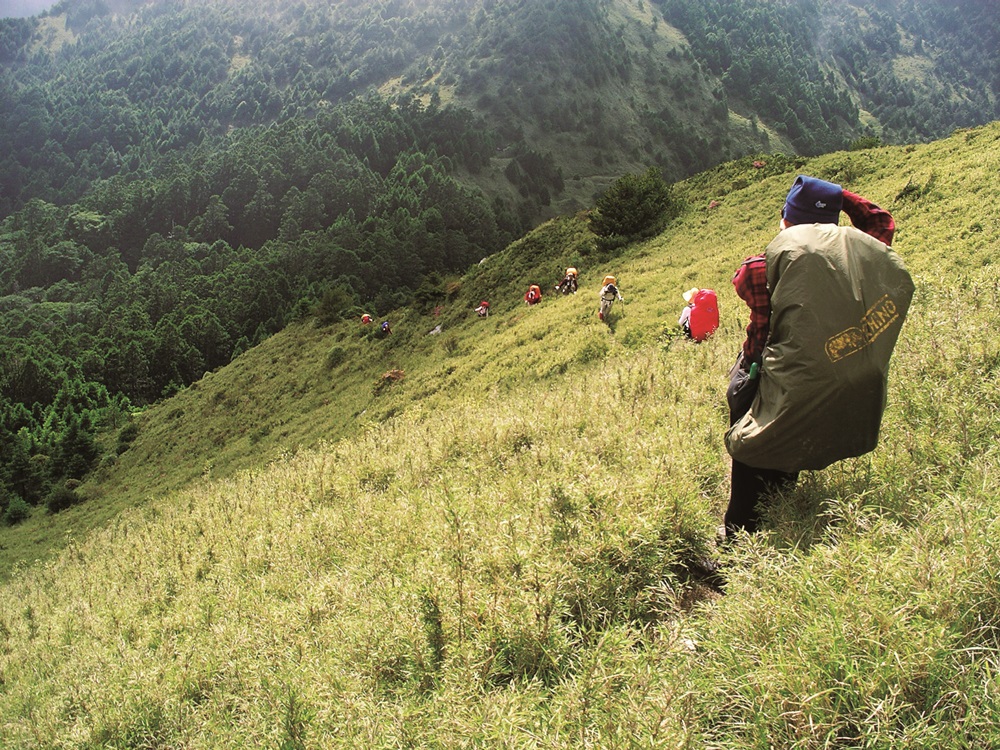
The pursuit of adventure and challenging the extraordinary seems to be human nature; sometimes, we choose a more efficient shortcut and forgo the obvious path ahead. Most people believe there to be no harm in this, but when a path has been beaten under the feet of many, groundcover becomes trampled, soil gradually solidifies, and the hardened soil layer makes it hard for vegetation to take root. For high mountain vegetation, which already face an adverse low temperature environment that lack organic humic substances, this adds a layer of resistance in an already arduous growth process.
Hikers in the past had the habit of creating trail markers for their mountaineering teams by tying strips along their trail, similar to “checking in”; as such, trees with tens of trail markers were a common sight. In truth, popular hiking trails already have comprehensive marker systems and obvious trails so there placing trail markers is an unnecessary act. However, if taking rarely explored pathsthat requires trail markers to function as a trail guide, an option is using trail markers made of natural materials; markers placed during the journey should be removed on the return to prevent leaving man-made objects that do not belong in mountains. Moreover, markers can be made by imitating indigenous hunters who use stacked rocks or tying strips of grass to achieve the same effect.
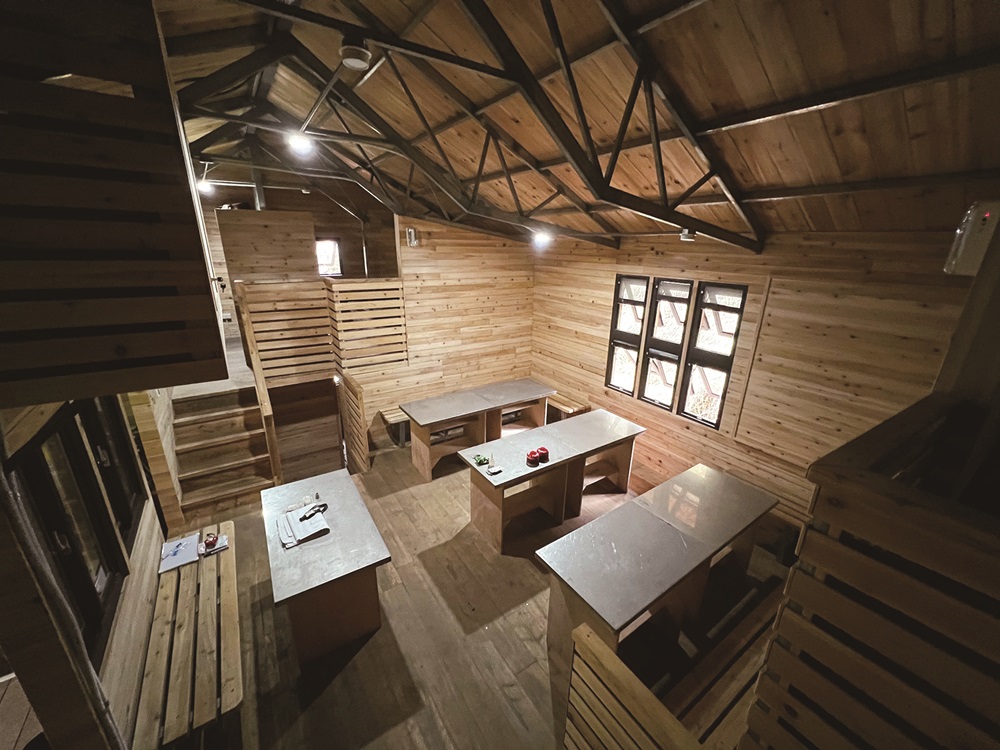
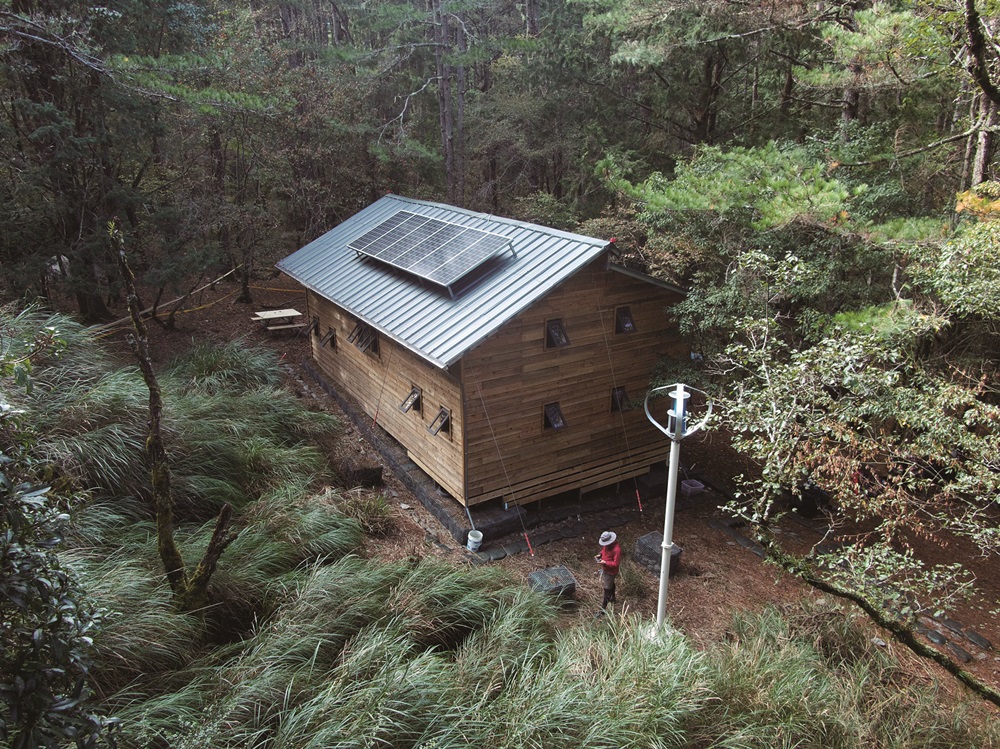
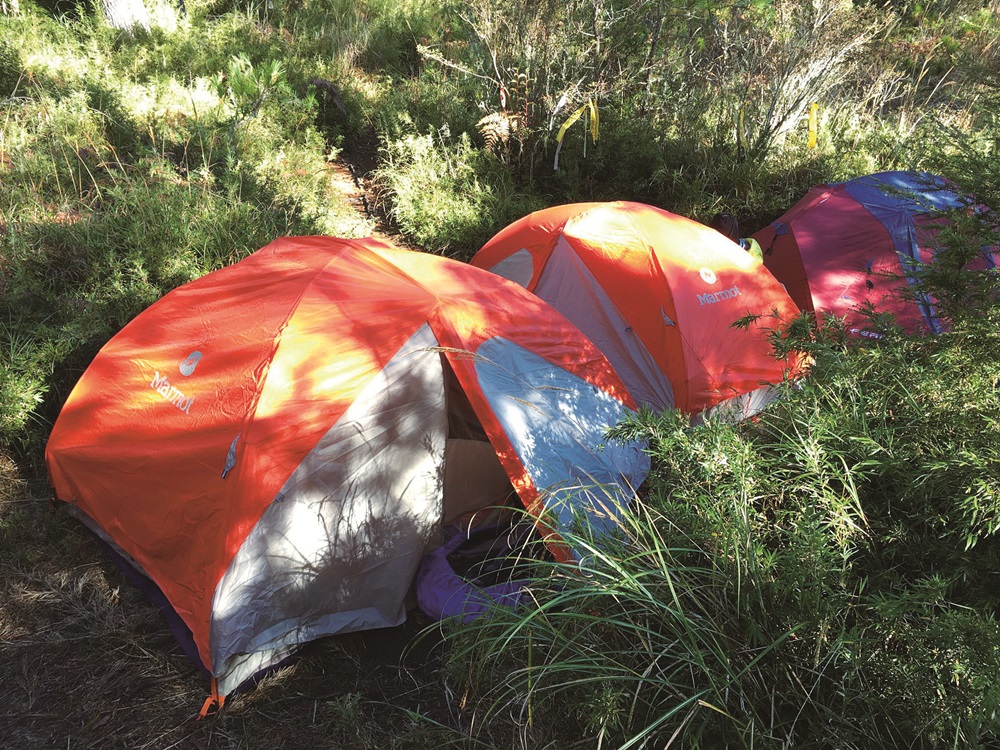
The best option for overnight expeditions are mountain cabins which are comfortable, warm, well planned, and offer kitchens as well as nearby bathrooms. If camping is required, campsites of traditional high mountain trails have accumulated the experience of previous hikers who have selected flat hinterlands that are advantageous for avoiding wind with nearby water sources; therefore, use these hinterlands whenever possible to avoid expanding existing areas and protecting nearby soil and plant life ecosystems.
Aside from eating and drinking, there’s also the unavoidable need of going to the bathroom during mountain activities. Wastewater treatment systems in the bathrooms of mountain cabins reduce impact on the environment. If it’s necessary to go to the bathroom in the wild, Spence Ou recommends hikers to imitate domestic cats by digging a sand pit and burying waste. Prepare a mini shovel and dig a cat hole approximately 20 cm deep prior to going to the bathroom before covering it with dirty afterwards; this way, others can be prevented by stepping in waste while surface soil at this depth also possesses a wealth of organic substances and microbial colonies that will accelerate the fermentationand decomposition of feces. It’s important to note that holes should be dug at least 50 meters away from water sources, campsites, and trails; used tissues should be placed into a sealable bag and taken with you when leaving the mountain.
High mountains offer fresh air away from waste gas generated by cars and industries in the flatlands, therefore, wet napkins and moistened towels should be prepared even for expeditions that last several days. Basic hygiene can be completed simply by wiping dirt and stains from the body and oral hygiene can be achieved using natural, time-tested methods such as dipping a wet toothbrush in salt.
Spence Ou hikes often and has observed commercial expeditions eat quick meals in order to stay on schedule; cooking for groups also makes it hard to estimate total food volume resulting in entire pots of savory congee being thrown out next to mountain cabins and attracting vinaceous rosefinch seeking food. He exclaims: “the public is prone to this feeling that they cannot be hungry after the hard work of hiking and having to eat bountiful meals, which results in excess food.” As such, he advocates the planning of cooking based on theconcept of “individual rations”. First of all, each person reacts differently to high mountains so they can plan precise portions based on their personal habits; secondly, from the perspective of personal safety, traveling in groups sometimes results in long distances between the first and last groups so in circumstances where it’s dark or an emergency campsite is required, individual rations provides far more flexibility than having stoves, gas, and food ingredients spread out across different people.
In terms of menu design, avoid foods that generate excessive liquids or soups because it’s much easier to wrap up solid foods for removal from mountains. Next, if liquids cannot be avoided, they should be disposed of similarly to feces by burying them in a cat hole near vegetation, a concept similar to an ecological purification pool. This relies on using a mountain’s soil and rocks for filtration and the root systems of vegetation to absorb and metabolize alien substances while microorganisms in topsoil are used to decompose.
For washing cookware and utensils, cleaning areas next to the kitchens of mountain cabins are equipped with filtration pools and can achieve initial treatment. For oil stains on cookware that are harder to clean, methods such as using tissues to absorb oil for packing and removing from the mountain, cleaning with mud; other methods such as boiling with hot water and then brewing liquids into tea for drinking can both remove oils using hot tea and providing hot tea for drinking.
The food that humans bring onto mountains are much easier to ingest, contain far more diverse aromas and flavors, and even provides more calories compared to natural food sources in the mountains. As such, they’re extremely attractive for wild animals who go down a path of no return once they’ve tried human food! The Formosan rock macaques in Wuling Farm of Shei-Pa National Park will aggressively steal food when they hear the rustling of plastic bags; some have even developed diversionary group tactics. Vinaceous rosefinch, Taiwan rosefinch eat fruits and tender leaves from high altitude regions during the summer; due to the decrease of high mountain food sources in the winter, they would logically migrate to mid altitude regions to search for habitats during winter, but humans bringing excess food when traveling through high mountains has greatly modified the natural habits of vinaceous rosefinch.
Manmade food has changed the health and habits of a single species and indirectly impacted the dissemination of seeds in forest ecosystems, thereby making precise estimation of food and careful treatment of food waste on mountains the foremost mission. Additionally, utensils must be washed clean and ingredients must be packed appropriately then taken into tents to prevent weasels from scavenging for food after hikers go to bed at night. If staying in a mountain cabin, use hooks and prusik knots to hang food on roof beams to prevent rats from biting through backpacks or external food packaging.
In terms of fire regulations, Article 13 of the “National Park Law” states: “Burning of vegetation or setting fires to clear land is prohibited within national parks.” As such, building fires on barren land is explicitly prohibited; however, Article 13 of the National Park Law gives parks the authority to prohibit other conduct so the use of stoves and gas for cooking within national parks is only permitted in parking lots or designated locations where fire-based activities, such as outdoor cooking, barbeque, or camp fires are allowed. In order to protect the safety and environment of our mountains and forests, and prevent risks of forest fires from knocking over gas stoves while cooking, the “Prohibited Activities Regulations in the Domain of Shei-Pa National Park” was amended bythe Ministry of the Interior to change the terms “outdoor cooking” to cooking. The updated regulations explicitly prohibits hikers from using portable butane gas cookers and gas stoves for cooking; all cooking activities must be conducted in cabins, appropriate areas around camp sites, or legal camping grounds that have been registered and approved.
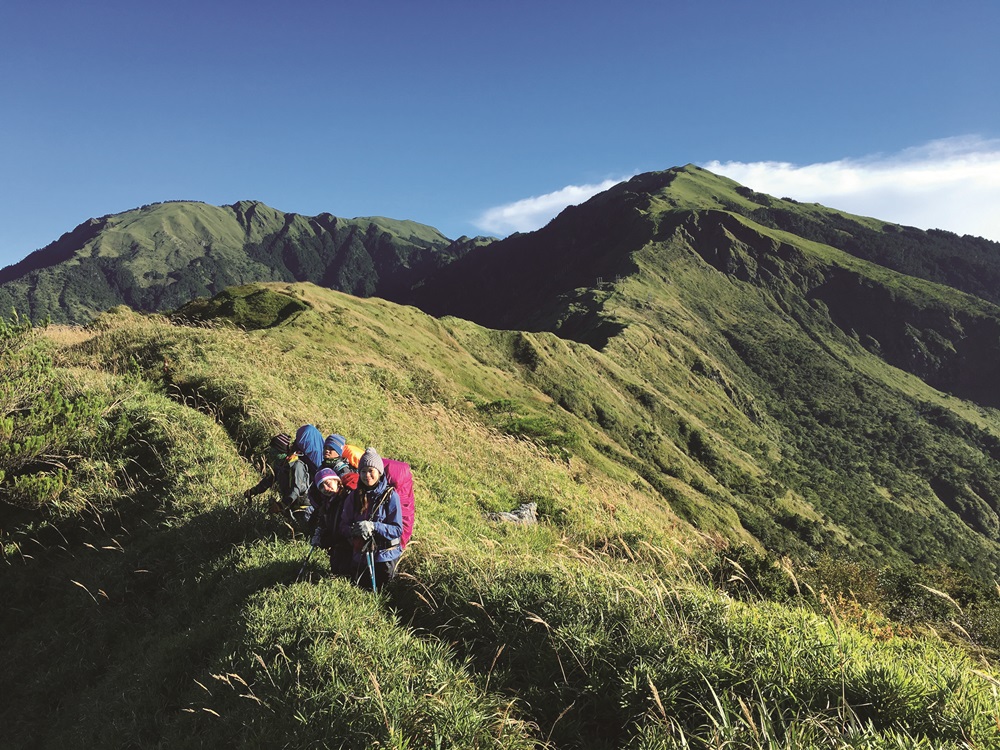
The “Leave No Trace” movement originated from the U.S. in the 1980’s. Advocacy for this movement began due to selfish behavior such as discarding trash, chopping wood to raise fires, playing music loudly, and other undisciplined behavior when visiting mountains and forests for recreation.
Early mountaineering events in Taiwan focused on thegoals of “collecting peaks” and “assaulting the 100 peaks”, which hint at a mindset that desires to conquer nature; the mountaineering atmosphere has gradually changed in recent years. Spence Ou believes that we should slow our pace and take a much more tranquil and measured approach in order to see the beauty of mountain trails. This beauty might be a serendipitous encounter with a wild animal, or maybe the slight changes in the earth’s climate; by slowing one’s pace, it is possible to capture these intimate moments and truly learn from the mountains. If we enter the mountains with a humble heart that is ready to learn, behavior such as rowdiness, littering, and creating shortcuts will be naturally eliminated. We should all strive to enjoy recreation while exercising our responsibility to the mountains.
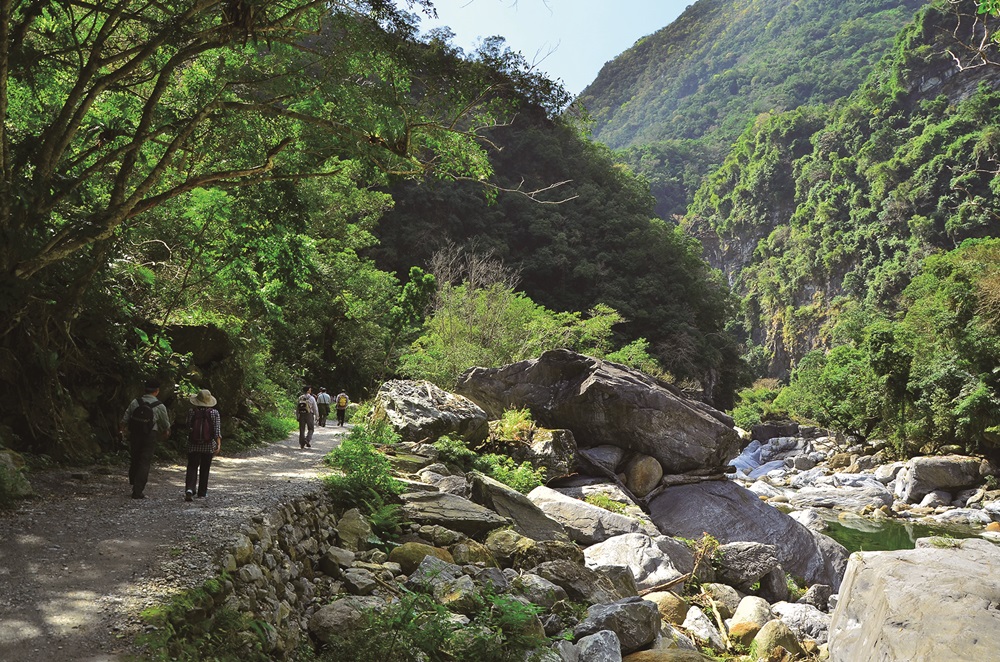
‧Plan Ahead & Prepare
‧Travel & Camp on Durable Surfaces
‧Dispose of Waste Properly
‧Leave What You Find
‧Minimize Campfire Impacts
‧Respect Wildlife
‧Be Considerate of Other Visitors
About the author: Lee Ying-Ying
Currently resides in Yilan, interviews and writes, is raising several chicks and growing more than 10 types of spices and vegetables.
Author of books such as (Era of Chicken Farming), (Living with the Land – Singing to Chickens), (Free Range Taiwan), (Trip through Huadong).


