
The Breathtaking Beauty of Xueshan’s Native Plants-

Author / Michelle
Interviewee / Department of Forestry, National Chung Hsing University, Professor Tseng Hsi-Yu
There are 269 mountains in Taiwan that exceed an altitude of 3,000 meters. For the plants living within them, each mountain is an independent island with few genetic exchanges between them due to challenges. As such, there is a very high genetic variation in alpine plants which is one of the environmental factors that results in speciation and an especially high proportion of endemic species. In contrast, this also increases the difficulty of researching and monitoring alpine plants. This is especially true in the unique terrain of Xueshan where nature has set extremely harsh conditions. Only pioneers that are determined to the end can peek into the secrets of plant life on Xueshan.
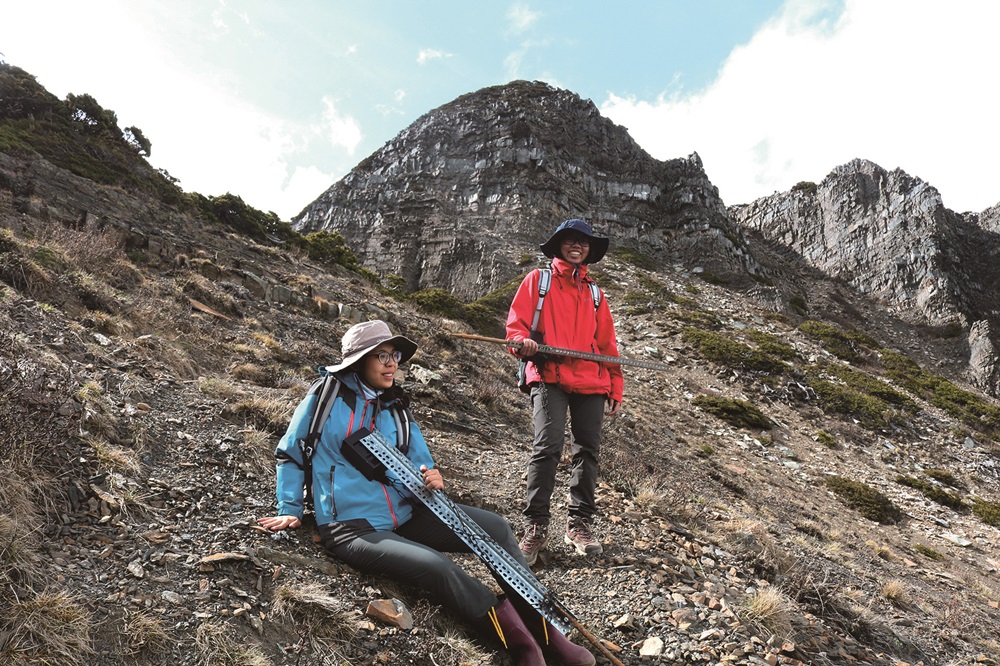
While research is lonely, forests are filled with lively organisms; the young high mountains of Taiwan contain diverse species that attract groups of researchers to study them. Professor Tseng Hsi-Yu from the Department of Forestry at National Chung Hsing University (NCHU) is one such researcher who first climbed to the main peak of Xueshan in her third year of university. She has remained connected with Xueshan over 3 decades, observing the many sentiments of endemic plant life.
“This is the type of research that might leave you without friends.” When discussing the research and monitoring of endemic plant life in alpine ecosystems, Tseng Hsi-Yu said this to university freshmen: “It’s not as glamorous as what you see on the Discovery channel. The poor accessibility of high mountains means it often takes 1-2 days just to arrive at your research site; each month, I have to hike up Xueshan to investigate flowering phenology, which not only challenges my stamina, but also my perseverance and determination.”
In order to draw out a sample site for investigating species, Tseng Hsi-Yu and her team carried metal bars and water pipes, which along with their mountaineering equipment totaled at least 20 kg, up the mountain; it was tougher than being a marine. Tseng Hsi-Yu laughs while stating that in research centers, women must be used like men, and men must be used like animals. The first time that anyone reaches the peak of Xueshan, it’s difficult not to feel a surge of passion and happiness for living the dream; these strong emotions turn into self-doubt on the third climb where we wonder why we didn’t pick a research topic that could be completed on the side of the road. When team members begin to drop out, you begin missing the comfortable life of big cities.
So, what is the motivation that drives them to keep going? Everyone continues forward quietly while on the mountain. Every ounce of strength is used for respiration while the brain wanders all over the place, not knowing why they must repeat this path over and over again. Each time when the feeling of quitting becomes overwhelming, a bird will suddenly fly over, or you’ll notice a plant by your foot, and we rediscover why we return to the mountain! After every triumphant scream of “I did it”, they feel the mystique of Xueshan and the beauty of Mount Dabajian.

One of the necessary conditions of speciation is “reproductive isolation”. When the genes of 2 species cannot interact, their genes and characteristics will gradually diverge in the evolutionary process and form different species with distinct biological representations
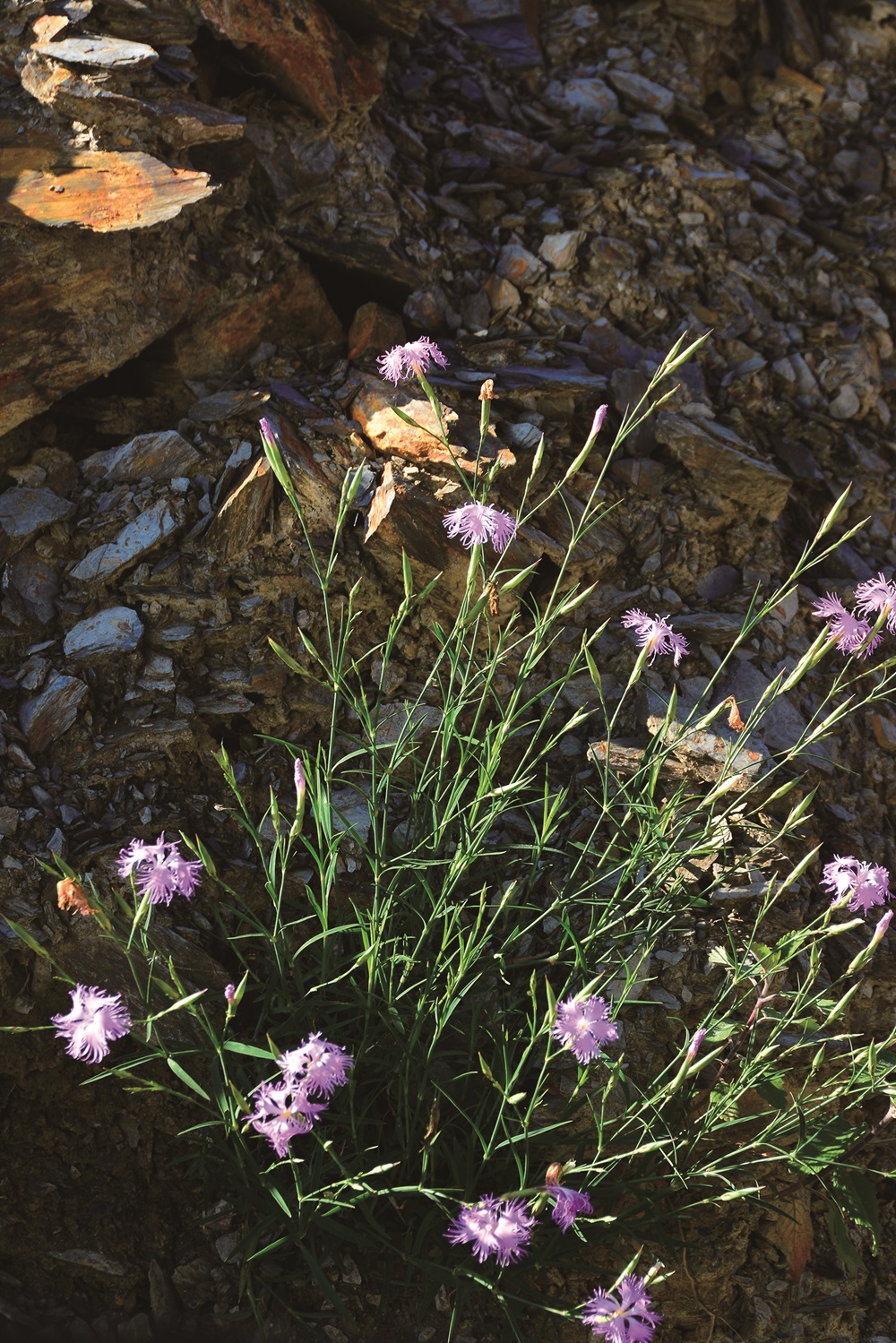
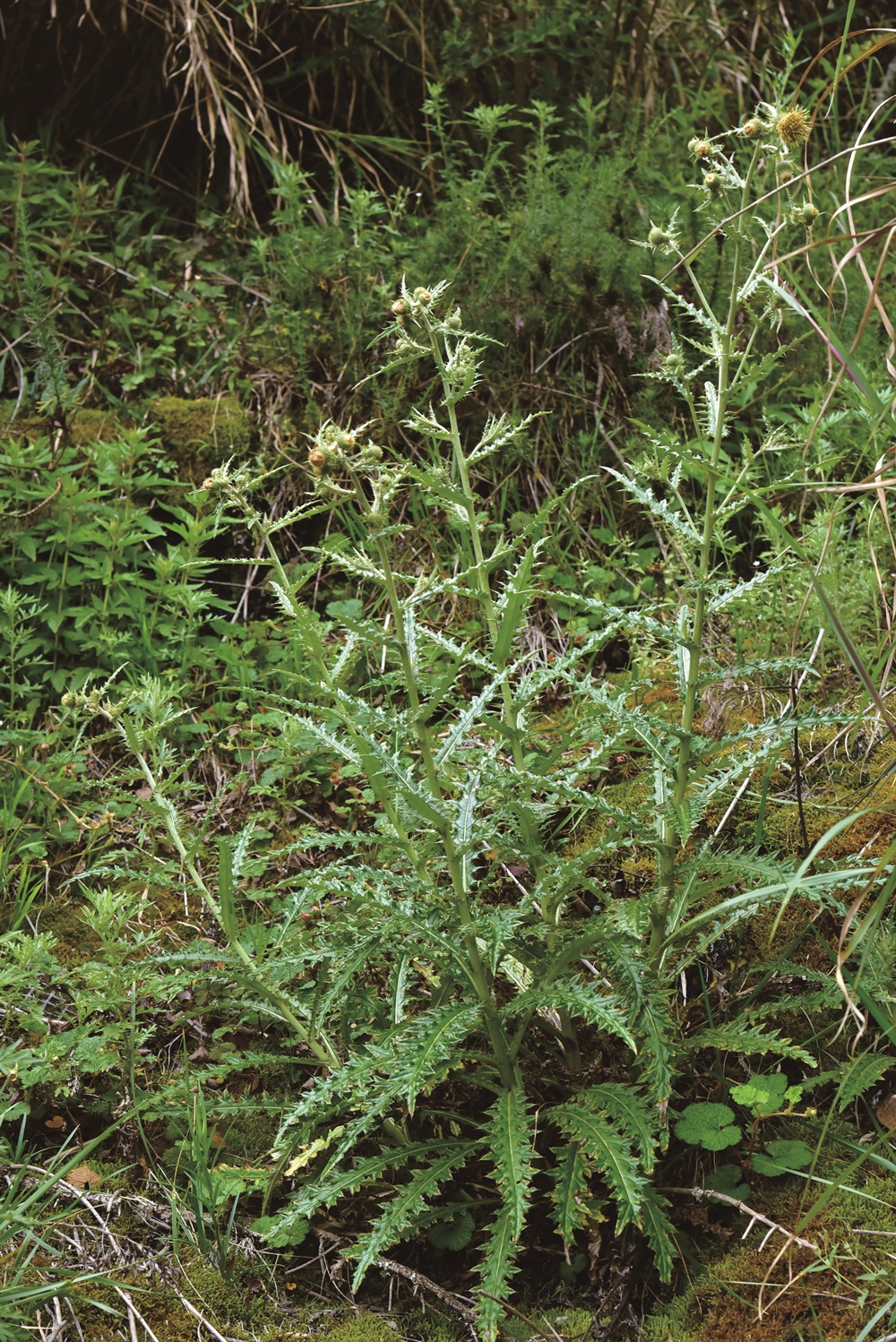
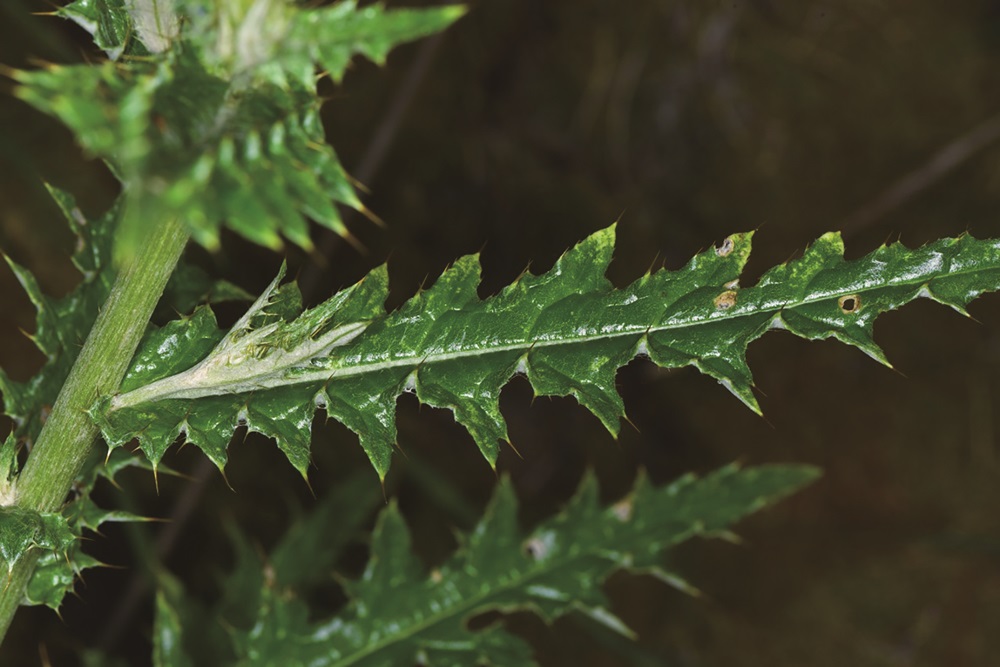
Alpine plants are subject to harsh environments and are extremely sensitive to changes in weather; their growth and reproduction can be used as evidence of climate change. Since Shei-Pa National Park was founded in 1992, they have actively investigated the formation of endemic plant life within their jurisdiction.
“Our investigation uncovered 401 types of vascular plants along the East Xue Trail and Wuling area. The most common being Asteraceae, rosaceae, poaceae, cyperaceae, and Ranunculaceae, including tropical and temperate plants, which is very unique.” Tseng Hsi- Yu stated that out of the more than 400 plants, there are 154 endemic species; the proportion of endemic species increases along with the altitude, with a ratio of more than 60% of endemic species in Xueshan Cirque. This is evidence of the uniqueness of Taiwan’s alpine environments.
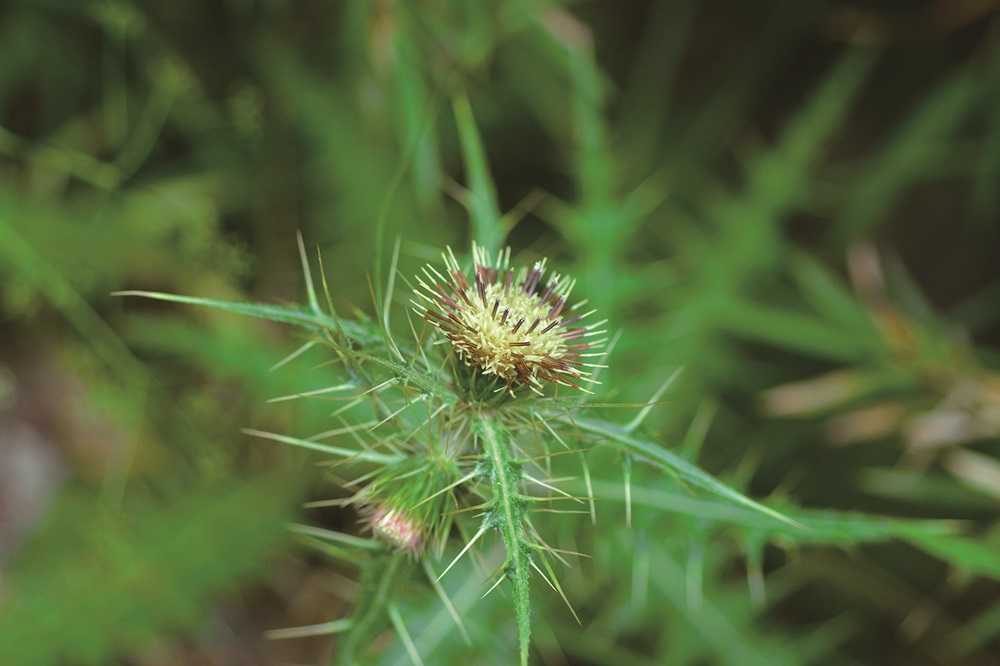
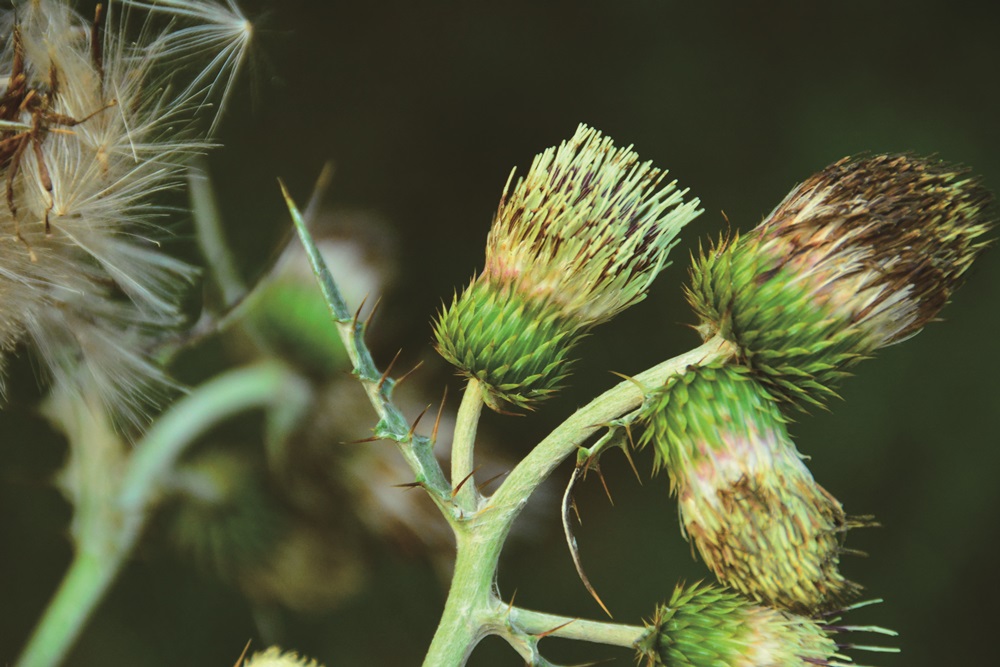
According to analysis in “The Red List of Vascular Plants of Taiwan, 2017”, nearly 20% of plant species were evaluated to be nationally threatened (NT); 16 species such as Epilobium nankotaizanesnse, Dianthus pygmaeus Hayata, Silene morrisonmontana, Anemone stolonifera Maxim, and others were evaluated to be vulnerable, while the Potentilla tugitakensis, Arabidopsis helleri gemmifera, and Draba sekiyana were categorizedas critically endangered (CE). Tseng Hsi-Yu states that the research process seems monotonous and when research fatigue sets in amongst students, they constantly question the meaning of endless data collection and monitoring. However, for scholars of plant classification, discovering new species is an extremely exciting event! Chang Chih-Yi, a PhD candidate was able to identify a new species of Cirsium from common plants, the Cirsium taiwanense by hiking the popular Xue East Trail; this not only added a new member to Taiwan’s diverse species but is also akin to giving birth to one’s own precious baby.
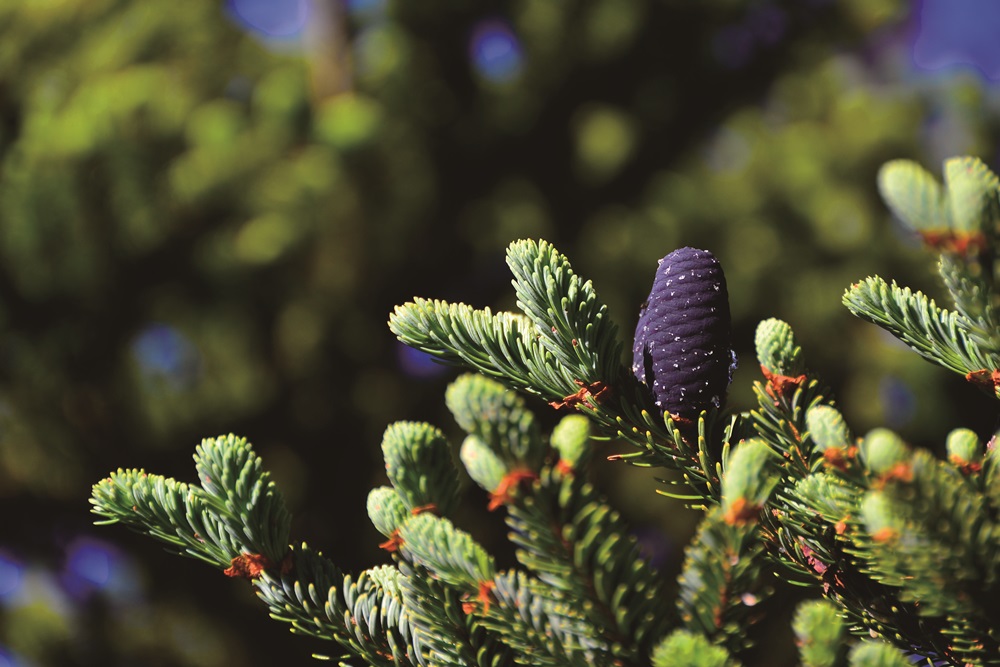
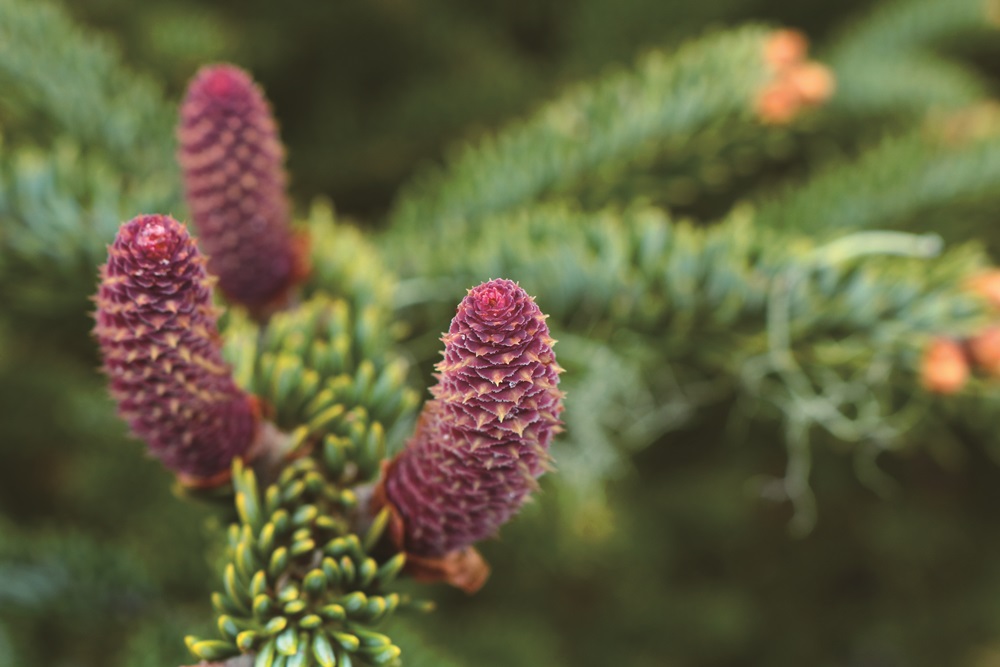
All endemic plant life in Shei-Pa National Park is precious. The Abies kawakamii for example is a type of firs found in the northern hemisphere with approximately 50 species around the world. Of these, only the distribution of 3 species is able to pass the Tropic of Cancer, with the Abies kawakamii being one of them. Some countries classify firs as economic crops as local firs form mixed forests with tree species such as spruce, hemlock, and others; however, the Abis kawakamii can form pure forests at altitudes of 3,000 – 3,600 meters. They are extremely special and look like artificial forests.
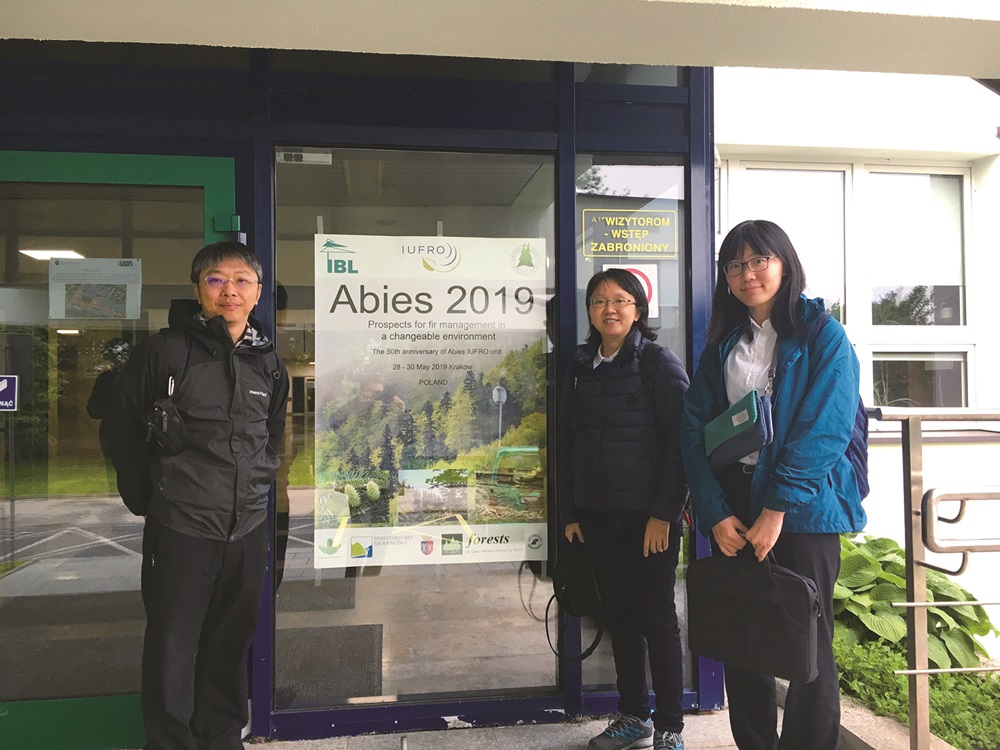
In 2019, Tseng Hsi-Yu led 2 students to attend an international conference for fir trees in Poland. The event was attended by mainly western scholars with Asian countries being represented solely by scholars from Japan and Taiwan. However, Taiwan was the only Asian country that published 3 articles on Abies kawakamii, which greatly interested scholars. This precious achievement was the result of quiet determination carried out by young scientists over many years.
Abies kawakamii is a glacial relict conifer specific to Taiwan and is one of the key tree species in our forest line; it is most prestigiously distributed in the Black Forest region of Xueshan. Since 2008, Tseng Hsi-Yu had established a resolute bond with Abies kawakamii by joining the team of professors Ou Chern-Hsiung and Lu King-Cherng to perform dynamic monitoring of Abies kawakamii along Xueshan Main Peak. Through research during those years, it was known that forests of Abies kawakamii are mainly renewed through gap renewal. After typhoons Soudelor and Dujuan devastated Taiwan in 2015, the natural disasters that occurred such as storm and wind damage that felled many trees was a research opportunity that could not be wasted. Shei-Pa National Park Management Office proposed a review project; for Tseng Hsi-Yu, the significance of being able to visit old friends and return to study Abies kawakamii after a decade carried deep meaning both individually and academically.
“Beginning in 2017, we conducted long-term monitoring of repair, plant review, and analysis of our sample plot and gradually8 understood the impact of typhoons on Taiwan’s alpine forests and how Abies kawakamii have evolved over a long period and adapted to typhoons.” Tseng Hsi-Yu expressed that when Taiwan prohibited the logging of natural forests in 1991, there was very little basic data on the volume of forests and timber for Taiwan’s natural alpine forests. The materials in this instance allowed us to establish a formula for calculating the volume of Abies kawakamii. You must know that the volume formula of Abies kawakamii was established in 1973 and used in combination with Picea morrisonicola, meaning there was no independent method for calculating the volume of Abies kawakamii. This project was ultimately able to generate a report on the volume of Abies kawakamii which was finally obtained after accumulating bits and piece of valuable research assets over a period of 3 decades at Shei-Pa. Tseng Hsi-Yu laughs while saying, “We’re ecstatic for being able to publish in an international journal and we must thank our Sherpas for helping carry our disks down the mountain. It’s extremely hard work and something I’m no longer able to do.”
Gap Renewal
In 1913, Cooper proposed the “gap dynamic theory” and pointed out that when trees which form the canopy fall, the area originally covered by the tree is emptied and forms new “gaps” that give other plants the opportunity and space to grow and compete until that space is once again occupied. Forest ecosystems that were originally stable will repeat this process to gradually evolve and update. This process is what we define as gap renewal.
Forest Border
Natural scenery is deeply affected by environmental conditions such as temperature and climate. As we rise in altitude in alpine forests, the temperature falls and reaches a specific climate condition where forests are now replaced by alpine shrubs and plants that have adapted to the frigid and windy environment; this is the forest border. Basically, the height of forest borders decreases as we reach higher latitudes; forest borders on the south side of northern hemisphere mountains will be higher than those on the north side.
Pests such as Yushan leaf beetles carry diseases that cause the withering of Yushan Rhododendron
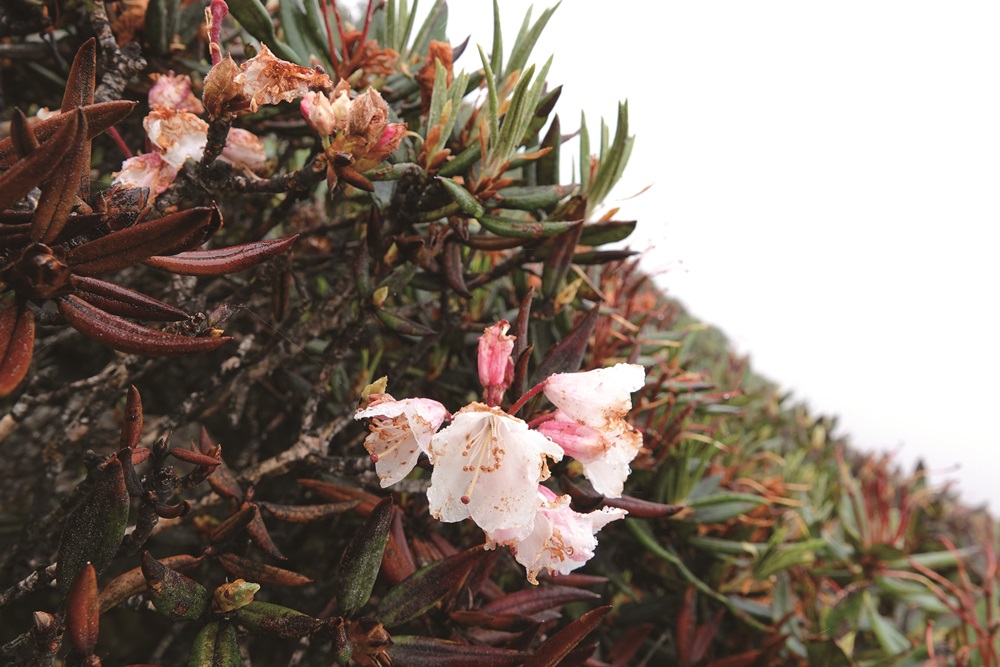
Every person who chooses forestry research is a guardian angel of the mountains. Their biggest worries are not their aging knees or faces, but the impact caused by climate change and forest fires. In 2018, the new leaves of Abies kawakamii were found to be curved; it was presumed that this was caused by relatively warm and drought weather when the leaves were unfolding between March and May; in 2021, it was first discovered that Rhododendron pseudochrysanthum in Xueshan Cirque were being harmed by Taiwan leaf beetles. Tseng Hsi-Yu mentions that these phenomena were never observed over more than a decade of research on Xueshan and longer periods of phenology monitoring are required to determine if they are caused by global warming or climate change. Additionally, the research team discovered that there were indeed changes occurring in the flowering phenology in Xueshan Cirque.
The flowering period of plants in the cirque mostly start in May and end in October; however, plants in the cirque flower earlier in April if there is a warmer spring and winter. From the period of 2012-2014, plants in the cirque ended their flowering period in October but after 2015, the increasing temperatures during spring and winter have extended flowering periods to end in November and sometimes even November. As plants in the cirque mainly rely on insects for pollination, plants that flower early suffer from the lack of pollinators, resulting in lower pollination rates. As the phenology investigation at the Xueshan East Trail enters its 10th year in 2022, Tseng Hsi- Yu hopes to utilize the monitoring surveys of scholars to help the public understand the vastness and complexity of nature so they may treat it with more respect.
Over the past 20 years, Xueshan East Trail has suffered 4 fires due to unknown reasons. Fires occurred on Xueshan East Peak on February 18 2001, while fires occurred on the grass around 369 Hut in separate occasions on December 19 2008, February 14 2014, and February 3 2019. Tseng Hsi-Yu expressed worry to these incidents as natural fires are highly improbable in Taiwan. “The earliest record of fires on Xueshan East Trail was in the 50- 60’s; as the number of people coming to the mountains increases in recent years, the worry of forest fires caused by human factors is extremely troubling.” Tseng Hsi-Yu offers the reminder that the mountain welcomes each and every visitor so we should all diligently love and protect the mountains and forests.
Phenology
Phenology refers to the periodic changes that occur in organisms due to the impact of adapting to climate and temperature. For example, the growth of plants changes with the seasons (sprout, shoot, unfurling leaves, blossom, bearing fruit); migratory birds change due to temperature and environments, repeating migratory behavior periodically each year. These are all classified as phenology.
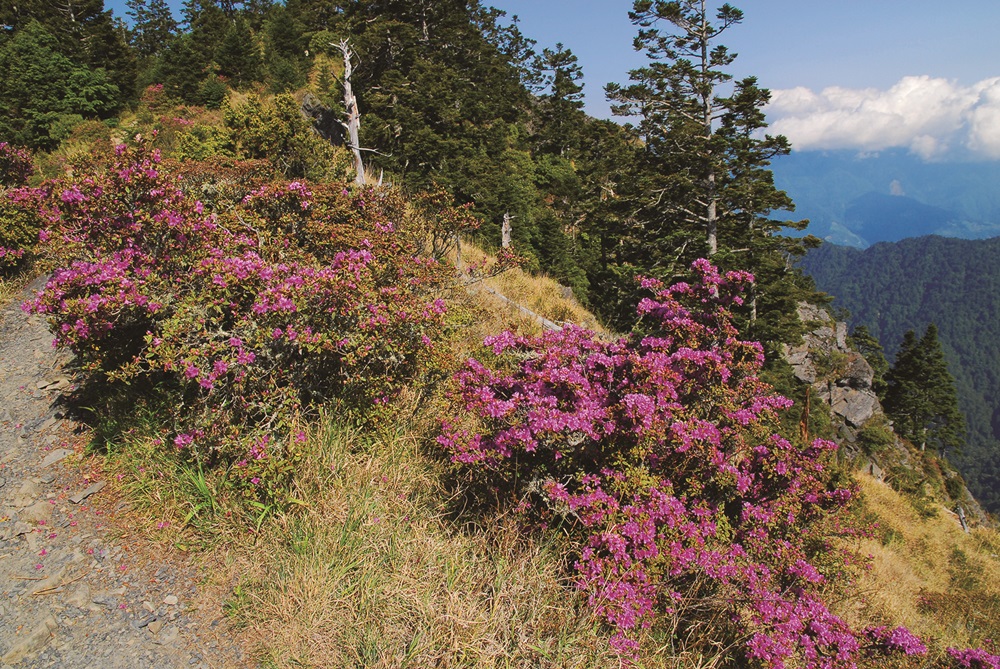
The vast peaks of Shei-Pa are home to species that alternate with the seasons. The recording of phenology requires long-term monitoring and surveying, scholars that can withstand loneliness, and most of all teams that open minded. Tseng Hsi-Yu reminisces about one year where they believed that it was necessary to build a weather station within Shei-Pa National Park in order to continuously monitor a sample plot on Xueshan; this project was a massive undertaking at alpine altitudes of 3,000 meters. Through interdisciplinary and departmental consolidation and teamwork, Shei-Pa National Park Management Office, the Forestry Bureau CoA, the Central Weather Bureau, other agencies, and groundwork assistance provided by Professor Lin Po-Hsiung from the National Taiwan University Atmospheric Sciences Xueshan Alpine Research Team, 2 weather stations were ultimately established in Xueshan Cirque and the East Peak in 2012. The stations greatly assisted research staff by providing real-time weather data; in addition to providing safety information for mountaineers, they also allowed for the accumulation of more data in the basic scientific research of alpine weather in Taiwan.
Through automatic camera positioning and periodic image capture, Tseng Hsi-Yu is actively performing a survey on the flowering phenology of Rhododendron pseudochrysanthum. Aside from the anatomical study of flower development, accumulated temperature study is also being conducted in the hopes of establishing models that can predict the flowering periods of Rhododendron pseudochrysanthum.
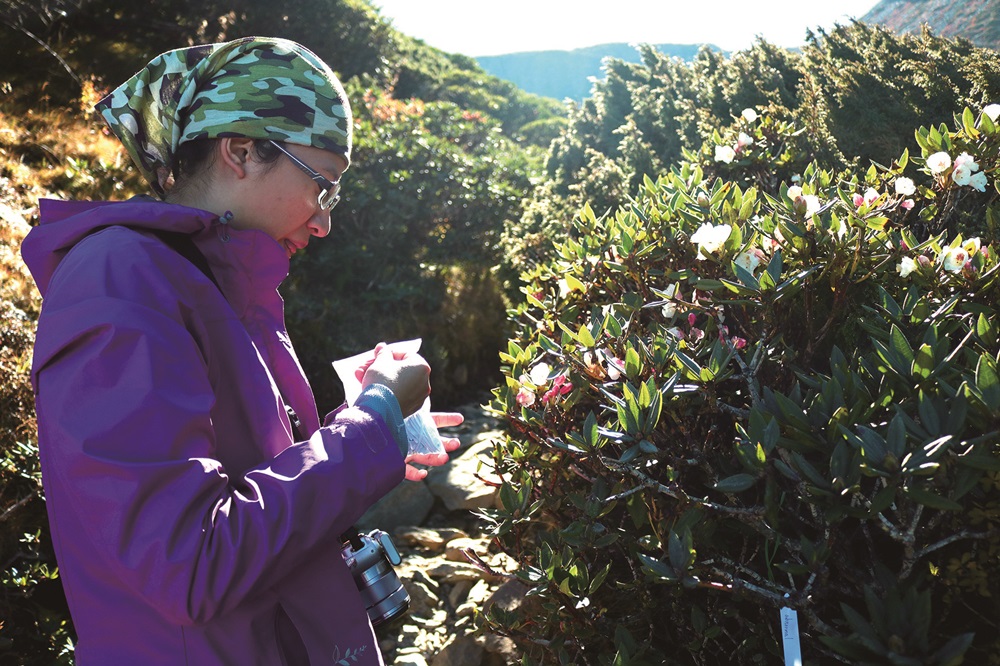
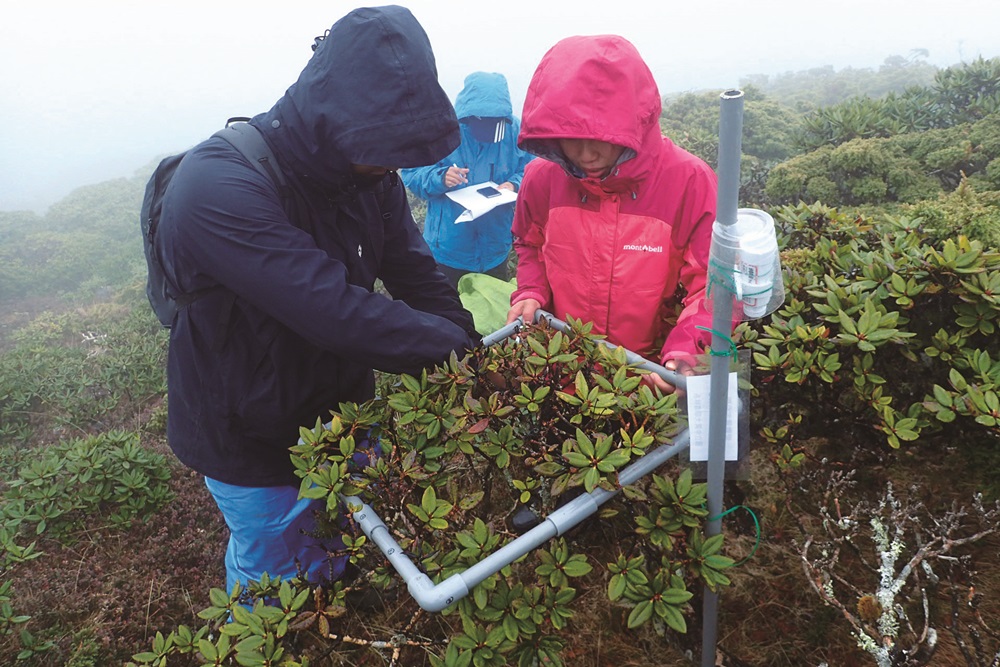
There are 4 types of rhododendron that can be observed in Shei-Pa National Park. Of these, the Rhododendron pseudochrysanthum is especially sensitive to temperature changes and can be used as an indicator of climate change. In the future, it is hoped that the Shei-Pa National Park Management Office, Central Weather Bureau, and other agencies can work together with volunteers or mountaineers to take pictures of plants at designated locations to build a citizen’s science repository. We ask that everyone works together to collect even more, sufficient data and evidence to help research teams understand the impact of climate change on the alpine ecosystems of Xueshan.
Ecological research is a long and time consuming road; the challenge that faces each researcher is how they can lay down their prejudice and maintain their passion through the process of data collection. Many experience excitement during their initial encounters with the mountain but this sentiment soon turns to doubt; those who are able to stay determined and walk the extra mile are the ones who can begin to appreciate the mountains once more. We thank the pioneers who first buried themselves in the flowers, leaves, mountains, and forests so that we’re able to breathe deeply with the mountains and forests that nurtured us.
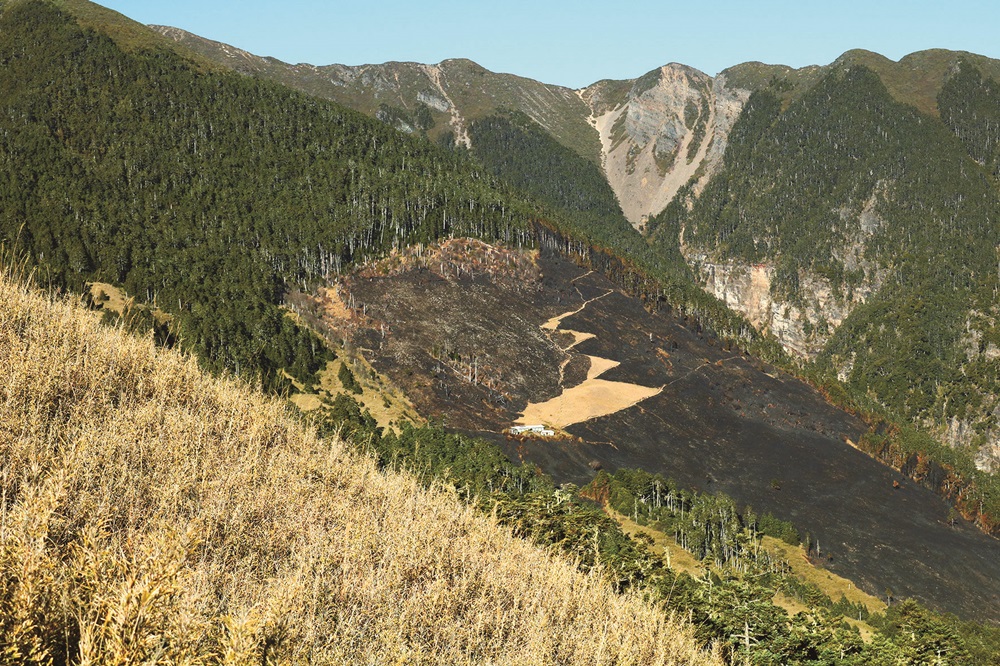
Fires are a factor that impact the growth of plants in forest ecosystems and flora succession. Fires that are not caused by humans can be viewed as disturbances in natural ecosystems that involve the circulation of nutrients and update of species; however, this does not include manmade disturbances. Manmade fires decrease biodiversity, impedes the height of tree growth, makes soil and water conservation difficult, and carries long lasting impacts to the environment.
It was discovered through monitoring that fires occur during the winter, a dry season where temperatures are lower. Fires are prone to occur in shrub and grass habitats formed by Yushania niitakayamensis and Miscanthus transmorrisonensis Hayata; these plants that wither during winter can easily become fuel for fires. Common species found in shrub and grass habitats such as Yushania niitakayamensis and Miscanthus transmorrisonensis Hayata have to a certain degree adapted to fires; even in the event of a fire, they will return to prosperity after rainfall in the coming spring. However, some species that prefer dampness such as the Rhododendron pseudochrysanthum may become extinct due to their lack of fire resistance.
While vegetation coverage in these shrub and grass habitats can be restored within 2-3 years of fires, excessive fires can cause fire resistant species to be the sole survivors within local vegetation. It’s important to note that the high rock content of Taiwan’s alpine soil results in a relative lack of nutrients; if heavy downpours occur after fires, soil and nutrients are easily eroded and can result in deteriorated habitats due to failure in achieving soil and water conservation.
About the author: Michelle
More than 20 years of experience operating in magazines, editor in chief of fashion and lifestyle magazine, interview director of weekly magazine.


