A Conservation Puzzle for You and Me-
A Conservation Puzzle for You and Me
Article/Shih-Ju Huang
Interviewees/Yu-Hsuan Tung, Technical Specialist, Conservation and Research Section, Shei-Pa National Park Headquarters Yu-Ten Ju, Professor, Department of Animal Science and Technology, National Taiwan University Kai-Fang Cheng, Section Head, Conservation Research and International Cooperation Section, National Park Service Ku-Lin Chen, Section Head, Interpretation and Education Section, Taroko National Park Headquarters Chia-Wei Hsu, Technical Specialist, Interpretation and Education Section, Marine National Park Headquarters Mei-Jung Chen, Senior Interpretive Guide, Back Bay Community Association
The September 20, 2023 ceremony to mark the official founding of the National Park Service symbolized the start of a new era for the Taiwan National Park System. Safeguarding the natural assets and cultural values of national parks, national nature parks, coastlines, and wetlands, and aligning with international standards on issues such as climate change, carbon reduction, and sustainable development take massive ef fort. They require collaborative efforts across all agencies, and the involvement of an interdisciplinary team of experts and scholars. Active participation from the general public is also essential. As we all help put together the pieces of the conservation puzzle, we will create a profound picture of mountains, hills, wetlands, coastlines, and oceans.
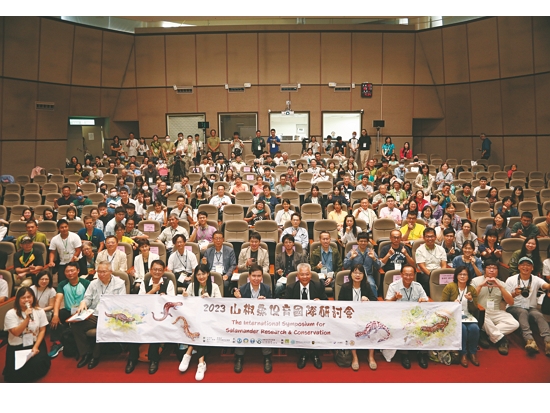
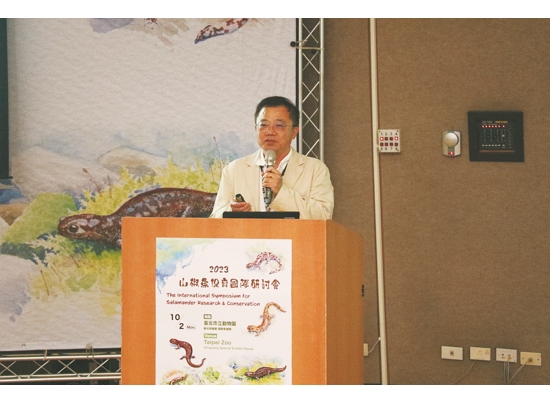
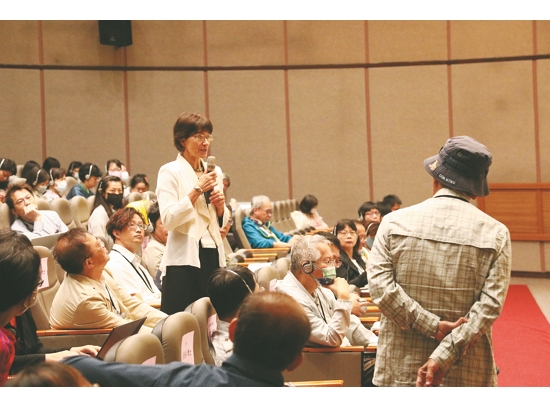
A Gathering of International Experts for Taiwan’s ‘Highland Fairies’
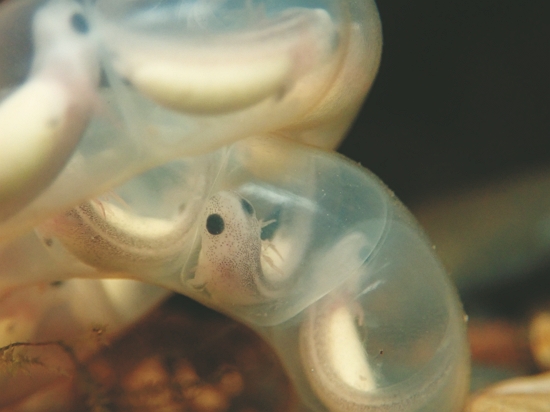
The 2023 International Symposium for Salamander Research & Conservation, held at the Taipei Zoo on October 2, 2023, was the first international academic summit held by the newly-founded National Park Service. This symposium represented a first step in fostering cross-agency and international collaboration, all centered on Taiwan’s ‘highland fairies’ – Asiatic salamanders. YuHsuan Tung, a technical specialist of Conservation and Research Section from Shei-Pa National Park Headquarters and responsible for overseeing the symposium’s logistics, remarks, “In addition to experts from the three alpine national parks, we also invited people from other agencies such as the Ministry of Agriculture’s Forestry and Nature Conservation Agency, the Taipei Zoo, and others involved in the conservation and protection of animal resources, as well as educational outreach. Everyone’s shown huge support.”
At the symposium, researchers from Taiwan, Japan, South Korea, and even as far as Kazakhstan gathered. Among those in attendance were experts like Chun-Fu, Lin, Associate Researcher from Taiwan Biodiversity Research Institute;Kanto Nishikawa, who specializes in amphibian phylogenetic systematics; Sotaro Hara, who works in osteology; Masataka Tagami, who focuses on artificial breeding environments for salamanders; Daesik Park, who investigates amphibian diseases and reproductive ecology; and Tatjana Dujsebayeva, a member of Amphibian Specialist Group, IUCN, who has long studied the Central Asian salamander (Ranodon sibiricus). With a common goal in mind, these experts shared their knowledge in the hope of finding a ‘route to survival’ for salamanders. Professor Yu-Ten Ju from National Taiwan University’s Department of Animal Science and Technology points out, “Everyone is deeply concerned about whether these species can thrive in peace, whether its habitat can be sustained, and how to reduce human interference.”
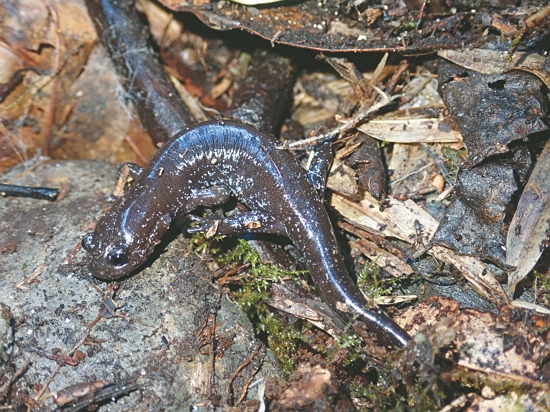
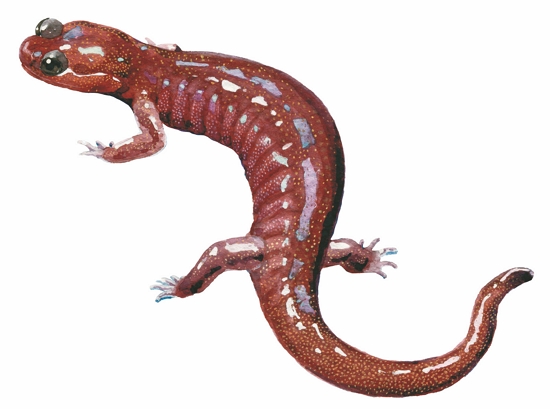
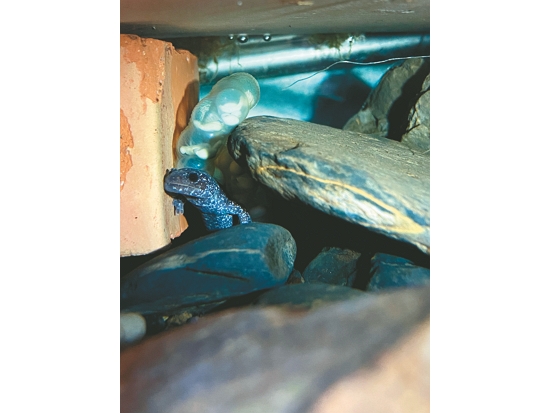
Taiwan’s Asiatic salamanders have existed in Taiwan since the Ice Age, and serves as an indicator of climate change. Scholars agree that establishing permanent monitoring sites for longterm observation is essential to understanding the impact of temperature changes on salamander populations. At the symposium, Professor Ju shared plans for establishing permanent monitoring sites for five species of salamanders, along with standard monitoring protocols. The Guanwu area has been designated as a permanent survey site for monitoring the Guanwu salamander (Hynobius fucus); employees from Shei-Pa National Park Headquarters have undergone training on standard monitoring procedures, and are now able to conduct monitoring independently. “Back in March of this year, we were able to locate 5 or 6 Guanwu salamanders. They’re actually quite elusive, so it wasn’t an easy feat!
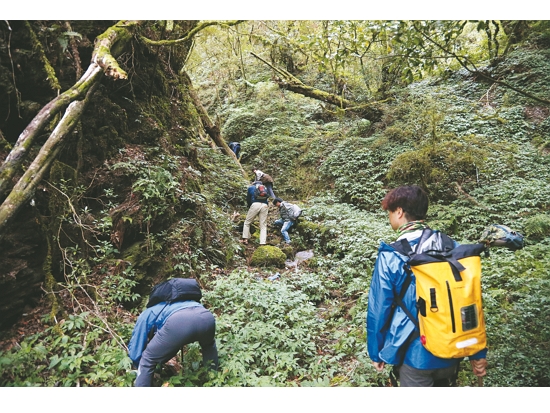
After the symposium concluded, the experts embarked on field visits to areas such as Taroko National Park, Yushan National Park, and Alishan National Forest Recreation Area. There, they explored salamanders’ actual habitats. They also visited the Taiwan Biodiversity Research Institute. “Typhoon Koinu was just about to hit Taiwan, so the weather uncertainties posed the biggest challenge,” chuckles Yu-Hsuan Tung. “But despite the arduous journey, the experts’ eyes lit up when they arrived in the salamander habitat. They immediately started their search for the salamanders. They’re truly passionate about amphibians and cherish any opportunity for field observation.”
Looking Back on the Journey to the Symposium
Yu-Hsuan Tung fondly recalls the 2018 symposium organized by Shei-Pa National Park Headquarters, titled “Biodiversity and Climate Change.” During the event, Professor Kuang-Yang Lue provided insights with his presentation on “The Fate of Salamanders in the Face of Climate Change.” Tung recalls, “At the time, everyone felt that investing in salamander conservation research was highly worthwhile. There was also a keen interest in unraveling the mysteries surrounding these creatures: Where did they come from? How did they manage to diversify into five distinct species on the small island of Taiwan?” This symposium served as the catalyst for a three-year interdisciplinary research collaboration among three high-mountain national parks – Shei-Pa, Yushan, and Taroko – with a shared vision of disseminating their findings on the global stage.
Professor Yu-Ten Ju was in charge of project implementation. He elaborates: “Before he passed away, June-Shiang Lai, PhD had hoped to map out the geographical distribution of the five species of salamanders. We completed the first phase of this work in mid-2022. In the second phase, we successfully developed markers to identify salamander mitochondria and nuclear genes. The genetic structure and population clustering for the five salamander species are now beginning to emerge. At present, research on Taiwan’s salamanders has yielded fairly concrete results.”
Yet although Professor Ju had collected preliminary research data, he still hesitated about organizing an international academic symposium. “There were few researchers studying salamanders in Taiwan. For those of us in Taiwan studying Urodela (the order that salamanders fall within), there was a gap in terms of the time, labor, funding, and Urodela diversity compared to that in Japan and South Korea. But after some thought, we realized that, for domestic salamander research to keep pace with international scholarship, we had to invite international scholars to share their experiences. In the end, we decided to proceed.”
By undertaking this task, Professor Ju elevated this symposium to a significant milestone in salamander research in Taiwan. The symposium documented the joint efforts of scholars including Professor Kuang-Yang Lue from the Department of Life Sciences at National Taiwan Normal University; June-Shiang Lai, PhD; Professor Yu-Ten Ju; and Associate Researcher Chun-Fu Lin. This event also unveiled preliminary research findings on five previously littleknown species of salamanders.
Maintaining Research Momentum; Raising Conservation Awareness
Following the symposium, the Taipei Zoo launched the Explore the Alpine Islands: Asiatic Salamanders Exhibition. Enhancing public conservation awareness through educational outreach has always been a priority for the National Park Service.And Salamander Leads the Way Through Guanwu, a long-running guided tour implemented by SheiPa National Park Headquarters, has been awarded the inaugural Tourism Spotlight Award , Top Ten Event Experience Award and Best International Recommendation Award by the Tourism Bureau.
Yu-Hsuan Tung feels compelled to note that salamanders aren’t readily observed, and there was previously scant public awareness of them. But through scholars’endeavors over the past few years, advocacy by the National Park Service, and the release of the alpine salamander-focused documentary Good Morni MIT, there is a growing public awareness that these cute creatures, while rarely seen, really do live in Taiwan’s high mountains.
In the future, the three alpine national parks will extend their collaboration into the next phase of interdisciplinary research projects. In addition to safeguarding salamander habitats, conducting ongoing monitoring in designated areas, and advancing breeding techniques, scholars are also looking forward to establishing a conservation association for Asiatic salamanders. By pooling expertise from Hynobius research in Asia, we aim to pass down valuable research expertise and talent cultivation.
What We Can Do for the Salamanders?
Though we may not have personally seen a salamander, we can still contribute to safeguarding their habitats. Currently, human activities in mountainous areas, such as water extraction, defecation, and stacking stones, pose the main threats to salamanders’ natural habitats. Even a small movement, like lifting up a rock to take a photo, can disturb the shelter used by salamanders. When we realize that the ground beneath our feet may be space that salamanders or other species need to live in, we become more conscious of our behavior in the mountains. Awareness and mindfulness are the first steps in making conservation efforts.

Sharing Conservation Trends and Ideas after Borders Opening
Another highly anticipated international academic event was the 2023 International Conservation Conference, held at National Taiwan University on October 3. Kai-Fang Cheng, head of the National Park Service’s Conservation Research and International Cooperation Section, recalls how the idea of hosting an international symposium began to take shape for her when the pandemic had only started to abate. And at that same time, Jiun-Chuan Lin (professor at National Taiwan University’s Department of Geography, and former director of the National Park Association in Taiwan) was actively reaching out to scholars from East Asia and Europe who had formed strong connections with Taiwan’s national parks through interaction and collaboration.
The conference was divided into three main themes: Protected Areas and National Parks; Geoparks and Geotourism; and Marine Resources: Geomorphological Processes and Geological Hazards. Through investigating resilient conservation and management mechanisms, and sharing international case studies on implementing localization, participants sought to advance toward the objectives outlined by the IUCN and the World Commission on Protected Areas (WCPA).
The conference welcomed several esteemed international speakers to address the audience, including WCPA Chair Madhu Rao; WCPA East Asia Regional Vice-Chair Yoshitaka Kumagai; Blanka Nedvědická, director of the Bohemian Paradise UNESCO Global Geopark in the Czech Republic; and Marc Hockings, co-chair of the IUCN WCPA Green List Standard and Management Effectiveness Specialist Group.
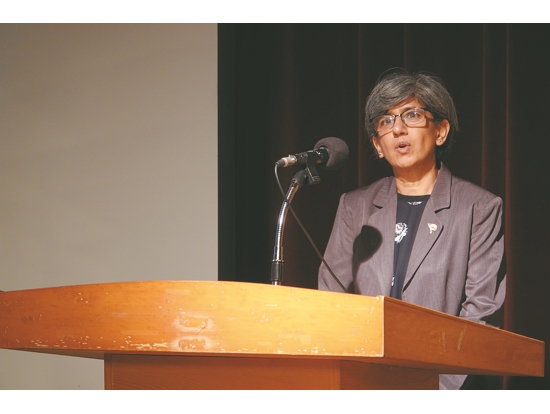
On her first visit to Taiwan, Madhu Rao delivered a speech outlining the IUCN’s latest policies and international efforts to conserve biodiversity. This included discussions on initiatives such as the “30x30” effort (aimed at conserving 30% of the Earth by 2030); governance models for protected areas; protected area management effectiveness evaluations (PA MEE); and integrated thinking on conservation, climate change, net-zero carbon emissions, and other factors.
It is rare for such major figures in the conservation field to gather together in one place. For that reason, the National Park Service proactively arranged visits for prominent individuals such as Yoshitaka Kumagai and Marc Hockings to visiting Mao-Chun Chen, director of the National Park Service. During the interactions, the esteemed guests all praised Taiwan’s efforts and achievements in relation to PA MEEs, 30x30 effort and other effective area-based conservation measures (OECMs).
Kai-Fang Cheng notes, “Several of the distinguished guests encouraged us to engage more with international conservation organizations, especially our partners in the Asian region. They suggested that we first join as an organizational member under the name of National Park Service Association, and then work toward becoming an observer of the Asia Protected Area Partnership (APAP) as an NGO. There will be more possibilities for international exposure and cooperation opportunities in the future.”
The incorporation of coastlines and wetlands within the National Park Service’s jurisdiction echoes the increasing concern surrounding OECMs in recent years. During their conversations, the distinguished guests also underscored that future international OECM accreditation will require rigorous, holistic assessment of ecosystems and habitats. “In particular,” Cheng notes, “the essence of OECM lies in establishing partnerships and harnessing community efforts to work together toward common goals. At the moment, Taijiang National Park is relatively well-positioned to develop these measures.”
The 2023 International Conservation Conference was a significant conservation event that transcended borders, disciplines, and organizational boundaries. Cheng says, “Especially in recent years, with the establishment of government bodies such as the Ocean Affairs Council’s Ocean Conservation Administration and the National Park Service, the participation of these organizations carried great symbolic value for the conference.” Cheng adds, “Being able to host these international experts and scholars in Taiwan not only helped them to witness our conservation efforts, but also symbolized the reopening of Taiwan’s borders after the pandemic, and the sustained fostering of strong connections and interactions in the future.”
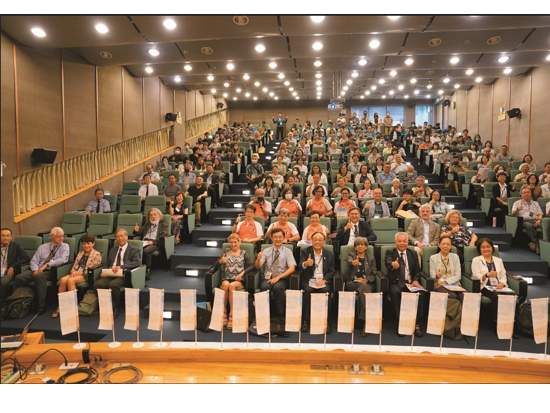
Puts Taiwan on the World Map
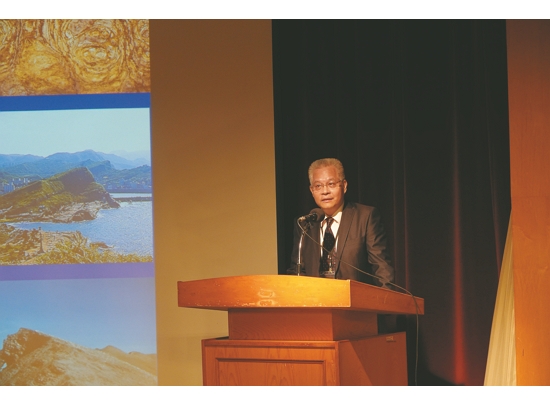
conference. It opened with Mao-Chun Chen, the first director of the National Park Service, delivering a keynote on “The Vision and Policies of the National Park Service.” Following his speech, management offices from Yangmingshan, Marine, Taijiang, and Kenting National Parks presented (respectively) monitoring of the Datun Volcanic Group, progress in Taiwan’s marine conservation efforts, wetland habitat management, and case studies on developing partnerships for community ecotourism and sustainable agriculture. These presentations showcased the operational achievements that Taiwan’s national parks have accumulated, and collaborative conservation efforts made with local communities.
iNaturalist: A Community for Global Nature Observers
Taiwan isn’t just a hub for international academic conferences and research exchanges. Taiwan also has a vibrant community of citizen scientists around the island. Crossing geographical and national boundaries, they harness an array of digital tools for investigation and monitoring. With collaborative efforts, they continue to build up ecological databases, transforming the data into formidable assets for academic research.
iNaturalist (or “iNat”) is a platform where anyone can observe and record wildlife online. The service currently boasts over 3 million users worldwide. With just a smartphone and the iNat app, users can snap photos of the organisms they’re observing and upload them to share with the global community. Other users can helps with species identification; through discussion, a vast community of nature observers has been formed. The platform has accumulated over 170 million records, including nearly 500,000 species. With a Chinese interface now available, many species can be searched for using names commonly used in Taiwan.
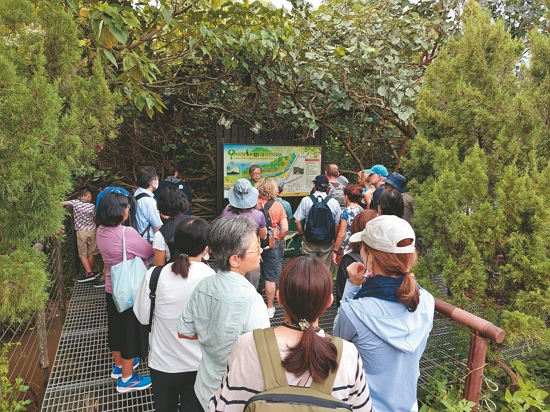
太 Ku-Lin Chen, head of Taroko National Park Headquarters’ Interpretation and Education Section, is also a member of the iNat community. Since 2020, he has amassed over 10,000 observation records and documented 1,700 species. Previously, when he ran the environmental education program, he noticed students’ keen interest in visiting the Taroko Terrace and observing the creatures that live there. During volunteer training courses, participants also showed remarkable enthusiasm for observing insects that inhabit the terrace. That’s why, since May of last year, Chen has begun doing observation and photography with his smartphone.
“At the beginning,” notes Chen, “I would encounter lots of species I didn’t recognize. I would consult with Dr. Jen-Chieh Chen, our interpretive volunteer, or upload them to the group to share with other volunteers. And a lot of experienced peers in Taiwan have established related Facebook communities.” Chen chuckles, reflecting on how as his observation records piled up, it became increasingly difficult to recall which species he had documented. Sometimes, he felt reluctant to constantly ask others for help. “Last summer, the idea struck me that I could utilize iNat to organize the vast volume of daily observation records. Its user-friendly interface not only allows for calendar management, but also seamlessly integrates with Google’s smart lens and iNat’s AI image recognition feature. That makes it convenient to sort through and upload observation data.” His records, built up through daily observations, are like a flip-book electronic field guide. And a group of experts is there with him on this leaning journey.

Chen usually centers his observations around the Taroko Terrace Trail. Besides documenting plants and animals, he has also amassed a wealth of Arthropodin observation records. “Identifying insects presents a relatively steep learning curve, and capturing their images is quite challenging,” notes Chen. “It requires not only specialized equipment but also a keen focus to locate all the different species.”
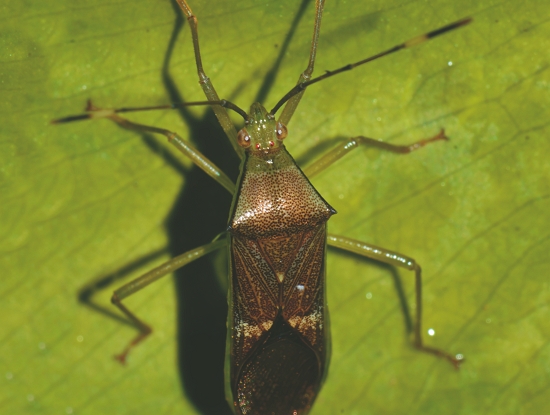
As he has progressed, he has discovered previously unrecorded species almost every day, even achieving first entries on iNat. “Like last November, for example. I photographed a Dasynus biguttatus in Taroko Terrace. Initially, I only recognized it as belonging to the subfamily of the Coreinae. Later, with the assistance of @ wongun, a South Korean friend, we identified it as the first recorded Dasynus biguttatus on iNat.
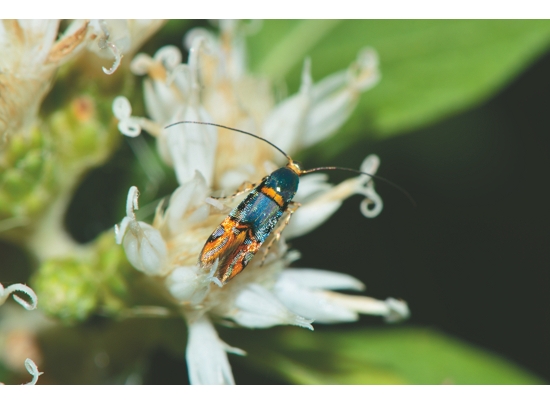
Additionally, he has also discovered various insects such as the Epicroesa thiasarcha, Xylosandrus mancus, and Chlamisus sp., among others. Some are the first sightings recorded in Taiwan on iNat, while others mark the first observations within Taroko National Park. “Getting to know these creatures is also about uncovering the mysteries hidden within the depths of the Taroko Terrace.”
The seasonal transitions in Taroko Terrace are not only admired by visitors, but have also been meticulously documented by Chen. He looks forward to continuing to collect observations on insects, Chiroptera bats, and solitary bees in Taroko National Park. He plans to collaborate with the Biodiversity Research Center, Bat Association of Taiwan, Dong Hwa University, Tzu Chi University, and other organizations to promote citizen scientists education. Hopefully more people can join the investigation teams to study spiders, bats, amphibians, and other species within the park.
How do You Get Started with iNat?
iNaturalistiNat is a free online platform, so sign up for an account first! With just your smartphone, you can snap photos, record the time and location, add observation notes, and easily upload and share them – all with a tap. Use iNat’s location exploration feature to browse observation records from different areas. Spend time reading other users’ observation notes or participate in iNat workshops and seminars. Patience and curiosity are essential for ecological observation. It may take some time to find the flora and fauna you’re looking for, or you might discover species you’ve never seen before. Don’t forget to share your discoveries with everyone—it’s a great way to inspire others to take an interest in ecological observation, too!
![] iNaturalist](https://www.taiwan.nps.gov.tw/upload/filesys/image/01_chinese/12_equarterly/202406/26-1m.jpg)
Those Tiny Grasses on South Penghu
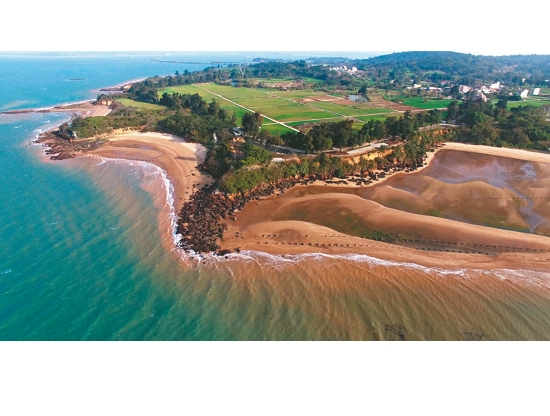
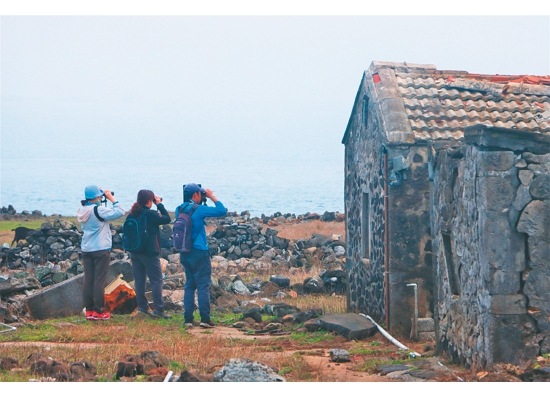
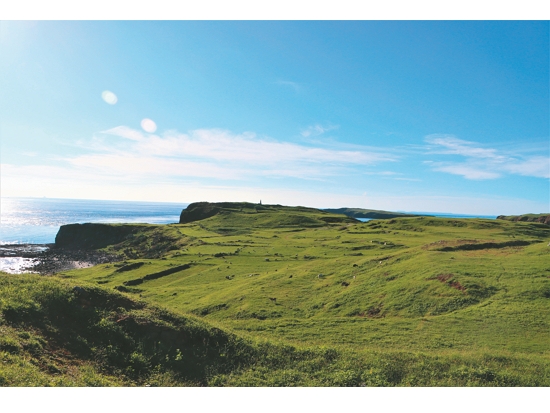
Given their unique climates and geographical environments, each national park exhibits different ecological landscapes. Chia-Wei Hsu, Technical Specialist at the Marine National Park Headquarters, is usually tasked with conducting botanical surveys on the four islands of South Penghu. He uses iNat as a tool for using observations to expand his knowledge of the islands’ botanical diversity. “I used to have a good sense of woody plants, but after coming to these islands, I realized that woody plants are scarce here. Instead, there are many unique herbaceous plants. To me, it felt like a whole new land.”
Hsu relies mainly on the book 野有蔓草:澎湖南方四島植物圖鑑 (“An Illustrated Guide to Plants on South Penghu”, compiled from surveys conducted by National Chiayi University), in combination with iNat. “Island ecologies are fragile systems,” he notes. “When I spot an endemic, indicator, or conservation species during a survey, then I can be more assured that the islands are still managing to maintain their ecological makeups.”
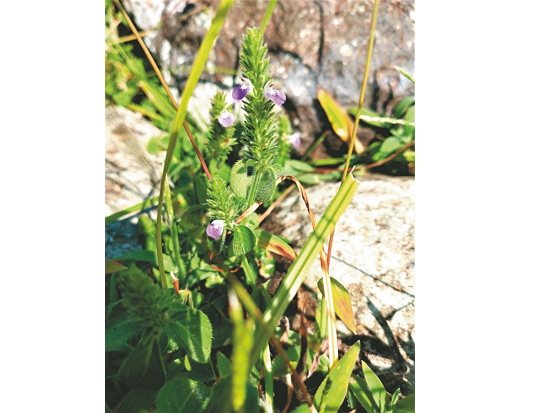
Hsu remarks that in the past, he often looked up at trees; but since arriving at South Penghu, he finds himself more frequently looking down to observe grasses, especially low, creeping grasses. “It’s a really fun contrast. Take a vast stretch of Justicia procumbens var. hirsute for instance. When you crouch to observe it, it’s as if you’ve stumbled upon a whole different kind of forest. No matter how tall or short it is, every species presents a unique allure from different perspectives.”

Chia-Wei Hsu’s Illustrated Guide to Island Plants
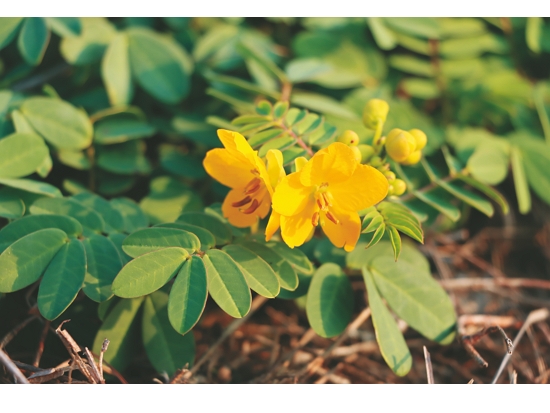
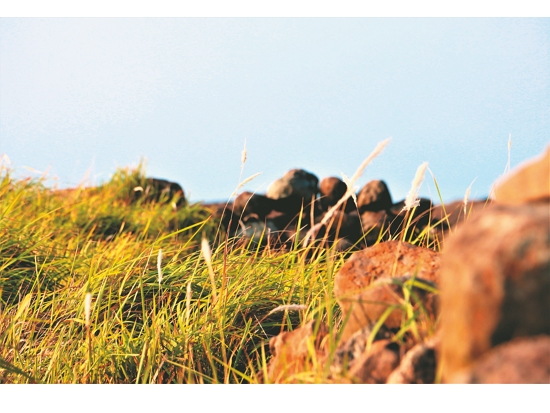
Cassia sophera var. penhuan
A low-growing shrub with feathery compound leaves and small yellow flowers, Cassia sophera var. penhuana is a species Chia-Wei Hsu was eager to observe firsthand upon arriving at South Penghu. He notes, “Cassia sophera var. penhuana is a common plant on the four islands of southern Penghu. It is endemic to the Penghu Archipelago, and particularly abundant on Dongjiyu.”
Justicia procumbens var. hirsuta
Discovering Justicia procumbens var. hirsute also gave Hsu a great sense of accomplishment. With its small, spike-like purple flowers, it thrives on the Fangshan Terrace, where its small size allows it to withstand strong coastal winds. “Justicia procumbens var. hirsute is tiny and hard to find,” notes Hsu. “During surveys, I take photos first and then cross-reference them with an illustrated handbook when I return. Every survey helps me learn a few more species, so I can gradually build up my understanding. It feels like exploring a new world every time.”
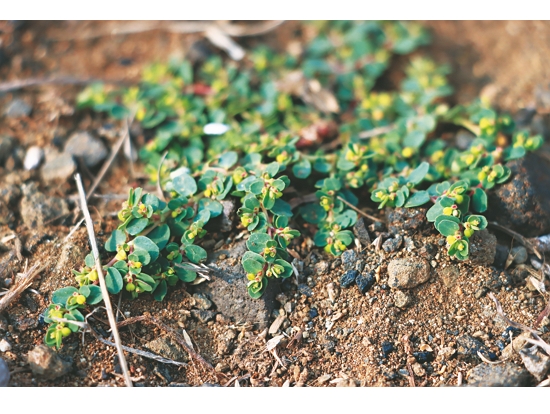
Chamaesyce taihsiensis
In his quest for endemic species on the islands, he always has an inexplicable passion. “These species hold significant ecological importance to these islands.” This includes a monthly trip to Xiyupingyu for surveys, where he recently spotted Chamaesyce taihsiensis. Notes Hsu, “Groups of Chamaesyce taihsiensis are few in number. It’s a tiny herbaceous plant with funnel-shaped flowers; you can see clear images of its features on iNat.”
eBird Taiwan: A Portable Avian Library
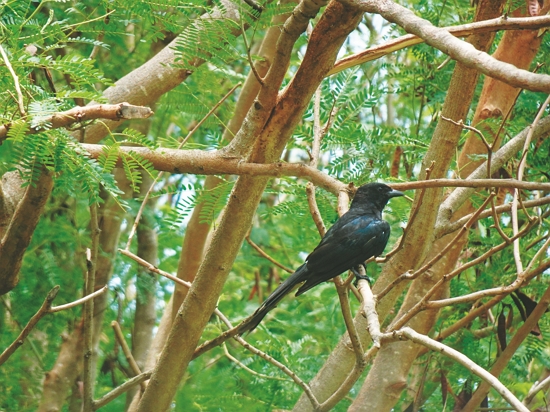
Unlike iNat, which is used for observing all species, eBird is a platform specifically for bird enthusiasts. With over 900,000 users, eBird serves as a global database for birdwatchers. eBird Taiwan was launched in 2015; thanks to the joint efforts of the Taiwan Wild Bird Federation and Taiwan Biodiversity Research Institute, it has been successfully translated into Chinese. Today, the platform stands as an indispensable resource for bird enthusiasts across Taiwan. Not only can users access distribution maps and statistics for global bird species, and explore popular birdwatching locations in a variety of regions, they can also identify bird species through photos and recordings, participate in monthly challenges, and compete with eBirders worldwide.
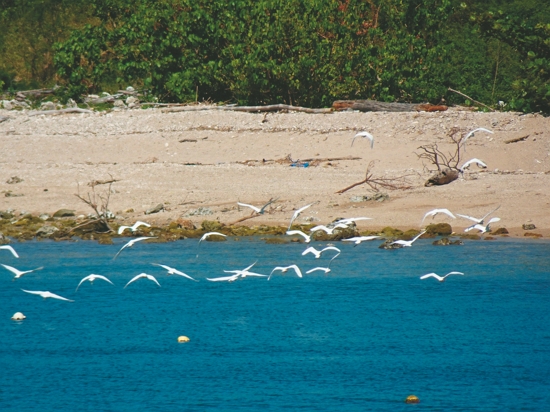
Kenting National Park Headquarters, which has long promoted ecological surveys of bird species on the Hengchun Peninsula, has helped its community partners to conduct long-term bird monitoring using eBird. To date, they have uploaded over 3,200 records of 155 bird species, impressing the international community with their rich survey results. One particular surveyor, Mei-Jung Chen, is a senior interpretive guide with the Back Bay Community Association. She has been participating in bird monitoring since 2019 as a newly-trained student, and has recorded 63 bird species so far.
She chuckles, saying that before attending the training, she was a blank slate when it came to birds. Like a lot of people, she only recognized sparrows, swallows, and eagles/hawks. “It was only after I started that I realized it’s not at all what I expected!” At that time, Yi-Jung Tsai (a retired Kenting National Park Headquarters Technical Specialist) assisted with the training, guiding the students on hikes up Mt.Gui every month and teaching them hands-on techniques for observing and identifying birds. “It wasn’t just a class or two,” says Chen. “Our training lasted at least three years. There were indoor coaching sessions in the final year; they taught us how to analyze and apply eBird data.”

Visual and Auditory Acuity Training
Reflecting on her journey of learning bird monitoring, Mei-Jung Chen says that the two key factors have been “seeing” and “hearing”. Seeing involves identifying bird species with the naked eye. “The teacher wouldn’t tell us the names of the birds,” says Chen. “Instead, he trained us to sketch their identifying features with pencil and paper: The color of the bird’s beak, their feet, the tail, and so on. We would then go home, consult field guides, and confirm our answers before letting him verify them.” She laughs, saying that at first, she only achieved a low level of accuracy; her submissions got rejected by the teacher so often it became a commonplace occurrence. And only after the teacher confirmed the accuracy of the data could it be uploaded to eBird.
As for hearing, that involves identifying bird species based on their calls. When you’re immersed in natural surroundings, sound often travels better than light. Thus, honing one’s auditory skills becomes an indispensable component of bird surveys. “For beginners, identifying birds by their calls is quite challenging, especially considering that a single bird may have several different calls. That’s why our teacher strongly encouraged us to repeatedly listen to eBird’s audio recordings.”
As Mei-Jung Chen spent more time observing birds, she came to understand the value of this rigorous training for her future ability to independently do bird surveys – something she is now capable of. “The most crucial part is to keep a record. It doesn’t matter whether your photography skills are good or not; you have to take a photo of the bird, you have to record its audio. Once we observe its head shape, beak structure, and color, we can initially identify the family to which it belongs. We then turn to eBird to verify the species and ensure accuracy.”
Strolling along the Mt.Gui Trail, Mei-Jung Chen can identify the commonly-seen birds here like reciting the names of her relatives. Yet, she humbly remarks, “No matter how much time I spend on monitoring birds, human memory is limited after all. So, I often use eBird to review bird calls, and frequently flip through bird field guides. It’s all about honing the basics.” For her, having access to eBird is like having a teacher by her side, or a library at her fingertips. “There’s never a feeling of being left without help.”
Establishing Connections between Humans and Nature
The bird monitoring in Back Bay Community initially focused on the 72-meter-high hill called Mt.Gui. It’s a prime spot for panoramic ocean views, attracting many visitors for a leisurely 40-minute stroll. Later, newly-trained students of bird monitoring took up self-directed learning, adding the Back Bay Jetty, with its beaches, intertidal zones, and a reef-rich coastline, as monitoring sites in 2022. Chen notes, “Initially, we were curious about the contrast between the mountains and the sea, wondering if the bird species monitored would be significantly different. Up to now, we’ve been collecting data for almost two years.”
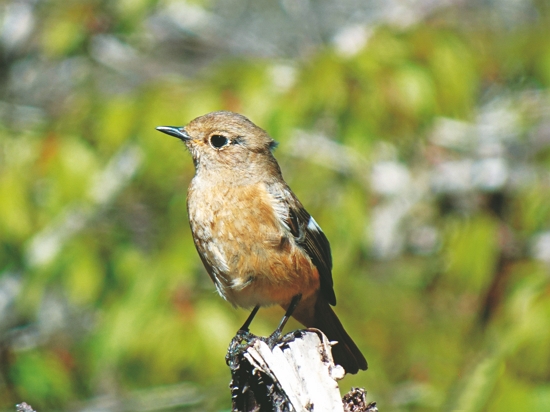
For instance, the migratory land birds that winter at Back Bay, such as pale thrushes (Turdus pallidus), brown-headed thrushes (Turdus chrysolaus), Siberian rubythroats (Calliope calliope), and Arctic warblers (Phylloscopus borealis) are commonly observed on Mt.Gui. These bird species cannot be seen at the Back Bay Jetty. Additionally, birds passing through here, like Chinese sparrowhawks (Accipiter soloensis), peregrine falcons (Falco peregrinus), and common kestrels (Falco tinnunculus) also choose to inhabit Mt.Gui’s shrubbery and broad-leaved forests.
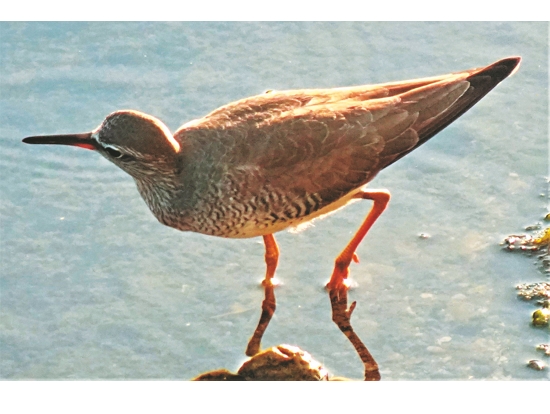
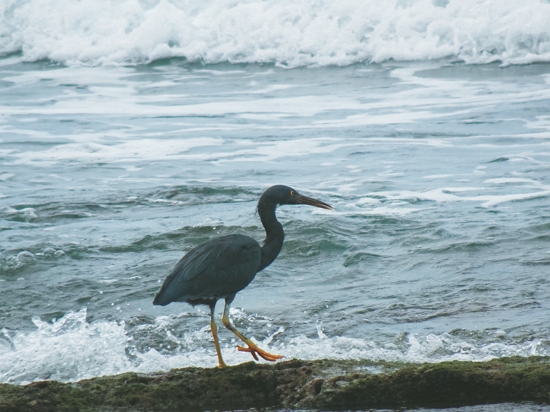
At the Back Bay Jetty, one can spot wintering water birds such as Pacific golden plovers (Pluvialis fulva), common redshanks (Tringa tetanus), and common sandpipers (Actitis hypoleucos). “Mt.Gui and the Jetty are separated only by the National Museum of Marine Biology & Aquarium – they’re not that far apart,” says Chen. “But there really are different bird species. These birds do choose different habitats.” Especially at these two monitoring sites where visitors often stop, long-term monitoring also helps assess the impact of human recreational activities on avian ecology.
Thanks to her involvement in bird monitoring, Chen has gained a deeper appreciation for the significance of wildlife in Earth’s ecology. “While we enjoy the beauty of nature, we should be aware of the impacts we have on it. I also hope to make visitors aware that the environment is fragile, and requires everyone’s efforts to protect it.
With Taiwan having reopened borders once closed due to the pandemic, the newly established National Park Service has immediately brought about fruitful international interactions. Two international symposiums have focused on salamanders (which have existed on this island since the ice age) and the latest international conservation trends and management strategies. Conservation efforts go beyond the confines of national parks and academia, though – all of us are all indispensable parts of public environmental efforts. Leveraging online platforms such as iNat and eBird empowers us to actively do our part for the Earth’s rich biodiversity. Every observation record is precious. You could add the crucial piece in this giant conservation puzzle!