
Wetland Conservation in Taiwan-
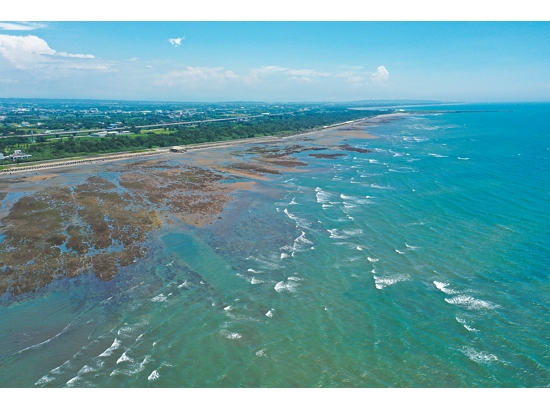
Wetland Conservation in Taiwan
Article/Mei-Yun Tso
Interviewee/Professor Wen-Yan Chiau, Honorary Chair Professor, Institute of Marine Affairs and Resource Management, National Taiwan Ocean University
Another natural terrestrial resource closely associated with coastal regions surface is wetlands. Broadly speaking, any place with water can be called a wetland. Wetlands of dif ferent sizes can be found everywhere, from parks and schools to wilderness areas. However, their ubiquity might cause people to underestimate their importance. When we face choices in what to develop, wetlands often end up being sacrificed.
Taiwan’s wetland environments are diverse, each possessing its own enchanting, scenic beauty. Wetlands are home to valuable assets that encompass economic, cultural, scientific, and recreational aspects. Unfortunately, for a long time, public understanding of wetlands has been limited, resulting in their value not receiving the attention it deserves. Fortunately, there are wetland conservation advocates in Taiwan who have worked from the grassroots level for the wetlands, and whose efforts helped establish the Wetland Conservation Act.
The precise definition of “wetland” can be traced back to 1971 when the Convention on Wetlands, also called the Ramsar Convention, was signed at Ramsar, Iran, by UN. It provided the following definition: “Wetlands are areas of marsh, fen, peatland or water, whether natural or artificial, permanent or temporary, with water that is static or flowing, fresh, brackish or salt, including areas of marine water the depth of which at low tide does not exceed six meters.” Taiwan’s Wetland Conservation Act adopts the same definition.
Unlike the Coastal Zone Management Act, wetland conservation in Taiwan originated from the grassroots. Instead, it was gradually realized through a bottom-up citizen movement. For example, non-governmental environmental groups issued a declaration to save wetlands in 1995; various environmental groups have promoted the designation of nationally important wetlands since 2007. In 2012, a public draft of the Wetland Law was proposed, and finally, in 2013, the Wetland Conservation Act was passed on its third reading. It officially came into effect on February 2, 2015 – World Wetlands Day. Throughout the process, WenYan Chiau played a crucial role as a legislator-at large at that time, and can be considered the key driving force behind the scenes.
Starting with the Kernel of an Idea
Originally trained in urban planning, Wen-Yan Chiau had little to no knowledge of wetlands until he and his wife were awarded scholarships to study in the United States in 1984. Only when his wife chose to take wetland-related courses did he start to gradually realize what wetlands are. “My wife and I were among the Taiwanese pioneers in learning about environmental protection and education. The reason I chose environmental protection as my field of study is that I had witnessed the swift degradation of Taiwan’s environment amid its economic boom. This realization spurred me to delve deeper into research and activism. Former Minister of the Interior, Jiunn-Rong Yeh and I were among the first group of scholarship recipients in this discipline.”
When he was growing up in Pingtung, Chiau used to accompany his mother to a creek-side to do laundry. He played in the clear waters of the creek, where fish and shrimp were abundant. The fields teemed with lively creatures like sparrows and field mice. However, by the 1980s, the creek had become foul-smelling and polluted, and the once-abundant wildlife gradually disappeared. Witnessing the degradation, Chiau thought to himself, “The development of this generation has deprived the next generation of the right and opportunity to enjoy nature. This is not sustainable.” That’s why, when he returned to Taiwan, he took the lead in promoting the concept of Coastal Zone Management.
“I may not have understood much about the ocean,” says Chiau, “but I did know a bit about land. I noticed that the coastal areas, where the land meets the sea, weren’t receiving much attention, so I decided to start there.” Taiwan was facing a coastal crisis. “At that time, the government wanted to accelerate coastal land development projects, transforming coastal areas into industrial zones by filling them in. Numerous wavecut bench regions had also been hollowed out and turned into aquaculture ponds. If things continued this way, Taiwan’s intertidal zone ecosystems would be irreversibly destroyed.”
As a result, many like-minded scholars and groups began protesting and voicing their demands. Lung Sheng Chang, then the director of the Construction and Planning Agency, even accompanied then Premier Yun-Suan Sun to the site to witness the damage caused by the aquaculture ponds on the wavecut bench. Chiau notes: “That was when the Premier said, ‘Something must be done.’ That was the catalyst for the Coastal Zone Management Act. I also proposed the idea of designating coastal groundwater recharge areas as coastal protection zones, to make the regulations more comprehensive.”
When he was working hard to safeguard the coastlines, the kernel of the idea to work for the wetlands stayed with him; it was just waiting for the right moment to sprout. “While studying in the United States and after returning to Taiwan, I had many opportunities to visit wetlands. That was when I discovered that artificial wetlands could purify water. And so, I brought this concept back to Taiwan and began promoting it.” As chairman of Wetlands Taiwan, Chiau and the organization’s other volunteers worked together to realize this idea. In 2003, they were recognized with a Ford Environmental & Conservation Grant for their efforts in the Chouchai Wetland project.
“At the time,” notes Chiau, “the successful construction of Guantian Wetland in Tainan inspired us to expand the habitat for pheasant tailed jacanas. We honed in on the location of what is now the Chouchai Wetland. In order to secure funding, we applied for a Ford Environmental & Conservation Grant. One reason I think we were able to earn recognition then was because we used a clear theme to explain the wetlands: ‘Creating a Wilderness in the City: The Jacana Homecoming Project’.” It happens that the first recorded sighting of pheasant-tailed jacanas by 19th-century British diplomat and naturalist Robert Swinhoe was in Kaohsiung. In other words, Kaohsiung’s connections to the birds runs deep. Chiau also served as the chief planner for Taiwan’s earliest artificial wetland, the Niaosong Wetland. He brought together scholars from many fields to apply their expertise in the Chouchai Wetland, which yielded excellent results.
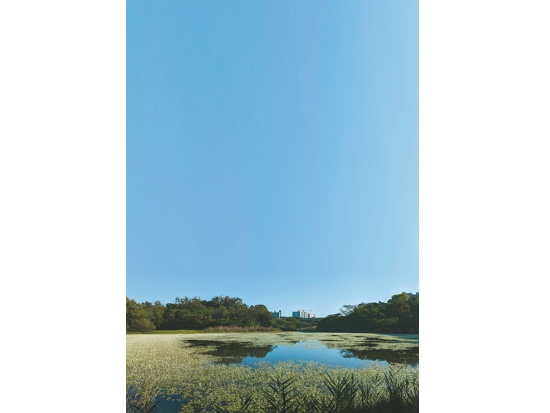
Natural Wetlands and Artificial Wetlands
Wetlands can generally be classified into two types: natural, and artificial. Natural wetlands are those that form naturally within the environment. They can be further subdivided into saltwater wetlands, freshwater wetlands, and brackish wetlands; and they can be either coastal or inland.
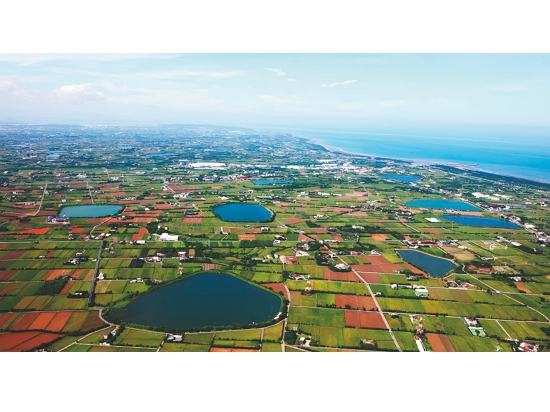
Artificial wetlands, on the other hand, also called “constructed wetlands”, are those created by human intervention. Common water bodies like rice fields, salt fields, ponds, reservoirs, and the like around residential areas all fall into this category. They are closely linked to human life. Initially used for agricultural irrigation to produce food, modern artificial wetlands are now associated with water purification, environmental enhancement, and are even playing crucial roles in addressing climate change.
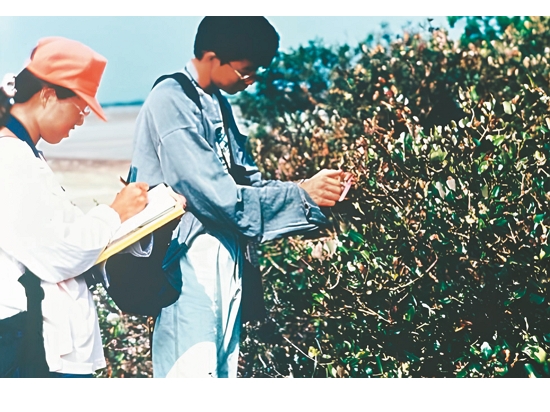

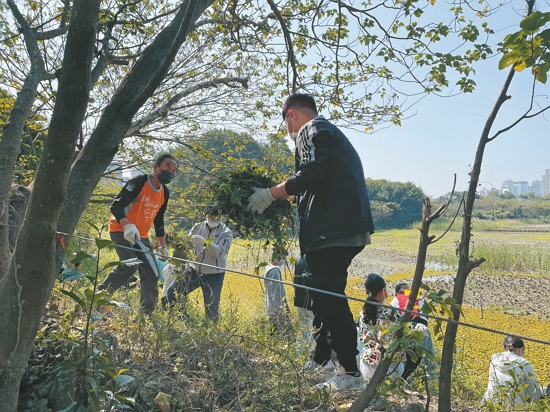
A Wetland Conservation Movement, from the Grassroots up
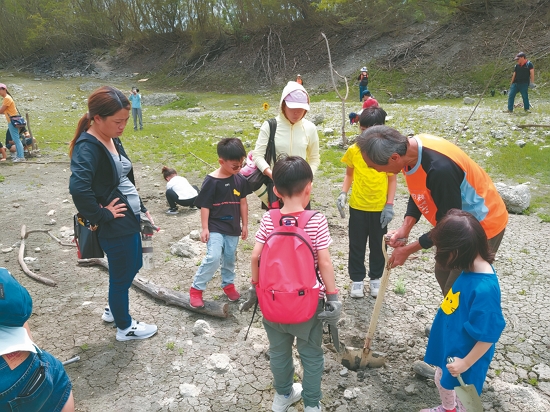
While grassroots efforts are thriving, the long-term development of wetlands still relies on legal protections. Chiau drafted 1995’s Civilian Declaration to Save the Wetlands, and since then has continued to tirelessly call for the government to reinforce legal frameworks. After nearly two decades years of concerted efforts by Chiau and others like him, the Wetland Conservation Act was finally passed in 2013. Drawing on international standards, the law centers around the core concepts of “wise use” and “no net loss”. The law divides “important wetlands” into three levels: international, national, and local. This legal designation ensures wetlands are protected by law.
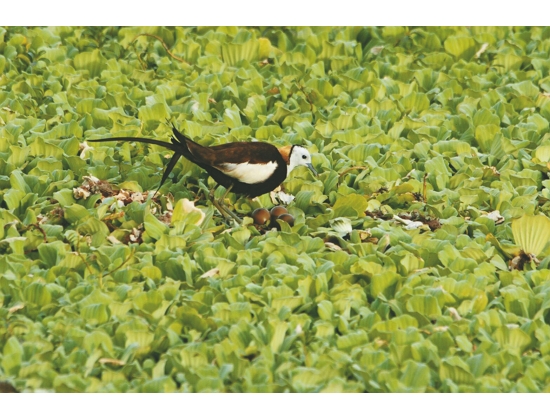
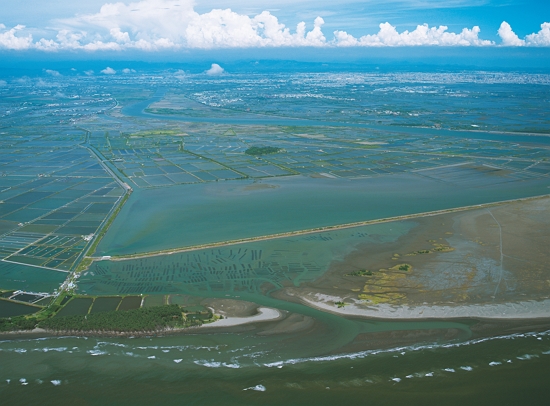
What does “wise use” mean in practice? Chiau brings up coastal Changhua’s wetlands as an example to explain this concept. The Dacheng wetlands, located at the estuary of the Zhuoshui River in Changhua, are mudflat wetlands formed by sediment deposits. The Dacheng wetlands cover more than 21,000 hectares, and are an extremely precious natural resource in Taiwan. Members of the public have long called for their designation as national or even international-level important wetlands; but in the past, fishers were concerned that designating this area as an important wetland might deny them access to it for aquaculture and harvesting, ultimately jeopardizing their livelihoods. This concern has prevented consensus on wetland conservation.
“The spirit of wise use,” explains Chiau, “lies in participation and support from all stakeholders in wetland management and conservation. It aims for coexistence between wetlands and local communities, establishing partnerships between wetlands and communities.” Chiau uses international wetland management as a case in point: , “For instance, regulating the timing and quantity of harvesting; community stewardship; resident involvement in tourism development – these are all wetland management models worth discussing.”
Wise Use and No Net Loss
Unlike other conservation regulations with strict limitations, the Wetland Conservation Act centers around the principle of ‘wise use’. Within the carrying capacity of wetland ecosystems, it advocates for a “timely, fittingly, moderately and adequately sustainable utilization” of water, land, and biological resources. ‘No net loss’ refers to “adopting impact mitigation, offsite compensation or ecological compensation in the development and utilization acts, to ensure no loss to the wetland area and its ecological functions”. And ‘off-site compensation’ is defined as “ecological compensation using the means of rebuilding the habitat off-site to restore the wetland ecology”
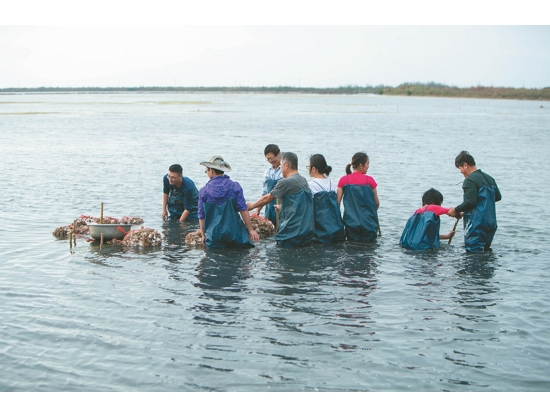
In Taiwan, the Pheasant-tailed Jacana Habitat Education Park in Guantian, Tainan, stands out as a prominent example of compensatory wetlands. In 1998, Taiwan embarked on construction of the high-speed rail. This would require laying track across the Deyuanpi and Hulupi reservoirs, and thus disrupting crucial habitats for pheasanttailed jacanas. (As an aside, in Taiwan, the pheasant-tailed jacana is perhaps more commonly known as the “watercaltrop bird”). Due to the rarity of these creatures, the Environmental Impact Assessment Committee mandated that the high-speed rail company create an additional 150 hectares of wetlands to mitigate the ecological damage caused by the project. The Park was a result of this.
The Sustainable Development Goals in the Wetlands
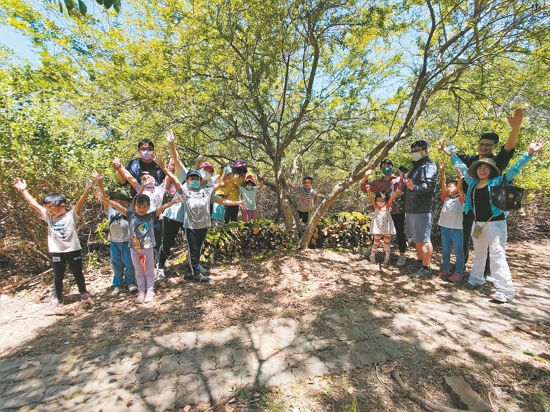
So, what exactly are “important wetlands”? Article 4 of the Wetland Conservation Act defines them as to wetlands that “biodiversity, critical species conservation, soil conservation, water resource culmination, marine resource breeding, flood prevention, flood retention, cultural heritage, landscaping aesthetics, scientific research, environmental education, and have been evaluated… and publicly announced as such.” And as Chiau notes, “In fact, almost every one of the United Nations’ Sustainable Development Goals (SDGs) published in 2015 is closely related to wetlands.”
Chiau brings up several examples. First, wetlands play a crucial role in “alleviating poverty.” Wetlands can generate abundant resources, particularly in connection to aquaculture, and can provide food and ensuring food security. He elaborates: “Consider this: which is easier to survive on, a mountain or a small island? When you toil by farming the land, if you do the work one day, you only get to reap the rewards of that work two or three months later. But living by the water, you can catch fish every single day.”
Second, wetlands serve not only as water sources but also play a crucial role in water regulation. “Take the example of the ponds in Taoyuan. Taoyuan is considered a plateau. It has short rivers, coupled with uneven rainfall, which makes it unfavorable for agriculture. Since the Qing Dynasty, ponds have been constructed for irrigation purposes, earning Taoyuan the title of the ‘Land of a Thousand Ponds.’ That’s a really impressive feat of hydraulic engineering.” He believes that understanding how people in the past used topography and built huge numbers of artificial wetlands to address agricultural issues is a subject worthy of study – especially in the face of worsening climate change.
Third, wetlands also play a role in our health. “The Convention on Wetlands suggests that the occurrence of avian influenza is closely related to wetlands. If we fail to protect wetlands, and that causes there to not be enough wetland area, birds will lack sufficient food and may resort to entering farms and communities. If wetlands have abundant food sources, that can prevent the widespread outbreak of avian influenza caused by bird migrations.”
Chiau also emphasizes with great concern that in Taiwan, there’s a troubling trend of installing solar electric panels directly over wetlands without maintaining the same total water area. When winter arrives, birds from the north migrate southward; then, as Chiau notes, “Seabirds such as gulls, that need expansive water areas, have nowhere to go but fishponds and communities. The ecological impact is difficult to estimate. It seems we’re talking it all too lightly.”
Furthermore, wetlands not only serve as vital habitats for wildlife, but also as lifelong educational spaces. They play an important role in fostering partnerships with communities. “The Dacheng wetlands are the largest in the country and Taiwan’s sole large-scale muddy floodplain. They are extremely important. We need a comprehensive plan to serve as a blueprint for the realization of community unity and sustainable development. They can’t just be designated as a conservation area.”
The Outlook for Coastal Zone Management and Wetland Conservation
Since the National Park Service was formally established in 2023, two important tasks – coastal management and wetland conservation – have been integrated into the new national park system. Coupled with the Spatial Planning Act and the National Park Law, this forms a robust conservation network safeguarding Taiwan. Currently, the National Park Service oversees 1,422,144 hectares of coastal areas and 42,699 hectares of wetlands. For the Taiwan of a century from now, we really need to think hard about our relationships with our coasts and wetlands.
Chiau reiterates: “With the Wetland Conservation Act, we can’t just designate wetlands as protected areas. Instead, we need comprehensive planning and sustainable development. The crucial thing is that we need to both preserve natural wetlands, and to create artificial ones. We need both.” Wetlands need to be transformed into nexuses of interconnected partnerships; wetland conservation needs to spring from everyday life. Wen-Yan Chiau notes, “What we truly need are wetlands that are integrated into our lives, and conservation practices that are equally integrated into our lives.”


