Past and Present of Taroko-
Past and Present of Taroko
Article and Photos/ Mao-Yao, Lin, Senior Interpreter, Taroko National Park Headquarters
The Top of Mt. Sanjiaozhui
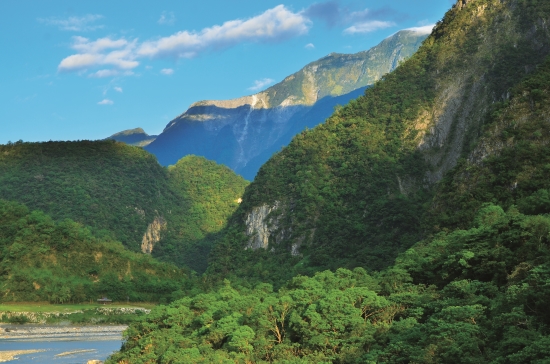
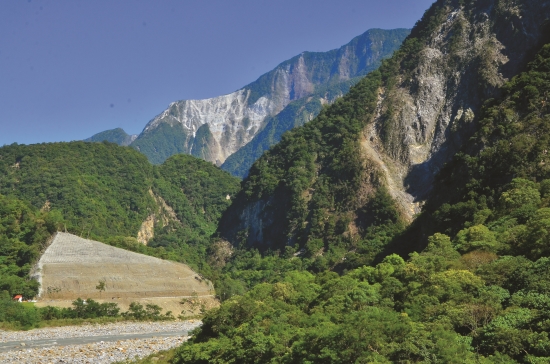
Upon approaching Taroko’s entrance, a towering cliff looms ahead, occasionally revealing bright white marble that gives the illusion of snow-capped peaks. This is the ridge of Mt. Sanjiaozhui, and directly below it lies Taroko Gorge. Recently, a new landslide occurred on the right front of the mountain, with the debris now resting near the base of Xiaozhuilu Trail. As soon as arriving at the entrance of Taroko National Park, everyone will deeply feel the visual shock caused by the earthquake!
The Sculpture of Bayi
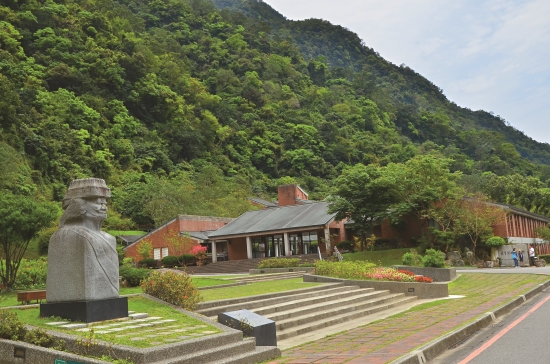
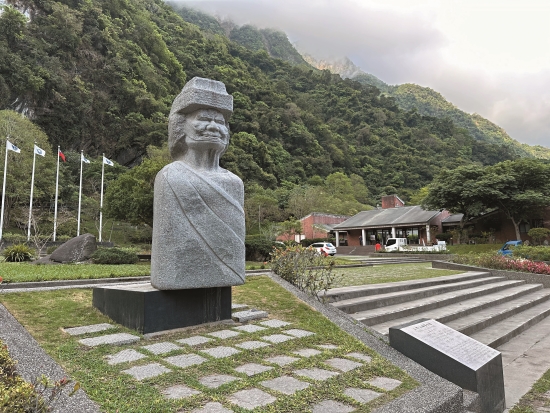
The Bayi stone sculpture of the Taroko tribe, with its gentle and welcoming expression, gazes kindly at the daily stream of visitors, drawing countless people to take photos with it. At the moment of the earthquake, the sculpture shifted significantly on its stable base! It came perilously close to toppling over—fortunately, it remained upright, whew!
Buluowan Suspension Bridge
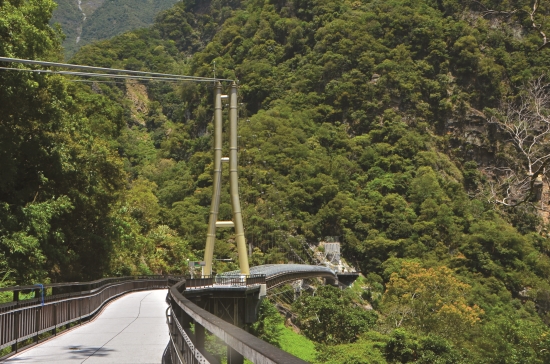
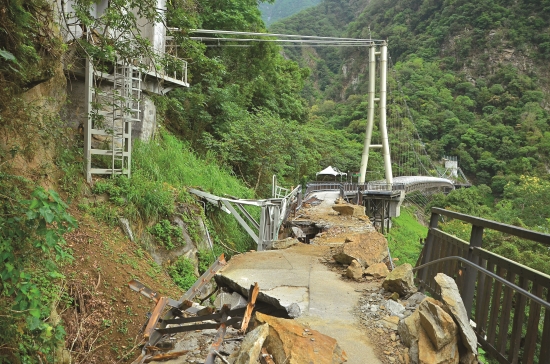
Venturing a bit further down the path, we enter Buluowan Suspension Bridge! Suspended 153 meters above Liwu River Gorge, it offers a prime vantage point for viewing Swallow Grotto of Taroko Gorge. During the intense earthquake, falling rocks damaged the trail leading to the suspension bridge. Fortunately, the bridge itself has remained intact. Once the trail is repaired, it will be ready to welcome visitors once again.
Swallow Grotto
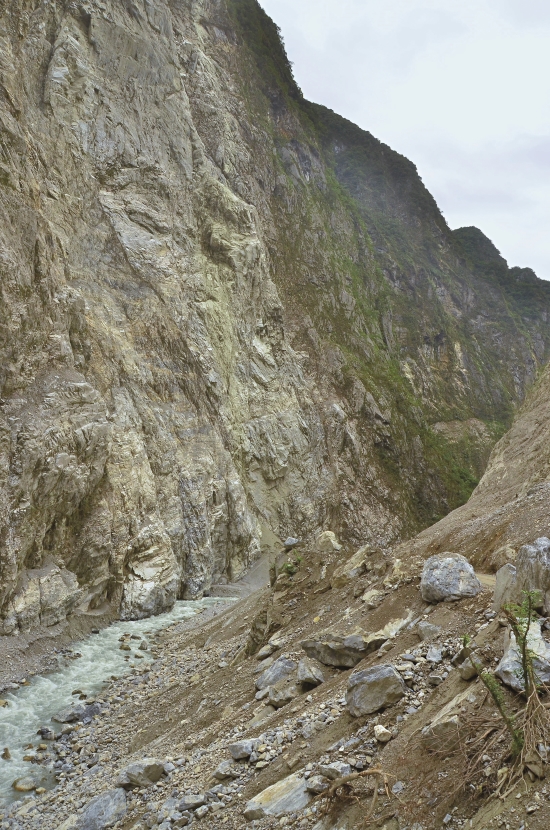
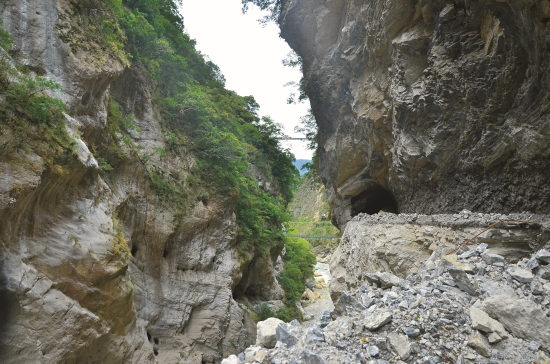
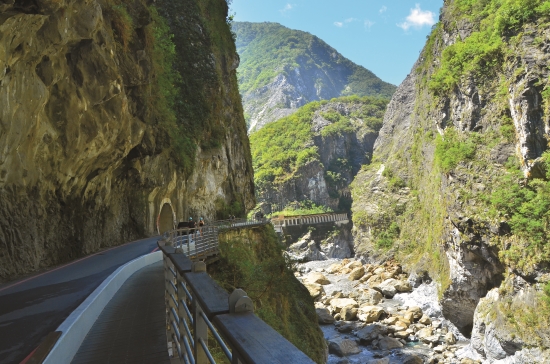
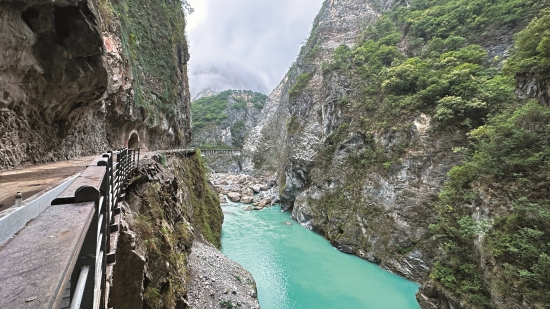
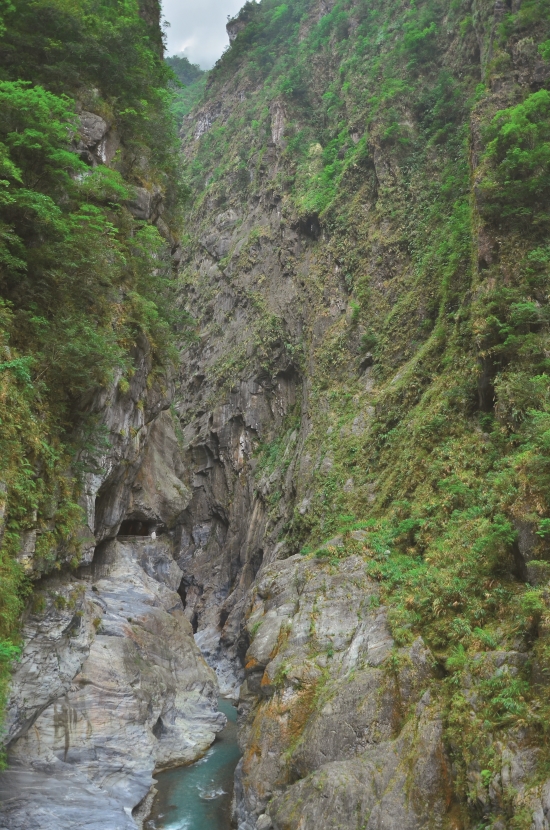
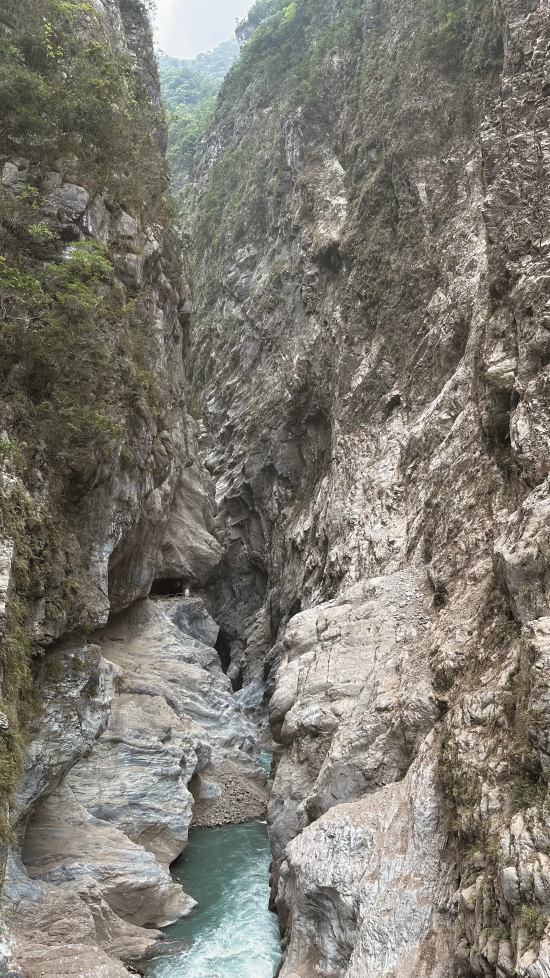
Upon returning to Swallow Grotto after the earthquake, the scene is strikingly different. Aside from the large amount of fallen rocks pushed to the roadside and the precariously hanging boulders overhead, the gorge appears brighter and somewhat unfamiliar. The cause of this change? A section of the man-made open-cut tunnel has vanished! The massive rocks from the tunnel collapse have blocked the Liwu River channel, creating a small, serene dammed lake with abundant, powder-blue water upstream.
Nine Turns of a Coiled Dragon
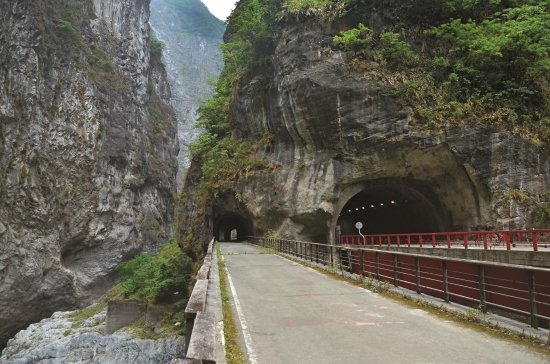
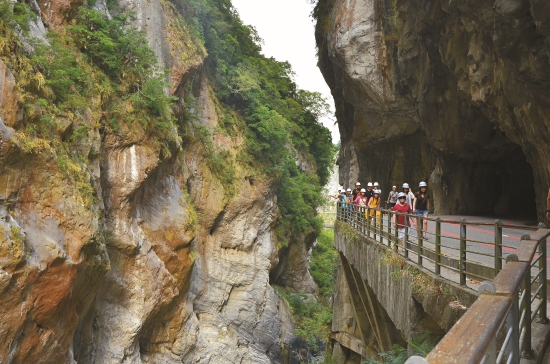
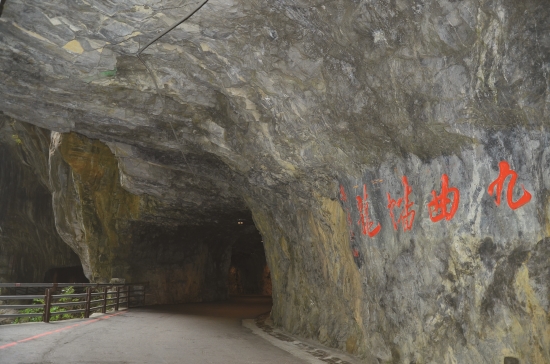
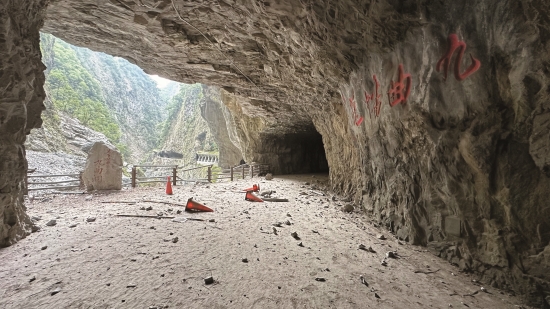
Walking along the Tunnel of Nine Turns Trail, visitors are enveloped in the visual grandeur of Taroko Gorge, where the man made open-cut tunnel and the natural light of the gorge perfectly illuminate the four large characters carved into the rock wall: “Nine Turns of a Coiled Dragon”, which seem to mirror the contours of the gorge itself. After the earthquake, the scene changed dramatically. Dust and debris accumulated on the tunnel’s surface, scattered rocks littered the area, guardrails were damaged, and traffic cones toppled. Seeing these remnants, can you imagine the scene during the earthquake?
Greenery in the Gorge
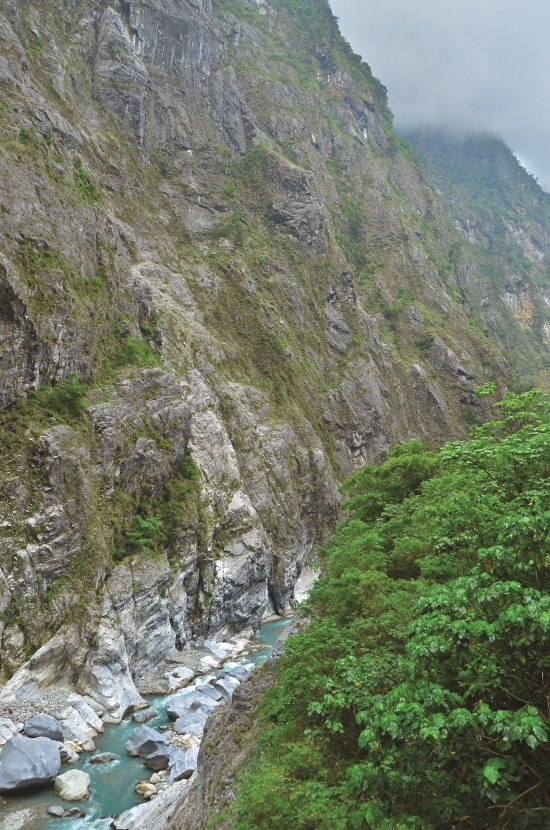
Surviving in the steep environment of the gorge is no easy feat for plants. They must overcome the challenges of shallow soil and its difficult accumulation, and adapt to the alkaline marble environment. Thus, the greenery in the gorge is exceptionally precious. However, this recent powerful earthquake also damaged the flora within the gorge. We believe in nature’s ability to heal itself, and await the time when the greenery is restored.
Liufang Bridge
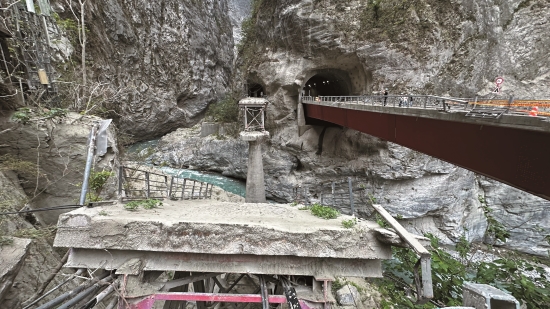
Between the Tunnel of Nine Turns and Zhuilu Cliff, the Liwu River makes an almost 90-degree turn. From the era of Japanese rule until the present, three generations of bridges have spanned this turn. Originally, the old and new bridges stood side by side. However, the second-generation single lane bridge collapsed during the recent earthquake. On the west side of the bridge, the Liwu River Gorge has been filled with continuously falling debris, diminishing the once-majestic depth of the canyon.