Encounters with Endemic Species of Taroko-
Article / Ming-Jung, Chang
Photos / Chen-Tang, Lee
Interviewees / Chen-Tang, Lee, Ark Taroko Director
Mu-Lin, Chang, Botanist
Encounters with Endemic Species of Taroko
Carrying heavy equipment, the film crew slowly advanced along the Wuyanfeng ridgeline, traversing one of the most treacherous hiking routes on Nanhu Mountain. The surrounding clouds shifted in color and light as the sun played upon them, creating a mesmerizing spectacle that compelled the team to pause and capture the moment. As the crew continued filming, the wind grew increasingly frigid, and the mist swirled violently, turning darker by the second. Suddenly, the mountain porter’s expression changed. “A storm is coming—leave now!” he warned. As the crew hastily packed up their gear, tiny droplets turned into a torrential downpour, and thick fog rapidly engulfed the entire mountain.
Amid the torrential rain, the team struggled forward under their heavy loads. Someone noticed a cluster of High mountain juniper (Juniperus squamata Lamb.) on the leeward side of the mountain peak. Their low branches stretched downward, crawling along the ground as if inching forward, forming a natural shelter against the wind and rain. Seeking refuge beneath one of the trees, Director Chen-Tang, Lee was struck by an astonishing sight—beneath the juniper’s protective canopy, a vibrant array of endemic plants flourished. Unfazed by the fierce wind and downpour, they bloomed freely, exuding vitality. This resilient display of life, thriving despite the harsh conditions, became an unforgettable memory for him.
“A botanist once said that every plant is its own ecosystem. I never fully grasped the meaning of those words, though, until that very moment,” Lee reflects emotionally. Over the two years of filming the short documentary, Taroko continually offered him unexpected surprises—lessons that no textbook could teach.
Gifts from the Glaciers: Witnessing the Resilience of Relict Species
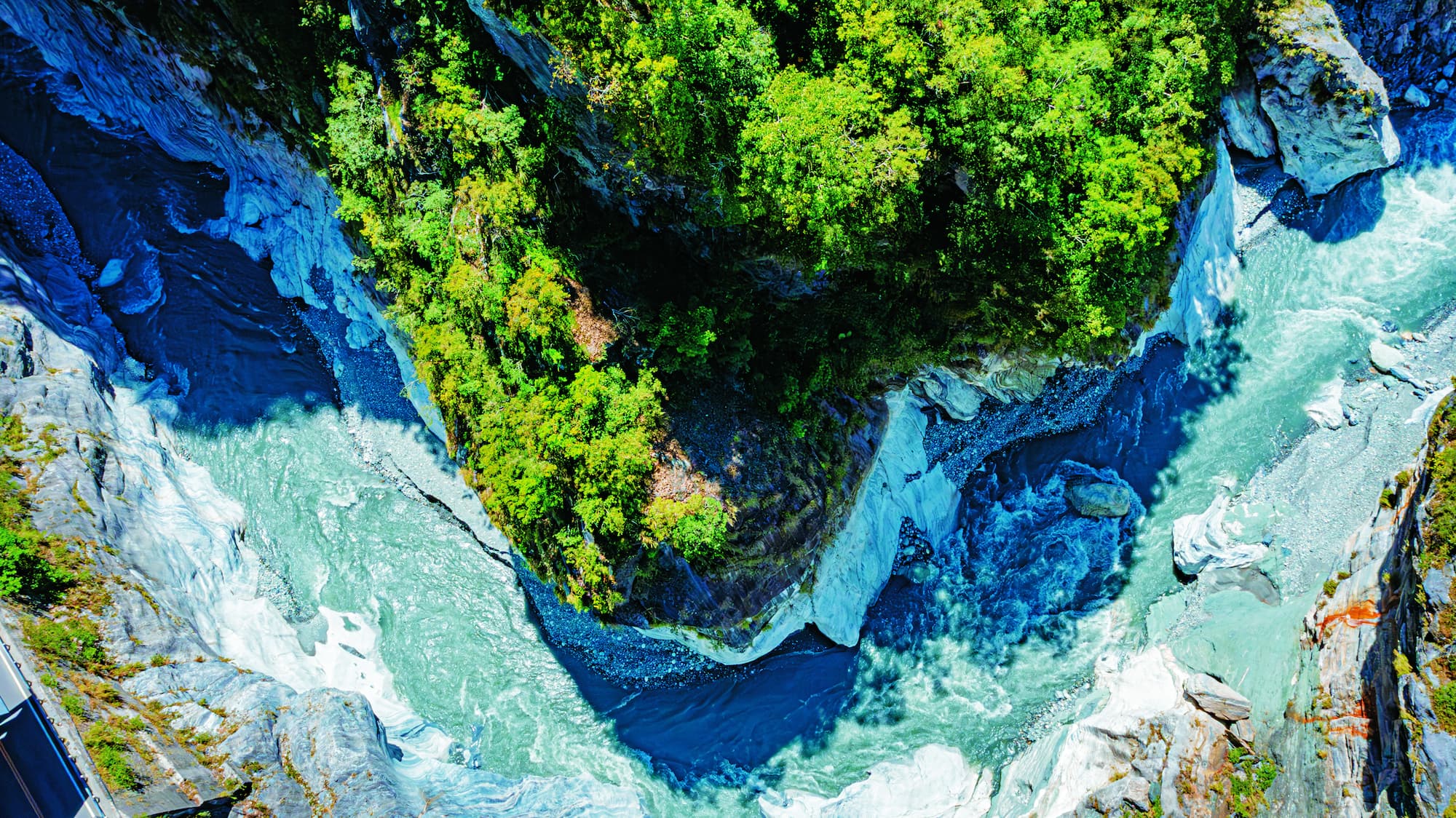
For millions of years, nature has sculpted Taroko’s towering mountains and steep gorges with its masterful craftsmanship. These natural barriers have created an isolated environment, shielding the region from external species and preserving Ice Age flora and fauna that have continued to thrive to this day. Lee dedicated over two years traversing mountains and rivers to film Ark Taroko, capturing the breathtaking diversity of nature while bearing witness to the resilience and wonder of life.
How could these countless surprises be conveyed to the audience through Ark Taroko? After much deliberation, Lee decided to structure the documentary as five chapters: "The Natural Ark", "Guarding the Relics," "In the Name of Taroko," "New Opportunities in Adversity," and "Echoes in the Gorge." Each chapter features a prominent figure deeply connected to Taroko as the introductory narrator, interwoven with expert interviews and on-site footage. While each chapter explores a distinct theme, they seamlessly interconnect, guiding the viewer through Taroko’s geography, history, and culture in a compelling and immersive narrative.
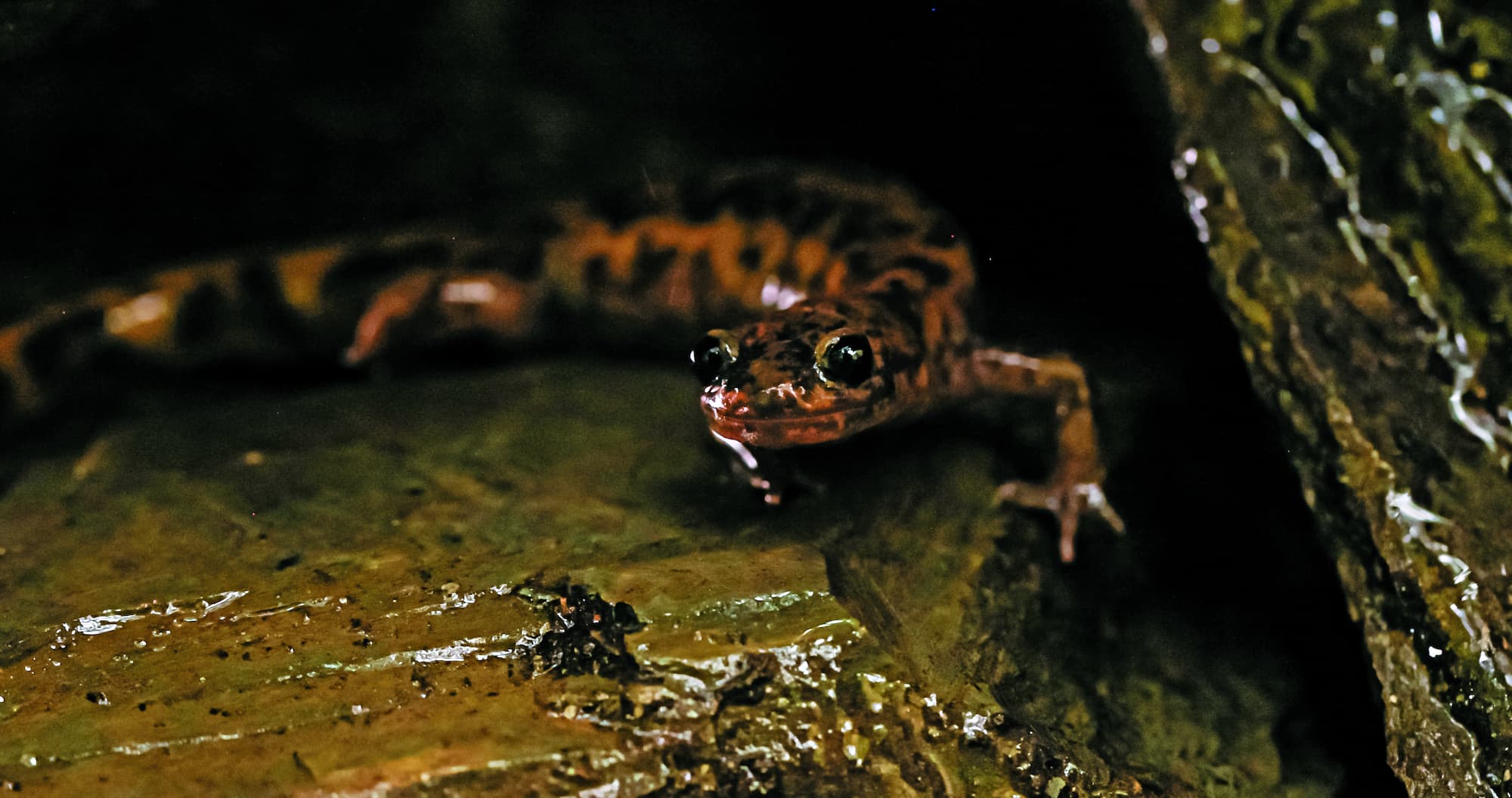
Taiwan, an island adrift in the vast ocean, is like an ark safeguarding life. Within it, Taroko National Park stands as an ark within that ark—a secluded sanctuary where biodiversity thrives. More than half of the Park’s expanse is dominated by towering peaks exceeding 2,000 meters; and their deep valleys and rugged cliffs thus form an "island within an island." This unique geography has preserved an extraordinary array of species, offering them refuge in an ever-changing world. From Nanhu Mountain and the Qilai Mountain Range to the sheer cliffs of Qingshui, the park is teeming with endemic Taiwan species—some of which are found only in the Taroko region and nowhere else. Ark Taroko captures the essence of this ecological treasure trove, documenting rare and precious inhabitants such as the Nanhu salamander (Hynobius glacialis), Satsuma vallis snail, Astragalus nankotaizanensis Sasaki, Senecio tarokoensis groundsel, and Lomatogonium chilaiensis. Each of these species, thriving in their isolated mountain haven, stands as a testament to the resilience and diversity of life in Taroko.
One of these remarkable species, the Nanhu willowherb (Epilobium nankotaizanense), is a glacial relict. It thrives on rocky slopes and bursts into bloom every July. With delicate pink petals and soft yellow stamens, these flowers bring a touch of romance to the mountain areas. Enduring the harshest conditions, this resilient plant not only embodies the tenacity of Ice Age relicts but also plays a vital role in the high-mountain ecosystem, proving that life finds a way even in the most unforgiving landscapes.
“The Nanhu willowherb thrives above the treeline and shrublands,” explains botanist Mu-Lin, Chang. “It serves as a key indicator species on icefield environment of rocky slopeexposed scree slopes. It is a solitary survivor in one of the highest and most extreme environments in Taiwan. Its presence—or absence— can reflect the extent of climate change in the region,” Primarily found at altitudes between 3,300 and 3,600 meters, the Nanhu willowherb disperses its seeds by wind, resulting in a fragmented distribution across peaks such as Xueshan, Nanhu Mountain, Central Range Point (Zhongyang Jianshan), and Mount Qilai. Most crucially, most of this resilient plant grow on scree slopes shaped by freeze-thaw cycles.
“In spring and autumn,” explains Chang, “the high-altitude soil freezes at night, then thaws during the day, a process known as the freeze-thaw cycle. The scree slopes formed by this phenomenon are the natural habitat of the Nanhu willowherb.” However, with global warming, the freeze-thaw effect is becoming less pronounced, leading to a reduction in scree slope areas. At the same time, Yushan cane (Yushania niitakayamensis) is gradually migrating to higher elevations, further encroaching on the Nanhu willowherb’s habitat. Although the Nanhu willowherb population remains stable for now, the species has been classified as a "Valuable and Rare Plant" under Taiwan’s Cultural Heritage Preservation Act. More than just a fragile alpine flower, the Nanhu willowherb stands as a living witness to Taiwan’s glacial history and the ongoing impacts of climate change.
Spatial Isolation Drives Speciation, Enriching Biodiversity
The isolated gorge terrain of Taroko has shaped the region’s evolutionary paths, giving rise to a uniquely distinct array of flora and fauna. On both sides of the rushing Liwu River, towering cliffs stand like imposing gatekeepers, hindering the spread of some species. Plants that rely on wind or birds for seed dispersal struggle to cross these natural barriers, making Taroko a rare ecological enclave. A striking example is the Castanopsis genus of evergreen trees, which are found everywhere in Taiwan—except Taroko.
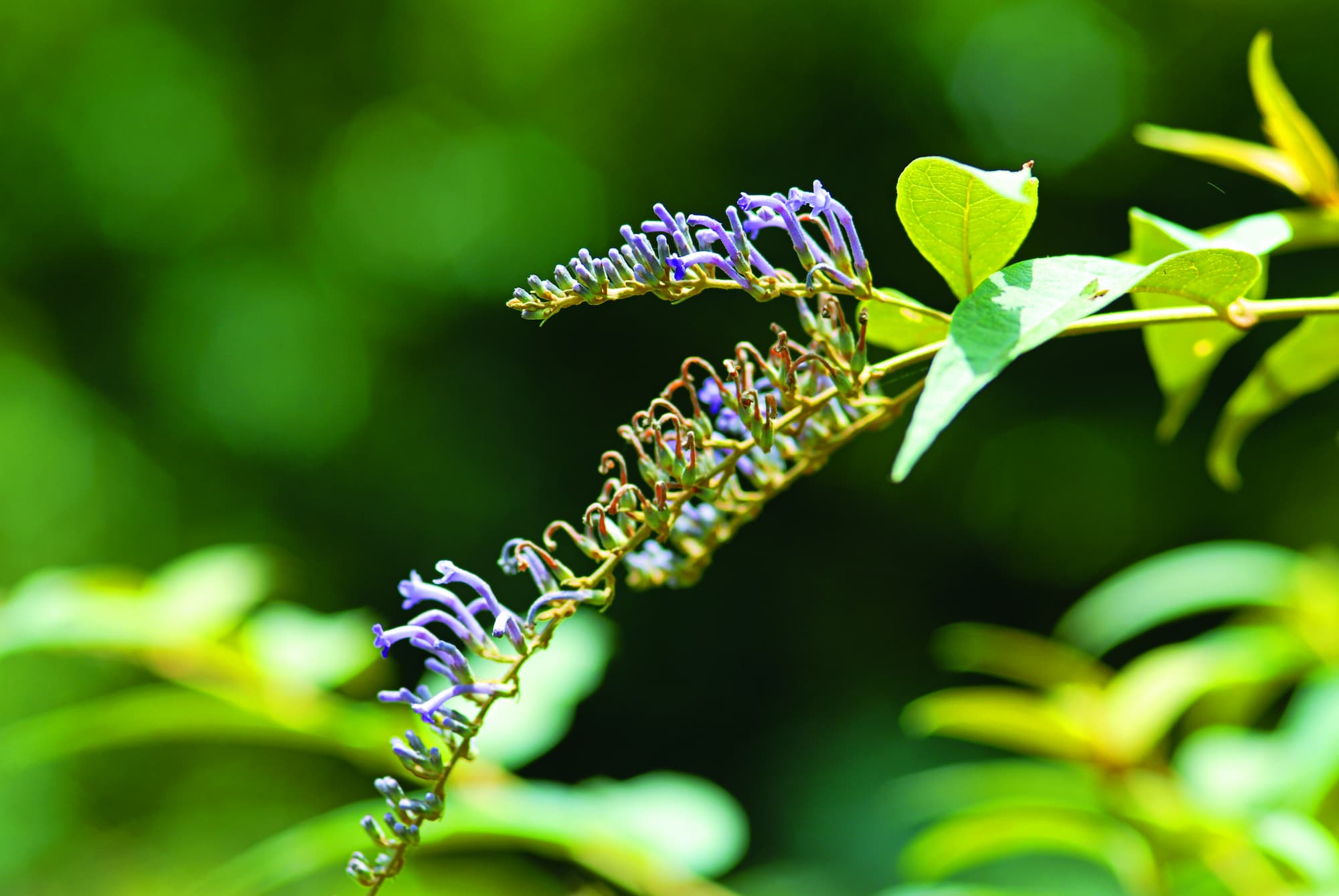
Conversely, some plant species—such as the Elaeagnus tarokoensis and the Buddleja curviflora—are only ever found within the gorge. Chang explains that while closely related species exist outside Taroko, the geographic isolation of the gorge has prevented genetic exchange, leading to reproductive isolation and, ultimately, speciation. This sort of phenomenon might normally be associated with variations between a mainland and isolated islands. Yet in Taroko National Park, it occurs within a single landmass.
Speciation
Also known as "species formation" or "species differentiation," speciation refers to the process by which one species splits into two. It typically occurs due to geographic isolation, and is a key mechanism of biological evolution. After speciation, if the newly formed species interbreed with others, their offspring are usually sterile.
Take the Nanhu rhododendron (Rhododendron hyperythrum) and the Yushan rhododendron (Rhododendron pseudochrysanthum) as an example. Whether these two belong to the same species remains a topic of debate among botanists. According to Chang’s observations through molecular genetic analysis, the two rhododendrons have already diverged and exhibit distinct genetic differences. As such, the Nanhu rhododendron serves as a symbol of Taiwan’s rich biodiversity. “Taiwan is a small plot of land, but its dramatic variations in topography—from east to west, north to south—have driven the gradual diversification of species from their ancestral lineages,” Chang explains. “This exceptional biodiversity is a testament to the unique ecological and evolutionary value of this land.”
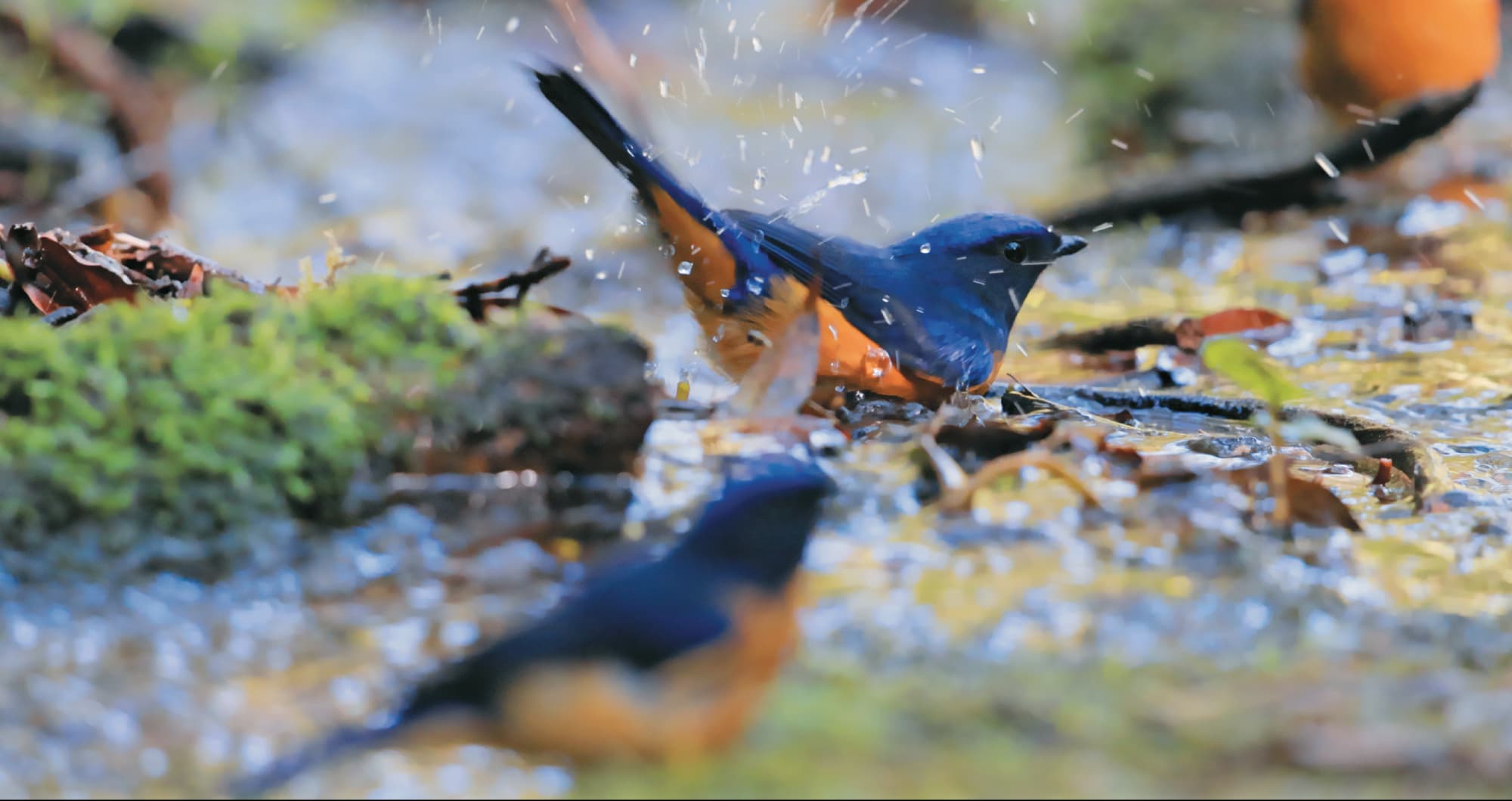
The gorge terrain of Taroko not only influences plant distribution, but also shapes animal behavior. Due to the steep landscapes, water sources are scarce. This makes it particularly challenging for wildlife to find places to drink and bathe. Lee spent several nights hidden in the darkness of the forest, patiently waiting to capture the rare sight of birds bathing. To increase their chances, the team sought out relatively flat areas and went into the mountains in the days after it had rained, hoping to film birds drinking and bathing in the small pools that formed. At the time, the crew had been filming for over eight months, traversing nearly every trail in Taroko. Yet, despite months of searching, they finally identified rare sites suited to capturing this elusive behavior on camera.
“We had to wait for several days each time, and even then, it depended on the sunlight. Birds would only come to bathe if the sun hit the water,” Lee recalls with a smile. “Sometimes, after waiting for hours, we’d only get five minutes of footage. And we couldn’t get too close—if we startled them, they’d fly away and never return.” During filming, Lee also documented an interesting seasonal behavior: high-altitude birds descending to lower elevations in winter. In these mid-to-low elevation pools, they observed an unexpected sight: Mountain birds and lowland species bathing together.
Sometimes, the photography team stayed onsite late into the night, waiting for the shy Taiwan blue pheasant (Lophura swinhoii) to quietly emerge from the forest, or setting up infrared cameras to capture nocturnal animals foraging. Through collaboration with and guidance from Indigenous people, the team gradually learned to identify animal tracks and droppings, gaining invaluable experiences that cannot be found in textbooks. "Differences in weather and altitude affect things like when plants blossom, and birds’ migration patterns. These are things that can only be understood through firsthand observation."
Altitudinal Migration
A short-distance migration in which animals move between high and low altitudes in response to seasonal changes. For example, during winter when high-altitude regions are covered in snow, some bird species descend to lower elevations to find food that will help them survive the season.
The Ark and its People: Weaving Extraordinary Stories of Life
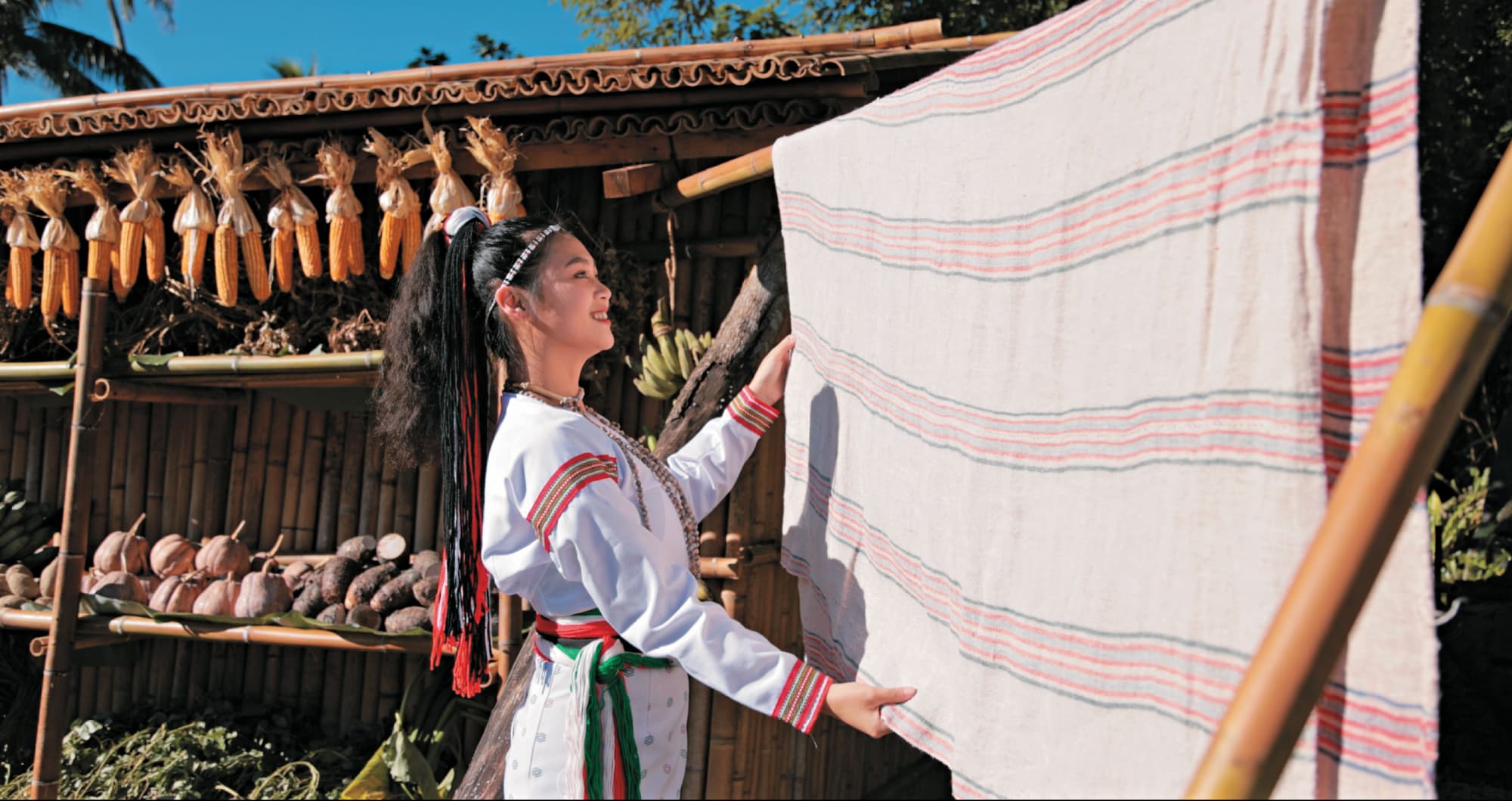
In addition to documenting the natural landscapes and wildlife, Ark Taroko features several remarkable individuals as narrators, each with a life story deeply intertwined with this land. Pastor Hayu Yudaw, a member of the Taroko Indigenous group (also called the Truku), introduces the "Natural Ark" chapter. Pastor Hayu eloquently conveys the significance of this natural ark in the Taroko language. As a highly respected elder among his people, he also plays a crucial role in preserving and passing down Indigenous culture.
Lee notes out that the ancestors of the Taroko people migrated eastward from western Taiwan, settled down in the Liwu River basin and eventually settled in Taroko Gorge. Along with them, they brought musical instruments such as the mouth harp and wooden xylophone, which gradually created local music in their new homeland. Pastor Hayu has extensively studied and documented the history of Taroko music. Historical records mention the pgagu ('headhunting flute'), an instrument played by Indigenous warriors of old after returning from a headhunting expedition. In addition to his research, Hayu also crafts and teaches handmade traditional instruments, ensuring that these cultural traditions are passed down to future generations.
Cheng-Lung, Chiang, Park Ranger of Taroko National Park is not only a member of the Taroko people himself, but also narrates the titles for the “Guarding the Relics” chapter. With dedication, he patrols the park daily, ensuring that the forest and ecosystem remain unharmed, and carrying on the ancestral duty to protect the mountains and forests. At the beginning of the “In the Name of Taroko” chapter, Taroko music and dance performer Shin-Lan Juo talks with her daughter to highlight how humanity and nature can coexist in the mountains. This message underscores the importance of mutual respect and environmental preservation.

Renowned international anthropologist Scott Simon was invited to be the introductory narrator for the “New Opportunities in Adversity” chapter. Simon has dedicated decades to the study of Austronesian languages, and among the many Austronesian-speaking communities, holds a deep affinity for the Taroko region. Nearly every year, he spends several months living in the local villages, fully immersing himself in the culture. "The limestone geology of Taroko creates harsh conditions for life to thrive," explains Lee, "the Indigenous peoples Simon studies, who have overcame challenges in the process of migration and settlement. This resilience perfectly embodies the spirit of 'New Opportunities in Adversity'."
The "Echoes in the Gorge" chapter is introduced by the film’s music director, Cheng-Hsien, Yu. He captures the harmonious sounds of nature, the enchanting melodies of traditional Taroko instruments, and soulful songs performed in the Taroko language. These vivid audiovisual elements complement each other, creating an immersive viewing experience. And of course, many other experts and volunteers have contributed both on and off camera to ensure the success of the film. Together, a diverse array of people and the natural world intertwine, weaving a captivating story in Ark Taroko.
Reflections on the 403 Earthquake: Seeking Collective Well-being in Change
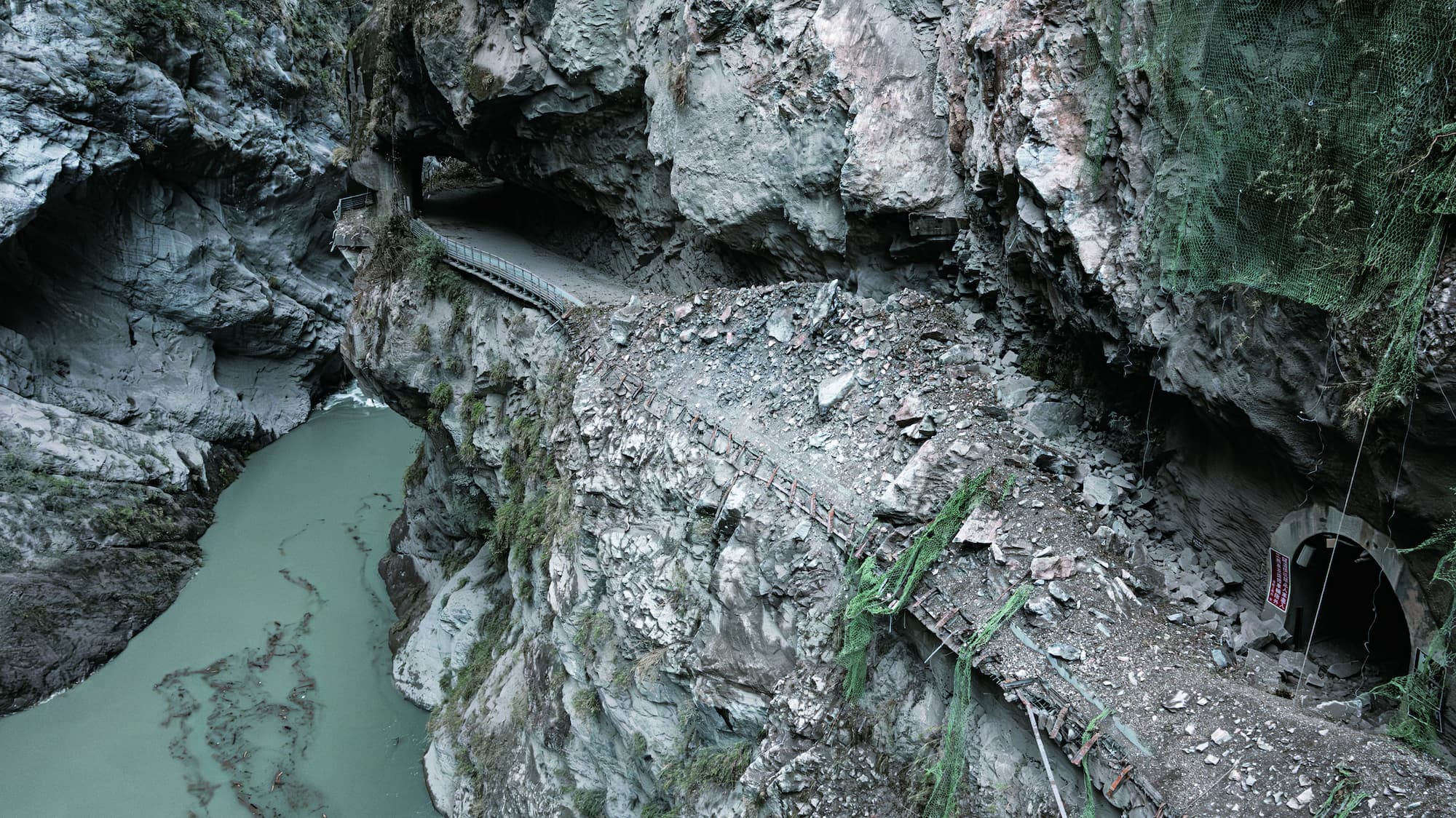
On April 3, 2024, a magnitude 7.1 earthquake struck Hualien, causing severe devastation across Taiwan’s eastern region. Within Taroko National Park, multiple areas, including Shakadang Trail, Xiaozhuilu Trail, and Swallow Grotto, suffered landslides, leaving behind a landscape of destruction. At the time, Ark Taroko was in its final stages of production. On the very first day the railway was reopened, Lee and his team ventured to the disaster zone, bringing drones and cameras to document the aftermath. “The once-magnificent Taroko Gorge was crumbling everywhere—rocks of all sizes were constantly falling, striking our car roof. The terrain had completely changed,” Lee recalls with lingering unease.
The breathtaking landscapes once captured on film were now unrecognizable, and the photography team was overwhelmed with sorrow. However, they were soon struck by the resilience and optimism of the Indigenous people. “Our Indigenous friends in Dali Village half-jokingly said that their land had fallen into the Pacific Ocean,” Lee recalls. Confronted with natural disasters, the Indigenous community’s unwavering acceptance of fate left a profound impact on Lee. Over time, he learned to view the earthquake from nature’s perspective. “After all, Taroko Gorge itself was formed by the immense pressure of fault lines. If we extend the timeline into the present, then shifts in the Earth’s crust are simply a natural process.”
“When the Trail collapsed, we took a detour to view the area from the other side,” Lee observes. “We noticed that the fish population had increased and the ecosystem seemed to be thriving. For us, the earthquake was a disaster, but for these creatures, it might not have been such a bad thing.” For millions of years, all living beings have adapted to constant change. What may seem to us human to be fickle natural disasters are, in fact, nature’s eternal reality. Looking ahead, humanity may need to embrace such change and seek a sustainable balance between ecological conservation, recreation, and economic development—finding a way to coexist harmoniously with nature.