
A Century-Long Promise with the Forest-
(source:https://unsplash.com/photos/qwHHOC2z5Xs)
Article/ Shih-Ju, Huang
Interviewees/ Po-Ting, Chen, Chairman, Wan Hai Lines
Chi-Kai, Yin, Division Chief, Recreation Management Division, National Park Service
Chih-Hao, Tsai, Executive Director, Taiwan Restoration Association
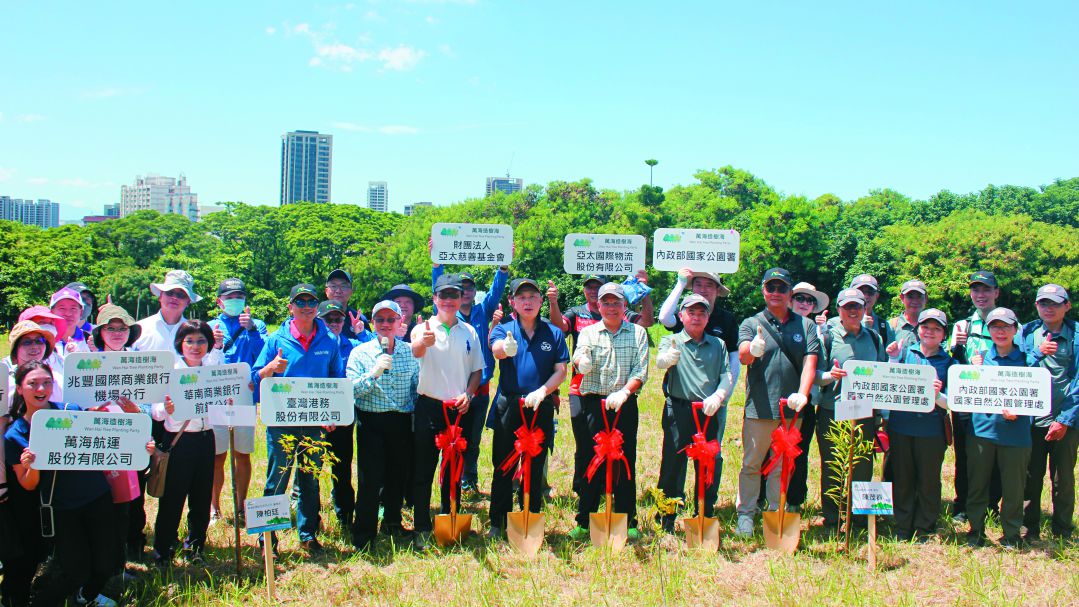
On November 16, 2022, Yangmingshan National Park was shrouded in mist and light winter rain. The second nursery was surrounded by wisps of mist. On this day, the National Park Service (formerly the Construction and Planning Agency’s National Park Division) and Wan Hai Lines signed a Memorandum of Cooperation on Tree Planting and Forest Maintenance. Following the signing, participants braved the drizzle to plant saplings, gently nestling them in the soil. By transforming their care into blessings, those present expressed a hope for the seedlings to grow strong and thrive.
This marked the beginning of the reforestation collaboration between the National Park Service and Wan Hai Lines. One by one, seedlings were planted across Yangmingshan, Kenting, Taijiang, Taroko, and Kinmen National Parks, as well as in Shoushan National Nature Park, Taichung and Kaohsiung Metropolitan Parks. To date, over 86,000 trees have been planted.
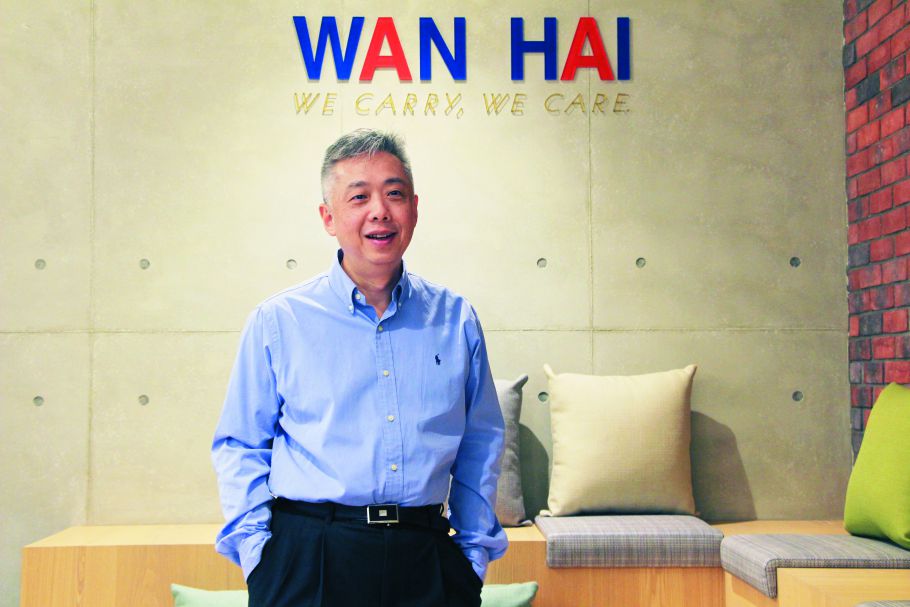
Wan Hai Lines Chairman Po-Ting, Chen states, “In the future, we plan to plant 400,000 trees across the eight National Parks, National Nature Parks, and two Metropolitan Parks. If given the opportunity, we hope to plant even more!”
(source:https://zh.wikipedia.org/wiki/File:Kaohsiung_Metropolitan_Park2.jpg)
Cool Retreats in the City
Speaking about his motivation for engaging in reforestation efforts, Po-Ting, Chen explains that his intention was simple: “When we walk into a park, we feel cool and refreshed in the shade of trees. It brings comfort and joy, so naturally, we hope others can experience the same environment.”
This sense of coolness reminds him of Golden Gate Park in San Francisco, a place he often visited during his studies. With over 150 years of history and more than ten million visitors annually, the park offers tranquil strolls through botanical gardens, conservatories, forested trails, and lakeside paths, while also hosting annual events like music festivals, open-air operas, and marathons. Spanning more than a thousand acres, this lush expanse serves as San Francisco’s urban oasis. It is often regarded as the city's most sacred public space.
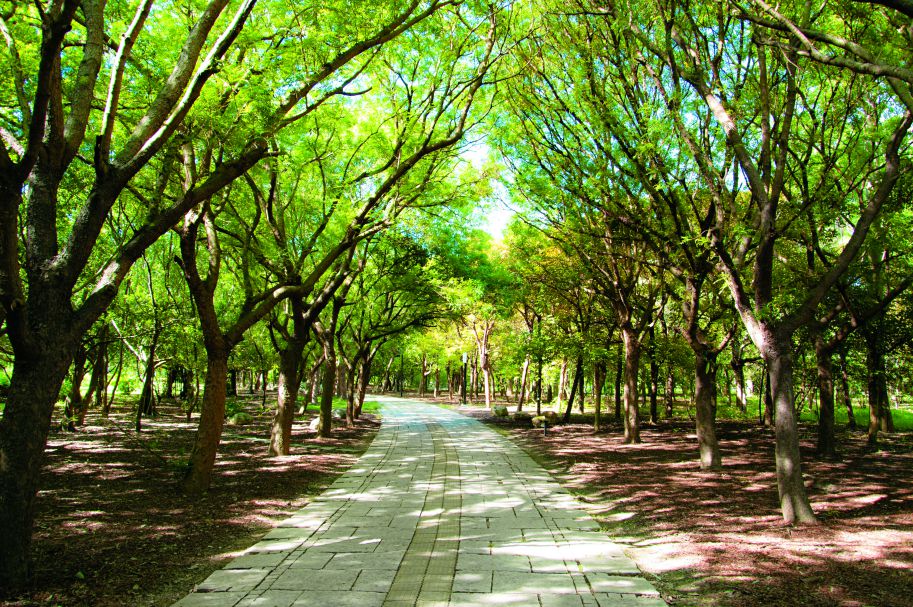
Today, metropolitan parks have become an integral part of Taiwan’s urban landscape. Easily accessible green spaces provide a haven for city dwellers, offering a place for relaxation and healing. In an environment dominated by concrete buildings and asphalt roads, urban parks serve as the city’s “green lungs”, helping to mitigate the heat island effect. “If we can plant more trees,” says Chen, “the city naturally becomes cooler. The more we walk in tree-covered areas, the less we need to use air conditioning. It’s these small observations that led us to think—why not plant more trees?”
Thus, Wan Hai Lines joined forces with the National Park Service, the Forestry and Nature Conservation Agency, and the Experimental Forest, College of Bio-Resources and Agriculture of National Taiwan University to carry out reforestation efforts. Among these initiatives, the National Park Service accounts for the largest planting area, with plans to plant approximately 400,000 trees.
"The number of trees planted isn’t what matters most," Chen emphasizes. "What’s important is planting the right trees in the right places and ensuring they thrive. From the very beginning, we must take the right approach. That’s why our reforestation projects include three to twenty years of dedicated maintenance and care."
Chi-Kai, Yin, Division Chief in the Recreation Management Division at the National Park Service, shares that when tackling environmental challenges, government and businesses form a collaborative partnership.
"Each National Park has different habitats and reforestation needs,” Yin explains, “such as removing invasive species in Kenting National Parks, coastal afforestation in Kinmen National Parks, habitat restoration, or the regeneration of native seedlings in Yangmingshan National Parks. Therefore, each park management office first conducts an assessment to determine the tree species, number of trees, and planting methods required. Wan Hai Lines is also deeply involved, personally visiting planting sites to understand the plans in detail. After thorough discussions with park headquarters teams, they fully support the projects while respecting professional expertise. Our visions align perfectly."
Planting the Right Trees, and Helping Them Thrive
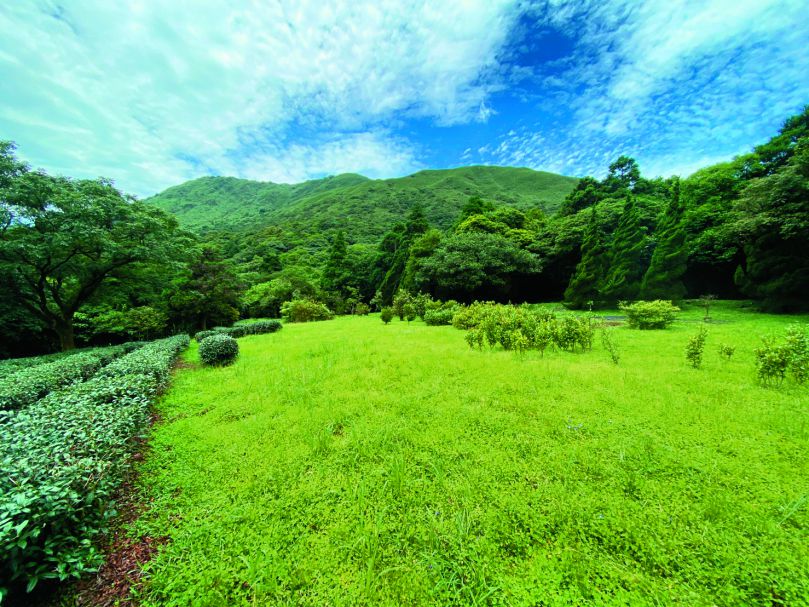
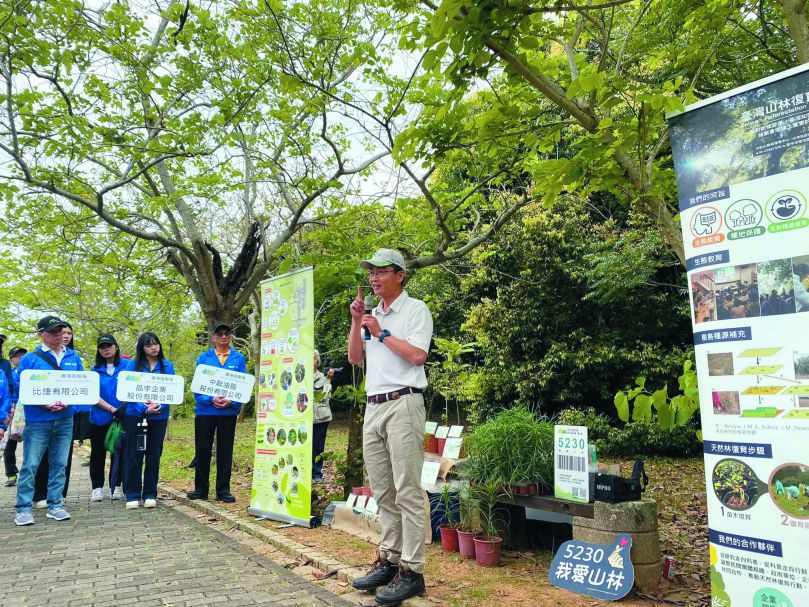
In mid-May last year, Po-Ting, Chen, along with employees from Wan Hai Lines and supply chain partners, arrived at Taichung Metropolitan Park to plant trees. Located on the Dadu Plateau, Taichung Metropolitan Park spans 88 hectares at an elevation of 200 meters. It offers a panoramic view of the Taichung Basin and a distant glimpse of Taichung Port. In addition to its lush greenery, the park preserves historical and cultural relics, making it a popular retreat for city residents.
In recent years, the Taiwan Restoration Association has been promoting natural forest restoration on the Dadu Plateau. The association is also a key local partner in the reforestation efforts of the National Park Service and Wan Hai Lines at Taichung Metropolitan Park.
Chih-Hao, Tsai, Executive Director of the Taiwan Restoration Association, explains: "Taichung Metropolitan Park is located in shallow mountain, below 500 meters. After 300 years of development, it has become completely intertwined with the urban area, resulting in a highly fragmented ecosystem."
According to the Travelogue of Journeys on the Small Seas by Yong-He, Yu (active 17th century CE)’, the Dadu Plateau was once covered in dense forests:
"The trees stood like the bristles of a porcupine, their branches and leaves intertwining, casting deep shadows that darkened the daylight. Looking up toward the sky was like peering from the bottom of a well, with only a small patch of blue visible. Though the hills ahead were close,
This description reveals that the original ecosystem of the Dadu Plateau was a lush, thriving forest. However, centuries of development have drastically altered the landscape, leaving behind mainly meadows and groves of Taiwan acacia. Today, only about 30 native tree species remain, and the natural process of ecological succession is slow, making it difficult to restore biodiversity.
"Evolution happens only once. Once it’s gone, it never comes back," Tsai emphasizes. In other words, once a lowland, sub-500-meter tropical ecosystem is destroyed, it cannot simply be replaced by subtropical, 500-to-1500-meter ecosystems. Restoring the forest ecosystem of Dadu Plateau is not just about replanting trees, nor does it mean covering every open space with vegetation. Instead, careful consideration must be given to what species to plant, how to plant them, and in what quantity. Every step must be meticulously planned to ensure that the trees are planted correctly and can thrive.
“Restoring the forests of Dadu Plateau is only meaningful if we use the same species that composed its forests a century ago,” Tsai explains. He referenced the forest at Meiji Shrine in Tokyo, where, a hundred years ago, forestry expert Honda Seiroku insisted on selecting native tree species from the Tokyo region. “Through natural succession, the forest ecosystem of Meiji Shrine has returned to what it was a century ago.” The same principle applies to tree planting at Taichung Metropolitan Park. By first identifying the native tree species that once thrived on Dadu Plateau a hundred years ago and cultivating their seedlings, the restoration effort ensures ecological authenticity and sustainability. making this step absolutely critical.
Based on a century’s worth of plant specimens, historical records, and field surveys, Tsai estimates that the natural forests of Dadu Plateau originally contained at least 114 plant species. “This is a conservative estimate. Given that the Dadu Plateau spans 20,000 hectares, there should be at least 150 species. This serves as the blueprint for restoring the natural forests of Dadu Plateau.”
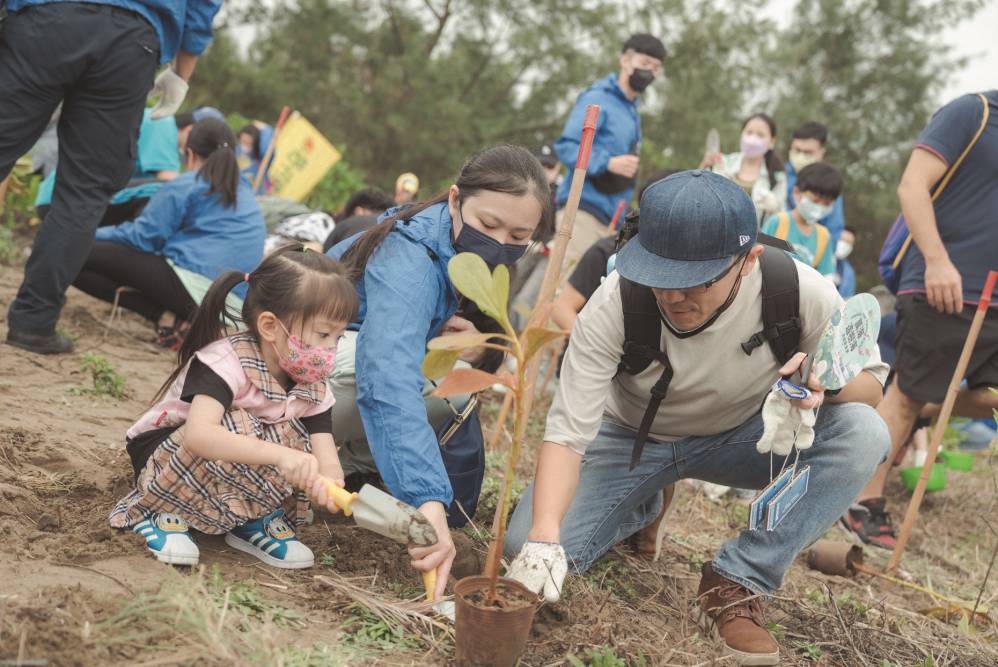
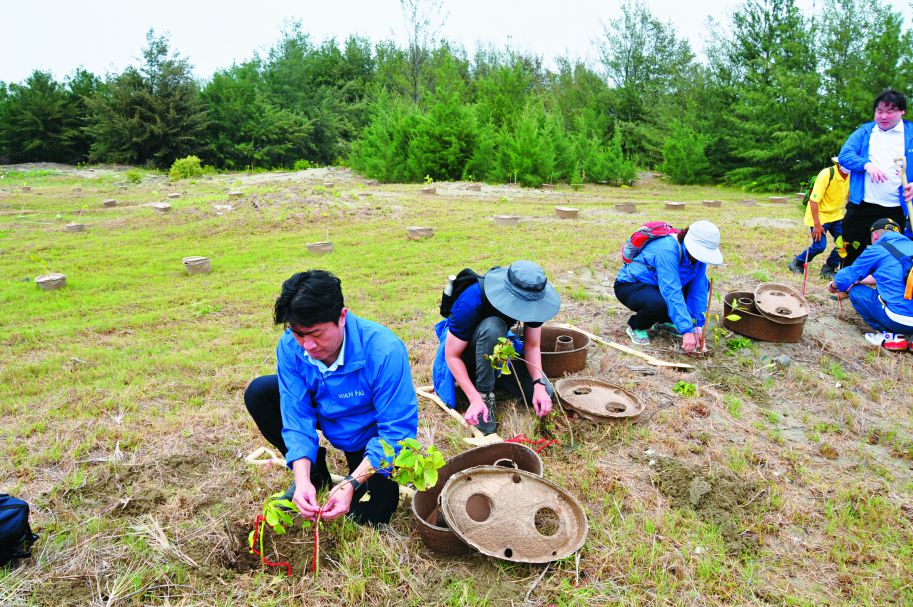
On the day of the tree-planting event, Chen and the attending guests carefully cradled the seedlings, gently placing them into planting holes, covering them with soil, and watering them with care. As they nurtured the young trees, smiles spread across their faces, reflecting a shared sense of purpose.
Moved by the moment, Chen expressed, “Trees are living beings, just like us. We are helping them find the best place to grow, planting them with hope, and listening to their voices as they flourish.”
That day, 200 native seedlings were planted, including endangered and vulnerable species such as Chinese pepper (Zanthoxylum simulans), Matsumura's Snow-bell (Styrax matsumuraei Perkins), and Chinese bushberry (Prunus pogonostyla Maxim), as well as Taiwan-native species like Taiwan photinia (Pourthiaea lucida) and Formosan ormosia (Ormosia formosana).
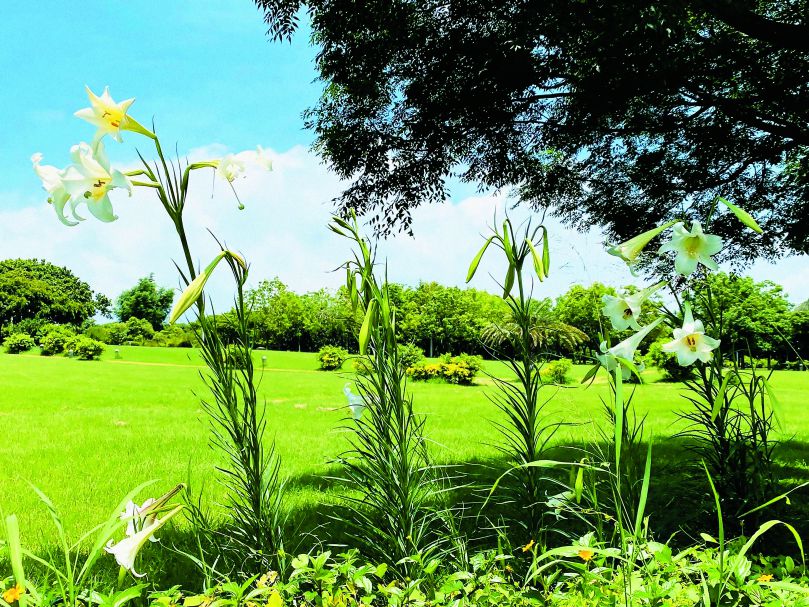
They Are All Native Tree Species of Dadu Plateau!
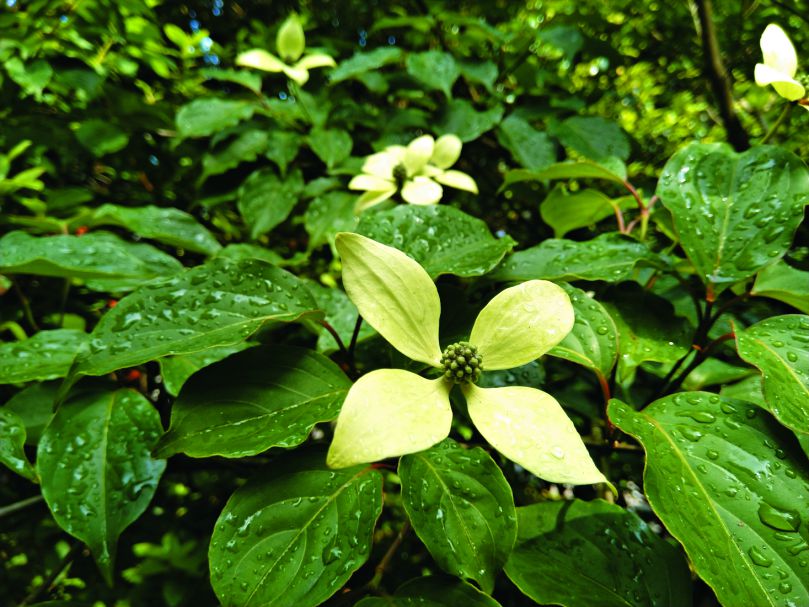
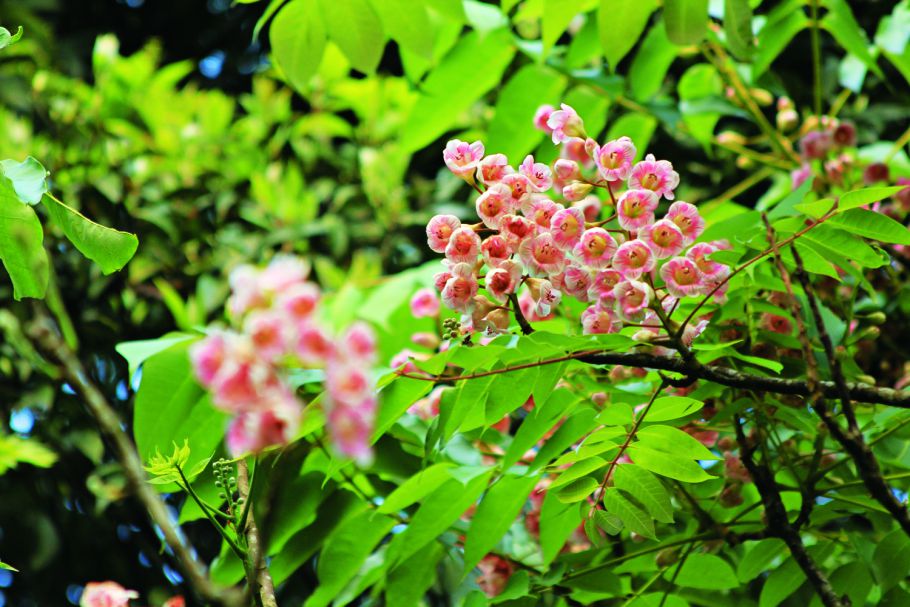
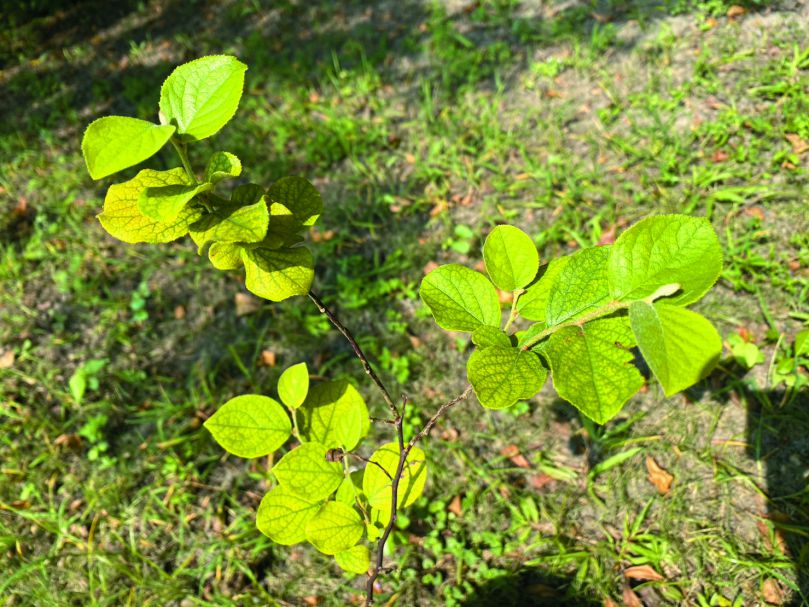 Matsumura's snow-bell
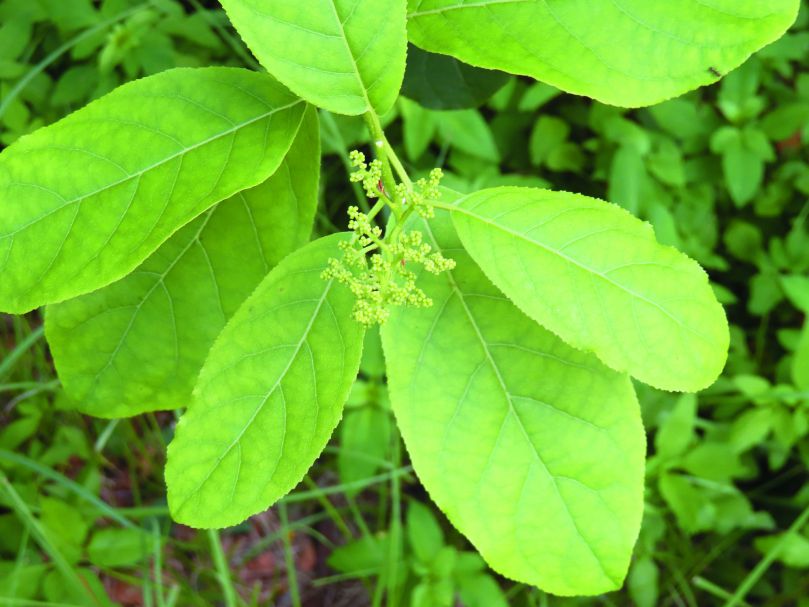 Taiwan Ehretia
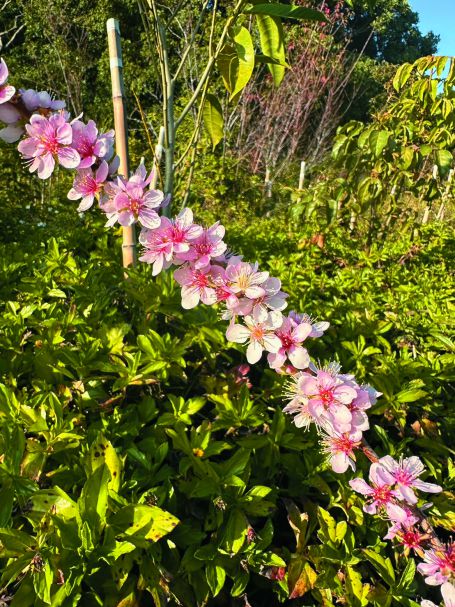 Chinese bushberry
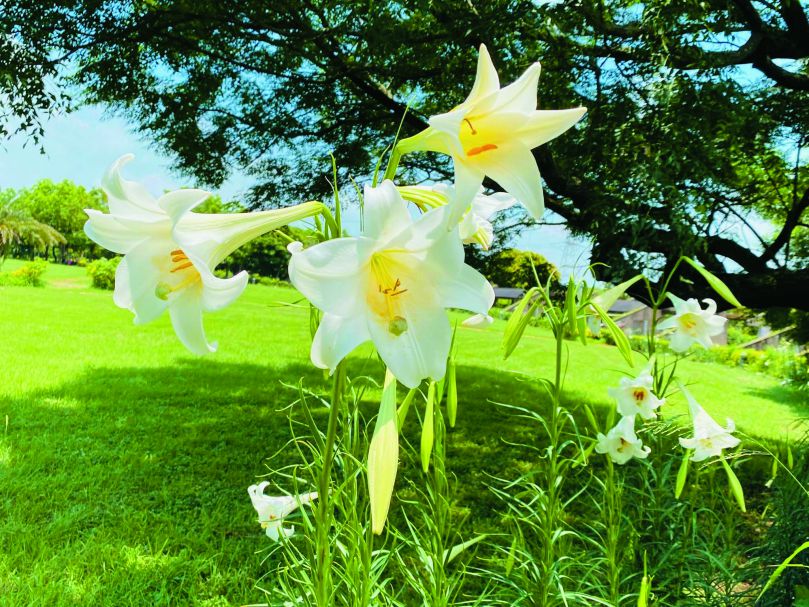 Taiwan lily
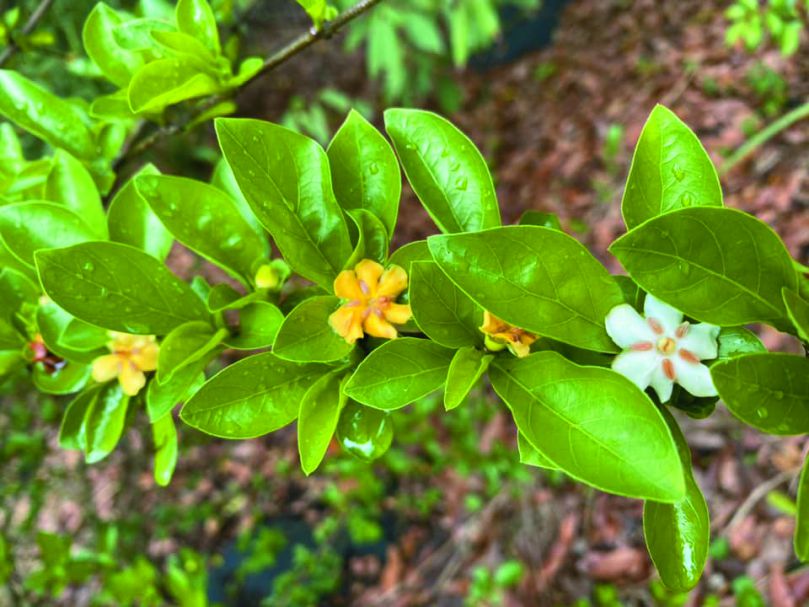 Spiny randia
If Flowers Bloom, Will Butterflies Come?
Why is it essential to restore native tree species and cultivate seedlings from scratch when reforesting? Chih-Hao, Tsai explains that it all comes down to the forest’s food chain.
"In recent years, people have become more aware of biodiversity and the importance of avoiding monoculture in reforestation. In low-altitude forests, butterflies serve as a key ecological indicator." Butterflies are highly selective about their host plants, making them closely tied to the local ecosystem. Their disappearance signals ecological disruption. an alarm that many other species may also be vanishing.
"Imagine bringing trees from Lanyu or Kinmen and planting them all in Taichung. would they survive?" Tsai posed the question. "These trees have no evolutionary connection to Taichung’s ecosystem over the past centuries. In the end, you would have ‘flowers in full bloom, but no butterflies,’ because the host plants that butterflies depend on would be gone."
Bees face a similar challenge. In the past, the rice-paper plant (Tetrapanax papyrifer) bloomed in December within the Tung tree forests of Wufeng, attracting bees to gather nectar. However, as deforestation reduced the population of Tetrapanax papyrifer, the number of bees also sharply declined.
Chen recalls, “Executive Director Tsai once told us that over 70% of crops species rely primarily on bees for pollination. That’s why we need to restore the forests. to bring back the bees, and with them, the entire ecosystem of plants and animals.”
This also reminds him of something his father used to say: “Good fengshui means having wind and flowing water. In such places, plankton appears, attracting small fish, which in turn bring bigger fish. That’s an ecosystem. thriving life is true ‘good fengshui.’”
Restoring Shallow Mountain Through Ecological Tree Islands
Improper tree planting can cause secondary environmental damage, which is why reforestation efforts at Taichung Metropolitan Park follow a rigorous process. After cultivating seedlings, designated restoration areas are established as ecological tree islands for different plant communities. The growth of these seedlings is then closely monitored, tracking survival rates, fruiting success, and the emergence of naturally regenerated seedlings from dispersed seeds to evaluate restoration effectiveness.
Tsai notes, “Wan Hai Lines' support for ecological tree islands is particularly interesting. In the past, trees in Taiwanese parks were typically planted 3 to 5 meters apart. At Taichung Metropolitan Park, we are planting them just 1 meter apart.”
By planting diverse young trees close together, they develop a resilience effect against environmental stress. “A single tree growing in isolation struggles to survive, but a group of trees can better withstand strong winds, drought, and disease.” These trees do not compete; instead, they shelter one another, accelerating their growth. “The faster- growing trees protect the weaker ones, and we’ve already observed this phenomenon taking place at Taichung Metropolitan Park.”
In addition to Taichung Metropolitan Park, ecological tree islands have also been planted in nearby protective forests, urban green spaces, and school campuses. By using these tree islands to mend the fragmented gaps in shallow mountain, habitats are no longer isolated. Tsai laughs and says, “Reforestation is like brewing wine. once you provide the right conditions, all that’s left is to let time do its work and allow nature to regulate itself.” He compared the process to furniture in a home: “You don’t have a one-to-one ratio of tables to chairs. there are usually more chairs than tables. Similarly, after 20 or 30 years, the forest will naturally balance itself, with some tree species becoming more abundant than others, adjusting into a harmonious proportion on its own.”
Initially, it was estimated that the natural forests of Dadu Plateau contained at least 150 plant species. With pride, Tsai shares, “After years of effort, we have planted 147 species in Taichung Metropolitan Park. This park has become a model for shallow mountain restoration, and bringing back the forests of Dadu Plateau is a great honor for Taichung.” And this is just the beginning. Recently, other organizations have begun studying the park’s approach, hoping to use it as a reference for restoring forests elsewhere.
What are Ecological Tree Islands?
Ecological tree islands involve strategic human intervention to accelerate forest succession, facilitating habitat restoration and enhancing biodiversity.
The ecological tree island implementation process:
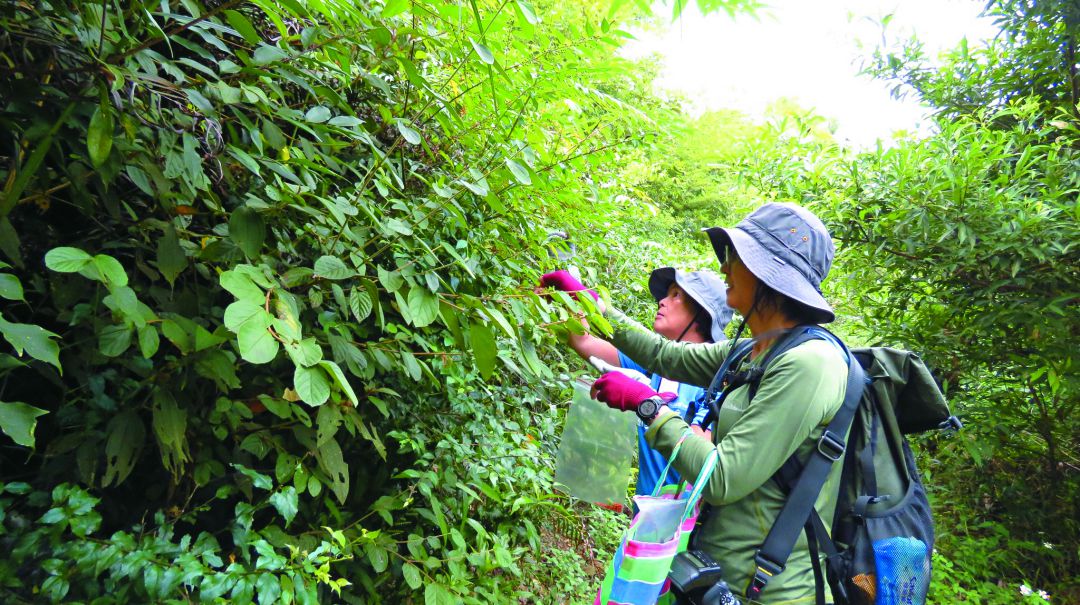
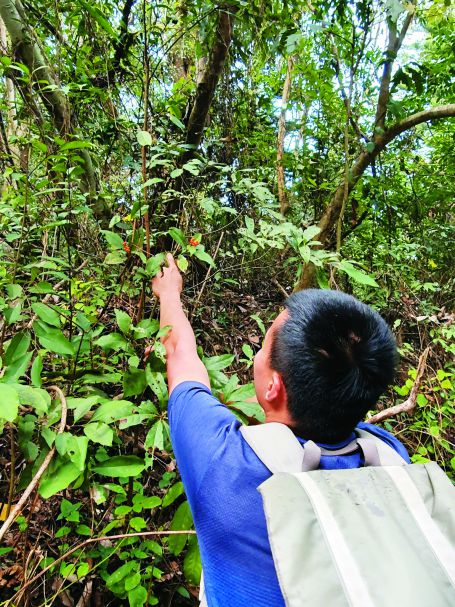 ①Collect native wild seeds to supplement the forest’s seed sources. Species such as Zuiho machilus (machilus zuihoensis), King's fig (Ficus ampelas Jacq.), Nanban tanoak (lithocarpus hancei), Pedunculata acronychia (Acronychia laurifolia Blume), and Casearia membranacea hance, Avicennia pricklyash (Fagara avicennae Lam.) are all native to Dadu Plateau.
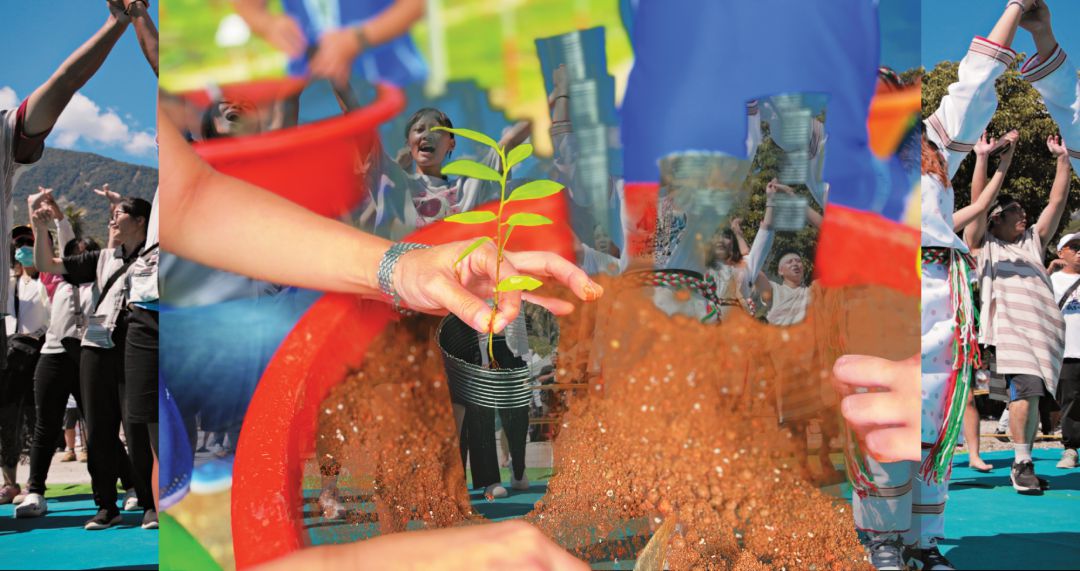 ②Cultivate the wild seeds into seedlings.
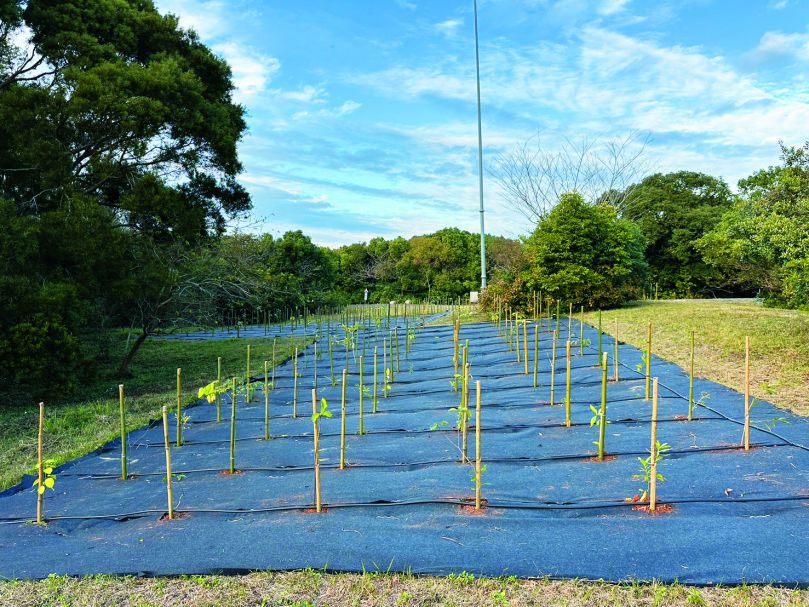 ③Plant a diverse mix of 20–30 species, totaling about 100 seedlings (mother trees), in clusters to form tree islands. The proximity of these islands promotes biodiversity.
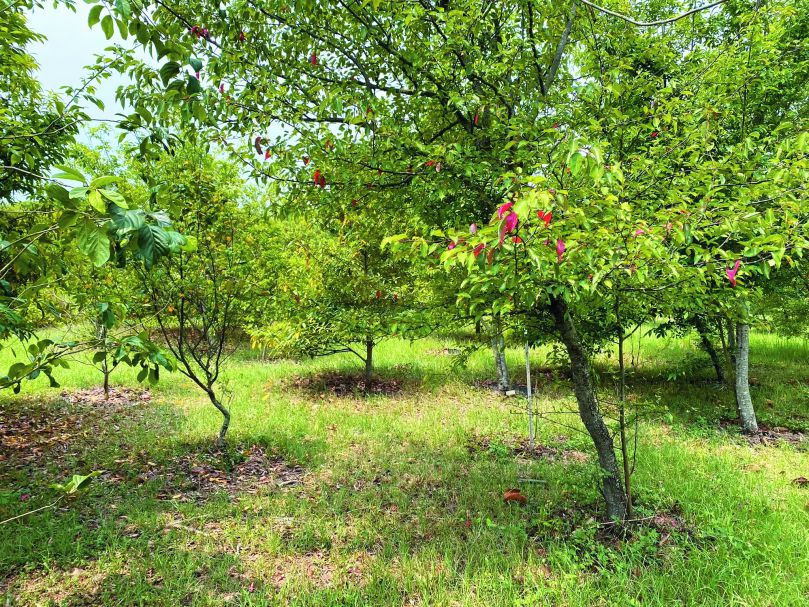 ④Allow the mother trees to disperse seeds, leading to the natural regeneration of wild seedlings.
⑤Accelerate forest succession. Once the forest regains its self-healing capacity, it can sustain natural renewal on its own.
The Connection Between People and Trees
As temperature, rainfall, soil composition, and other environmental factors vary, the composition of tree species and the challenges of reforestation also differ. “We are planting from the mountains to the lowlands, from north to south, and from east to west,” Chen says with a smile.
Chen personally takes part in nearly every tree-planting event, inviting Wan Hai employees, local suppliers, and social welfare organizations to join. "When people participate in tree planting and find it meaningful, they may encourage other businesses to get involved as well. In this way, reforestation efforts naturally gain momentum and expand," he says.
Interestingly, from the moment a seedling is planted by hand, a special emotional connection forms between the person and the tree. “A friend of mine later visited Yangmingshan and made a point to check on the trees we planted that day,” shares Chen. “He told me, ‘They’re thriving!’”
Yin shares a similar experience: “Wan Hai employees and their families have returned to the planting sites at Taichung Metropolitan Park, taking walks through the reforestation areas to check on the trees they planted. This shows their deep connection to and identification with the restoration project. We hope that all the people involved, whether they are Wan Hai’s employee, cooperating NGO partners, or anyone else involved, will realize through this action that Taiwan has many different national parks, and that there are many species and habitats that require the establishment of diverse relationships for common understanding and protection.”
The Relationship Between Humans and Nature in the AI Era
Tree planting may be a one-day activity, but environmental awareness is something that can be practiced daily. In addition to investing in energy- saving and carbon-reducing technologies for its vessels, Wan Hai Lines also promotes a low-carbon lifestyle within the company, offering vegetarian lunchboxes every Wednesday to encourage sustainable eating habits. Chen references a 2024 study published in the Proceedings of the National Academy of Sciences (PNAS), titled "Opportunities for carbon sequestration from removing or intensifying pasture-based beef production." Chen explains, "The study mentions that grazing land for ruminant livestock covers one-third of the Earth's surface. If some pasturelands in middle- and high-income countries were converted to forest restoration, the resulting carbon sequestration could surpass the total global fossil fuel CO₂ emissions from 2021 to 2023."
"When we talk about protecting ecosystems, reducing emissions, and carbon sequestration, it is deeply connected to both environmental and personal well-being," Chen remarks. Every action is an expression of thought, reflecting how we perceive the environment and the attitude we adopt in coexisting with all living things. "We should take a moment to reflect. what have humans truly done? Even when things are good, we always strive for more. But unchecked greed and endless growth have disrupted ecosystems and accelerated extreme climate events. In the end, this is a cost that all of humanity must bear together."
In recent years, the rapid rise of AI has swept across industry, and computing power is seen as national power. However, behind these technological leaps lie hidden concerns. According to the International Energy Agency’s (IEA) global energy consumption forecasts, electricity usage from data centers, cryptocurrency mining, and AI-related operations accounted for nearly 2% of global energy demand in 2022. By 2026, this figure is expected to double, with the energy demand for training generative AI growing at the fastest rate.
"I believe we shouldn’t pursue this excessively. Just the right amount is enough," Chen says with a deep sense of concern. "Aside from critical applications in national defense, medicine, fundamental scientific research, and AI-driven solutions for energy efficiency and carbon reduction. those that truly benefit human well-being. other AI applications should be used in moderation."
He pointed out, for example, that while AI promises the ultimate sensory experience in visuals and sound, human perception has its limits. "With the rise of the digital era, attention spans are decreasing, and anxiety levels are rising. If people become too accustomed to the constant stimulation of the virtual world, the gap between that and reality becomes overwhelming. Without emotional intelligence and the wisdom to navigate these differences, the sense of frustration only deepens."
A Cross-Generational Forest Restoration Project
Such reflections embody the fundamental principle of coexisting in harmony with all living things and integrating it into daily life. As Tsai often shares with companies participating in tree-planting initiatives, “True carbon reduction doesn’t come from planting trees. It comes from reassessing business processes and reducing energy waste.” He emphasizes, “Tree planting is not a solution for redemption. Its true value lies in ecology and public welfare. it’s about caring for biodiversity and the sustainability of future generations.”
“Public welfare is an act of compassion, given without expecting profit in return. And the companies that support these efforts have truly embraced this message.”
Restoring forests is a beautiful ideal, but the path to realizing it is filled with challenges. especially when society has become disconnected from the land. “If there are over 100 tree species in Taichung’s shallow mountain, many residents might not even recognize 10 of them. That’s why our association emphasizes a bottom-up approach to forest restoration.” A sapling does not become a forest overnight; forest restoration is a cross-generational endeavor. Tsai believes that by bridging the past, present, and future, and with the continued commitment of dedicated companies, more people will come to understand the true meaning of reforestation. Says Tsai, "Whether it’s ESG or CSR, it’s not about competition. it’s about collaboration. This is a relay race; no one can run to the finish line alone. Right now, the baton is in our hands, and we must give it our all before passing it on to the next person."
"Wan Hai is creating a sea of trees. planting not just saplings in the soil, but also sowing seeds of awareness in people's hearts. Through its collaboration with the National Park Service, Wan Hai Lines hopes to play a role in accelerating and expanding reforestation efforts. “We plant one tree at a time, doing as much as we can. As long as we have the ability, we will keep planting. restoring the forest, one tree at a time.”, says Po-Ting, Chen.
(source: https://unsplash.com/photos/tJ5NJkwEuB0)


