
Article / Tso Mei-Yun, Yang Yue-Han
Interviewee / Fang Wei-Ta, Distinguished Professor and Director, Graduate Institute of Sustainability Management and Environmental Education, National Taiwan Normal University
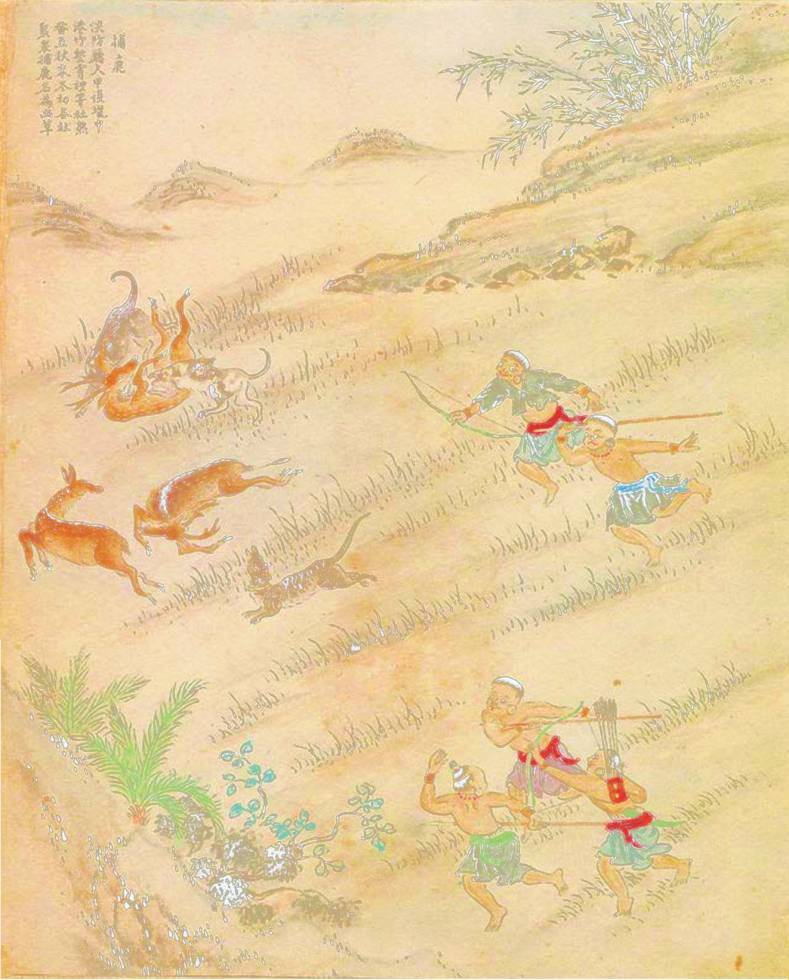
Humans and wetlands have long coexisted in a mutually dependent relationship. Since ancient times, our ancestors have settled close to water sources and even made use of the wetlands’ muddy characteristics to hunt Formosan sika deer—as evidenced by unearthed artifacts and pictographic records. A look at Taiwan’s cities and towns reveals aquatic imagery in numerous place names: Nangang, Monga, Tianliaozai, Xizhouliao, Zhaojing, etc. These rustic, evocative names are vestiges of wetlands woven into everyday life.
Wetland Memories in Ancient Place Names
The Dayuan District Minor Place Names Archive, a survey conducted by the Dayuan District, Taoyuan Household Registration Office, uncovered the origins of multiple local place names. “Xucuogang” in Nangang Village was a port located at the estuary of Zhongli Laojie River, and was named after Fujian immigrants with the surname “Xu” who settled there. Another place with an interesting name in Tianxin Village is “Zhaojing”, which is located about 2.5 kilometers from Dayuan city center. As the land is higher than the riverbeds on the east and west sides, early irrigation depended on ponds. The still and clear surface of the ponds resembled a mirror, hence the name.
Additionally, the more familiar “Nangang” indicates a village located to the south of a port, “Monga” is a place for mooring boats, and names like “Tianliaozai” and “Xizhouliao”, which are common in rural areas, originated from early settlers building homes near the water. In many cases, these place names are closely connected to human-made wetlands.
What is a human-made wetland? According to the Ramsar Convention’s classification system, wet- lands can be categorized into three major types: Marine and Coastal Wetlands, Inland Wetlands (including freshwater and saltwater wetlands), and Human-made Wetlands (wetlands that are artificially constructed through human excavation).
What is a human-made wetland? According to the Ramsar Convention’s classification system, wet- lands can be categorized into three major types: Marine and Coastal Wetlands, Inland Wetlands (including freshwater and saltwater wetlands), and Human-made Wetlands (wetlands that are artificially constructed through human excavation).
Excavating the History of Wetlands
Looking back on the history of human-made wetlands in Taiwan, Tainan City held a series of events in 2024 to celebrate its 400th anniversary. The city traces its history back to 1624, when the Dutch established Fort Zeelandia (now Anping Fort) and Fort Provintia (now Chihkan Tower).
In the late Ming Dynasty, Koxinga (Zheng Chenggong) led his forces to attack Taiwan. After being besieged for 9 months, the Dutch surrendered, and Tainan was reclaimed. During the ensuing Kingdom of Tungning period, to accommodate the large influx of troops and settlers, a military–civilian land cultivation system was implemented to promote agriculture. Wetland preservation was highly valued at the time—soldiers were ordered to dig ponds and construct numerous human-made wetlands to irrigate farmland, thus laying the groundwork for stable food production.
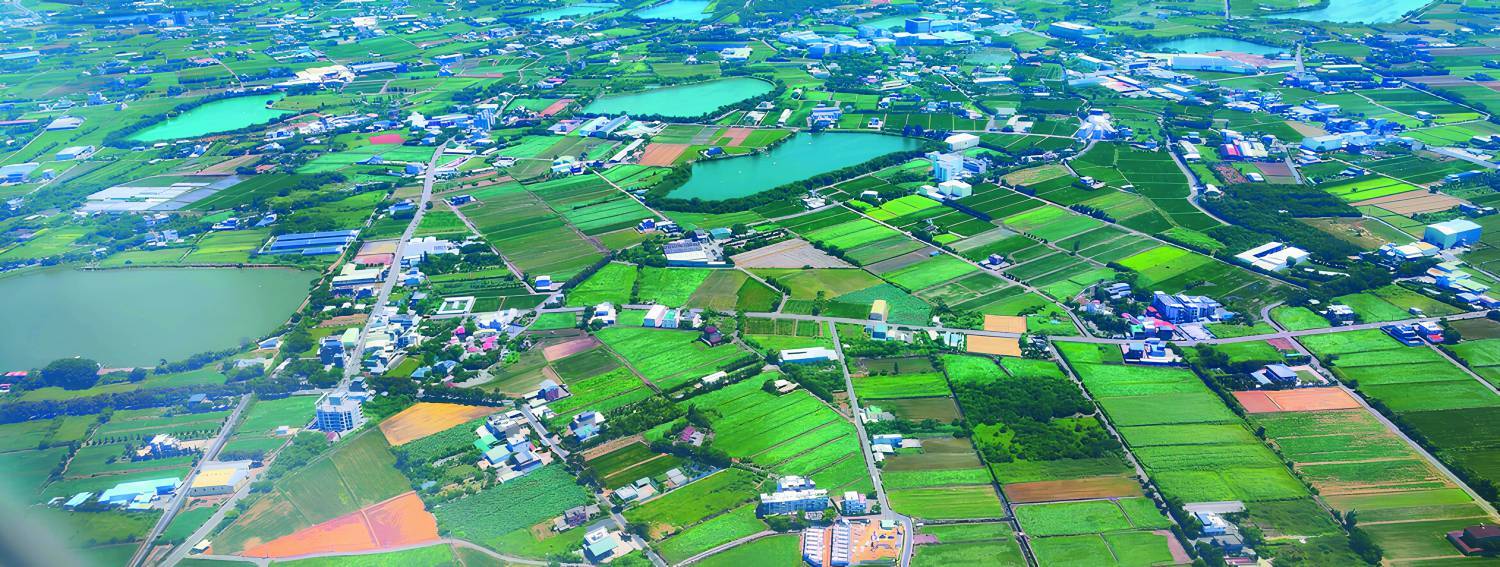
This approach continued into the Qing Dynasty. During the reigns of Emperors Kangxi and Yongzheng, most of the western coastal areas—such as Taipei and Hsinchu—had already been developed. However, the barren and elevated lands of the Taoyuan and Longtan plateaus remained largely untouched. In 1748 (the 13th year of the Qianlong Emperor’s reign), Longtan Lake was excavated in Taoyuan, followed by the construction of many more irrigation ponds.
According to the Chen Pei-Kuei’s Danshui Gazetteer, there were over 10,000 ponds in the Taoyuan area at the time of its compilation in 1869 (the 8th year of the Tongzhi Emperor’s reign). However, based on the 1904 Taiwan Fort Map survey, the actual number was around 6,000—still a remarkably high figure.
Fang points out, “Compared to the Hakka in mainland China, who built vast networks of dike-ponds along the Pearl River basin, the people of Taiwan created irrigation ponds entirely from scratch. Due to the lack of abundant water sources, the ponds had to be painstakingly dug out—one shovelful of dirt a time— from the red soil of Taoyuan. However, this makes them all more precious.” This is also why these ponds stand out as the most eye-catching among all the of human-made wetlands in Taiwan.
However, since the mid-20th century, the number of these ponds has declined by 85%, becoming a poignant symbol of Taiwan’s developmental history. It wasn’t until the rise of leisure farming that some public and private ponds were repurposed for fish farming, which led to a modest resurgence in their numbers, but still nothing resembling their heyday. And it wasn’t only the ponds that disappeared— many familiar figures clad in bright yellow vanished along with them.
Glimpsing the Fate of Taiwan’s Wetlands Through the Yellow Water Lily
The breeze is soft / the breeze is soft / quiet and lonely by the pond
The water lilies / in full bloom / silently await the morning dew
These tender and evocative lines come from the classic Taiwanese song Lonely Flower (1952), with lyrics by Chou Tien-Wang and music by Yang San- Lang. The lyrics delicately portray the inner world of a young woman in love. The “water lilies” awaiting the morning dew refer are Nuphar shimadae— yellow water lilies—a subspecies of the aquatic plant endemic to Taiwan.
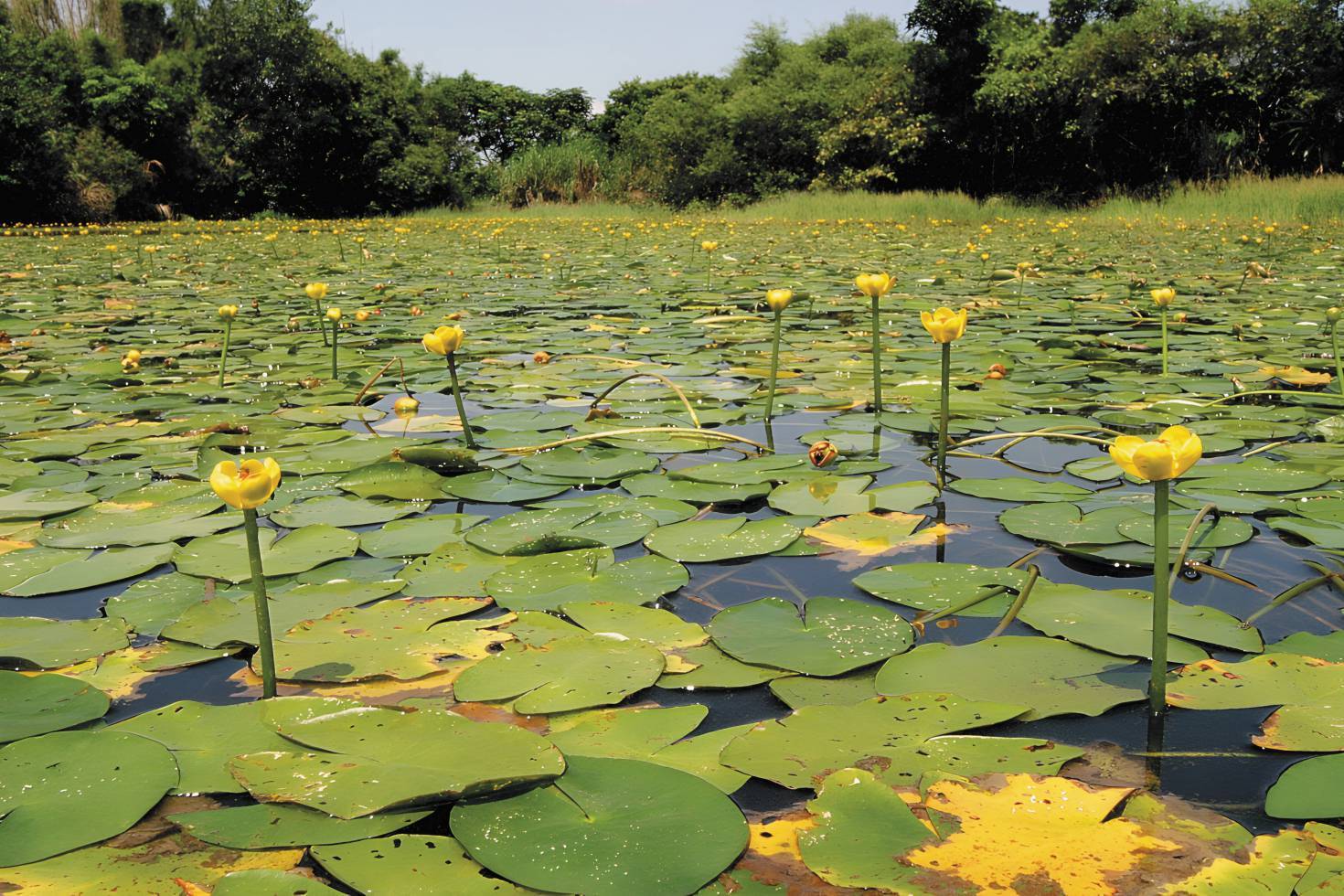
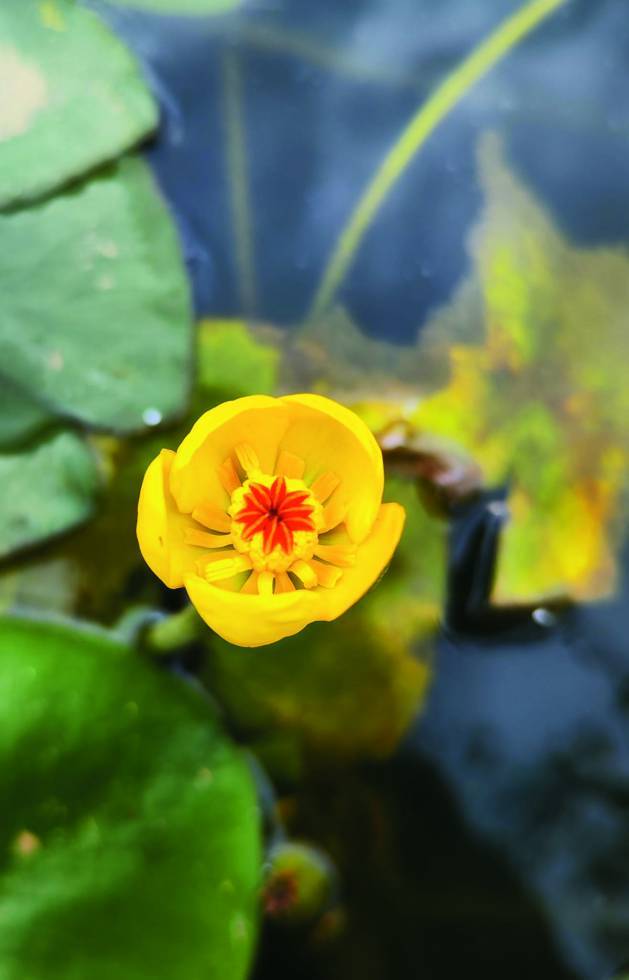
Belonging to a genus of Eurasian aquatic plants, the yellow water lily found in Taiwan (N. shimadae) is a subspecies that evolved uniquely on the island. Compared to its global relatives, it features a smaller floral disc and distinctive red stamens atop its bright yellow petals, making it unlike any other yellow water lily species in the world. As the genus’ global distribution is limited to the Northern Hemisphere, the Taiwanese subspecies marks the southernmost boundary of the plant’s natural range. According to Fang Wei-Ta, it is a relict species that has survived in Taiwan since the Ice Age—a true living fossil—underscoring its rarity and scientific value.
Today, Taiwan’s yellow water lilies are mainly found in the ponds of Longtan in Taoyuan and Xinpu in Hsinchu. Blooming from summer to autumn, they grow solitary flowers with thick, elongated stalks that rise above the water surface. However, with the rapid disappearance of ponds, the yellow water lily has lost much of its former glory. If wetland conditions continue to deteriorate, this precious species may be pushed to the brink of extinction.
Lonely Flower’s lyrics indicate that at the time when the song was widely sung, yellow water lilies were commonly found throughout pond landscapes, their blooms covering the water’s surface in abundance. In 1986, more than 30 years after the song was written, a study conducted by Chen Ching- Hsia of Fu Jen Catholic University’s Biology Department and Yang Yuan-Po of the Taiwan Forestry Research Institute documented the plant’s status: only 25 ponds—from Longtan, Yangmei, Pingzhen, and Guanxi to Zhubei—still showed signs of its presence. The dire state of the yellow water lily’s growth was evident.
In response to the limited land availability in Hsinchu Science Park, Longtan Science Park was officially established in 2003. As expansion projects unfolded and electronics companies moved in one after another, the groundbreaking ceremonies of tech corporations were marked by great fanfare. Meanwhile, the ponds that served as the native habitat of Taiwan’s yellow water lily quietly wept in the background. Faced with the dual pressures of industrial development and ecological concerns, it was inevitable that the ecosystem would be disturbed. The disappearance of ponds and the shrinking of the yellow water lily’s native habitat serve as a mirror reflecting the broader crisis facing Taiwan’s wetlands and ecosystems as a whole.
The Collector of Taiwan’s Yellow Water Lily ―Shimada Yaichi
During the Japanese colonial period (1895–1945), the government of Japan commissioned numerous scholars to conduct research throughout Taiwan, spanning fields such as anthropology, zoology, and botany. Among them, the most renowned figures in anthropology—Torii Ryūzō, Mori Ushinosuke, and Inō Kanori—laid the foundation for anthropology and museum studies in Taiwan.
Fang specifically highlights Shimada Yaichi (1884–1971), a technician who served under the Governor-General’s Office of Taiwan. In 1915, Shimada collected specimens of Taiwan’s yellow water lily in the Xinpu area of Hsinchu. He sent the samples to Professor Hayata Bunzō at the University of Tokyo for identification, and in 1916, the plant was published as a new species in The Illustrated Flora of Taiwan. Shimada also introduced beefwood trees (Casuarina equisetifolia) to Taiwan, planting windbreak forests to reduce wind damage, and he devoted himself to improving fruit tree cultivation, significantly contributing to both botanical research and agricultural development in Taiwan.
Restoring the Heart of Wetlands
Fang speaks with heartfelt urgency, “We must not allow native species to go extinct!” In an interconnected ecosystem, the loss of the yellow water lily’s native habitat also threatens the survival of its associated species, such as endemic aquatic leaf beetles. Although public attention often focuses on charismatic or well-known species, Taiwan’s yellow water lily and other key wetland organisms, while seemingly insignificant, are equally in need of protection.
“Whether they are marine and coastal, inland, or human-made, all wetlands nurture ecosystems, and once destroyed, they are difficult to restore.” Fang calls on everyone to recognize and value the wetlands that exist all around us in daily life. These environments not only support rich biodiversity but also serve important disaster prevention functions. “Wetland carbon sinks and the ecosystem services they provide could be crucial for meeting the more severe environmental challenges of the future. We must not rashly exploit them, or one day we will pay a much higher price for our decisions.”
Taiwan’s Wetland Treasure Chests
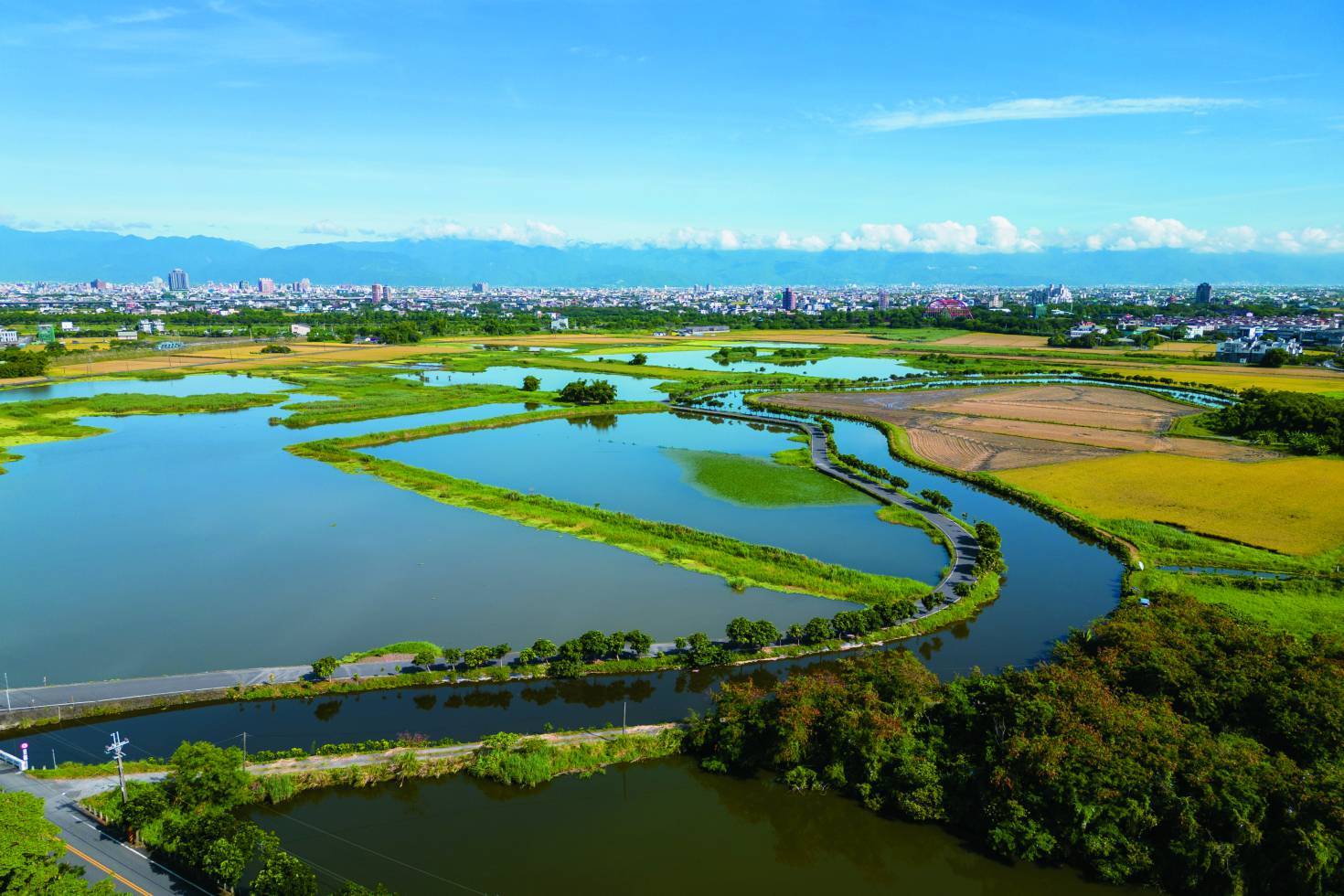
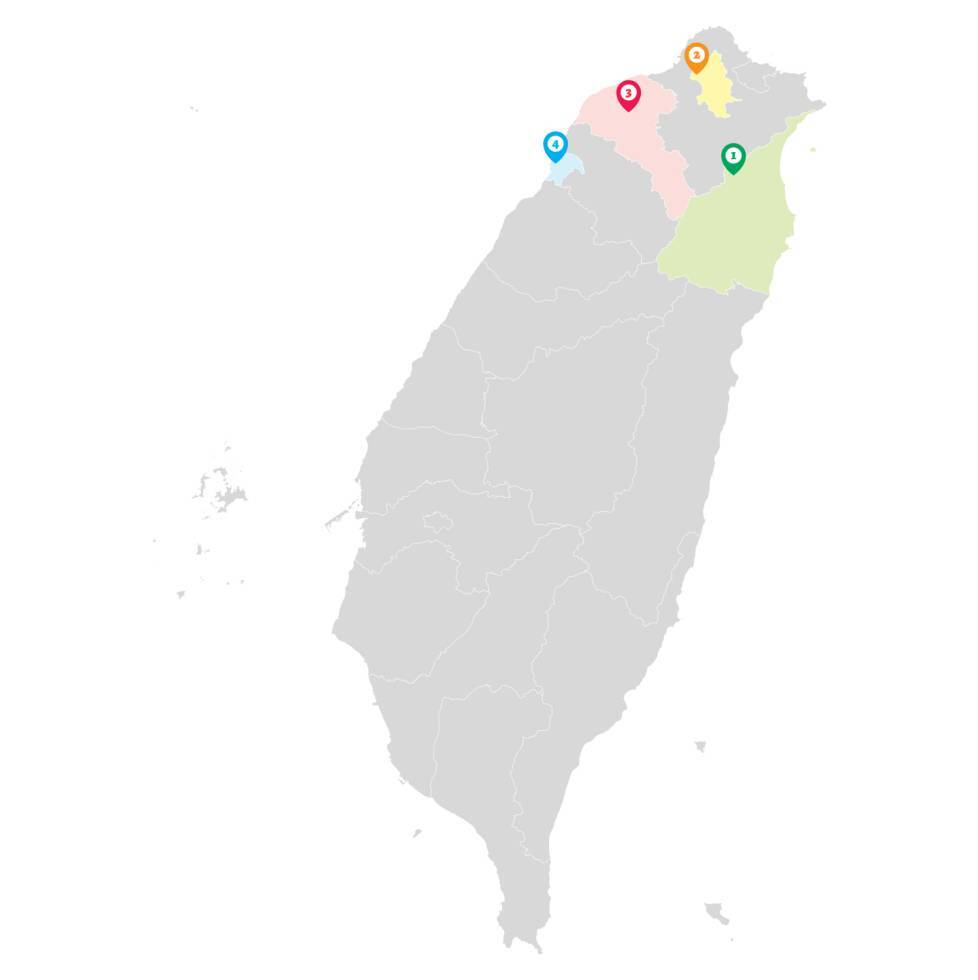
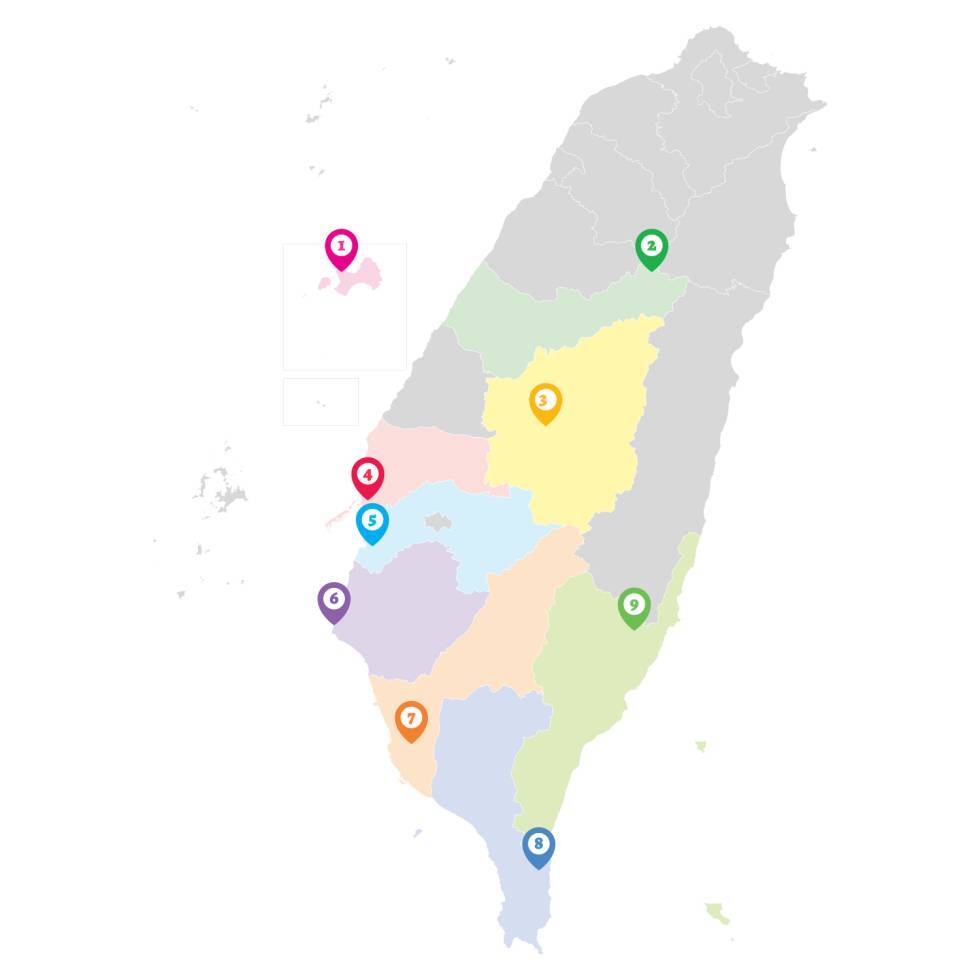
Taiwan is home to a rich variety of wetlands, with each type playing a vital role in ecological conservation, flood retention, and disaster prevention. On the basis of the Wetland Conservation Act, as of 2024, Taiwan has designated 2 wetlands of international importance, 40 wetlands of national importance, 17 wetlands of regional importance, and 2 provisional wetlands of importance. The following table provides an introduction to the distinctive types of wetlands found in Taiwan:
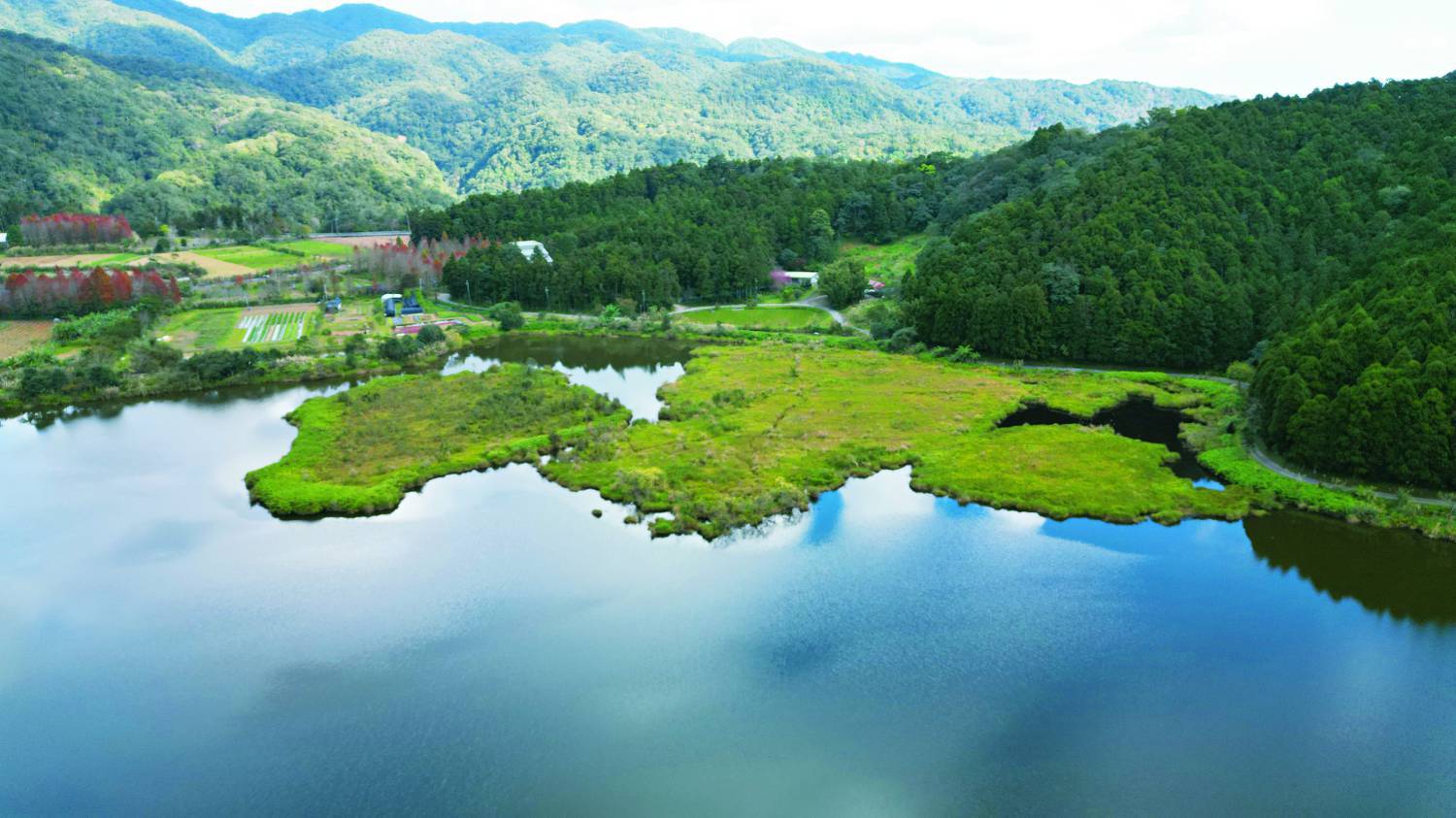
Freshwater Lake
Shuanglianpi Wetland of Importance (National Level) ❶ Yilan
Shuanglianpi is composed of two interconnected lakes, surrounded by natural broadleaf forests, and rich in biodiversity. The lake is home to valuable aquatic plants, such as Salix kusanoi.
Estuary Wetland
Guandu Important Wetland (National Level) ❷ Taipei
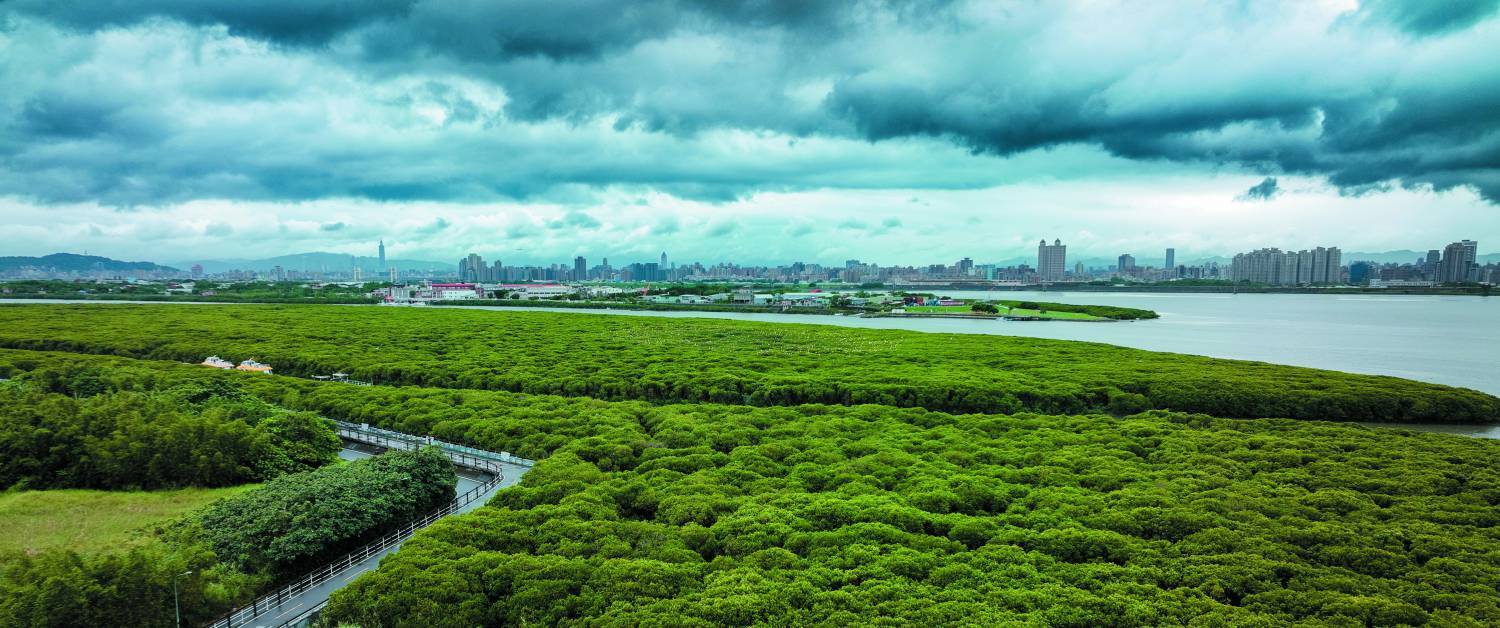
Guandu Wetland, located at the confluence of the Tamsui and Keelung Rivers, is an important stopover site for migratory birds. During the winter season, it hosts large flocks of migratory birds, with over 200 species recorded. It is one of the 11 sub-wetlands of nationally designated important wetlands in the Tamsui River watershed.
Human-made Wetland
Pond ❸ Taoyuan
The pond system in the Taoyuan area is a significant example of human-made wetlands. Originally built as artificial lakes for irrigation purposes, these ponds now play an important role in water resource regulation and the maintenance of ecological diversity.
Coastal Wetland
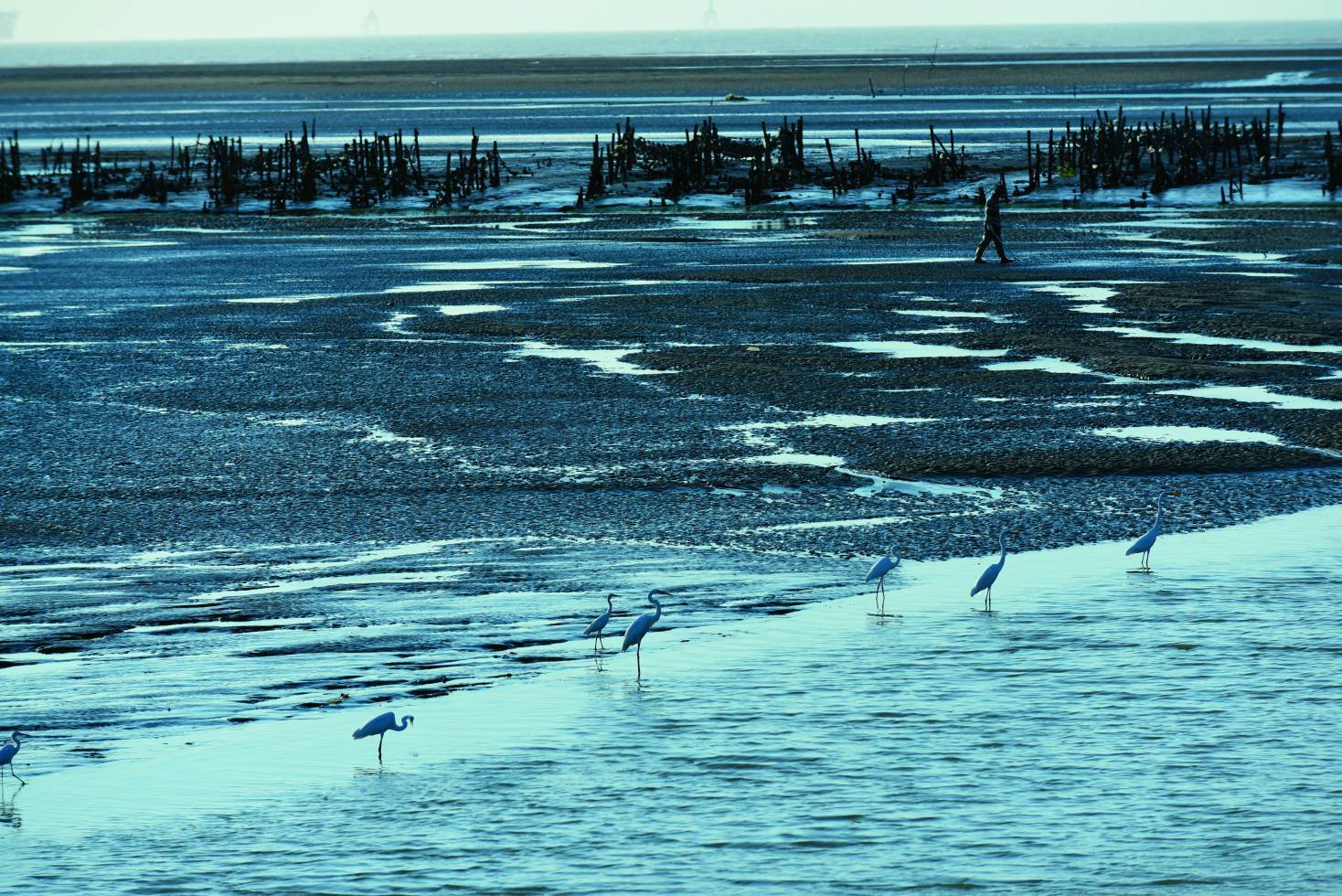
Xiangshan Important Wetland (National Level) ❹ Hsinchu
Xiangshan Wetland is influenced by the tide, giving rise to a unique landscape of mangroves, mudflats, and sandbars. Its vast intertidal mudflats serve as critical habitats for various waterbirds, particularly as foraging grounds for rare species such as the blackfaced spoonbill.
Salt Lake
Cihu Wetland of Importance (National Level) ❶ Kinmen
Cihu, as a brackish lake, presents a unique ecological system. The blending of saltwater and freshwater creates diverse habitats that attract migratory birds and marine life. Its distinctive landscape and ecological importance have made it one of the internationally recognized priorities for wetland conservation.
Stream
Qijiawan River Wetland of Importance (National Level) ❷ Taichung
Qijiawan River is the primary habitat of the Formosan landlocked salmon, a species endemic to Taiwan. In addition to serving as a stopover site for migratory birds, it holds significant value for ecological research and environmental education, showcasing the unique charm of stream ecosystems.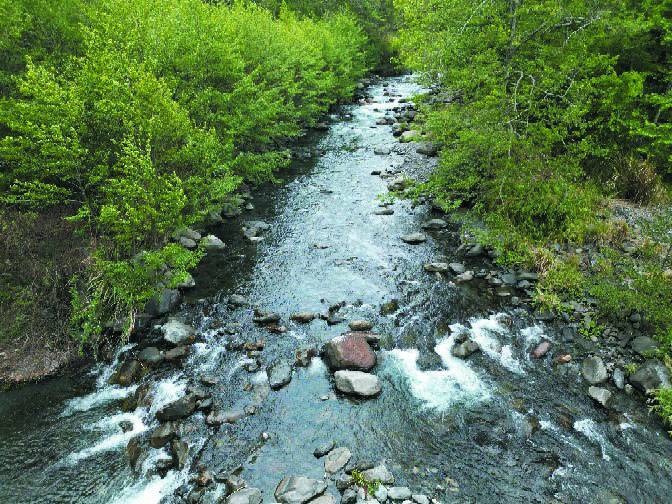
Peat Wetland
Toushe Basin Wetland of Importance ❸ Nantou
Toushe Wetland’s unique geological conditions have led to the accumulation of organic matter, which forms thick peat layers. As one of the few peat wetlands in Taiwan, it features distinctive floating island landscapes and supports a variety of aquatic plants, including Salix kusanoi.
Special Type
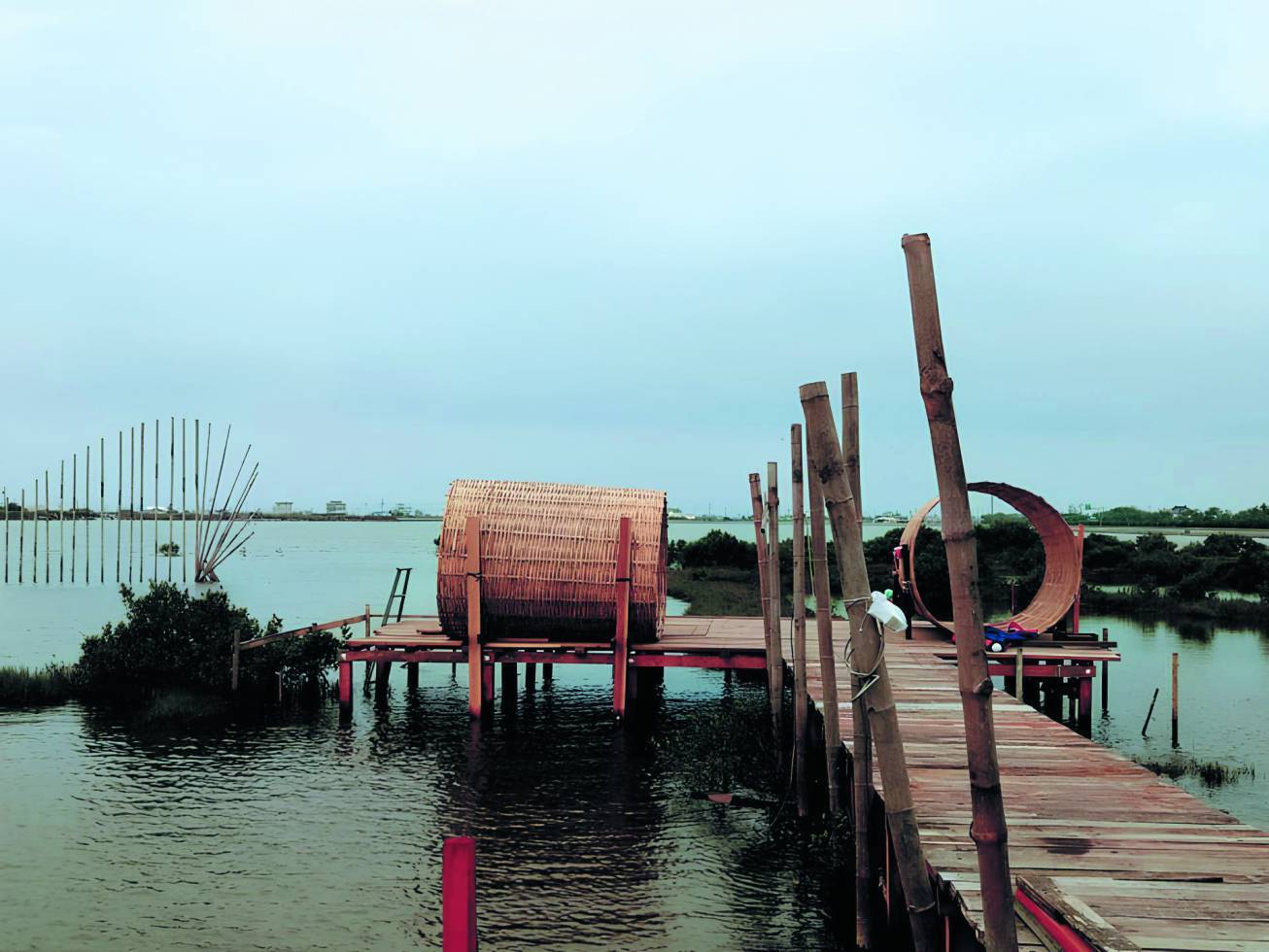
Chenglong Wetland (Regional Level) ❹ Yunlin
Chenglong Wetland was formed as a result of land subsidence and seawater intrusion. It has since become a habitat for various waterbird species, and art installations have been incorporated to promote environmental education.
Human-made Wetland
Budai Salt Pan Wetland of Importance (National Level) ❺ Chiayi
Budai Salt Pans were once a major salt production area in Taiwan. They have since been transformed into wetlands, offering diverse ecological habitats that attract a wide variety of bird species.
Lagoon
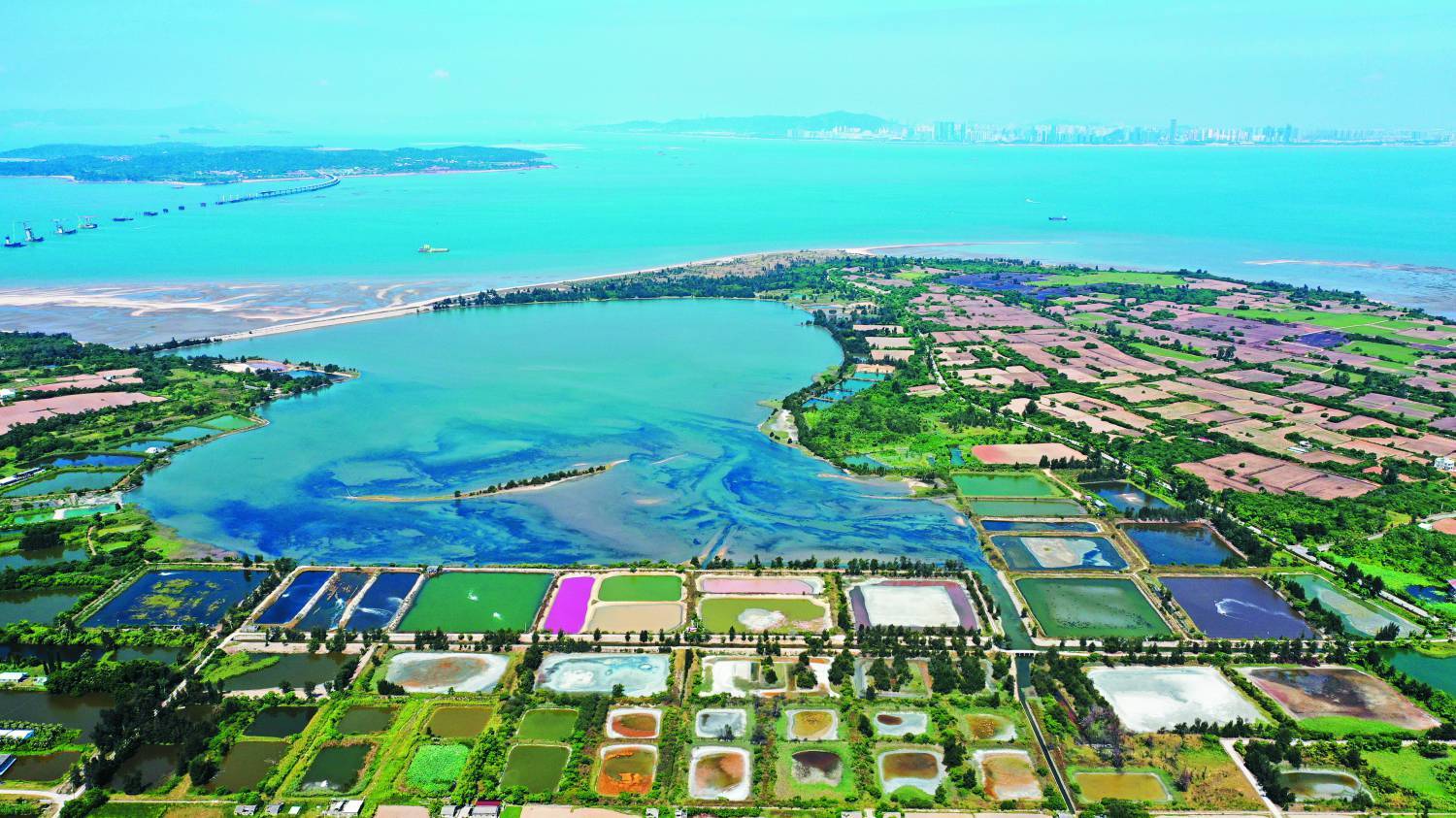
Qigu Salt Pan Wetland (National Level) ❻ Tainan
The Qigu Salt Field Wetland is characterized by its lagoons, salt pans, fish ponds, oyster racks, and waterbirds. Among these, Qigu Lagoon is enclosed by sandbars and land, making it an important site for traditional aquaculture. The mixing of saltwater and freshwater on the lagoon’s surface creates a unique ecological environment that attracts large numbers of migratory birds and aquatic organisms.
Human-made Wetland
Niaosong Wetland of Importance (Regional Level) ❼ Kaohsiung
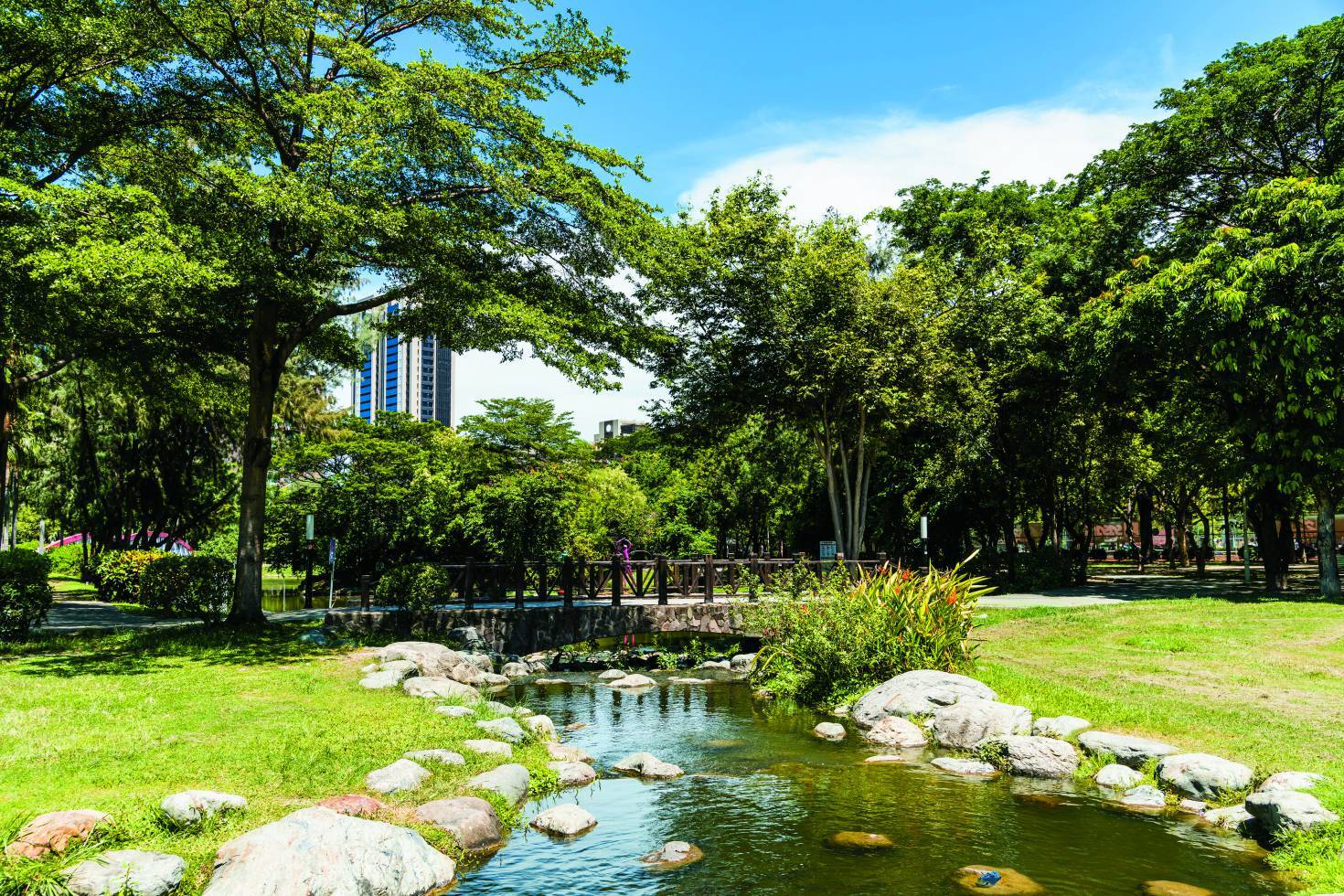
Niaosong Wetland was originally sedimentation basins for a water purification plant operated by the Taiwan Water Corporation. Through human design and ecological restoration efforts, with water bodies and vegetation integrated to create a suitable habitat for migratory birds and aquatic animals. After rehabilitation, it was transformed into an urban wetland park, which serves both recreational and environmental education purposes and attracts a wide variety of bird species.
Marsh
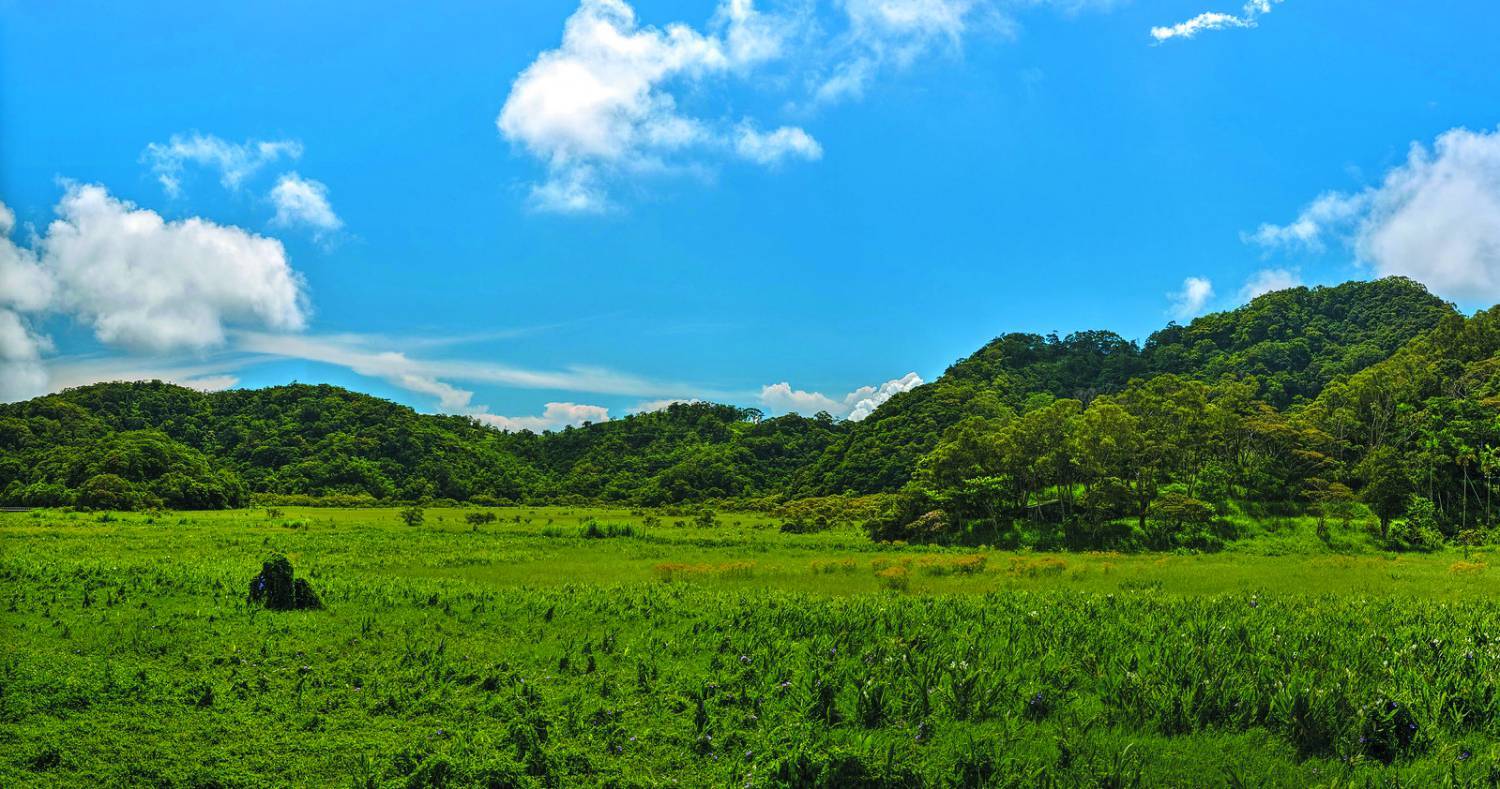
Dongyuan Wetland of Importance (Regional Level) ❽ Pingtung
Dongyuan Wetland is classified as a marsh-type wetland and has been designated as a wetland of regional importance. Its expansive grasslands and abundant water resources nurture rich native vegetation, attracting various insects and small wildlife species.
Rice Paddy
Guanshan ❾ Taitung
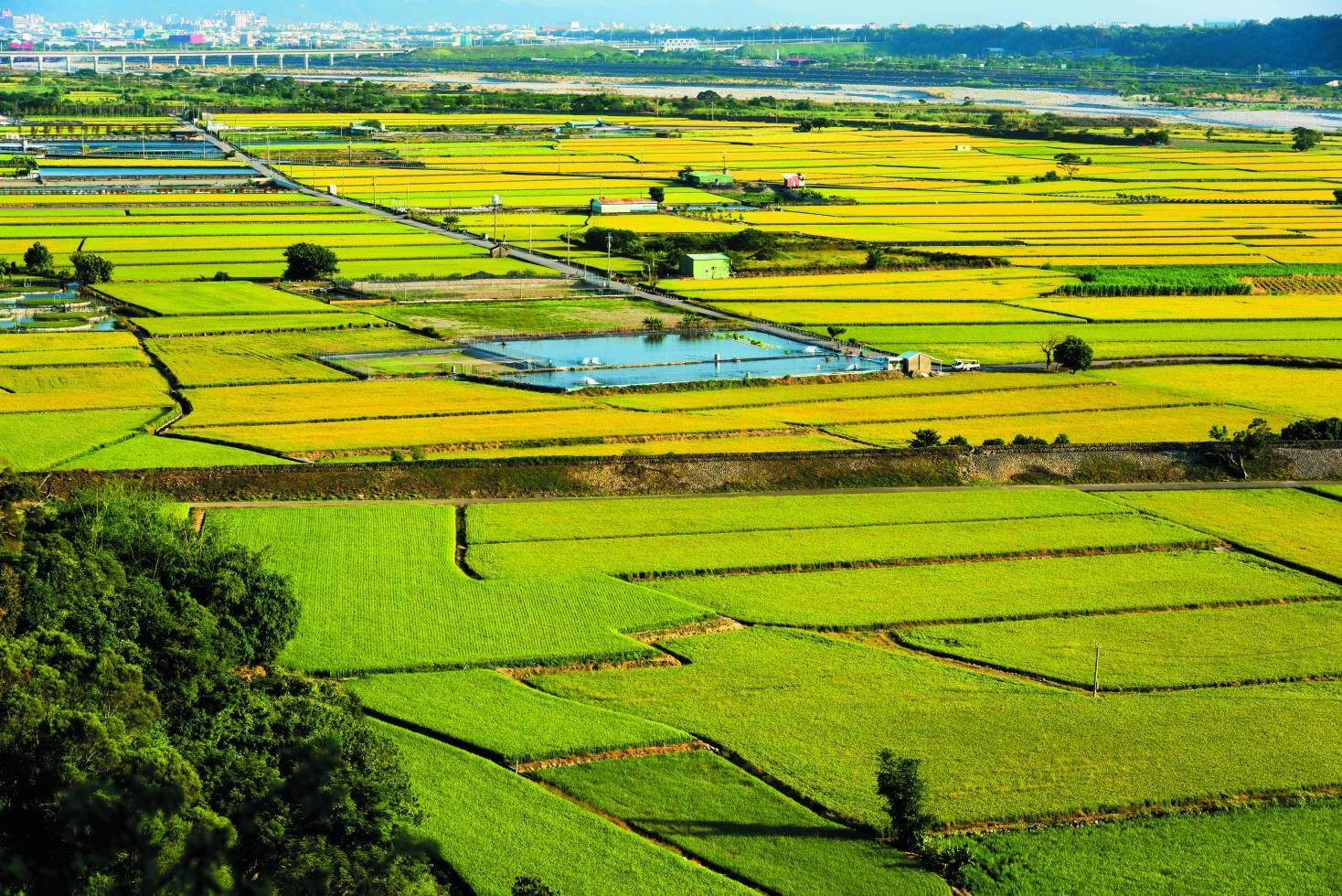
Guanshan is characterized by its expansive rice paddy landscapes, showcasing the harmonious coexistence of rural life and nature. The scenery changes with the seasons, displaying a vibrant palette throughout the year. Its well-developed irrigation system efficiently manages water resources, while also attracting migratory birds and aquatic species.


