Article / Huang Shih-Ju
Interviewees / Chen Hsin-Hung, Section Chief, Conservation and Research Section, Kenting National Park Headquarters Wang Li-Hsueh, Director, Exhibition Division, National Museum of Marine Biology and Aquarium Hsieh Kuei-Chen, Researcher, Conservation and Research Section, Kenting National Park Headquarters
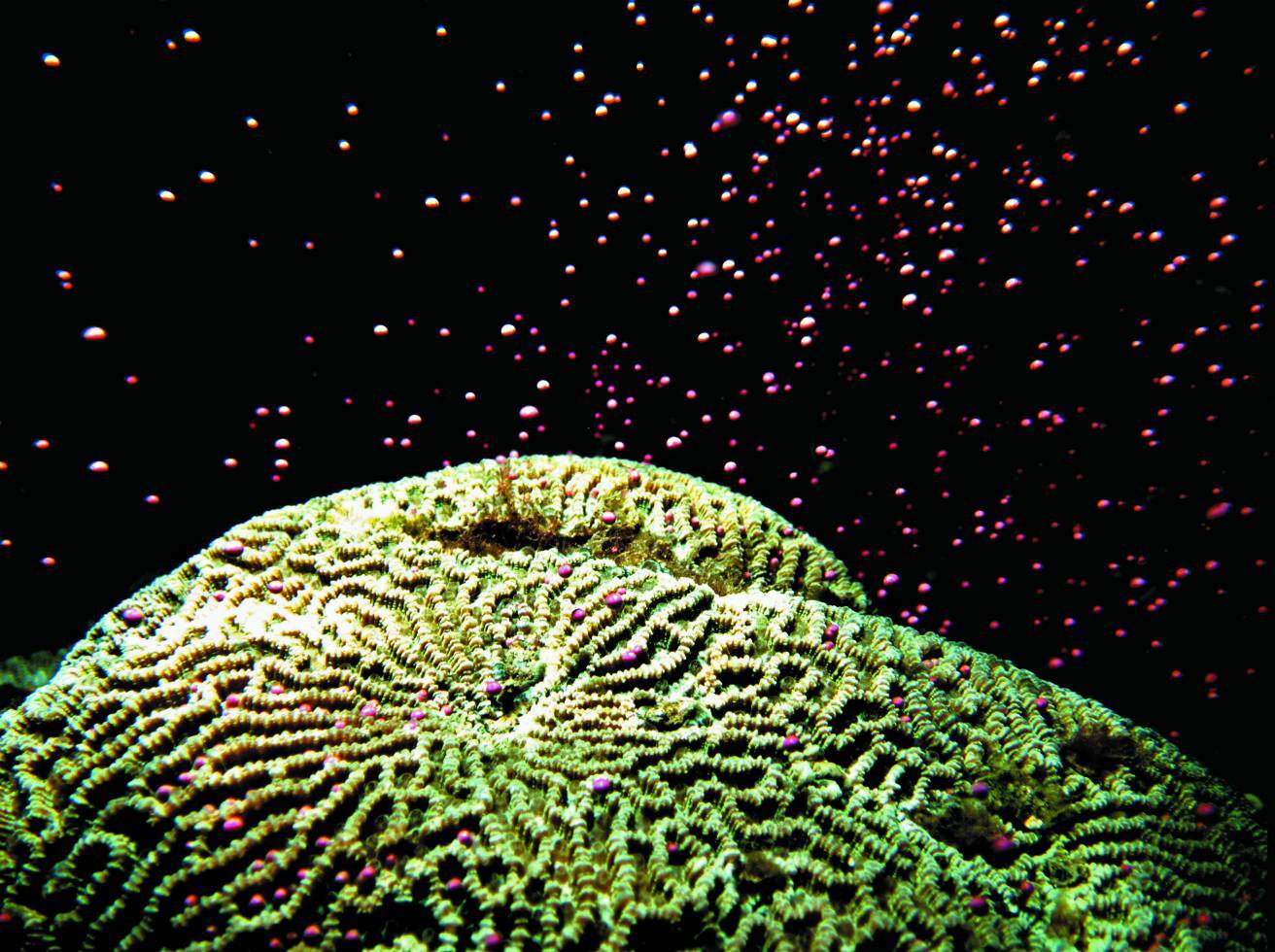
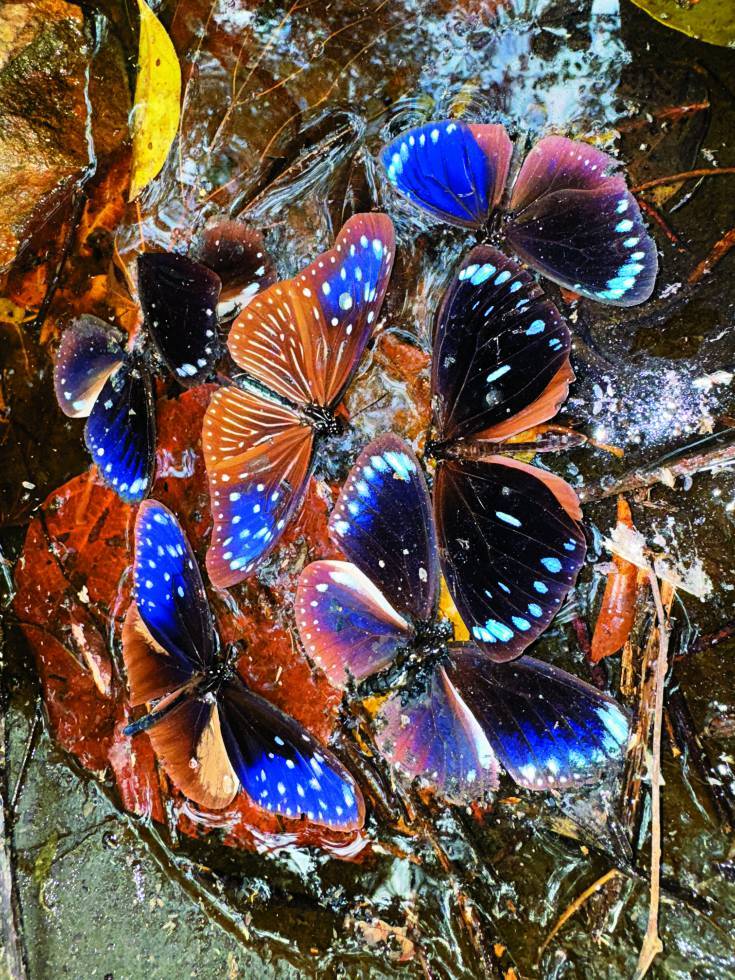
The coral gamete bundles, as if summoned by the moonlight, slowly rise toward the ocean surface like a sea of pink stars. Swarms of purple crow butterflies (Euploea) flutter gracefully from Maanshan, spreading their iridescent wings as they begin their northward migration across the highway. Vivid, ruby-red tomatoes are harvested from eco-friendly farms and delivered straight to local farmers’ markets, offering a taste of sustainability.
From ocean to land, these are the fruits of years of dedication by Kenting National Park Headquarters (KNPH) in promoting species conservation, habitat restoration, and community partnerships. In alignment with SDGs 14 and 15—the conservation and sustainable use of marine and terrestrial ecosystems—each new partner and each additional patch of land is an opportunity to safeguard biodiversity. As the conservation puzzle of land, sea, and air becomes more complete, and as humans and the environment find a balance for coexistence, the ecosystems we depend on and the ideal landscapes we envision have the chance to be sustained.
Building a Coral Ark
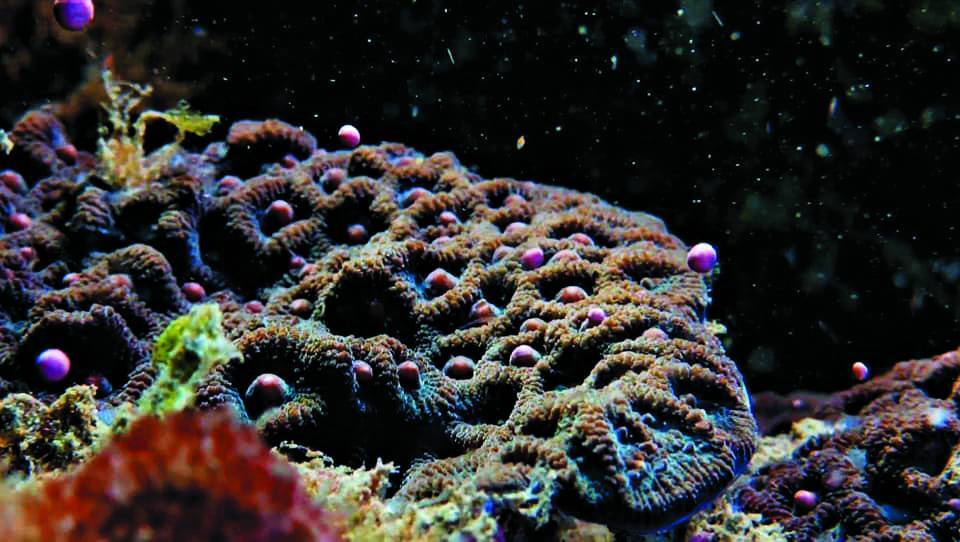
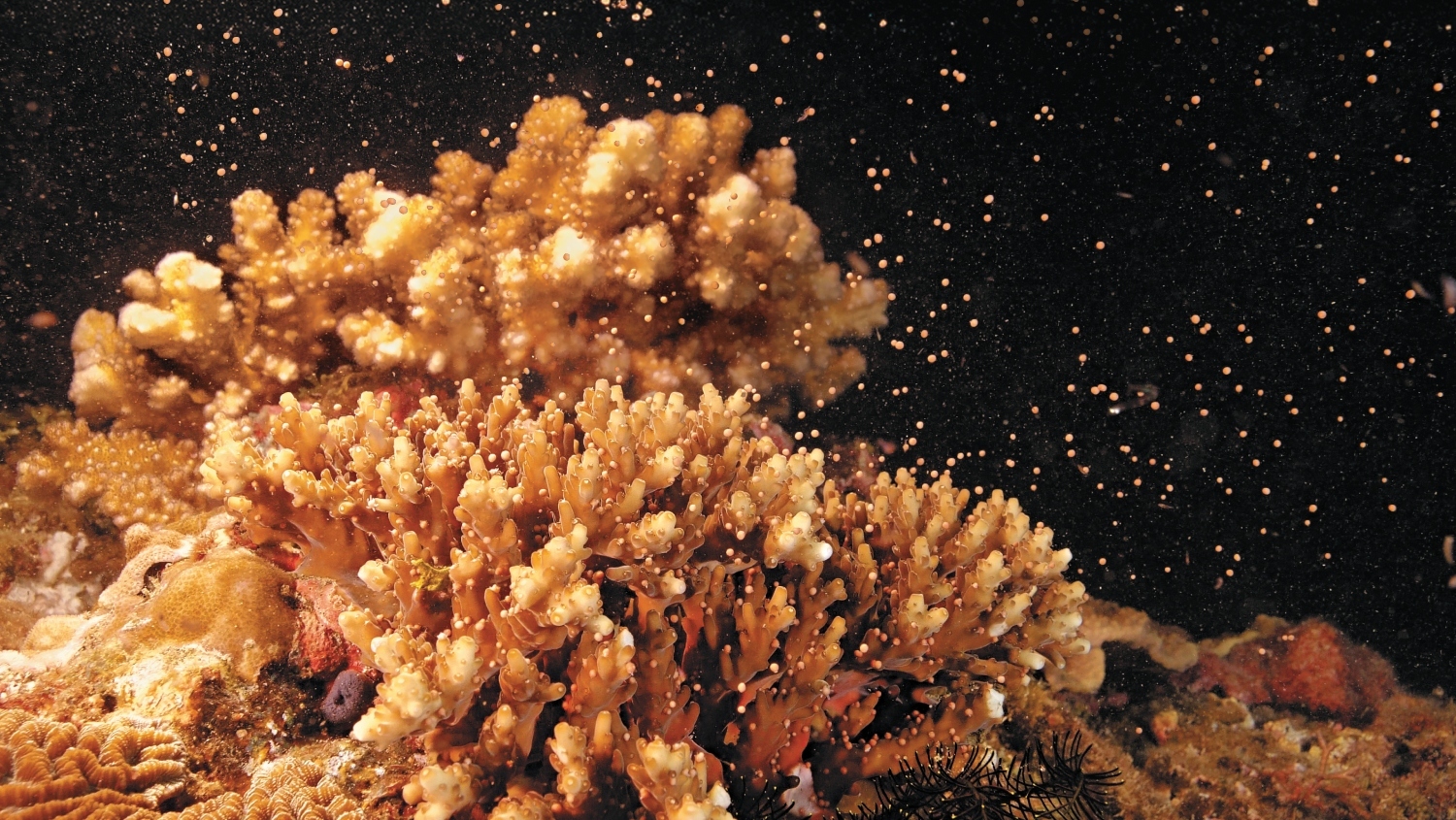
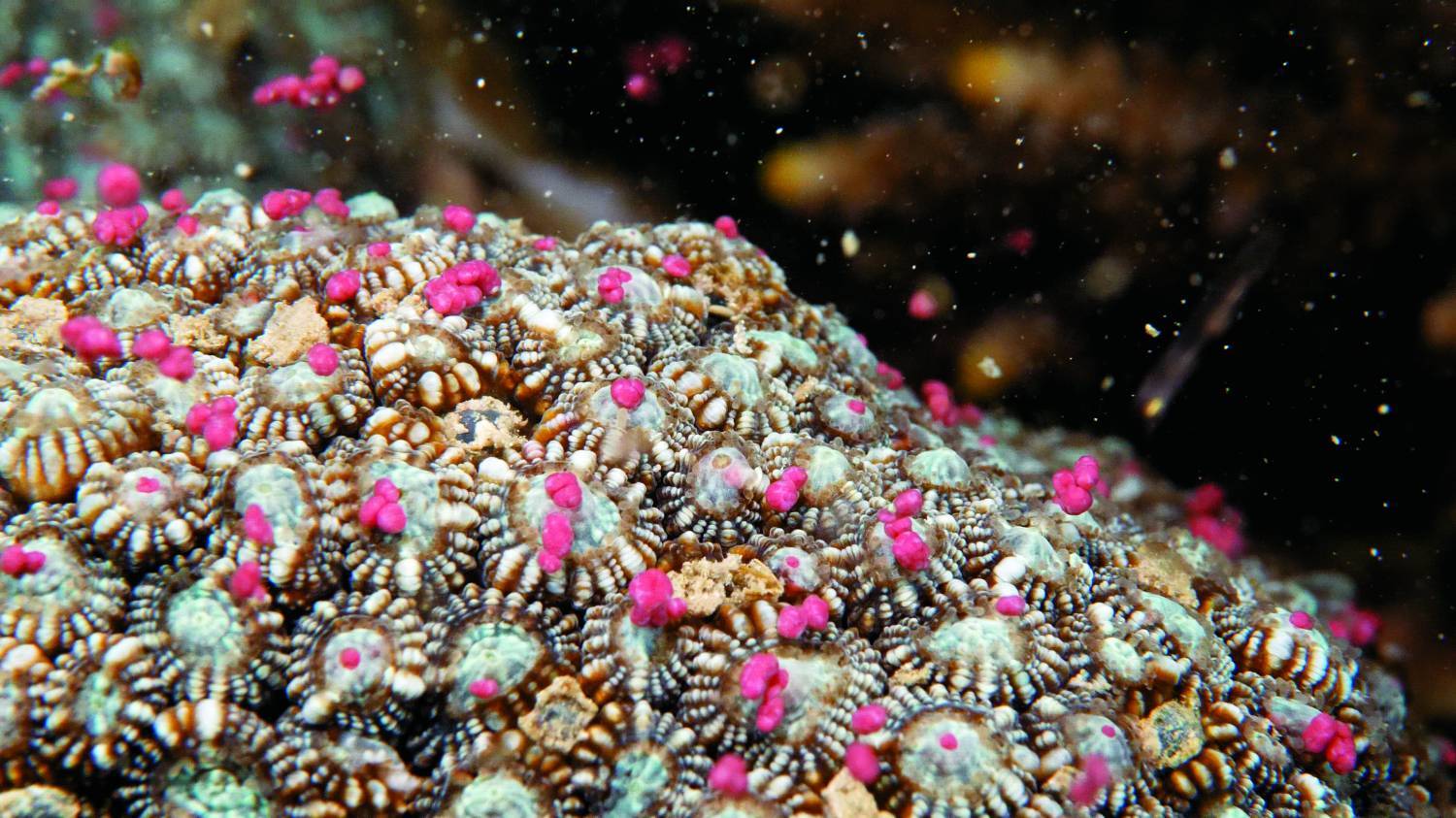
On the 23rd day of the third lunar month—Mazu’s birthday—the waters off the Hengchun Peninsula come alive. After nightfall, a livestream team dives into the pitch-black depths, searching for corals on the verge of spawning. Suddenly, the protruding reproductive pores of a coral colony open, releasing tens of thousands of gametes into the water. The sea is transformed into a dreamy star-filled sky. This breathtaking moment, broadcast live, left audiences in awe—both stunned and soothed by the spectacle.
The coral spawning livestream, a joint initiative by the National Museum of Marine Biology and Aquarium (NMMBA) and KNPH, concluded successfully on April 20 and May 20 this year. In addition to public outreach in marine conservation, coral protection and restoration research remain key areas of collaboration between the two institutions.
“We aim to identify and cultivate coral species with higher environmental tolerance—particularly those that are heat-resistant. Through research conducted by the NMMBA, we’re working to locate suitable planting sites within the park that support stable, natural coral growth while also enhancing species diversity,” said Chen Hsin-Hung, Section Chief of the Conservation and Research Section at KNPH.
NMMBA has become a coral ark in the face of climate change, conducting ongoing research in areas such as coral propagation and cultivation techniques, ex situ conservation, cryopreservation, coral gene banks, and the biomedical applications of natural coral substances. Wang Li-Hsueh, Director of the Exhibition Division at NMMBA, focuses on symbiodinium and mesophotic corals as her primary research topics.
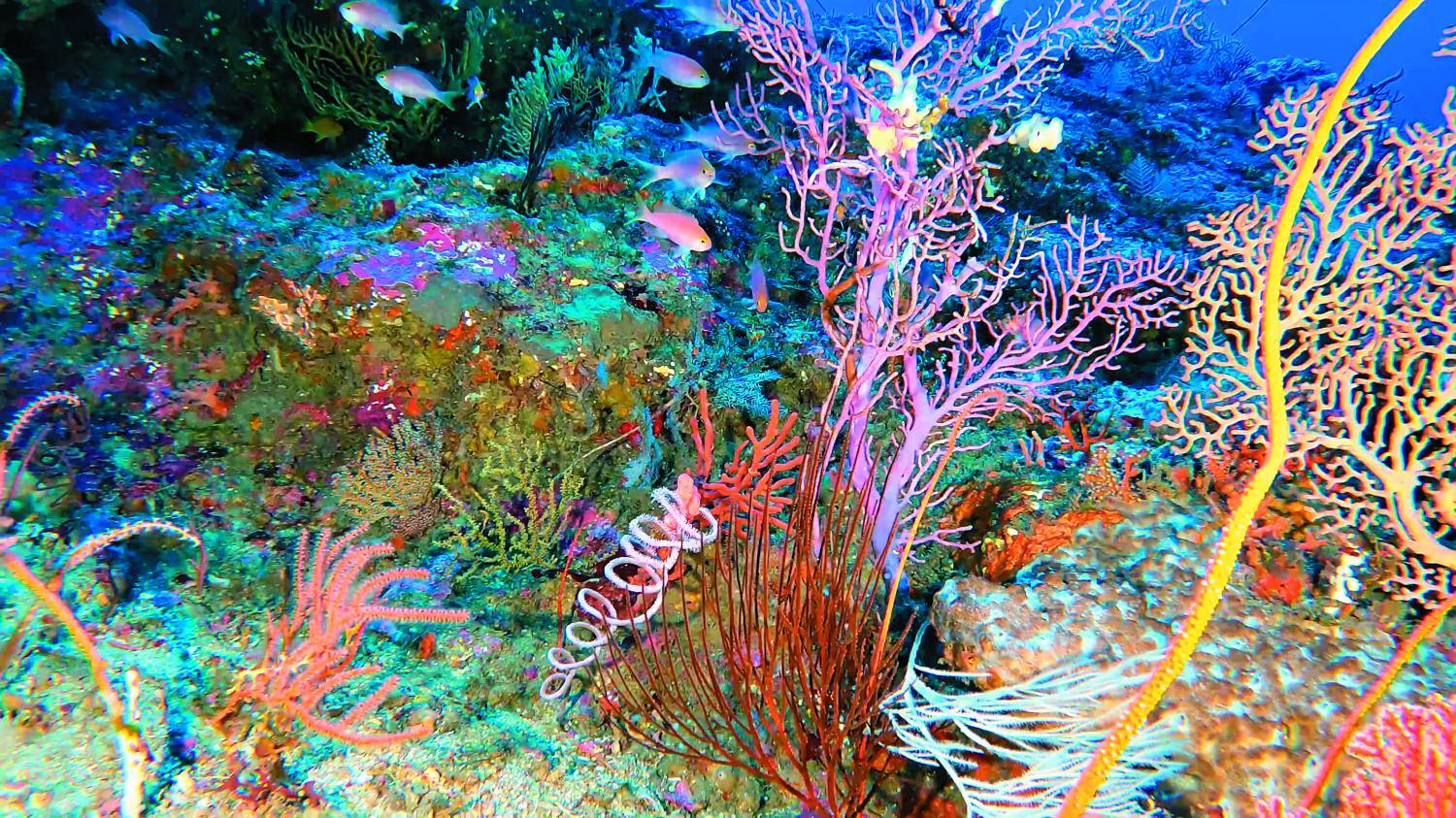
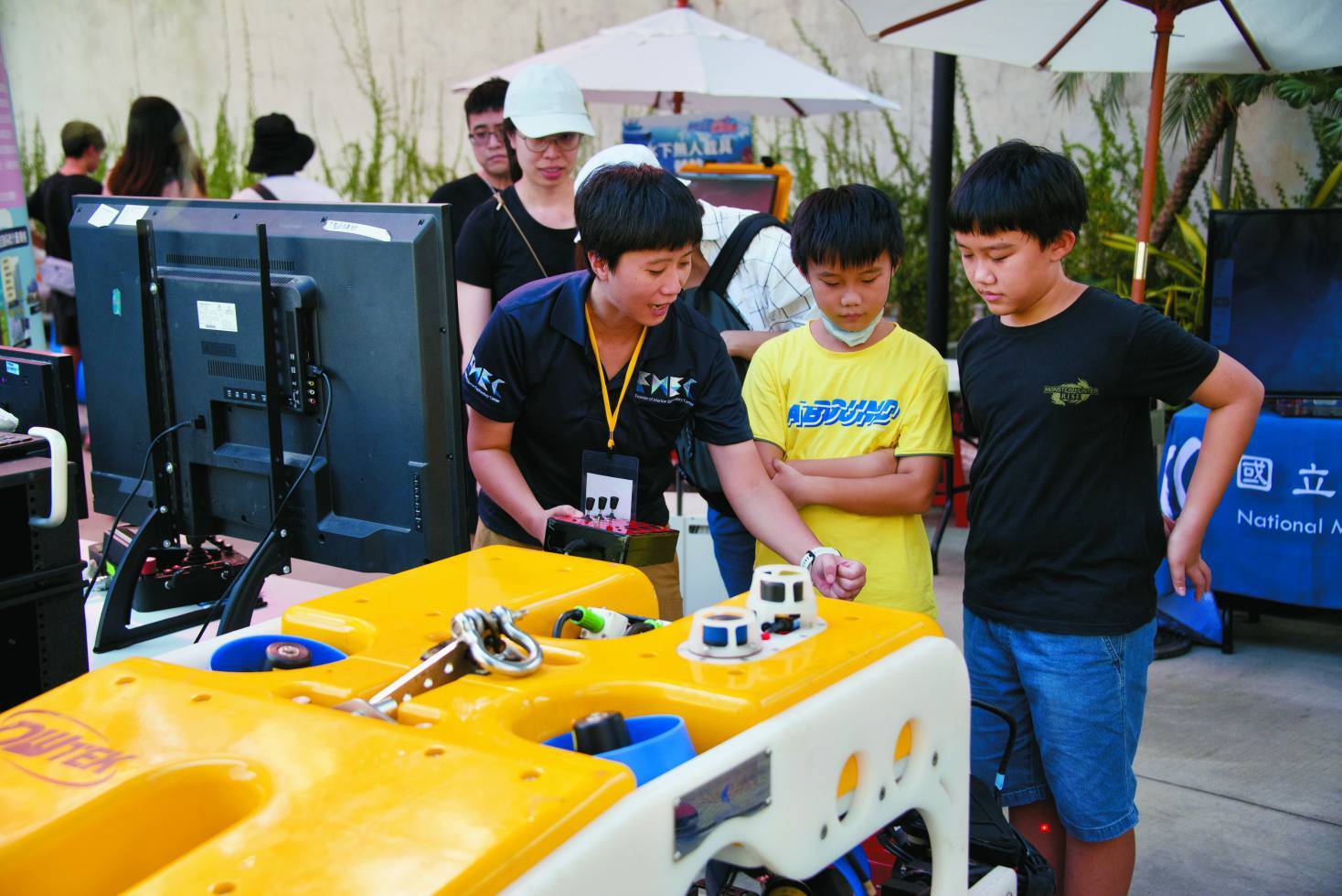
Unlike shallow-water corals, which can be surveyed by recreational divers and citizen scientists, mesophotic corals—found at depths of 40 to 150 meters—require advanced technical divers and remotely operated vehicles (ROVs) for exploration and filming. Wang and her team have conducted research throughout the waters off the Hengchun Peninsula, Orchid Island, Xiaoliuqiu, Guishan Island, and Penghu. The captured footage not only serves as valuable scientific data but also powers immersive LED exhibitions within NMMBA. During events such as Kenting Coral Reef Ecology Conservation Month, visitors can wear VR headsets and instantly feel as if they’ve dived into the waters of Kenting, exploring the vibrant coral reef ecosystems through panoramic underwater visuals.

Moonlit Callings: A Romantic Coral Sea
Since its debut in 2018, the coral spawning livestream has become a much-anticipated annual event among ocean enthusiasts.
“In the early days, many divers would spend long hours night diving in hopes of witnessing coral spawning,” said Chen. “But not everyone has the training or stamina for such dives.”
Now, thanks to the collaboration between KNPH and the NMMBA, the public can enjoy large-scale coral spawning from the comfort of home. The livestreams also capture the feeding and reproductive behavior of other marine species. “We hope these images can convey one message: the health of the ocean depends on all of us,” said Chen. The waters surrounding the Hengchun Peninsula are the site of the earliest observable synchronized coral spawning in Taiwan. During the 5–8 days following the full moon, a brief period of darkness typically occurs after sunset before the moon rises again. Corals interpret this period of darkness as a cue to begin spawning, and each species has its own peak spawning window.
However, predicting coral spawning time is only half the battle—capturing footage that is visually compelling enough for livestreaming presents another challenge. Around mid-April, NMMBA researchers begin scouting sites to identify areas with higher concentrations of gamete bundle-producing coral colonies.
“Corals that release gamete bundles are generally larger and more visually striking,” explained Wang. “Pink, yellow, green, white—they paint the water like a starlit sky, making for the most stunning livestreams. In Kenting, sites like Tiaoshi, Entry Point, and Secret Garden typically have good coral concentrations.”
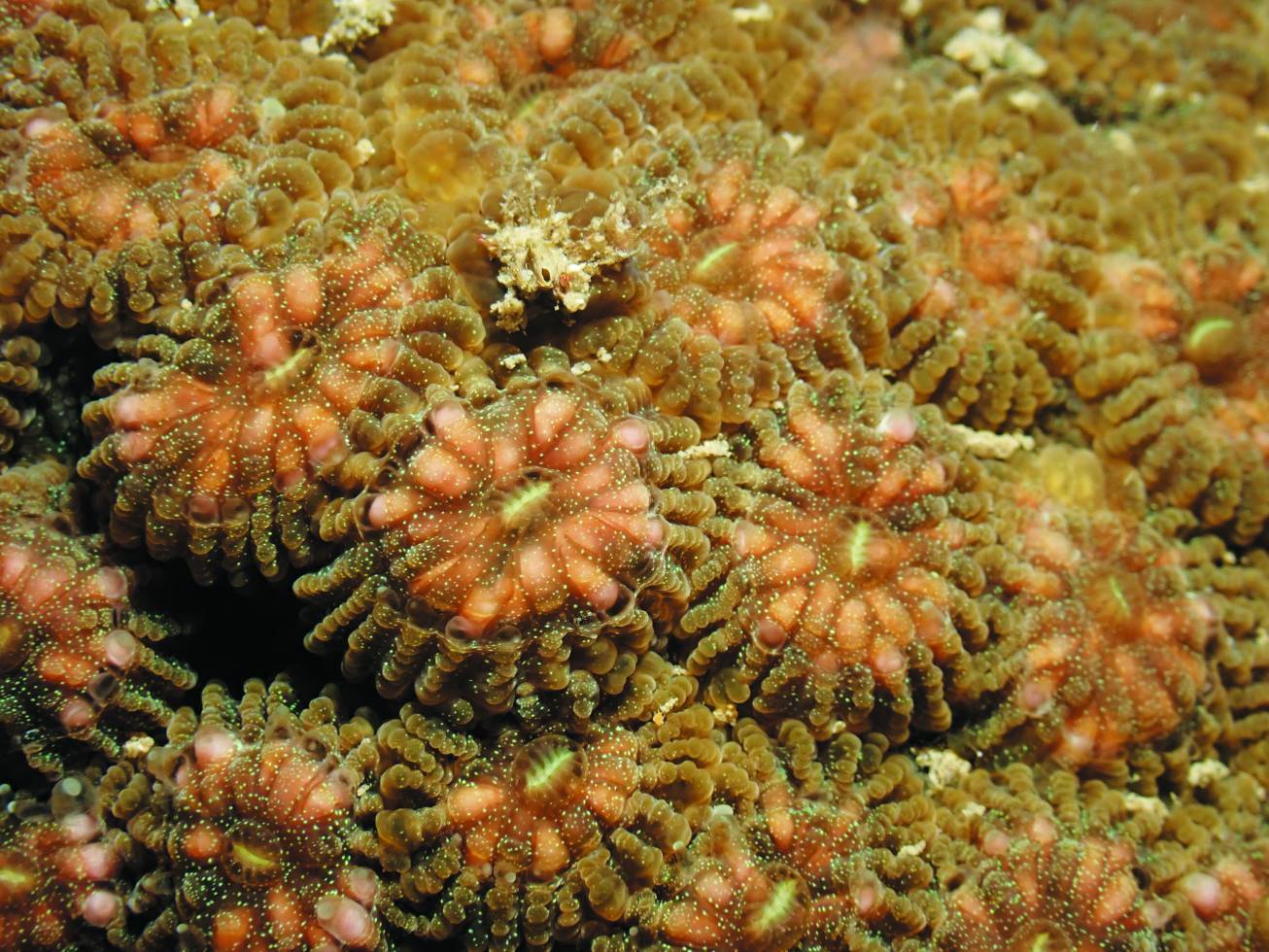
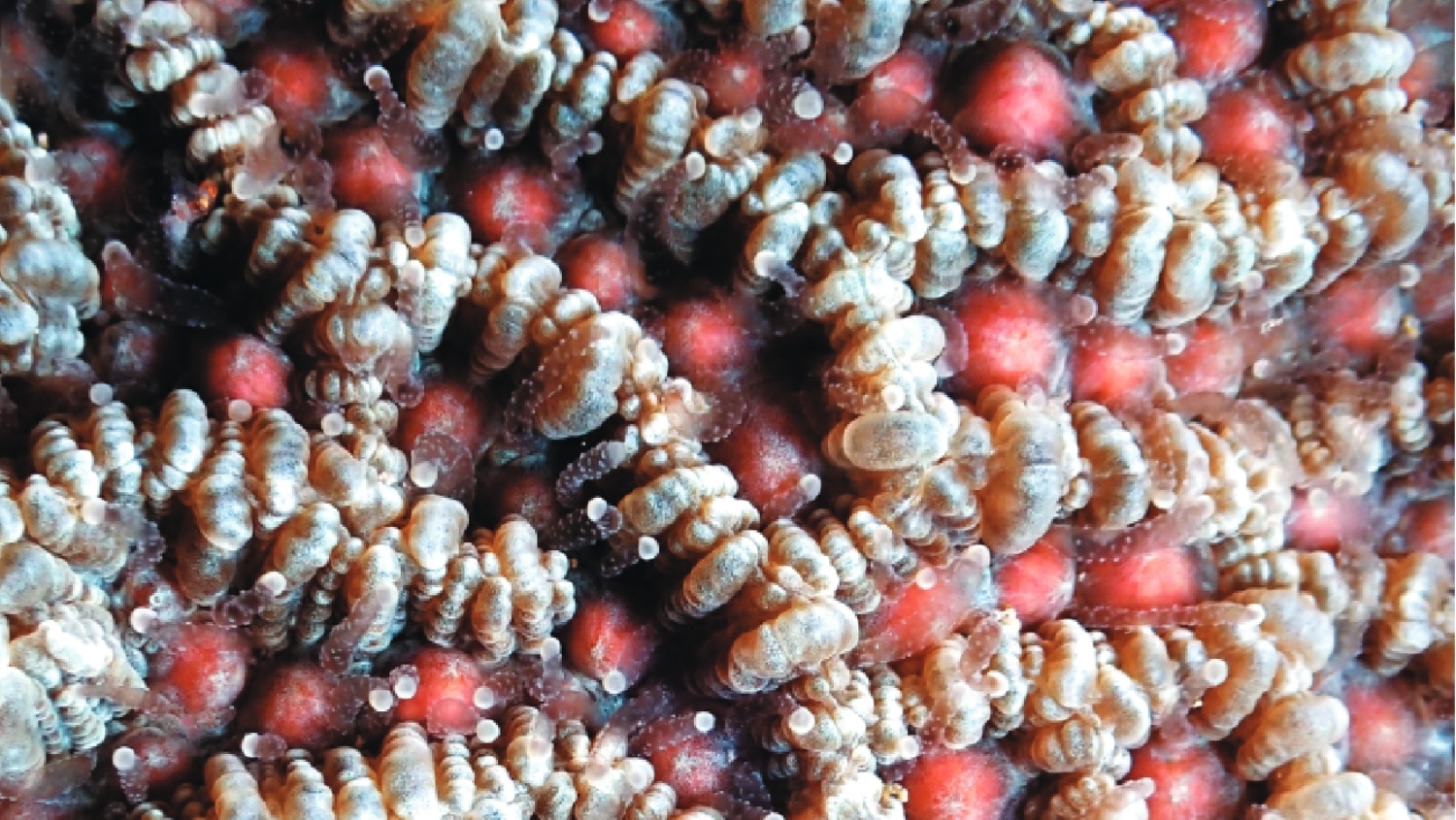
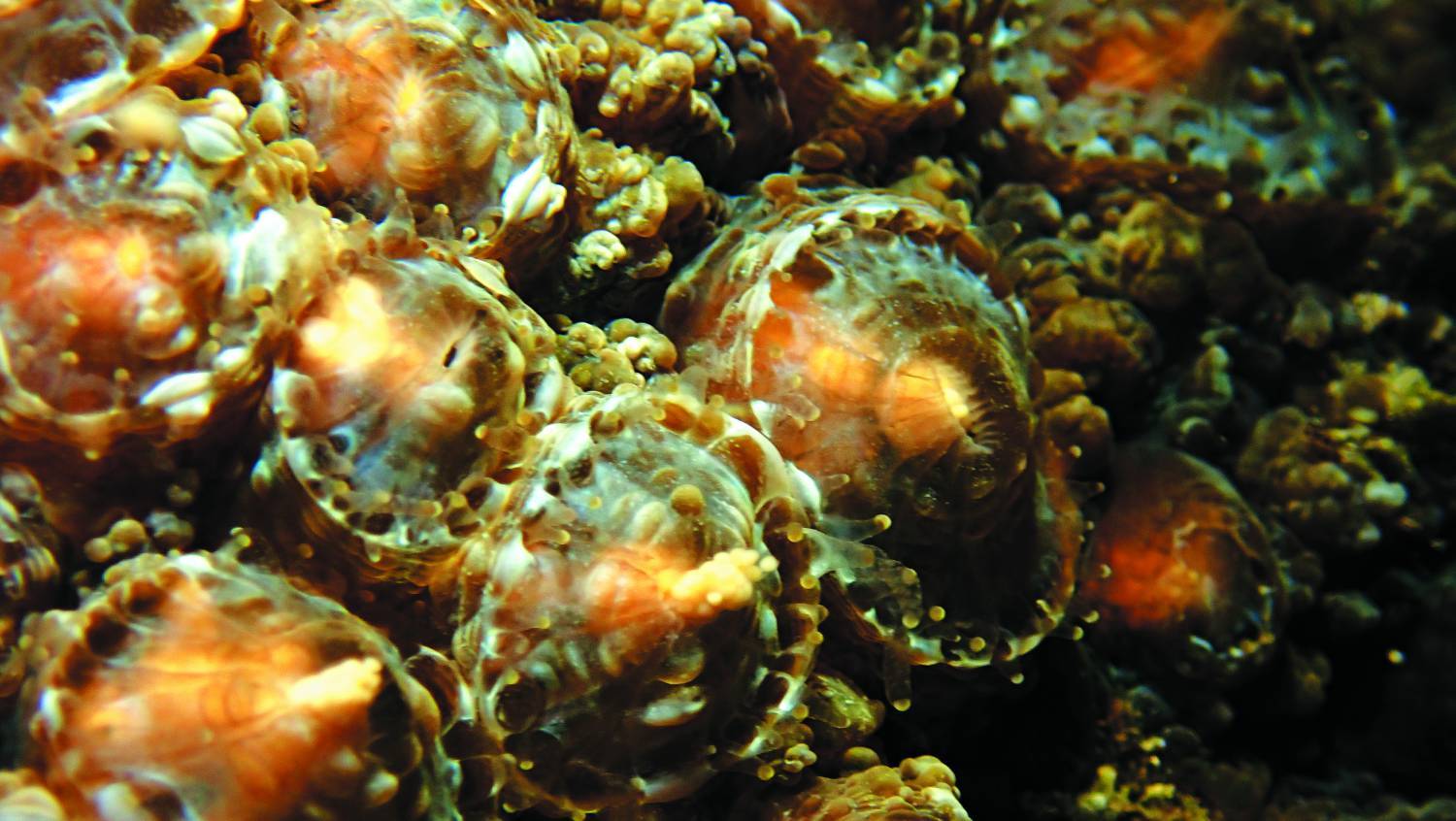
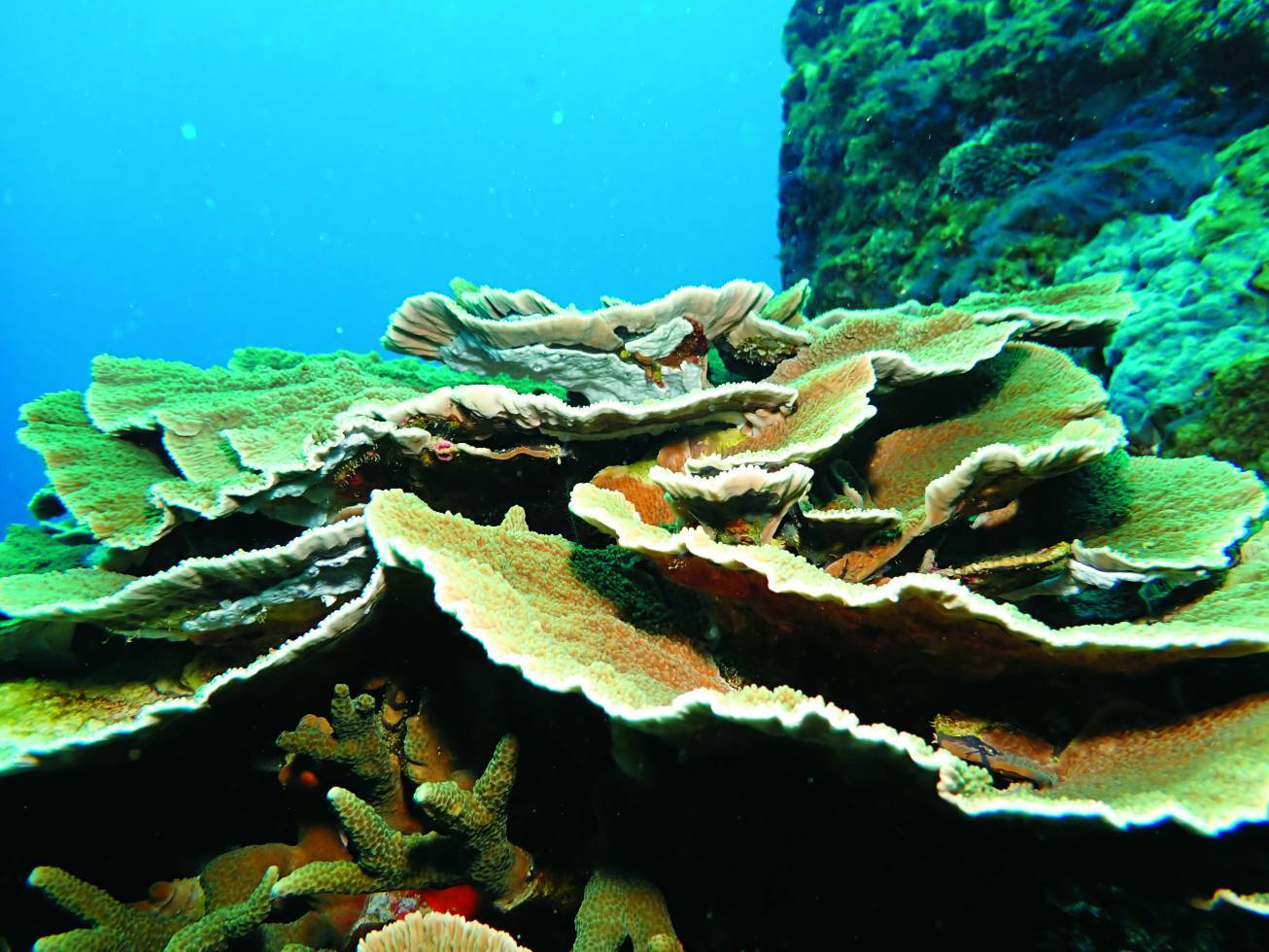
Coral Species Found around the Hengchun Peninsula

Searching for Coral Survival Strategies
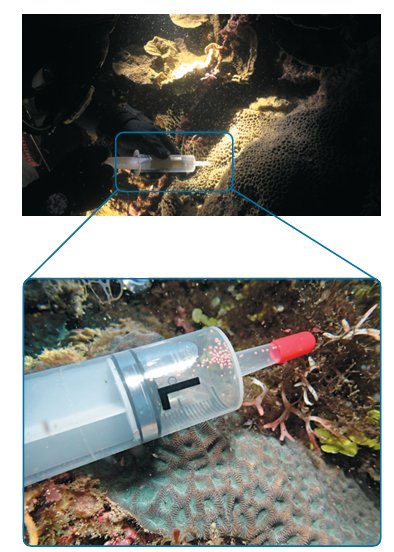
While the livestream is underway, Wang also collects gamete bundles for cultivation. “We place a collection device over corals that are about to spawn. As the gametes float upward, the mesh traps them. After collection, we fertilize them with sperm from different coral colonies,” she explained. Another approach involves using syringes to extract the gamete bundles. Back in the lab, the sperm and eggs are separated; sperm is cryopreserved for future conservation, whereas eggs are fertilized artificially and monitored throughout their development.
“I use these fertilized coral embryos to experiment with different strains of symbiotic algae, then observe how their growth varies. If we can one day selectively introduce more resilient strains of algae, we may be able to help corals survive warming-related stress events through human intervention,” explained Wang.
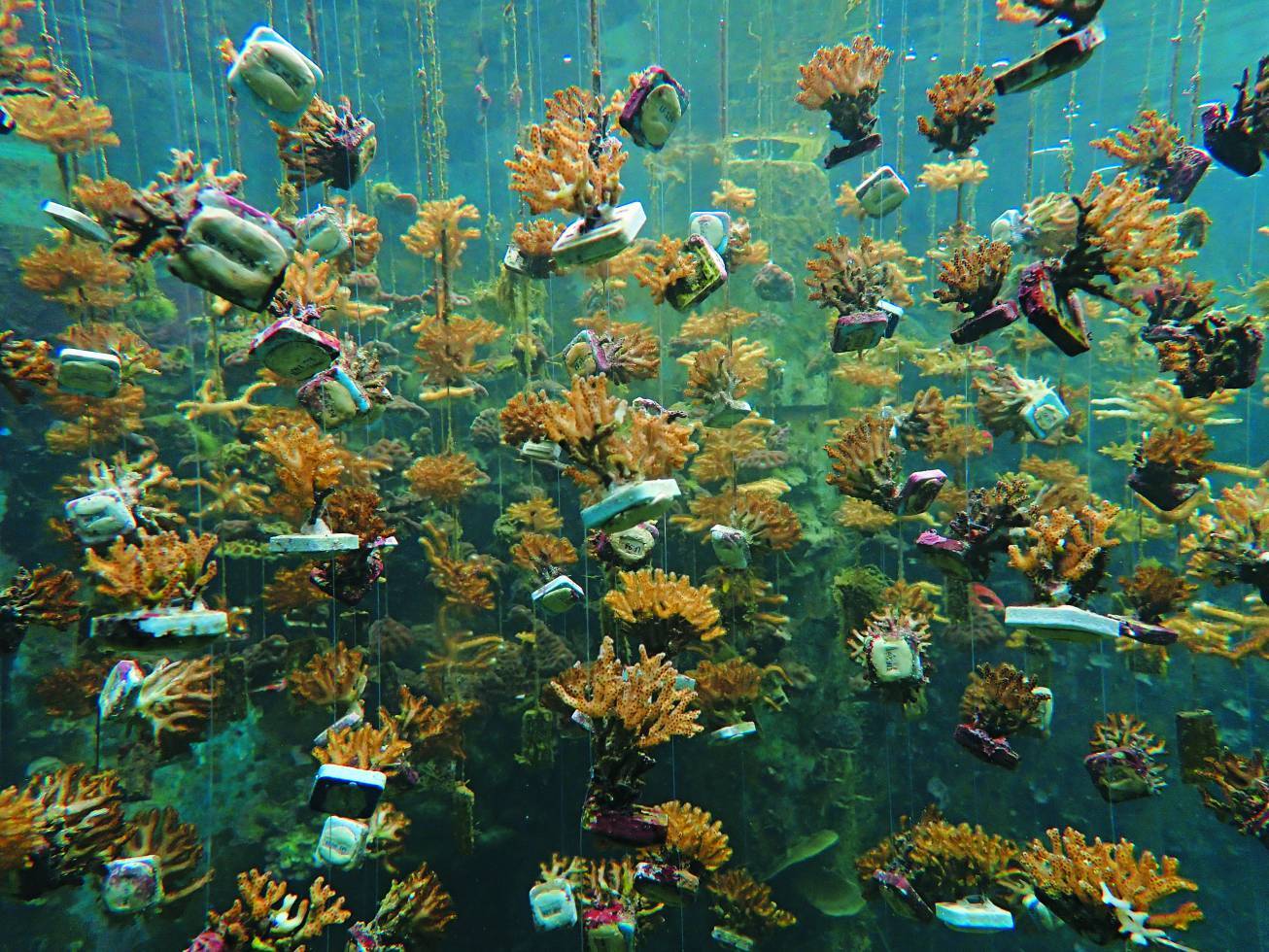
To confront the challenges of climate change, both asexual and sexual reproduction methods are necessary. Coral gardening—an asexual technique— involves planting coral fragments to rapidly grow populations. However, this method alone offers limited resilience to environmental stress. “A healthy coral reef ecosystem must be diverse,” Wang emphasized. “You need encrusting forms, branching forms, and massive forms to build a stable ecological structure.”
That’s why, every year during spawning season, Wang sets a personal goal: to observe at least one or two coral species she hasn’t seen before— especially mesophotic species like Acropora and Montipora. “Only by understanding how a coral spawns and collecting its gamete bundles can we figure out how to help it reproduce successfully and make sure none of that precious material goes to waste.”
Play with Care, Ease the Ecological Burden
Although the livestreams continue to offer stunning visuals, both Chen Hsin-Hung and Wang Li- Hsueh have observed a noticeable decline in coral spawning over the past 2 years. This may be due to a reduction in gamete production or a decrease in overall coral coverage. Factors such as sediment accumulation due to recent heavy rainfall, as well as the numerous autumn typhoons that occurred last year, could also be contributing to the decline.
Although the effects of climate change are difficult to reverse, humans can still protect coral habitats by engaging in more mindful and low-impact recreational activities. Unlike the crowd of shore divers that gathers at popular sites like the Entry Point, the livestream team chooses quieter areas with minimal light pollution and conducts boat dives instead.
“Our divers operate with great care,” explained Chen. “They locate corals about to spawn, wait patiently nearby, and avoid shining lights directly at them. We try to minimize disturbances as much as possible.”
Wang added that the period 5–8 days after a full moon usually coincides with a neap tide. Coral spawning typically occurs at slack tide during the neap tide and is then carried away by the changing currents. However, excessive human activity— such as trampling or stirring up sediment—can degrade water quality and stress the corals, potentially preventing them from releasing enough and healthy gametes.
“If everyone crowds into the Entry Point on the 23rd day of the third lunar month, they might not see coral spawning,” Wang said. “If the observation times are staggered, everyone can see. The most important thing is to pick the right window. Corals usually spawn after 9 or 10 p.m. Many visitors head out at nightfall, so they are unlikely to witness the spawning.”
She encourages visitors to engage in low-density, eco-friendly tourism in Kenting to help relieve pressure on the ecosystem and hopes more coral spawning observation sites will be developed in the future: “These aren’t just secret spots for researchers; we want more people to go diving. We also hope to strengthen ecological conservation awareness among dive instructors to make the experience more enjoyable and accessible for the public. Otherwise, if visitors come and leave disappointed, they may never return.”
Wang laughed as she recalled, “I used to be stuck in the lab all day. My desire to get closer to corals was what inspired me learn how to dive in the first place. Once you’ve seen coral spawning up close, you’re hooked. You feel moved, and you naturally want to do something for the ocean. That kind of inspiration is meant to be shared and passed on.”
Embrace Kenting’s Corals and Sea
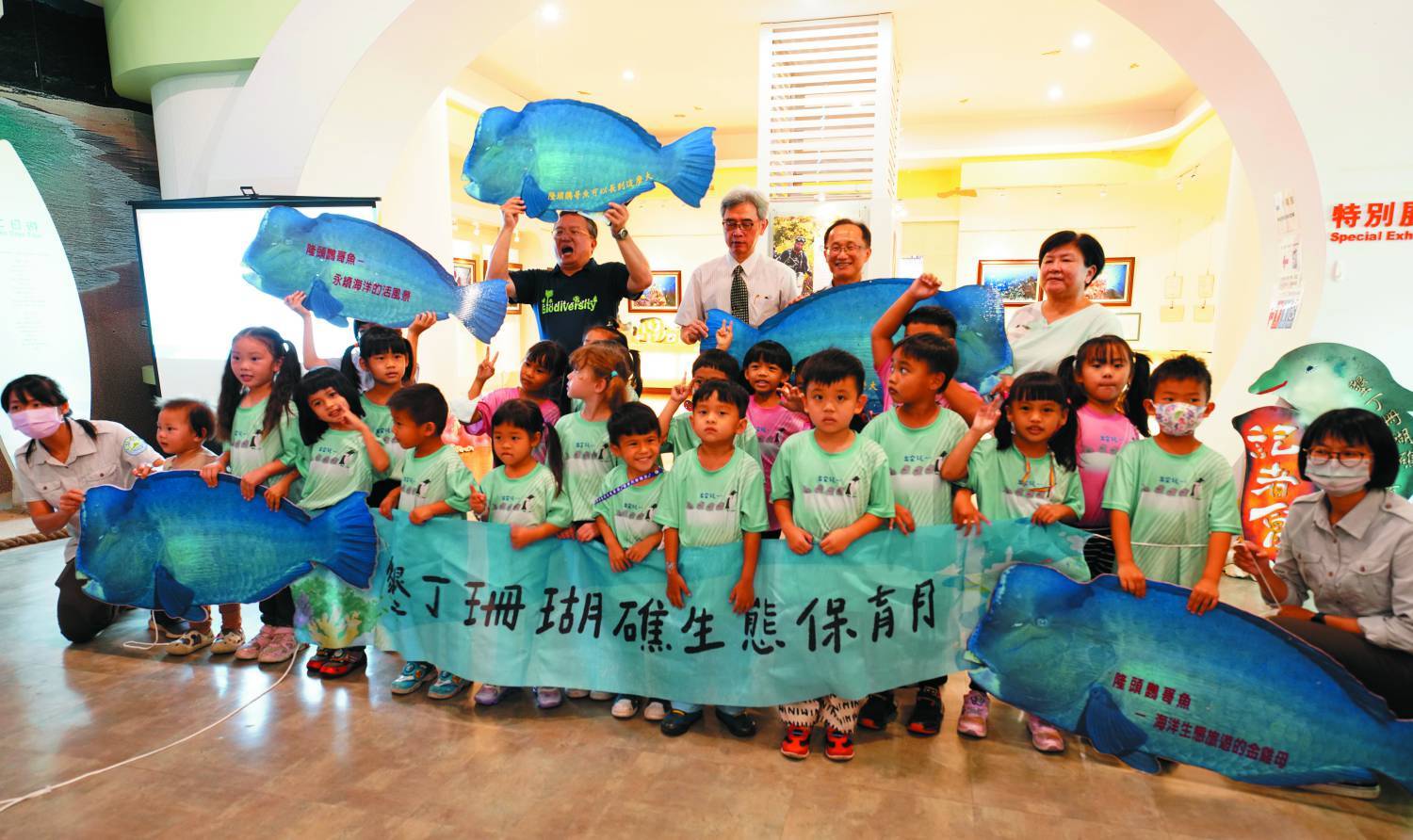
Inspiring a love for the ocean is at the heart of KNPH’s annual Kenting Coral Reef Ecology Conservation Month. This year’s theme, “Embrace Kenting’s Coral and Sea”, brought together public and private partners to host a wide array of engaging educational events, including a Coral Glow Symphony Concert, a marine-themed market, an ocean cleanup, and a citizen science exhibition. All of these activities aimed to promote ocean conservation and environmental awareness.
“This year marks the first time we’ve extended the program beyond the park to Kaohsiung,” said Chen. “In the past, everything was held within Kenting National Park, which made it harder for urban residents to attend.”
At the event, visitors had a chance to interact with coral specimens, seagrass seedlings, and 3D-printed coral models. They also experienced how NMMBA’s divers work underwater. By transporting the stillness of the sea into the bustling city, the event connected people with the ocean, giving them an opportunity to know it, appreciate it, and be inspired to protect it.
Where Do Purple Crow Butterflies Come From?
As corals begin to spawn, swarms of purple crow butterflies flutter across Provincial Highway 26 near South Bay. Alert community butterfly monitors quickly report sightings in their group chats. This year’s rainy winter encouraged early leaf growth on Malaisia scandens, a key larval host plant, as early as February. By early March, monitors in Manzhou Township had already recorded purple crow butterfly larvae in the area.
Back in the summer of 2021, a massive emergence of newly metamorphosed purple crow butterflies took flight, resulting in widespread roadkill incidents. The spectacle made headlines and raised public concern.
“This kind of large-scale emergence was something we had never seen before, and we felt it was important to investigate,” recalled Hsieh Kuei- Chen, a researcher at the Conservation and Research Section of KNPH.
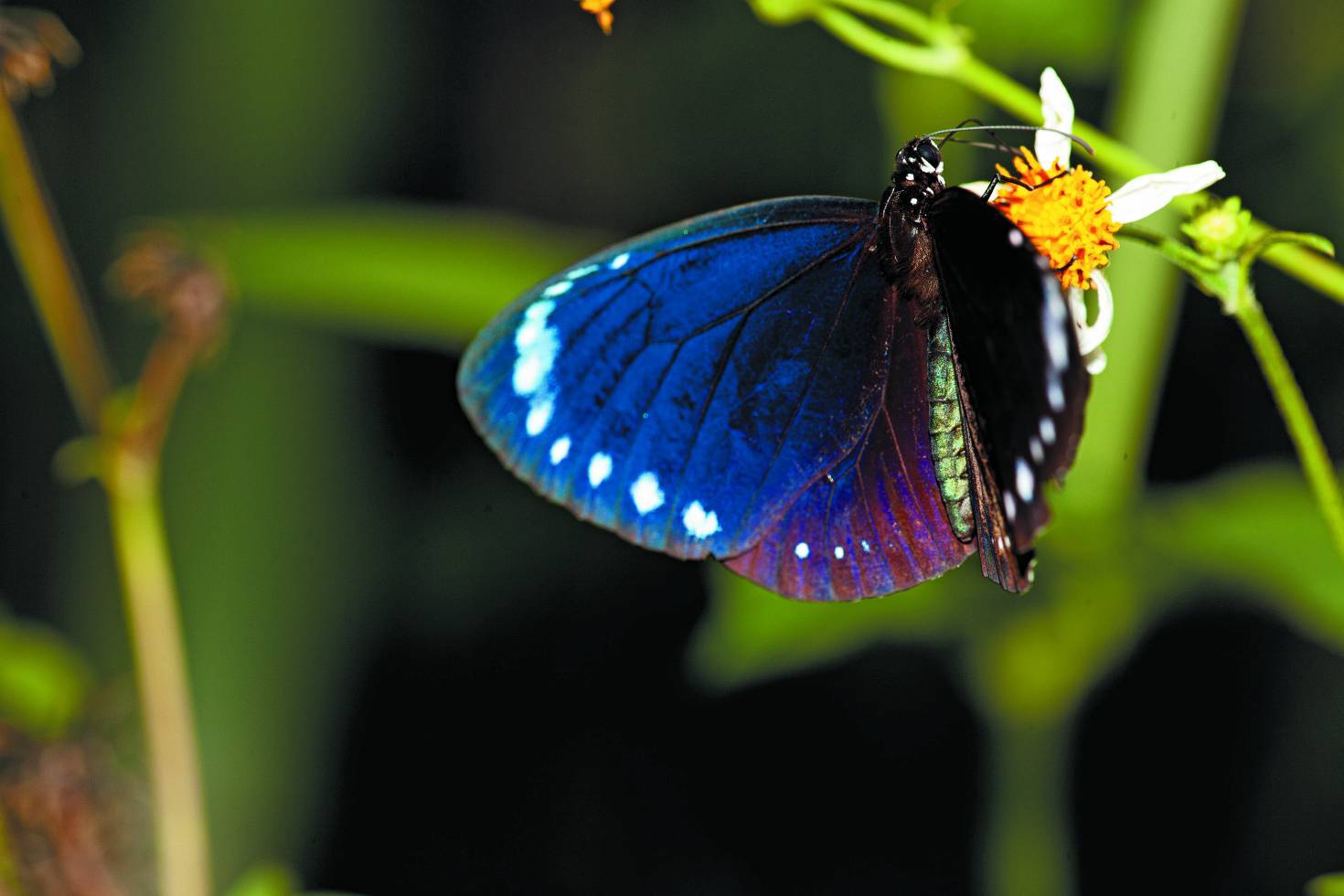
To better understand the phenomenon, the Headquarters commissioned filmmaker Chan Chia-Lung to conduct a survey of the four known Euploea species in the park: Dwarf Crow (Euploea tulliolus koxinga Fruhstorfer), Blue-branded King Crow (Euploea eunice hobsoni Butler), Double-branded Blue Crow (Euploea sylvester swinhoei Wallace & Moore), and Striped Blue Crow (Euploea mulciber barsine Fruhstorfer). The research aimed to clarify species composition, larval breeding grounds, migration paths, and the possible presence of overwintering butterfly valleys within the park.
According to Chan’s findings, many of the roadkilled butterflies were likely part of the peak emergence in May and June, flying out from the mountains around Maanshan Nuclear Power Plant. At its height, over 1,200 butterflies per minute were estimated.
“We noticed that the dead butterflies had pristine wings, indicating that they had just emerged. That led us to suspect a nearby breeding ground in South Bay,” said Hsieh. “Sure enough, when we surveyed the grounds of Maanshan Nuclear Power Plant, we found a large number of Malaisia scandens growing on the mountain.”
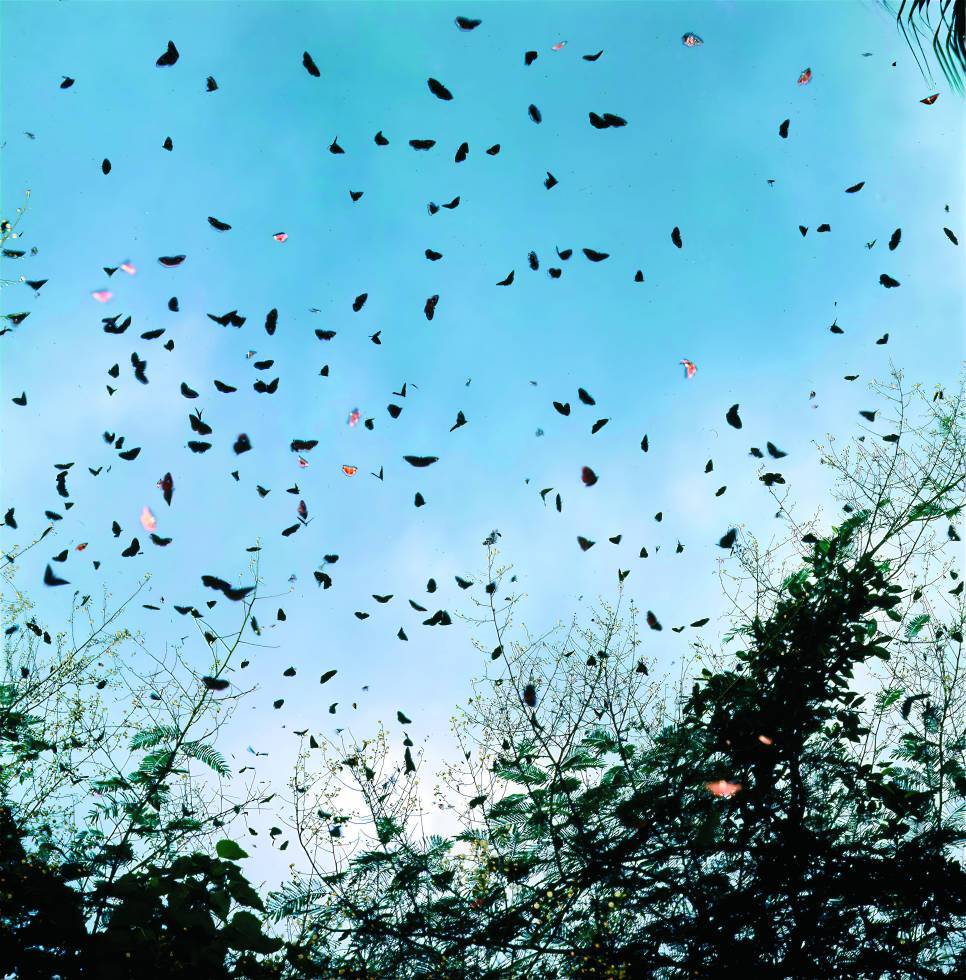
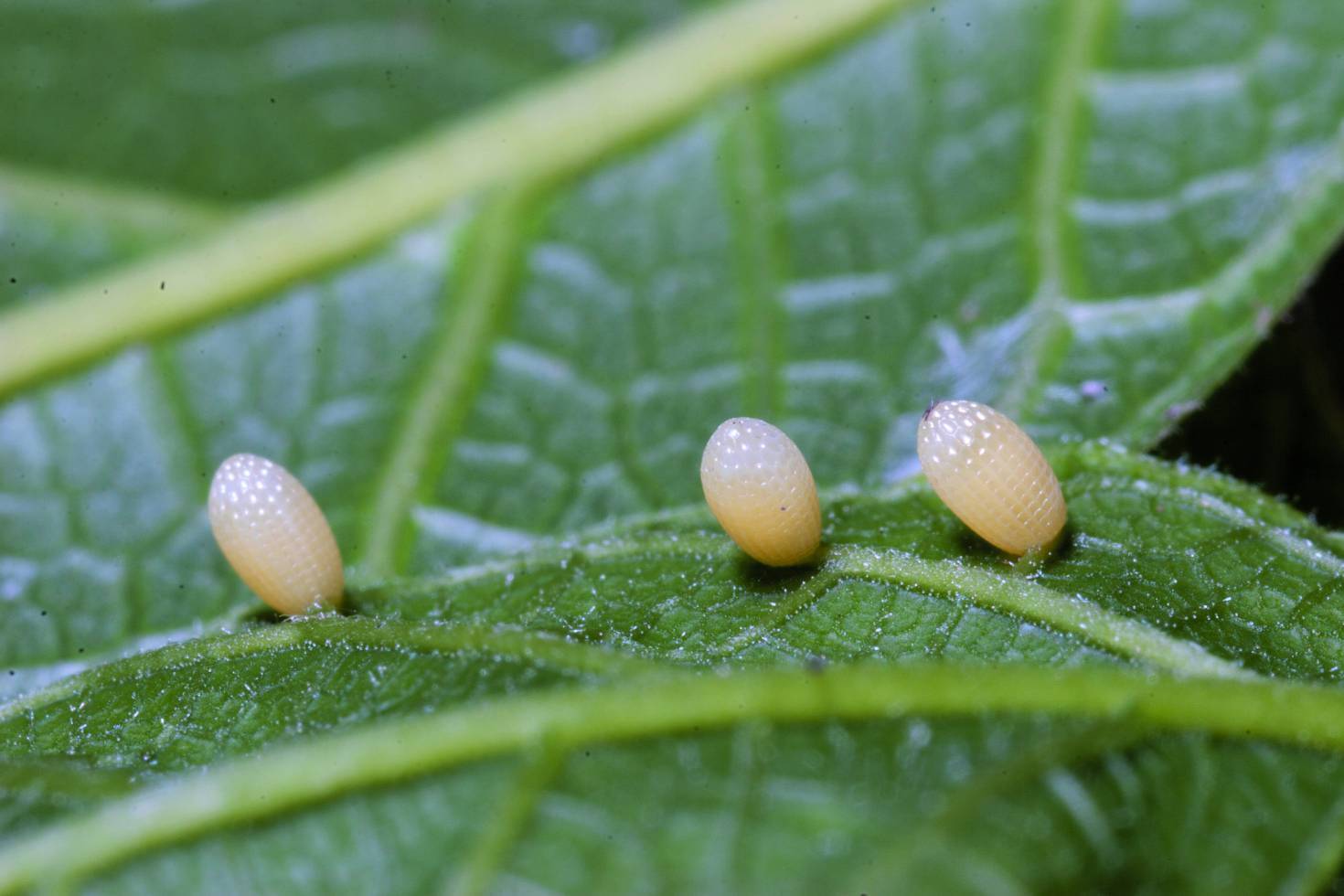
Malaisia scandens provides an abundant food source for the larvae of Dwarf Crow, making the area an ideal breeding habitat. Plant workers shared stories of years when the butterflies emerged en masse—so dense they seemed to darken the sky. “They compared it to a galaxy of stars,” Hsieh recalled.
Protecting the Flight of Butterflies Across the Highway
The image of purple crow butterflies taking flight from Maanshan is dreamlike, but where do they come from, and where are they going? Many mysteries remain unsolved. According to Hsieh, the spectacular migrations of purple crow butterflies occur only when certain ecological conditions align. If the season brings sufficient rainfall, Malaisia scandens—their larval host plant—will sprout tender new leaves, which may encourage migrating female butterflies to lay eggs in the area.
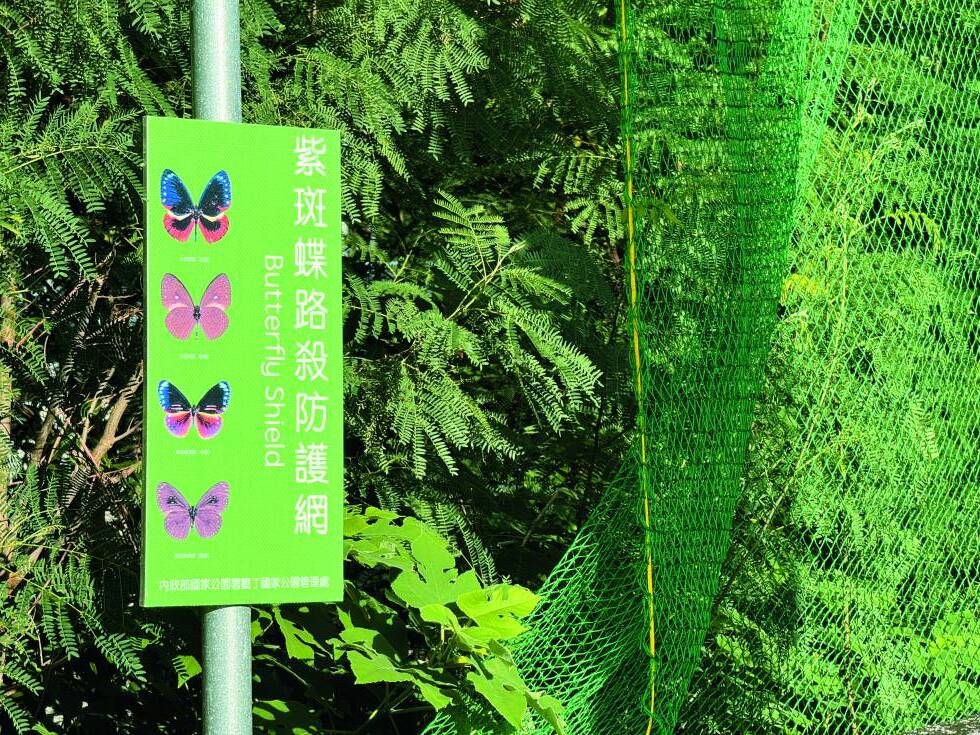
However, once the butterflies emerge and take off from Maanshan, they face a major hazard: roads. If their flight altitude is too low, many are killed by passing vehicles.
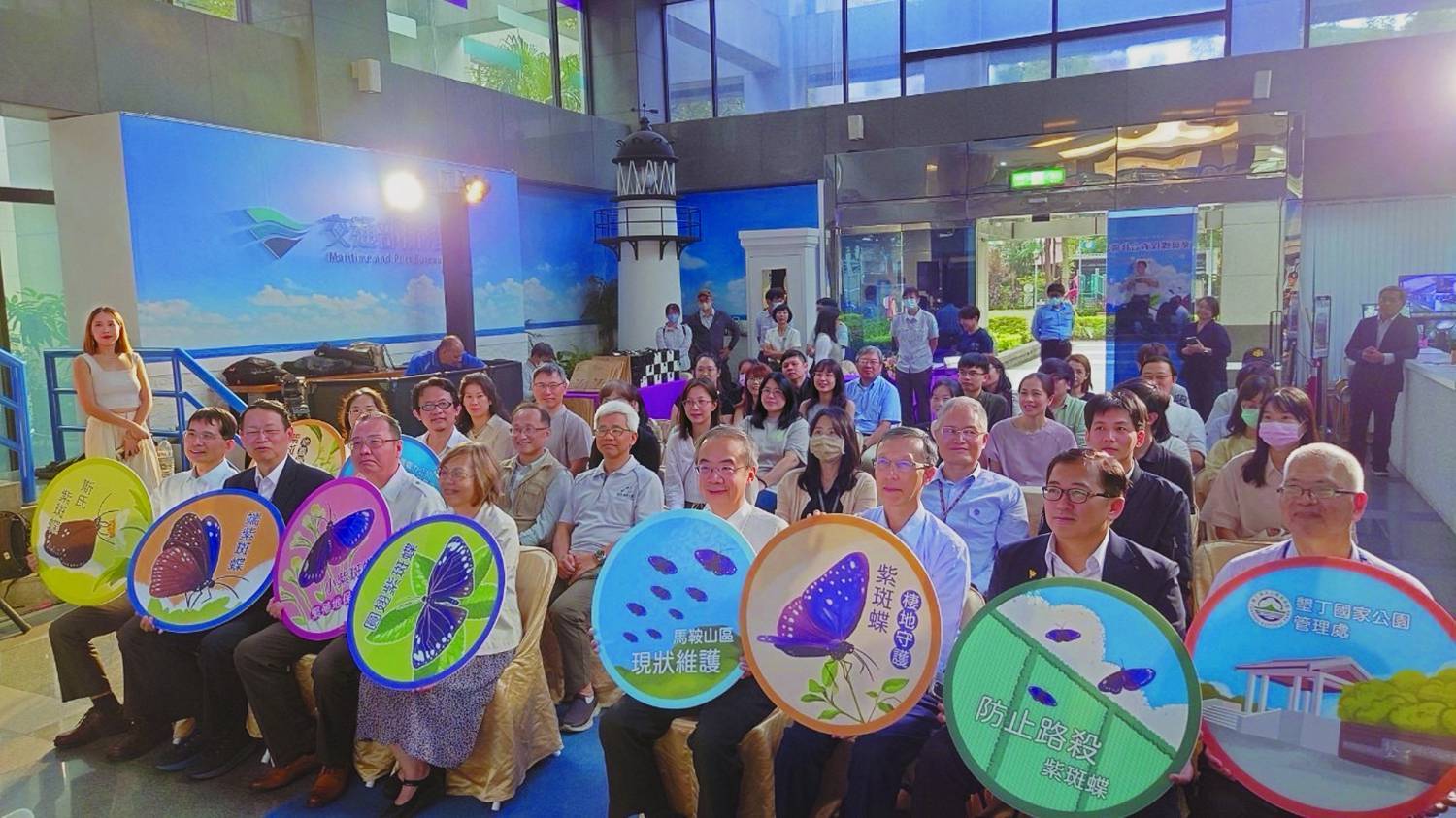
To address this, in late 2024, KNPH and Maanshan Nuclear Power Plant signed a Memorandum of Understanding for the conservation of purple crow butterflies. As part of the agreement, the number of larvae within Maanshan will be regularly monitored, and a 4.5-meter-high, 130-meter-long butterfly protection net will be installed along the South Bay section of Provincial Highway 26 to guide butterflies to fly at a safer height.
This conservation initiative goes beyond the boundaries of Kenting National Park and extends into the surrounding area of Maanshan Nuclear Power Plant. This aligns with the international conservation principle of OECMs and the goals of the Kunming-Montreal Global Biodiversity Framework, which aims to protect 30% of the world’s land and ocean by 2030.
Although many questions about purple crow butterflies remain to be explored, protecting breeding habitats is a tangible step that can be taken now. Hsieh explained, “Maanshan clearly has the potential to serve as a breeding site for purple crow butterflies. They may not come here to lay eggs in large numbers every year, but by preserving this patch of habitat, we’re giving them a chance. If the timing and weather conditions are right, they’ll return and use it.”
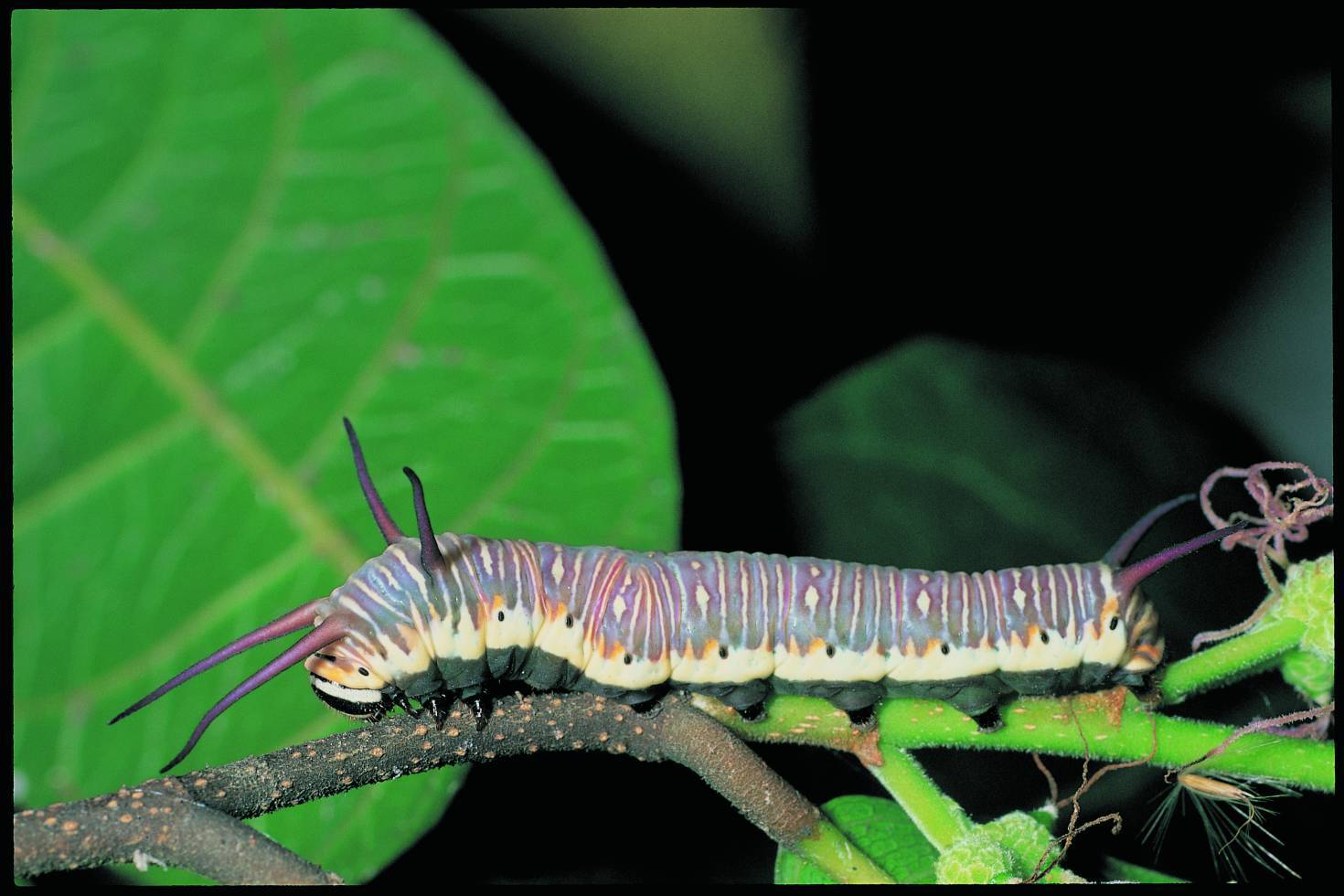
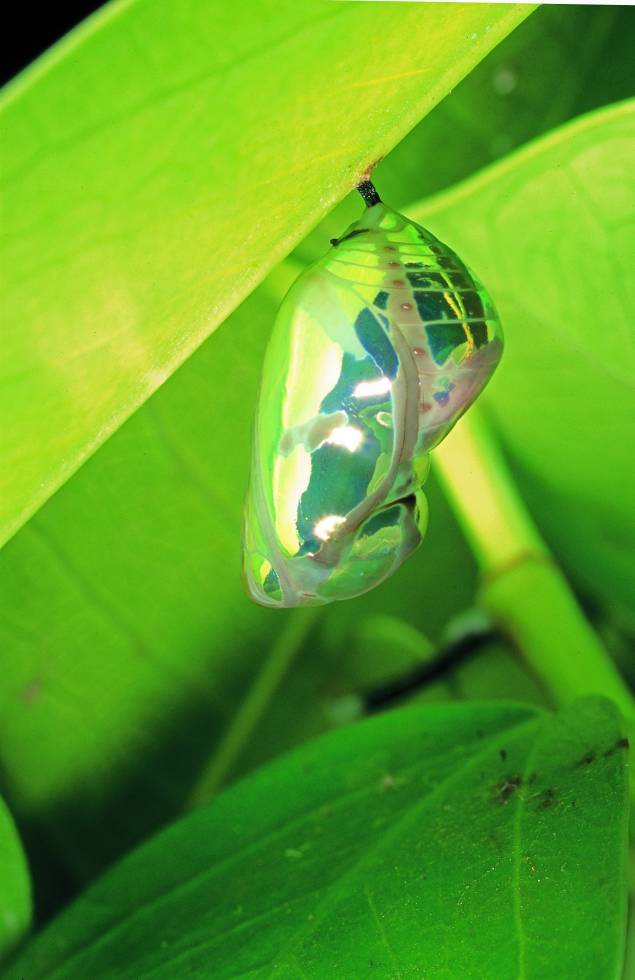
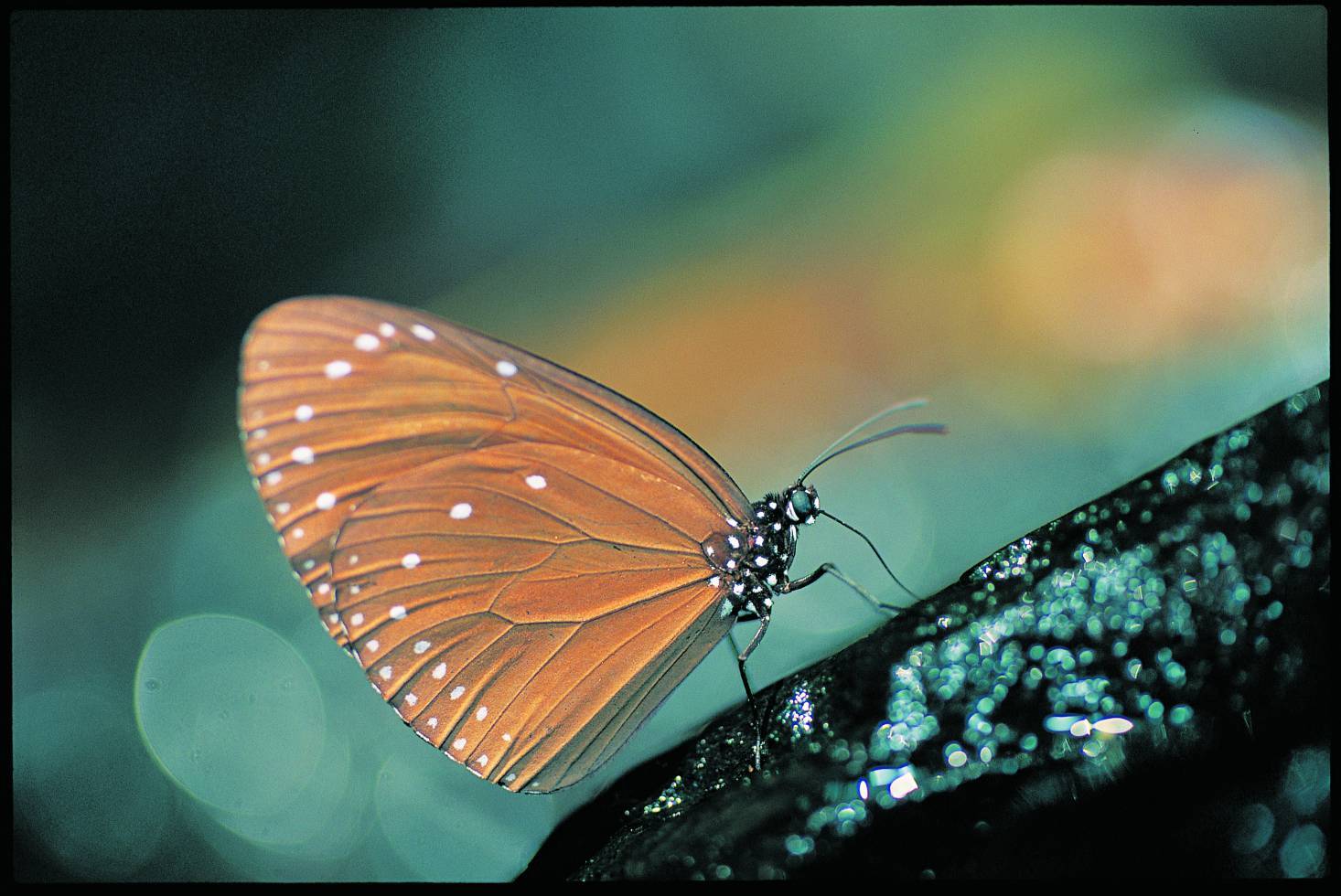
Life Cycle of a Purple Crow Butterflies / Photo by Chan Chia-Lung
Communities Safeguarding the Graceful Flight of Butterflies
Protecting purple crow butterflies requires the collective efforts of all. KNPH continues to collaborate with local communities in Sheding, Lide, Jiupeng, and Manzhou to implement cross-community conservation initiatives, including population monitoring and migration surveys of Euploea species.
“Through investigations of host plants, we have learned that the larvae of Dwarf Crow feed on Malaisia scandens, whereas the larvae of Double- branded Blue Crow consume Morinda umbellata L. Communities with trails or mountain areas where these two host plants are found have been asked to assist in monitoring. Additionally, inter-community symposiums have been held to foster information sharing and mutual learning,” said Hsieh.
Hsieh noted that local community members serve as the eyes and ears on the ground, playing a vital role in observing butterfly migrations. “These residents live and work locally. As they travel through the area daily, they stop to count butterflies when they spot them and report their observations in group chats. For example, people from Chuhuo and Jiupeng regularly report the number of butterflies passing per minute and for how many consecutive minutes. Others reported sightings of butterflies flying across the Alangyi Historic Trail, which helps us estimate their current location and migration trajectory.”
Biological surveys of natural species dynamics require long-term data accumulation. After 3 years of continuous monitoring, several patterns have emerged. One sampling site along the Man-Cha Historic Trail recorded the second-highest density of Euploea larvae after that of Maanshan. Furthermore, last year, observers noted a substantial decrease in roadkill incidents involving purple crow butterflies, with the number returning roughly to previous levels. “Monitoring will continue this year. KNPH has also commissioned academic institutions to better understand the phylogenetic relationships among Euploea populations on the Hengchun Peninsula,” said Hsieh.
In addition to expanding monitoring data, cross-community conservation focuses on strengthening local conservation capacity. For example, community members in Lide once discovered the sudden disappearance of butterfly larvae in a particular area. Upon investigation, they found that pesticides had been sprayed in the vicinity. They initiated discussions with the village chief and proactively assisted in weeding through eco-friendly methods. “Now, community partners take the initiative to protect the larval breeding sites themselves!” said Hsieh.
Transforming Agricultural Practices to Build Sustainable Satoyama Landscapes
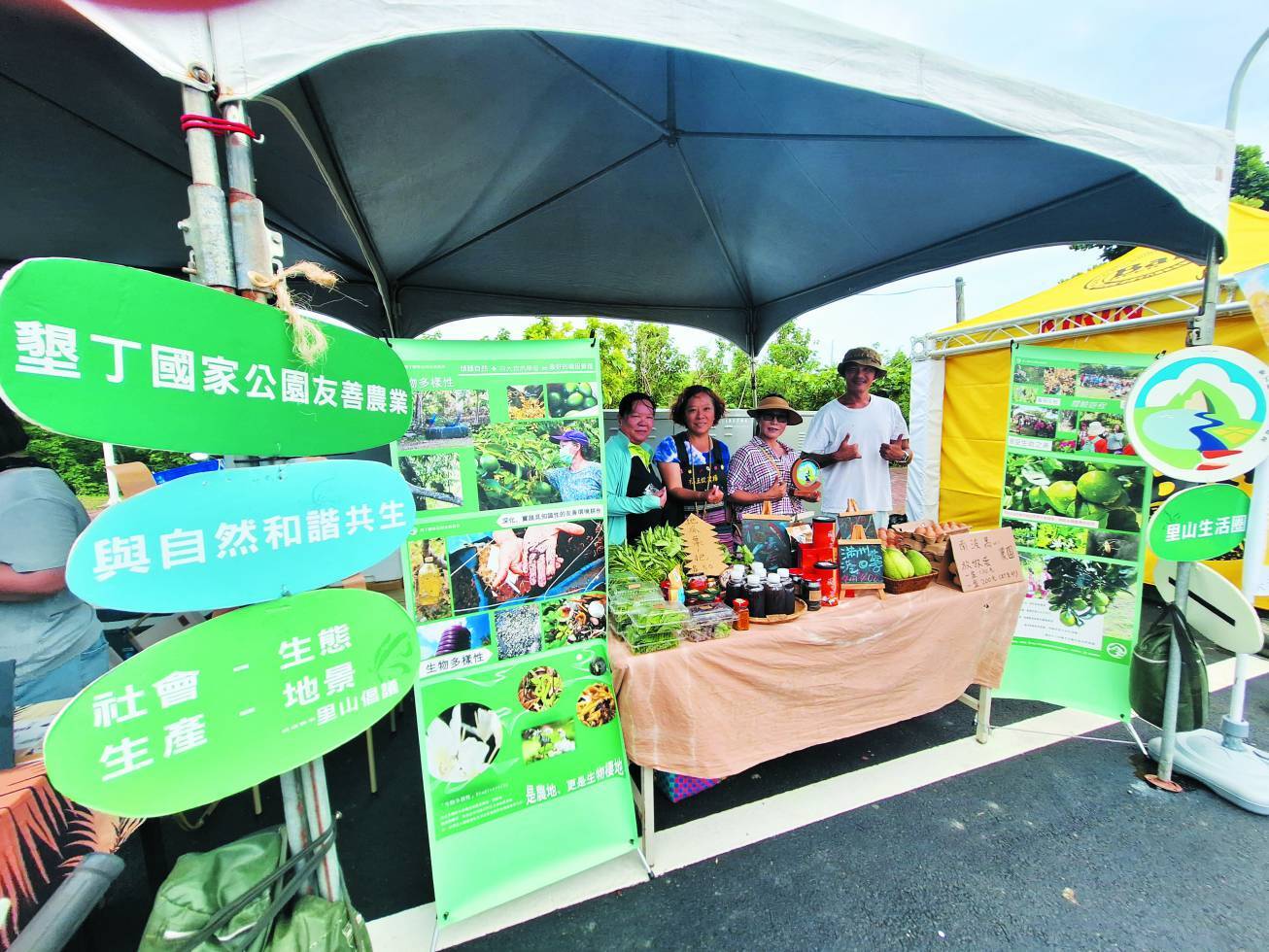
From ocean to land, biodiversity and humanity are intricately connected. The survival threats facing coral reefs and Euploea butterflies signal broader environmental challenges that also impact humans. Yet within Kenting National Park, a group of smallholder farmers has chosen to live in harmony with nature. By shifting toward environmentally friendly agricultural practices and treating the land with care, they are reaping nature’s generous rewards: The rainbow carrots, Japanese sweet onions, pickled radishes, tomatoes, and fresh eggs sold at farmers’ markets are all gifts from the land. This transformation is part of the Friendly Agriculture Promotion Program, a long-running initiative led by KNPH. Originating in Manzhou Township, the program has now extended to Hengchun Township and Checheng Township.
Hsieh, who has accompanied farmers throughout this journey, jokingly describes herself as an outsider to agriculture. After all, Conservation and Research Section might seem unrelated to farming at first glance. “But in reality, friendly agriculture and conservation are deeply interconnected. The Aichi Biodiversity Targets and the Kunming-Montreal Global Biodiversity Framework both emphasize sustainable production and the protection of biodiversity. ‘Living in harmony with nature’ is precisely the vision that guides our promotion of eco-friendly agriculture.”
Within Kenting National Park, nearly 2,000 hectares of land are designated for agriculture. In the past, some farmers had shown interest in organic and natural farming methods, but lacked information on how to apply for related certifications. To address this need, KNPH reached out to these farmers through collaboration with Pinnan Community College, the Sisal Garden Community and Cultural Development Association, and local farmers’ associations. The initiative began in Manzhou Township, which hosts the largest area of farmland. During the first information session on friendly agriculture, one farmer said to Hsieh, “You’ve finally seen us!” This simple statement revealed years of anticipation and the community’s desire for recognition and support.
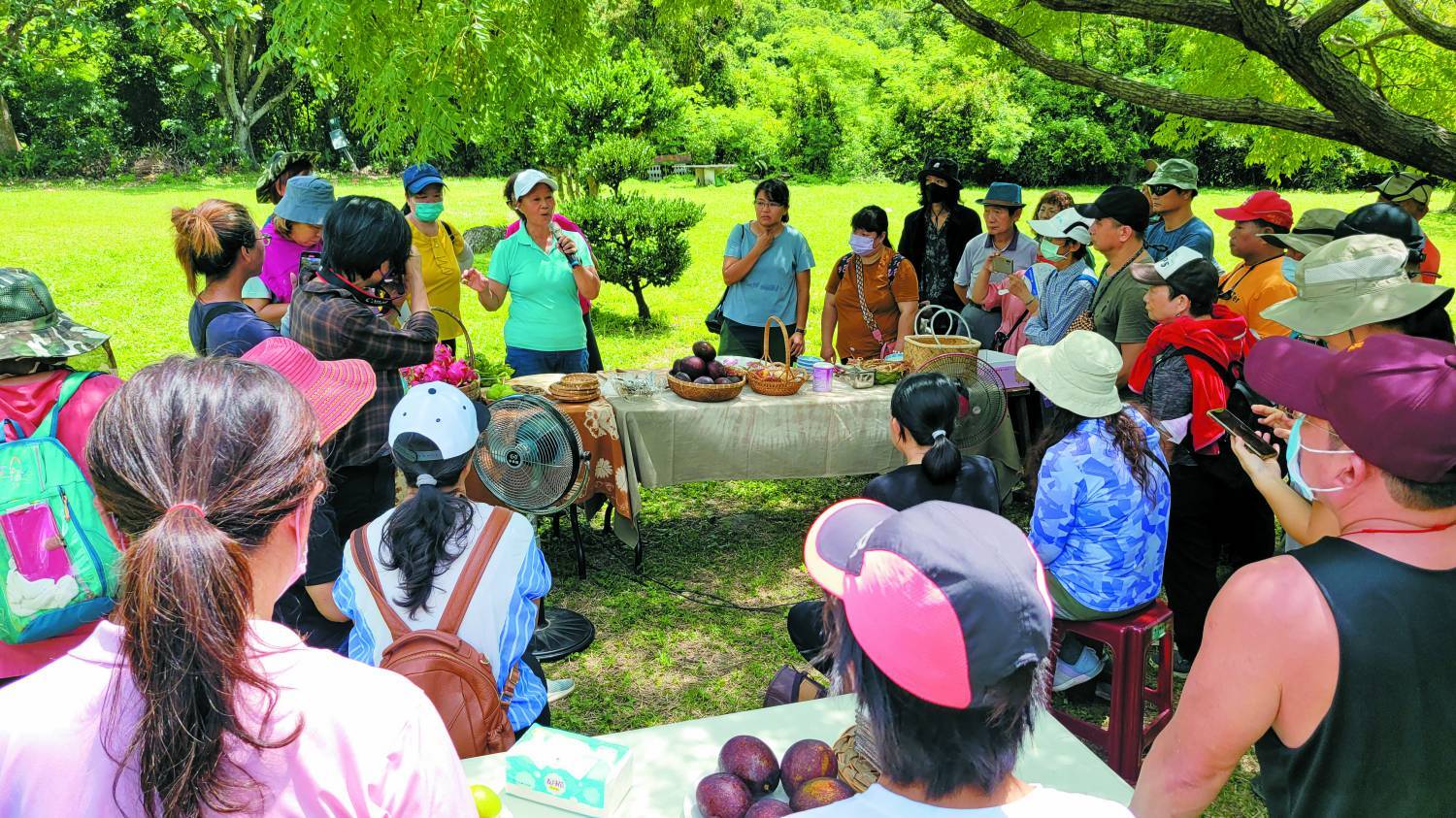
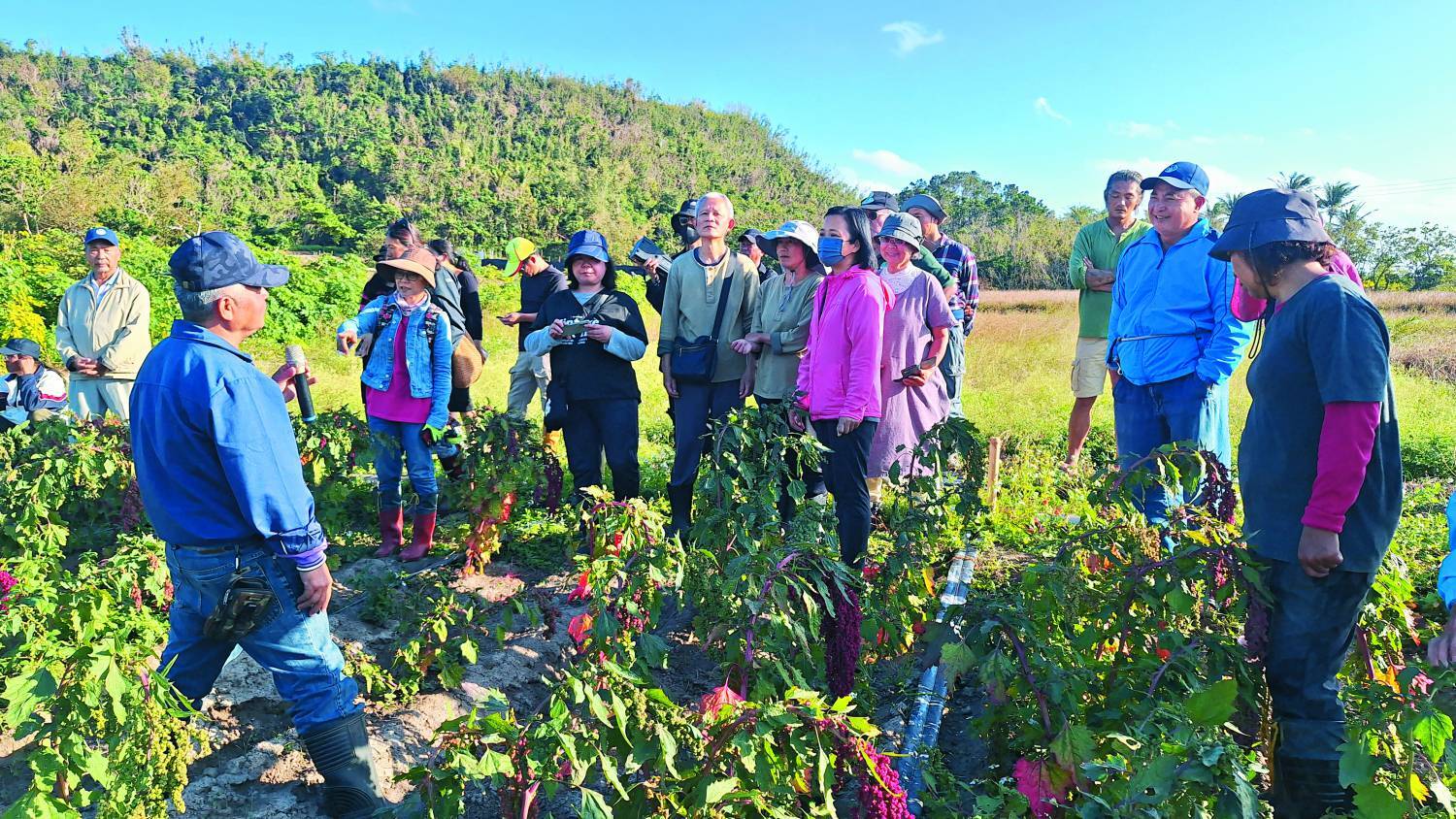
Hsieh noted that the farmers were eager to participate in training courses covering agricultural knowledge, ecological conservation, and more recently, how to use iNaturalist for biodiversity documentation on their own farmlands. The Headquarters also supports farmers in applying for certifications such as the Traceable Agricultural Product (TAP) label, Organic Transition, and Organic Certification, helping them navigate these processes and removing the burden of figuring it out alone. To date, over dozens of farmers have successfully obtained official agricultural certification with this support.
“These farmers have the heart,” said Hsieh, “they just need the resources and a path to follow. Once they know how, they’re incredibly capable at making it happen!”
Let’s Go to the Farmers’ Market!
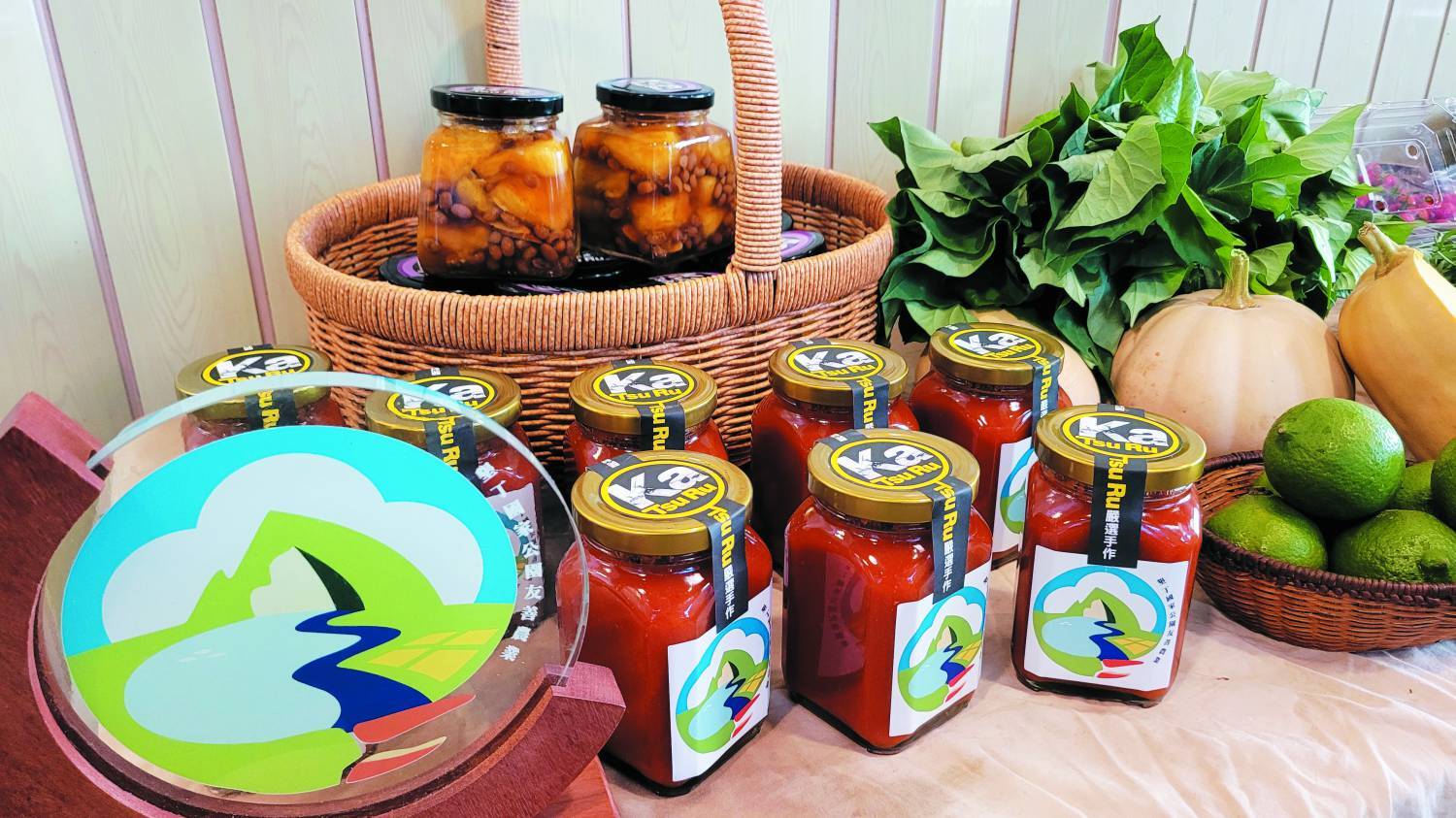
In 2021, the KNPH introduced the Kenting National Park Friendly Agriculture Label. Farmers are eligible to apply for this label if they meet the following criteria: possess Organic Certification, Friendly Farming Certification, and/or IFOAM Organic Guarantee; complete over 30 hours of relevant training; commit to long-term biodiversity monitoring on their farmland; and sign the Pledge to Promote Environmentally Friendly Agriculture. Agricultural products bearing the Kenting National Park Friendly Agriculture Label serve as endorsements of a healthy ecological environment and provide consumers with a guarantee of safety and quality. To date, 17 farmers have received certification under this program.
While farmers focus on cultivating the land and crops with care, the Headquarters actively supports the expansion of both online and offline sales channels. These include LINE and Facebook ordering systems, as well as partnerships with 13 local restaurants to realize the farm-to-table concept and promote local sourcing. Tourists can purchase certified products at farmers’ associations in Manzhou, Hengchun, and Checheng. Additionally, events such as the Jonkea Raptors Festival and activities held at the National Museum of Marine Biology and Aquarium also serve as valuable opportunities for smallholders to sell their goods directly.
Due to strong winds and intense sunlight in the Hengchun Peninsula, leafy vegetables were rarely cultivated in the past. To meet the growing demand from local restaurants, farmers have begun exploring sustainable methods for cultivating salad greens. These include installing simple netted enclosures and trellises to create semi-shaded environments, as well as tying bells around their fields to deter Formosan sika deer.
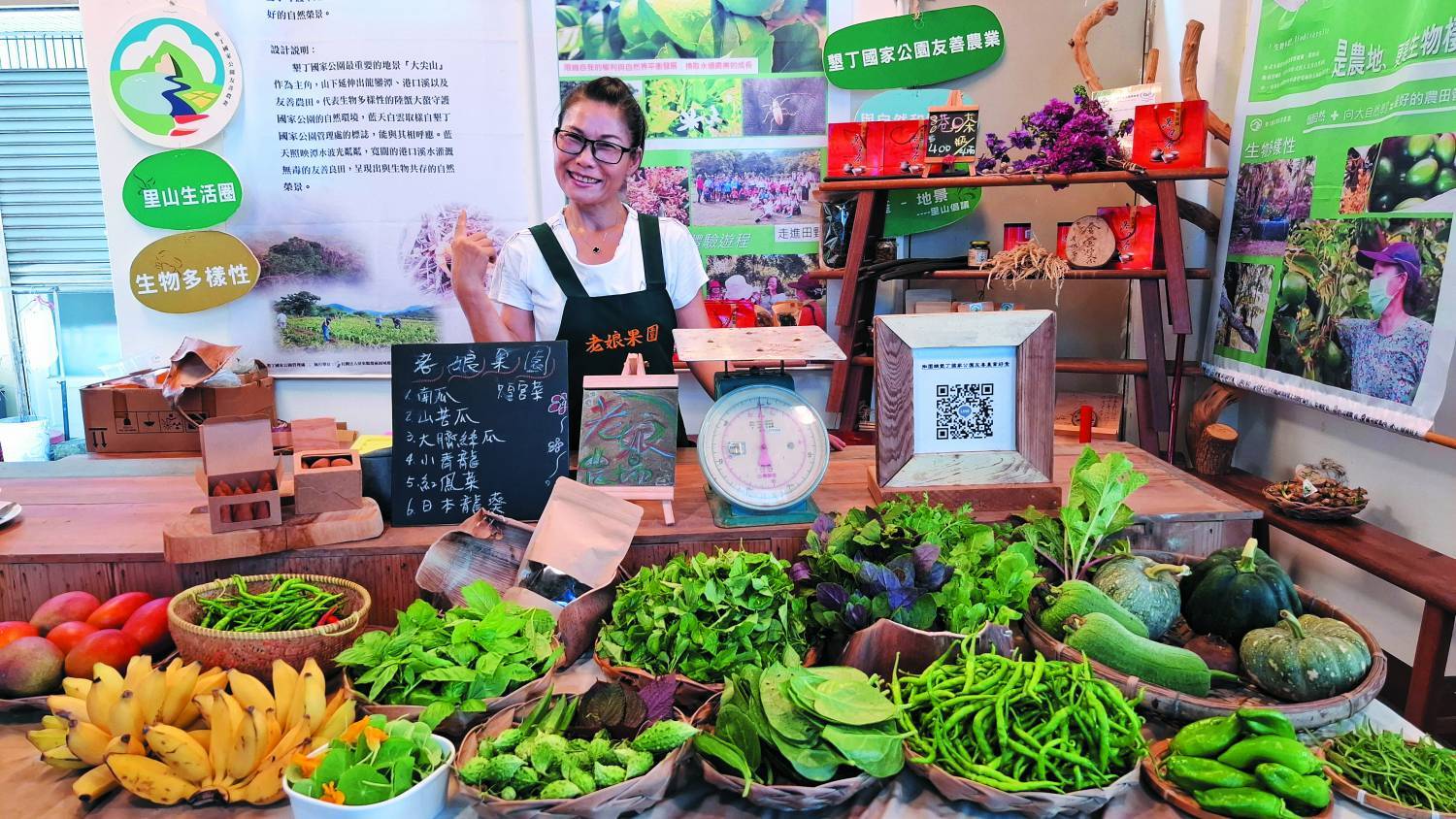
Since 2023, the Small Farmers’ Market located inside the Hengchun Cultural and Creative Industries Market Hall has become a highlight of the Friendly Agriculture Program. Every Saturday at 8:30 a.m., farmers set up stalls with freshly harvested produce. More than just a marketplace, this is a place where customers can directly ask farmers about authentic local cooking methods. The market is also entirely plastic-free, encouraging visitors to bring their own reusable bags.
Hsieh noted that having a regular sales venue not only increases the visibility of agricultural products but, more importantly, fosters a connection with the public. “Through the farmers’ market, people get to know Kenting National Park Headquarters. The produce sold here is cultivated in harmony with the land and backed by the KNPH’s endorsement.”
Through the program’s training courses, farmers are introduced to concepts such as ecological conservation and sustainable farming, and they put these principles into practice with their own hands. Each farmer is able to share their story with customers. As one farmer put it, “We’re not just selling vegetables—we’re selling ecology.”
Behind Every Farmer Stands a Piece of Land
Seeing the progress of the Friendly Agriculture Program brings Hsieh great comfort. Having grown up in a rural farming village, she deeply understands the beauty of transforming farmland into ecological habitat. One young farmer once shared, “At first, I felt this program cared more about the environment than about people.” But after a year and 90 days of practice, his mindset shifted. He later said, “The land always gives back more than we expect. With over 30 plant species coexisting peacefully, I no longer need to constantly tend them. Entering the field is no longer a full day of labor—it’s a therapeutic routine of cultivating, observing, and harvesting.”
What was once exhausting farmwork has become a source of healing—perhaps one of the unexpected joys of living in harmony with nature. “This farmer now sets up a stall at events, and instead of selling vegetables, he often uses the space to conduct food and farming education,” said Hsieh.
She acknowledged that farmers living within the national park have made sacrifices for the sake of conservation. “Through the Friendly Agricul- ture Program, we hope to support them—from not knowing what to do, to discovering what they can do, and gradually improving our mutual relationship. This program is deeply worthwhile, and I truly believe its implementation is of tremendous value.”
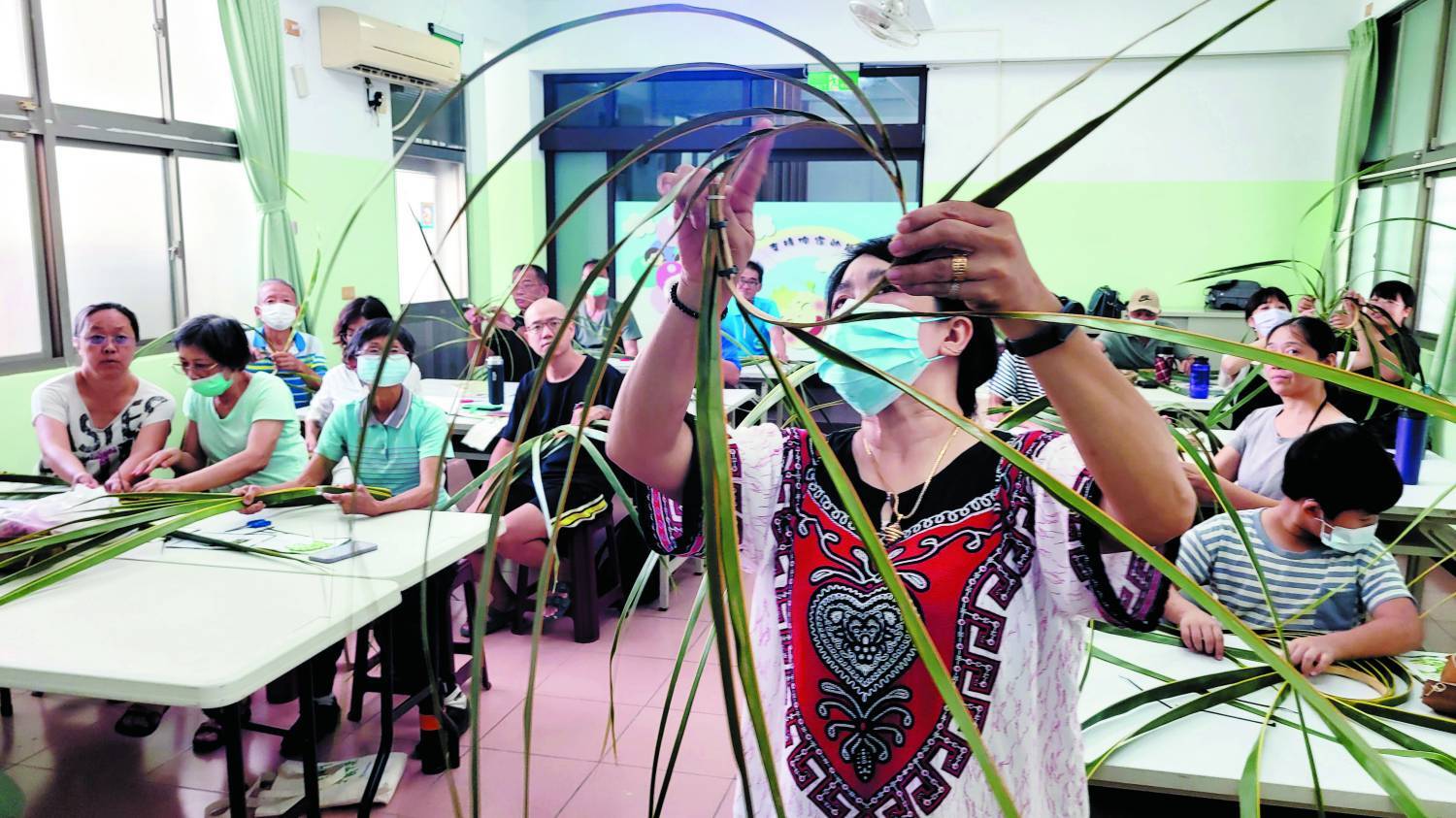
In addition to helping farmers increase their income and transform their farmlands, the program also aims to bring them a sense of personal fulfillment. Beyond engaging in eco-friendly agriculture, interested farmers are encouraged to participate in ecotourism and serve as food and farming education instructors. “The Kenting National Park Headquarters provides training for these instructors, especially young farmers, and then matches them with schools within the area to teach classes. They often do a better job than we do!” Hsieh exclaimed.
To date, more than ten farmers have become certified food and farming education instructors. Some visit schools to teach, while others provide on-site support. Witnessing the emergence of a cohesive farming community is something Hsieh never anticipated at the beginning of the program. “They have gone from working individually to forming a collective. Our group chat now has over 100 members who regularly exchange tools and share cultivation techniques. The sense of solidarity is truly inspiring.”
Behind each individual is not only a piece of land, but also a habitat. What is particularly encouraging is that interest in the program has spread beyond the boundaries of the park, with farmers outside the park expressing a desire to join. “Each additional piece of farmland under protection outside the park becomes a new foundation for conservation. We welcome them all—this spirit is fully aligned with the concept of OECMs.
At the southernmost tip of the island, behind every coral, every Euploea butterfly, and every patch of farmland lies the dedication of researchers, the hands of smallholder farmers, the strength of local communities, and even the choices made by each visitor. The breeze of Kenting carries the breath of both ocean and land. A healthy ecosystem has never been just about plants and animals. In seeking nature-based solutions, we are also quietly saving a bit of hope for our shared tomorrow. Inviting for all to become stewards of the habitat, to recognize the value of biodiversity, and to reconnect with the profound interdependence between humanity and all living things.