Formosan B.B. is Coming, Good Morni MIT, Caring for Black-faced Spoonbill… in recent years, we’ve been able to admire the beautiful forms of these rare animals in movie theatres, thanks to the efforts of countless people who’ve joined hands in conservation actions over the past two or three decades. However, the purpose of conservation goes beyond sustaining species, ecology, and the environment. Humans are also a part of ecology and the environment; so in reality, when we engage in conservation, we are also saving ourselves.
Without clean water, healthy soil, and stable ecosystems, humans cannot survive. Therefore, the 2030 Sustainable Development Goals (SDGs) include two goals related to protecting life below water and life on land. But how should we go about doing this? In March 2022, the United Nations Environment Programme (UNEP) convened the fifth session of the United Nations Environment Assembly (UNEA-5), where it indicated the importance that Nature-based Solutions (NbS) play in the global quest to achieve the SDGs.
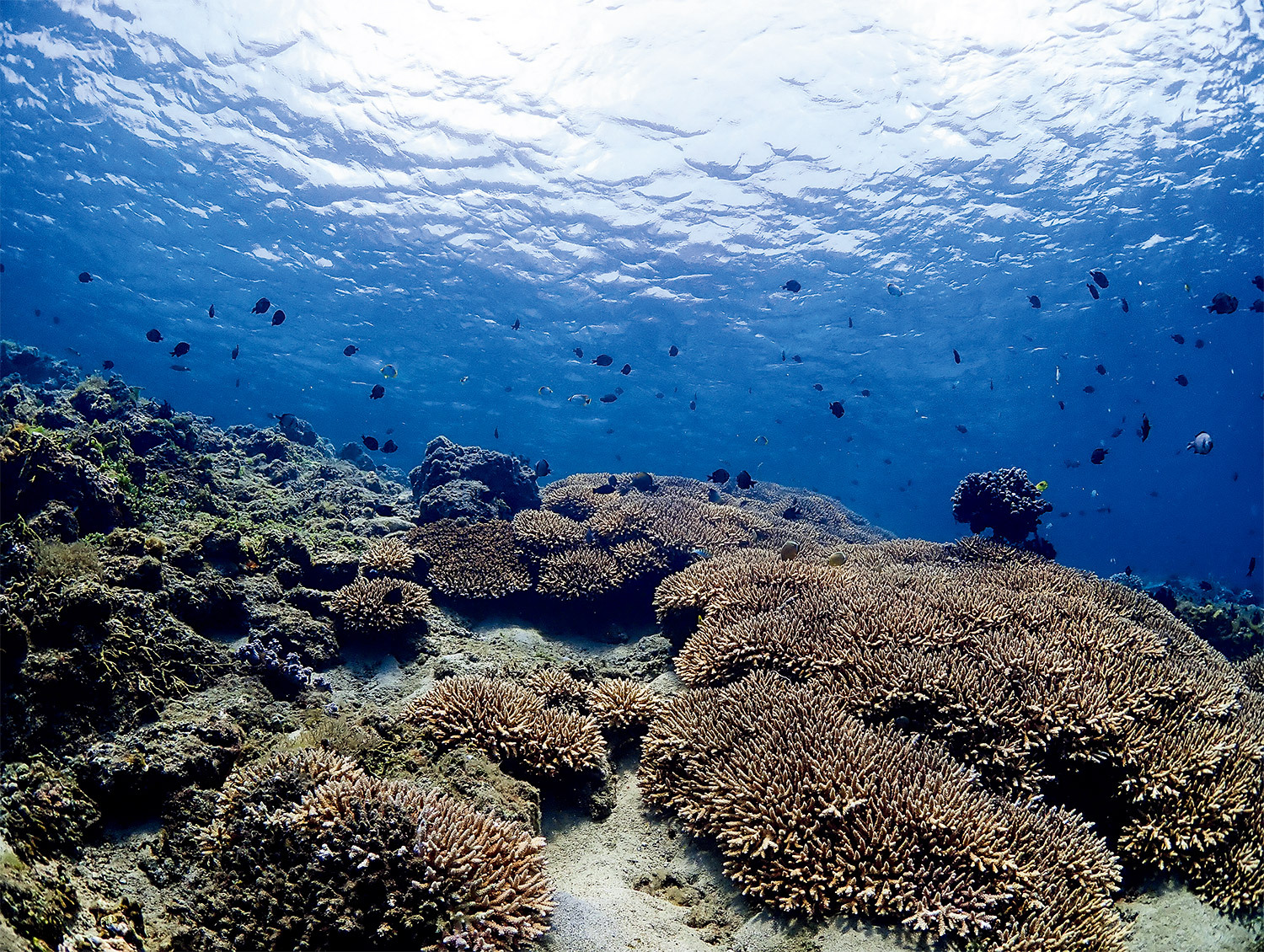
The UNEP emphasized that NbS are more than a tool for responding to challenges such as climate change, loss of biodiversity, land degradation, and food security—they also promote social and economic development and human health. This issue’s cover story gives an in-depth introduction to the philosophy behind NbS and provides several case studies. This issue also highlights how Kenting National Park collaborates with various organizations to practice coral reef and Euploea (purple crow butterfly) conservation and promote environmentally friendly agriculture and markets. By enabling more people to collectively participate in conservation actions, the dream of sustainability grows ever closer to becoming a reality.