Article / Chao Hsin-Ning
Photos / Yushan National Park Headquarters
Yushan is a place that many Taiwanese aspire to visit at least once in their lives. But behind the scenes on Taiwan’s highest peak, managing the national park is much more complex than one might expect. Over the past 40 years, Yushan National Park has quietly carried out its ongoing mission of warm and practical guardianship: from building and maintaining mountain trails, designing cabins, and managing the park entry permit system to conducting wildlife habitat surveys, fostering partnerships with Indigenous communities, and engaging in international conservation efforts.
This national park is neither a mere scenic destination nor an off-limits conservation zone. It embodies value-based decisions: How can we strike a balance between development and protection? How can we bring more people closer to the mountains and deepen their understanding of nature? Over the past 40 years, through thoughtful policies and sustained commitment, Yushan National Park has gradually built a protective network that extends from Taiwan’s forests to the global stage.
A skilled writer’s literary touch conveys the sense of happiness that wetlands bring—something money cannot buy. Yet, in reality, many people have limited knowledge of wetlands. Without them, the land would be parched and inhospitable to life, and human civilization could not thrive.
To clarify the origins and significance of Taiwan’s wetlands, Distinguished Professor Wei-Ta, Fang of the Graduate Institute of Sustainability Management and Environmental Education at National Taiwan Normal University dedicated 30 years to completing his book, Chronicles of Taiwan’s Wetlands.
In the early morning hours, a cluster of hikers bundled in down jackets and illuminated by headlamps gathers on the stone steps outside Paiyun Lodge. They stretch, adjust their packs, and prepare to summit Taiwan’s highest peak and greet the sunrise. None of them realize that the unassuming mountain trail is the result of a thoughtful and challenging design process.
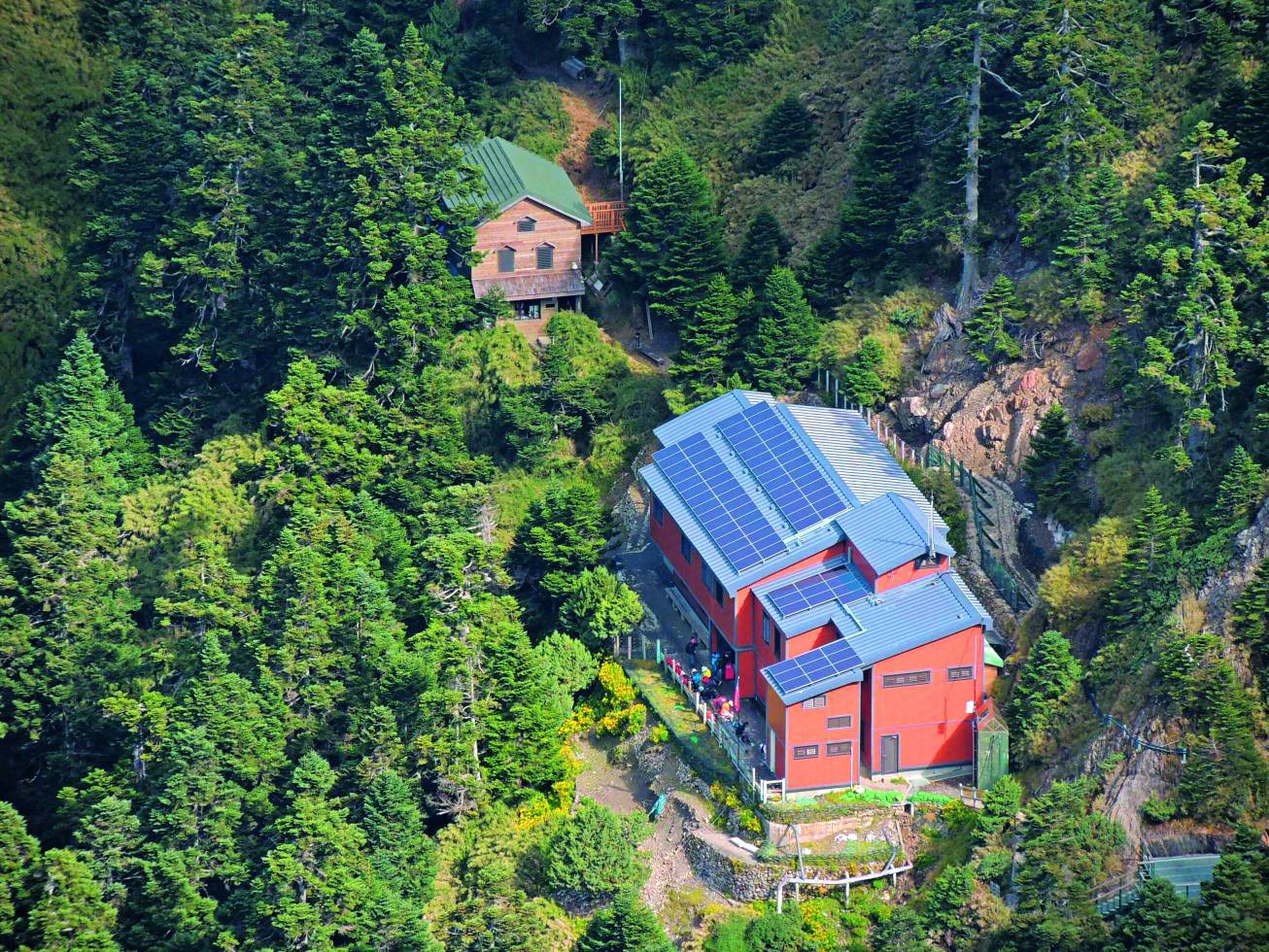
“We wanted to ensure that wheelchair users could reach the lodge rooms on their own, so we minimized the slope and replaced the surface with non-slip materials. It wasn’t easy, but it had to be done,” said Lu Shu-Fei, Director of Yushan National Park Headquarters (YNPH). Such adjustments may appear as a few degrees on a blueprint or a line item on a material list, but to the Headquarters, they reflect a deeper prioritization of values.
Although the visible grandeur of nature is undoubtedly captivating, the true essence of a national park’s stewardship is revealed through the unseen but deliberately executed details. Lu emphasized that the value of a national park lies not only in its rare and precious ecosystems but also in the sanctity and opportunities it provides for humans to coexist with the mountains. Conservation is not about exclusion; it’s about guiding people toward more mindful and responsible use.
The Wisest Decisions Keep Nature Whole
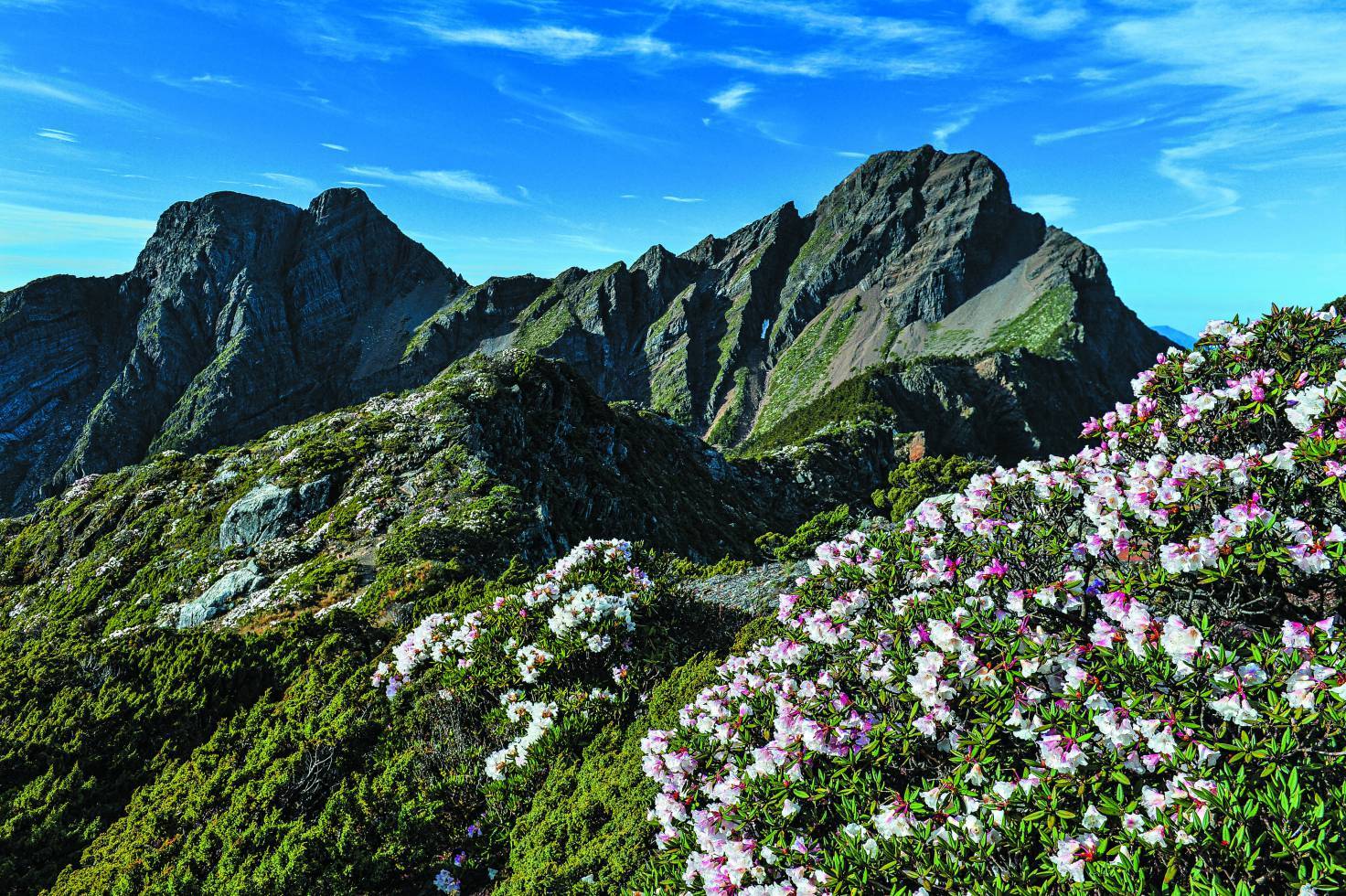
This year marks the 40th anniversary of Yushan National Park. Its founding was never simply about drawing boundaries on a map, but about making sustainable choices amidst pressure to develop and evolving social needs. Back then, YNPH halted plans to extend the New Central Cross-Island Highway from Yuli to Yushan and blocked mining development in the Walami area. These decisions may not have made headlines, but they preserved critical space for what would become one of Taiwan’s most intact alpine ecosystems.
“The untouched forests that we see today are the result of a long chain of decisions made decades ago,” said Lu. Over the past 40 years, such decisions have continued: how to lay out a trail, whether to renovate a cabin, setting the principles for adjusting the park entry permit system. These may appear to be bureaucratic details, but they reflect a hierarchy of values.
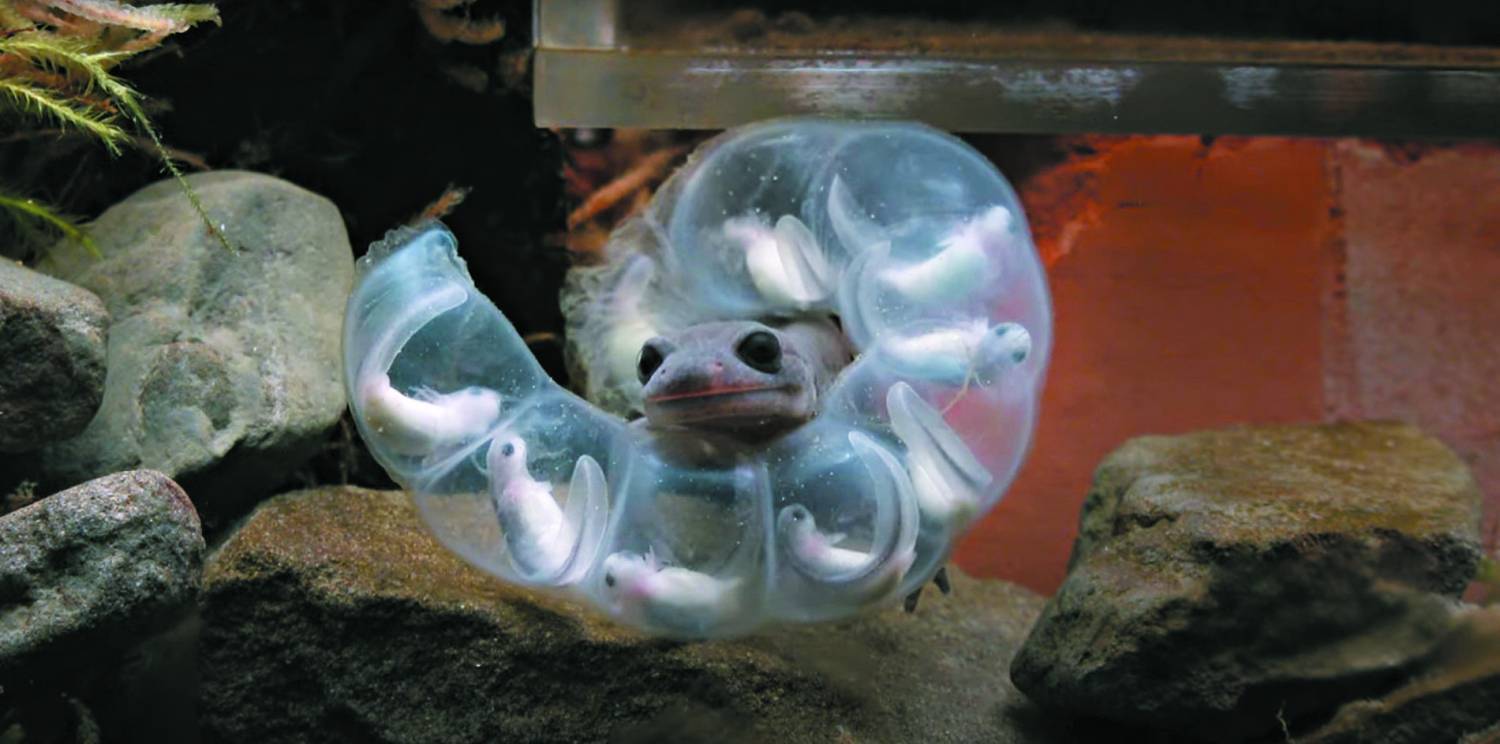
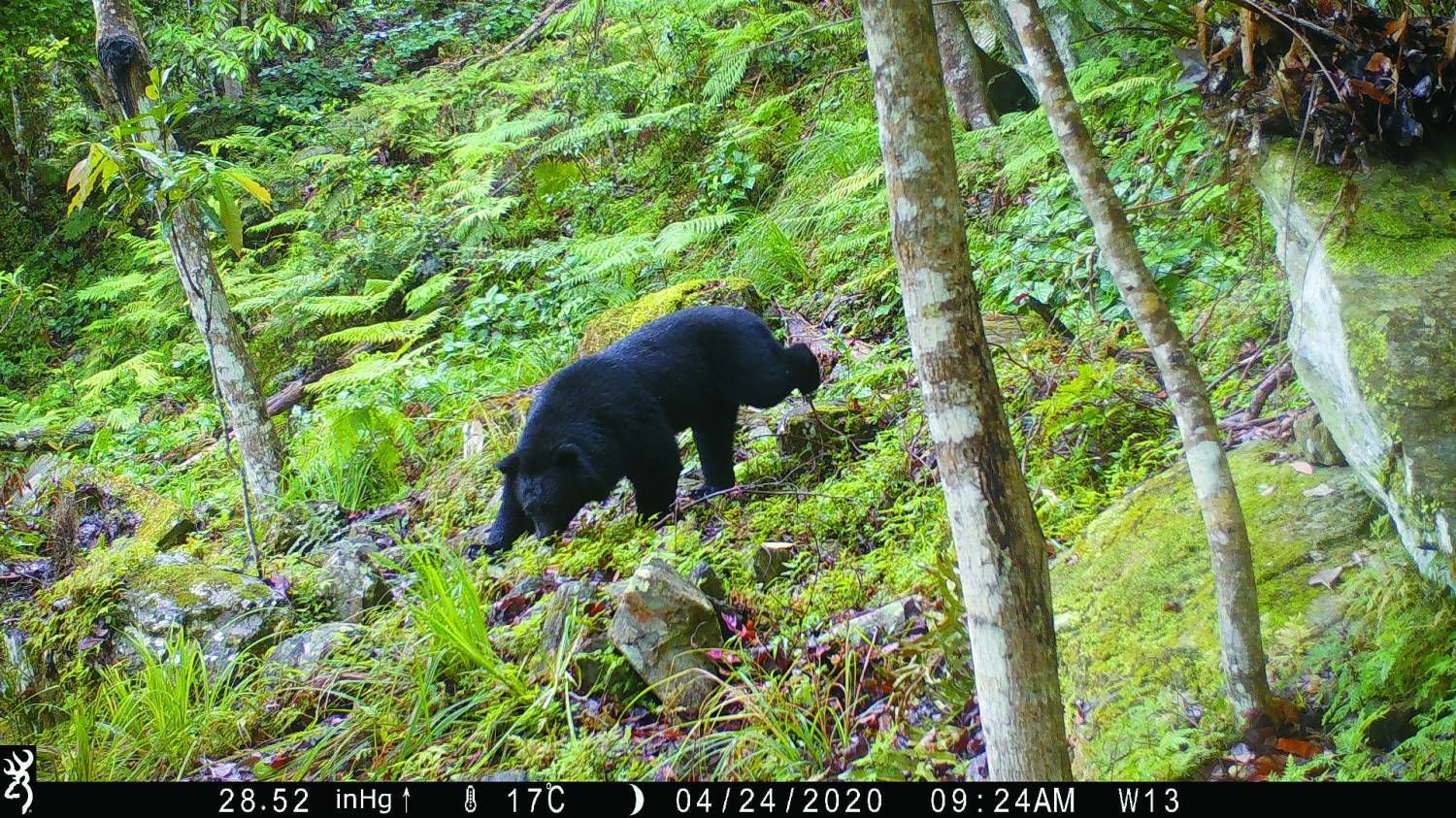
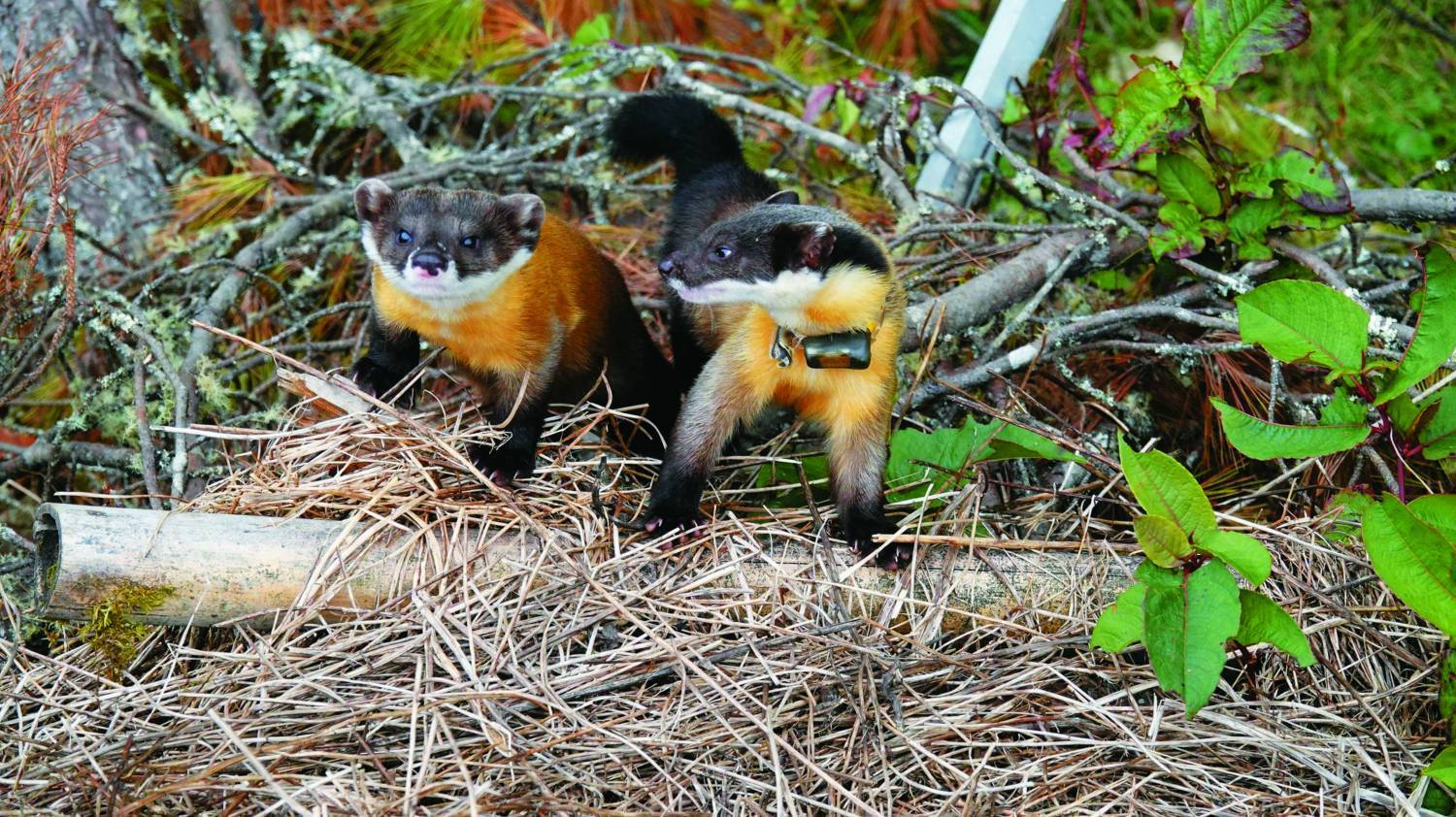
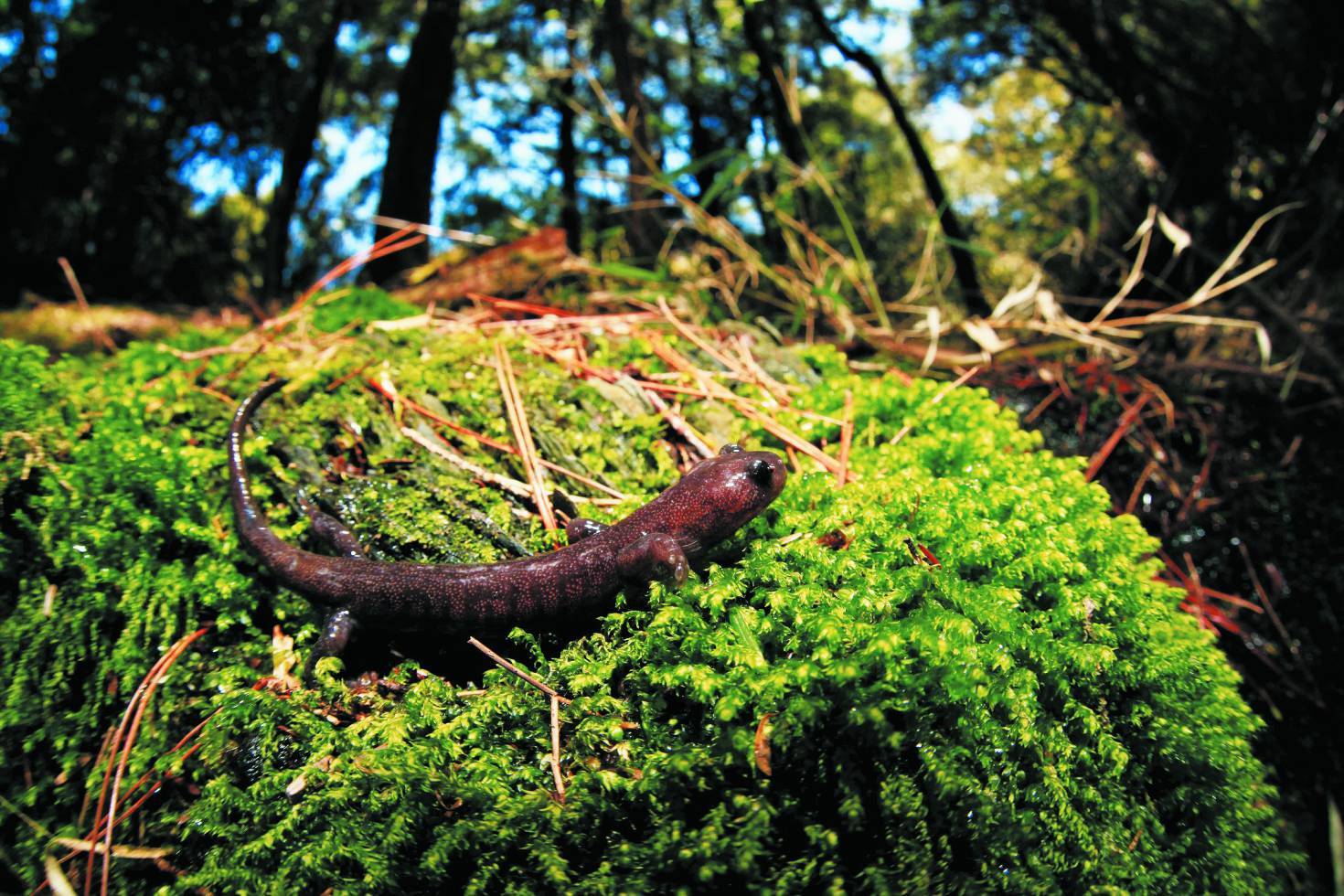
The effectiveness of these policy choices is apparent in the park’s ecological survey results. Recent monitoring has shown that such as the Formosan black bear and yellow-throated marten continue to appear steadily in core zones. Even salamander populations, which are highly sensitive to environmental changes, exhibit signs of healthy reproduction. Through a combination of infrared camera monitoring, volunteer participation, and academic collaboration, YNPH has built a long-term, traceable database for conservation. These outcomes are not the product of short-term efforts, but the cumulative result of sound policy design, on-site implementation, and sustained commitment.
Brings the Public Closer to the National Park
To mark its 40th anniversary, YNPH launched a series of initiatives—from films, books, and educational outreach to hands-on events—aiming not only to celebrate but also to highlight and reaffirm the role and values of national parks in modern society.
Chen Shu-Mei, the Chief of the Interpretation and Education Section at the YNPH, stated that on the day of the 40th anniversary celebration, in addition to the conservation presentation, two films—A Guardian for All Seasons: Yushan in 4 Decades and The Silent Messenger among the Cloudy Ridges: The Reproductive Mystery of Alishan Salamanders—will be shown. Additionally, two interpretive books will be released: Mountain Hawk-Eagle on the Mountain: Nisaetus nipalensis and The People Rooted in the Land of Yushan.
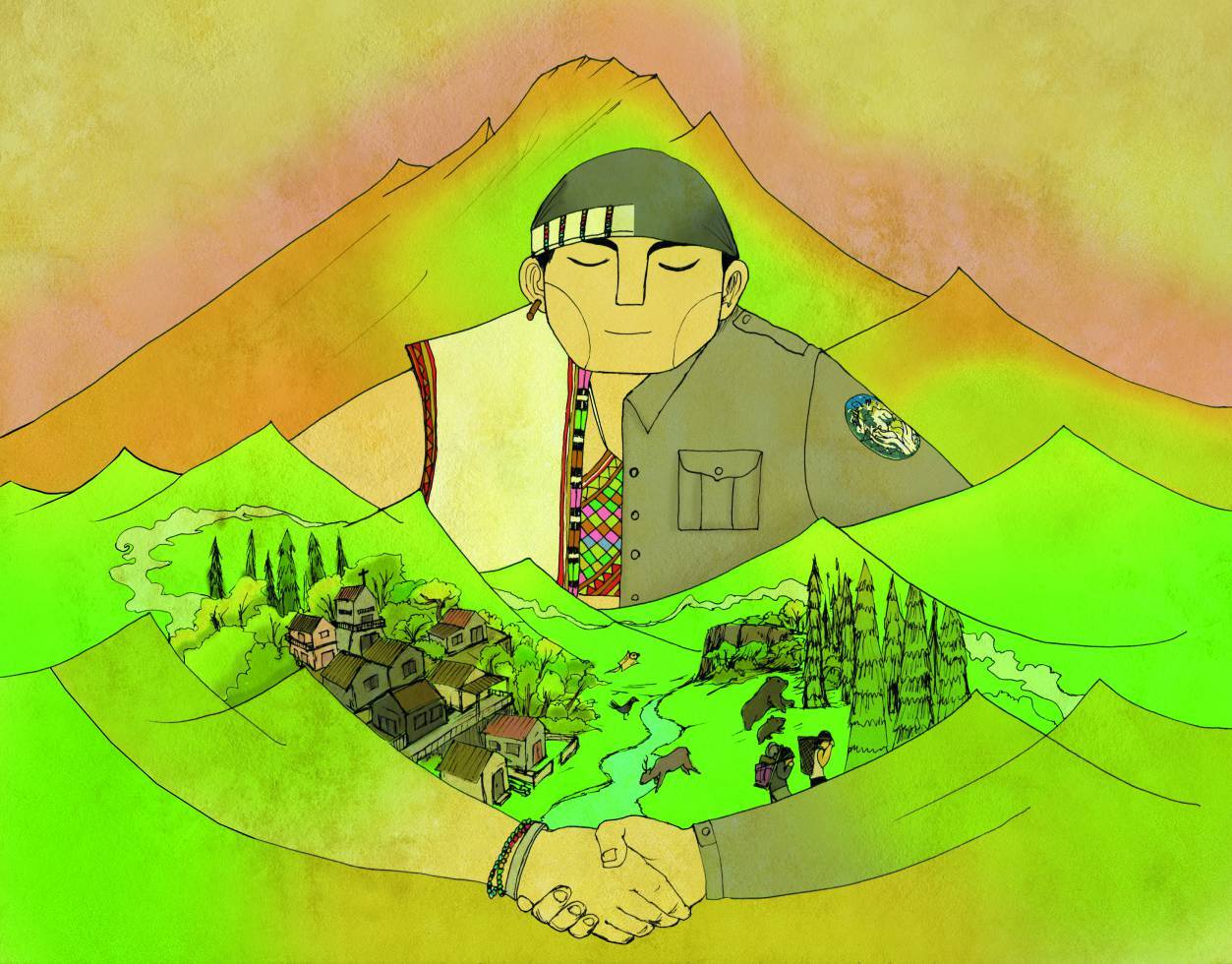
The Mountain Hawk-Eagle on the Mountain: Nisaetus nipalensis is a continuation of last year's documentary Mountain Hawk-Eagle on the Mountain, which introduces the raptor ecology research and habitat issues. The People Rooted in the Land of Yushan is an original picture book documenting the daily lives of indigenous mountain patrollers (now known as patrol rangers), and it presents the text in Chinese, English, and Bunun, promoting Bunun culture and revitalizing indigenous languages in collaboration with the local community.
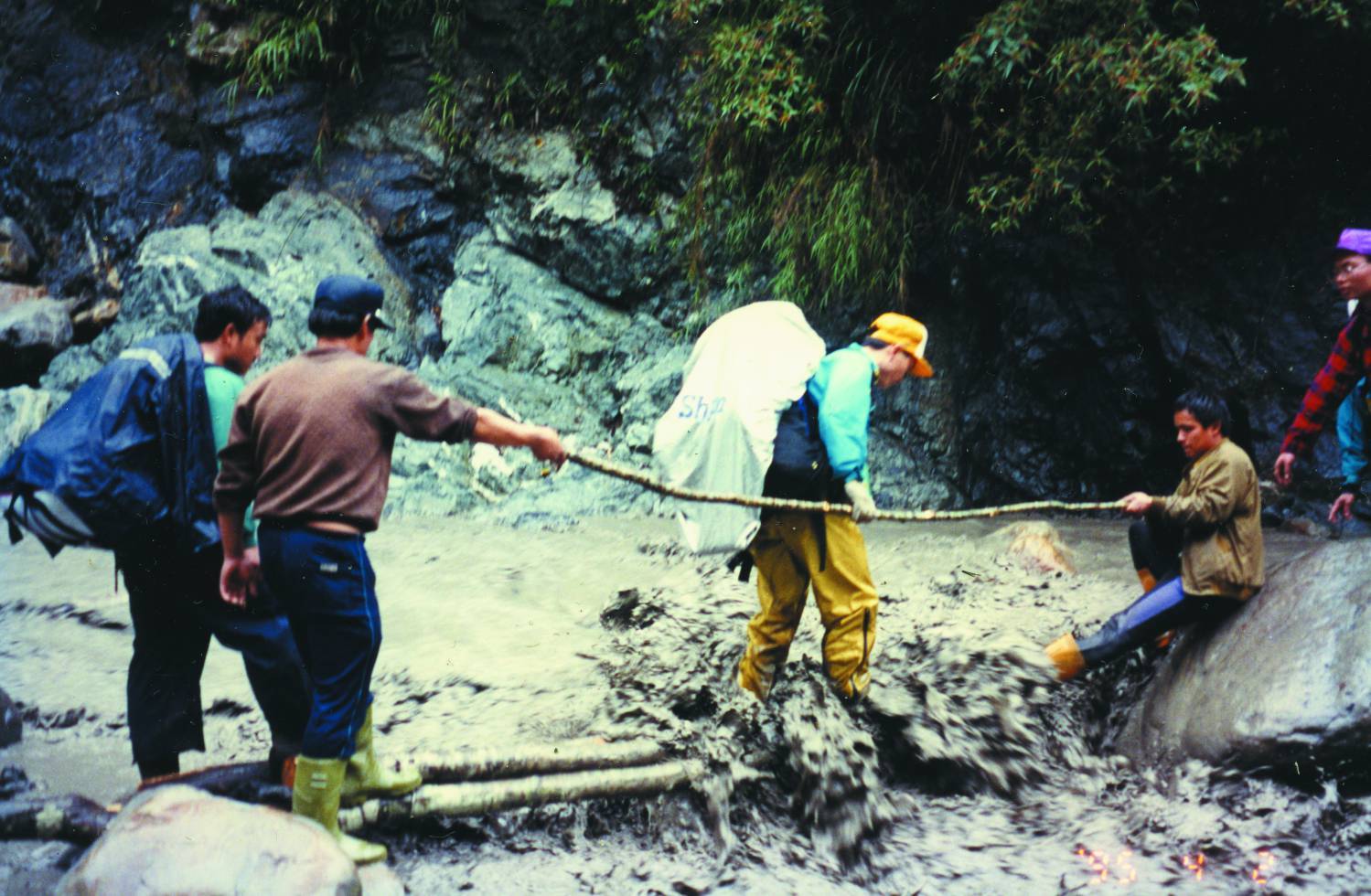
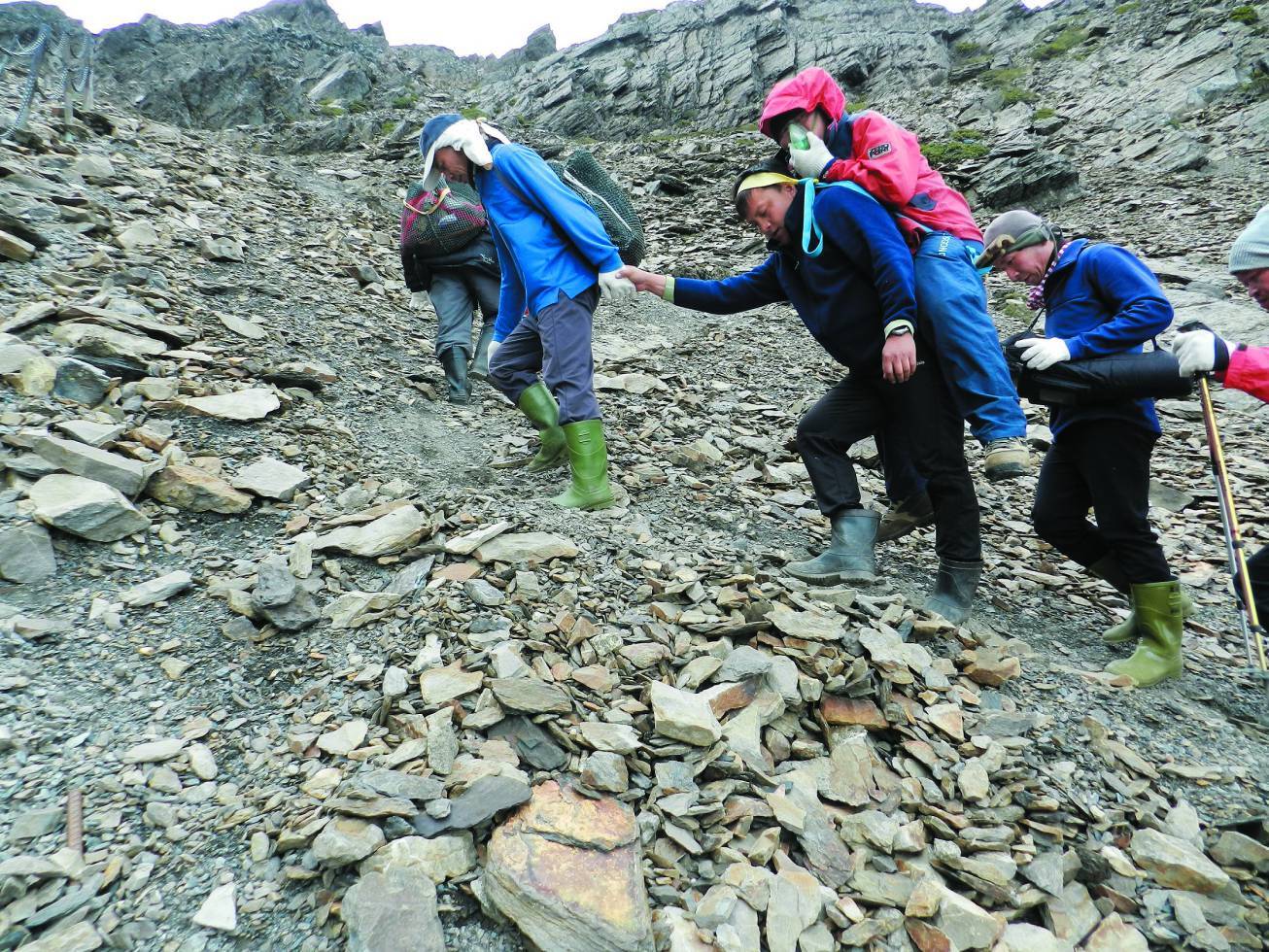
A special gathering also brought together past participants at the foot of Yushan, where personal memories became part of a broader public understanding of the park’s institutional development. Other events, such as a corporate-sponsored mountain cleanup day, a conservation forum, and a guided wilderness camp, invited people from all walks of life to engage with the national park in different ways. From private-sector CSR to school field trips, Yushan National Park is gradually opening its boundaries and shifting from a conservation institution to a platform for public dialogue.
“We want those who have been part of this journey to return and share their stories—and for our younger staff to understand the responsibility they’ve inherited,” said Lu. For the Headquarters, this is not only a passing on of institutional experience but also a renewed commitment to public accountability.
“We see this anniversary not just as a milestone, but as a turning point,” she added. This is a moment to reflect on the past and align with the future.
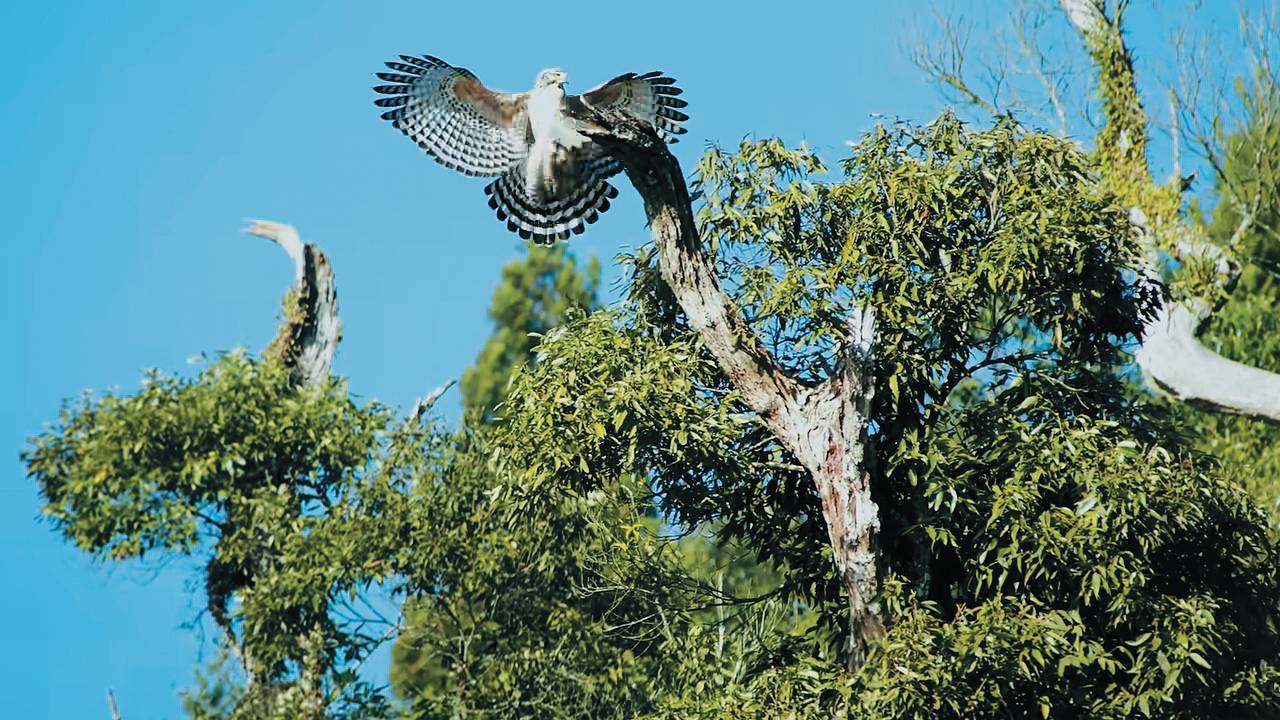
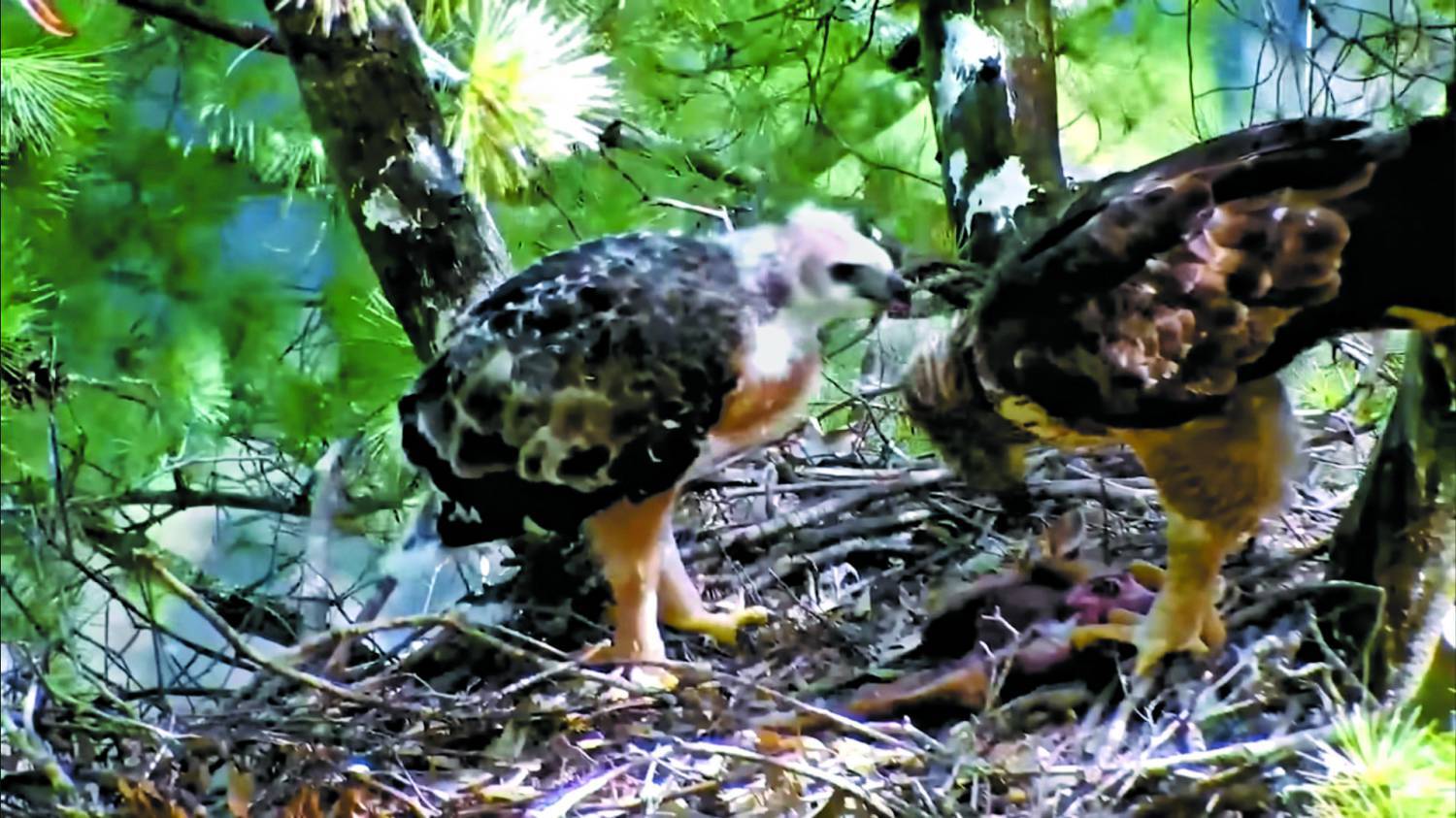
Mountain Hawk-Eagle on the Mountain
Mountain Hawk-Eagle on the Mountain is a 22-minute documentary film focused on Taiwan’s largest raptor— the mountain hawk-eagle(Nisaetus nipalensis)—and its brooding behavior. Filmed over the course of 3 years, the production team ventured deep into the mountains along the Southern Cross-Island Highway, where they captured precious footage of the mountain hawk-eagle chick’s complete brooding cycle for the first time— from hatching to leaving the nest.
The film’s central subject, Uli, is the first mountain hawk-eagle chick in Taiwan to be fitted with a satellite transmitter. Using its location data, researchers were able to track its flight paths and nesting range. The documentary also features other wildlife, such as the Formosan black bear and the Formosan rock macaque, using a combination of infrared cameras and aerial photography to capture rare moments within the ecosystem.
Mountain Hawk-Eagle on the Mountain is more than a nature documentary; it offers audiences a researcher’s perspective of the majesty and fragility of Taiwan’s alpine environment. Beyond the sweeping natural imagery, the film pays tribute to the quiet dedication of long-time conservationists.
Starting in spring 2025, the documentary will tour screening venues across Taiwan, accompanied by special events and exhibitions hosted by the Yushan Visitor Centers Through images and storytelling, these screenings invite more people to explore the vibrant life that thrives above the clouds. A companion book, Mountain Hawk-Eagle on the Mountain: Nisaetus nipalensis was published in March and is now available through major publishing channels.

Bunun Partners: Guardians of Cultural in the National Park
Traces of historic Bunun settlements can still be found along the Batongguan Historic Trail and Salixian Mountain, including the remains of slate houses, the foundations of old outposts, and clearly visible migration routes. These are not merely historical relics; they are proof that the Bunun people’s ancestors once lived here. Yushan’s designation as a national park did more than promote ecological conservation; it also reconfigured deep-rooted relationships between people and the land.
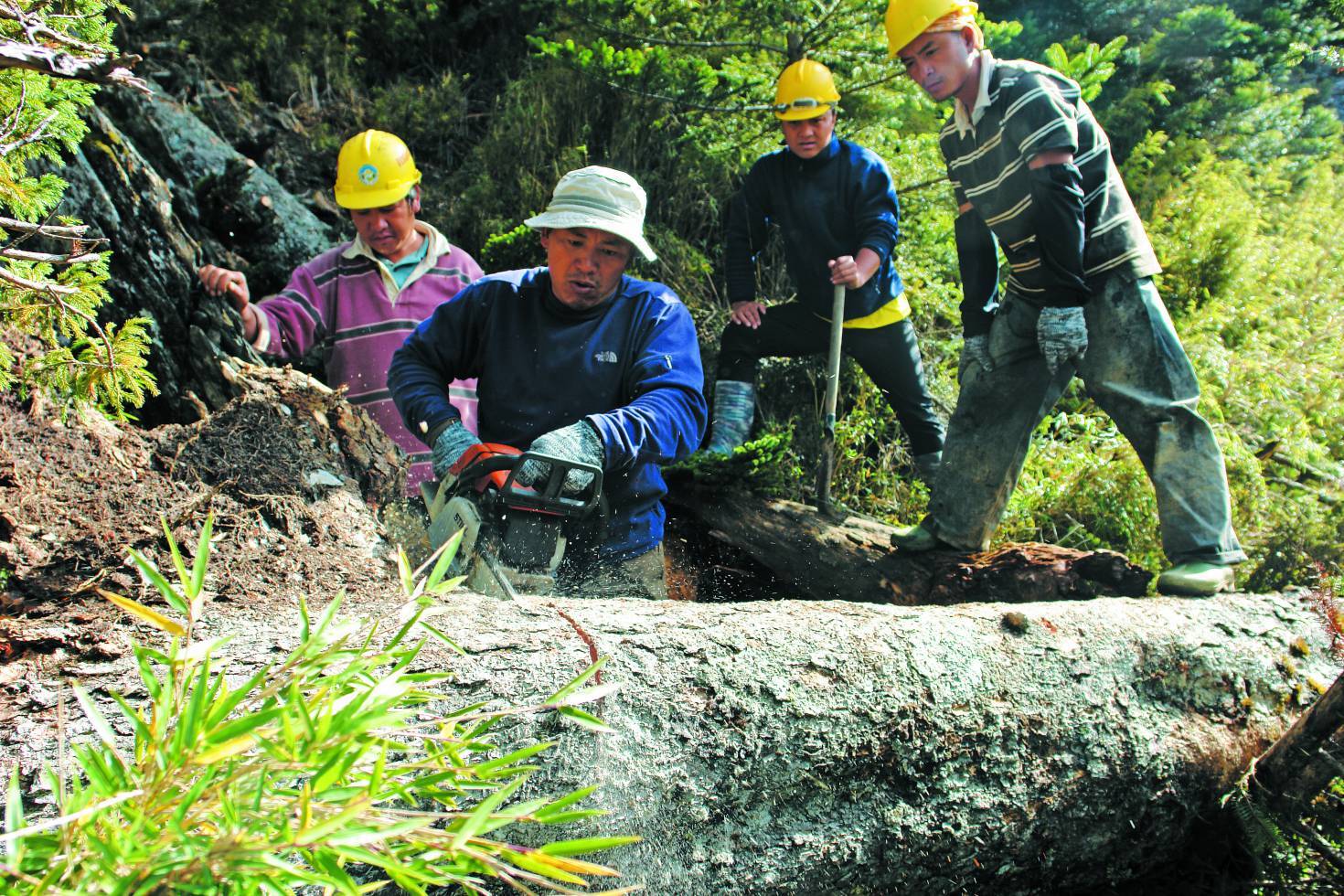
Since the establishment of YNPH, members of the Bunun community have joined the park’s patrol team. Some of the original rangers still walk these mountains today, treading the same paths as their ancestors—safeguarding not only habitats, but memory itself. Their presence ensures that the national park is not simply managed from the outside, but jointly constructed with the community.
Over the years, YNPH has worked together with Indigenous villages to map ancestral settlements and publish the picture book The People Rooted in the Land of Yushan. Additionally, the Headquarters has trained local interpreters and adjusted guide design so that visitors can experience the forest from a cultural perspective, giving them a fresh understanding of the national park. The cultural fabric of Yushan is more than a backdrop; it is part of the national park’s governance. When a national park chooses to look back at the footprints of those who came before, it becomes more than a space for scenic preservation—it carries forward living memories.
From Risk Management to Smart Technology
After four decades, the challenges facing Yushan National Park are more complex than ever. With rising climate extremes, increasing risks of habitat fragmentation, and rapidly shifting recreational patterns, the national park’s management approach has evolved from preserving the status quo to actively adapting to change. In recent years, climate risk has been incorporated into infrastructure design and trail maintenance planning. Modular alpine cabins and revised engineering standards for bases are among the Headquarters’s tangible responses to an increasingly uncertain future.
In the realm of ecological conservation, the Headquarters has established long-term monitoring systems that combine field surveys, infrared cameras, volunteer engagement, and technological aids to track changes in species activity throughout the park. The distribution and breeding status of key indicator species such as salamanders and butterflies now serve as vital references for understanding the impacts of climate change. These data represent more than just research results; they also serve as an early warning system for policy adjustment. “This allows us to prepare before problems arise.”
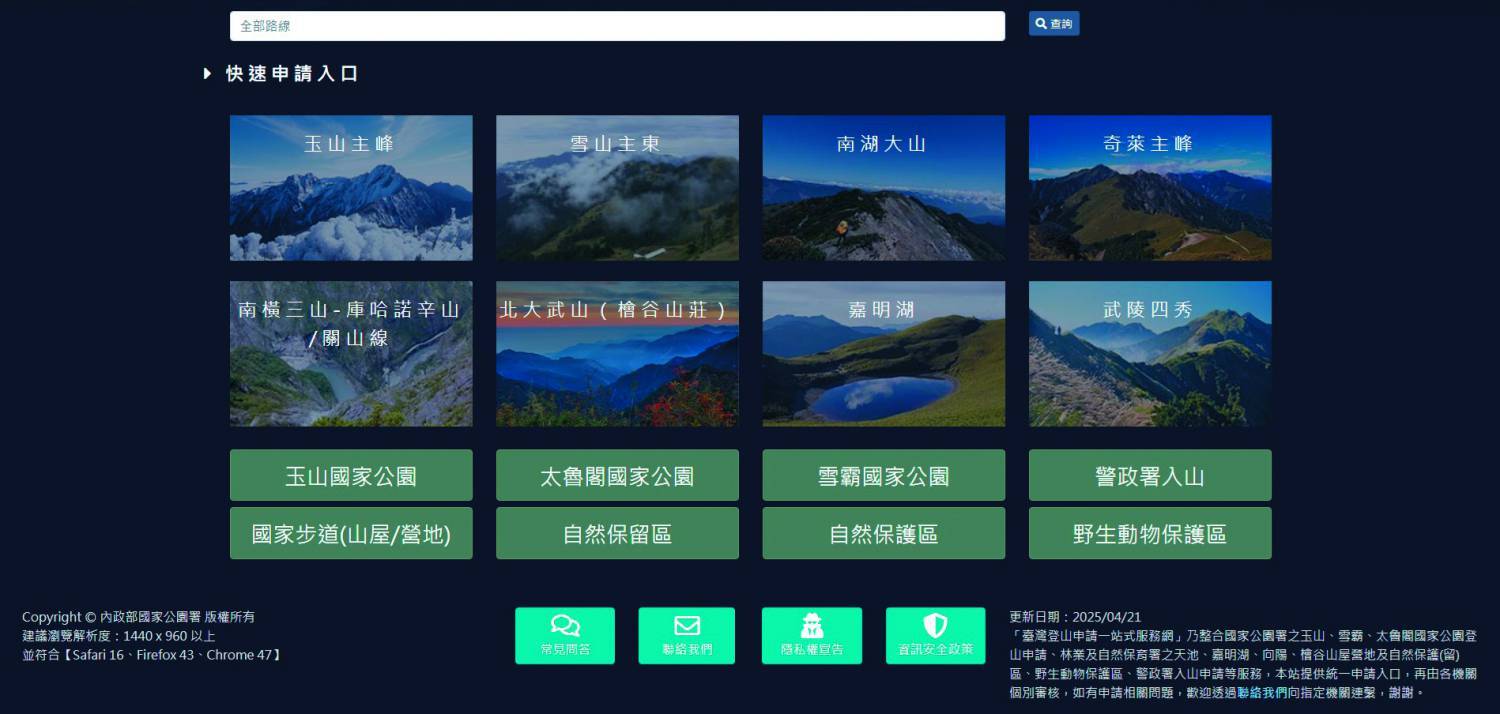
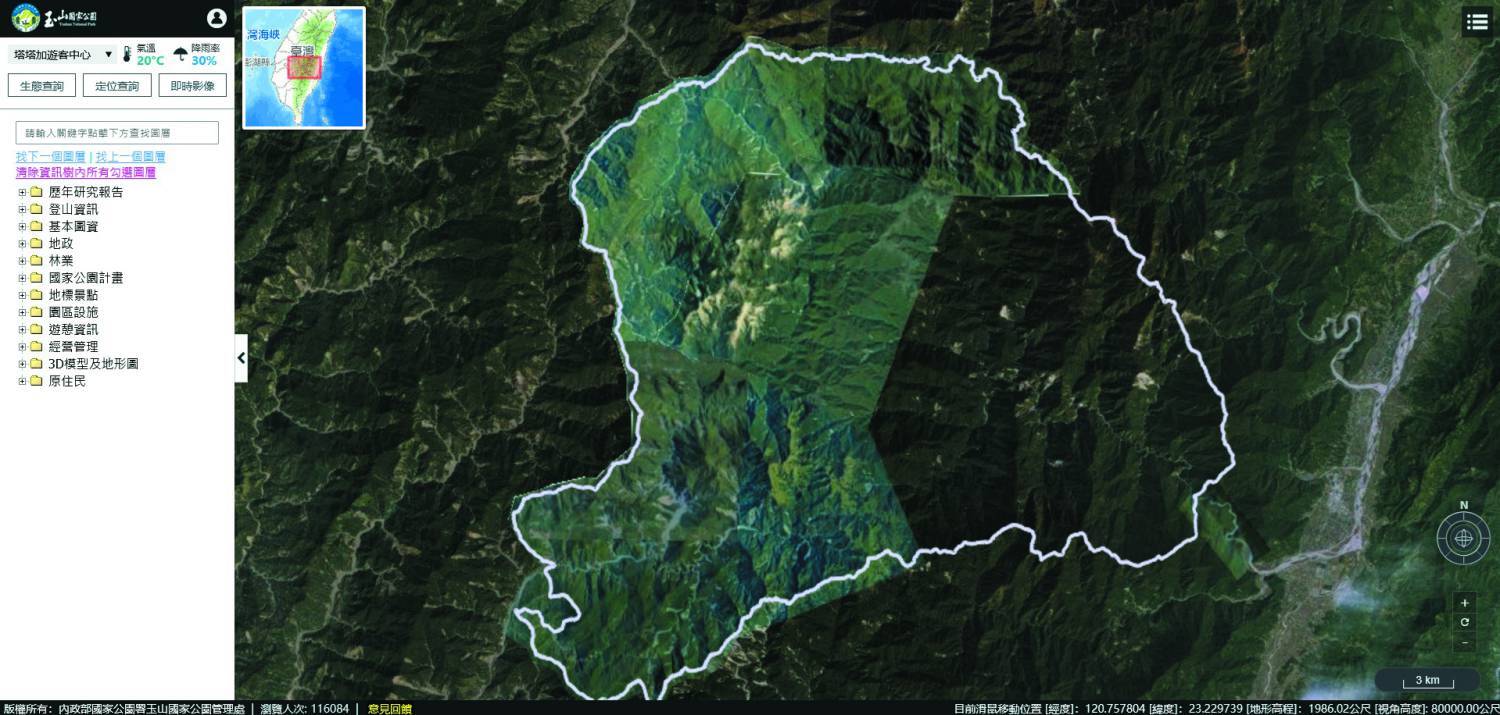
To meet the changing needs of hikers and visitors, the Headquarters is also integrating digital tools into its visitor management systems. The park’s entry permit application system has been fully digitized and localized into multiple languages. It now incorporates real-time weather data and environmental education content, enabling hikers to develop risk awareness and understand the environment before even setting foot on the trail. The 3D maps, early warning modules, and interactive learning platforms to enhance user experience and improve information transparency.


Speak to the World
In addition to addressing environmental challenges, YNPH has actively expanded its international cooperation network, aligning itself with global trends in alpine conservation and governance. In recent years, YNPH has signed MOUs with Japan’s Mount Fuji and Italy’s Adamello Brenta Nature Park to exchange knowledge on alpine tourism management, trail maintenance, and interpretation strategies. All three parks are situated in high-altitude environments and carry the responsibility of protecting both natural and cultural heritage.
Park personnel have also participated in field training programs at the Grand Canyon and Yosemite National Park in the United States, where they learned about wildfire early warning systems, visitor flow management, educational strategies, and volunteer coordination. Through onsite training and policy observation, YNPH is gradually building a Taiwanese model that adapts management methodologies for local application while speaking the language of international conservation.
This evolving management system has gradually shaped a clear and resonant public image of Yushan National Park. From the entry permit application process and educational resources to brand materials, the Headquarters has used interpretive books, picture books, documentaries, guided experiences, and local collaboration to become a platform for sharing the value of nature with a wider audience.
“In the past, we focused on resource preservation. Today, we place more emphasis on the understanding and amplification of that value,” said Lu. The key to building Yushan’s brand lies in ensuring that every encounter with the mountains reflects the ideals and commitments behind the system.
Ultimately, Yushan National Park’s goal isn’t merely to entice more people to visit, but to make visitors want to return—and remember the profound connection they had with nature.
Yushan at 40: Behind the Scenes of the Celebration
Compiled by Yang Yue-Han
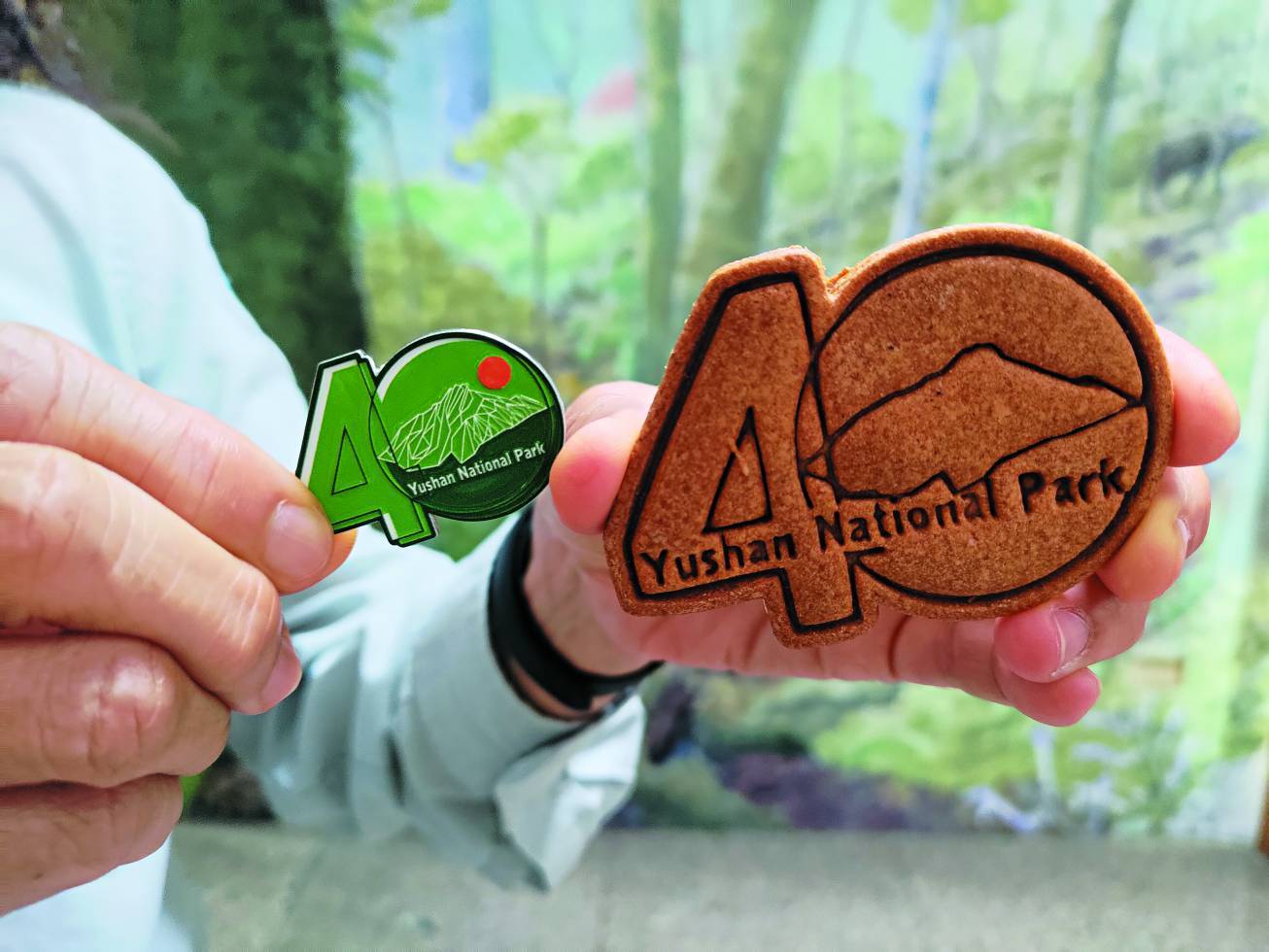
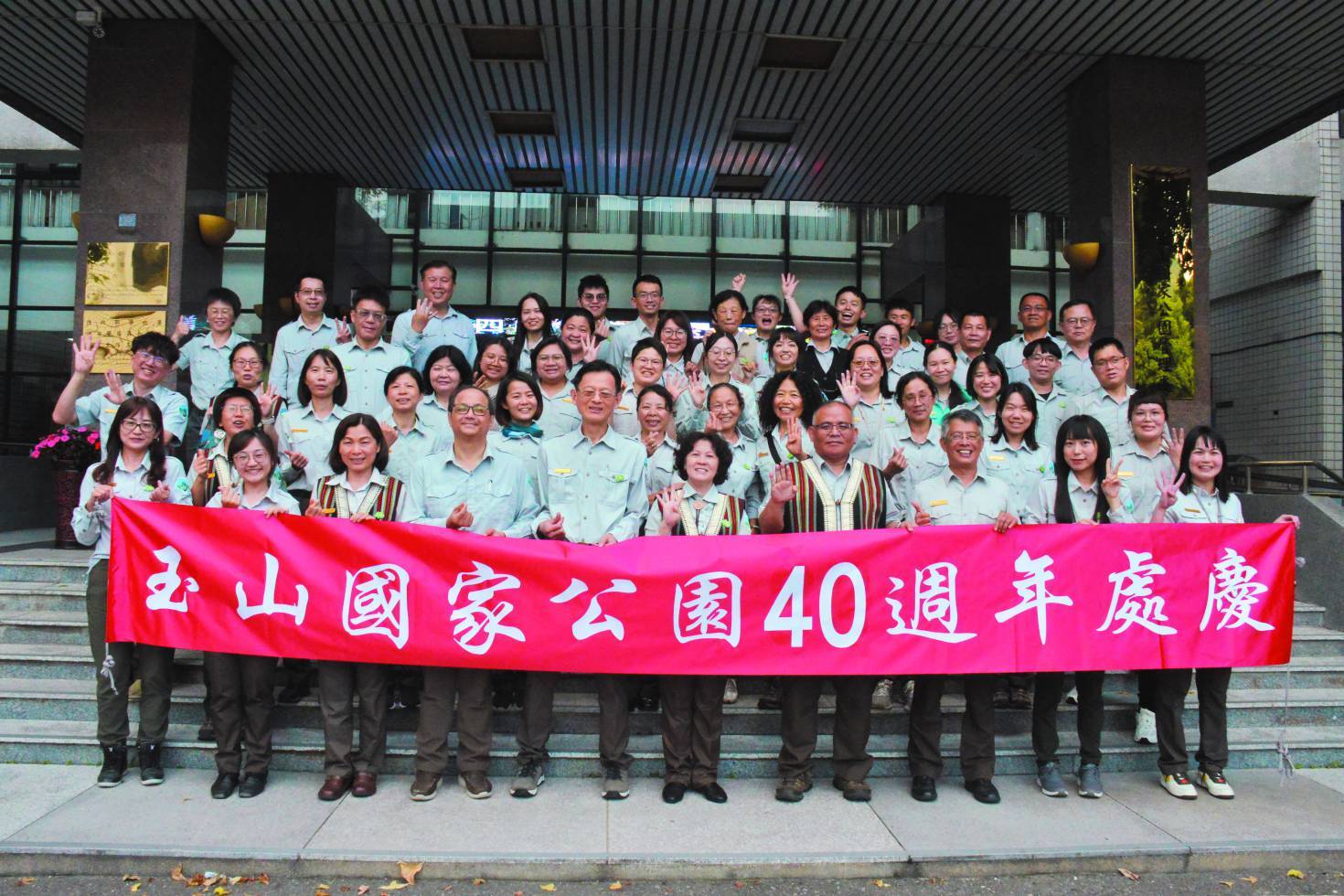
In the early morning of April 10, 2025, guests and staff from national park headquarters across Taiwan gathered at Shueili Visitor Center to celebrate Yushan National Park’s 40th anniversary. The day began with a powerful opening film titled A Guardian for All Seasons: Yushan in 4 Decades. This title was thoughtfully crafted by YNPH to reflect their unwavering commitment to protecting Yushan, from the past into the future.
The film featured Taiwan’s iconic wildlife, including the Formosan black bear, Alishan salamander, and mountain hawk-eagle. During the event, key figures researching each species took turns sharing their field experience, research progress, and personal stories behind the science.
Dr. Hwang Mei-Hsiu shared recent findings from tracking and analyzing Formosan black bear activity. Professor Ju Yu-Ten, who studies salamanders, joined director Lin Yin to present the Taiwan’s first documentary on the breeding of the Alishan salamander, The Silent Messenger among the Cloudy Ridges: The Reproductive Mystery of Alishan Salamanders, capturing rare footage of male salamanders guarding their eggs."
Professor Suen Yuan-Shiuan, who wrote a book documenting his research on the mountain hawk-eagle, discussed his work with ecological writer Liu Ke- Hsiang. He described how Mountain Hawk-Eagle on Yushan at 40: Behind the Scenes of the Celebration Compiled by Yang Yue-Han the Mountain: Nisaetus nipalensis blended popular science with art, utilizing illustrations to create a more immersive experience.
A special highlight of the event was the participation of students and teachers from Zhanghu Junior and Elementary School of Ecology in Yunlin. They not only presented the results of the long-term Yushan Scientific Research Project but also designed a series of entertaining educational challenges. This gave guests a fun way to learn while showcasing how the students have become budding ecological researchers.
As Lu remarked during the opening ceremony, “It is because Yushan National Park began protecting the roof of Taiwan 40 years ago that we are able to conduct research on the Formosan black bear, Alishan salamander, and mountain hawk-eagle today.” The event also honored Indigenous collaborators and corporate partners who have played vital roles in this journey. “With nature as our foundation, we will leave behind a pristine land for generations to come.”