Article / Tso Mei-Yun
Interviewees / Ku Chien-Mou, Director, Lide Community Development Association, Manzhou Township, Pingtung County、Ou Chan-Chang, Section Chief,Interpretation and Education Section,Kenting National Park Headquarters
Pingtung County is perhaps best known for Kenting—its sweeping beaches and brilliant sunshine have long made it a symbol of vibrant, tropical charm. Yet just southeast of this popular destination lies the quiet and unassuming Manzhou Township. If one were to describe them in musical terms, Kenting would be bold rock-and-roll, whereas Manzhou carries the subtle depth of jazz. Long the ancestral homeland of Indigenous communities, Manzhou's expansive landscapes have remained unspoiled, and its coastlines are designated as vital areas for both national defense and ecological conservation. Free from industrial development, and long shielded by restricted access, this coastline has given rise to what many visitors call "a sea like no other"—a sight rare, pristine, and quietly mesmerizing.
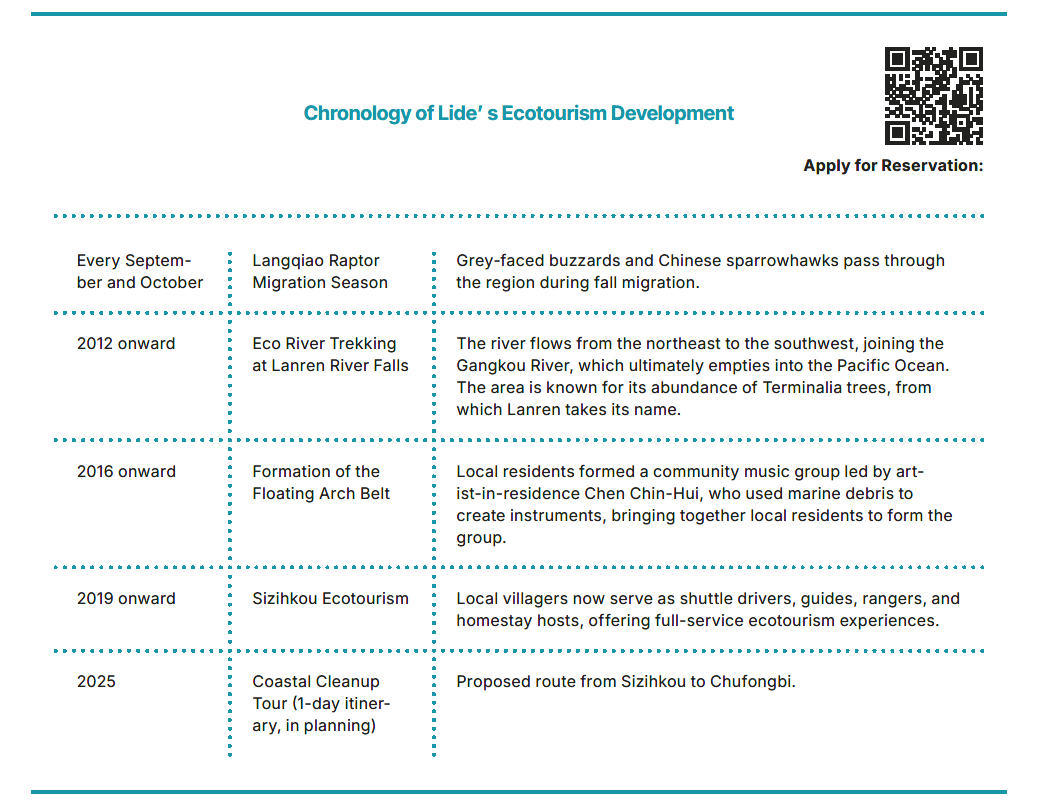
Tucked within Manzhou Township, Lide Community is located inside the boundaries of the national park and nestled along the Pacific coast. Sparsely populated and largely untouched, this area first captured national attention in recent years due to the waves of raptors that gather overhead each October. Riding the northeast monsoon winds from Siberia, grey-faced buzzards and Chinese sparrowhawks soar across the ocean and descend upon this coastline. Drawn by this rare phenomenon, birdwatchers from across Taiwan have made pilgrimages to Lide, and it is now recognized as the country's premier raptor-watching destination.
Another rising star in Lide's ecotourism scene is Sizihkou Coast. Since its trial operation began in 2018, local residents—trained in ecological interpretation—have come together to form a community-led guide team offering an all-in-one experience. From transportation and nature walks to locally crafted meals, their hospitality has drawn a steady stream of visitors eager to explore this hidden stretch of shore.
A Community’s Journey from Hunting Raptors to Protecting Them
How did a remote village with just over 100 residents come together to form an ecological development association—and even go on to win the Environmental Protection Administration's National Environmental Education Award (Community Division, Excellence Prize) in 2017. Behind that recognition lies a long and determined journey.
Nestled along Pingtung County Highway 200, the village of Lide was once known as Terasoaq, and it comprises three tribal settlements: Shanding, Lide, and Lanren. Ku Chien-Mou, a native of the area and now Director of the Lide Community Development Association, has served as the 18th Village Chief of Lide and held multiple terms as a community association leader. Together with local residents, he has championed ecotourism and personally witnessed the transformation that unfolded after the community embraced this movement.
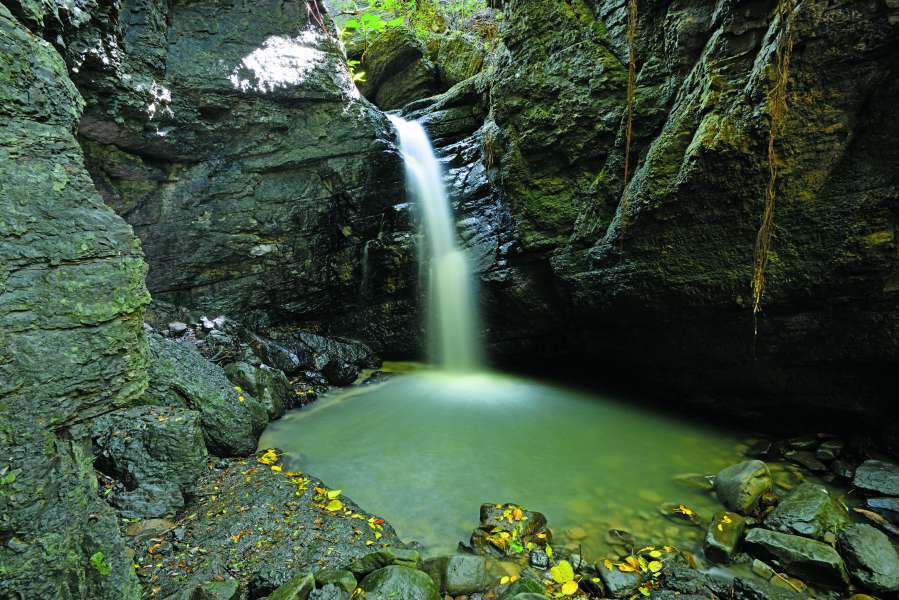
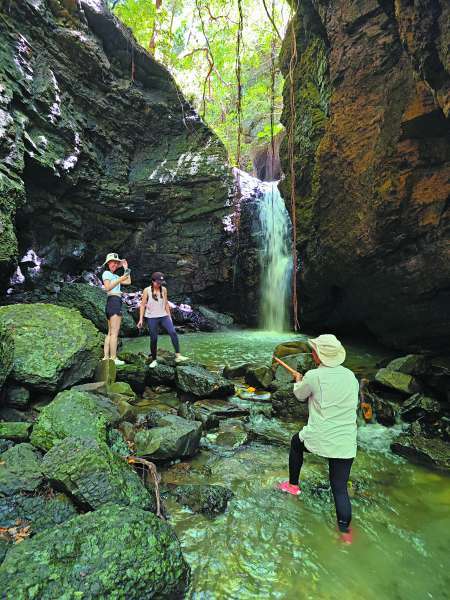
Lide's path to ecotourism began with Lanren River Falls. Located at the edge of Nanren Mountain Ecological Reserve, Lanren River cuts through stream ecosystem, its waters flowing swiftly year-round. Along its banks, Terminalia trees intertwine with massive boulders, and sunlight filters through the forest canopy, casting dreamlike shadows on the forest floor. The rich biodiversity of flora and fauna has long drawn nature lovers into its embrace.
As a designated ecological reserve area, Lanren River Falls is managed under national park regulations: visitors must apply and receive approval before entering, and they are then chaperoned by community guides. Many of these guides are former hunters who have traded their rifles for field guides and storytelling; they now lead others into the wild with deep reverence and knowledge. Rooted in these early Lanren River ecotours, Lide Community has since branched out into diverse themed experiences—breathing new life into the village.
From Sizihkou to Manzhou: Where the Story Begins
In recent years, the rise of ecotourism has brought Manzhou into the public eye, and with it, a wave of curiosity: where did the name "Manzhou" come from? According to the Manzhou Xiangzhi (the gazetteer of Manzhou Township), the place name evolved through multiple layers of phonetic transcription and transformation. The area was originally inhabited by the Paiwan people, who called it Wantsu—a name pronounced somewhat like "manshui" in the Paiwan language. The word man, meaning "foul-smelling," is said to reflect the practice of hunters discarding the remains of game animals after a successful hunt. Over time, the lingering odor from these remains gave the place its name. When Han people settled in the region, they transliterated the original name into the Taiwanese Hokkien phrase Báng-sut-poo. During the Japanese colonial period, the name was standardized as "Manzhou" (滿州), and the area was incorporated as Manzhou Village (滿州庄) under the administrative system of Takao Prefecture's Hengchun District. After World War II, the name was retained and remains in use today.
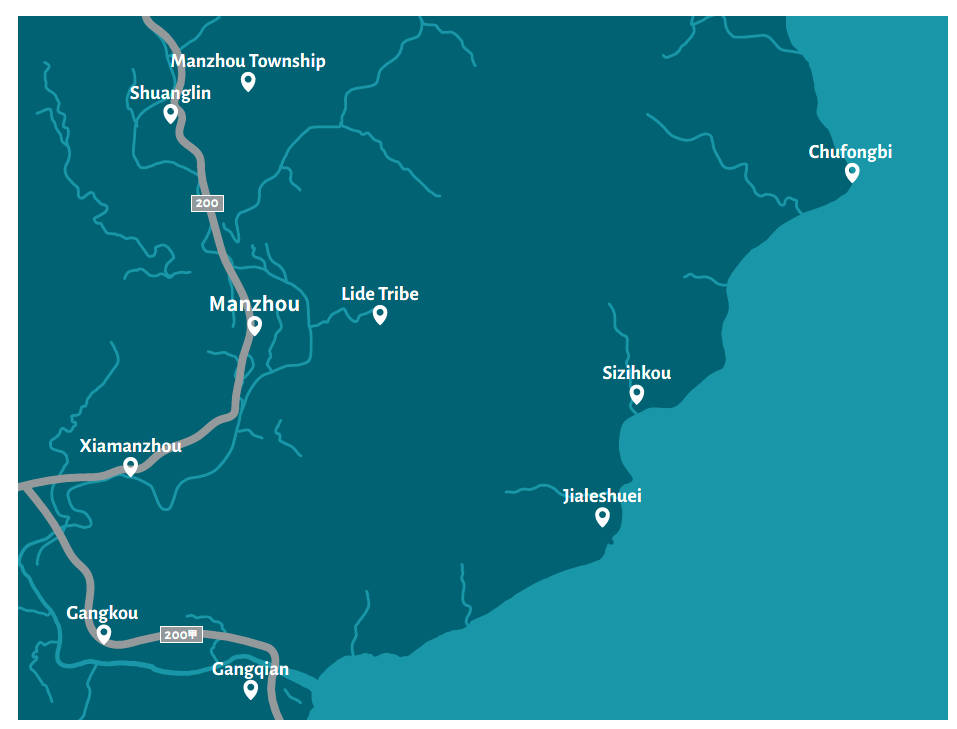
From a land once defined by unpleasant smells to a township now celebrated for its natural beauty and biodiversity, Manzhou has traveled a long and winding road. One of its ecological treasures is Sizihkou Coast, which is located within Nanren Mountain Ecological Reserve and managed by Lide Community. It is one of the few coastlines in Taiwan with no direct road access—the only other one of similar stature is the renowned Alangyi coastline.
To reach Sizihkou Coast, visitors must travel to the very end of Pingtung County Highway 169 in Manzhou Township, then enter the ecological reserve area. From there, the route winds through five tight hairpin turns until an iron bridge comes into view, its surface marked with streaks of rust. Standing on the bridge, one is swept by the sea breeze and mountain wind. To the left, Sizihkou Stream carves its way through a green valley; to the right, it joins the Pacific Ocean, threading between stone mounds before flowing gently into the sea. Here, the mingling of fresh and salt water occurs in quiet secrecy—a subtle confluence that marks the heart of Sizihkou. Look farther to the right, and you'll spot a small pavilion extending toward the coastline: that, in the distance, is Jialeshuei.
Once a restricted coast guard zone, this site was home to the Sizihkou Coastal Patrol Station, operated by the Coast Guard Administration. In 2016, Typhoon Meranti swept across Taiwan with torrential winds and rain, snapping utility poles and cutting off power to the station. With no economic incentive to restore electricity, the Coast Guard withdrew, leaving behind a space long forgotten by most. Only then did people begin to trickle in, stepping foot onto a coast once cloaked in mystery and pausing to greet it as one would an old friend: "It's been a while." In their hearts, they murmured: How beautiful!
From Clashes to Partnership
Established in 1984, Kenting National Park was the first national park in Taiwan. When it was designated, about 70% of Manzhou Township's land area was placed under national park jurisdiction and became subject to strict protection under the National Park Law. Although the conservation intent was clear, the impact on local communities was profound. Residents were suddenly forbidden from hunting in the mountains or fishing in the sea—livelihoods that had sustained them for generations were now deemed illegal. Emotions ran high, and tensions between authorities and villagers often boiled over into open conflict. For many Lide residents, hunting raptors had once been a critical source of supplementary income.
Once land was designated as an ecological reserve, it came under strict protection as stipulated in the National Park Law, with all forms of development strictly prohibited. Speculative land deals and property speculation common in urban areas had no place here. What used to be seen as a side hustle—hunting for extra cash—had now become an illegal act. Chan-Chang Ou, Section Chief of the Interpretation and Education Section at Kenting National Park Headquarters, recalls candidly, "In the early days, when we visited the community, we were genuinely nervous. Some of us didn't even dare wear our uniforms."
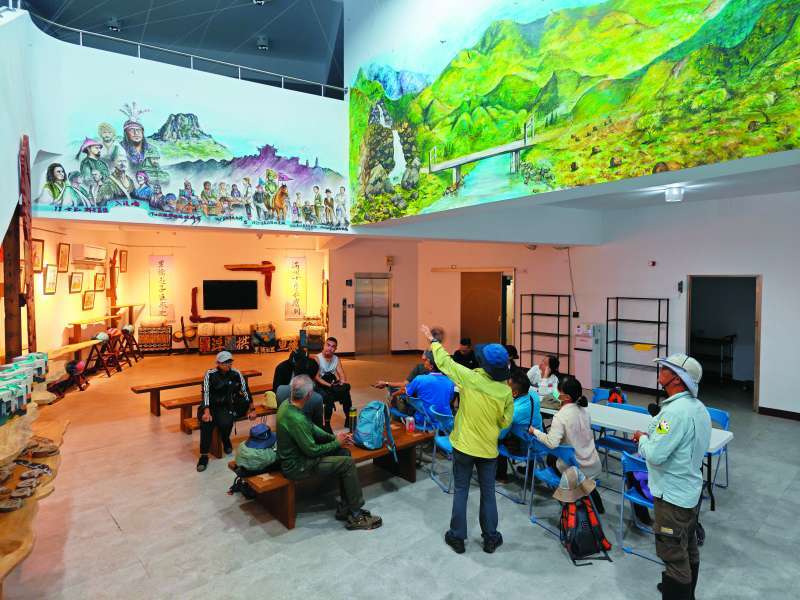
Conservation, however well-founded and well-intentioned, is never just about laws—it also demands a shift in mindset. That kind of change doesn't happen overnight, nor can it be imposed by any single institution. In 2006, the park headquarters invited Associate Professor Chen Mei-Hui from the Department of Forestry at National Pingtung University of Science and Technology to work closely with the community. Together, they began exploring the area's ecological assets and co-designed viable ecotourism programs—opening a window onto the region's ecology, where conservation and the local economy no longer had to be at odds. After years of learning, training, and hands-on experience, the Lide Community guide team was officially certified in 2012. The oldest among them was over 80 years old.
To provide the best possible visitor experience, the community designed an all-in-one ecotourism program. After guests arrive at the designated meeting point, they are picked up by shuttle to reduce travel time and environmental impact. Pre-ordered set meals are available, made with as many locally sourced ingredients as possible. For overnight visitors, homestays within the community are available. Every aspect of the tour is built on low-carbon principles.
Today, Lide residents not only serve as ecological interpreters—they also patrol the ecological reserves of Lanren River and Sizihkou Coast. Their presence helps deter poaching, illegal logging, and unauthorized access to protected areas, thereby contributing to the goal of protecting the ecosystem.
In the early years, only two areas within the park—Longkeng and Nanren Mount—were open to applications from academic institutions and environmental education programs. In March 2019, two additional routes, Sizihkou Stream and Bitou Grassland, were opened for limited trial access. The Sizihkou Stream route, which lies within Lide Community, now operates on a daily quota system, with the community assuming responsibility for visitor management and environmental patrol.
Ecological Field Notes from Sizihkou Coast
Photo by Chen Zhong-Neng
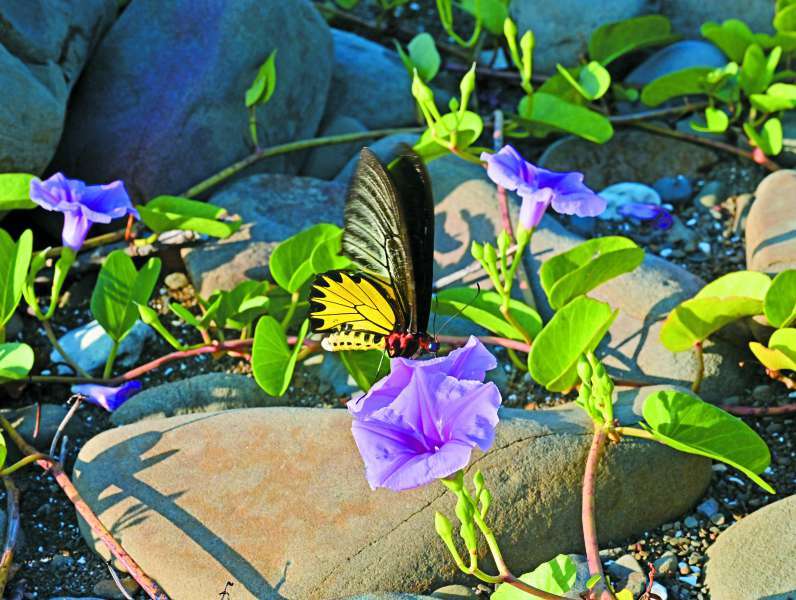 A golden birdwing butterfly (Troides aeacus) feeds on the nectar of beach morning glory flowers (Ipomoeapes-caprae).
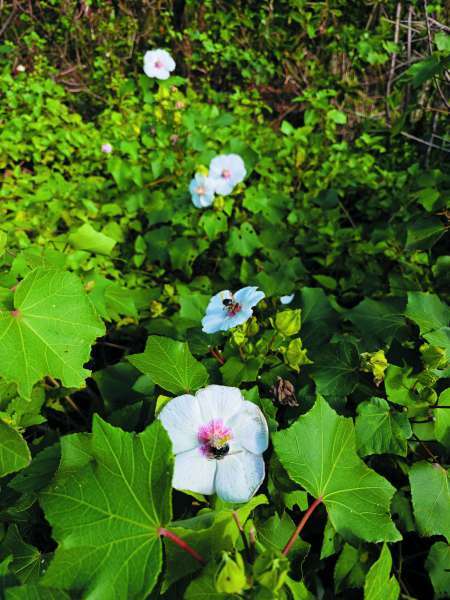 The blooming of the Taiwan cotton-rose (Hibiscus taiwanensis) marks the arrival of autumn.
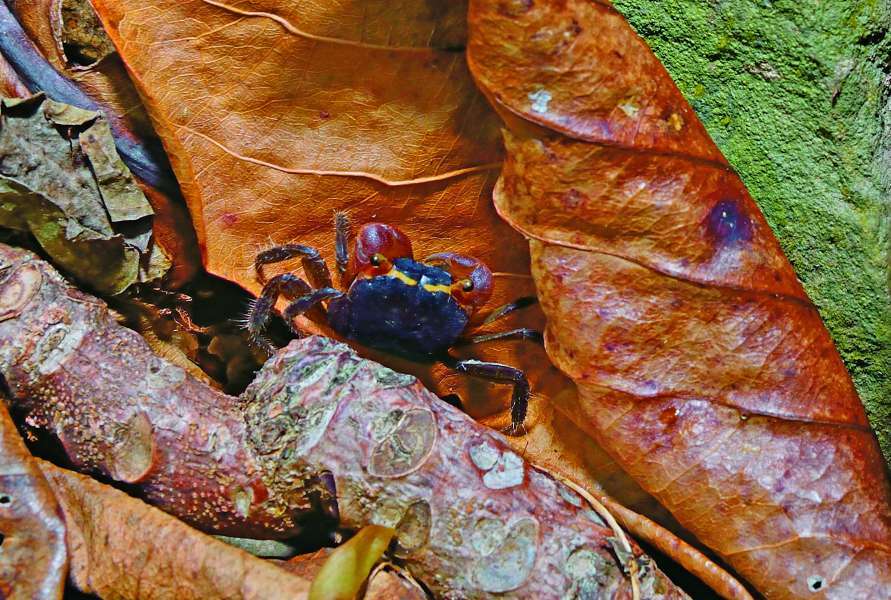 Metasesarma aubryi beneath the coastal forest.
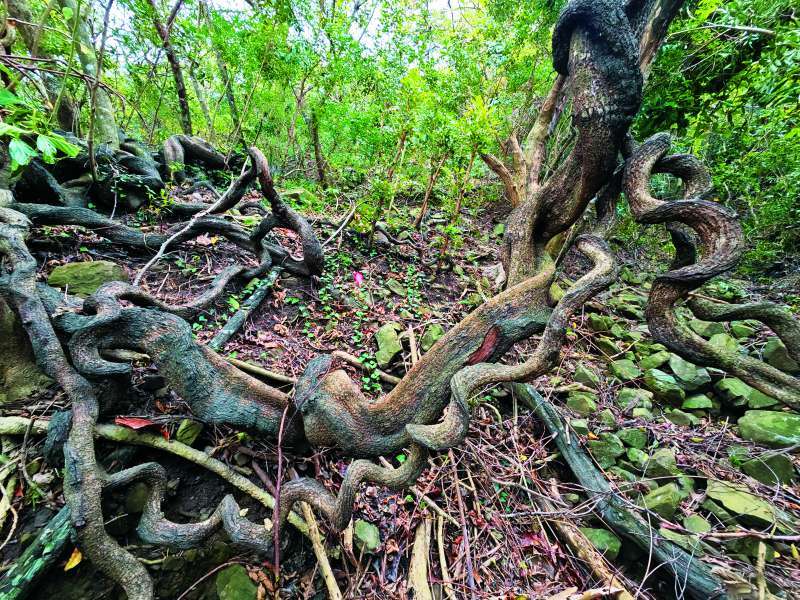 A python-like three-leaf derris (Derris trifoliata).
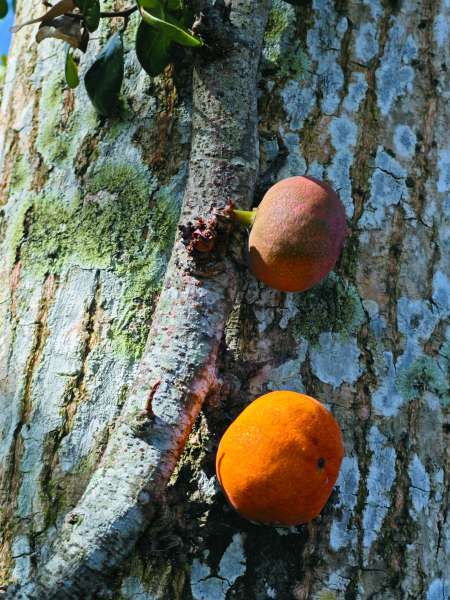 The ripe fruit of awkeotsang creeping fig is used to make natural jelly
Sizihkou: A Hidden Shore Beyond the Road
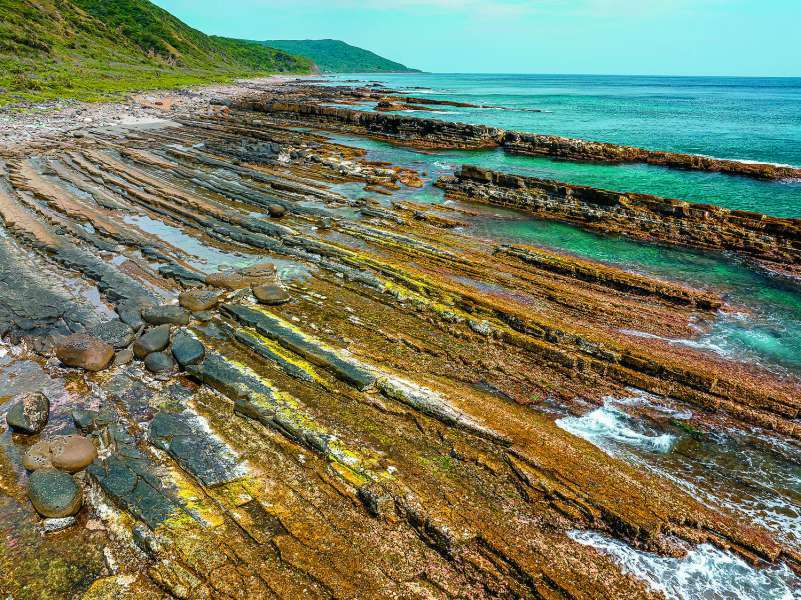
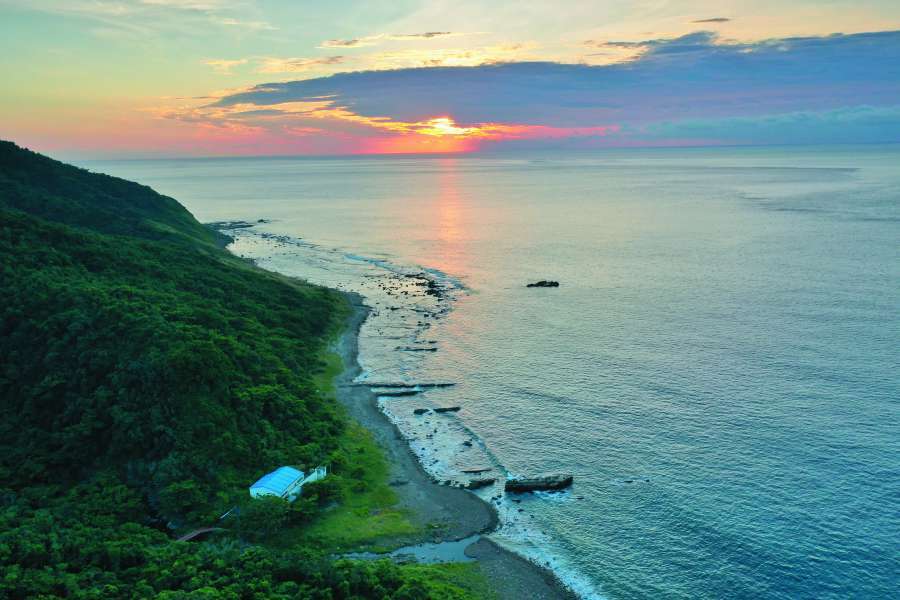
Tucked within Lide Village of Manzhou Township, the mouth of Sizihkou Stream lies just north of Jialeshuei, forming a secluded bay long shrouded in mystery. Once a restricted patrol zone under the Coast Guard Administration, it was off-limits to the public for many years. Now designated as an ecological reserve, it has finally opened to visitors—but only under strict quota control, with a maximum of 100 people permitted in both the morning and afternoon time slots.From this estuarine shoreline, a coastal trail extends 13.7 kilometers northward. This segment forms the southern part of the Hengchun (Langqiao)–Beinan Historic Trail, whose better-known northern section is the celebrated Alangyi Historic Trail (now designated as the Xuhai–Guanyinbi Nature Reserve in Pingtung County). Owing to their geographic continuity, locals have affectionately nicknamed the southern portion "Alang-er" ("Alang II"), to reflect its continuous coastline with the northern section.
To reach the river mouth of Sizihkou, travelers must take Pingtung County Highway 169 all the way to the end, then enter the ecological reserve. Soon after entering, a sweeping view of the coastline appears—rugged yet breathtaking. Along the shore stands a striking blue-roofed building: the now-abandoned outpost of the former Coast Guard 63rd Patrol Corps. Since the patrol unit's withdrawal, the structure remains empty, facing only the sea and the occasional traveler.
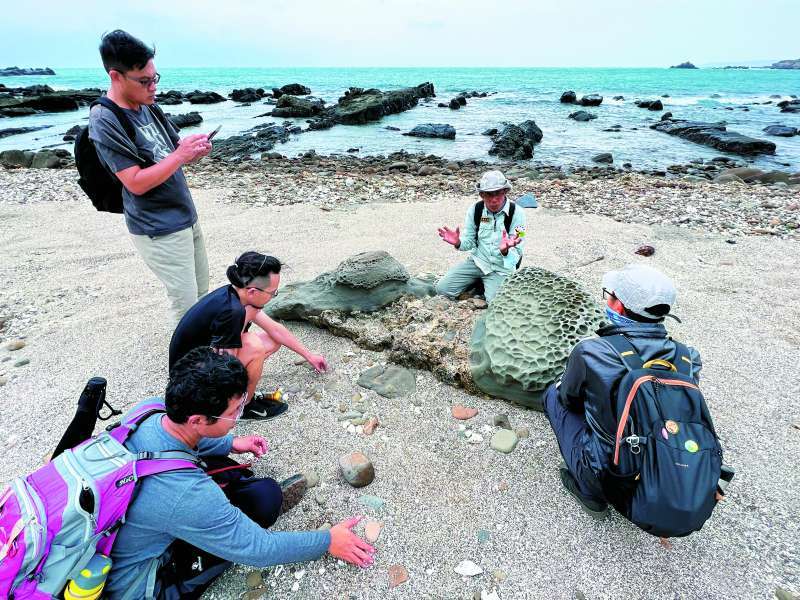
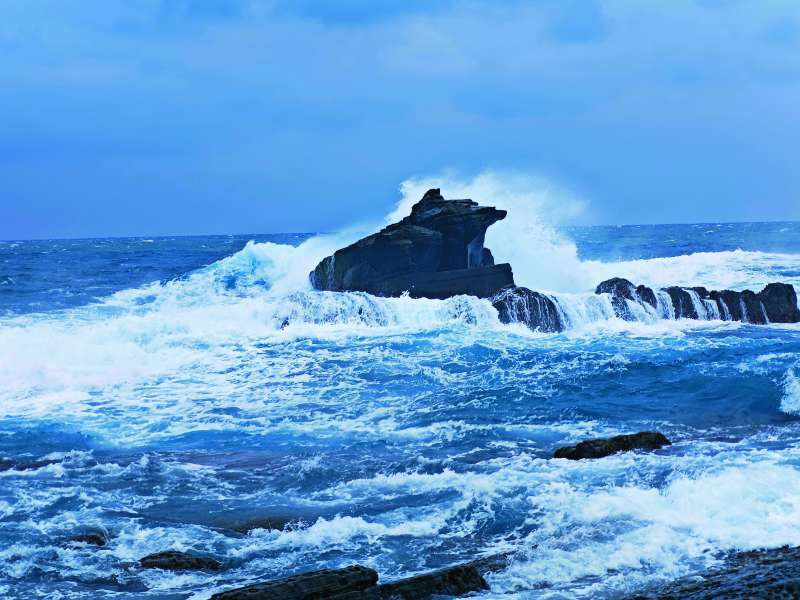
Walking along the shoreline, one encounters gravel beaches and coral, interspersed with sandstone formations weathered into countless shapes over time. Some bear red streaks tracing across surface fissures—these are known as iron oxide belts, and are formed when groundwater seeps into the joints of the rock layers and deposits iron minerals within the sandstone. Elsewhere, the rock faces appear delicately carved with small openings known as weathering windows—tiny cavities formed by sea spray and wind erosion. These intricate patterns, resembling honeycombs, have earned the local nickname "beehive rocks".
But among all these coastal formations, there is one that local guides never fail to highlight—the Golden Toad Rock. Ku Chien-Mou, a longtime guide in the Sizihkou area, has photographed countless oddly shaped stones over the years. One evening, just as the sun dipped low in the sky, its golden light struck a particular sandstone boulder at just the right angle, causing the rock—shaped like a crouching toad—to shimmer in gold. The sight was so surreal that everyone present gasped aloud. Ku keeps the photo on his phone and shares it with guests at every opportunity, knowing that moments like these are rare and unforgettable.
Beyond ecological facts, Ku believes the heart of a good tour lies in reading the crowd and telling the right stories. The most touching part of a tour isn't always the science—it's the feeling. A good story brings people closer. If a guide gets too technical, they might lose the audience. But when a local shares a story about their homeland, people listen. Perhaps it's this ability to speak from the heart that makes community guides so successful here in Sizihkou.

Ecotourism as a Bridge to Sustainability
Ku explains that the Sizihkou section of the trail—stretching from Sizihkou Stream to Wushibi—spans roughly 2.5 kilometers round-trip. Along the way, guides interpret a variety of weathered rock shapes, each sculpted by time and tide. As the trail leads into coastal woodlands, local flora becomes the focus. Some "celebrity plants" always steal the show: The three-leaf derris has twisting vines that grow thick like pythons, forming tunnels perfect for photo ops. Another favorite is the parasol leaf tree (*Macaranga tanarius*), which produces sticky sap that changes color when exposed to air. Local guides sometimes dab the sap on their noses as an impromptu sunscreen—an amusing trick that delights visitors. These carefully crafted moments add a playful and engaging touch to the eco-tour.
Taiwan's national parks were created to preserve natural ecosystems and cultural heritage, and to promote environmental education. According to Chan-Chang Ou, early conflicts with local residents were gradually eased through environmental education programs. Since the launch of eco-tourism in Sizihkou in 2019, a successful model has emerged—one that not only generates local employment but also weaves conservation naturally into the rhythms of daily life.
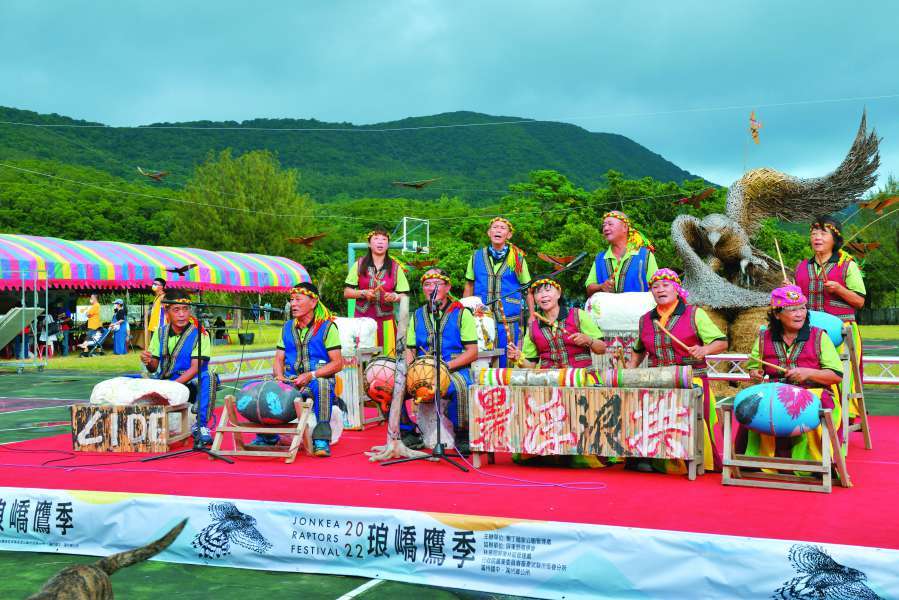
As Lide Community developed its eco-tourism programs, it also unearthed valuable cultural treasures. In 2016, the park headquarters invited African drum artist Chin-Hui Chen for an artist residency. Using marine debris, he crafted percussion instruments and founded the Floating Arch Belt with local residents. Together, they performed reimagined folk melodies rooted in Manzhou's oral traditions, giving voice to the region's heritage. Their work extended into the township's three elementary schools, passing these ancestral songs on to a new generation and ensuring that the cultural legacy lives on.
Ecotourism 2.0:Upgrading Skills, Deepening Impact
By bringing together resources from the government, academia, and the private sector, KNPH has worked closely with local communities to build strong partnerships and co-create meaningful ecotourism programs. These efforts not only help protect natural ecosystems and cultural assets but also integrate environmental education into the daily lives of residents. The result is a flourishing network of local job opportunities, revitalized community economies, and an increasing number of domestic and international travelers drawn by the depth and authenticity of the experience. Today, Manzhou Township is home to 200–300 people involved in ecotourism-related work—a remarkable shift, and one that hints at even greater potential for the future.
In the past, Manzhou didn't even have a lunchbox shop. Now, both 7-Eleven and FamilyMart have arrived—clear signs that people are sensing new business opportunities. Chan-Chang Ou notes that ecotourism's development is far from complete. Looking ahead, the Headquarters aims to raise the bar for local guides—expanding their role beyond site interpretation and into lecturing, storytelling, and program planning. With these expanded skill sets, each guide can create deeper and more engaging ecotourism experiences.