Ecotourism and Local Revitalization | Cultural and Tourism Bureau of Chiayi County
Article / Huang Shih-Ju
Photos / Cultural and Tourism Bureau of Chiayi County
Interviewees / Chen Feng-Wu, Secretary, Cultural and Tourism Bureau of Chiayi County

As autumn deepens, a gentle golden light begins to settle over the Xiding highlands of Chiayi County. In the soft hours of the afternoon, visitors wander along Eryanping Trail, where the crisp mountain air carries the faint fragrance of tea. Upon reaching the summit, they are met with a breathtaking sight: ridges bathed in an amber glow while a vast sea of clouds surges like a rising tide. This dreamlike canvas, where heaven and earth merge, is Chiayi's signature scene of the autumn season.
Above this dramatic sea of clouds runs an invisible thread—the Tropic of Cancer, at 23.5° N—which quietly crosses the land of Chiayi. This geographic line, which marks the boundary between the tropics and subtropics, gives rise to a remarkable range of climates, landforms, and ecosystems. From tea plantations to cypress forests, from winding streams to Indigenous mountain villages.
The region's extensive trail network weaves together nature, culture, and ecology like scattered pearls strung together. Chiayi County is home to a wealth of trails that traverse diverse natural and ecological landscapes. Blending environmental education with the cultural aesthetics of Indigenous villages, these routes invite travelers to experience nature not just as scenery, but as a living classroom and cultural tapestry. Through thoughtfully designed ecotourism programs, the county is working to revitalize local communities, foster industrial transformation, and echo the core mission of the Tropic of Cancer Sustainability Belt.
Between Railways and Forests, a Journey through Cultural Landscapes
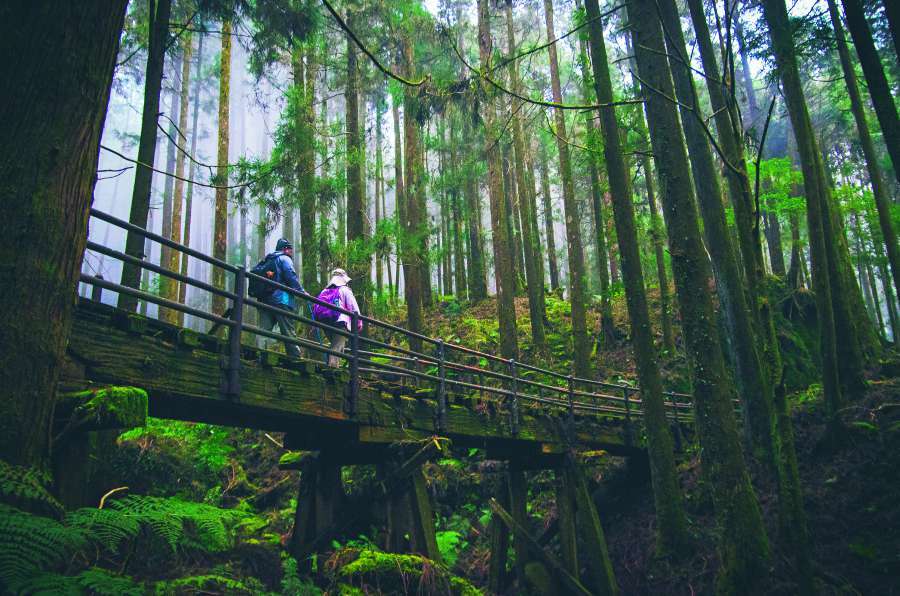
Chiayi County is home to more than 100 hiking trails, including Taixingyan Trail, Haishu Mountain Trail, Duli Mountain Ancient Trail, Youth Ridge Trail, and Dinghu Trail, as well as Tefuye Historic Trail, which is surrounded by groves of Japanese cedar. Each trail takes visitors on a unique path into the story of Taiwan's landscape. "Trail tourism has become one of our signature attractions for both local and international visitors," says Chen Feng-Wu, Secretary of the Cultural and Tourism Bureau of Chiayi County. "Back when President Lai was still vice president, he even invited foreign diplomats to hike the Tefuye Historic Trail."
A journey of a thousand miles begins beneath one's feet—and on the trails of Chiayi County, each step feels like entering a living archive of history and culture. Walk along Duli Mountain Ancient Trail, Shuishan Trail, or Tashan Trail, and you'll find yourself drawn near the historic Alishan Forest Railway. In recent years, themed trains like the Formosensis and Vivid Express have become popular among visitors—these routes offer a glimpse into the golden era of Taiwan's forestry industry during the Japanese colonial period, when Alishan was one of the island's three major logging sites.
Stretching 72 kilometers, the Alishan Forest Railway is among the few railways in the world that climbs from tropical lowlands to temperate highlands. It stands as a testament to the ingenuity of late 19th-century mountain railway engineering. "Placed on the global stage, the Alishan Forest Railway is a marvel in its own right," says Chen. "It holds tremendous potential as a destination within the Tropic of Cancer travel corridor and stands as one of the most iconic experiences in Taiwan's tourism landscape."
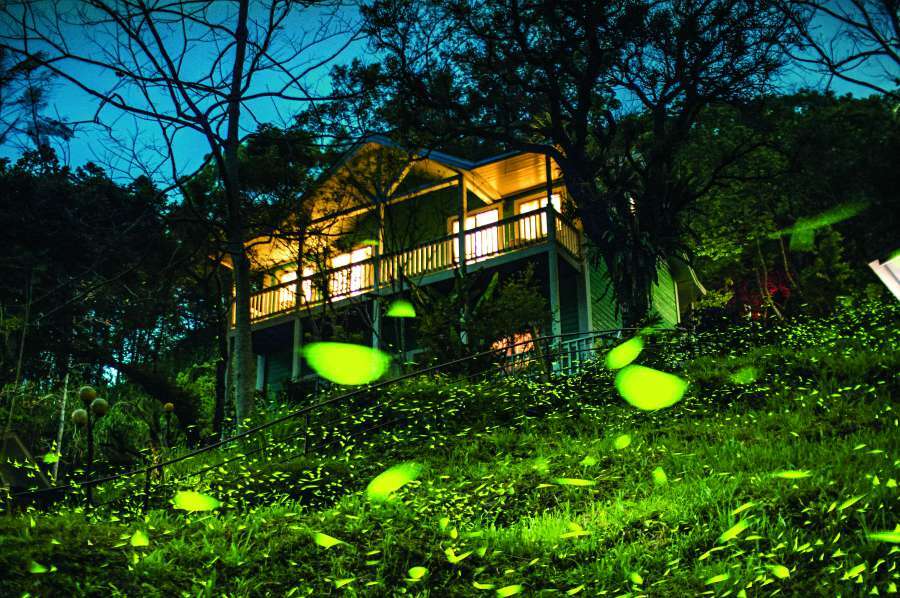
For those seeking to explore the cultural and aesthetic aspects of the Tropic of Cancer, trails like Tefuye Historic Trail, the Lijia—Shanmei Trail, and Tanayiku Trail offer windows into the living culture of the Tsou (Cou) people—an Indigenous community with just over 6,000 members today. At Shanmei Village, visitors can explore Taiwan's first community-run ecological park, Tanayiku Nature Park. At Niyahousa (the Tsou name for Sinmei Village), they can take part in the Niyahousa Hunter's Camp Experience. Alternatively, they can head further into the quiet mountains of Lijia to enjoy 2 days of cultural immersion—complete with walks along the Mountains to Sea Historic Trail, and in April and May, the breathtaking spectacle of fireflies dancing beneath starlit skies.


Mountains to Sea National Greenway
The straight-line distance from Waisanding Sandbar across Alishan Highway to Yushan (Jade Mountain) is only 60 kilometers, but along this route, one can witness the changing landscapes of coastal areas, plains, and mountains, making it an ideal path for experiencing Taiwan's rich ecological diversity. The 177-kilometer-long Mountains to Sea National Greenway (MSTW) embodies a similar concept.
The Mountains to Sea National Greenway is one of the outcomes of Taiwan's trail movement. This national-level greenway starts at Taijiang National Park, traces Chianan Irrigation Canal upstream to Wushantou Reservoir, continues to Zengwen Reservoir, and stretches through Alishan, ultimately reaching Yushan. Spanning across Tainan City and Chiayi County, it passes through three national scenic areas—Yunlin-Chiayi-Tainan Coastal, Siraya, and Alishan—as well as two national parks, Taijiang and Yushan. Along the way, it connects the cultural communities of the Taijiang, Siraya, and Tsou Indigenous peoples, forming both a cultural corridor and an ecological heritage route of Taiwan.
The Mountains to Sea National Greenway divides the route from the sea to the mountains into four main sections: the Inner Sea Trail, Canal Trail, Tribal Trail, and Sacred Mountain Trail. Key sites along the trail include Zengwen Reservoir, Chashan Tribal Village, Lijia Village, Dabang Village, Lulin Mountain, Linzhi Mountain Saddle, Yushan Trailhead, and Tataka region, all of which are located within Chiayi County and Nantou County.

Walking the Road of Sustainability through Ecotourism
"From the perspective of the Cultural and Tourism Bureau, effective ecological conservation is one of the crucial elements for promoting tourism," says Chen. He believes that building high-quality ecotourism products and low-carbon travel models is essential for the future. "Once mass tourism reaches a certain point, people inevitably begin seeking slower, deeper experiences. For that audience, ecotourism becomes even more valuable. It's a direction we must take to truly elevate the quality of tourism in Taiwan."

Reflecting on Chiayi County's rich cultural and tourism assets, Chen places high hopes on the Tropic of Cancer Sustainability Belt initiative. "I'm especially optimistic about Demonstration Sub-Belt 3, which stretches from the coastal wetlands of the Chianan Plain through the Chiayi metropolitan area and into Alishan and Yushan. With the right focus, this could become one of the most impactful belts."
Spring brings the cherry blossoms of Alishan and the wisteria blooms of Ruili Village. In summer, visitors can stroll through the Southern Branch of the National Palace Museum. Come autumn, the Chiayi Fantastic Trail calls out for long walks, whereas winter invites travelers to the mountains for local teas and hand-brewed coffees. "Chiayi County is beautiful even without makeup," Chen says with a smile. It may not clamor for attention, but it offers a quiet richness worthy of slow travel—four seasons of humble charm, patiently waiting for visitors to "come to Chia"—a homonym for both "Chiayi" and "here" in the local tongue.