Cultural Diversity and Humanistic Aesthetics | Ministry of Culture
Article / Huang Shih-Ju
Data source / Ministry of Culture; Bureau of Cultural Heritage, Ministry of Culture
Walking along a cultural route is like traveling back in time. Since the creation of the world’s first cultural route—the Routes of Santiago de Compostela in 1987—countries around the globe have begun connecting local landscapes with living heritage through themed pathways and weaving together stories unique to each region. These cultural routes have emerged as a new way to preserve and revitalize cultural heritage.
From its trailhead in Salzburg, Austria, the European Mozart Ways invites travelers to follow in the musical footsteps of Mozart. The trail passes through ten countries to explore a rich tapestry of music, art, and architectural heritage. On the shores of Lake Biwa in Japan, water connects daily life, rituals, and culinary traditions, and invites visitors to experience first-hand a deep cultural heritage that has been passed down through the water.
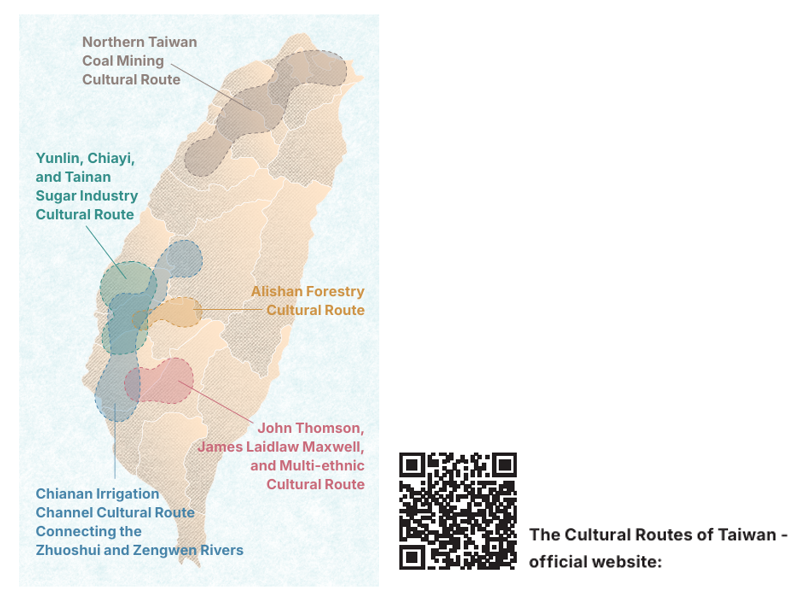
In Taiwan, the Ministry of Culture, implemented by its Bureau of Cultural Heritage, has introduced five pilot routes under the Cultural Routes of Taiwan initiative, which encourages the public to rediscover the island through stories embedded in its landscapes. As part of the Tropic of Cancer Sustainability Belt project, the Ministry is also introducing the Taiwan Tropic of Cancer Cultural Route. Each route is a narrative journey that threads together texts, sites, nature, and cultural memory along this subtropical belt. Both local and international travelers are warmly invited to take a stroll through the pages of time—discovering Taiwan’s stories with every step!
In recent years, the Ministry of Culture has launched several cultural projects, including the Taiwan Cultural Memory Bank, Regeneration of Historic Sites, Development of Museums and Local Cultural Centers, and On the Way. These initiatives laid the groundwork for the Cultural Routes of Taiwan by identifying historical themes and creating tourism routes that bring cultural narratives to life.
The Cultural Routes of Taiwan initiative has launched five pilot routes thus far: the John Thom son, James Laidlaw Maxwell, and Multi-ethnic Cultural Route; the Northern Taiwan Coal Mining Cultural Route; the Yunlin, Chiayi, and Tainan Sugar Industry Cultural Route; the Alishan Forestry Cultural Route; and the Chinan Irrigation Channel Cultural Route Connecting the Zhuoshui and Zengwen Rivers. Among them, Taiwan’s sugar refineries— which once flourished across the island—have become important mediums for fostering local awareness of sugar industry culture.

Q:Europe spans vast territories and comprises many countries, making it ideal for building transnational and cross-regional cultural routes. Does Taiwan have the same potential?
In Europe, many cultural routes stretch across hundreds or even tens of thousands of kilometers. The Iron Curtain Trail, for example, traverses 20 countries and extends over 10,000 kilometers. Germany’s European Route of Megalithic Culture connect more than 80 archaeological sites across five nations.
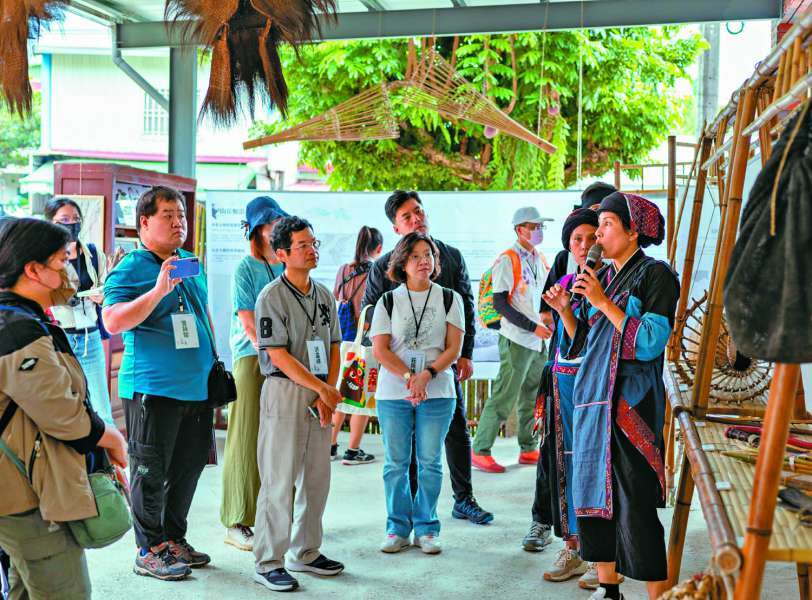
Taiwan my be smaller in scale, but with a well-defined and distinctive theme, it is equally capable of creating deeply engaging cultural routes. Once a route's theme is clearly articulated, it becomes possible to map out the history, preservation, and presentation of the cultural assets along the way. This helps construct a meaningful cultural narrative—one that can be translated into contemporary relevance, making it easier for the public to understand, connect with, and be inspired to explore.
Rediscovering Sweet Memories
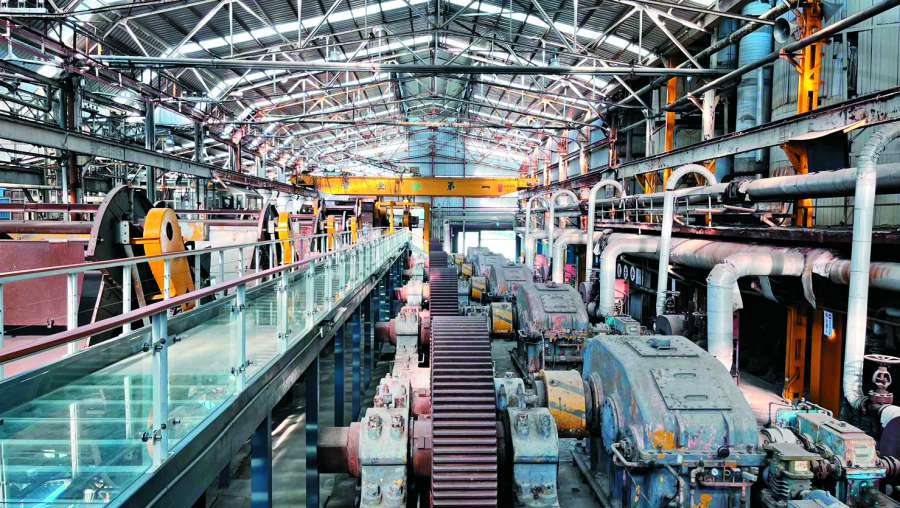
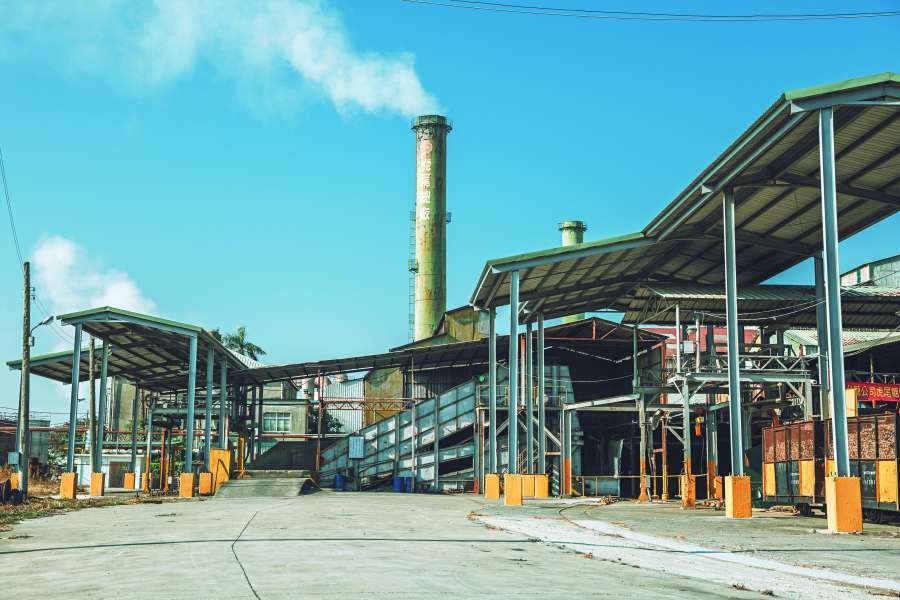
At Huwei and Shanhua Sugar Factories—the last remaining facilities in Taiwan that still produce sugar from sugarcane—a gentle aroma lingers in the air. Step inside, and the distant whistle of a narrow-gauge train seems to echo the golden days of the sugar industry.
Tracing the development of Taiwan's sugar industry is like leafing through the glorious chapter in history. As early as the 17th century, farmers were cultivating sugarcane under the scorching sun and pressing it by hand or with cattle-powered mills. The landscape was shaped by the rhythms of smallholder agriculture. During the Japanese era, Taiwan's first modern sugar factory was established in Qiaotou, Kaohsiung. The clatter of machines rang through the fields as sugar production surged, propelling Taiwan onto the world stage as a leading exporter of raw sugar.
These factories were more than industrial sites—they were the nucleus of growing communities. Dormitories, schools, post offices, clinics, public bathhouses, company stores, and even shrines were built to care for workers and their families. In the soft light of dusk, children played beside the factory walls while adults chatted in front of their dormitories. For many, these everyday moments became the sweet and simple memories of childhood.
After World War II, the Republic of China government took over the island's four major sugar corporations─Taiwan Sugar Co., Meiji, Dai-Nippon, and Ensuiko—laying the foundation for what would become the Taiwan Sugar Corporation (Taisugar). During those post-war decades, sugar was more than just a source of sweetness in life—it became a driving force for Taiwan's industrial development and economic transformation.
By the 1980s, however, a global drop in sugar prices and changing trade agreements eroded Taiwan's competitiveness in the international sugar market. One by one, the factories fell silent. And yet, the tracks and buildings they left behind still stand—quiet sentinels of a once-flourishing era. These enduring traces have now become the foundation of the Sugar Industry Cultural Route.
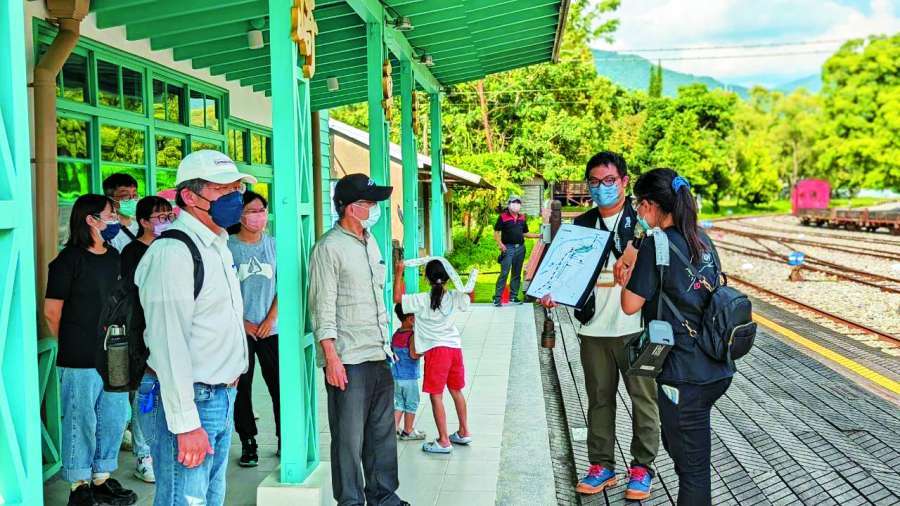
Anchored by Huwei Old Station at Huwei Sugar Factory and the narrow-gauge sugar railway station at Suantou Sugar Factory, this cultural route weaves together six key dimensions: agriculture, production technology, transport, administration, research, and residential life. Based in Yunlin and Chiayi, its reach extends outward to Taichung, Changhua, Tainan, Kaohsiung, Taipei, Hualien, and Taitung.
To support this effort, the Ministry of Culture is working with local collaborators to build a regional network of cultural routes. Together, they have launched a 2-day itinerary: the Shared Sweetness Trail. Starting from the Huwei Sugar Cultural Museum, the route crosses Huwei Iron Bridge and leads to important sites such as the Yunlin Hand Puppet Museum, Shigui River Iron Bridge, and Suantou Sugar Factory. Along the way, travelers are invited to take a stroll through the pages of time, exploring landscapes where different eras intertwine and tracing the lingering echoes of the sweet stories of Taiwan's sugar industry.
From the five east–west sub-belts to the two north–south sub-belts, sugar factories are present throughout the Tropic of Cancer Sustainability Belt. Each factory carries its own legacy and serves as a shining star within the evolving constellation of Taiwan's cultural landscape.

Q:How will the Ministry of Culture develop and present the Tropic of Cancer Cultural Routes of Taiwan in the future?
The Tropic of Cancer passes through 22 countries around the globe, most of which are dominated by arid deserts, semi-arid steppes, or grasslands. Taiwan, however, is a lush exception. Monsoon winds bring abundant moisture, warm tropical currents create a mild and humid climate, and tectonic uplift has formed the only high-altitude mountain range along the entire Tropic of Cancer. This "mountainous island" encompasses tropical, temperate, and even alpine landscapes, fostering complex and diverse ecosystems while shaping a rich mosaic of cultures and characters. These stories are unique to the island and rich with potential to captivate international travelers.
Building on its previous experience curating cultural routes, the Ministry of Culture will center the development of the Taiwan Tropic of Cancer Cultural Route around the horizontal landscape corridor defined by the Tropic itself. By drawing from the region's deep well of natural beauty and cultural heritage, the Ministry aims to shape a set of routes that not only reflect Taiwan's unique character but also highlight its critical role in the global narrative.
Select destinations rich in cultural and ecological character will be curated into thematic travel experiences that invite travelers to explore more deeply. These journeys will be supported by collaborations with local teams and tourism professionals to ensure meaningful engagement for both international and domestic travelers. Additionally, interactive maps and digital experiences will be developed to make the routes accessible to all—both on-site and online.
At the 2025 Taipei International Travel Fair this November, the Ministry of Culture will introduce the Taiwan Tropic of Cancer Cultural Route as the theme of the Taiwan Cultural Pavilion. Under its On the Way initiative, a culturally curated exhibition, visitors will be invited to discover the natural and human landscapes of the Tropic of Cancer—shaping a new vision for cultural tourism, rooted in Taiwan's stories and spirit.