
Article / Chao Hsin-Ning
Interviewees/Cheng Hsiu-Ping, Section Chief, Planning Management Section, Taijiang National Park Headquarters、Lin Hsiao-Ching, Co-founder, coFishland
“The Autumn Fish Harvest” is not a performance, but rather an entire ecotour. It is designed to help more people understand that every bite of fish we taste has behind it countless days and nights of waiting, and a vast quantity of experience built up. From fish harvesting in farms before dawn, to on-site education on the fish-based diet, to the role of tour guides, to the transformation advocated by national parks, this tour reveals how fishers navigate the balance between nature and the economy. It also bears witness to how conservation and industry can build trust to move, step by step, toward mutual prosperity. This is not just a window into a production site, but a lesson in understanding, respect, and mutual prosperity.
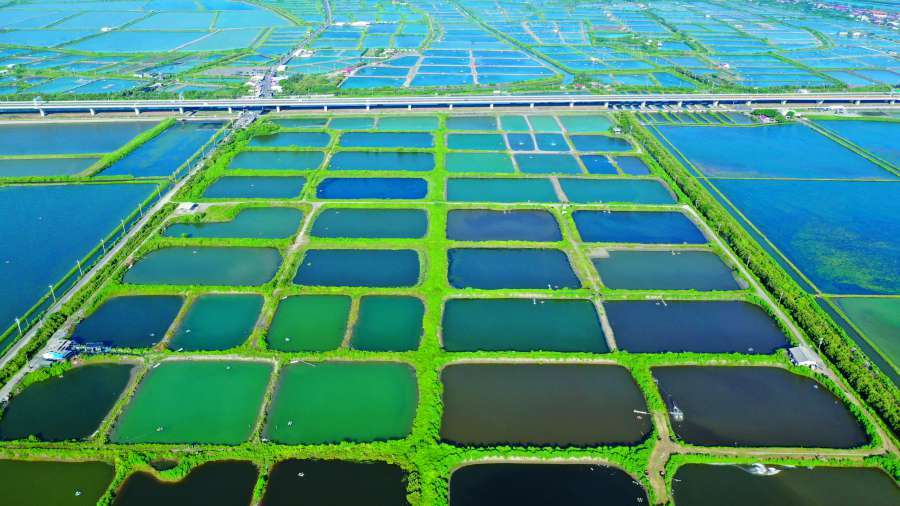
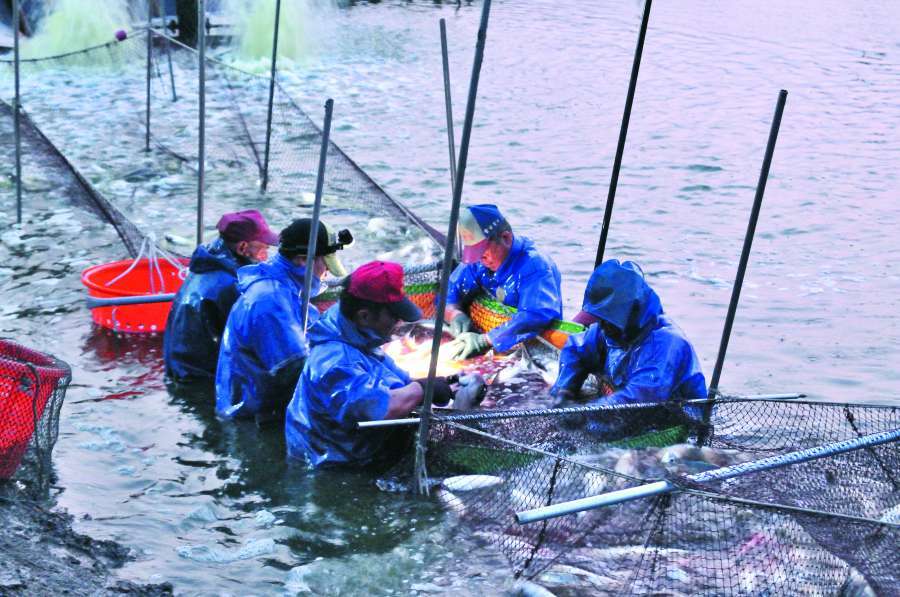
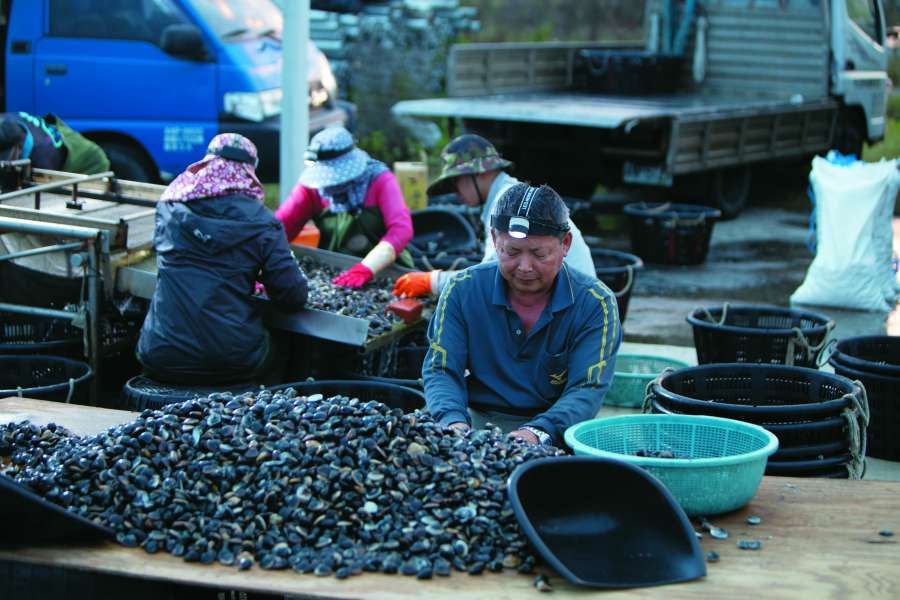
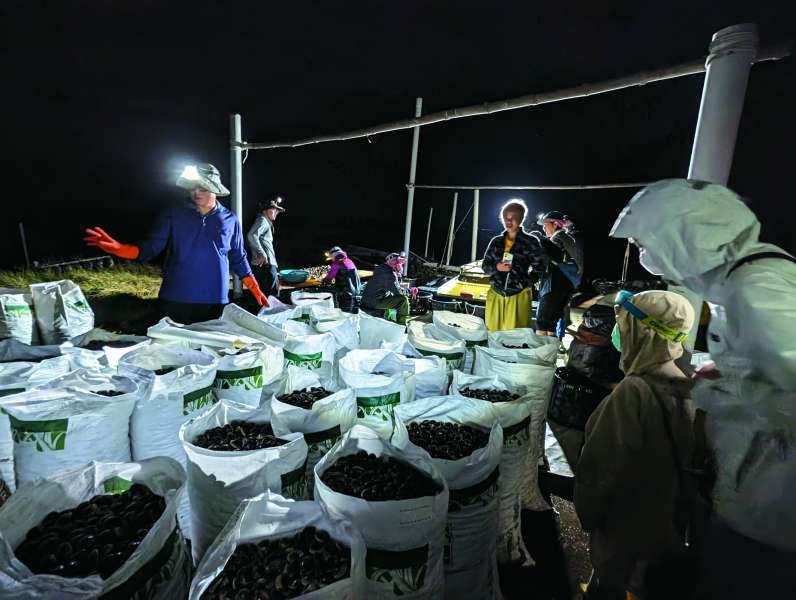
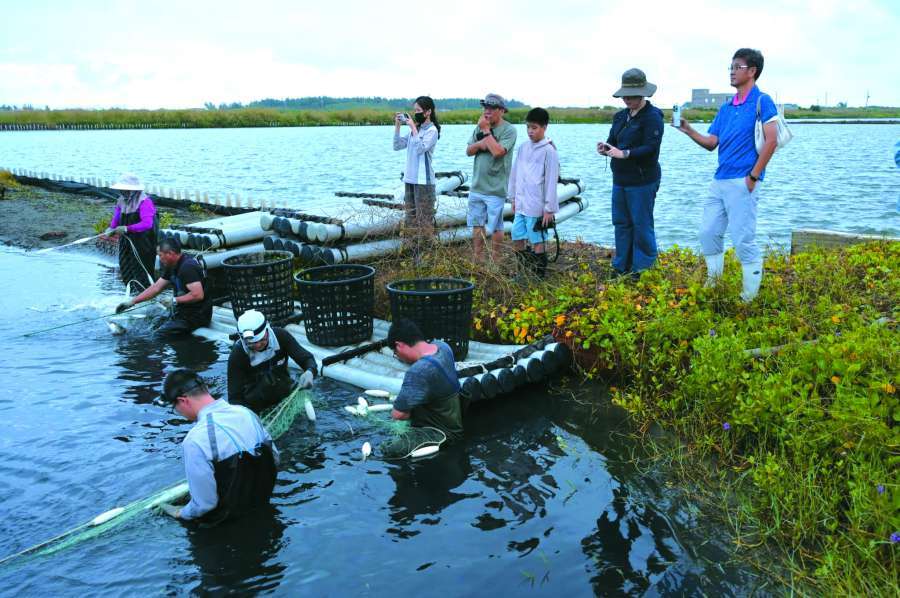
It is around 4 or 5am; the sky has yet to brighten. But there are already people here, by a fish pond in Qigu, getting out of their cars. Footsteps and voices remain soft as they stand around to quietly observe fishers preparing. A cool breeze blows in from the lagoon, carrying a faint scent of salt and moisture. This fish pond is not large, yet it resembles a miniature amphitheater; the audience waits with bated breath for the moment to arrive.
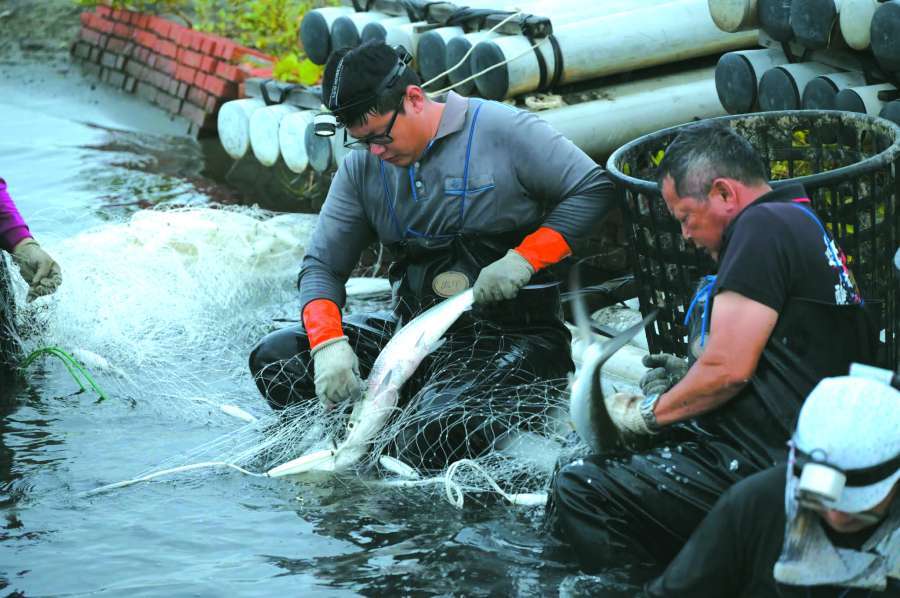
As the nets are pulled in, milkfish (Chanos chanos) begin jumping within the nets. The sounds of splash ing water, the voices of people, and lights mingle. The fishers’ silhouettes move in the dim light; every step has a rhythm to it. This is a common sight in Qigu, yet is something rarely experienced by most city dwellers.
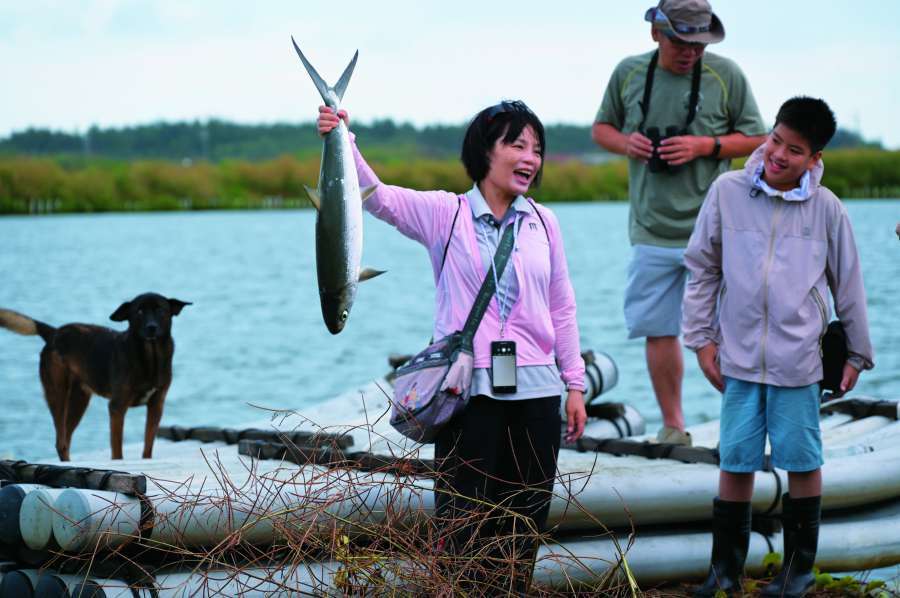
A Touching Fish-Harvest Experience before Dawn
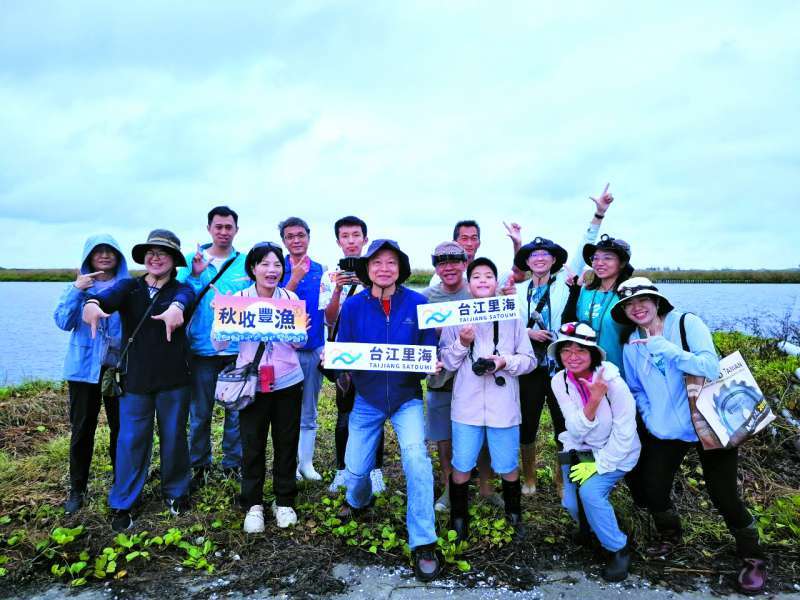
The “Autumn Fish Harvest” is an ecotour organized by Taijiang National Park Headquarters (TNPH), com bining environmental education with fish farm experience. A locally-trained Taijiang guide helps participants experience harvests at eco-friendly fish farms. At fish ponds in Qigu and Annan, they witness first hand how superb fish such as milkfish, hard clams (Meretrix genus), mullet (Mugil cephalus), grouper (Epinephelidae), and oysters are brought ashore.
After leaving the fish ponds, the group continues along a fish pond trail, admiring the rippling water surface while waiting for the sky to brighten. As the sun rises from the horizon, the fish ponds are painted in warm hues of orange and red. Seeing the sunlight dapple the fishing village is the most serene and touching moment of the entire journey.
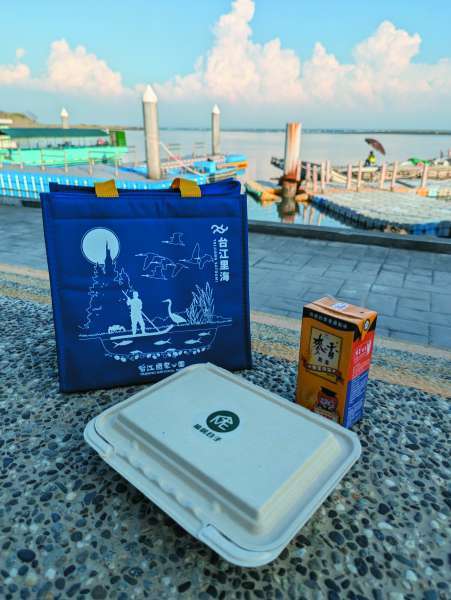
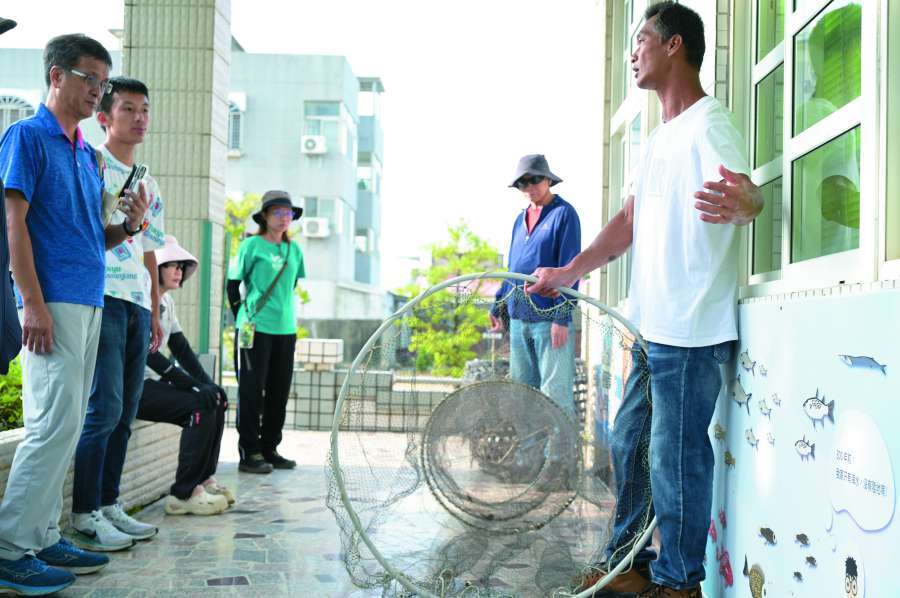
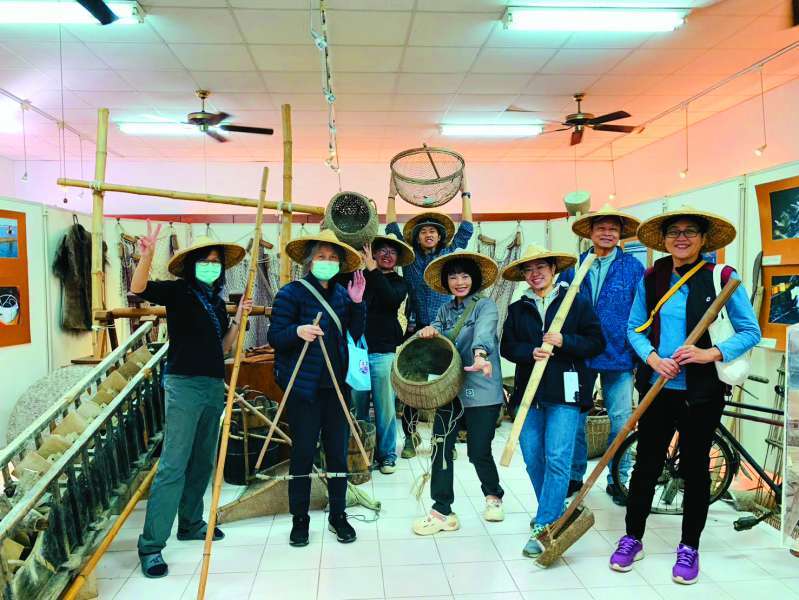
The breakfast feast starts as soon as the sun rises. coFishland, the local Qigu group responsible for the tour, prepares milk tea in cartons (a fisher’s favorite) and local breakfast specialties for all. After this, the participants take a morning stroll through the fishing village. There, they learn traditional fishing imple ments, and gain insight into the low-density aquacul ture practices in the Qigu area. All along the way, they learn about the transformations and challenges of the modern era.
It is an activity without loud music or acting; yet every participant comes away with an understanding of the meaning of production, and sees the wisdom of coexistence with nature that lies behind aquaculture.
Why Do Fishers Love Milk Tea in Cartons?
It’s 5am; the fishers have just completed their fish harvesting work, and they’re soaked in sweat. Yet the first thing they reach for upon reaching the shore isn’t a hot meal, but an ice-cold milk tea in a foil-lined carton, from a well-known brand.
This is no coincidence. Working in the early hours, their stomachs still aren’t really “awake” yet, so they’d be unable to eat anything too greasy or salty. A sweetened milk tea hits the spot exactly, with a smooth texture that goes down easy and fills up the stomach, and the basic calories they need. Unlike coffee, milk tea does not upset the stomach; and it requires no chewing. This is why it has become an unspoken agreement among fishers who do years of hard, physical work. It rep resents not only a habit, but also a form of comfort.
Just like with farmers, another popular choice is kue glutinous rice cakes, due to their durability, bite-size form, and not getting spoiled by either wind or sun. Kue are easy to eat with just one hand, while you’re waiting next to a field. Physical laborers in different industries each have their own perfect energy supply. And if you’ve just finished working in a fish pond, a nice car ton of milk tea really hits the spot.
This Isn't a Show, It's the Real Thing
For the general public, fish farms are shrouded in mystery. With a farm field or tea garden, you can tell what they raise or grow there just by looking. But with a fish farm, the fish are typically harvested in the early morning hours. Plus, harvesting in the catch requires considering the weather and fish growth performance. For these reasons, a fish harvest is something you can’t just “schedule in advance”.
Some fish farm owners are also extremely concerned when they see an unfamiliar face approaching. This has nothing to do with superstition, but rather the strong startle response and high sensitivity to light that the fish exhibit. Species like milkfish and mullet are particularly timid and sensitive; even the slightest noise or change in light can cause them to flee in panic – or even die. For fishers, that kind of risk could cost them their livelihoods.
Lin Hsiao-Ching, co-founder of coFishland, explains: “Aquaculture involves a certain level of risk, especially for species like mullet that takes several years to reach harvest size. The fishers raise the fish to the best possible condition for sale; but every extra day in the pond carries a risk of losing the fisher’s entire investment,” says Lin. She adds that the harvest night, which might seem like an exciting novelty to an outsider, is in fact a make-or-break moment for the fisher. Most fishers therefore want a harvest that is low-key, where they can concentrate, without disturbance.
Nevertheless, Taijiang National Park Headquarters successfully persuaded fishers to open their fish farms to the public, allowing visitor a chance to see inside this normally-closed window. This is clearly an extraordinarily valuable opportunity.
Catching Fish at the Right Time
Fish are usually harvested from farms during the coolest part of the day, which is between midnight and dawn. It’s not that fishers are intentionally creating an air of mystery. Rather, harvesting fish at lower temperatures will prevent the fish from suffocating or dying from collisions when startled – and that ensures better fish quality. Also, it makes it easier to deliver the fish straight to the market as soon as they’re caught, to keep the fish fresh and of course earn a higher price.
However, most outsiders are unaware of a minor detail in the process: Fishers will “herd” the milkfish several times the days before they pull in the nets. This isn’t a rehearsal. Rather, it helps the fish expel waste from their bodies in the stressful circumstances. That way, when the real harvest comes, not only will this enhance the overall visual appeal of the fish, but also their by products (such as fish intestines) will get a nicer price. For fishers who adhere to the concept of “using the whole fish”, this means that no parts go to waste. Every step, from harvest to processing, reveals the profound knowledge and experience that fishers have accumulated over the years.
From a Silly Mistake to Understanding Respect
“When I put on fishing waders and stepped into the fish pond for the first time,” says Lin, “I was so nervous that when I touched a crab, I thought it was a turtle. That brought a lot of laughter.” Lin, who is from Taipei, earned her degree at National Cheng Kung University in Tainan. Her initial impression of Qigu was that it was a leisure destination for eating seafood. Later, though, once she decided to create a fish-based diet education and experience in Qigu, she developed close ties with local fishers.
Learning everything from scratch, and their will ingness to ask questions and wait, have gradually earned coFishland the trust of fishers. To her surprise, these fishers are not as closed-off as she initially imagined. In fact, these fishers have a desire to introduce the low-intensity raising practices in the Qigu area to the public, to gain greater recognition of these products’ value.
Lin says that, given that fishers have agreed to welcome the public to their farms, that means that it is all the more important for her as a tour guide to provide visitors with a full pre-tour education. Before every activity, she reminds the participants that fish harvesting is not a performance, and they should avoid interrupting the fishing operation by taking pictures. As the guide onsite, she is the primary explainer of what’s going on, so the fishers can focus on their harvest work. When time and breaks allow, then the fishers will interact with the participants.
What she does is not just about maintaining order during the tour, but is also a sign of respect for the fishers’ work. For every tour to happen on such short notice is only possible with a great deal of back-and forth communication and gradual development of trust.
Building Trust for Mutual Prosperity
“Taiwanese people love eating fish,” says Cheng Hsiu-Ping, Section Chief of the Planning Management Section at TNPH, when asked about the in spiration behind the tour. “But most don’t know how these fish are raised or harvested. So that’s a potential entry point for cultural experiences.”
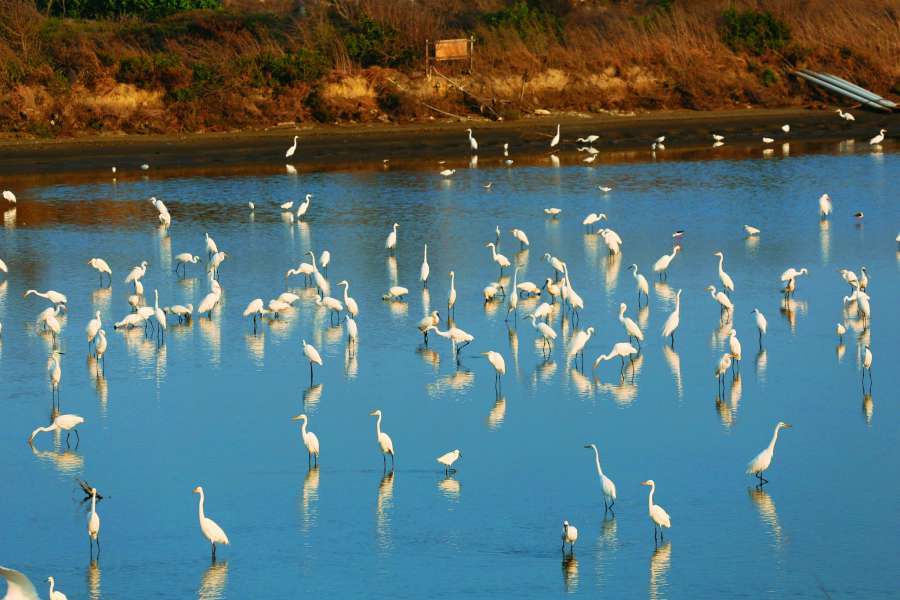
To protect the black-faced spoonbills (Platalea minor) that migrate here every winter, TNPH once attempted to include fish farms and their surrounding habitats under its supervision and management. However, fishers regarded this as an unexpected intervention; some worried about aquaculture being restricted, with some even worried about land expropriation. They bluntly inquired, “You only care about the birds, and not about people’s livelihoods?” Facing backlash, TNPH did not opt for mandatory compliance. Instead, TNPH began with joint supervision, and offering subsidies for eco-friendly habitats. This helped build understanding and trust.
Cheng explains that black-faced spoonbills visit Taiwan during autumn and winter; yet the birds were sometimes chased away by an older generation of fishers, using firecrackers, as the fishers considered their “guests” likely to steal fish and raise government attention. However, with the recent rise in eco-friendly concepts, residents have become more willing to lower fish pond water levels during autumn and winter after their harvest season. This makes the wetlands much better suited for foraging birds – a vast natural dining table set for the spoonbills.
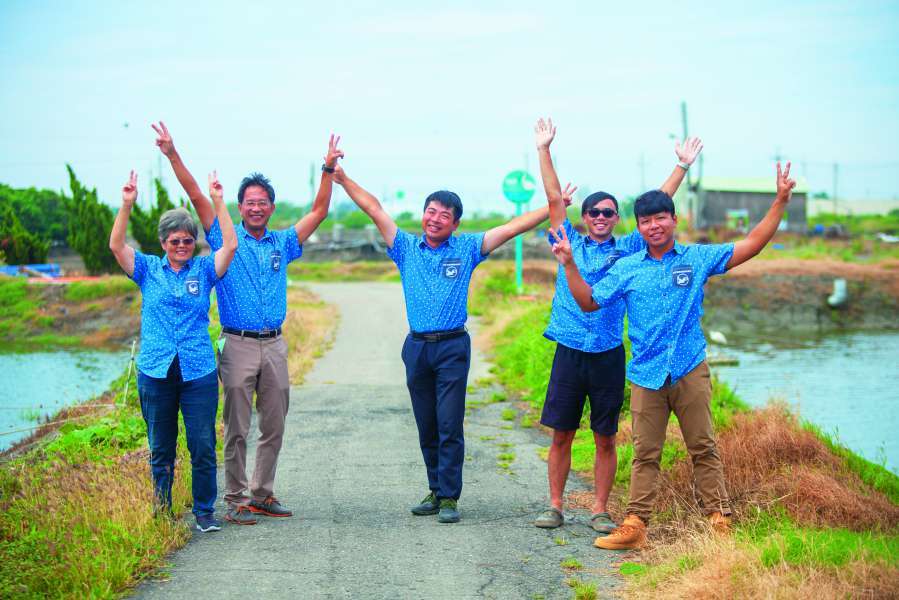
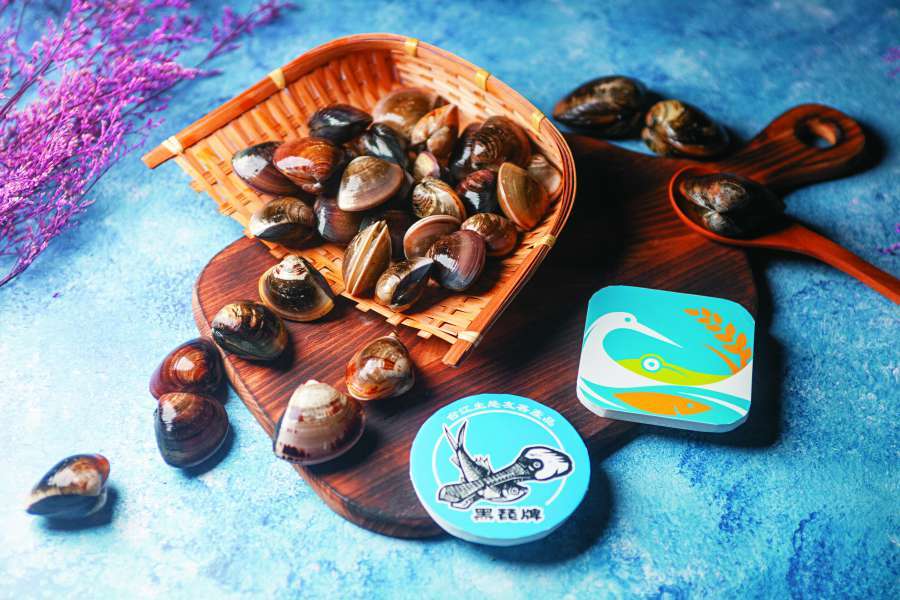
TNPH has also launched the “Happy Spoonbill” canned food brand. (“Happy” is a pun on the Chinese name for black-faced spoonbills, e.g., Mandarin heīpí.) This brand aims to promote local eco-friendly aquaculture products, using the high visibility of black-faced spoonbills to gain consumer recognition and support. TNPH aspires to turn every purchase into a gesture of support for environmentally friendly initiatives. The “Autumn Fish Harvest” activity follows the same philosophy: Seeking to create new frame works for mutual prosperity between conservation, education, and industry.
How Different Are Fish Raised in Qigu Farms?
Qigu’s geography is quite unique: It is located near the coast, and has a huge lagoon. That means that sea water flows naturally into the inner sea with the tides, bringing a continuous flow of water to fish farms. The farms thus need no additional extraction of groundwater or freshwater for irrigation. The water source is pure seawater, so the farming methods adopted here are distinctively different from those in other places.
In other regions, more high-intensity methods are used to attain high yields in a short period of time. In Qigu, however, many fishers have long used a low-density, multi-species approach. For example, with milkfish, most farms will raise up to 200,000 larvae in an area of about one hectare, while Qigu, the same area will only raise about 5,000 larvae, just a quarter the usual rate. …which will result in meat that is springy and firm, with less fishy flavor.
This approach may be slower, but it comes with numerous advantages. Raised with healthier conditions and more stable water quality, the fish are less prone to disease and thus require fewer medications. Additionally, having ample space allows the fish to swim freely and grow healthily, which will result in meat that is springy and firm, with less fishy flavor.
The combination of a low-density approach and natural sea water cycling is also less harmful to the ocean. It is the method that fishers have found, over many years, to be most appropriate for this land. In this case, less is better.
Opening a Door; Offering a Mirror
For outsiders, this tour serves as their first window on aquacultural land; while for locals, it provides a mirror that helps them to re-discover the place they grew up.
Lin recalls clearly that, during a tour last year, one tour participant remarked: “I grew up in Qigu since I was little, but I had never seen how fish are caught here.” This prompts Lin to recall a vivid memory from her early days in Qigu, when she was taking part in a fish harvest. Her fear of hurting a fish caused her to hesitate to pick up the fish’s body; in the end, she hesitated too long. A fisher couldn’t watch any longer, and gently reminded her, “If you do it quicker, it’ll hurt the fish less.” Only then did she realize that her emotional instincts don’t necessarily help the animals.
Through all the grasping and pulling, her understanding of aquaculture has become more concrete, more real.
A fish farm is not a theater stage; a fisher is not an actor; and the “Autumn Fish Harvest” is not a tourism show. Instead, they are an economic backbone, essential to the coastal communities of Qigu and Annan. When you are standing there on the bank next to the fish pond, watching the fishers casting nets, pulling the nets in, lifting fish, sorting, packing fish into boxes – it gives you a sense of not just “knowing”, but beginning to truly “understand” their hard work and wisdom. It is only then that your choices that make an impact on the future of aquaculture products will truly change.
Cheng notes that three Autumn Fish Harvest sessions are planned for this year. He hopes to provide shuttle buses for visitors to reach the event site in the future, as this would avoid unnecessary disturbances and risks caused by visitors trying to find their way in the dark. If the tour gets positive public response, more sessions will be scheduled in these communities. The national park can only play the role of an initiator; for development to continue, sustainably and long-term, the primary guidance still has to be from the local communities.
“Conservation doesn’t necessarily have to be at odds with industry,” says Cheng. “We can work together, side-by-side.” Fish farms are a window that show us not only how the aquaculture industry works, but also the trust and choices that are built between people and the land.


