
Article/ Cheng Chih-Ya, Yang Yue-Han
In an era when our minds are instantly flooded with images and text the moment we open a laptop or scroll through a phone, it is difficult to imagine that just 30 years ago, the Windows 95 operating system was only beginning to enter households alongside the growing popularity of personal computers. Back then, much first-hand information from home and abroad was still conveyed through printed publications. Those monthly—or even quarterly—magazines were eagerly awaited, serving as precious gateways to new knowledge.
In 2006, Taiwan’s national parks began bringing the beauty of the mountains, seas, and cultural heritage onto the printed page. These magazines sought to attract those unfamiliar with the parks, drawing them in with magnificent landscapes and inspiring them to visit in person. For those already acquainted with the parks, they also documented years of conservation and management efforts and their achievements, encouraging continued public support as the parks advance toward a shared vision of people and the environment living in harmony.
“The coexistence of people and the environment”—this aspiration was articulated in the inaugural foreword of the National Parks Quarterly. But how can this vision be communicated more widely, so that it may be understood and put into practice? As an important component of environmental education, the quarterly began from scratch and has since produced 80 issues featuring a wide range of themes—from conservation and management to historic trails and Indigenous communities, and from partnerships to climate change. It has consistently conveyed the distinctive appeal of the national parks while demonstrating an evolving capacity to respond to changing times.
What follows is both a rewind and a fast-forward. Beginning with the inaugural issue of National Parks Quarterly, we trace how the publication has recorded page after page of stories over the past two decades, documenting the development of the parks. Along a parallel timeline, we also look back at the major milestones achieved during these 20 years. The journey begins with “The Story of the Great Ocean.”
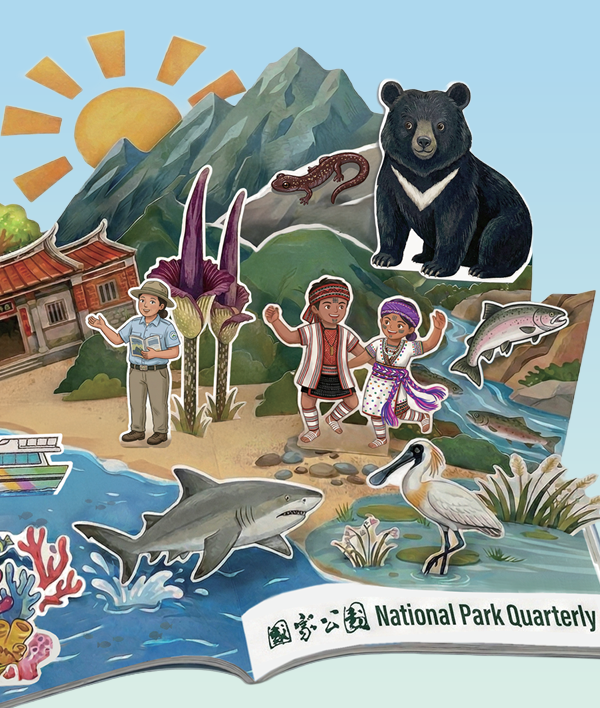
Key Moments in National Park History
The Establishment of Dongsha Atoll National Park.
Typhoon Morakot brings heavy challenges to Central, Southern, and Southeastern Taiwan.
The Establishment of Taijiang National Park.
The Legislative Yuan passed the Coastal Management Act and the Wetland Conservation Act on third reading.
The Establishment of South Penghu Marine National Park.
Kenting, Yushan, Yangmingshan, and Taroko National Parks marked their 30th anniversaries, while Kinmen National Park celebrated its 20th anniversary.
Signed memoranda of understanding with international scientific organizations and WWF-Hong Kong at the International Wetlands Conference.
The National Nature Park Headquarters was established, and Shoushan National Nature Park became Taiwan’s first national nature park.
The COVID-19 pandemic swept across the globe.
The National Park Service was established as the competent authority under the National Park Act, the Coastal Management Act, and the Wetland Conservation Act.
April 3 Hualien Earthquake.
SWS Annual Meeting Held in Asia for the First Time, in Taipei.
Launching of the "Tropic of Cancer Sustainability Belt" Project.
An Ever-Evolving Quarterly
2006-2013 Ecological Treasures of the National Parks
Within these pages, readers can ascend towering peaks or descend into the depths of the sea. The landscapes and ecosystems of seven national parks—Kenting, Yushan, Yangmingshan, Taroko, Shei-Pa, Kinmen, and Dongsha Atoll—have been presented through a series of in-depth features. Beyond offering visitor information, these features also convey the responsibility of stewardship. The historic trails, traditional residences, and other cultural landmarks within the parks further deepen the historical dimension of conservation efforts.
2012.3 The new layout adopts separate Chinese and English design formats.
In addition to the print edition, a digital version is also available on the HyRead ebook platform.
2014–2017 Annual Themes Framing the Seasons
“Co-Cultivation, Marine Life, Adapting to Change, and Resilience”; “Prudent Stewardship, Spatial Interpretation, Coexistence in a Shared Era, and Learning from Mountains and Seas.” From natural forces and emerging issues to the core missions of the national parks, the introduction of clearer annual themes has given the quarterly a more distinct identity. In terms of content planning, it has further highlighted partnerships with local communities and Indigenous groups.
2018–2021 「People at the Heart of National Parks
In 2014, the International Union for Conservation of Nature (IUCN) introduced the “Healthy Parks Healthy People” initiative, advocating for national parks and other public lands to serve as gateways to advancing both human and planetary health. During this period, “people” and “health” became central themes of the quarterly
2022–2025 Bridging Taiwan and the International Community
Climate change, habitat fragmentation, and the rapid loss of biodiversity—the challenges facing our global environment and society are the very same issues our national parks are working to solve. By focusing on key themes like Natural Carbon Sinks, Sustainable Development Goals (SDGs), and ESG partnerships, we showcase how our national parks bring together central and local governments, businesses, and NGOs. Together, we are building a wealth of experience and sharing Taiwan’s voice with the international community.
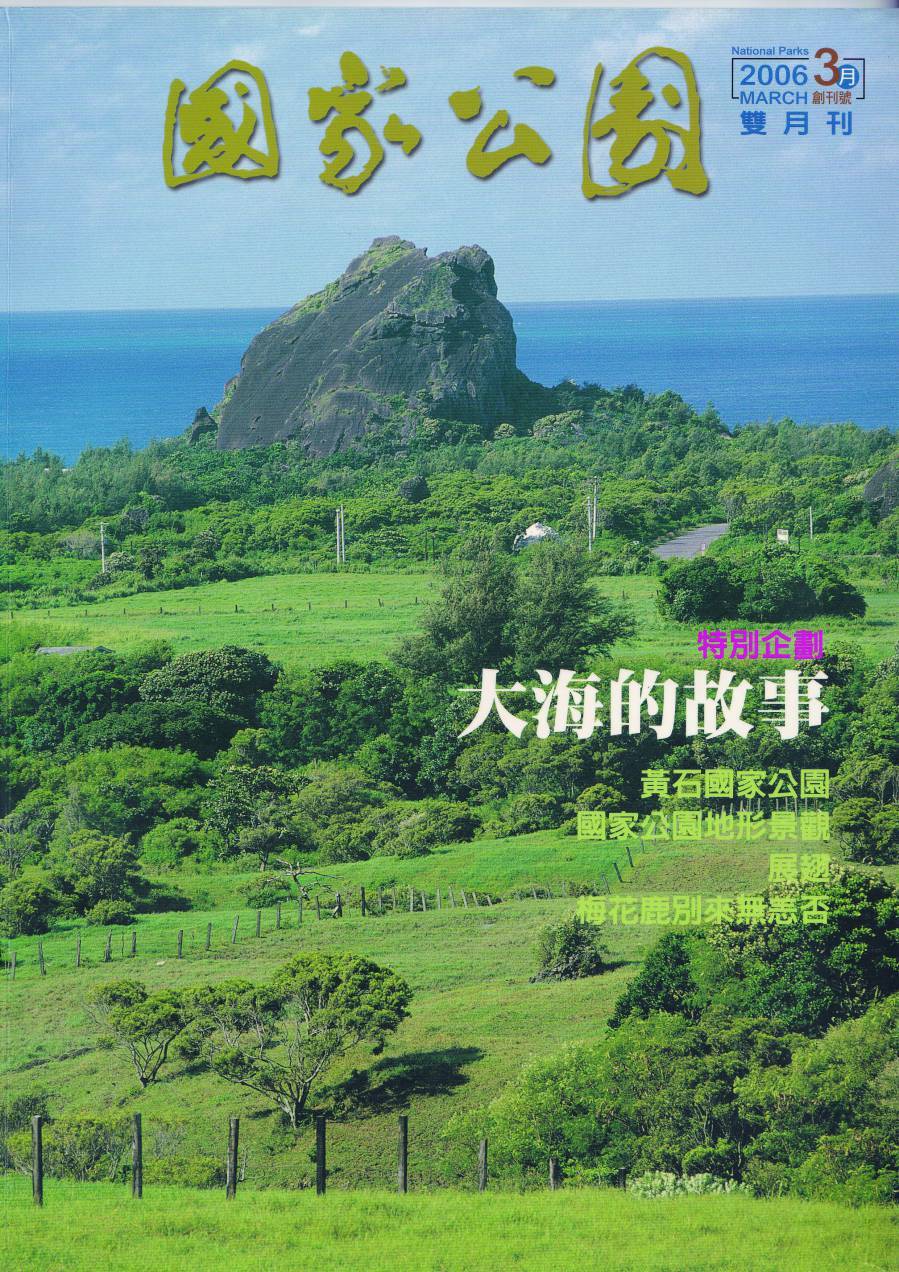
The Birth of the National Park Bimonthly
The highly commemorative first issue featured a special report that encouraged readers to shift their gaze from the familiar forests toward the vast ocean. It explored how international marine conservation trends were influencing the designation of Marine Protected Areas (MPAs) within our national parks, while also highlighting both the crises and the turning points for the Dongsha (Pratas) Islands. At the time, all photo captions were provided in Chinese, English, and Japanese—a clear reflection of the ambition to share Taiwan’s story with the world.
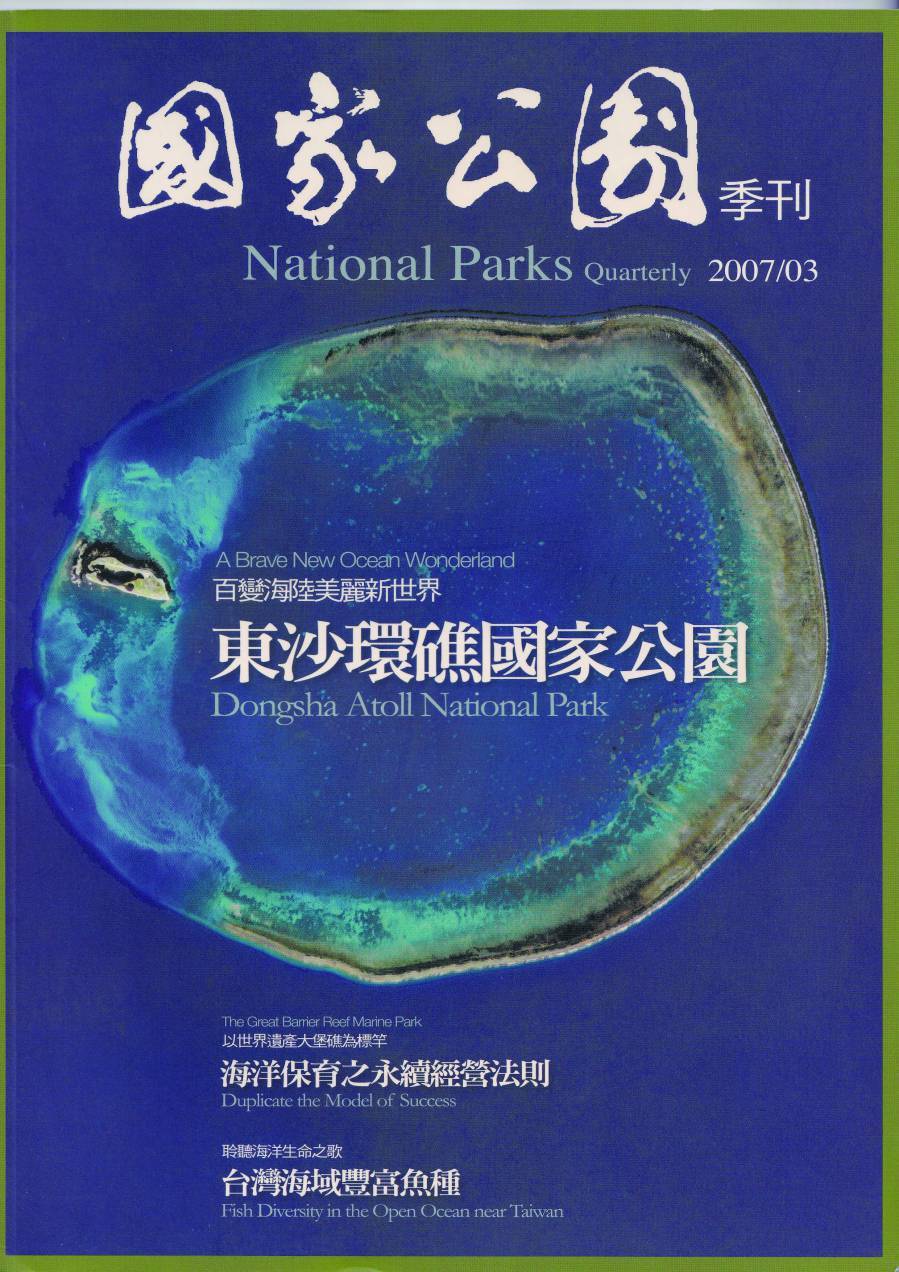
From Bimonthly to Quarterly
The very first quarterly issue arrived at a pivotal moment: the official establishment of Taiwan’s first marine national park. Against the backdrop of global calls for ocean protection, the issue delved into the geography and history of the Dongsha Atoll. Through captivating photos and text, it took readers on a journey to Dongsha Island—a place not easily visited by the public. From the vibrant ecosystems of coral, fish, birds, and flora to the little-known "Dongsha Archaeological Site," it offered a truly satisfying "armchair travel" experience.
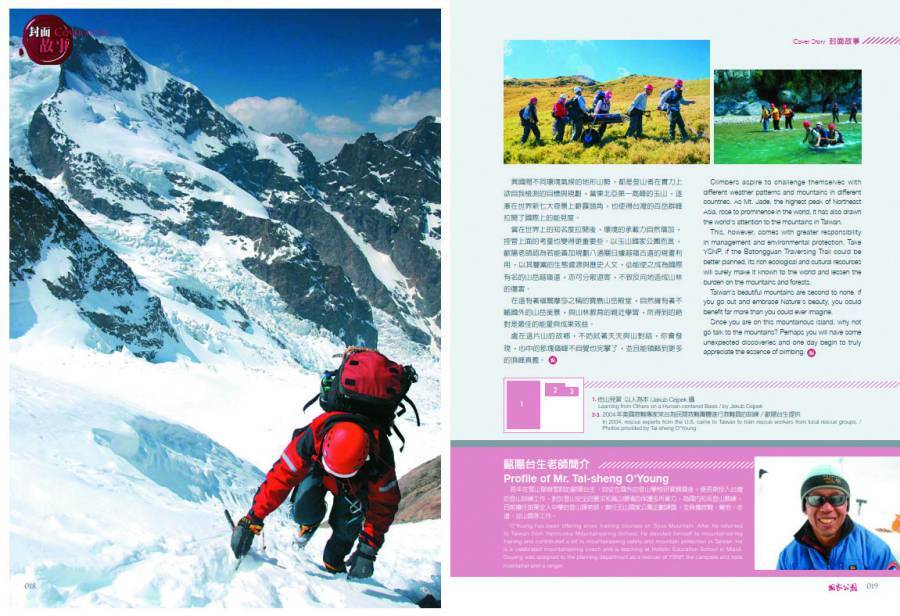
Reaching the Summit: Learning from the Mountains
Centered around the story of the Taiwanese climbing team that completed the "Seven Summits" challenge, this issue explores how climbers use the wisdom of humility and tolerance to learn the art of living in harmony with the mountains.
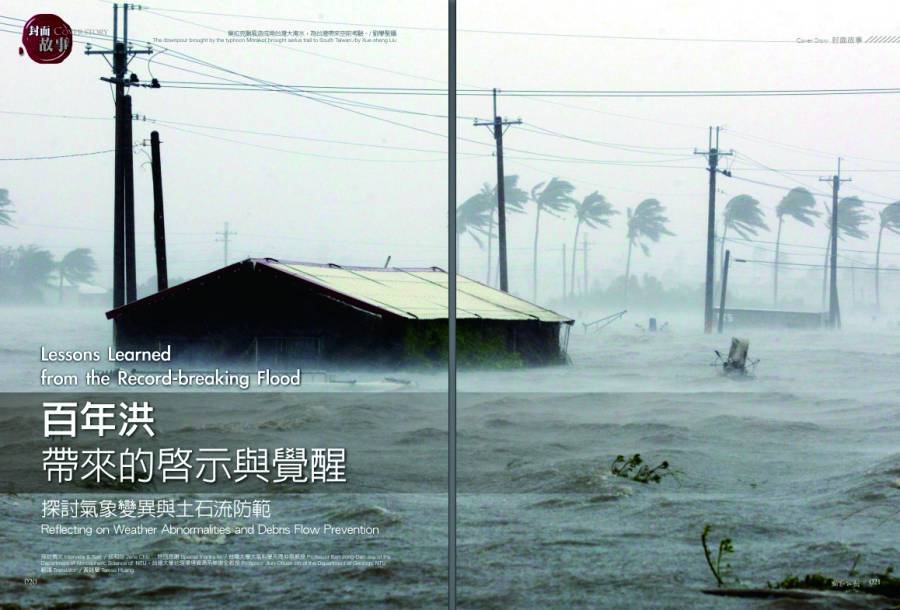
A Legacy for Generations, A Sustainable Taiwan
Starting with the environmental reflections brought about by Typhoon Morack, this issue invites former Construction and Planning Agency Director Chang Lung-Sheng and NTU Geography Professor Wang Shin to share their insights, aiming to awaken a necessary awareness of national land conservation.
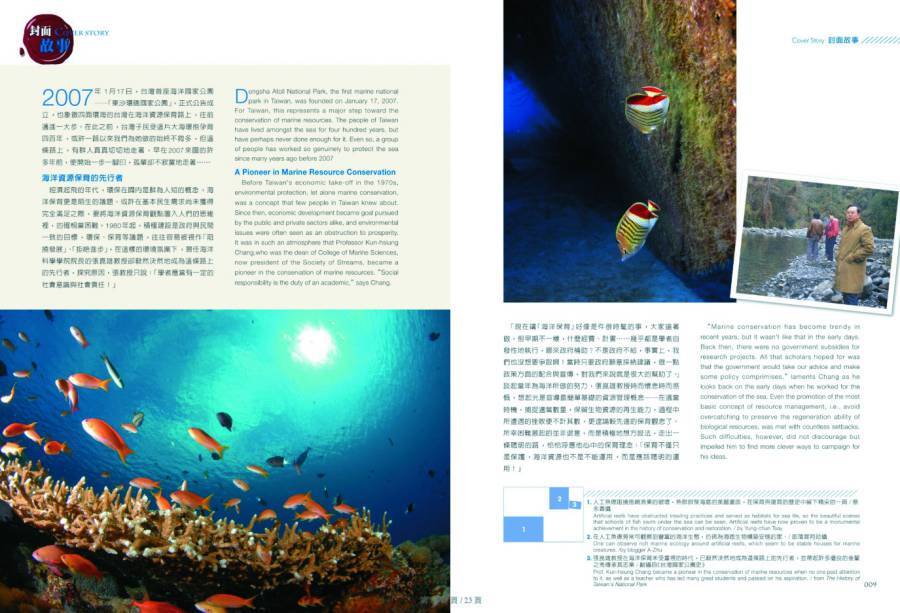
Safeguarding Our Blue Homeland
The editorial team traveled south to visit the Marine National Park Headquarters and Kenting National Park Headquarters to learn about their dedicated efforts in defending the sustainable management of our oceans.
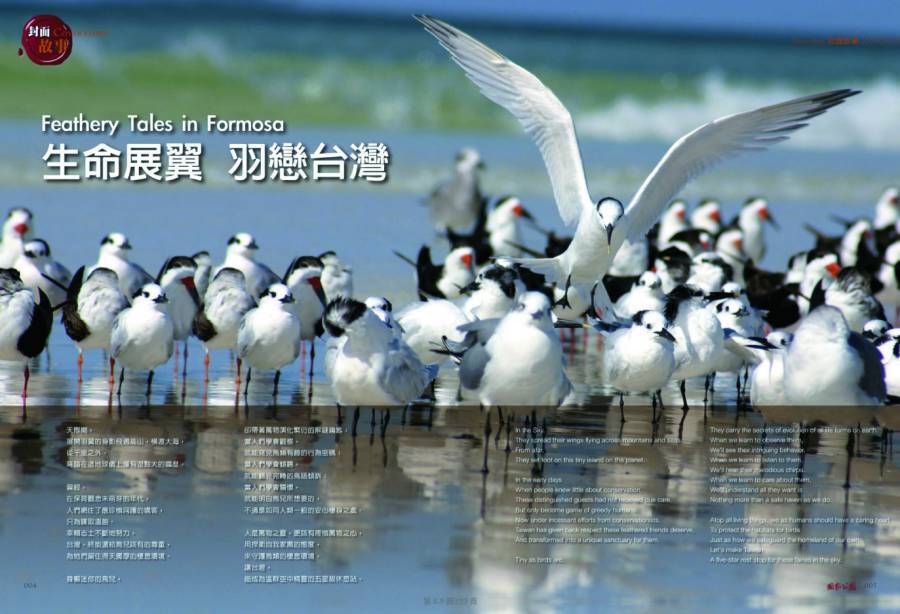
Wings of Life Over Taiwan
Over the past 20 years, the successive establishment of national parks and the promotion of conservation knowledge have transformed Taiwan from a "dead end" for migratory birds into a safe and peaceful haven.
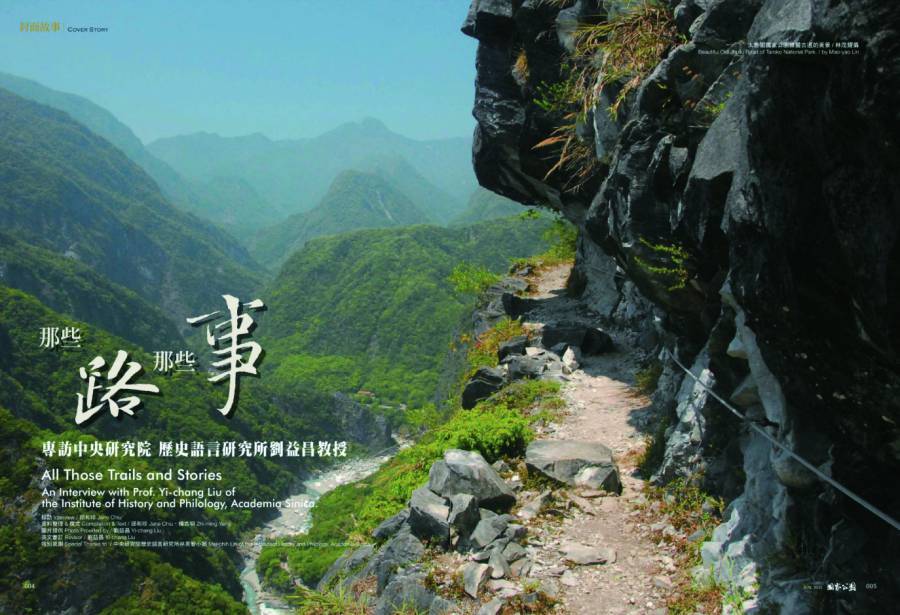
Roaming Ancient Trails, Encounters Within the Parks
From border patrols and indigenous management to hunting, trade, and marriage ties— ancient trails that once served diverse functions now face different fates. Let us rediscover these cultural memories long buried within the dense forests.

The Ancient Shipwrecks of Dongsha Atoll
Located at a strategic point at the southern end of the Taiwan Strait, Dongsha Island has been a vital passage on the Maritime Silk Road since ancient times. It is considered one of the areas with the richest shipwreck remains in the world.
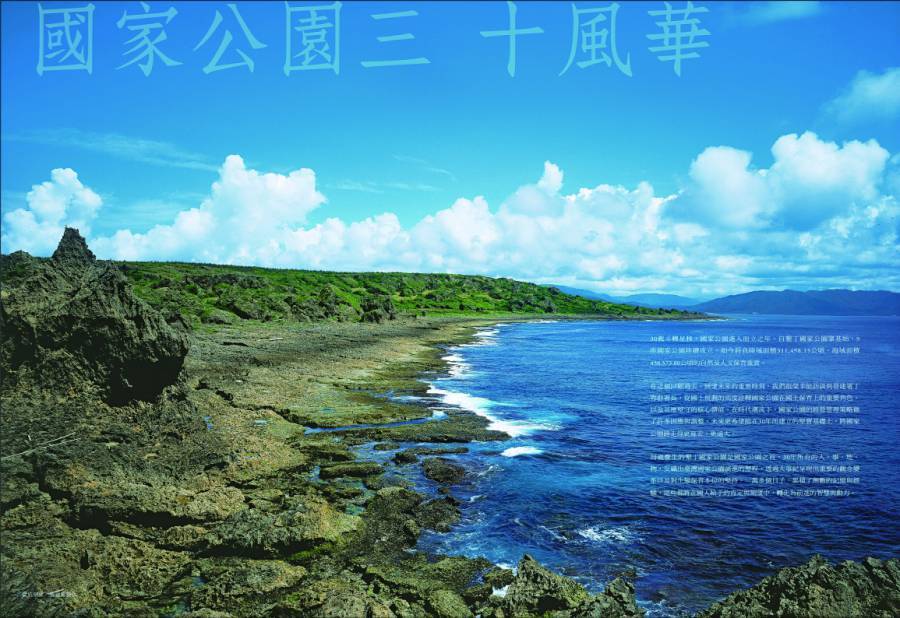
A Turning Point
Having crossed the 30-year mark, Taiwan’s national parks have reached their "age of independence." Kenting National Park took the lead in launching this century-long endeavor. Standing firm amidst the wind and rain to safeguard the core of Taiwan’s ecology, we witness both visionary foresight and the challenges that lie ahead.
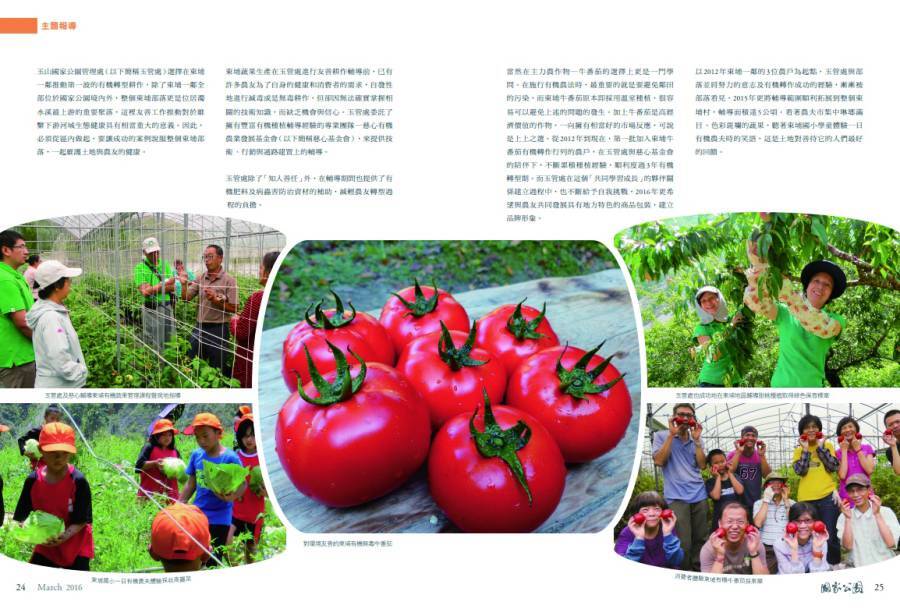
Cultivating Together
Discover how National Park Headquarters and local residents support one another. By shifting perspectives and implementing guided management, they have built solid, harmonious partnerships that allow conservation ideals to take deep root in the land.
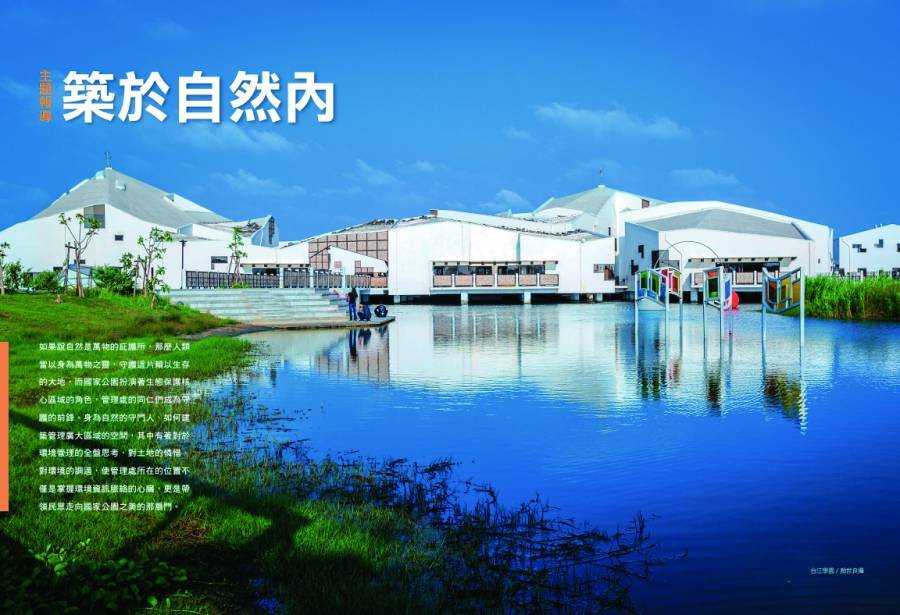
Built Within Nature
Architectural complexes reflect the aesthetics of their eras. From the modern structures of the Taijiang Campus to the traditional homesteads of Kinmen, these buildings house a deep interaction between nature and humanity, firmly rooted in the local landscape.
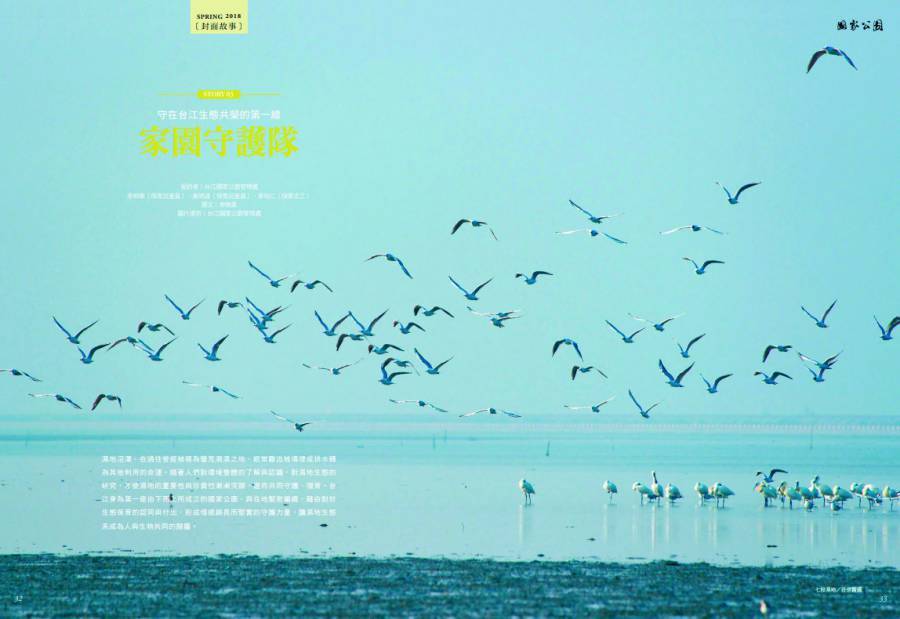
Partners in Nature
Behind the scenes of nature's vibrant vitality lies the dedicated effort and selfless devotion of national park staff and volunteers engaged in conservation and research.
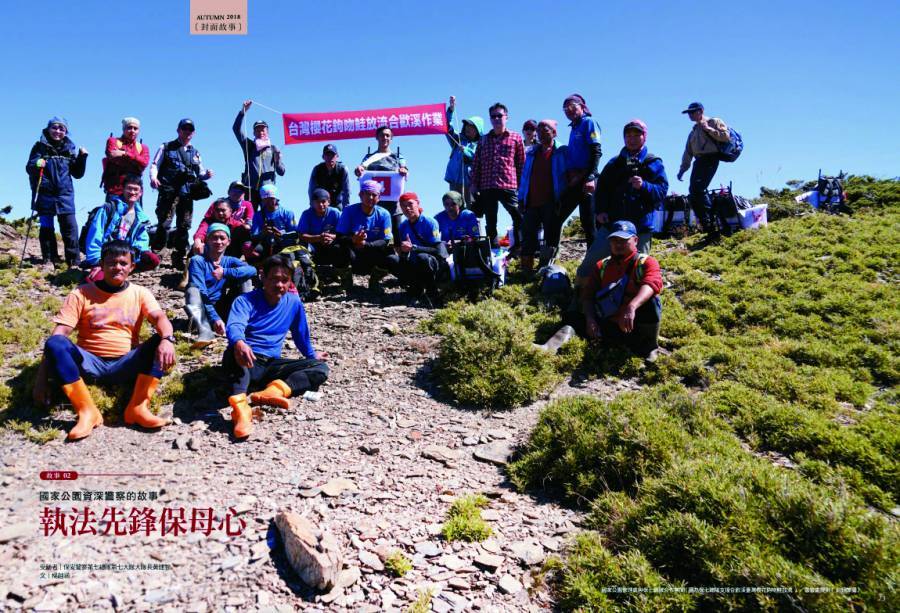
Behind-the-Scenes Coordination
The law enforcement pioneers of the 4th through 9th Battalions of the Seventh Special Police Corps traverse wild terrains, mountain forests, and heavy traffic. They serve the public while upholding the dignity of the rule of law and demonstrating the nation’s unwavering commitment to National Park conservation.
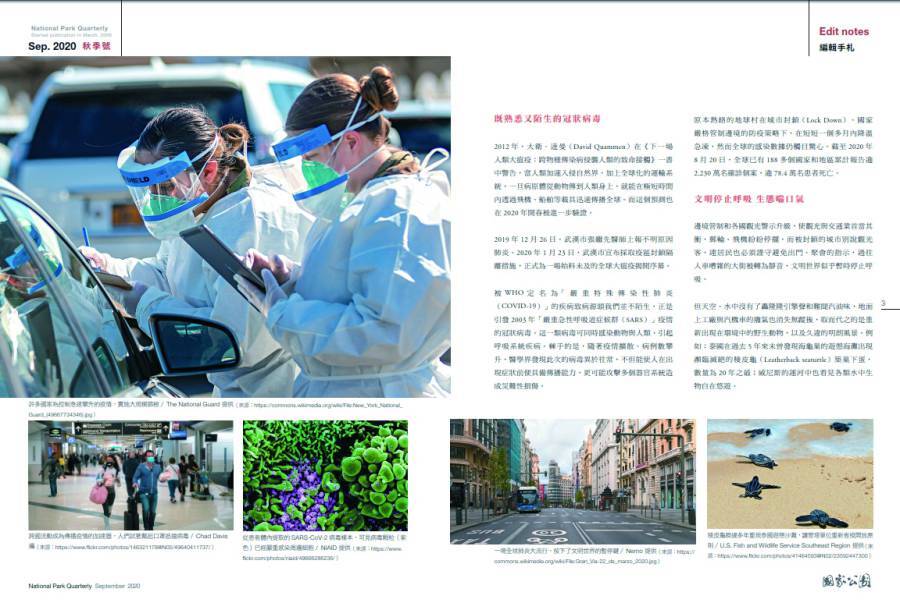
Traveling with Peace of Mind
2020 marked the 50th anniversary of Earth Day. While many national parks around the world had to close their gates to prevent the spread of COVID-19, Taiwan’s national parks took a different path. By following the "New Lifestyle for Pandemic Prevention" policy, we adjusted our travel guidelines so everyone could still enjoy the outdoors safely.

Healing "Nature Deficit Disorder": Walking the Waves and Tides
Whether it’s a casual stroll or a deep dive into nature observation, the ever-changing terrain of the coast is the perfect "playground" for developing motor planning skills and helping children stay fit and healthy.
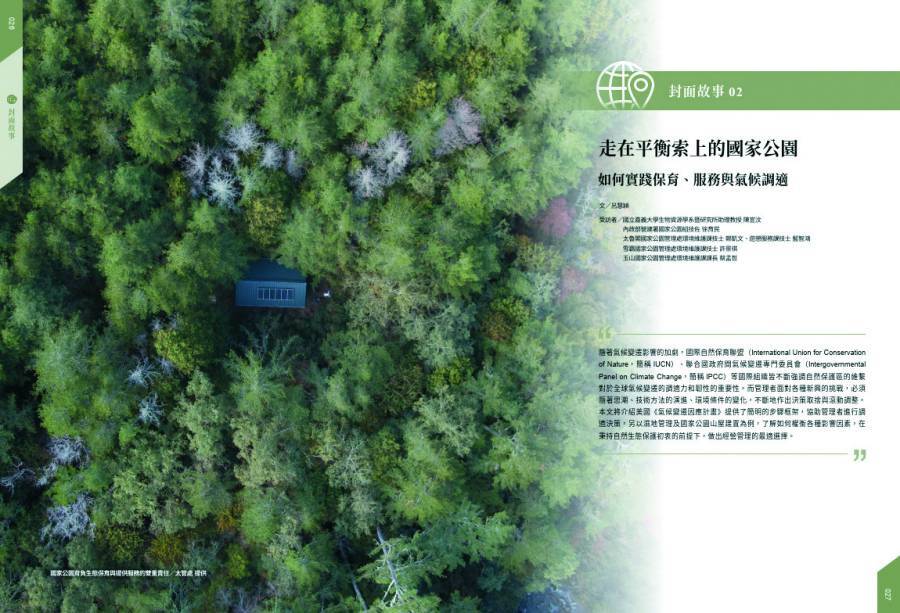
Balancing Priorities in a Time of Change
In the face of climate change and its natural disasters, our national parks must constantly weigh their options. How do we prioritize between disaster recovery and daily service? When do we intervene, and when do we simply let nature take its course?
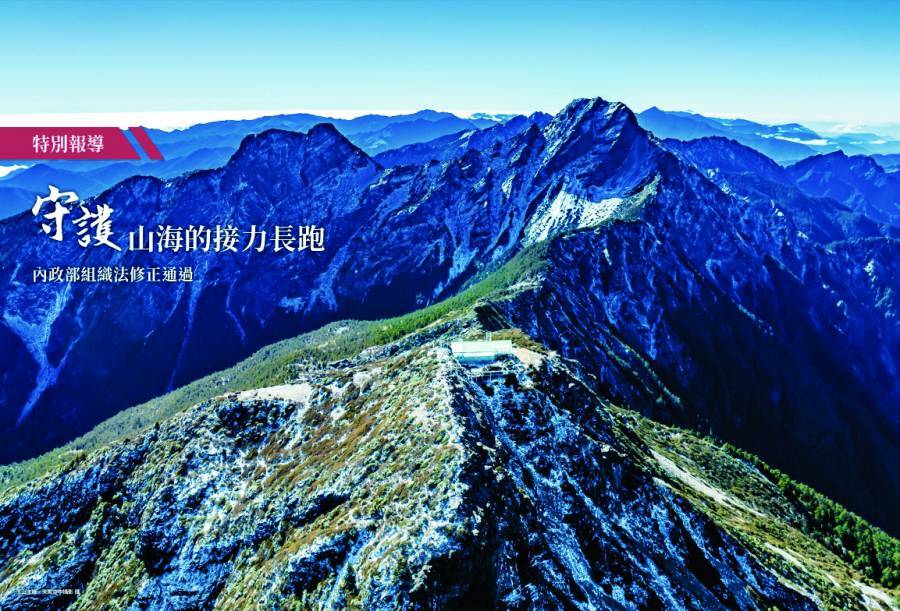
Establishment of the National Park Service under the Ministry of the Interior
With the integration of wetlands and coastal management alongside our mountains and forests, we are now better equipped to face the looming threats of climate change. As we strive toward our vision of Net Zero emissions, our national parks have a unique opportunity to lead Taiwan as pioneers on the front lines of conservation.
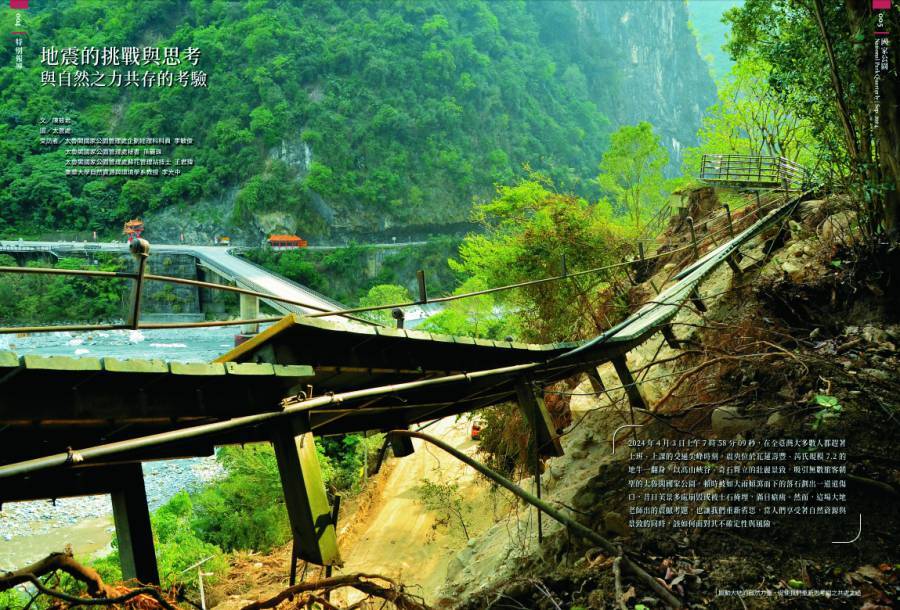
The Power of Cross-Sector Collaboration
Three months after the 0403 Hualien Earthquake, the National Park Service conducted a thorough assessment of the damage within Taroko National Park. In this special report, we offer a moment of reflection on how we can coexist with the immense power of nature.
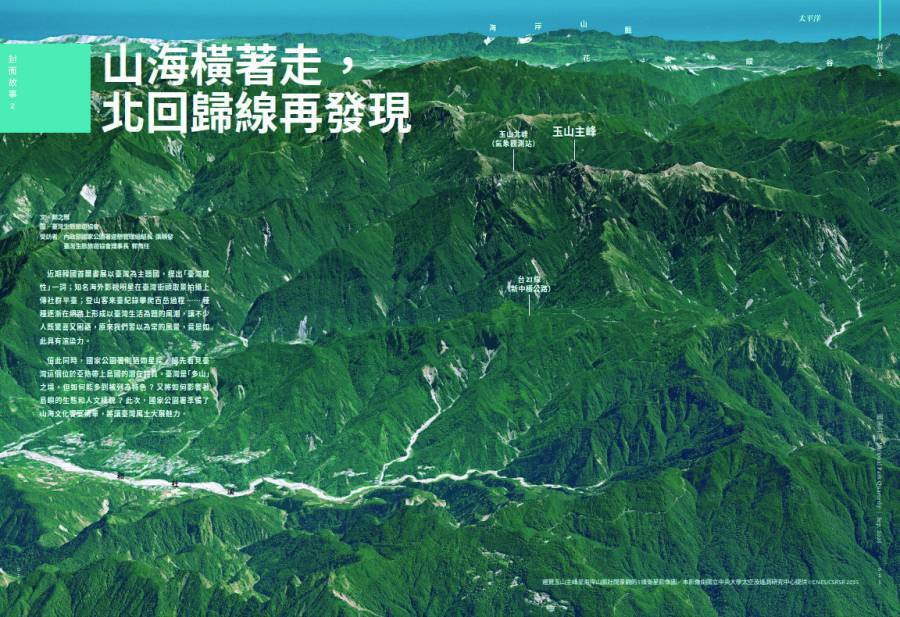
The Tropic of Cancer Sustainability Belt
aiwan can be described as the most vibrant concentration of life along the Tropic of Cancer. By branding the island as the "Emerald of the Tropic of Cancer," the National Park Service is introducing a more captivating image of Taiwan to the global stage.
18 Years of Cultivating Ecological Dialogue:Hsieh Jui-Chen
Eighteen years is long enough for a publication to grow from its infancy into maturity—and long enough to witness how a professional dedication can be refined into a sense of mission.
Two years after the launch of the National Parks Quarterly, Hsieh Jui-Chen took on editorial responsibilities. Moving between academic researchers and the general public, as well as between the editorial team and government agencies, she has served as the balancing fulcrum among diverse stakeholders. With characteristic humility, she reflects, “All these years, I have simply tried to fulfill the role of an orchestra conductor.”
“This quarterly exists today because of the collective efforts of the entire team. Without the support of colleagues at the park headquarters and the guidance of past committee members, it would have been impossible to accomplish this alone.
At the same time, because none of the editorial staff serve in full-time roles, the mission has been all the more demanding. My responsibility has been to safeguard the direction and quality of the publication—to ensure that each person contributes where their strengths lie, much like a conductor ensuring that every note falls precisely in its place on the score.”
She was keenly aware that the quarterly carried multiple responsibilities. Internally, it served as a platform for communication and mutual learning among different divisions and park headquarters. Externally, at a time when the concept of national parks had yet to gain widespread recognition and environmental awareness was only beginning to take root, it introduced the public to what national parks are and conveyed the importance of conservation work. At the same time, it sought to bring international perspectives into the conversation, facilitating the circulation of professional knowledge.
Recognizing that readers of different generations and professional backgrounds approach topics with varying expectations, Hsieh drew upon her prior industry experience. Through careful coordination and allocation of human resources, she ensured that each feature responded substantively to the quarterly’s multifaceted role—remaining true to its original mission.
Looking back on this journey, Hsieh explains that in its formative years the quarterly focused primarily on introducing the diverse natural landscapes of the national parks. Once the public had become familiar with the parks themselves, the editorial direction shifted toward setting annual themes—creating more focused and systematic narratives that subtly integrated professional knowledge and presented a more nuanced portrait of the national parks. “Beyond showcasing achievements,” she notes, “the core value lies in inspiring reflection and dialogue on ecological issues.”
Much like listening to one’s own steady breathing while ascending a mountain, step by step, she has carried forward the original purpose of the publication for 18 years without wavering. Gradually and persistently, that commitment has allowed this platform to take root and flourish.


