Article/ Huang Shih-Ju
Photo / Kenting National Park Headquarters
Interviewee / Lin Chiong-Yao, Senior interpreter, Kenting National Park Headquarters
Start at Guishan Trail and follow the stone steps upward for an easy hike to the summit, just 72 meters above sea level, where a panoramic view opens up before you. Under a yoga instructor’s guidance, participants begin with standing yoga poses to loosen up and stretch their bodies, breathing in the fragrance of the surrounding vegetation. Looking out over the serene Langqiao Bay from Yingxi Pavilion, Lin Chiong-Yao, a senior interpreter at Kenting National Park Headquarters (KNPH), reflects on the area’shistory.“This was where Japanese troops landed during the 1874 Mudanshe Incident.” Pointing toward the brilliant blue sea in the distance, Lin recounts the dramatic events of that period.
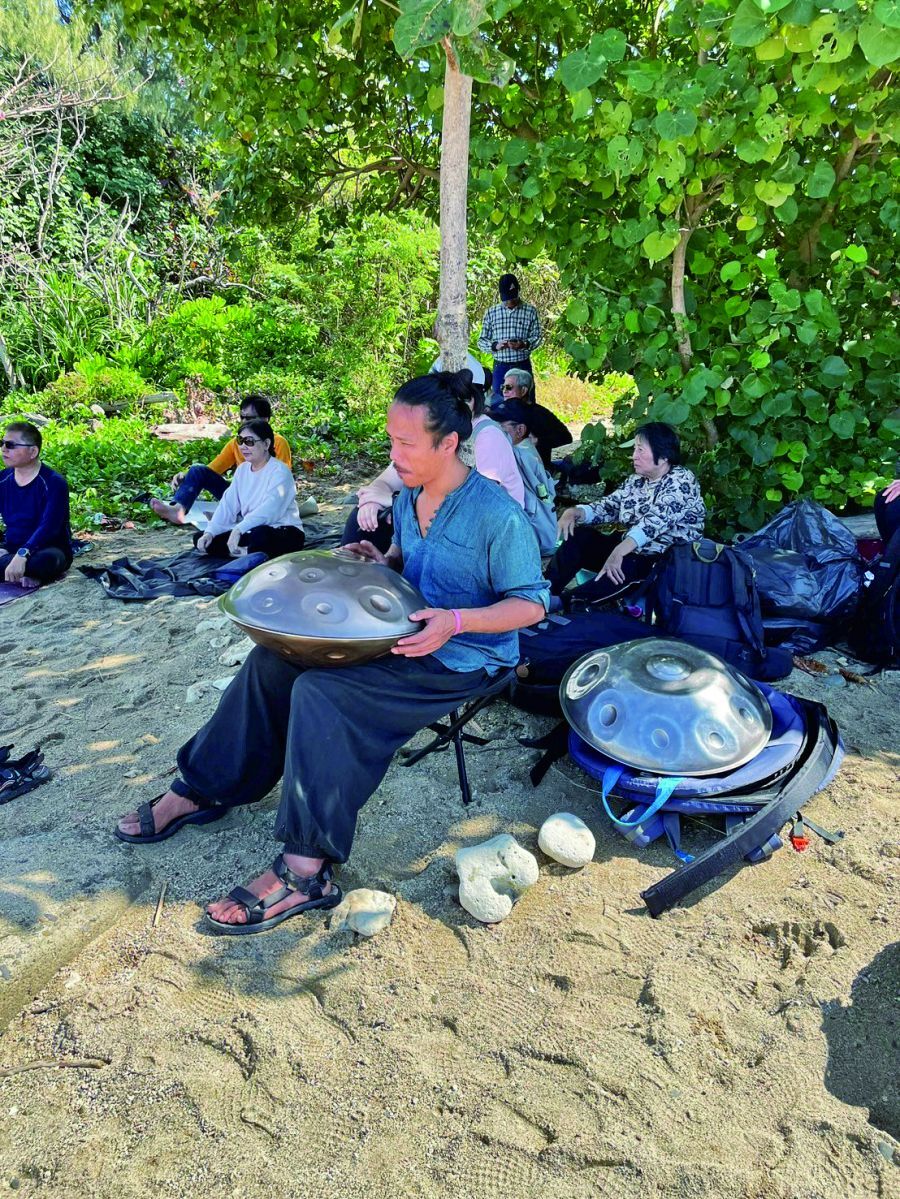
A Rhythm of Waves and Handpan
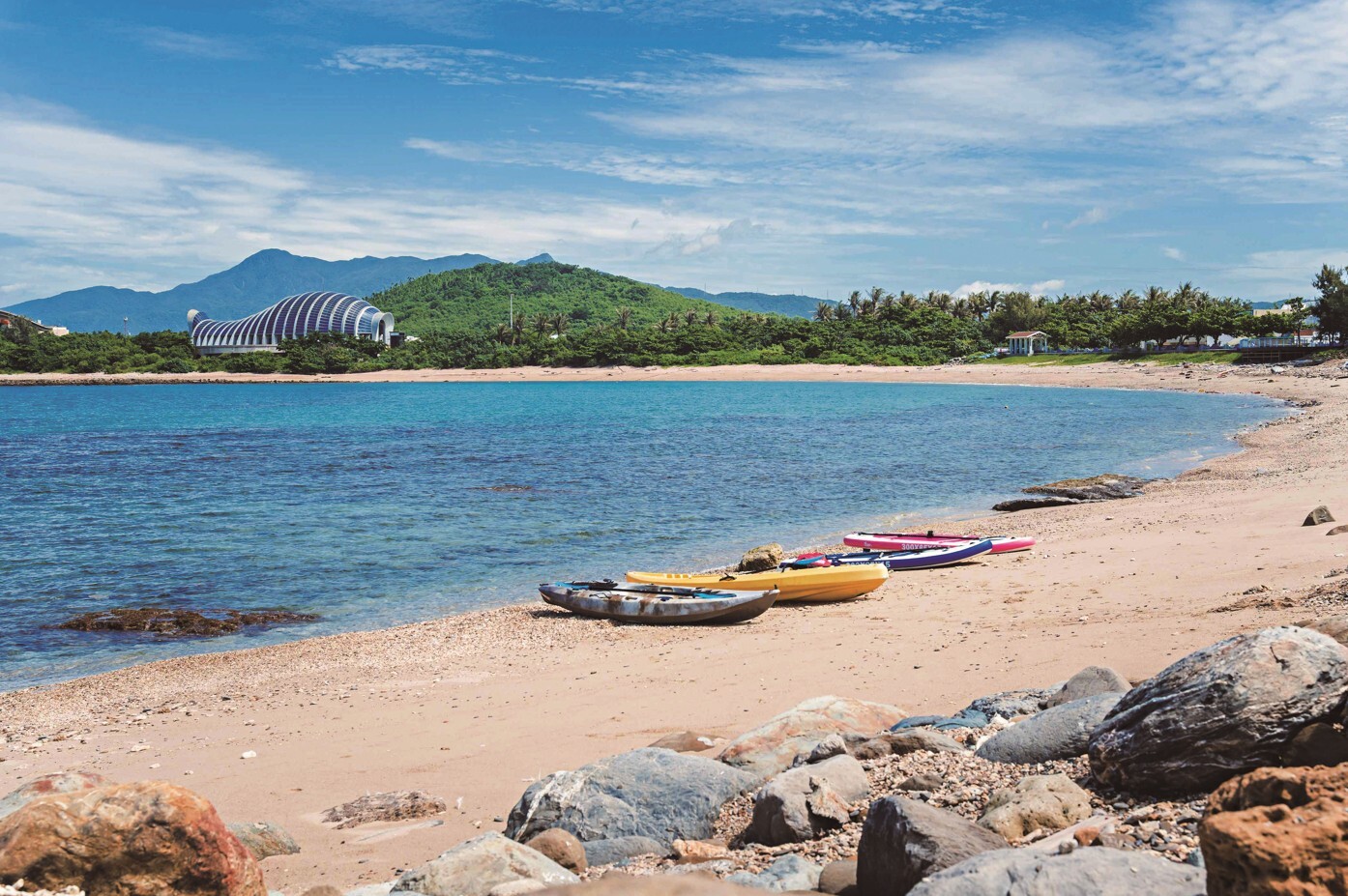
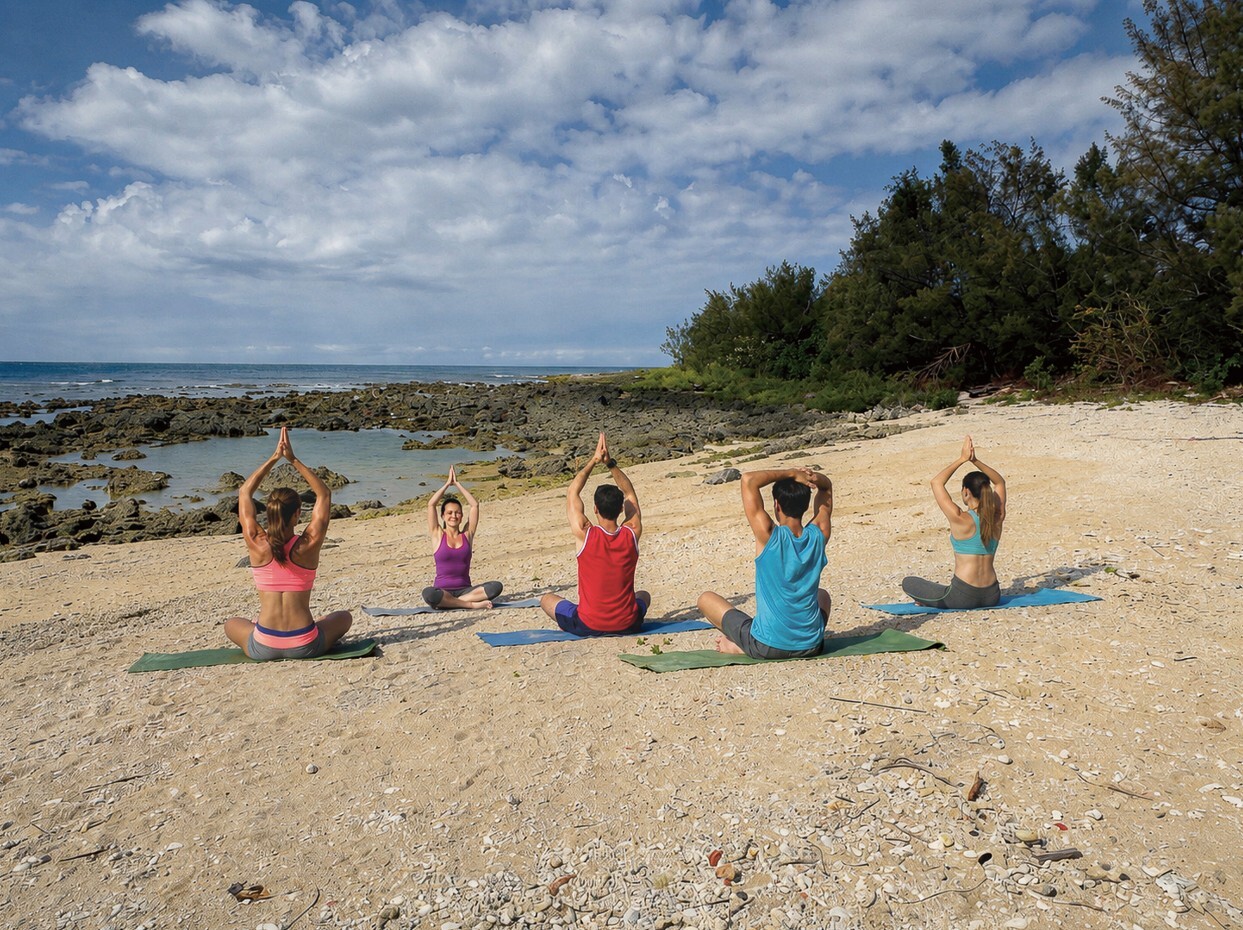
The group slowly descends along coral reef terrain, weaving through dense woods and occasionally passing through former military tunnels, giving visitors a sense of the terrain's layered spatial character. Emerging from the shade of the forest, they are greeted by the sweeping view of Back Bay Beach, where the sea meets the sky. Participants each find a comfortable spot, roll out their yoga mats, and stretch freely while sitting or lying down. Under the instructor's guidance, they practice yoga, engaging all five senses in a soothing experience for both body and mind. This experience is part of the "Mountain and Sea Healing" program organized by KNPH.
Most visitors to Kenting head to South Bay, while the tranquil Back Bay offers a different side of Kenting. "Many visitors are unfamiliar with Back Bay. The beach here is remarkably clean, and the rustic Back Bay Village is right next door," says Lin. Here, all it takes is finding a shaded spot to sit and listen to the sound of the waves. Even in the height of summer, the sea breeze and rolling surf bring a sense of cool comfort and ease.
Gifts of the Land: Gathering the Scents of the South
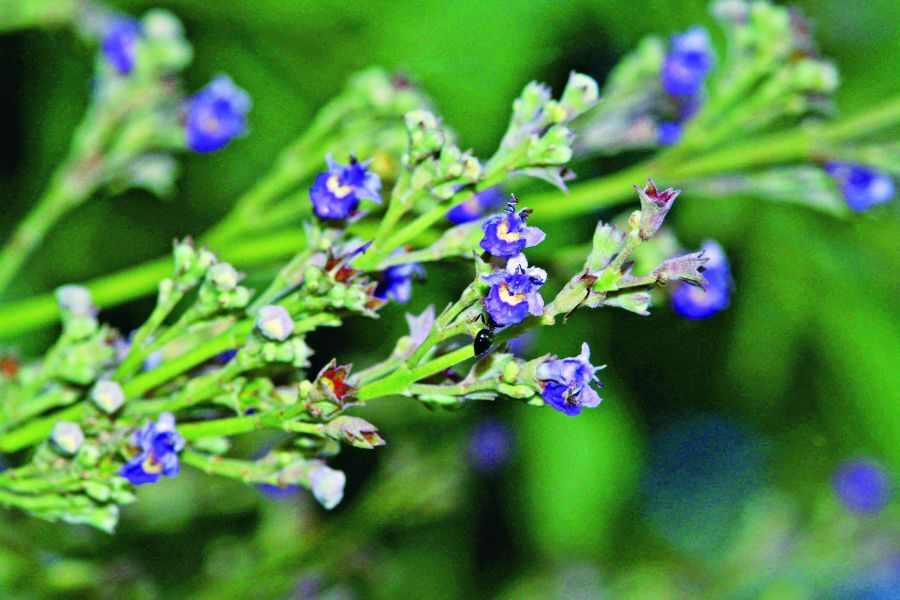
As the body relaxes in nature, the senses gradually become sharper. Lin asks the group, "Do you smell something?" A subtle spicy fragrance drifts through the air—it comes from the Five-leaved Chaste Tree (Vitex negundo), a plant commonly found on the Hengchun Peninsula and known locally as pu-kiunn-a. In the past, residents collected its branches and leaves, drying them in the sun to make natural incense for repelling mosquitoes. For many people in Hengchun, the smoky herbal scent has become a familiar hometown memory from childhood.
"The Five-leaved Chaste Tree is also an excellent nectar source. Some beekeepers use it to produce fragrant wildflower honey," Lin says with a smile. Because its branches are tough and flexible, teachers often used them as pointers in class, making the plant something she both loved and feared as a child. Yet after leaving home to study elsewhere, the scent of the Five-leaved Chaste Tree became closely tied to her sense of homesickness. During the long trip home, once she passed Feng-Gang Creek, she could catch its familiar fragrance in the air, instantly soothing her after the journey.
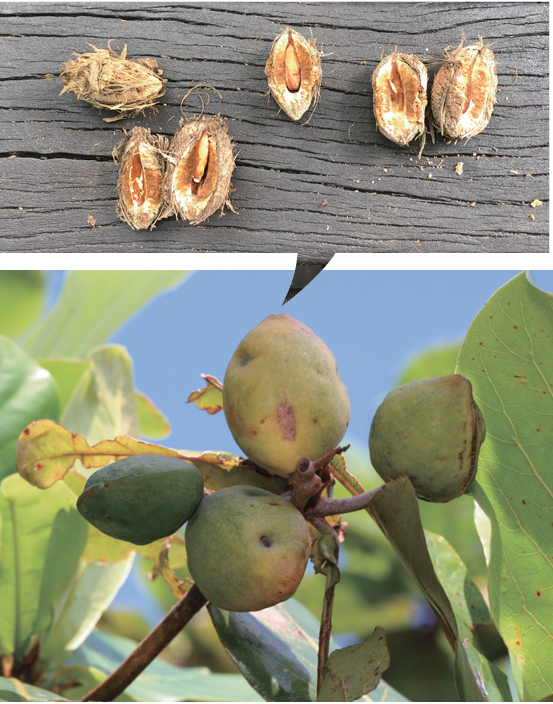
Walking along the sandy shores of Back Bay, visitors often spot Beach Morning Glory (Ipomoea pes-caprae) as well as sea-drift Tropical Almond (Terminalia catappa) washed ashore by the tides. Commonly planted along roadsides and on school campuses across the Hengchun Peninsula, the fruit of the tropical almond was once a natural snack for local children. "When we were young, we used to collect the fruit, crack the shells open with stones, and eat the kernels inside," Lin recalls. Interestingly, while people need a bit of skill to open them, Red-bellied Squirrel (Callosciurus erythraeus) are natural experts. "They can crack them open with a single bite, leaving remarkably clean edges."
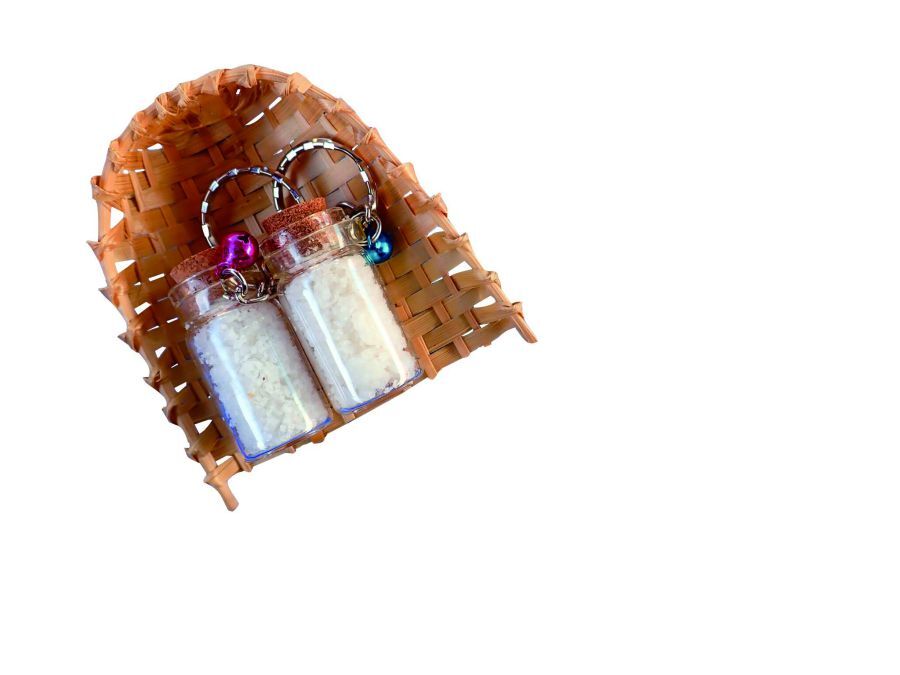
Leaving the beach behind, the group heads to the Back Bay Community to enjoy dishes prepared with local ingredients, extending the healing experience to the palate. As the program draws to a close, participants use one of the ocean's gifts to create their own salt amulets. "Winter and spring are Kenting's dry seasons. When waves crash against the reef and dry under the sun, they leave behind delicate salt crystals," Lin explains. Participants carefully place the pure white crystals into small glass bottles before bringing them to Tianfenggong Mazu Temple to be blessed through a traditional incense ritual, bringing the journey to a perfect close.
When visitors leave Kenting, they take away more than beautiful photographs. They leave with a sense of calm and renewal—carrying with them the peace shaped by the mountains and sea, along with the blessings of the land.
Nature's Healing Prescription
Behind the relaxed pace of the "Mountain and Sea Healing" program is a thoughtful approach to accessibility for all ages. "One of Kenting's defining features is how accessible it is. The mountains are not high, and the sea is always close by. As society continues to age, we've also been thinking about what kinds of activities older visitors can comfortably take part in."
In recent years, nature's healing power has increasingly been supported by scientific research. A research team led by Professor Huang Chin-Fei of the Graduate Institute of Science Education and Environmental Education at National Kaohsiung Normal University conducted neuroscience research in the natural environment of Kenting National Park. The data showed that participants' brainwaves entered a more relaxed state after spending time in the park's mountain and coastal landscapes. "The rhythmic sound of waves can activate the parasympathetic nervous system and increase alpha waves in the brain," Huang explains, "helping people feel calmer and more relaxed." In addition, the sea air's high concentration of negative ions may also help relieve the stress of urban life.
From the fresh forest scents along Guishan Trail to the rhythmic tides of Back Bay Beach, a journey through Kenting National Park feels like a natural prescription for restoration. Surrounded by mountains and sea, visitors can wander through forests, immerse themselves in the sound of the waves, and rediscover a sense of balance and calm within this restorative landscape.
A Healing Proposal for a Slow Trip to Houwan
Looking for a soul-soothing mountain-to-sea getaway in Kenting? Start your journey by wandering through the lush, layered greenery of the Mt. Kamei (Guishan) Trail. Though the summit sits at an elevation of less than 100 meters, it offers a breathtaking, panoramic view of the vast blue Langqiao Bay. Once you reach the top, tuck your phone away, close your eyes, and let the wind guide you as your daily anxieties and tightened senses begin to unwind.
Follow the sound of the waves down the trail and step onto Houwan Beach, a serene escape far from the bustling crowds. Find a spot in the shade to sit or lie down; practice meditation, flow through some yoga, or simply get lost in a few pages of a book. Let the rhythmic crashing of the tide wash over your thoughts and breathe in the refreshing surge of negative ions.
To round out your trip, visit the Houwan Community to nourish your palate with a low-carbon meal featuring local flavors. Pack the sunshine, the sand, and the sea of Kenting into your bag of beautiful memories.