Article / Huang Shih-Ju
Interviewees / Chen Lung-Sheng, Interpreter, Conservation and Interpretation Section, Kinmen National Park Headquarters、 Kuo Chi-Ching, former Advisory Committee Member of Shoushan National Nature Park, and former chairman of Kaohsiung Cultural Association
Once tightly controlled military zones, these sites gradually shed their air of mystery following the end of military administration, transforming into important cultural heritage and historical sites. Follow the coastline through tunnels, bunkers, and artillery forts, and listen to stories from a turbulent chapter of history.
From Coastline to Hilltop: Kinmen’s Defense Network
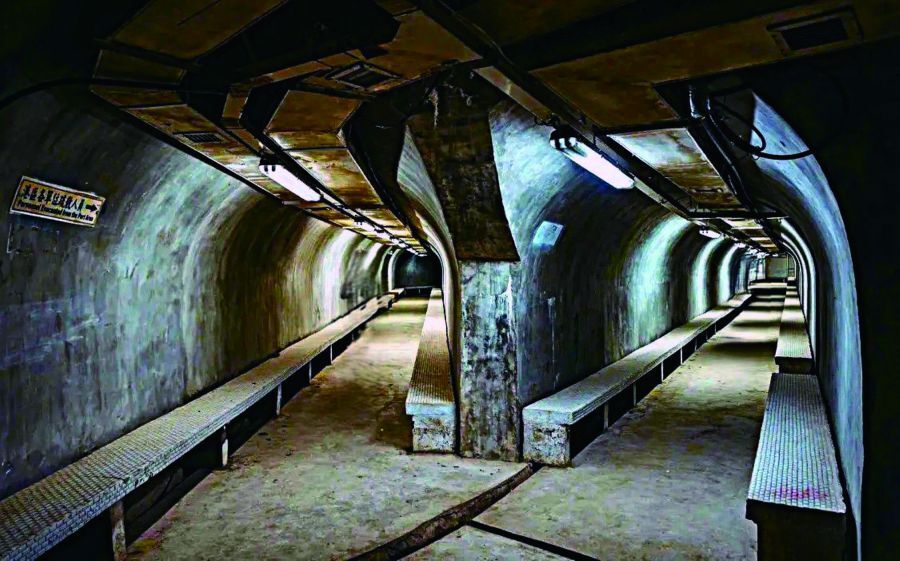
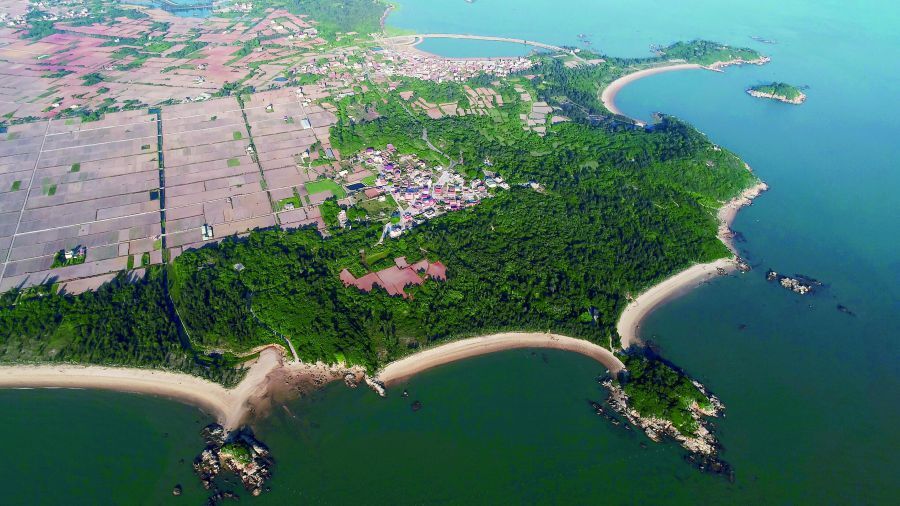
“Kinmen is an island, and after 1949 it became a frontline military zone. Defense was the primary strategy at the time, with fortifications extending from above ground to underground, and from the coastline to the hills,” explains Chen Lung-Sheng, an interpreter of the Conservation Research Section of Kinmen National Park Headquarters. By visiting these defensive structures, carefully adapted to the island’s terrain, visitors can better understand how the R.O.C. military transformed Kinmen into a heavily fortified island stronghold through a layered defense strategy designed to intercept enemy forces before they could reach shore.
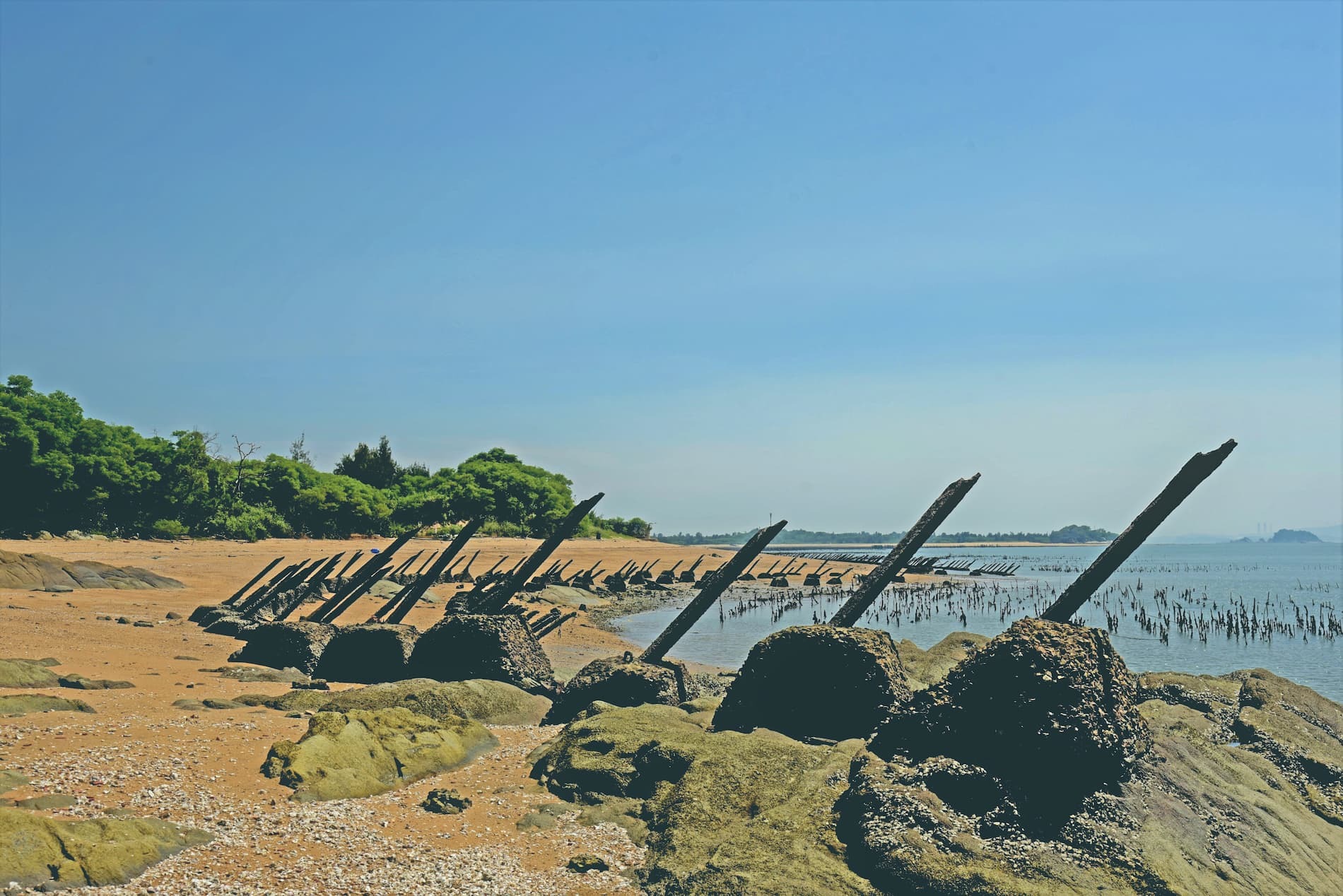
Rows of anti-landing stakes lined the shoreline as the first line of defense. Hidden beneath the water at high tide, they were designed to force enemy landing craft aground, compelling troops to disembark and wade ashore under artillery fire. Further inland were minefields and jagged glass barriers mounted on rocks— defensive measures intended to prevent enemy frogmen from coming ashore.
“The second line of coastal defense was positioned on strategic headlands along the bays. If enemy troops attempted to land, they would come under intersecting fields of fire.” Across the island’s flat farmlands stood rows of anti-airborne landing stakes—five-meter-high concrete posts topped with three metal spikes—designed to obstruct enemy paratroopers. Finally, radar stations on Taiwu Mountain continuously monitored enemy aircraft and naval movements.
“At the time, many underground tunnels were also constructed to preserve military strength below ground while projecting firepower above ground. Everyone on Kinmen shared the same fate and stood together through those years.”
Mashan: The Frontline of Psychological Warfare
Located on the northeastern tip of Kinmen, Mashan lies just 2,300 meters from Jiaoyu Island in Xiamen at high tide, making it the closest military outpost on the island to the mainland. “In 1952, Communist forces across the strait established a loudspeaker station on Jiaoyu Island. Two years later, Kinmen’s first loudspeaker station was established at Mashan—the predecessor of today’s Mashan Broadcast Station,” Chen explains.
At the time, the station used large loudspeakers to broadcast across the Fujian coast. The cross-strait psychological warfare broadcasts that continued for three decades also became part of Chen’s childhood memories.
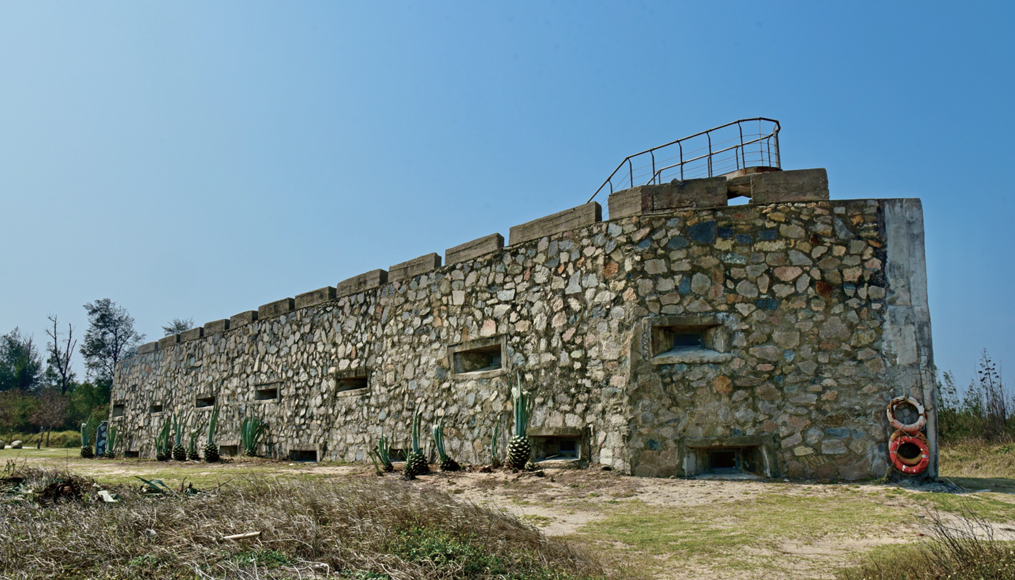
Located near Shanhou Folk Culture Village, the Ship shaped Bunker is known for its distinctive appearance, resembling a warship poised to break through the waves. After military administration in Kinmen came to an end, the site was taken over by Kinmen National Park Headquarters in 2019, renovated, and reopened to the public. “When the site reopened, Wu Chung-An, a former platoon leader once stationed here, was invited back to the bunker to share firsthand accounts of guarding the offshore island defenses during those harsh winter years.”
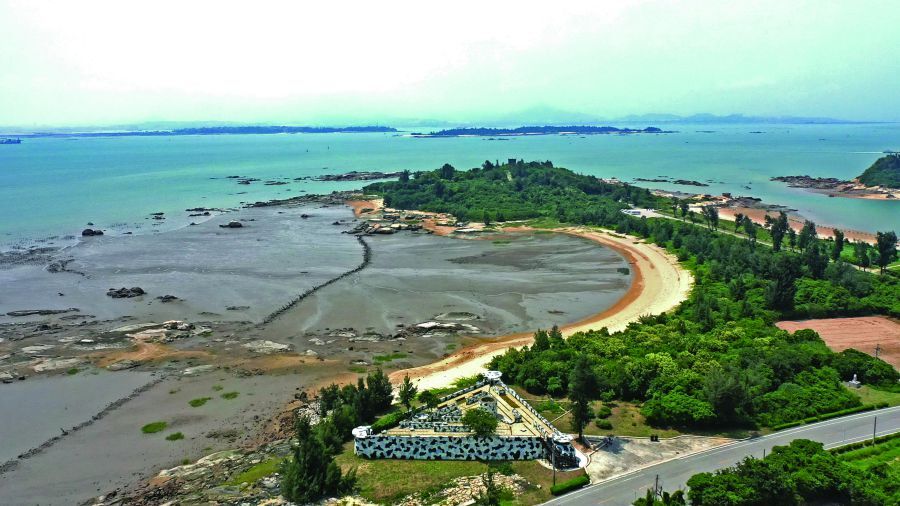
Memories Carried on the Sea Breeze
Strict military controls once separated Kinmen residents from the sea. At the time, anyone who wanted to fish or harvest oysters had to carry fishing permits and oyster-harvesting permits. Chen says with a smile, “Swimming in the sea was also prohibited, so many people in Kinmen never really learned how to swim well.”
After military administration came to an end, coastlines that had been closed off for decades gradually reopened following seven years of demining efforts. Many former military fortifications have since been restored and revitalized by Kinmen National Park Headquarters, transforming into important sites of historical education. Today, they preserve stories from Kinmen’s wartime past, allowing later generations to better understand those tense wartime years.
Shoushan’s Hidden Wartime Hangars
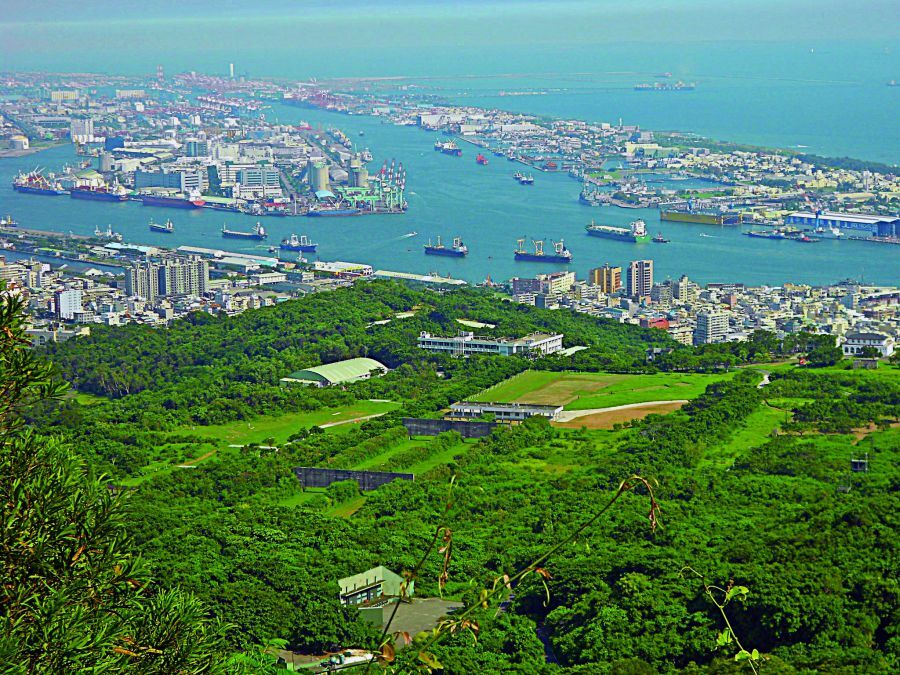
Turning from Kinmen to Kaohsiung, we arrive at Shoushan, another strategically important site overlooking the Taiwan Strait. Kuo Chi-Ching, former Advisory Committee Member of Shoushan National Nature Park and former Chairperson of the Kaohsiung Cultural Association, explains, “According to archaeological studies, a thousand years ago, the Zuoying Naval Base and Neiwei north of Shoushan, as well as Hamasen and Yancheng to the south, were once part of an inland sea.”
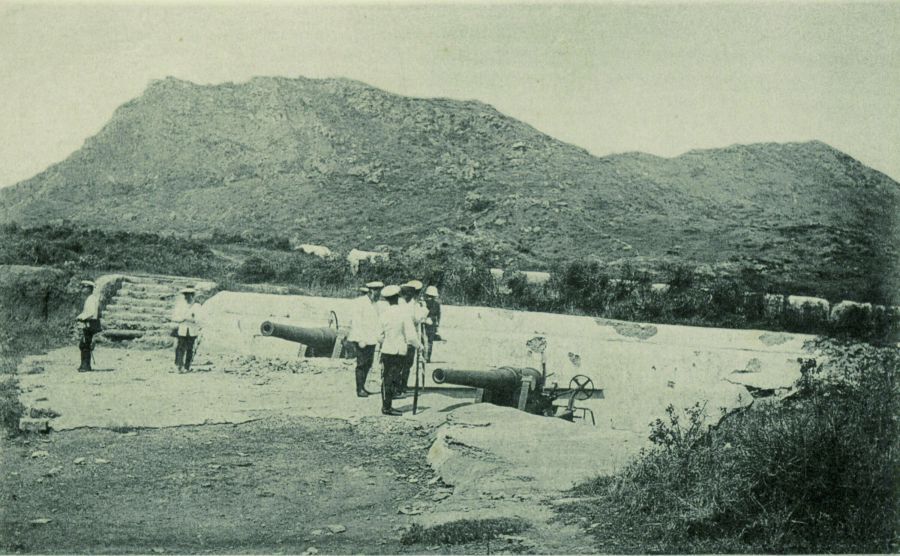
Over time, Shoushan gradually evolved from a place that sustained early settlers into a strategic military stronghold. “After Kaohsiung Port was opened to international trade in 1865, defensive sites were gradually established at Cihou Fort, Syongjhen North Gate, and Dapingding to strengthen coastal defenses. Under Japanese rule, the major fortresses of Keelung, Kaohsiung, and Penghu were all positioned on high ground overlooking the harbors.”
Shoushan still preserves many wartime relics from World War II. Among them are kakunōgō (wartime hangars) concealed among the rocky cliffs, bearing witness to one of the most tense periods near the end of the war. “‘Kakunō’ means ‘storage’ in Japanese,” Kuo explains. Years ago, he discovered two kakunōgō on the northern side of Shoushan. To avoid U.S. air raids, the Japanese military excavated hidden caves beneath the rocky slopes. “The hangars could conceal around 30 to 40 Shinyo suicide boats.”
The entrances to the kakunōgō lie close to the shoreline, and each hangar extends roughly 60 meters in length. At the time, rails were laid from inside the hangars down to the water’s edge. “Sea levels were lower back then, and the Shinyo boats used the slope of the rails to launch directly into the sea,” Kuo explains. “It was quite different from the tunnel systems more commonly associated with Kinmen.” Of the two kakunōgō discovered by Kuo, one has since collapsed, though he believes other undiscovered hangars may still remain hidden in the area.
Although many historic sites remain within restricted military areas, Kuo still recommends visiting the Sizihwan Bay Tunnel, once used as an underground defensive tunnel. Along the Swinhoe Trail, which connects The British Consulate at Takow and the rear entrance of National Sun Yat sen University, visitors can spot fortifications, bunkers, and former barracks along the way. Another notable site is the Air-raid Shelter of the Port Construction Branch Office, known for its sophisticated construction techniques.
When visiting Shoushan, beyond hiking and taking in the sea views, visitors can also experience the layered landscapes and rich historical memories embedded within the mountain.