Article / Hsueh Chiao-Ni
Photos/ National Park Service, Ministry of the Interior, Ecotour Taiwan Travel Service Co., Ltd
Interviewee/ Chang Ya-Tzu, Chief, Recreation Services and Disaster Management Section, Recreation Management Division, National Park Service
When you stand amidst the peaks of Yushan or step alongside the Taijiang Wetlands, what lies before you is more than just unforgettable scenery—it is a living, dynamic window into conservation. Looking through this window, you cannot help but marvel at how Taiwan’s complex topography, swept by ocean currents and seasonal monsoons, has woven together a breathtaking tapestry of biodiversity. The core mission of our national parks is conservation, but our ambition extends beyond conservation alone: we warmly invite everyone to enter these landscapes, to see and feel them firsthand, so that every spark of wonder ignited during exploration becomes a steadfast commitment to environmental action.
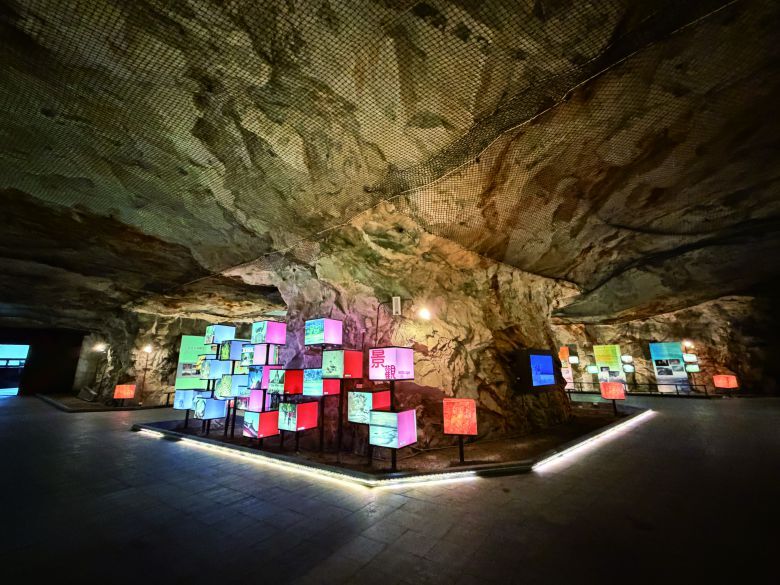
Starting from the “Tropic of Cancer Landscape Showcase”
Circling the globe along the Tropic of Cancer, you pass through 22 countries, where much of the terrain is dominated by vast deserts, sweeping grasslands, or high plateaus. Yet right along this axis sits Taiwan’s Yushan Main Peak—rising to 3,952 meters above sea level—making the island the highest point in the Northern Hemisphere's subtropics.
This "Pinnacle of the Tropic of Cancer" is more than a geographic milestone; it is Taiwan’s distinct signature on the global map. The dramatic shifts in elevation nurture rich vertical ecosystems, compressing a complete range of climate zones—from subtropical plains to alpine tundras—into remarkably short distances. This extraordinary concentration yields a level of biodiversity rarely matched anywhere else at the same latitude worldwide.
The National Park Service under the Ministry of the Interior (NPS) acts not only as the guardian of this land, but also as a bridge— bringing this “conservation showcase” into public view and inviting people to step inside. "While conservation is our core mission, we don't want it to be an effort carried out by the government alone," says Chang Ya-Tzu. "We want citizens to visit our national parks, immerse themselves using all five senses, and cultivate a genuine desire to protect the environment. That is why, alongside ecological protection areas, we have carefully designed recreation areas and general protection areas."
Ecotourism has been promoted by the government for years with the goal of encouraging local experiences, boosting regional conservation, and ensuring economic benefits flow back into local tribes and communities. Chang notes that over the past two years, the NPS has built upon this foundation to promote "low-carbon ecotourism," in line with Taiwan’s 2030 Net-Zero Transition goals and the United Nations Sustainable Development Goals (SDGs).
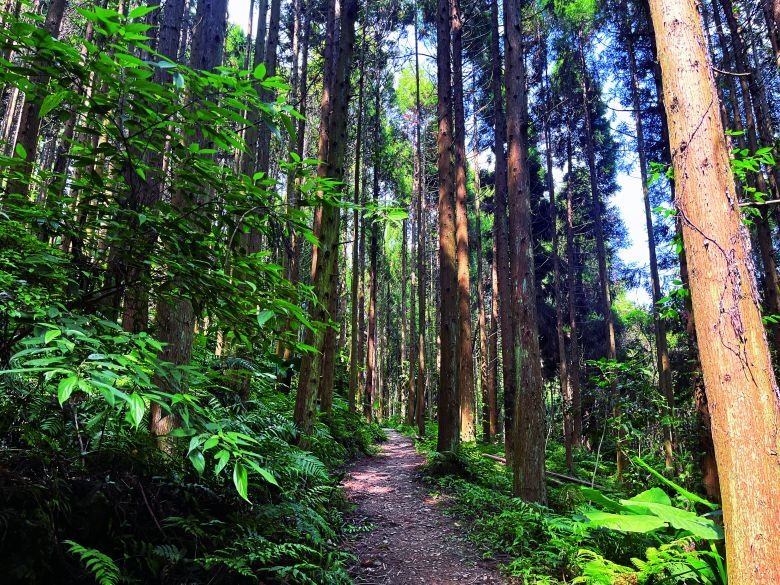
So, what is low-carbon ecotourism at its core, and how can travelers put it into practice? Often referred to as "green travel," it simply means incorporating eco-conscious living into your journeys: taking public transit, bringing your own toiletries to reduce single-use items, staying at government-certified Green Mark hotels, savoring local and seasonal cuisine, and engaging in low-impact activities—such as hiking mountain trails, stand- up paddleboarding, or taking guided Indigenous community eco-tours—to keep your carbon footprint to a minimum.
"We review our existing ecotourism itineraries to pinpoint low-carbon opportunities and identify where improvements can be made," explains Chang. "By actively reducing carbon emissions step by step, we create a lasting, positive impact on ecological sustainability."

A Cultural Greenway Bridging Mountains and Seas
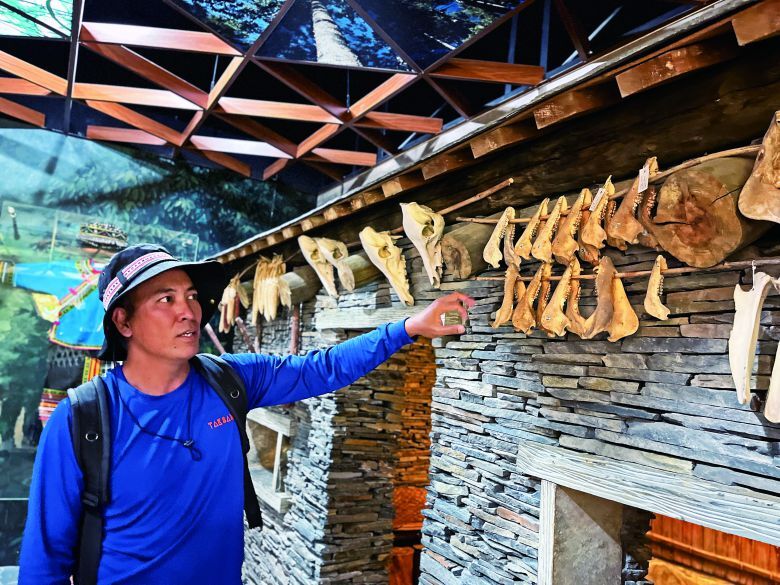
Taiwan is not only the "Pinnacle of the Tropic of Cancer," but also the "Cradle of Austronesia." Situated at a unique geographical crossroads where monsoons, ocean currents, and the Kuroshio Current converge, the island provided natural momentum for early Indigenous peoples. Guided by the ocean’s drift, they ventured outward, carrying vital species and rich cultural traditions across the seas, exchanging them with the peoples they encountered.
Since its establishment in 2023, the National Park Service under the Ministry of the Interior (NPS) has expanded its mandate to encompass coastal areas and wetlands. So, what lies ahead on the horizon? Chang explains that the first phase focused on the areas surrounding the national parks, while the second phase may extend to coastal areas and wetlands. Chang cites the "Mountains-to-Sea National Greenway"—a continuous trail linking Taijiang National Park with Yushan. Originating from a local grass-roots initiative, the greenway positions "walking" as the emotional core that connects people to the land, forming a true Taiwanese Cultural Corridor that traces life back from the inland sea where Taiwan's early settlement began, all the way up to its sacred, nation-guarding mountain peak.
With the establishment and strategic elevation of the NPS, the Greenway does more than just span four distinct cultural spheres—Bunun, Tsou, Siraya, and Han—and diverse ecosystems ranging from high alpine forests to coastal watersheds. It serves as a vital artery connecting the two major national parks of Taijiang and Yushan, integrating coastal, wetland, and mountain resources into a seamless, low-carbon mountain-to-sea travel network.
"Beyond local community guiding and green consumption, we are actively collaborating with the tourism industry to engage international travelers," Chang notes. "Our goal is to elevate Taiwan's global visibility, bringing its climate action and biodiversity achievements onto the world stage."
At the same time, the NPS is enthusiastically driving corporate ESG partnerships. By signing Memorandums of Understanding (MOUs), businesses are invited to bring their employees into national parks for immersive eco-tours. These tangible conservation experiences and green outcomes can then be seamlessly integrated into corporate ESG sustainability reports.
.jpg)

Industry Benefit as the Key to Sustainability
Guardians of the natural environment do more than just peer through binoculars to monitor wildlife; "carbon analysts" armed with data models and carbon footprint calculations are equally essential unsung heroes behind the scenes. By calculating carbon footprints and optimizing itineraries, every step a traveler takes is transformed into a force for environmental protection.
The National Park Service's initiative to promote low-carbon ecotourism is not starting from scratch. Instead, it builds upon three decades of accumulated ecotourism experience, integrating low-carbon criteria into established frameworks. Today, the NPS is linking industry partners with local communities, connecting isolated spots and trails into a comprehensive network to engage more allies and achieve long-term ecological and industrial sustainability.
Chang points out that ensuring all participants—including the tourism industry and local communities—benefit directly is the crucial key to the program's long-term viability. To this end, the NPS will host a results presentation ceremony this September to unveil 10 benchmark low- carbon ecotourism routes, complemented by a dedicated webpage designed to give the public easy access to low-carbon travel information.
These 10 benchmark routes have undergone rigorous "carbon footprint health checks," scrutinizing every touchpoint— dining, accommodations, activities, shopping, and transportation— to uncover new opportunities for carbon reduction. Meanwhile, through "Itinerary Marketing and Promotion Workshops," the NPS is empowering both its internal staff and tourism professionals to gain a deeper understanding of the core values behind low-carbon ecotourism.
Compared to other nations along the Tropic of Cancer, Taiwan stands out as a globally unique "biodiversity treasure trove," blessed with abundant mountain- to-sea landscapes and rich cultural ecosystems. As the year 2027 marks the "Year of the Tropic of Cancer," this two-year low-carbon ecotourism initiative serves as a pioneering stepping stone toward the "2027 Sustainability Belt." Step by step, these concerted actions are crafting a comprehensive blueprint for a sustainable future.