
Chasing the Stars with Nocturnal Creatures-Calming Hyperactivity Disorder in the Quiet Darkness of the Sky
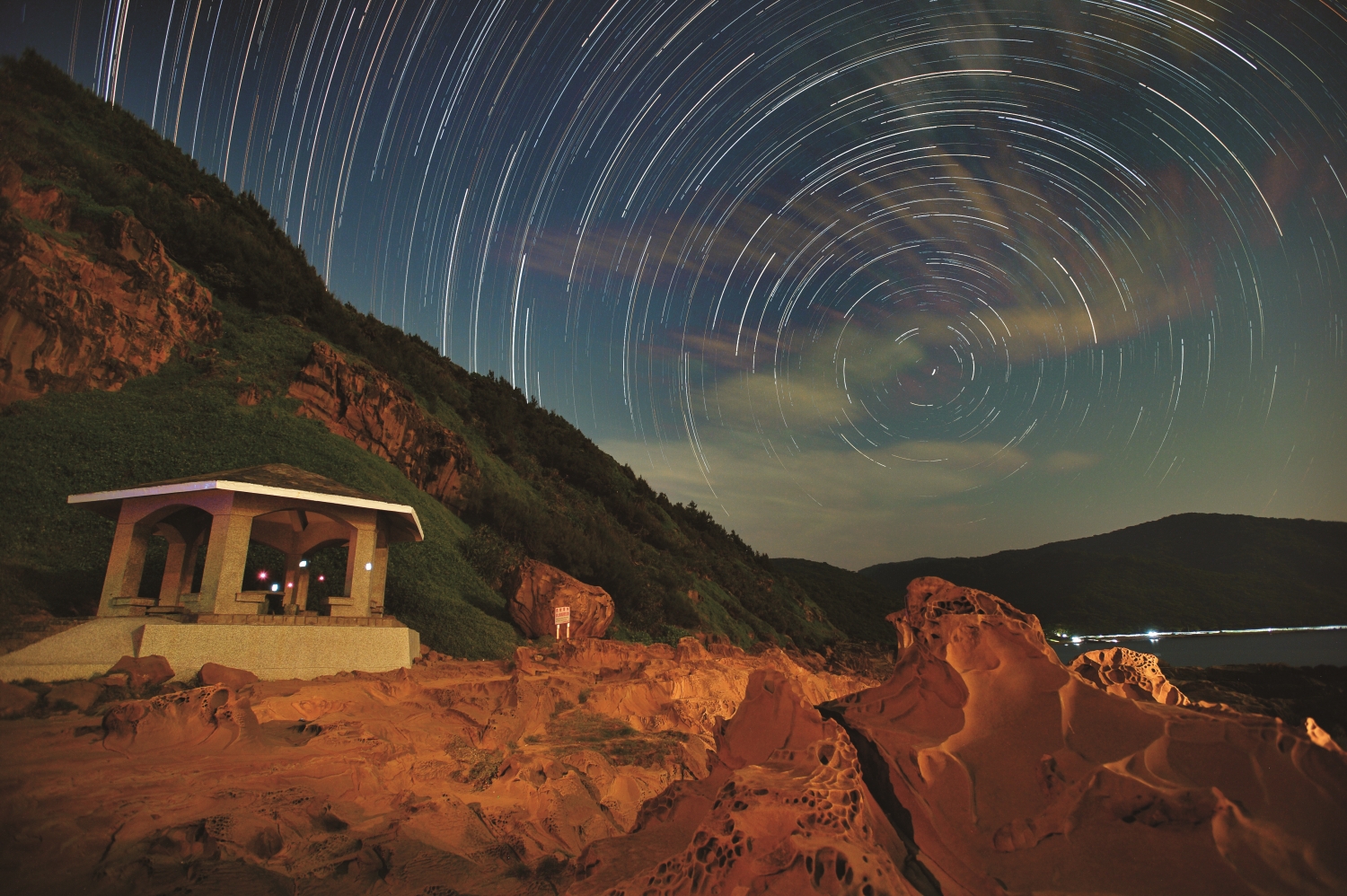
Chasing the Stars with Nocturnal Creatures-Calming Hyperactivity Disorder in the Quiet Darkness of the Sky
Interviewee / Michia, Pediatric Occupational Therapist
Pi-Yueh Pan, Commentator for the Sheding Tribe
Hsueh-Hui Ma, Director of KenTing Observatory, National Museum of Natural Science
Yen-Ling Chang, Commentator for the Wuling Recreation Area, Shei-pa National Park
Hung-Ming Shih, Volunteer at the Shei-pa National Park (teacher for star gazing)
Cheng-Hsiu Lin, Chair of the Taiwan Dark Sky Association
Shu-Chen Chang, Director of Mt. Hehuan Service Station, Taroko National Park
Article / Hsiao-Chun Chen
From birth to preschool age, children rely on various senses such as touch, smell, hearing, sight, taste, and body movements to learn, experience the things and environment around them, understand the significance they represent, and connect them together.
For example, from the sound of raindrops, they can distinguish heavy rain from light rain, and by observing that people are slower when they walk and faster when they run, they perceive the relationship between travel mode and speed.
Occupational therapist Michia said that by "integrating" these feelings and movements and even further learning to adapt or control the needs in the environment, children can come to understand their role in the environment. In other words, it is a process of sensory integration training. Some children suffer neurobehavioral development disorders such as Attention-Deficit/ Hyperactivity Disorder (ADHD). These children need special sensory integration training and "stargazing" is a good form of such training.
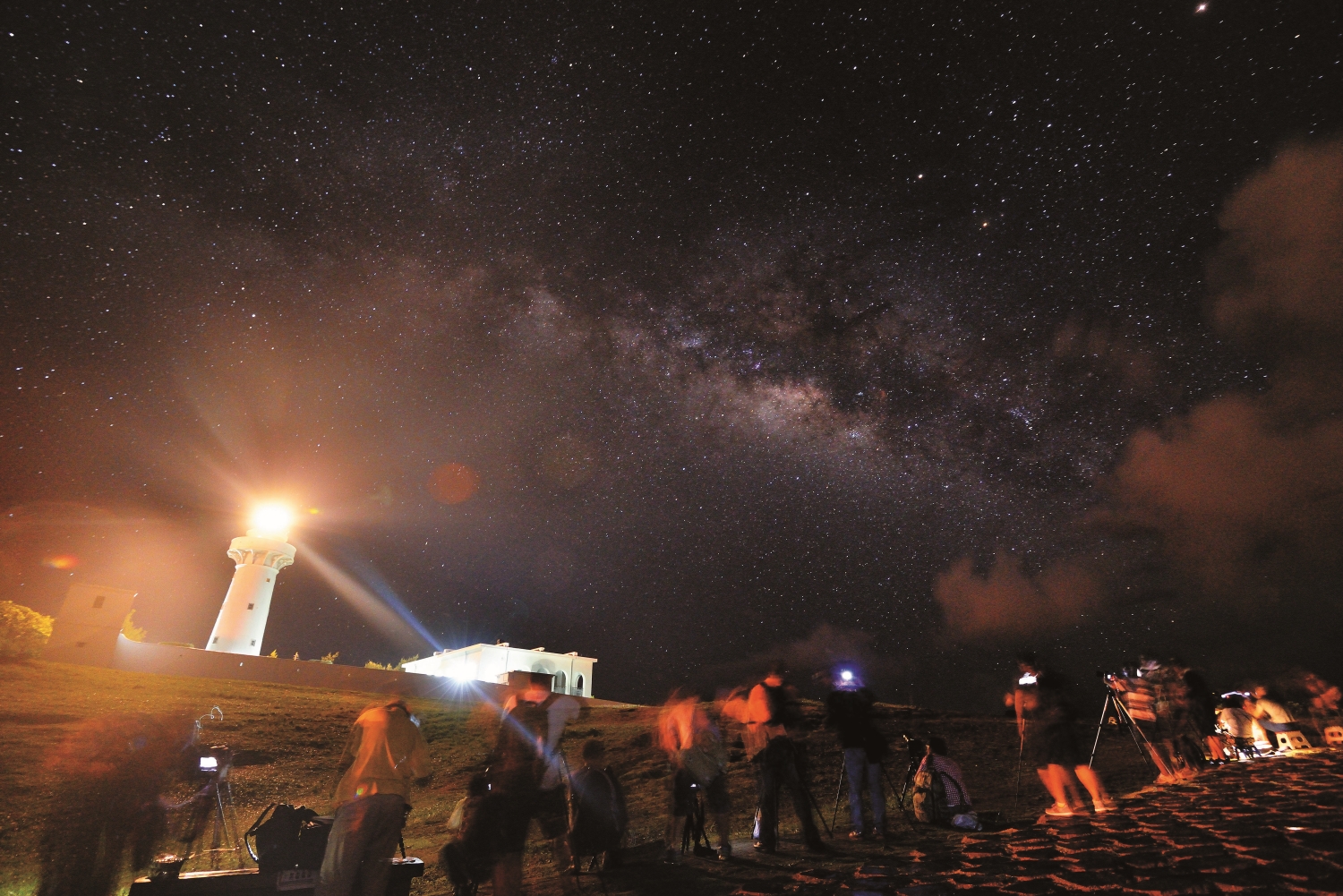
Just look up into the sky full of stars
Compared with other forms of close contact with nature, "stargazing" is the most accessible and easiest activity to accomplish. Even if transportation or time limitation makes it impossible to go to the mountains or the beach or other places, as long as you go to the top floor of your home, a nearby park or other places with less light pollution, you can bring your children on a date with the stars. The process of searching for stars and drawing the outlines of the constellations is training in patience, selectivity, and sustained attention. At the same time, it also helps children develop the ability to judge shapes and distance, learn the concepts of distance and depth, and make the distinction between foreground and background.
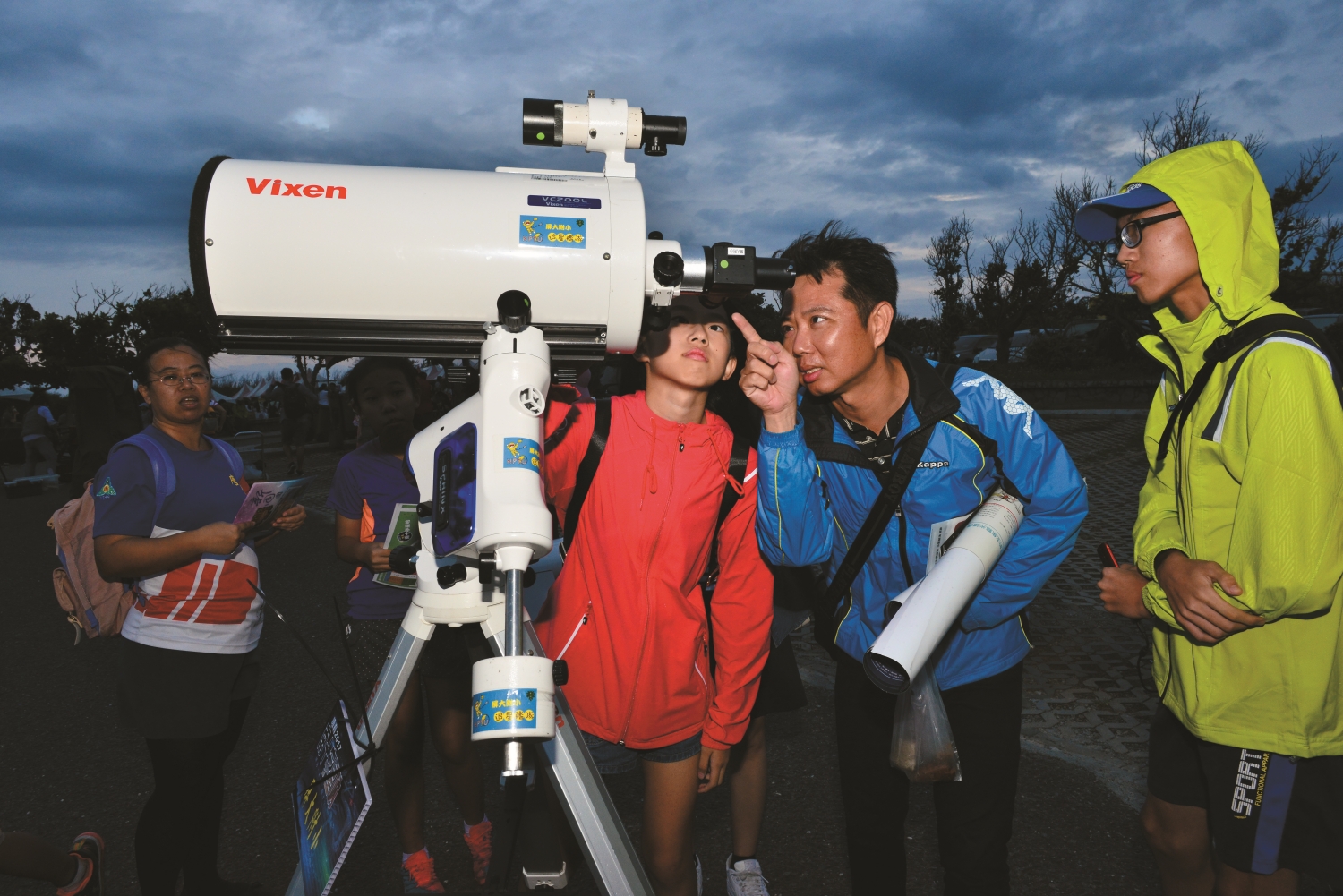
Skills are needed to guide children who are more impulsive or prone to hyperactivity to not only help them become interested in stargazing but also enable the use of stargazing activities to alleviate the symptoms of hyperactivity. For preschool children, the focus is not on making them learn about the stars in the sky but to allow them to hear and feel the beauty of nature through the natural sensory contact brought about by stargazing. Required to quietly observe the beauty of the sky, the activity will also help them learn to respect others, control their impulses, and wait. Older school-age children can be divided into groups and helped to work together to locate designated stars or constellations.
The process involves sharing equipment and instruments, communication, division of labor, and how to play their individual roles in a respectful manner, which is the learning focus of the stargazing activity.
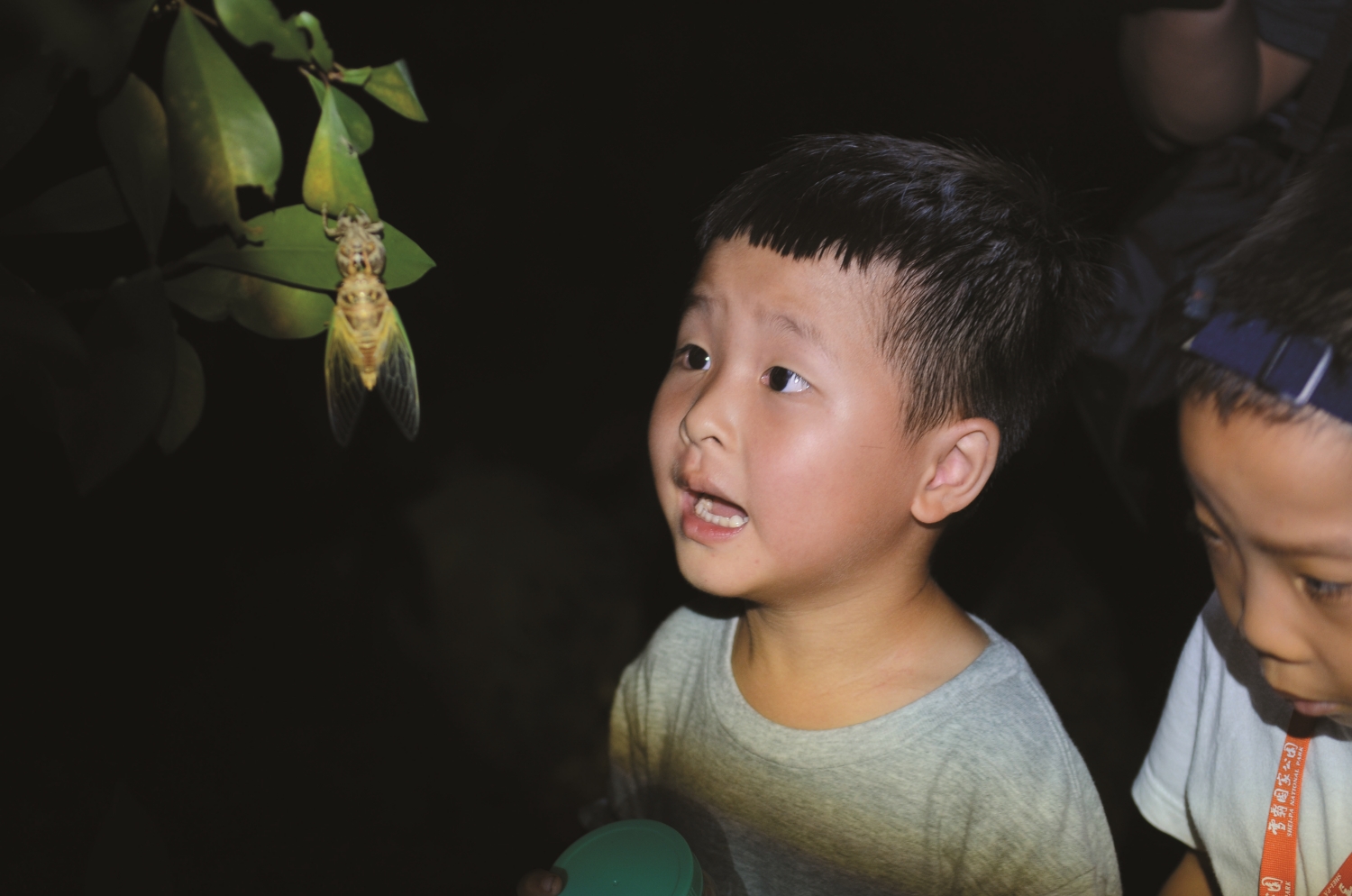
Reminders for star chasing for children with ADHD
1. Set the rules: Use positive expressions to explain in advance what the children are allowed to do. If they do not wish to see the stars, they can express themselves by stepping aside instead of fussing.
2. Use "tokens": Use in conjunction with the previous agreed upon behaviors. If children behave accordingly, they can be rewarded with a token.
3. Confiscation, isolation, or suspension of rights: For example, if children jump the line to grab a telescope, they must skip their turn in the line once.

Enjoying the wonders of the three lights amidst the sound of waves
You can see stars almost anywhere you go in Kenting National Park. In most areas in the park, the Sky Quality Meter is above 20. Therefore, anywhere away from stores, streetlights and other light sources are ideal places for stargazing. Hsueh- Hui Ma, Director of the KenTing Observatory of the National Museum of Natural Science said that in addition to the must-see Spring Triangle, Summer Triangle and also the Great Square of Pegasus during the fall, the most brilliant performances are the three major meteor showers of the year- the Quadrantids, the Perseids, and the Geminids. These spectacular meteor clusters rise and fall in the vast darkness of the night sky. Find a comfortable and safe place with an unobstructed view to sit or lie down, and visitors can easily enjoy a firework performance by nature without having to deliberately hunt for a meteor.
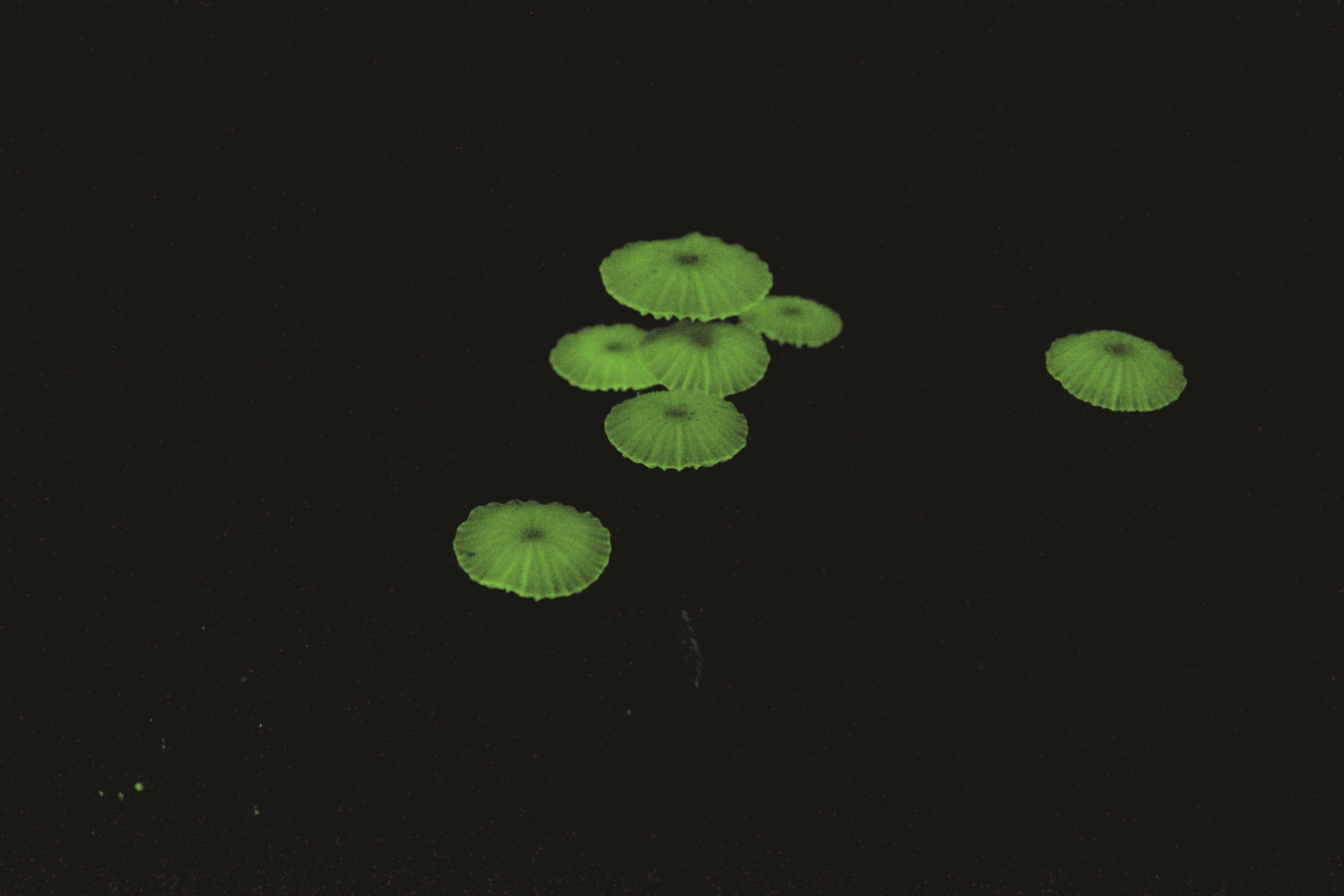
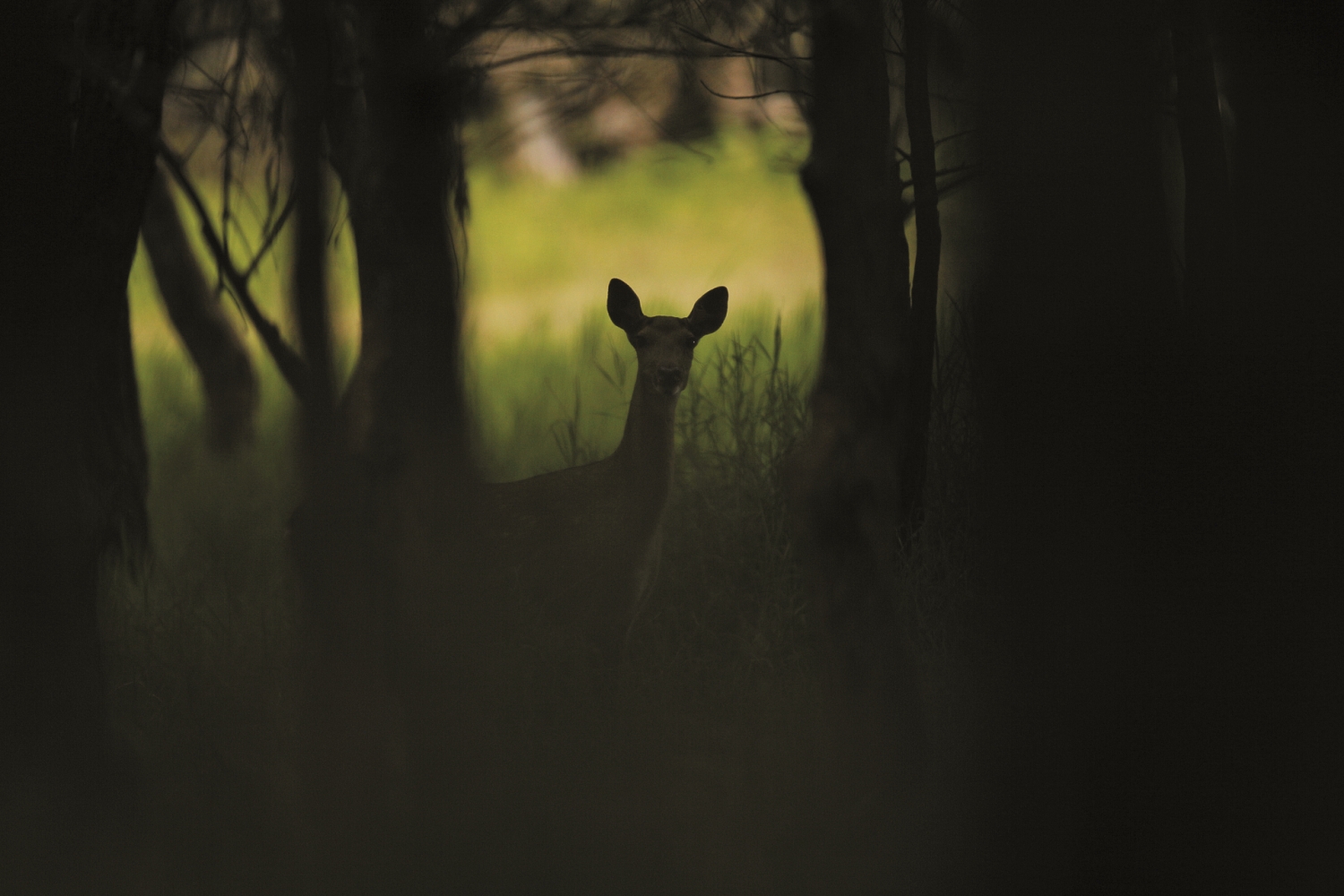
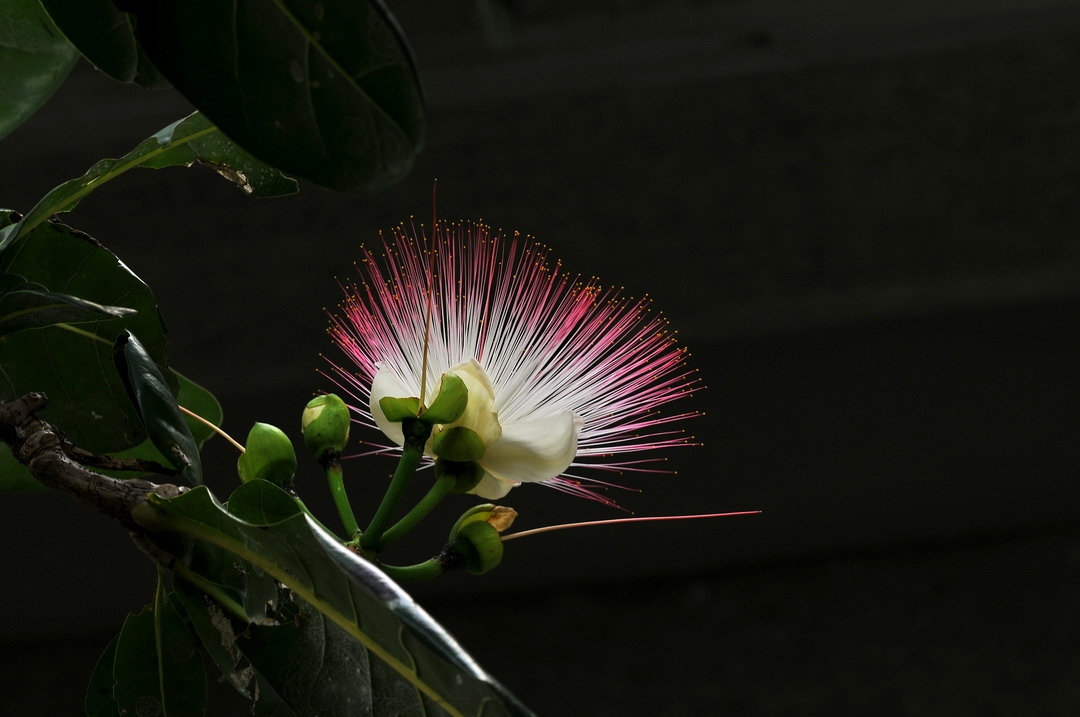
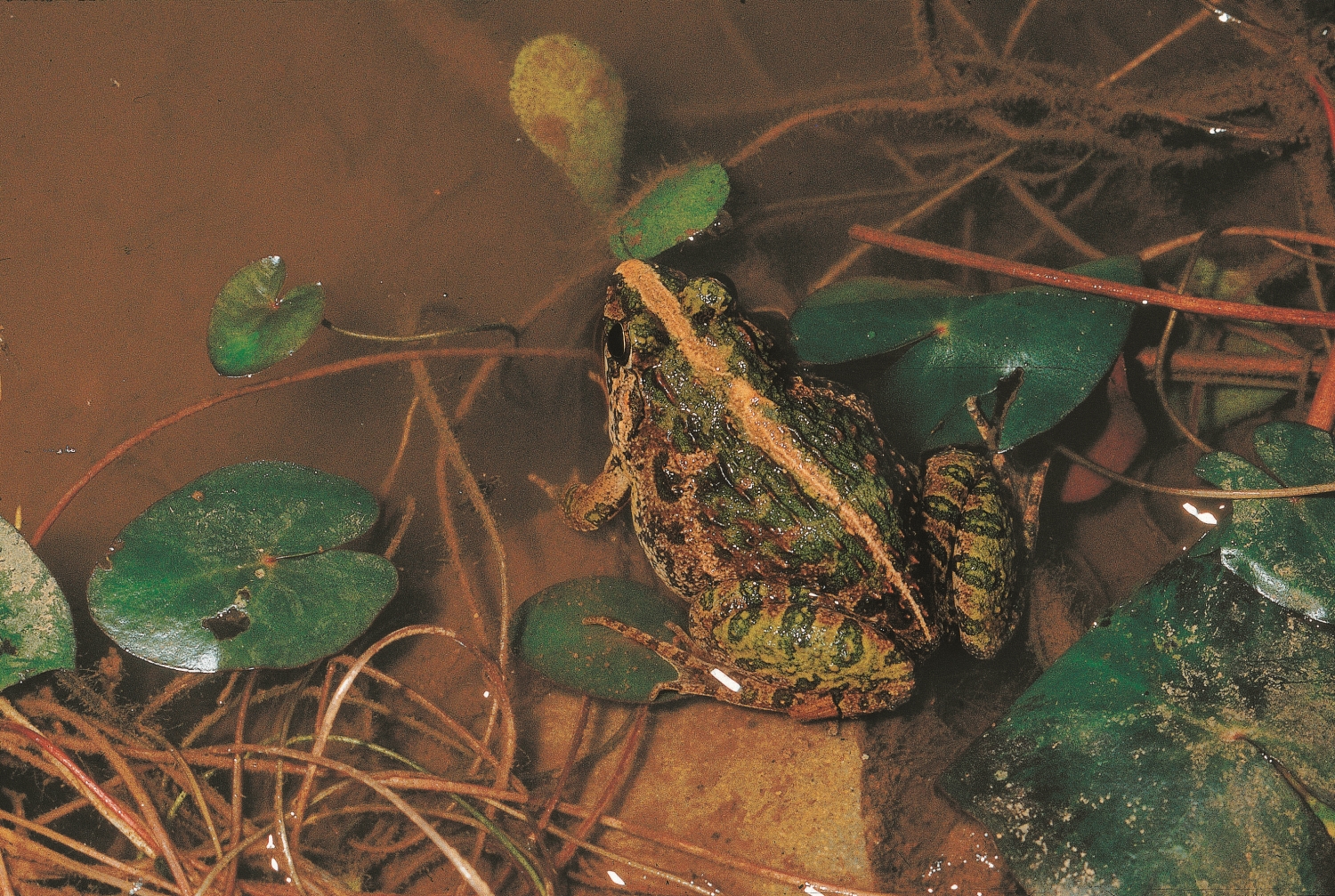
The night ecology of Kenting is even more exciting. In addition to the hermit crabs and intertidal ecology of the beaches near Eluanbi and Longpan, the most famous ones are the "three lights" of Sheding Park- the lights of the stars, fireflies, and mushrooms. It turns out that when visitors first arrive at the parking lot of Sheding Park under the stars, they can admire sika deer in the distance enjoying their dinner in the meadow. Then donning rain boots and long-sleeved clothes, they follow Pi-Yueh Pan, their guide for the Sheding Tribe, to explore the night world of Sheding. If it has just rained and the temperature and humidity are just right, they can see rings of bioluminescent mushrooms attached to bamboos like flying saucers, as feel as if they have just entered the fantasy world of Avatar. From April to October, the luminescence of aquatic fireflies flying around in the park also forms one of the three wondrous lights. Accompanied by the summer night calls of hyla frogs and tree frogs in the ponds and the scent of night-blooming Indian barringtonia (Barringtonia asiatica) and Asia bell tree (Radermachia sinica) in the air, the scene seems like a bustling 4D movie being played live before the visitors.
Quietly watch the stars and join in the Wuling party of nocturnal creatures
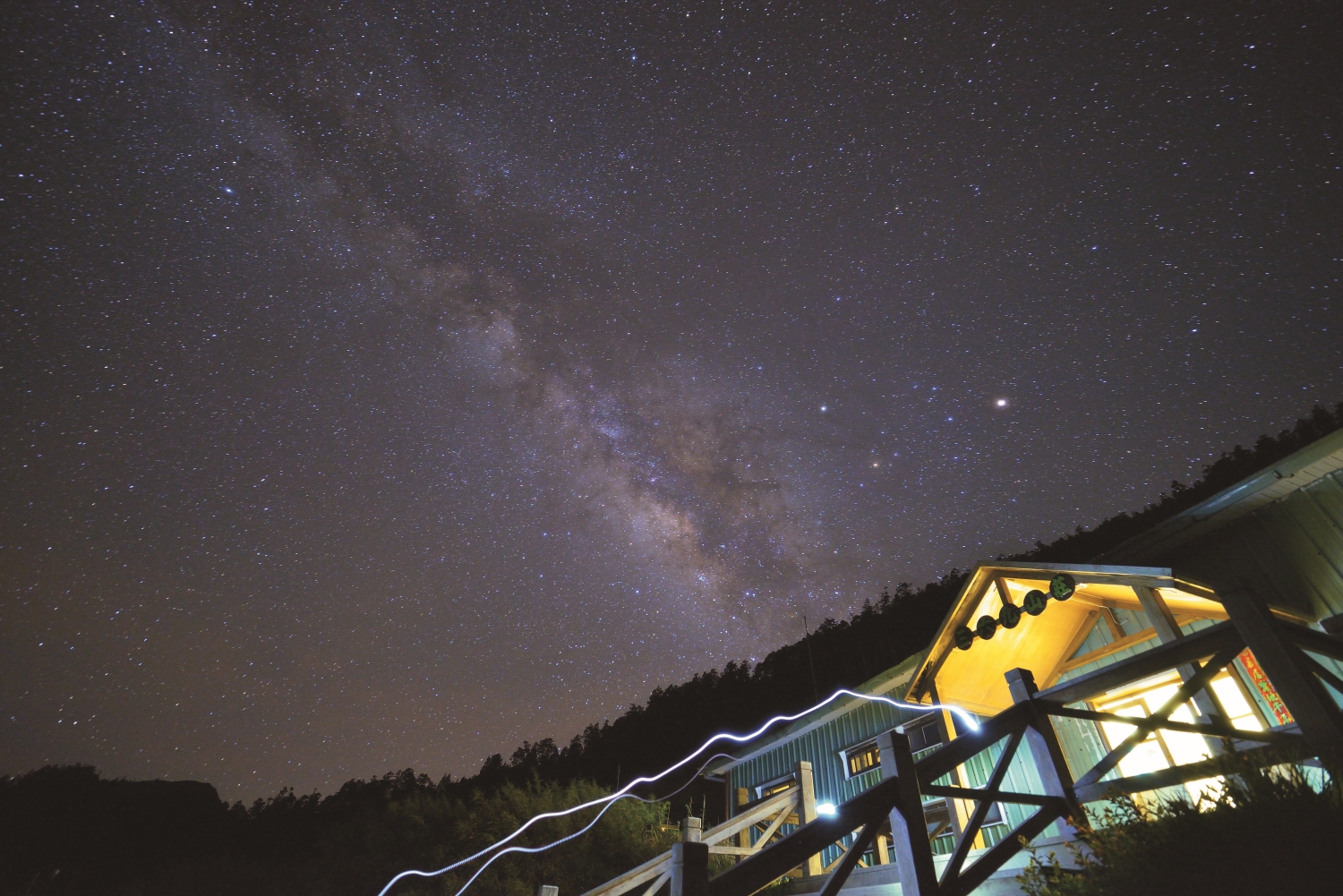
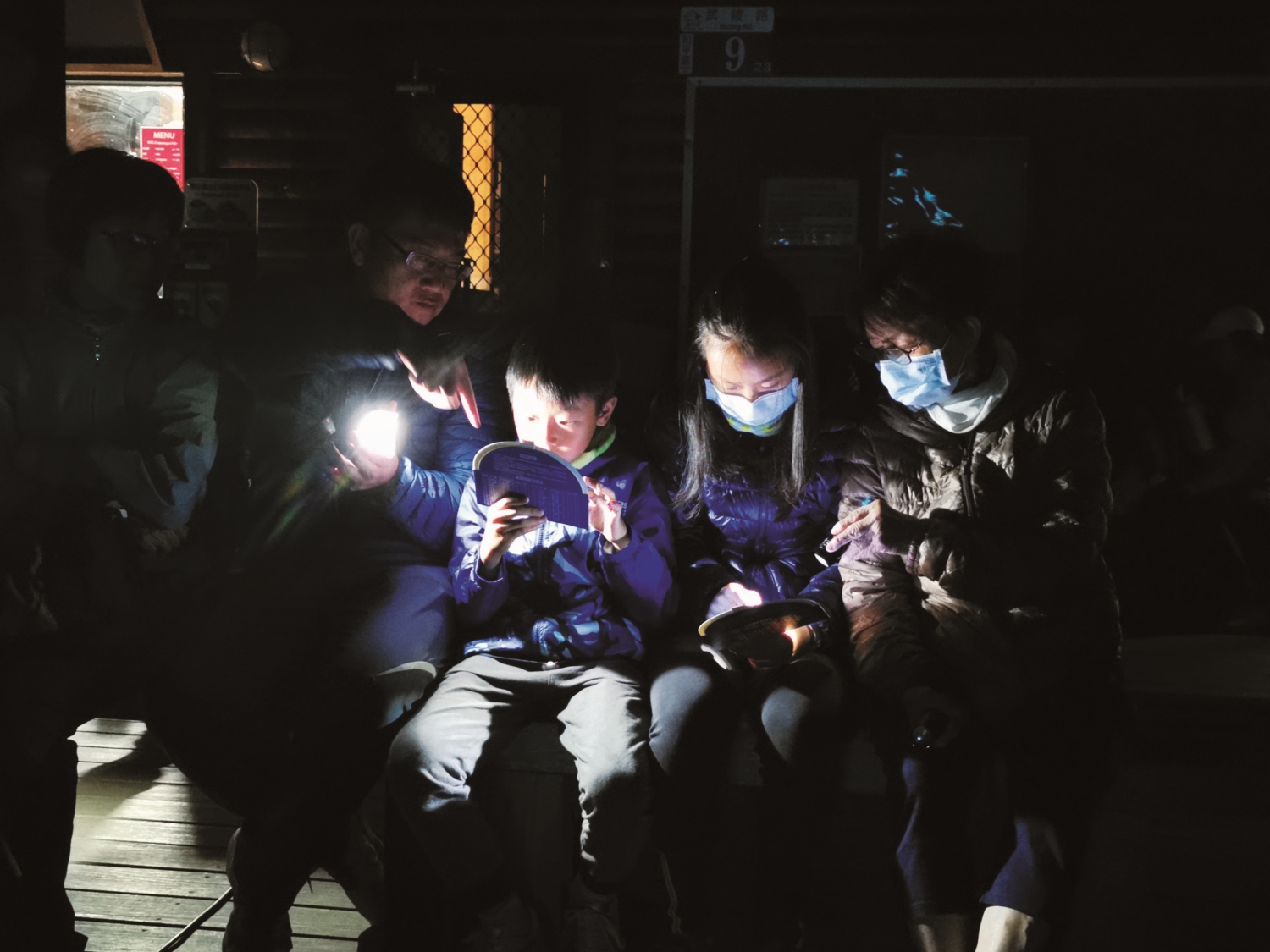
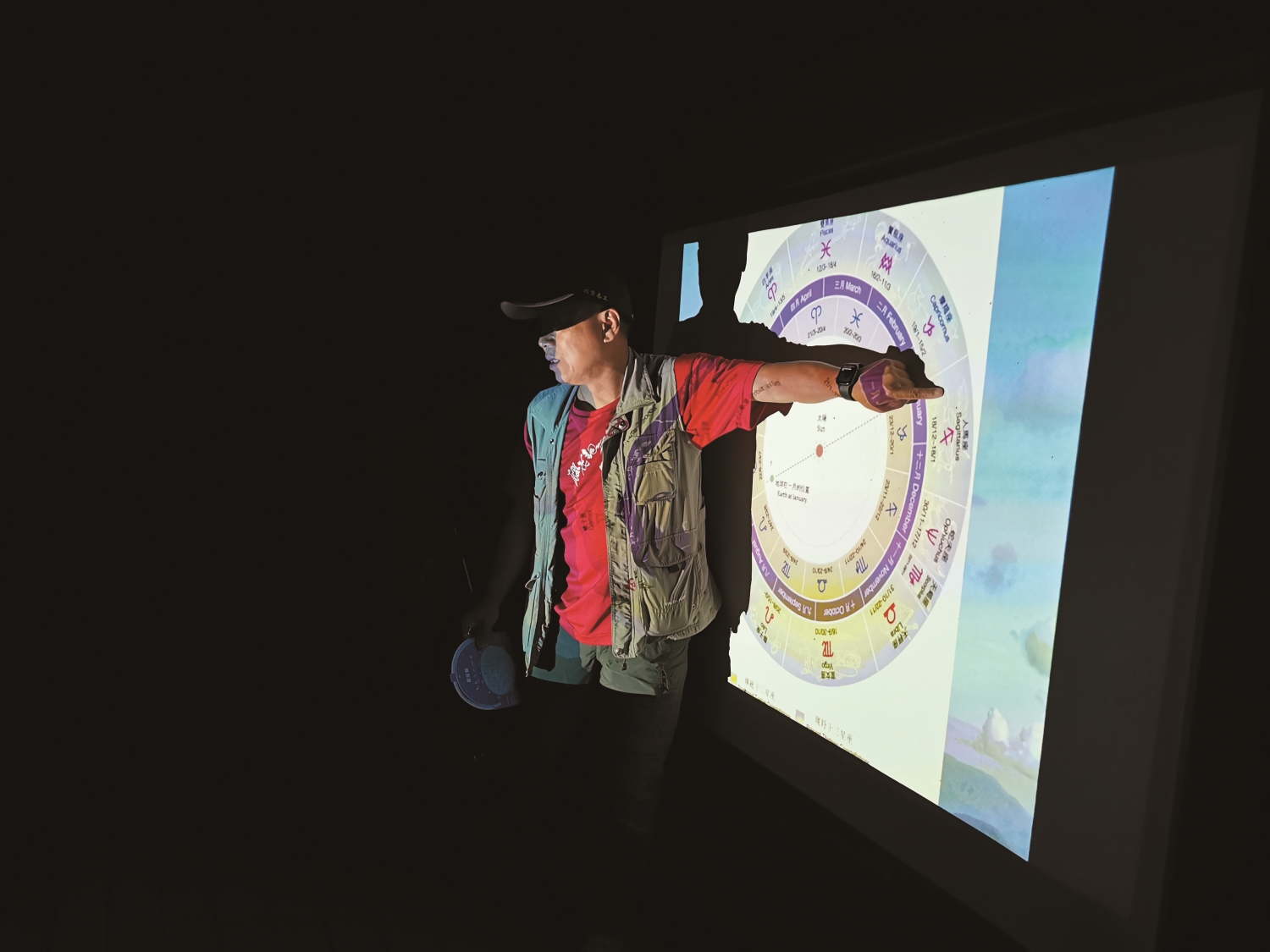
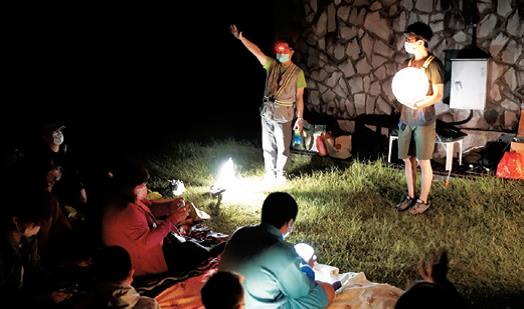
Situated at an altitude of about 2,140 meters above sea level, the trailhead of Xue Mountain is where the Shei-Pa National Park Headquarters organizes summer and fall stargazing and night observation activities in the Wuling Recreation Area. Every participant, adults, and children alike, would stand on the platform in front of the Visitor Center holding a planisphere in their hands. Following along the instructions of Hung-Ming Shih, a volunteer star gazing teacher with the Shei-pa National Park, they seek out the location of the Summer Triangle, then search north in the direction of Taoshan for the Big Dipper and the Polaris.
In August, visitors can see the brilliant Perseids meteor shower rising from the east. It happens to occur at the most open section near the trailhead of the mountain, and the surge of awed exclamations is a rare moment of noise in the mountains and forests.
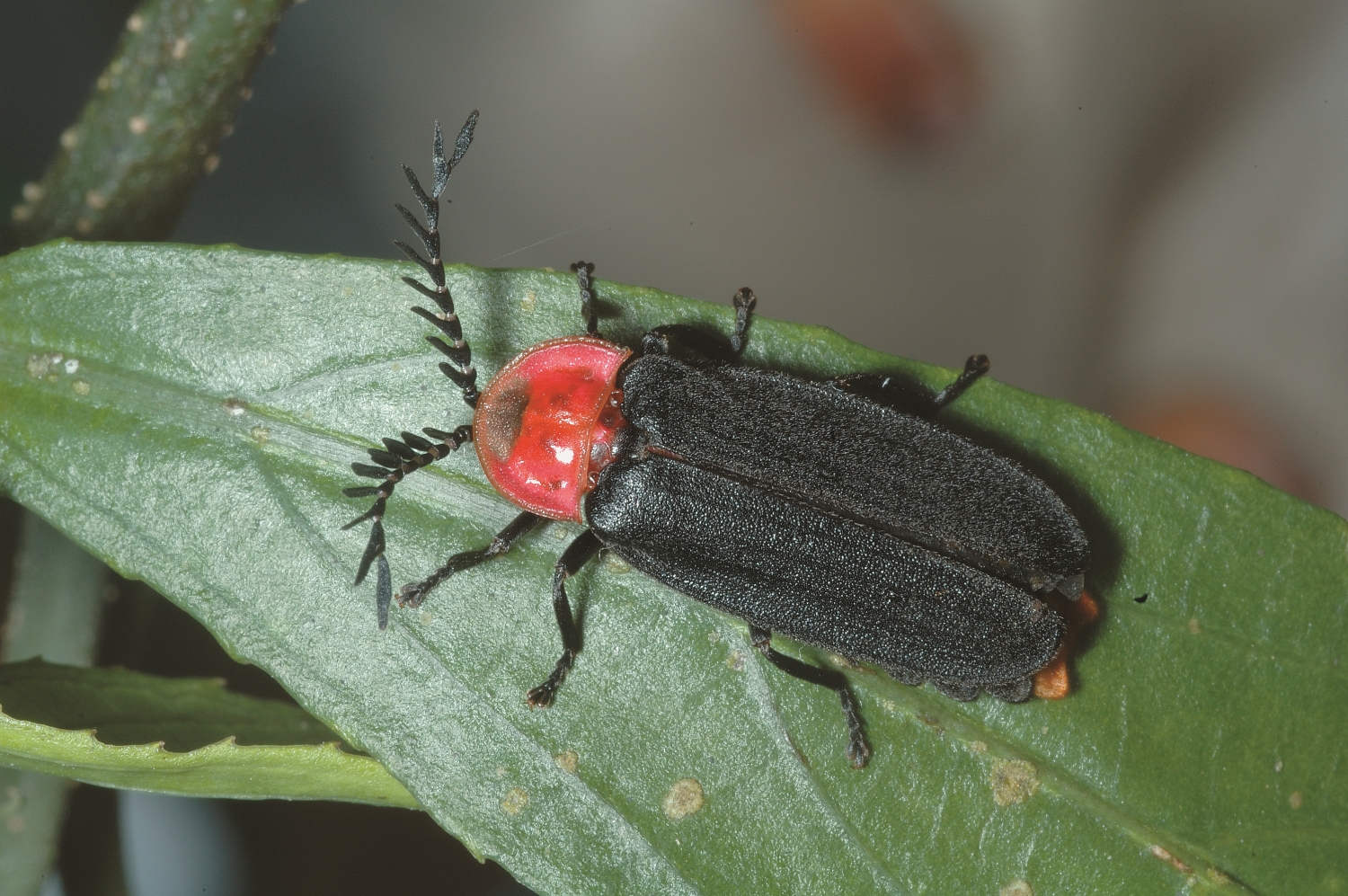
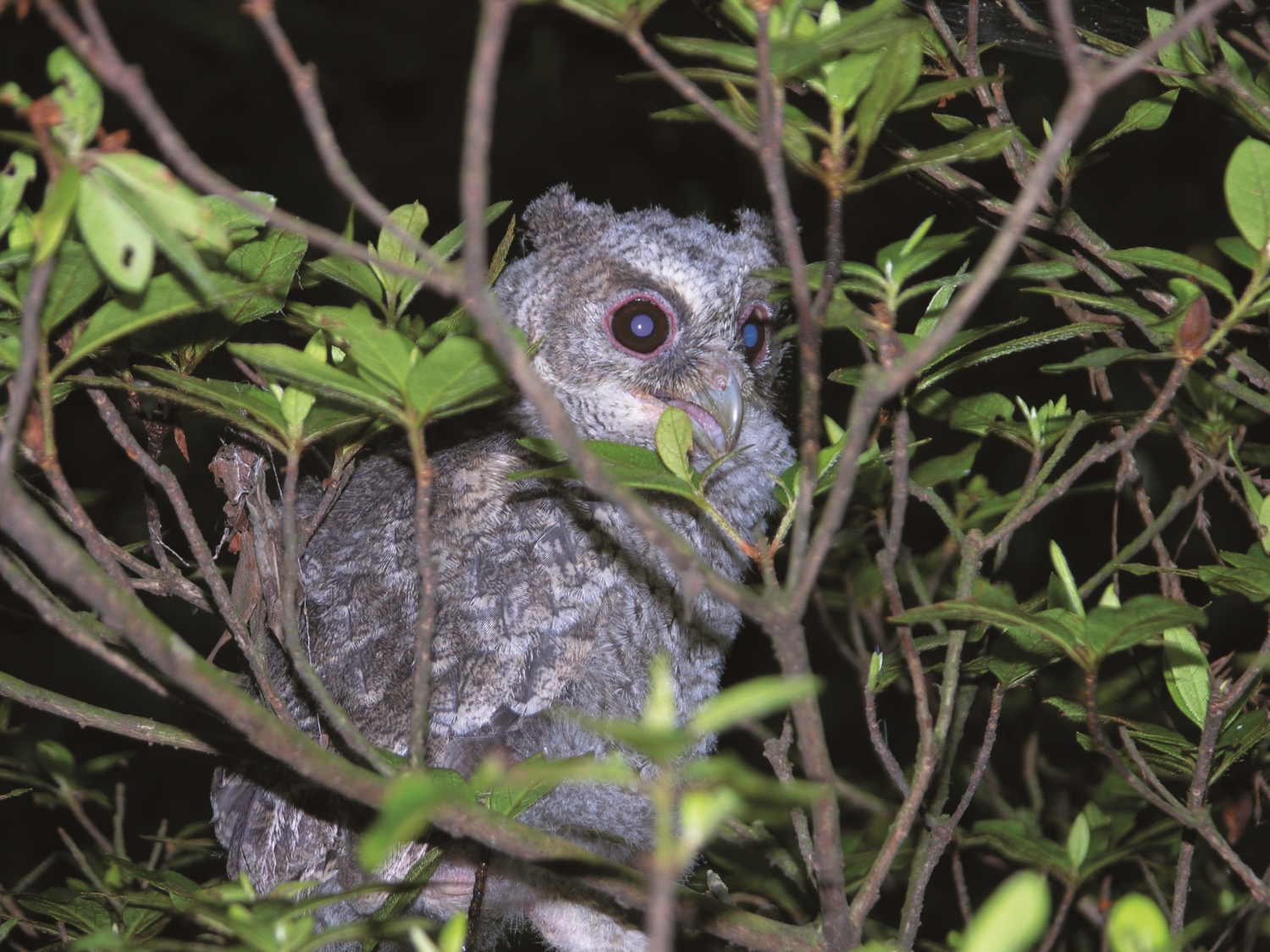
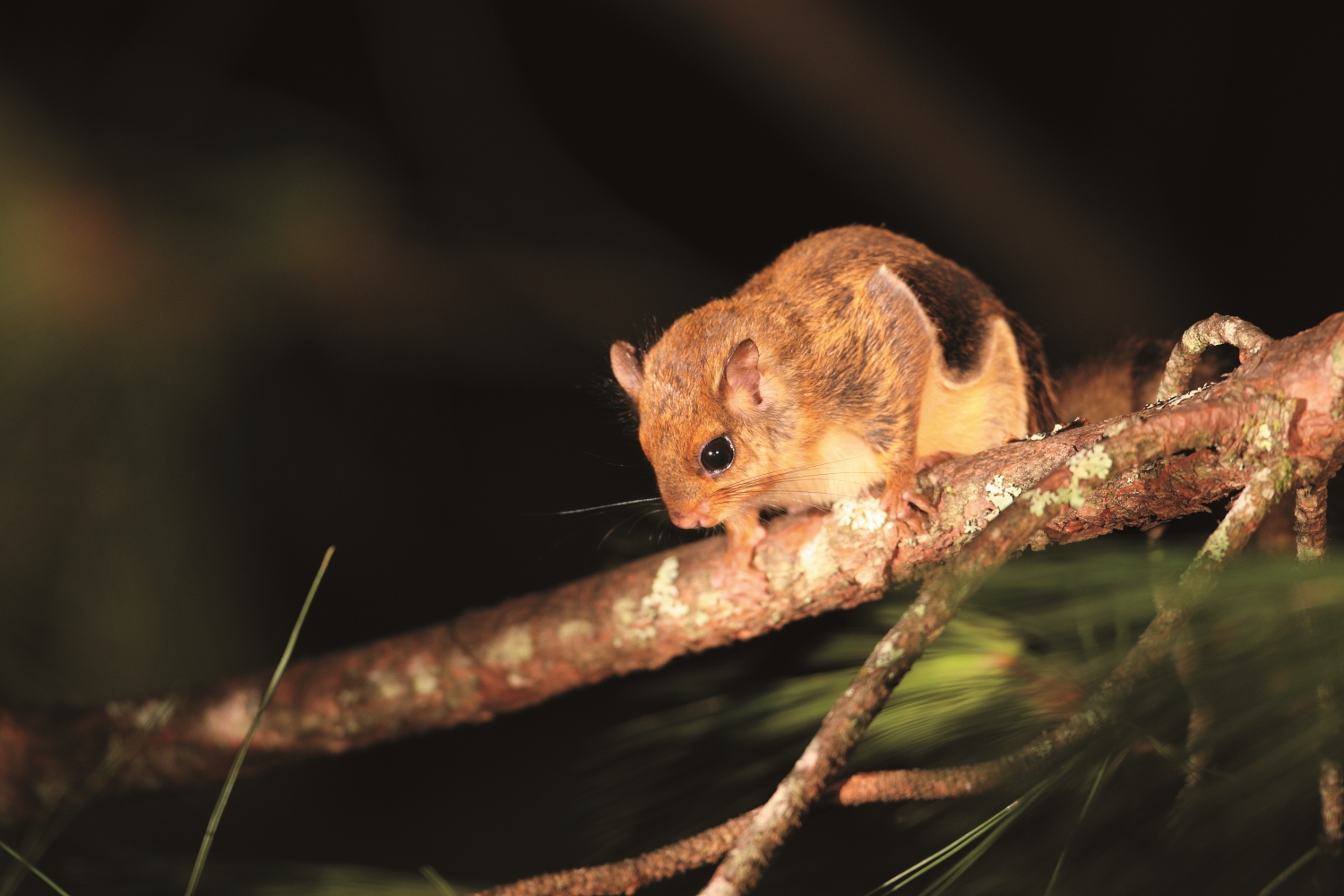
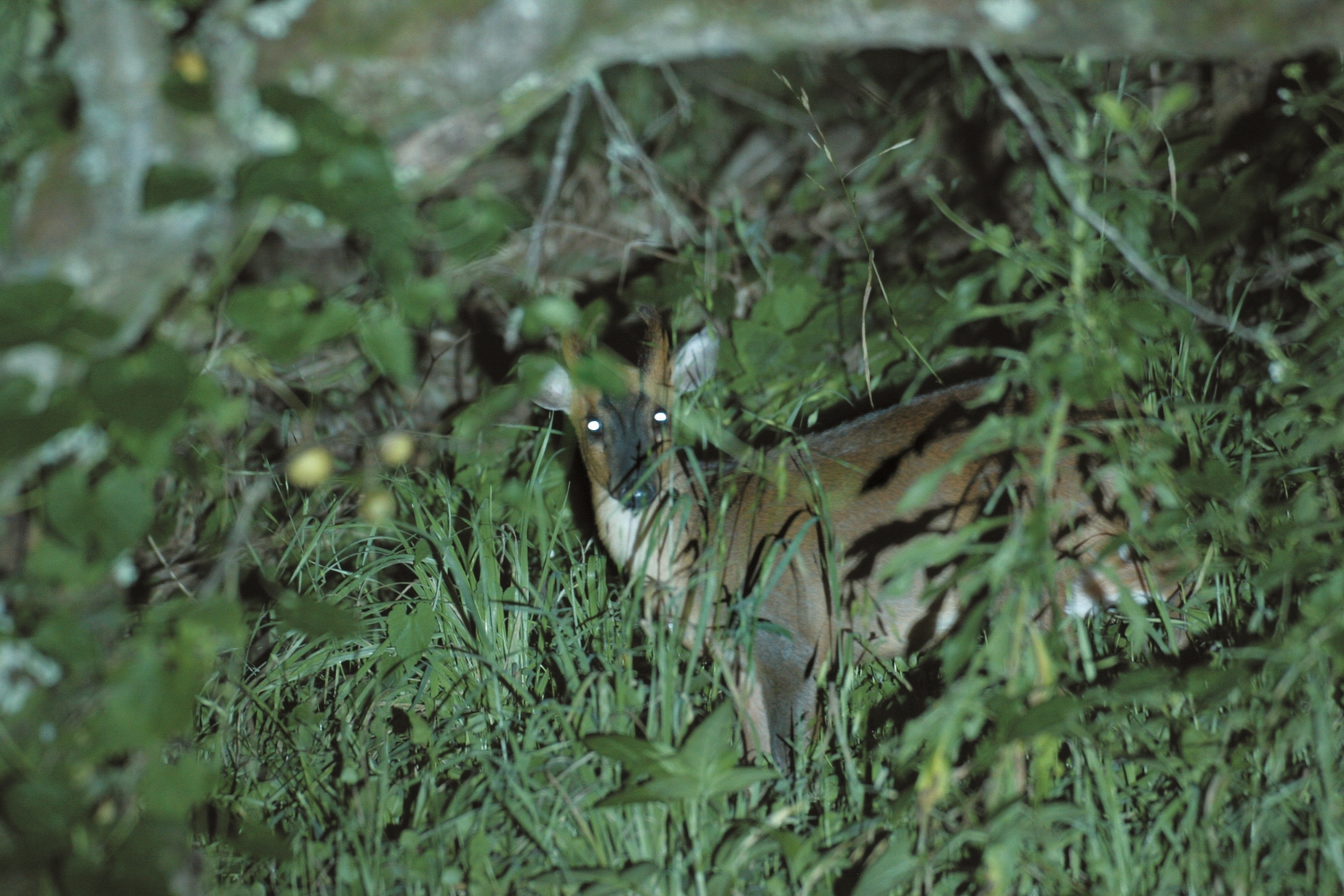
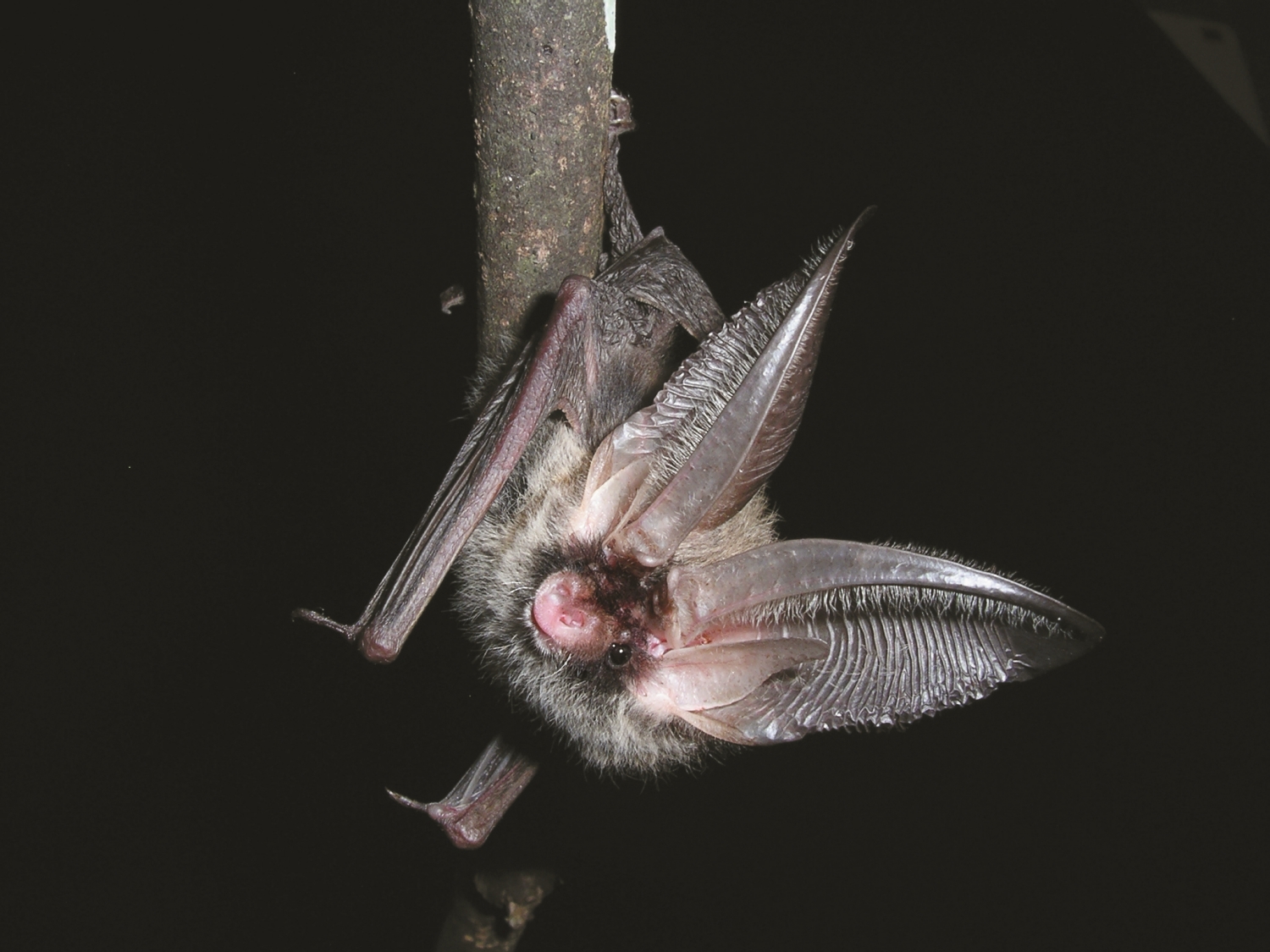
Yen-Ling Chang, a guide for the Wuling Recreation Area of Shei-pa National Park explained that given the addition of stargazing into the night observation activities in Wuling in recent years, the Park hopes to protect Wuling's rich nocturnal ecosystem as much as possible with low lighting and low noise\. During their stargazing, visitors might be fortunate to encounter Reeves's muntjacs walking by to say "Hello!", the “scratch! scratch! scratch!” sounds of flying squirrels scraping on the bark of trees, and the "hoot! hoot! hoot!" calls of owls. Hung-Ming Shih also mentioned that nocturnal animals like Formosan Reeve’s Muntjac (Muntiacus reevesi micrurus) are very timid and are easily scared away by a little noise. So, if visitors coming to stargaze in Wuling can remain quiet, they will encounter unexpected surprises that go beyond the starry sky.
| National Park | Activity |
|---|---|
| Kenting National Park | Every year from the end of April to the end of July, Baisha, Maobitou, Dawan Beach, and Longpan in Kenting National Park become the best stargazing spots in Taiwan for viewing the Southern Cross constellation. Made up of four stars, the Southern Cross is an indicator constellation in the southern hemisphere. Its status is equivalent to that of the Big Dipper in the northern hemisphere. The best time to enjoy the Southern Cross to the accompaniment of sea breeze and the sound of waves is between April and June as winter transitions into spring and the chances of clear night skies are high. |
| Shei-pa National Park | Shei-pa National Park is situated at a high altitude and has almost no light pollution. It is very suitable for stargazing all year round. The Shei-pa National Park Headquarters not only organizes events at the Wenshui Visitor Center according to the astronomical conditions of the current season of the year. It also regularly invites stargazing teachers to lead the public on stargazing activities from time to time. In summer, it also organizes stargazing and night watching activities at the Wuling Recreation Area in the trailhead of Xue Mountain for exploring the rich night starry sky and ecological beauty of Wuling. |
| Taroko National Park | Taroko National Park Headquarters has collaborated with the Nantou County Government to establish the first dark sky park in Taiwan. Local operators provide package tours that start out at Qingjing Farm towards the Kunyang parking lot for guided star-gazing activities. |
| Yangmingshan National Park | Yangmingshan National Park Headquarters has been assisted the Taipei Astronomical Museum on the "Tour of Heaven and Earth" event for many years to introduce the rich ecology and gorgeous starry night sky in Yangmingshan. Moreover, in recent years, it has been promoting the concept of dark sky. Professional guides combine natural science facts in astronomy, scientific knowledge, and fun facts in humanities to turn starry sky tours into multiple auditory, visual and sensory enjoyment. |
Interesting Night Eco-Observation
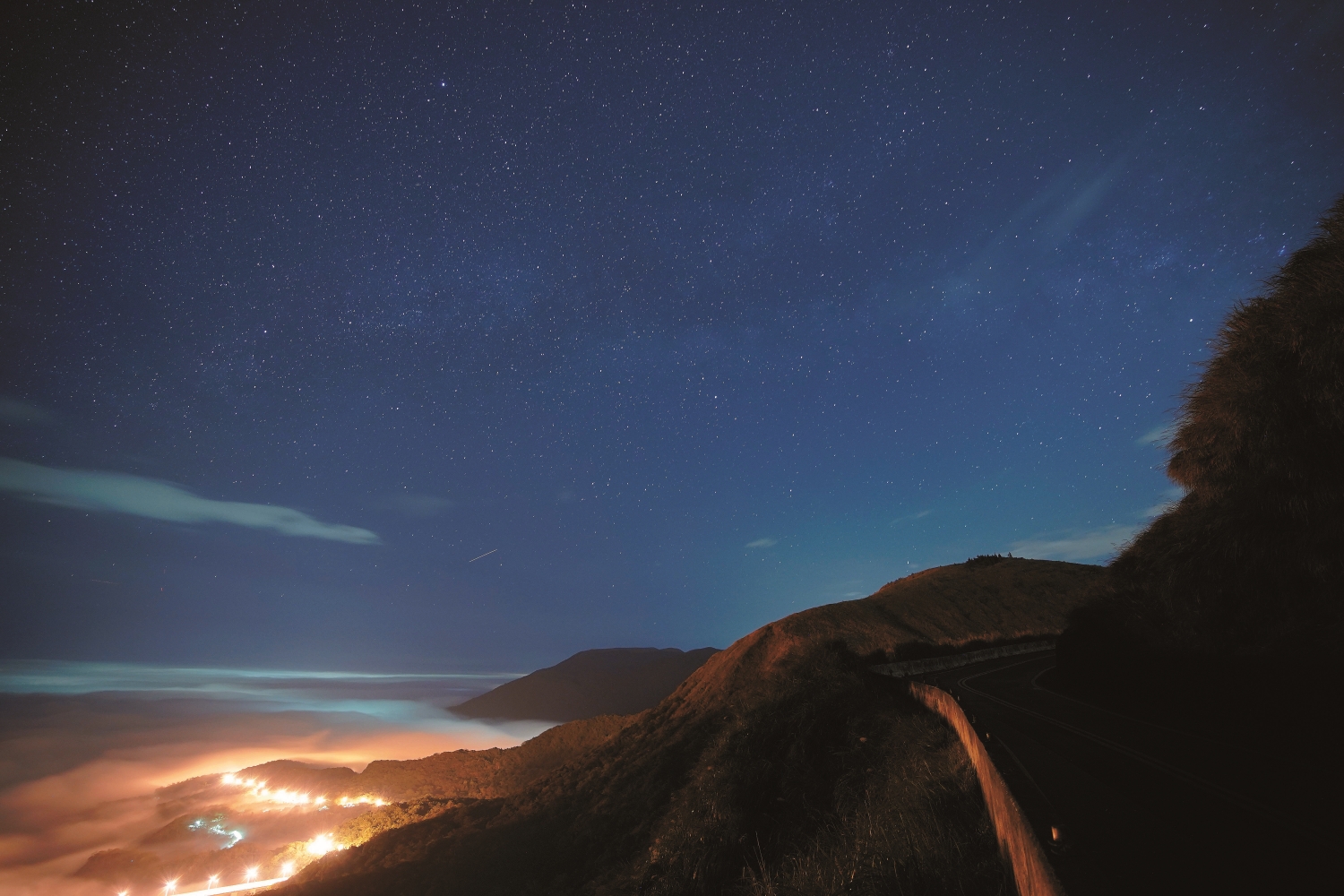
The beautiful dark sky park on Provincial Highway 14A
In 2019, the "Hehuan Mountain Dark Sky Park” was certified by the International Dark-Sky Association (IDA). It is not only the first dark sky park in Taiwan but also the third dark sky park in Asia after Japan and South Korea. Stretching from Yuanfeng to Xiaofengkou along the Mt. Hehuan, the magnificent mountains in the dark sky park set off the vast starry sky. However, this beautiful scenery is not out of reach. Winding along Provincial Highway 14A, parking lots, or lookout platforms in Kunyang, Wuling, Mt. Hehuan Visitor Center, and Xiaofengkou are great spots for stargazing.
In addition, the Nantou County Government has especially renovated the "Yuanfeng Stargazing Platform" to create a friendly platform for stargazers in the dark sky park. Shu- Chen Chang, Director of Mt. Hehuan Service Station of Taroko National Park said that to maintain the stargazing quality of the dark sky park, the Taroko National Park Headquarters has cooperated by turning off night lighting in the Xiaofengkou parking lot. The lumen settings in other lightings have also been reduced in accordance with the regulations to protect the beautiful starry sky.
Preparing for Stargazing
1.Keeping warm:Taking the Wuling Recreation Area an example, even if it is summer, the mountain dew creates a natural air-conditioning that makes summer nights feel cold. So warm coats, gloves, hats, and scarves are essential. Mats and sleeping bags for sitting or lying down on are also secret weapons for a magical stargazing experience.
2.Stargazing tools:Since most of the constellations that are visible to the naked eye are stars, a simple planisphere is a good tool for quickly finding the position of the constellations. If you want to see the surfaces of planets such as Jupiter, Venus, Mars and Saturn, satellites, the rings or nebulae around Saturn, star clusters and star systems, having a set of binoculars is adequate!
3.Others:In order to protect the mountain ecology, it is best to choose flashlights with low luminance or warm tone, or wrap the flashlights with red cellophane to reduce interference to the surrounding environment.
“Quietness” and “darkness” are key to night observation experience
Yangmingshan National Park is a star-gazing spot that is closest to an urban area. From Datun Nature Park to Qingtiangang, there are great spots for stargazing. The nearest of these areas can be reached within an hour’s drive from the city, making them uniquely accessible. Generally, a trip to the parking lot of Qingtiangang or Xiaoyoukeng for stargazing requires only light traveling by car and is suitable for families with children. The openness of Qingtiangang makes it an especially popular spot for stargazing. Except towards the south where light pollution from downtown Taipei makes it possible to see only magnitude 1 stars, magnitude 2 and magnitude 3 stars in other directions can be seen without any special instruments. Particularly under the breeze of summer nights, the experience is very romantic.
In recent years, the Yangmingshan National Park Headquarters has been incorporating concepts ranging from “quietness” to “darkness” into the idea of “dark sky”. Cheng- Hsiu Lin, Chair of the Taiwan Dark Sky Association said that such measures are in line with international trends because “quietness” and "darkness" are the core values of night. By finding a quiet space so close to the metropolitan area, taking advantage of the “quietness” of this space and adjusting lighting to host stargazing activities for children with autism and sleep workshops in the dark sky environment, the convenience but disadvantages of being close to the city have been turned into an advantage, thus redefining the meaning of dark sky.
“Night Observation” is an emerging market in eco-tourism. It is a part of the concept of the dark sky and can provide tourists with new experiences and feelings. However, safety and technical considerations should not be ignored during the operation of such activities. Compared with other itinerary planning, positive actions including thinking about "How less lighting is more." Especially in national parks, the night observations of plants, animals, and celestial phenomena involve not only sight, hearing, touch and smell, but also include other activities such as commentaries by the guides, meditation, and yoga. These activities engage the mind and the brain to connect heaven and earth, and humanities and sciences to receive inspiration from nature and balance the body, mind, and spirit.

Creating a balance between body and mind
Nature is the mother of humankind and a haven for many modern people. However, after the industrial revolution, civilization has developed at a rapid pace. Man-made products and electronic products have brought fresh, diverse, and rapid sensory stimulation to people. Products such as artificial spices, chemical seasonings, and 3C products have become handy items in daily living. Humans have also become over-reliant on science and technology products, leading to a deprivation of nourishment from nature and causing all kinds of physical and mental health issues. In his book, “Last Child in the Woods - Saving Our Children from Nature-Deficit Disorder”, author Richard Louv coined these issues as “Nature-Deficit Disorder”, which has also been the subject of our cover stories over the past year. When the relationship between humans and nature becomes increasingly alienated, it not only results in various diseases of affluence such as obesity, anxiety, and attention deficit disorder. In addition, over the past 20 years, the negative impact of high-tech 3C products on the brain development of children and the physical health, mental health, and interpersonal relationships of adults have aroused widespread discussions. As a result, a wave of calls has emerged for everyone to return to nature and regain the balance of body, mind, and spirit.
The theme of our National Park Quarterly in 2021 is “Saving Us from Nature-Deficit Disorder”. In spring, we provided those who were feeling lethargic with stimulation from nature through butterfly observation. In summer, we brought children to the beach to chase the waves and treasure hunt on the coast, where teachers helped them understand the ecology of intertidal zones and encouraged activeness to prevent overweight problems. In the fall, to help children with attention deficit disorder with focusing, we brought them on a bird watching tour all over Taiwan, and in winter, the beauty of the twinkling stars in the night sky was so wondrous that it captured even the breath of these hyperactive children. These activities are not only ways to train sensory integration; they also bring us closer to nature. They are essential nutrients in the development of children and allow adults to decompress and heal from their busy lives.
About the Author ︱Hsiao-Chun Chen
A soul that could not be locked in an office once went to the American continent. After many years, she returned to her hometown to engage in writing and public relations activities planning.
Twilight Angels of the South -Interview with Associate Professor Shen-Horn Yen, Department of Biological Sciences, National Sun Yat-sen University
Article/ Shen-Horn Yen, Hui-Hua Tang
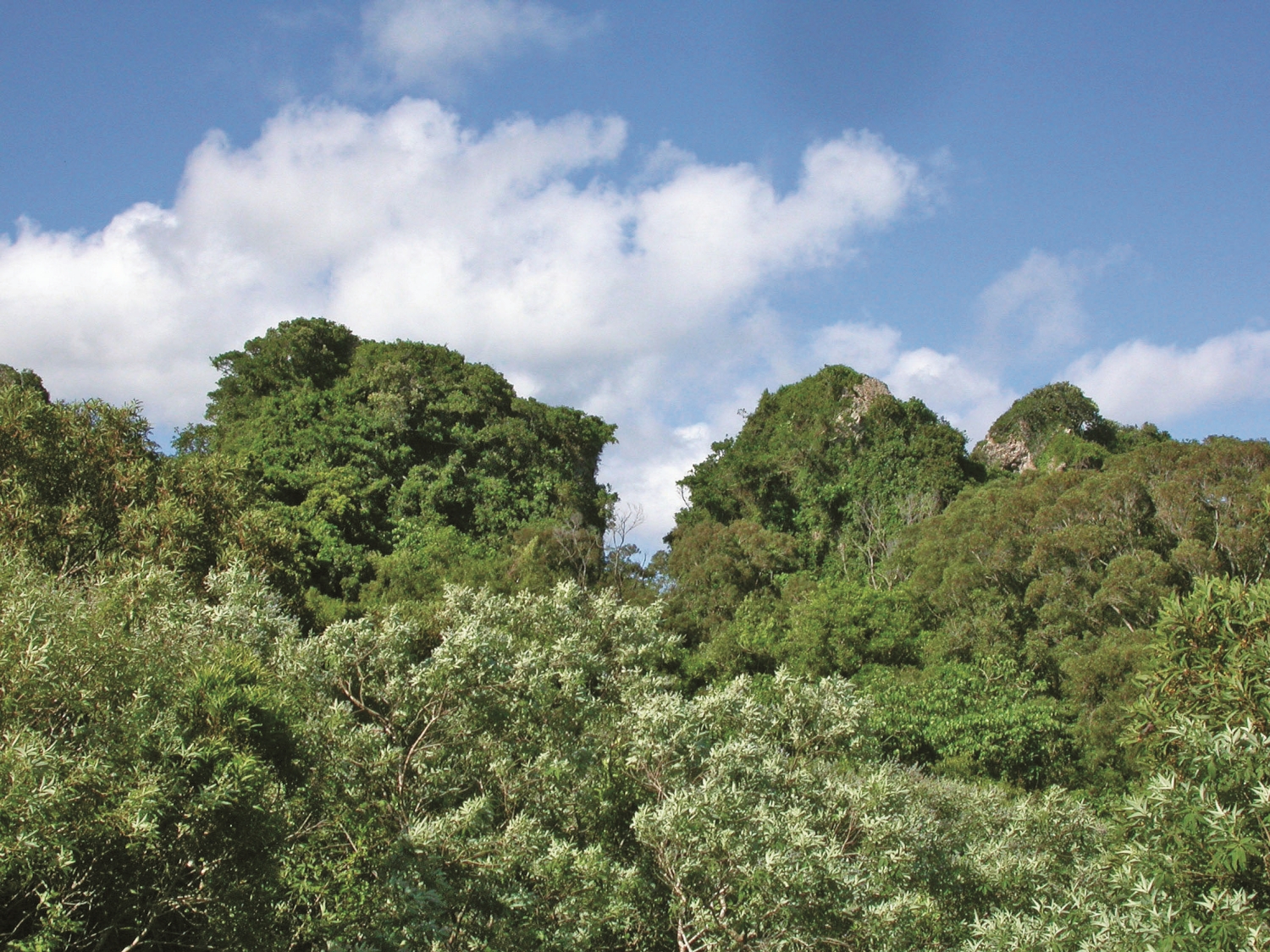
When twilight sets in, thousands of moths flock into the Kenting National Park area. Since these nocturnal creatures are active during the night, people are less likely to encounter them, hence lending mystery and negative impressions to these moths When the Kenting National Park Headquarters was first established, it conducted a preliminary resource survey of moths. However, the moths were not the primary entity of the survey project, so mostly large, eye-catching, common, or occasionally caught species were recorded. Some moths were also collected during profile surveys of insects, but the number of species and the quality of specimens were not representative of moths in the national park. Therefore, in January 2019, the Kenting National Park Headquarters commissioned Professor Shen-Horn Yen and his team from the Department of Biological Sciences, National Sun Yat-sen University to conduct research.
Shen-Horn Yen indicated that since national parks must re-census the resources of their jurisdictions once every so often and that moths are extremely diverse, they do not have the long-term monitoring data of butterflies. Therefore, the Kenting National Park Headquarters has planned to survey and inventory the diversity of existing moth species within two years. As of the end of September 2021, the research team has collected and identified 24 Superfamilies, 57 families, 614 genera, and more than 1,200 species of moths, including at least 59 newly recorded species and 8 new species. Hence, the research effort has been quite fruitful.
In addition, the survey had also reaped major findings. Moth imagos are important herbivores, but the research team found that plants that are endemic to the Hengchun Peninsula clearly did not support the special types of moths in Kenting. Most of the plants that moth larvae feed on are widely distributed species. Most scholars have always believed that the sea-floating plants that characterize the vegetation of Kenting do not support the survival of special moths in the Hengchun Peninsula. Hence, it is deduced that the moth diversity is closely related to the good forest structure and plant diversity. The national park, Mt. Nanren and Sheding have the highest diversity of moths. From the perspective of the composition of the moths, the Erebidae family, the Geometridae family, and the Crambidae family are the groups with the most diverse species.
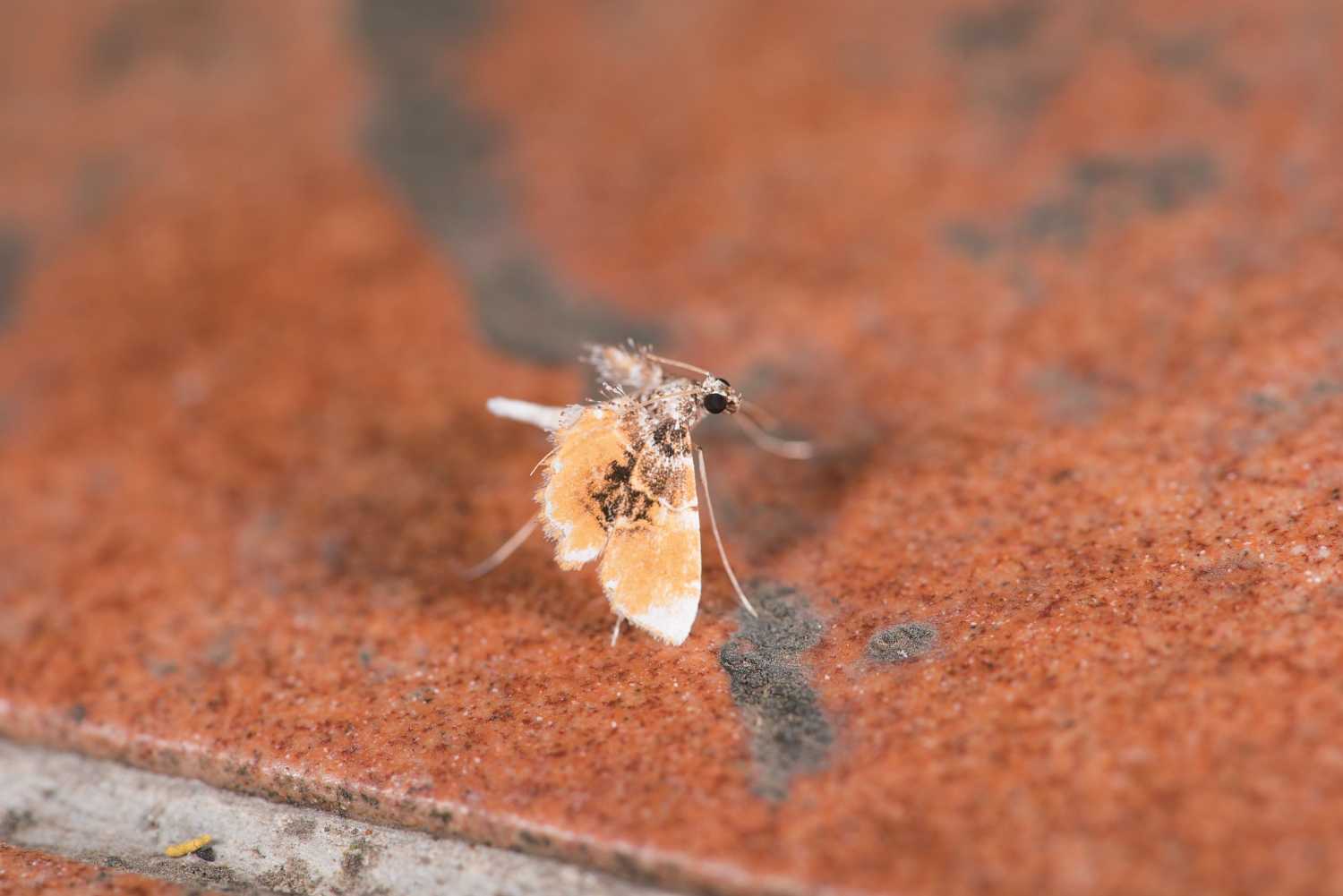
Common Moths of Kenting/Photo by Shi-Rui Liao
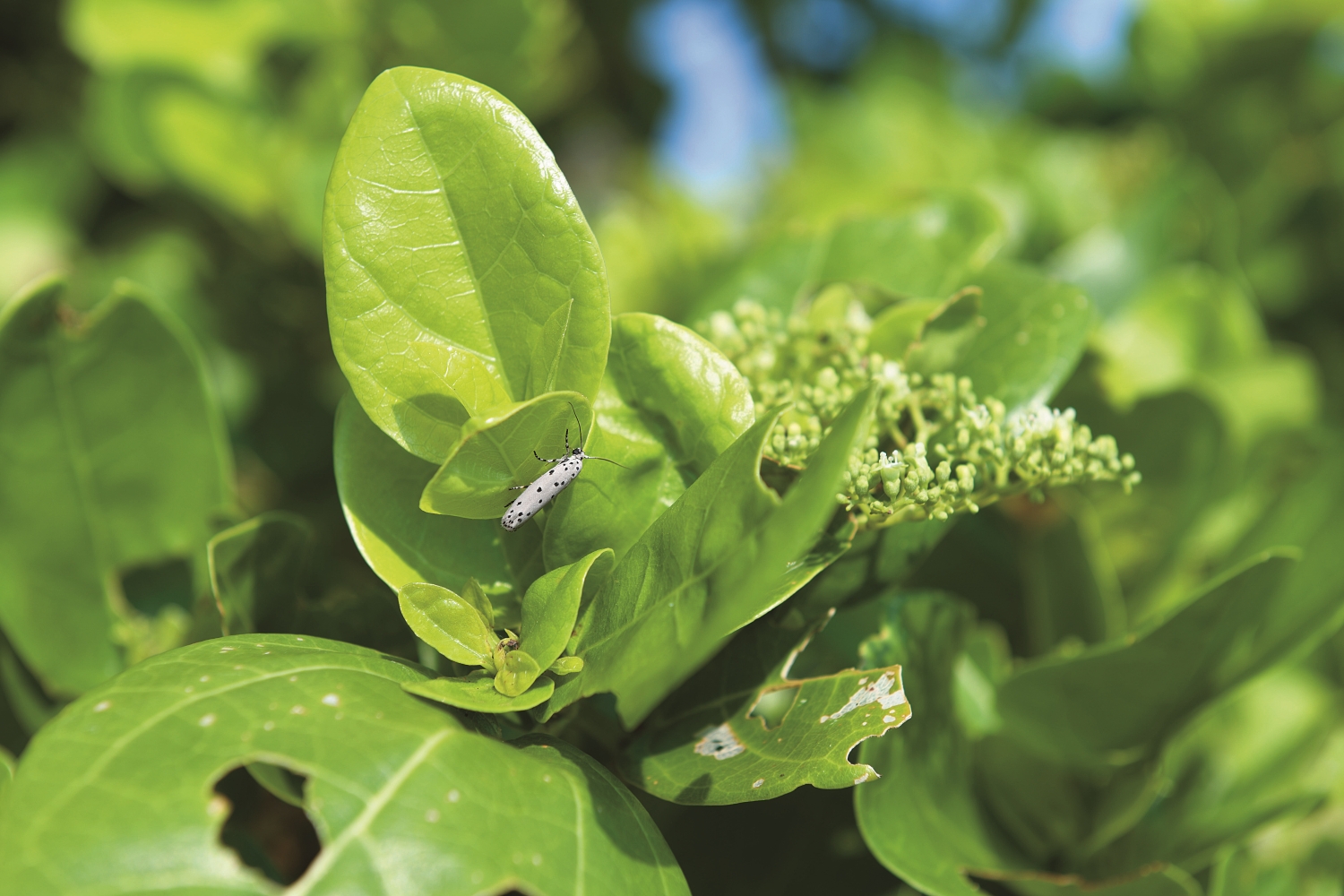
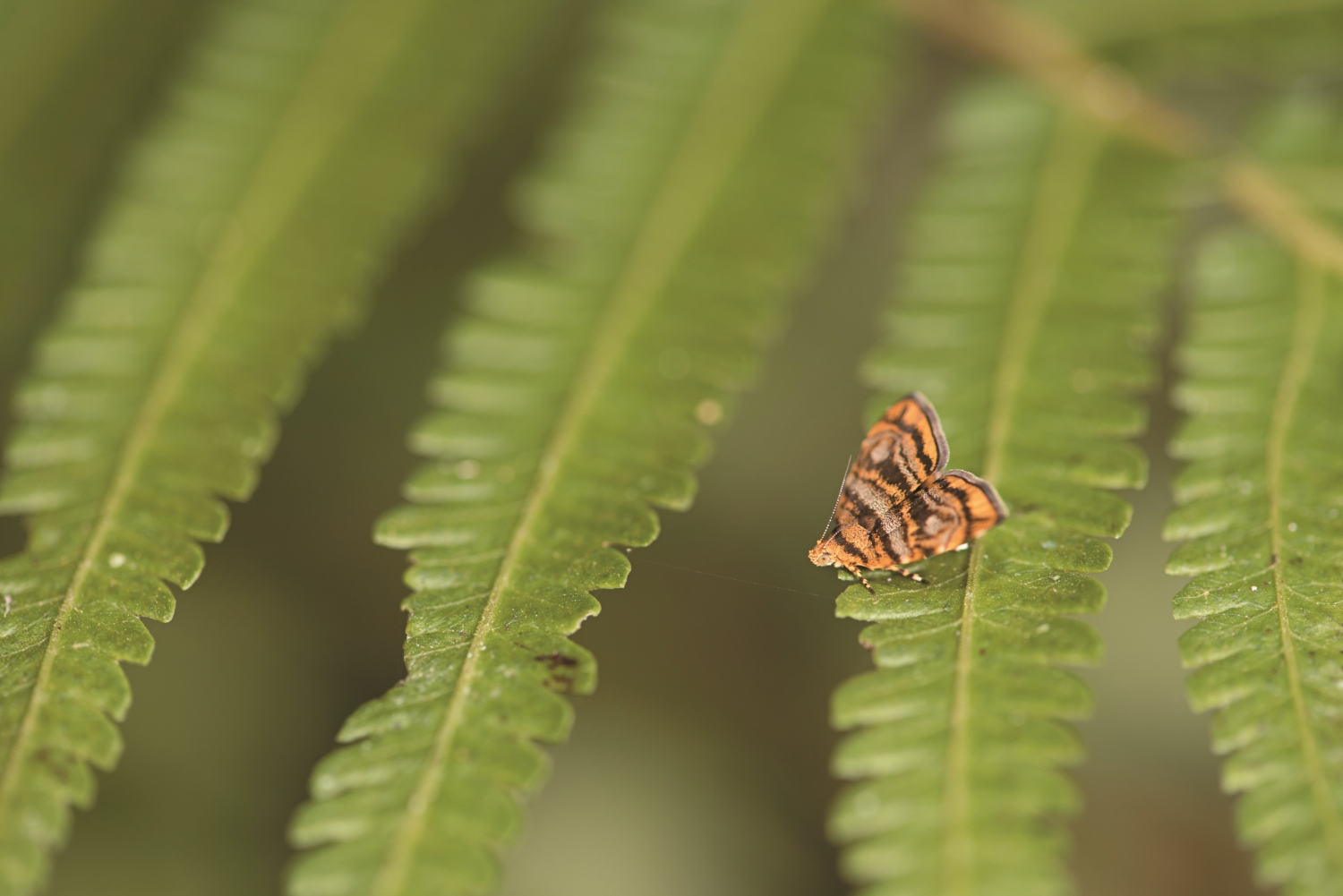
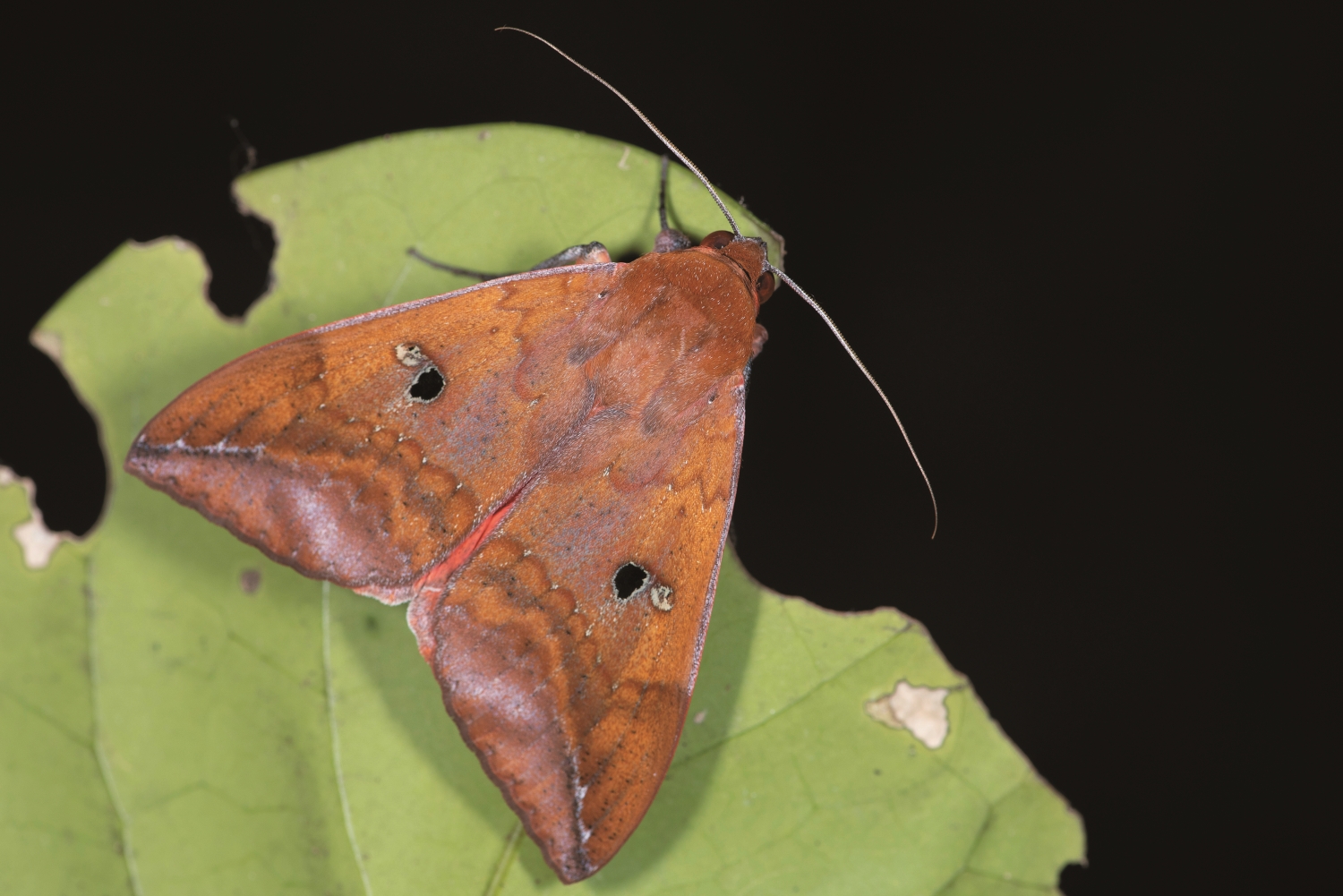
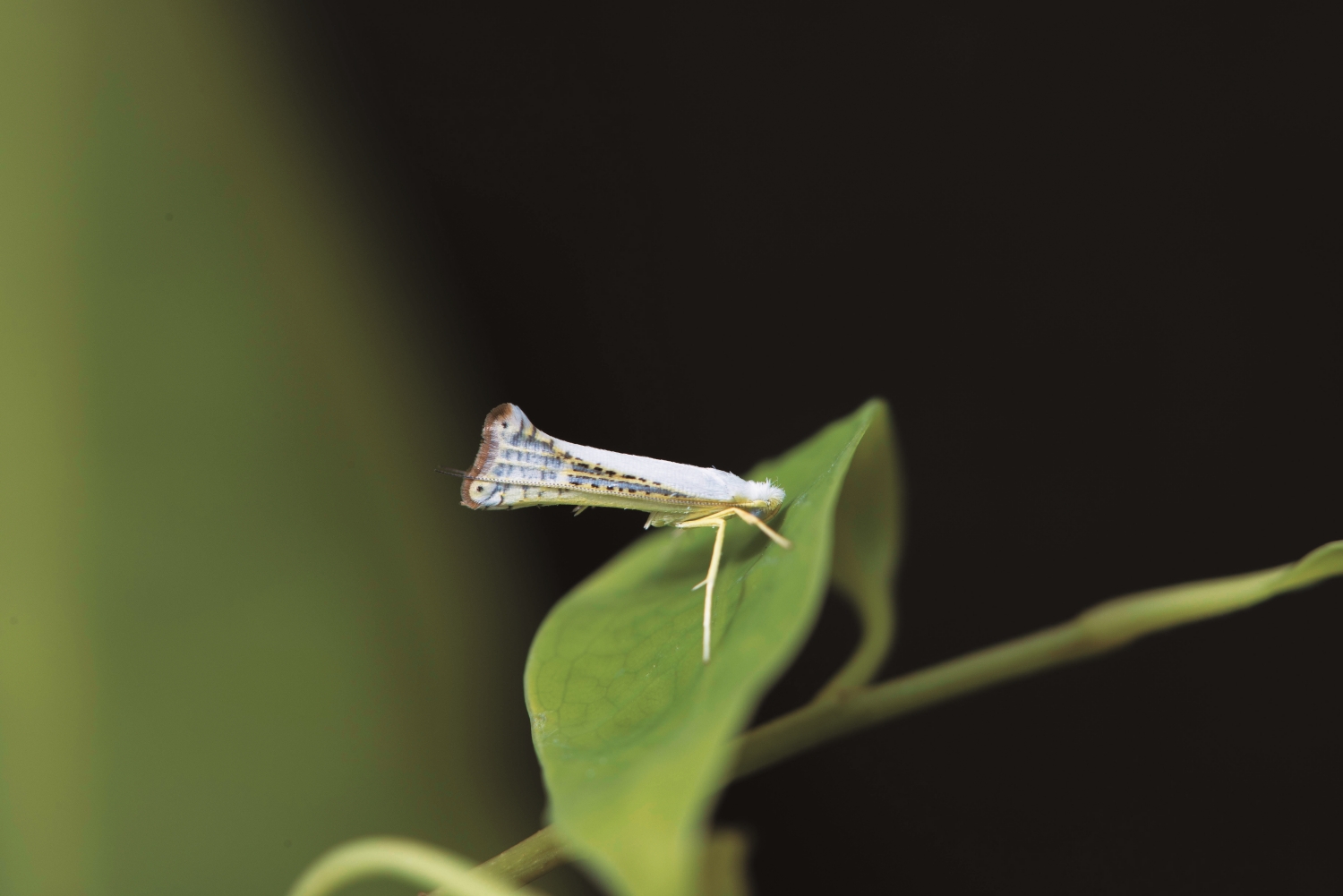
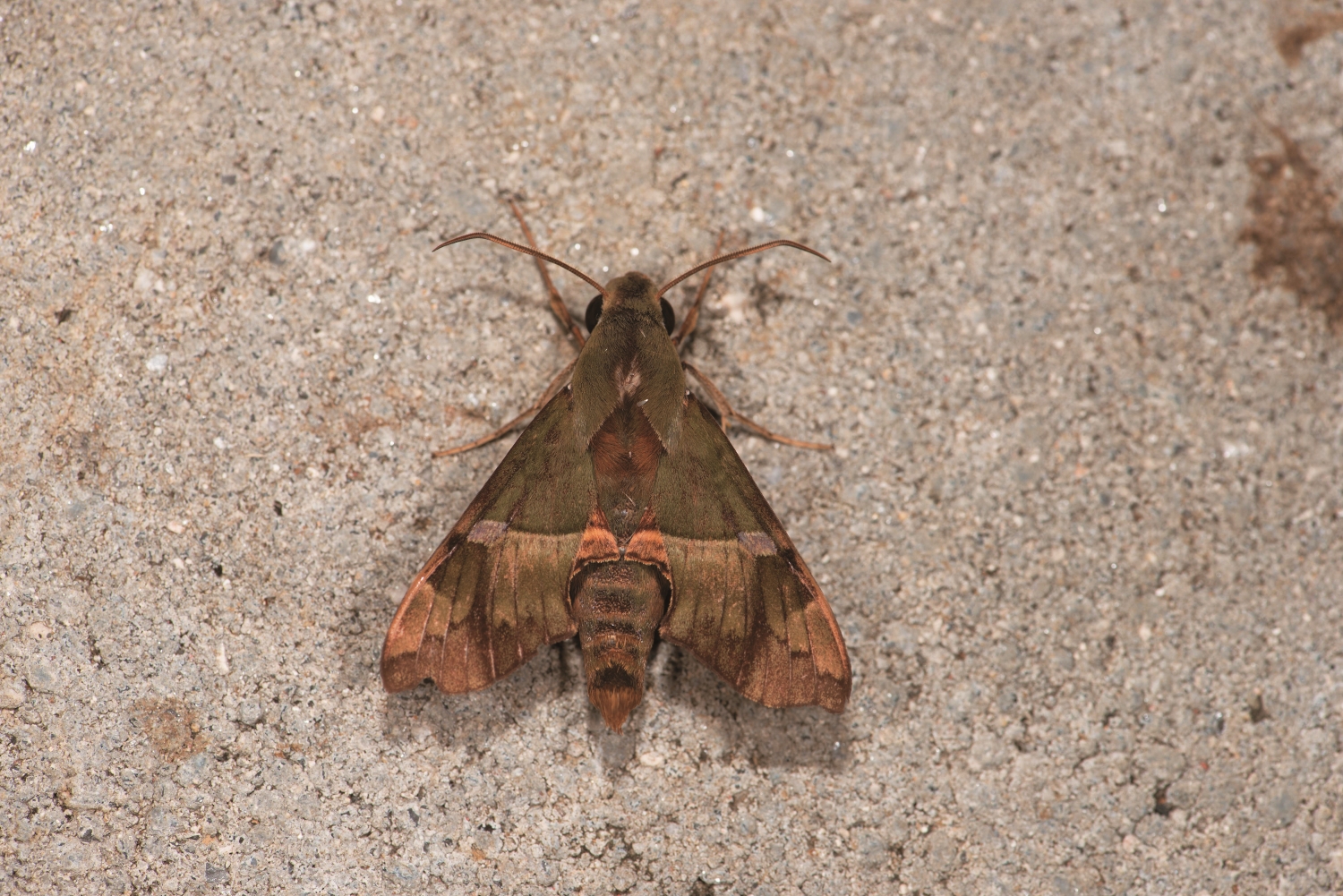
Special Moths of Kenting/Photo by Shi-Rui Liao
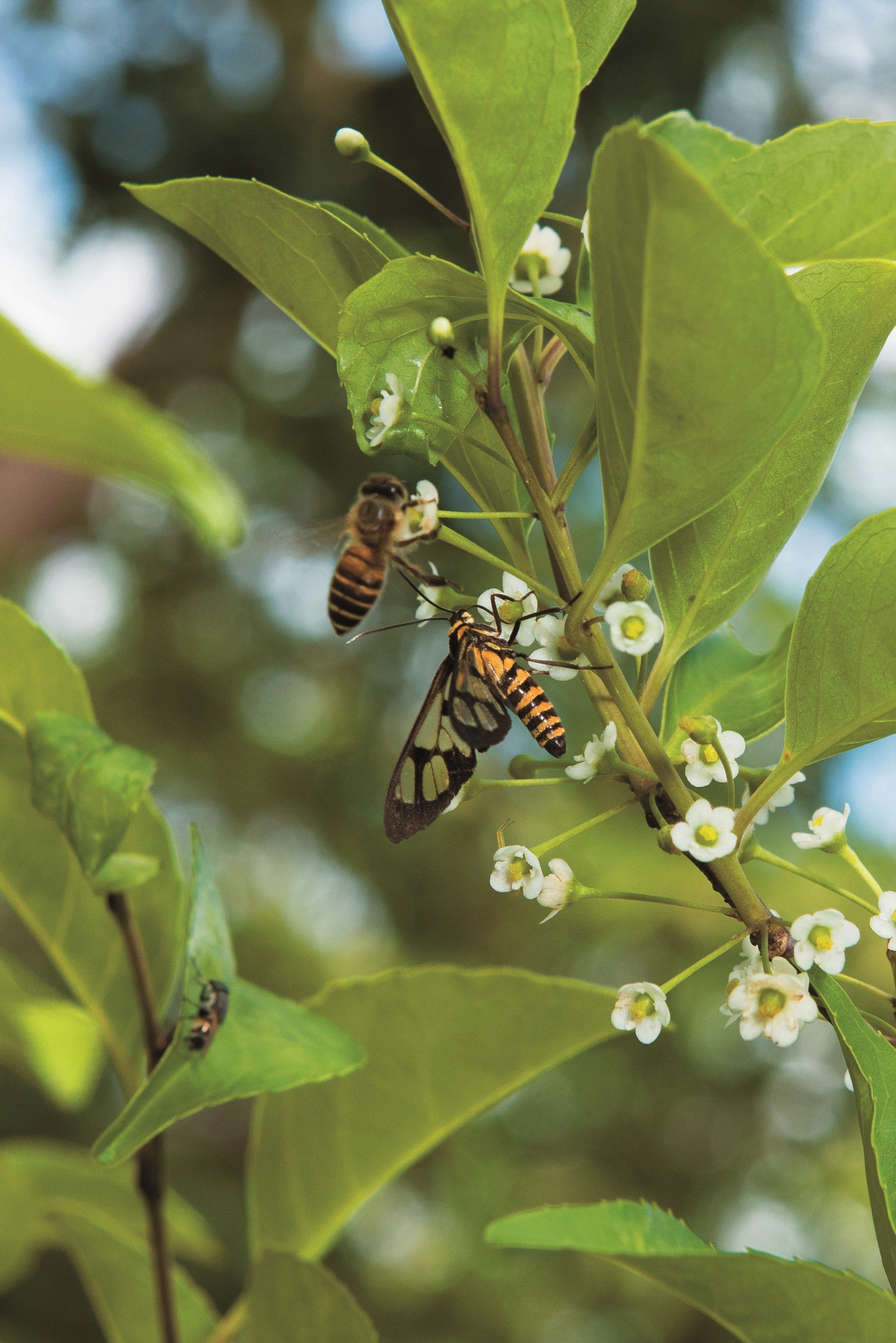
Searching for moths in all areas but fearing mischief from the monkeys
Shen-Horn Yen said that the moth survey in Kenting from 2019 to 2020 adopted the sweep net, light trap, and visual inspection methods commonly used for insect surveys. Given the strong wind in Kenting, methods that use traps baited with rotten fruits or rotten flesh were not suitable. Another interesting reason why traps baited with rotten fruits could not be used was the concern that macaques and squirrels might be lured in and destroy the traps. During the two-year survey, the research team targeted Sheding, Siangjiao Bay, Eluanbi, Guanshan, and Mt. Nanren. In 2021, additional surveys are being conducted in coastal forest areas in the Manjhou region.
Scientists do what they should do
Talking about the joys and pains of conducting ecological surveys, Shen-Horn Yen said, “As a scientist, surveying and collecting are what I should do and like to do.”
The greatest joy in the process is finding the target creatures and solving longstanding problems. Encountering bad weather or getting nothing makes it difficult. "There is nothing glamorous about the research and investigation process. The research team often acts alone and cannot rely on outside assistance. So naturally, there are no heart-warming stories to tell."

Nocturnal creatures are important contributors to pollination
Some moths are dull and unpleasant in appearance, giving rise to people’s bias against their roles in nature. Most people usually think of butterflies and bees as plant pollinators. However, according to Shen-Horn Yen, "Moth larvae are important herbivores. For nocturnal flowering plants such as Indian Barringtonia and pitaya, moths are effective pollinators."
Therefore, it can be inferred that plants are the habitats of moth larvae. Therefore, it can be inferred that plants are the habitats of moth larvae, while moth larvae are the factors regulating plant population. Moth imagoes can help pollinate many plants. In other words, without moths, many flowering plants will find it difficult to bear fruit and reproduce. Plants and moths form an interdependent network system, and the diversity of plants and the integrity of vegetation affect the diversity of moths.
Knowledge is the first step toward cherishing moths
Since the appearance of commonly seen moths is neither eye-catching nor beautiful, Shen-Horn Yen thinks that it would be difficult to persuade the public to change their loathing for moths into liking. "The first step is to expose and reveal to the public more interesting mysteries of nature and further provide text and images that are exquisite to help them cherish because of understanding. " He believes that exposing the public to information can help them be rational instead of attempting to exterminate moths whenever they encounter moths.
Shen-Horn Yen pointed out that, today, Taiwan has plenty of human resources in moth research. Nevertheless, few have the academic background and research publication. Through this project, the research team has revealed information about moths, unveiled their mystery and the characteristics of their ecology. It has helped the public to be surprised by its discovery that the markings and diversity of moths are not inferior to those of butterflies. These twilight angels that coexist in the lush vegetation of Kenting National Park are worthy of us letting go of our stereotypes and beginning to appreciate them.


