
Creating a Vision for Mountains and Oceans-The First Step of the National Park Service
to the public through innovative, personable approaches.
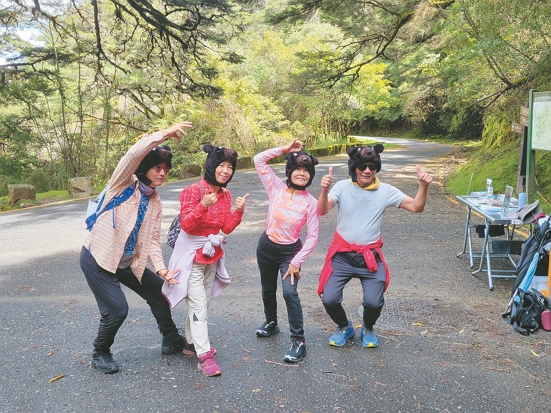
(a people at a Formosan Black Bear interpretation station.) / Provided by YNPH
If you see the term "environmental education," what kind of image comes to mind? Is it everyone sitting upright following the experts' explanations in a solemn manner? Now, the creative education activities in national parks aim to completely overturn everyone's established impressions. For instance, activities like tree climbing, healing yoga, escape rooms, brain science, and efficiency development, or sports such as orienteering and stand-up paddleboarding, which have been beloved both at home and abroad for many years, are seamlessly integrated into the national park’s environmental education programs.
Each National Park Headquarters is pulling out all the stops, with their activities not only being instantly filled upon opening for registration but also attracting people to proactively request marine debris from the visitor center; people are even encouraging friends to participate in cosplay by wearing Formosan Black Bear headgears and aprons, going live online, and inviting Facebook friends to listen to interpretations. These new forms of educational promotion activities, which combine education with entertainment, have made the public aware of and discover aspects of national parks that they had never noticed before. It turns out that everything in the mountains and forests is very close to us, and learning about natural ecology is not difficult at all; in fact, it's incredibly interesting!
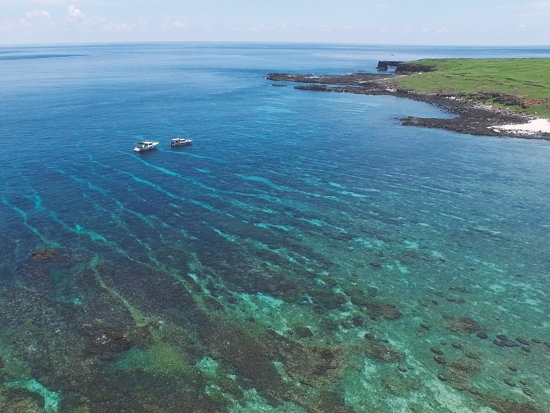
/ Provided by MNPH
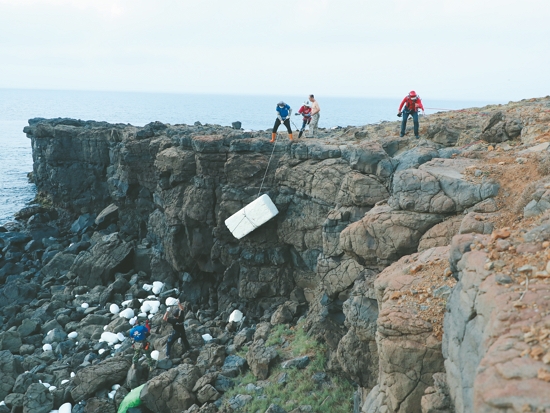
needs to be hauled up on ropes, which is very time-consuming,
labor-intensive, and dangerous. / Provided by MNPH
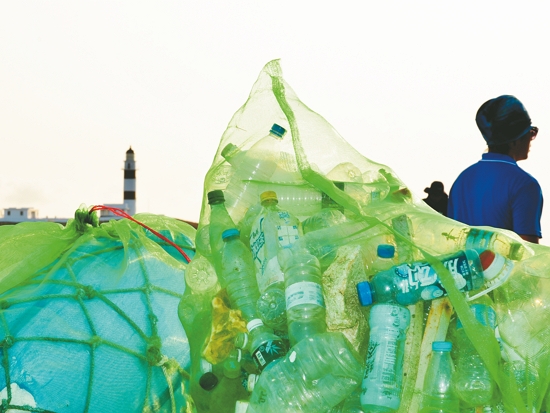
These are put into green mesh bags and temporarily stored on Dongiyu,
before being transported by ship to the main island of Taiwan for processing.
/ Provided by MNPH
“Bag” away Wastes, Enhancing Your Travel Memories
Thinking back on our past travel experiences: often, we find ourselves in visitor centers, glancing at the racks filled with brochures, or quickly passing through exhibits in quiet empty spaces, or simply walking pass interpretive signs along the trails without pausing. We frequently struggle to find the time to sit down and read these brochures, explore the exhibits, or study the signs. Instead, we tend to rush through, snap a few photos, and hastily leave the attractions. To ensure that special exhibitions don't become mere slogans and that environmental protection remains more than just words, Marine National Park Headquarters, Dongji Service Station has initiated the "Leave No Trace Island Travel" campaign, in Dongjiyu promoting the "One Person, One Bag of Empty Bottles" initiative, which has successfully attracted many tourists to come to the visitor center to inquire about how to take away marine debris.
How did this happen? Shou-Wen Yang, the contract employee from South Penghu Marine National Park first explained how these eagerly sought-after marine debris came about, “The islands within the South Penghu Marine National Park are primarily composed of columnar basalt sea grooves and coral reef coastlines. Every year when the monsoon currents prevail, more than a hundred tons of garbage drift through, eventually accumulating within the rocky reef formations. To clear out this substantial amount of marine debris, we often mobilize volunteers and various groups to conduct beach cleanups. We also hire local boat operators to transport the waste to a centralized processing facility in Magong City. From there, it is further transported to Kaohsiung City for disposal. This entire process is not only labor-intensive but also comes with a significant cost. In practical terms, while we continue to clean up excessive marine waste, we also hope to find ways to encourage everyone to reduce their waste generation actively. This way, we can address both the symptoms and the root causes of the issue.”
Consequently, this year, the Dongji Service Station has planned the "Marine Debris Exhibition." They star ted by inviting residents, volunteers, and children to create artworks based on marine debris. Additionally, they prepared comprehensive posters showcasing the results of beach cleanups, explanatory panels about the causes and impacts of marine debris, and designed the "One Person, One Bag of Empty Bottles" activity. Shou-Wen Yang shared, “In fact, it was during a particular instance when our station director stumbled upon the collaboration between the Penghu County Environmental Protection Bureau and a private company, which had installed 10 ECOCO Smart Recycling Machines' at five different locations. After trying it out, we found the discounts received to be very practical. Therefore, based on the existing recycling machine design and in conjunction with our special exhibition, we piloted this activity on every Friday in September.”
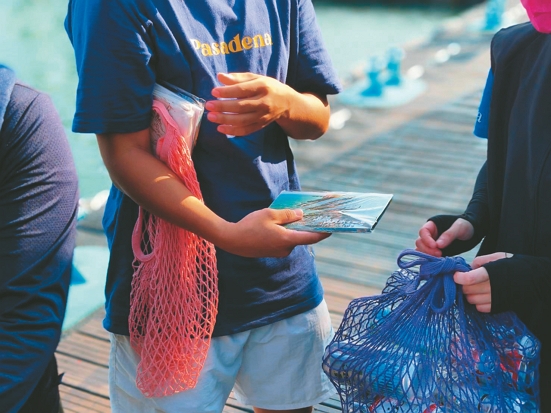
them for promotional materials from the MNPH at the pier. / Provided by MNPH
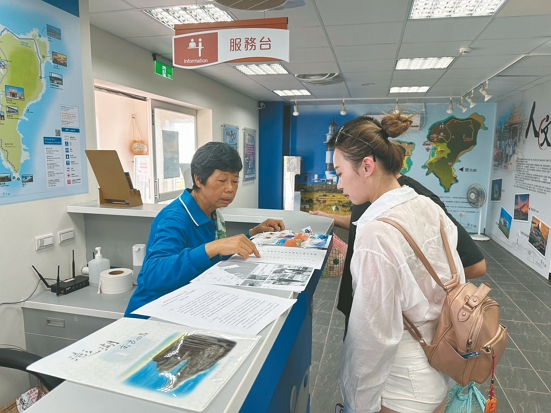
come across the ocean from all over the world. / Provided by MNPH
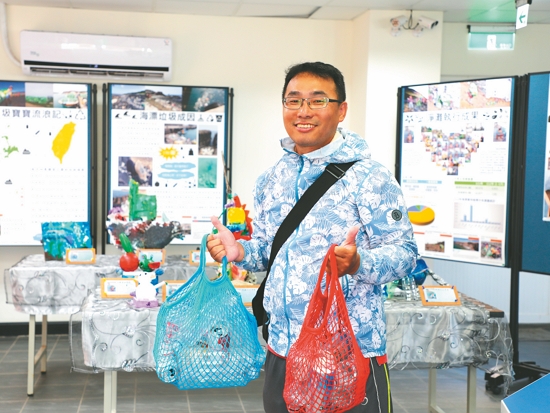
this makes management staff and volunteers sincerely grateful.
/ Provided by MNPH
While it is currently in the trial phase, this activity has received a tremendous response. Not only are the elders showing a keen interest in the headscarves and postcards in the promotional items, but there is also a lot of enthusiasm for the mesh bags used to pack the empty bottles. Shou-Wen Yang chuckled and said, “I suggested using mesh bags to pack empty bottles, considering that people can reuse them later. When you're out and about, you can put the empty bottles you've used in these bags, aligning with our hope that everyone will practice the concept of 'Leave No Trace Travel' in their daily lives. Furthermore, since we promote environmental conservation, it's only fitting to choose recyclable hemp cotton cord mesh bags. Unexpectedly, this choice aligns with the trendy 'hipster’ style these days, prompting young travelers to inquire actively. Because there are various color options, it has even stirred the 'collecting obsession' in many, with some taking several bags at once!"
She recalled a particular instance when a young girl came with her boyfriend and her mother. The young girl, with the same dedication as if she were choosing a designer handbag, carefully selected the mesh bags with waste materials she wanted. She even asked, "Can I only take one bag? Can I have one of each color?" Reactions like these, or another instance when an entire company's employees took advantage of their company trip and took away a large quantity of waste materials with them always fill the Dongji Service Station team with motivation. Shou-Wen Yang said, “I never expected that with simple encouragement and rewards, ever yone would respond so enthusiastically, willingly carrying around at least one bag of waste materials everywhere, and not abandoning it along the way. They even voluntarily go to the recycling machines to complete the recycling process. This is the most heartwarming and least easy part!"
Turning the abstract slogan "take your trash with you" from the environmental exhibition into a practical action through this reward system has made it a "must-do" for island-hopping travelers. It not only helps travelers understand the concept of marine ecological conservation but also assists the outlying islands in solving part of their waste removal issues. Travelers also personally experience that even when away from home, carrying and disposing of garbage properly at the right locations is not only simple but also comes with tangible rewards. Being Earth-friendly is no longer out of reach.
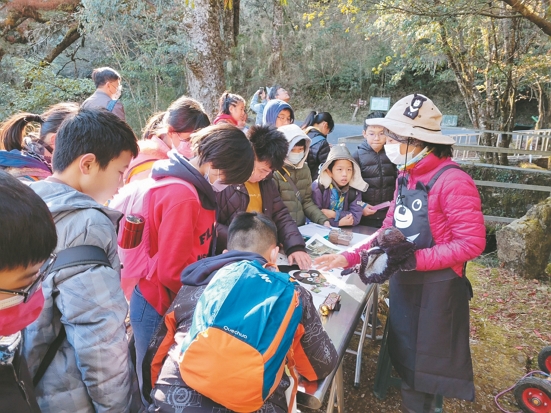
in a timely manner based on people’s feedback. / Provided by YNPH
Stationed Interpretation, Leaving Bear Pawprints in Our Heart
Coincidentally, there is the highly successful “Formosan Black Bear Conservation Stationary Interpretation Program” by the Yushan National Park Headquarters which has been in operation for two years. This program has effectively transformed the spirit of conservation into public action by rendering conservation content in three dimensions. This program is set up in two fixed locations within Yushan National Park: The Tataka Recreation Area and the trailhead of the Walami Trail in Zhuoxi Township. Interpreters take turns manning these stations from around 8 AM to 4 PM daily, providing visiting tourists with guidance on knowledge related to the Formosan black bear.
Tsung-Hsien Lin, a Interpretation volunteer in Yushan National Park and also an interpreter for the Taiwan Black Bear Conservation Association, succinctly explained the main difference between this program and previous educational outreach efforts: “The national park's interpretive signs is very rich in content, but like brochures, it's often overlooked by visitors. On the other hand, through a short, interactive explanation by a real person, the information is often clearer and more understandable than self-reading.”
Chi-Chin Lin, who is also a Interpretation volunteer in Yushan National Park, added fur ther context to the program's purpose, “The Formosan black bear is very close to us in Taiwan. In recent years, we can see from news reports that these bears often accidentally broke into farmhouses or are increasingly spotted by hikers on the trails. However, because most people don't understand them well or are afraid of them, it has led to too many misunderstandings and regrettable incidents involving bear-human conflicts.”
Never the less, the Formosan black bear Conservation Stationary Interpretation Program differs from the traditional guided interpretation model. Unlike environmental education courses that require prior reservation, and participants come from various backgrounds with differing levels of knowledge about the Formosan black bear and var ying interests. Explaining the subject matter concisely and effectively in a short period, capturing the audience's attention, and adapting to the crowd's diverse interests pose a significant challenge for the volunteers. Just the act of “speaking up” presents a whole new set of challenges.
“Visitors often misunderstand that we're selling products when they see our booth, so our on-duty interpreters would wear specially designed black bear aprons and headgear. This makes visitors feel like it's something fresh and fun, and it helps lower their guard,” Chi-Chin Lin vividly shared their secret. Tsung-Hsien Lin also added with a smile, “Many visitors will ask us to take photos with them, or they will borrow the headgear and aprons to cosplay for a bit, taking photos as a keepsake. This is a great opportunity to start conversations with each other.”
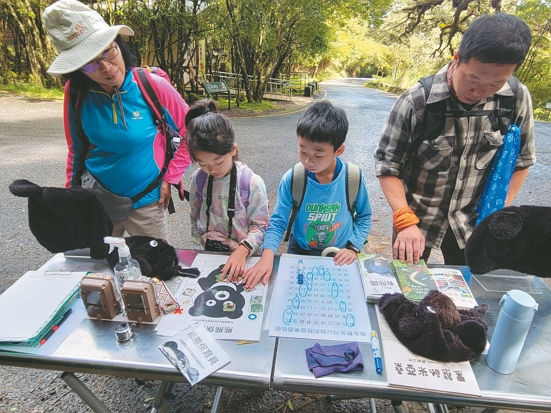
about Formosan Black Bears in a fun way. / Provided by YNPH
Additionally, Tsung-Hsien Lin shared the key to their interpretations, “While we undergo a comprehensive educational training that covers everything, such as understanding the characteristics and habits of the Formosan black bear, its current status in Taiwan, and how to coexist with bears, we don't rush to deliver it all at once. Instead, we observe the audience's reactions and adjust the contents of our explanations in real time.” Chi-Chin Lin also explained based on personal experience: “Many people don't know how tall Formosan black bears can grow, what they eat, or where they live. So, we start from the most basic and relatable aspects, and then we include small gaming challenges. Visitors are usually willing to spend a bit more time listening to deeper information.”
Fur thermore, Chi-Chin Lin and Tsung-Hsien Lin both emphasized the importance of setting up stations at the trailhead and recreational areas, “In the past, we were used to learning about the Formosan black bear from inside a classroom, through books or TV screens. We couldn't quite imagine them in real-life scenarios. However, when we stand on the trails where they pass by or in the forests where they often linger, we can imagine, ‘If I were a Formosan black bear, how would I search for food right now? Where would I find a comfortable sleeping spot?’ Coupled with explanations of the actual terrain and features, everyone gains a clearer understanding of where the Formosan black bear leaves its tracks, claw marks, and waste, and what they look like. This allows us to be better mentally prepared before heading into the mountains, and when encountering bears, we can respond calmly."
Speaking of the crowd's reaction, Chi-Chin Lin fondly recalled an experience, “There was an elder lady who had just stepped off a tour bus and walked to our booth. I happened to be explaining at that moment. After she listened, she immediately turned around and called her friends over. Then, more seniors gathered around me, asking me to repeat the explanation. Later, someone even started a live stream on their phone!" Tsung-Hsien Lin shared a similar sentiment, recounting the many interactions he's had with visitors. For him and other volunteers, the primary reason for their dedicated interpretation work at the station is to instill love and concern for the Formosan black bear in the hearts of the public, awakening the "conservation spirit" in as many people as possible.
The success of the Formosan Black Bear Conservation Stationary Interpretation Program is a testament to the concerted efforts of the National Park Headquarters and volunteers. By creating engaging educational tools, employing flexible and entertaining explanations, and injecting a bit of creativity into their educational outreach, they can effectively conveyed knowledge to the public.
/ Provided by SNPH
Orienteering, a Self-competition for All Ages
However, does the effectiveness of personal interactive explanations mean that interpretive signs are now outdated and useless as environmental education tools? Not necessarily. Through Shei-Pa National Park's “Ecological Orienteering,” it becomes clear that in creative educational programs, traditional media materials such as brochures and interpretive signs still have advantages and influence.
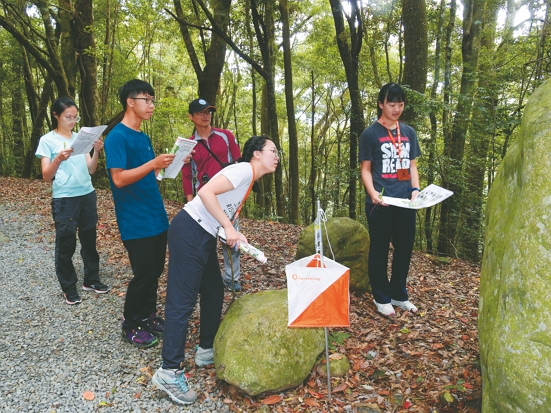
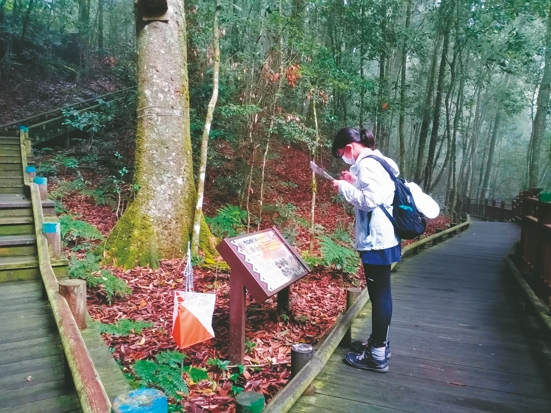
The "Ecological Orienteering" activity in Shei-Pa National Park is custom-designed for specific locations by Yau-Lung Cheng, a volunteer ranger at Shei-Pa National Park and also the former National Team Coach of the Chinese Taipei Orienteering Association. He specifically mentioned the role of interpretive signs in the “Ecological Orienteering” activity: “The ecological orienteering activities currently held in Wenshui, Xuejian, and Wuling all use existing interpretive signs as checkpoints and orienteering markers are placed next to the signs. The content on the interpretive signs already provides a comprehensive explanation of the natural landscape features of the area, which can serve as clues for solving puzzles, and it also addresses limitations related to the availability of guide personnel or timeframes."
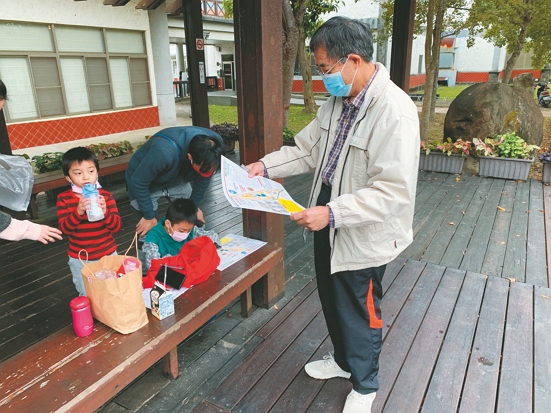
When people visit the visitor center and request a map for the “Ecological Orienteering” activity, they first need to use the map's information, which includes explanations of topographical symbols, checkpoint locations, time limits, and several “thought-provoking questions.” This information helps them determine the route to the next checkpoint. Once they find a checkpoint, they mark down the relevant information on the map to prove they have accurately reached that point. Then, they carefully read the content on the interpretive sign and use the QR code on the orienteering marker to find answers to the questions. After completing all the questions and returning to the visitor center, park staff would confirm that the participants have completed the questions within the allotted time and answered all of them correctly. In return, participants would receive a small gift.
Ensuring that visitors absorb knowledge and remain motivated to explore further checkpoints is of paramount importance. The content on interpretive signs placed at these checkpoints plays a pivotal role in achieving this goal. It must be presented in an accessible and reader-friendly language, offering precision and brevity while maintaining clarity in context, all within the appropriate length. This content should captivate individuals, enticing them to pause, peruse, and readily grasp the information presented. Hsiao-Chuan Chuo, officer of the Shei-Pa National Park Interpretation and Education Section shared, “We strive to create interpretive signs that encompass various domains, allowing the public to approach the understanding of species from different angles. For instance, when introducing the camphor tree, we might also touch upon Taiwan's camphor industry history and the myths and legends surrounding these trees. Many people have discovered, through the Ecological Orienteering activities, just how engaging our national park's interpretive signs are. These signs seamlessly integrate environmental observation and contemplation, affording individuals the flexibility to manage their learning time and style according to their preferences.”
The Ecological Orienteering activities is very similar to the traditional “Wide Game” group activity. However, when fused with in-depth ecological knowledge and map-reading skills, they help participants develop the ability to interpret maps. This becomes particularly useful when planning routes and walking in the field, as it involves a significant amount of autonomous exploration of the terrain, weather observation, continuous thinking, and the judgment of strategies for proceeding. “Ecological Orienteering is not difficult, and the activity design isn't meant to stump participants. Instead, it's aimed at leading everyone away from the world of digital technology and guiding them to become more familiar with nature using their senses. This approach not only enhances the motivation to learn but also makes it enjoyable. When we actively explore the environment, it's like engaging in a 'self-guided activity,’” says Yau-Lung Cheng.
The general public commonly believes that participating in orienteering activities requires prior professional training. In reality, this activity is suitable for people of all ages, and even those with physical disabilities can join. Everyone can learn natural guiding skills and enjoy the thrill of exploring the environment through these activities. According to the initial investigation by the Shei-Pa National Park Headquarters, since the launch of these activities, a significant number of families have successfully completed them, and the children have performed exceptionally well. Yau-Lung Cheng said, “We've even encountered an 80-year-old grandmother who, upon seeing the question, cheered as she knew the answer. She eagerly led the way to the checkpoint, astonishing her accompanying family.” Hsiao-Chuan Chuo also shared her endorsement, “This activity is full of the fun of solving puzzles, and trained our logical thinking and decision-making skills. It has also helped us create very profound and unforgettable memories in every corner of the national park.”
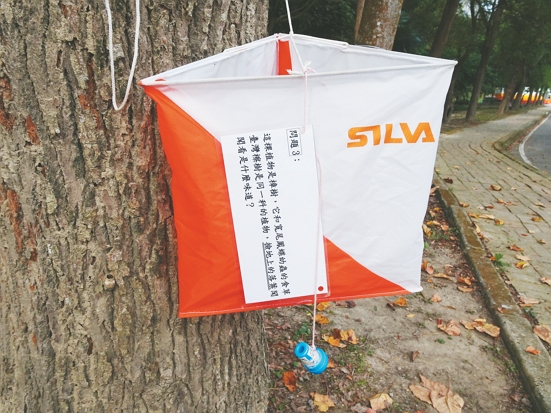
The basic types of orienteering
Orienteering activities originated from the Nordic countries and have a history of over a century. For the local people, it is almost a national sport and is also part of the physical education courses in schools. In terms of design, orienteering can be broadly divided into timed competitive and individual self-guided types. Designers first select several "check points" based on the characteristics of the environment and provide participants with a map, a compass, and check cards. Participants then plan the optimal route that connects these check points on the map and make adjustments while exploring in the field. The goal is to complete the tasks associated with each check point in the shortest possible time.
Rediscovering Our Original Intent through Scientific
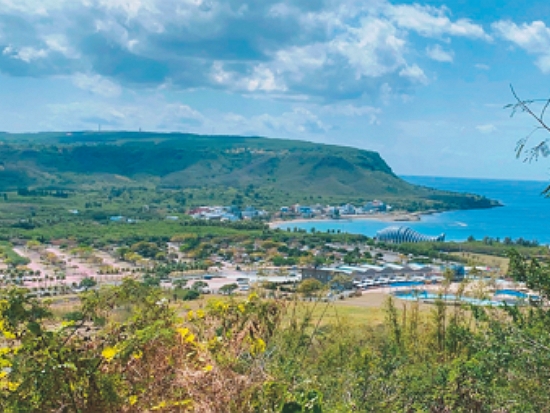
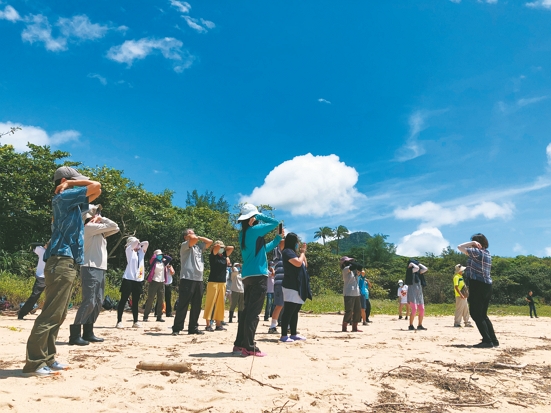
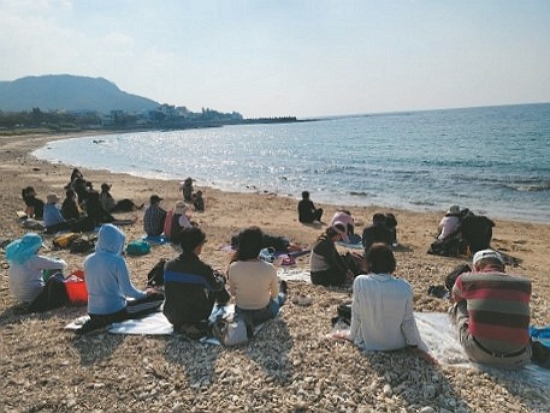
Just like Ecological Orienteering, the “Mountain and Sea Nature Healing” program organized by the Kenting National Park Headquarters is also designed to immerse people completely in nature.
Chiong-Yao Lin, a senior interpreter at the Kenting National Park, Headquarters said, “Around 2021, as part of the "A Date with National Parks" initiative, the Kenting National Park Headquarters aimed to connect intellectual ecological learning with sensory experiences. Drawing inspiration from the long-standing trend of nature healing practiced abroad, various themed activities are designed based on the distinctive features of the Kenting National Park.”
Lin mentioned that Kenting National Park boasts a combination of cultural history and natural landscapes, featuring both mountains and the sea. Therefore, the "Mountain and Sea Nature Healing" activities offered by the Kenting National Park Headquarters come with a variety of options. For instance, leading participants on a leisurely walk along the beach of Back Bay, sharing local stories from the past, indulging in the unique flavors of Back Bay community's brine stone salt cuisine, and trying their hand at making a “Salt Peace Bottle.” Alternatively, participants can embark on a hike along the Mt.Gui Trail, stretching and relax along the way, and take a rest at the “Yingxi Pavilion” or the “Renshou Terrace,” all while enjoying the tranquil and vast views of the open mountains and seas.
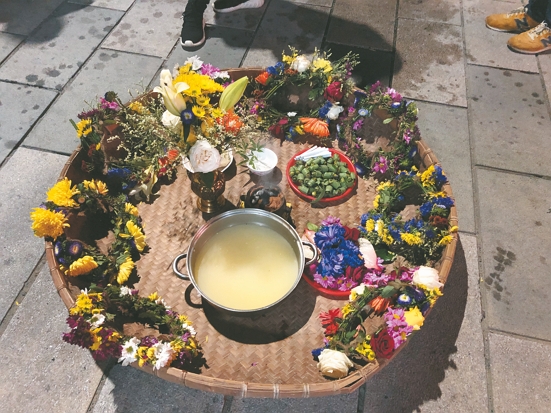
the Plains Indigenous peoples’ Night Festiva. / Provided by KNPH
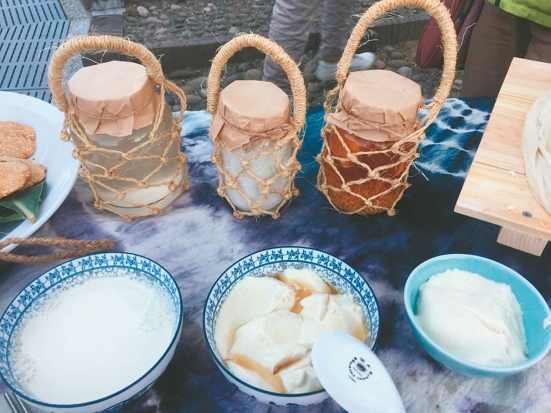
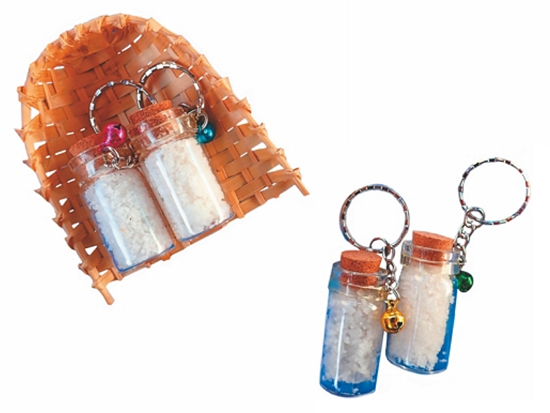
“We have also invited a research team from National Kaohsiung Normal University to join us, and with their scientific measurements, we can confirm that the activities do indeed have a ‘healing’ effect. Recently, we've had students from the Department of Physical Education participating, helping to plan physical exercises suitable for all age groups,” Chiong-Yao Lin said. Chin-Fei Huang, Associate Professor at the Graduate Institute of Science and Environmental Education at National Kaohsiung Normal University, explained the process in detail, “Before the activities, we explain the research content to the participants and provide them with detectors similar to headphones. As we conduct and record the activity details, we also collect the data transmitted by the detectors. Afterwards, through the accumulation and analysis of this data, we identify the specific locations or activities that correspond to moments when the human brain is most relaxed or focused.”
Professor Huang, who has been involved in brain science research for over 15 years, explains that based on various medical reports and her own research, it has been confirmed that most locations near water bodies, due to the humid air are rich in negative ions, in combination with physical activity and sensory experiences, it can help individuals relax both mentally and physically, relieve stress, contribute to overall well-being, and enhance one's sensitivity and focus on their surroundings. Such scientific evidence has also assisted the Kenting National Park Headquarters in continuously and flexibly adjusting the details and procedures of their activities, understand when, where, and how to deliver knowledge, guide observation and exploration effectively to capture the audience's attention and leave a lasting impression. This approach ensures that both educational outreach and recreation are optimized for maximum benefit.
Furthermore, taking this opportunity to reconnect with nature and our natural rhythms is a precious experience. Chiong-Yao Lin shares, “We once led a group of college students on a hike, and halfway through the journey, everyone sat down, quietly appreciating the mountain scenery in front of them. At that moment, no one reached for their smartphones, no one rushed into conversation. The sight was both awe-inspiring and moving. In that moment, this generation of young people has finally reclaimed the lost connection to the mountains.”
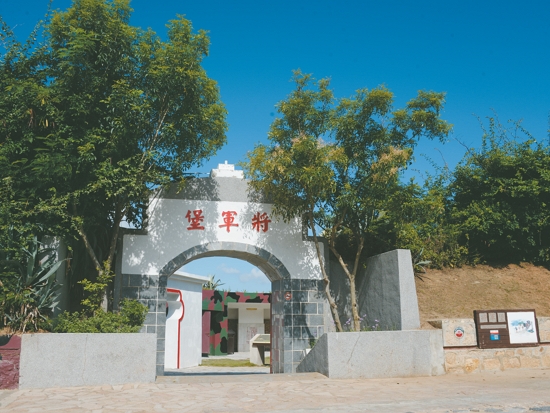
experience battlefield culture. / Provided by KNPH
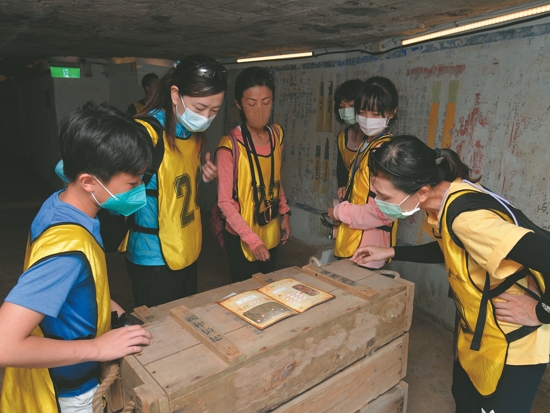
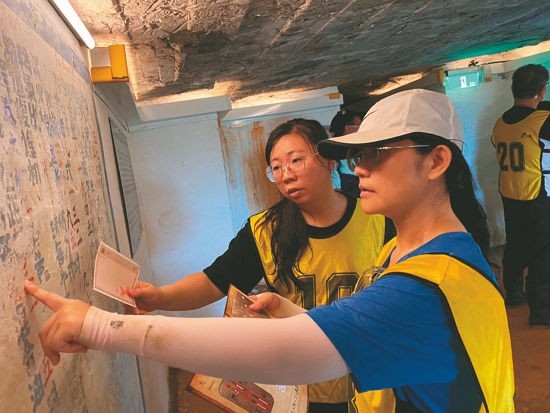
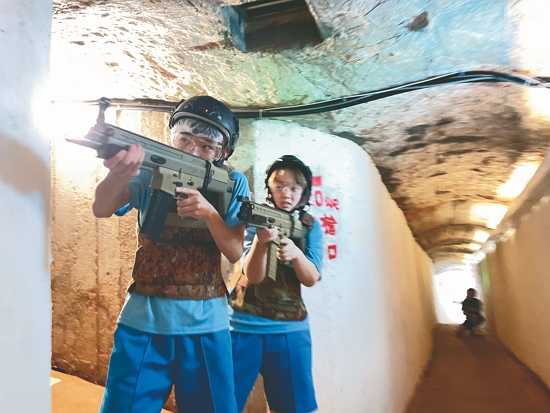
including bunkers and tunnels. / Provided by KNPH
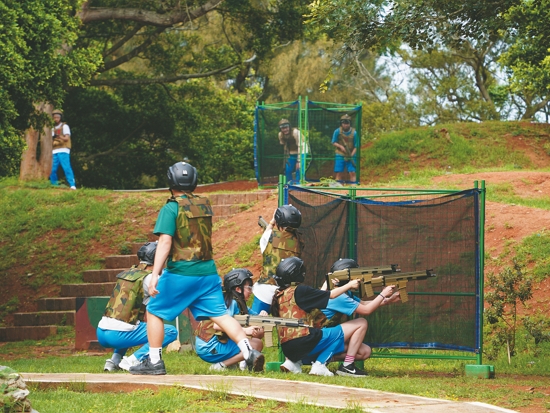
Immersive Experience, Bringing Wartime Memories to Life
Similarly, incorporating landscape and cultural elements to engage the senses and mind in environmental education activities, the immersive experiences at the military campsite revitalization organized by Kinmen National Park are truly refreshing. The military relics within Kinmen National Park, which include bunkers, military camps, tunnels, and other well-preserved defensive structures, are renowned for their historical significance, reflecting the unique wartime culture of the area.
To convey the unique local cultural sentiments and historical memories to the public, Kinmen National Park began offering "Escape Room" games in the tunnels of the Nanshantou Fourth Camp on Lieyu Island in 2018. The games are available to the public free of charge through a reservation system. In addition, Kinmen National Park Headquarters organized 12 sessions of "Survival Game Education and Training Program" at the Jhongshanlin Jia Village Camp, Runanshan Camp, Nanshantou Fourth Camp on Lieyu Island, Ship Fort in Jinsha Township, and Guningtou Third Camp in Jinning Township in 2022. In both of these activities, participants are given a quick overview of the historical context, understanding what “military culture” is, and then engage in shooting experiences or challenge levels according to the environment.
Integrating adventurous, sporty, and team-based game elements into environmental education outreach programs is an innovative approach that helps participants discover how fun and engaging national parks can be. Yi-Ping Huang, the Deputy Superintendent of Kinmen National Park Headquarters, expressed, “One of the objectives of Kinmen National Park is to introduce the unique military history of this place to the public. While working on restoring the military camps, we also are brainstorming ways how to turn these large camp areas into cultural and tourist attractions. So, by organizing these immersive experiences, the concept aligns closely with ‘in-situ preservation. “In other words, the public gets a more authentic and historically significant experience by taking on challenges like escape rooms and survival games in what used to be military camps.”
Furthermore, Kinmen National Park Headquarters is actively engaged with the local community. Yi-Ping Huang shared, “We not only invite the students and teachers from Kinmen High School to participate in escape rooms, but also invited foreign students from Kinmen University to experience survival games. This allows everyone to feel the depth of cultural experiences. Especially for international students, when they return to their home countries, they will be better equipped to introduce how special ‘Kinmen’ truly is to their family and friends.”
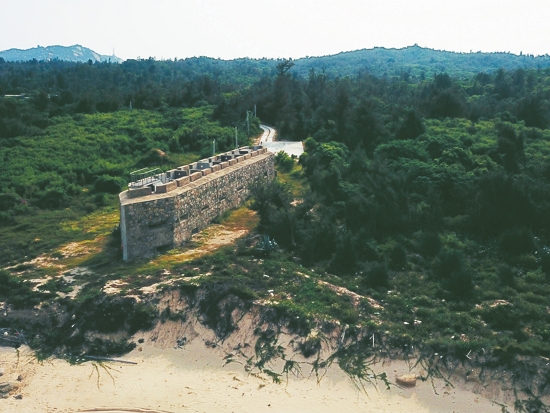
is an experience most of us have never had before. / Provided by KNPH
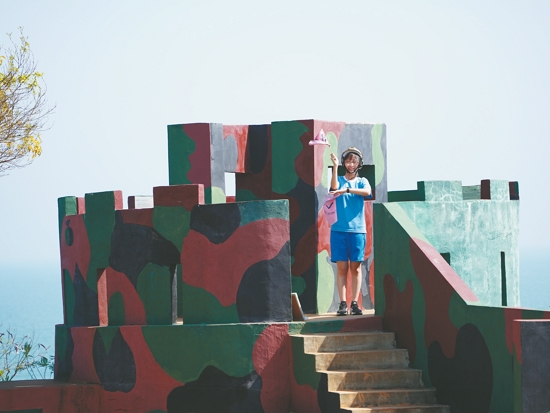
Learning by Playing
In addition to the above-mentioned creative environmental education designs, each Headquarters has been continuously organizing various explosive and diverse activities. For example, the Taijiang National Park has been offering canoe, stand-up paddleboarding (SUP) experiences for several years. These creative environmental education designs have received significant positive feedback, leading Headquarters to consider expansion and improvement. For instance, the Kenting National Park is actively assisting community associations and partners to leverage scientific research results and make the best use of local characteristics and resources to plan unique and substantial local travel itineraries.
These highly creative environmental education designs and experiences use interactive and hands-on approaches, aiming to engage the public with national parks using all five senses. They provide a well-rounded exposure to cultural and natural knowledge. This subtle influence brings us closer to nature, reinforces our appreciation for biodiversity, and fully embodies the idea that “environmental education and outreach activities” are not only an essential part of public awareness but also align with the original purpose of establishing national parks. These activities seamlessly integrate recreation and tourism, and ecological education, making them the best path forward.


