ESG/USR PARTNERS | THE NATIONAL PARKS’ PERSPECTIVE
Article / Cheng Chih-Ya
Photo / Yushan National Park Headquarters
Interviewee / Hsu Ching-Ju, Technical Specialist, Park Service Team, Yushan National Park Headquarters
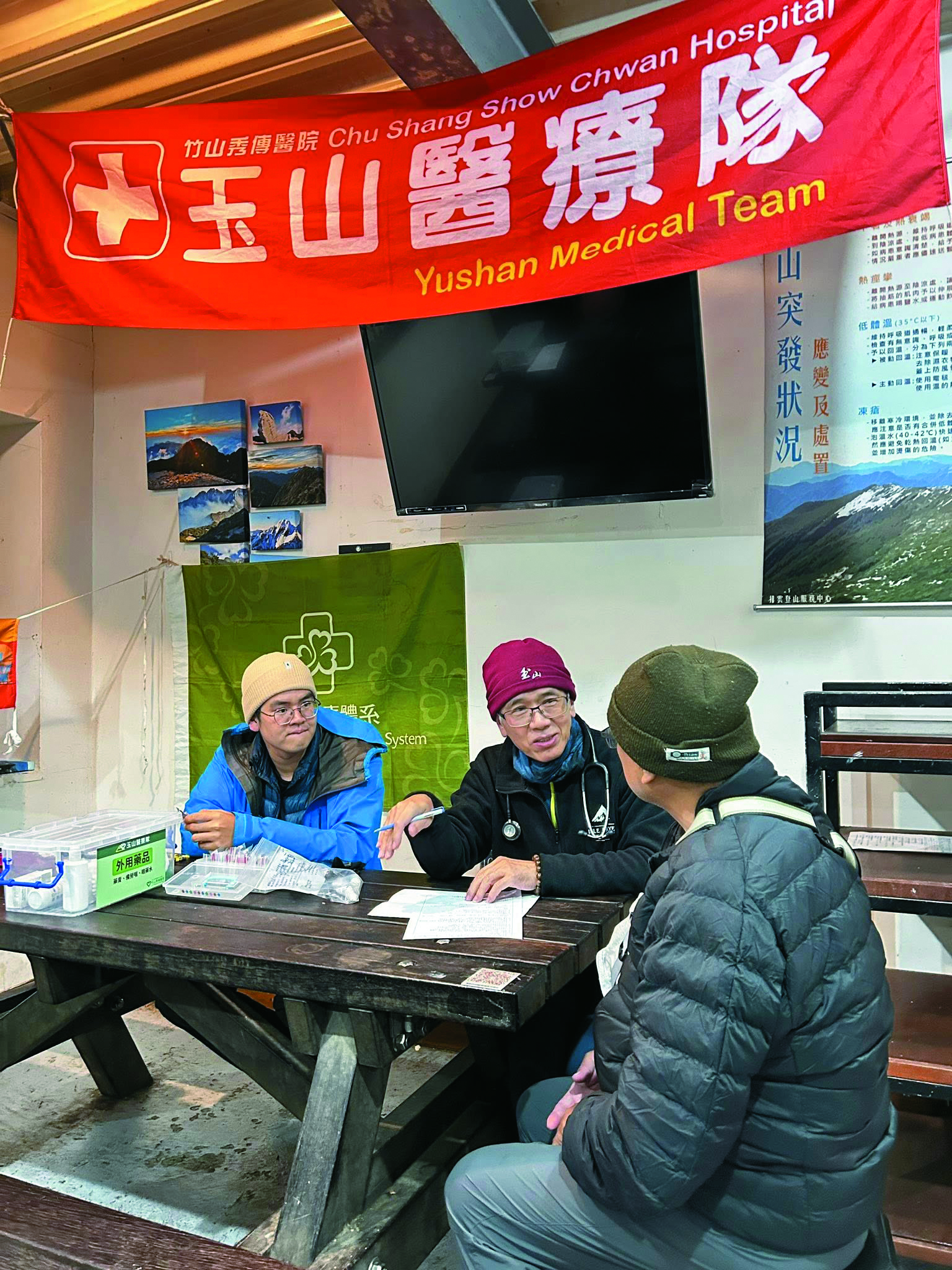
Early one Saturday morning, while most people were still fast asleep, Chu Shang Show Chwan Hospital medical staff strapped on their backpacks and taken to the trail to Paiyun Lodge. Armed with expert medical skills and an aim to ensure safety in the mountain forests, they ascended the 3,000-meter-high mountain. By doing so, they became the first medical team to be stationed so high in Taiwan.
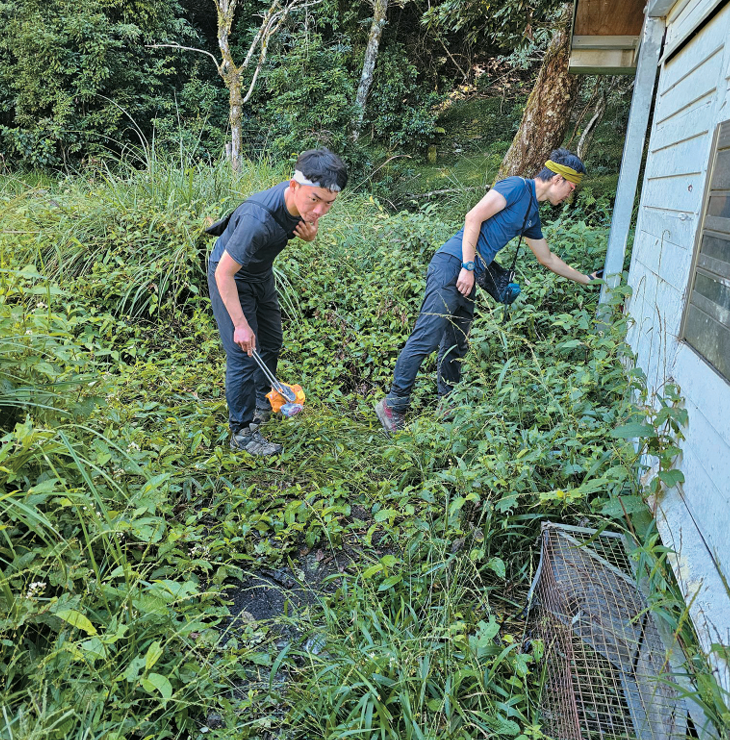
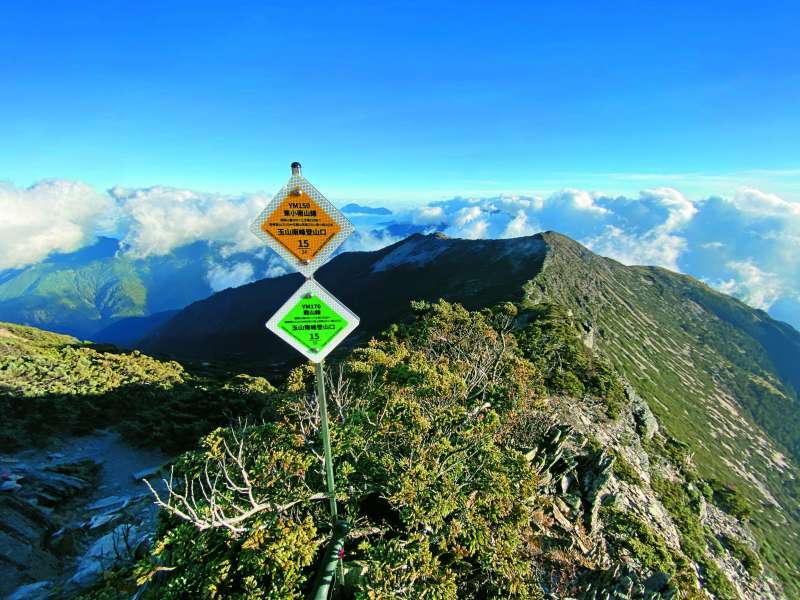
Along the trail, other forms of support were visible, including ecological monitoring devices and Yushan North Peak Trail navigation signposts installed by Novatek Microelectronics; mountain cabin emergency rescue equipment donated by Wowprime Corp.; and Chinese Taipei Alpine Association volunteers repairing reflective trail markers along South Section 4 of the trail. All this labor and material support embodies the dedication and friendships that have existed between companies and the national parks over 20 years.
Public-Private Collaboration: A Multi-Value Approach
Hsu Ching-Ju, Technical Specialist in the Park Service Team at Yushan National Park Headquarters (YSPH), says: “We face challenges similar to the ones the other headquarters face: Limited labor and resources to manage a vast area. The maintenance requirements have expanded even further for long-distance trails in recent years, with a growing number of hikers traveling from Tataka through to Paiyun Lodge, then extending to the Main Peak, North Peak, and South Section 2.” With this in mind, and based on the principle of “provide funds if you have funds, provide labor if you have labor”, YSPH approached corporations for the trail and facility adoption program.
Once the collaboration process was underway, the collaboration model is divided into funding assistance or service assistance, depending on the organizational conditions, willingness, and needs of the specific corporation or organization. Moving beyond purely seeking funding or recruiting volunteers, this approach has established a systematic public-private collaboration mechanism that allows for more effective interactions and flexibility.
Hsu explains that Uni-President Enterprises (the first corporation to sign a collaboration agreement with YSPH) offered financial support to hire Indigenous workers for trail maintenance. However, although this partnership may seem simple on the surface, but it quietly paved the way for a wide array of benefits and resulted in a sustainability triple-win: Fulfillment of corporate social responsibility; job opportunities for nearby residents; and improved recreational services at the park.

Expert Partners, Distinctive Adoption Efforts
Hsu expresses deep gratitude to every corporation that has contributed financial support to YSPH, especially those who have provided unwavering support for over a decade.
For example, Novatek (a global supplier of display driver ICs) has provided constant support for 18 years since 2007. In addition to trail maintenance, Novatek has sponsored upgrades for emergency rescue equipment in the past two years. The company has translated its spirit of technological innovation into concrete actions that enhance safety, while expanding into other initiatives such as conservation advocacy.
Wowprime’s participation demonstrates how the spirit of hospitality in the service industry can be applied in the forests, the company’s trail adoption and maintenance have continued for 12 years. When the pandemic hit, the company voluntarily donated pandemic prevention supplies, automatic belay descenders, climbing helmets, and other specialized emergency rescue equipment. This added a thoughtful, human touch to their ESG practice.
Compo Healthy Life and Jaten Precision Industries, both new partners who joined in the past one to two years, have likewise brought great enthusiasm to their participation in ecological conservation and trail maintenance efforts. Hsu speaks warmly and in detail about the collaborating partners, noting especially that some of them have personally taken part in YSPH’s work by contributing their professional expertise and on-site labor. Their involvement has created extraordinary value—something that financial contributions alone could never achieve.
For example, for the past 23 years, the Chinese Taipei Alpine Association has undertaken trail clearing along South Section 2 and the installation of reflective trail markers across the Back Four Peaks of Yushan. The Taiwan Climbing & Mountaineering Alliance (a nextgen mountaineering organization that has ‘only’ been around for 4 years) has demonstrated its capacity by adopting long-distance trails including South Section 2, Mabolasi Trail, and Batongguan, as well as donating two-way foot traffic counters to help monitor hiker traffic. “We’re so fortunate to have their support in implementing mountain environment protection policies,” says Hsu. “And they’ve hugely helped mitigate the headquarters’ labor shortages. We’re so grateful!”
Hsu adds, “Each adoption organization brings its own unique set of strengths.” When Paiyun Lodge underwent a renovation in 2013, Chailease Holding donated items ranging from lockers, food preparation tables, and dining tables, to chairs and mattress pads. At the Batongguan Ancient Trail completion ceremony in 2005, AUO Corporation funded earmarked projects that demonstrated their commitment to preserving historical and cultural heritage.


Expanding Conservation Through Transparency
Building on the success of YSPH’s trail maintenance adoption program, the headquarters has since expanded the scope of collaboration to include species and habitat conservation, environmental education and advocacy, and eco-friendly farming guidance.
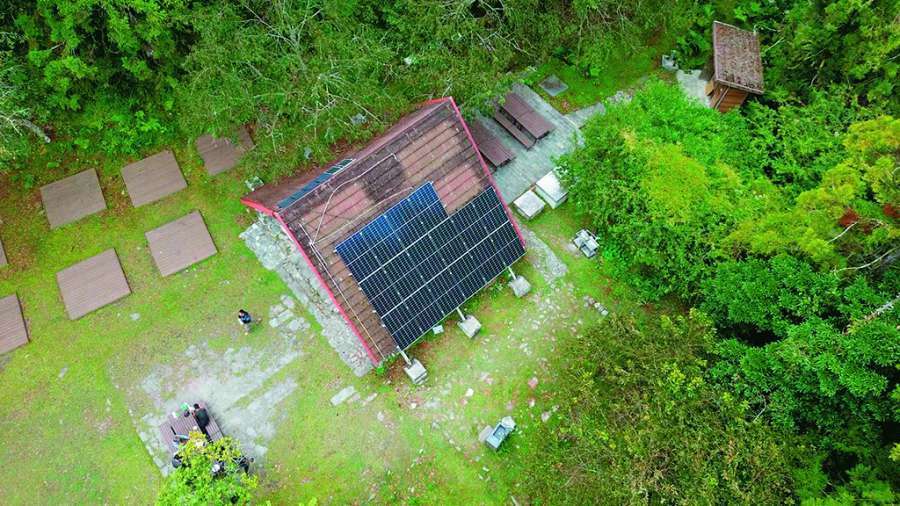
Global Tek Fabrication has invested in ecological conservation and environmental education programs for yellow-throated martens (Martes flavigula chrysospila); Taiwan Mobile and IBF Financial Holdings are jointly supporting habitat maintenance for the Alishan salamander (Hynobius arisanensis), and conservation of endangered species such as these often requires long-term financial commitment and expert research support. Having corporate partners involved means that the park can continue deepening the conservation work. Tatun Electric donated a solar power system for the Walami Cabin, using green energy technology to support mountain cabin operations. In this kind of model, the company “uses its expertise to give back their expertise”, so it’s not just a matter of donating funds, but contributing to sustainable development through their own unique abilities.
The E.Sun Culture and Education Foundation’s name derives from “Yushan”, the Mandarin name of Mt. Jade. As such, the foundation has a close connection to Yushan National Park Headquarters. Since 2009, the foundation has been a part of the trail adoption program; in 2015, they launched an organic agriculture training program in Nan-an Tribal Village; and in 2017, they helped support the establishment of the Tataka Literature Trail. The foundation helps find ways in which environmental conservation and Indigenous cultural preservation can reflect beautifully on each other.
Hsu also notes, “Every week, the Yushan Medical Team from Chu Shang Show Chwan Hospital dispatches expert medical personnel to Paiyun Lodge, where they provide emergency medical support for hikers. And they’ve been doing it for 21 years.” Their efforts are admirable, these medical experts’ compassion has the clarity and purity of Yushan Main Peak.
It is, of course, not by chance that this system has had engagement with so many sectors for over 20 years. Hsu takes pains to note the great importance YSPH attaches to ensuring both transparency and legal compliance. She mentions, “We formulated the Guidelines for Adopting and Sponsoring Yushan National Park Trail Facilities and Environmental Education Activities, and the template Adoption Agreement. And in compliance with the Freedom of Government Information Act, it’s all publicly disclosed on the YSPH website. This way, companies can select the approach that best suits their needs before discussing it further with us.”
She adds modestly, “We are so profoundly grateful to everyone. Every April, we invite adopting organizations to our anniversary celebration, where we present them with appreciation plaques.” This is not just a symbolic gesture, but a public acknowledgment and commendation of their contributions.
From Words to Action: Shared Public-Private Commitments to Conservation
Discussions of sustainable development often highlight the primary goal of rebuilding relationships between people and nature, and between people and other people. In 2015, the United Nations proposed the 17 Sustainable Development Goals; at that time, YSPH’s trail adoption program had already been operating for 14 years. The first corporate adoption agreement was signed in 2001. And now in 2025, over twenty corporations and civil organizations have joined forces to safeguard the environment and ecosystem of Yushan National Park. This journey testifies that public-private collaboration is not just a slogan but a clear, actionable path forward.
Hsu notes that, with growing awareness of ESG in recent years, YSPH looks forward to more companies seeking mutually beneficial connections with the natural environment. “Our adoption system is flexible and multifaceted”, says Hsu. “It doesn’t require a huge amount of capital, or even being a corporation. Hiking associations and medical group can all find appropriate ways to participate in the maintenance, management, and operation of the national park.” Protecting mountains and forests is not the sole responsibility of any single party. Through the joint efforts of businesses, civil groups, and the government, we can bring new energy to this land.
This may just be the beginning of a critical phase for this 24-year journey. However, if more partners from all sectors can come together with a shared belief, Taiwan’s mountains and forests will be preserved for generations to come in a sustainable way.